Was ist Nagasaki?: Nagasaki’s dining culture reflects a maritime landscape and a history of exchange that introduced new flavors while preserving local traditions. Seafood from surrounding waters appears in sushi, simmered dishes, and casual plates served across neighborhoods. The area is also associated with specialties shaped by overseas influence, including champon, sara-udon, castella, and the banquet-style shippoku cuisine. In portside districts and tucked-away lanes, small eateries and relaxed izakaya present menus that highlight approachable seasoning and seasonal ingredients. A distinctive thread in Nagasaki’s story is how Japanese, Chinese, and European techniques met at the table, producing combinations that later found their way into home cooking. Beyond the urban center, island communities offer regional tastes, from Goto udon to simple dishes that showcase local produce and dried seafood. Travelers often plan meals around festivals and the changing seasons, discovering contrasts between everyday comfort fare and courses created for special gatherings.
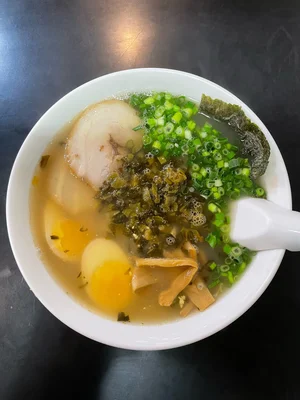
Was ist Ramen?: Ramen celebrates the harmony of broth, noodles, and toppings, offering a bowl that can feel comforting or bold depending on the style. Common broths include shoyu, shio, miso, and pork bone, often slow-simmered to draw out layered flavors, then balanced with a house tare and fragrant oils. Noodles range from ultra-thin to springy, curly strands, with firmness typically made to order to suit personal preferences. Toppings such as chashu pork, seasoned egg, menma bamboo shoots, nori, and scallions add aroma, texture, and contrast. Many shops feature an open kitchen and counter seating, where the pace is lively and the final assembly happens in view. Whether you gravitate toward a light, clear soup or a richer, opaque broth, the category invites exploration through regional styles, limited specials, and subtle variations in seasoning. The result is a customizable dining experience centered on balance, warmth, and satisfying slurpability.


.jpg?format=webp)
.jpg?format=webp)
.jpg?format=webp)
.jpg?format=webp)
.heic?format=webp)
.jpg?format=webp)


.jpg?format=webp)
.png?format=webp)


.jpg?format=webp)

.jpeg?format=webp)
.jpg?format=webp)


.jpg?format=webp)

.jpg?format=webp)
.jpg?format=webp)





.jpg?format=webp)
.jpg?format=webp)
.jpg?format=webp)
.jpg?format=webp)
.jpg?format=webp)
.jpg?format=webp)


