What is Oita?: Oita in Japan offers a dining scene shaped by hot-spring towns, fertile mountains, and rich coastal waters. Menus often highlight seasonal seafood such as seki-aji and seki-saba from nearby straits, along with Bungo beef, fragrant kabosu citrus, and meaty shiitake. Local comfort dishes include toriten, karaage, and hearty dango-jiru, while izakaya and counter spots serve simple plates that pair well with regional drinks. In onsen neighborhoods, cooks make use of natural steam to prepare “jigoku-mushi,” a method that reflects everyday life around communal baths and gives ingredients a clean, delicate finish. Craftspeople also draw on charcoal grilling and traditional koji to bring depth to sauces and preserved foods. Whether you seek a refined kaiseki sequence or a quick bowl brimming with coastal flavor, the area presents varied, welcoming options that allow travelers to explore Oita’s distinct food culture at a comfortable pace.
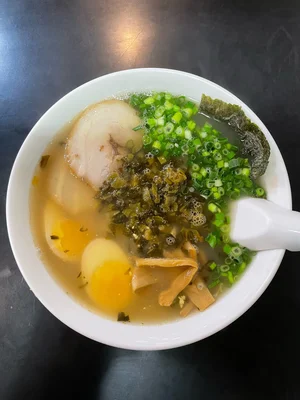
What is Ramen?: Ramen celebrates the harmony of broth, noodles, and toppings, offering a bowl that can feel comforting or bold depending on the style. Common broths include shoyu, shio, miso, and pork bone, often slow-simmered to draw out layered flavors, then balanced with a house tare and fragrant oils. Noodles range from ultra-thin to springy, curly strands, with firmness typically made to order to suit personal preferences. Toppings such as chashu pork, seasoned egg, menma bamboo shoots, nori, and scallions add aroma, texture, and contrast. Many shops feature an open kitchen and counter seating, where the pace is lively and the final assembly happens in view. Whether you gravitate toward a light, clear soup or a richer, opaque broth, the category invites exploration through regional styles, limited specials, and subtle variations in seasoning. The result is a customizable dining experience centered on balance, warmth, and satisfying slurpability.
.jpg?format=webp)
.jpg?format=webp)
.png?format=webp)
.jpg?format=webp)
.jpg?format=webp)
.jpg?format=webp)
.png?format=webp)
.jpg?format=webp)
.png?format=webp)
.png?format=webp)
.jpg?format=webp)
.jpg?format=webp)
.jpg?format=webp)
.jpg?format=webp)
.jpg?format=webp)
.jpg?format=webp)
.jpg?format=webp)
.jpg?format=webp)
.png?format=webp)
.jpg?format=webp)
.jpg?format=webp)
.png?format=webp)
.jpg?format=webp)
.png?format=webp)


.jpg?format=webp)

.jpeg?format=webp)
.jpg?format=webp)


.jpg?format=webp)

.jpg?format=webp)
.jpg?format=webp)



.JPG?format=webp)
.jpg?format=webp)
.jpg?format=webp)
.jpg?format=webp)
.jpg?format=webp)
.jpg?format=webp)
.jpg?format=webp)
.jpg?format=webp)
.jpg?format=webp)
.jpg?format=webp)
.jpg?format=webp)
.jpg?format=webp)
.jpeg?format=webp)
.jpeg?format=webp)
.jpeg?format=webp)
.jpeg?format=webp)
.jpeg?format=webp)
.jpeg?format=webp)