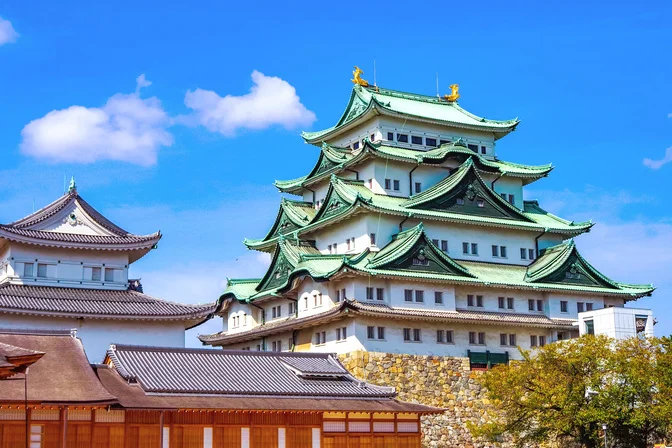
¿Qué es Japan?: Japan’s dining scene is often described as a dialogue between seasons, craftsmanship, and regional identity. From sushi, tempura, and kaiseki to ramen, yakitori, and wagashi, menus tend to highlight clarity of flavor and careful presentation. Travelers may notice distinct local styles: Hokkaido’s seafood, Tohoku’s comfort stews, Tokyo’s soba and modern interpretations, Kansai’s okonomiyaki and kushikatsu, Shikoku’s udon, Kyushu’s tonkotsu ramen, and Okinawa’s island influences. Many venues emphasize dashi, fermented seasonings such as miso and soy sauce, and precise knife work. A tradition linked to tea ceremony hospitality is said to shape the understated service and attention to detail found in many dining rooms. Street-side counters, casual izakaya, and refined multicourse experiences coexist, encouraging spontaneous tastings and planned outings alike. Seasonal specials, chef’s selections, and collaborative pop-ups appear in various neighborhoods, suggesting a food culture that balances heritage with ongoing creativity.
¿Qué es Daifuku?: Daifuku focuses on soft mochi or gyuhi wrapped around a gently sweet filling, offering a satisfying balance of chew and fragrance. Typical versions feature smooth or chunky red bean paste, while seasonal takes bring fresh strawberries, chestnuts, or yuzu. Shops often dust the dough with starch for a clean finish, and some lightly toast the surface or serve it slightly chilled to highlight texture. Variations introduce matcha, black sesame, kinako, or cream, and the contrast between tender skin and rich center invites unhurried tasting. Many counters shape the rounds by hand behind glass, letting guests watch the quick, precise motions that define this craft. Tasting flights, mixed boxes, and rotating flavors encourage exploration, whether you enjoy daifuku with green tea on the spot or choose a thoughtful take-home selection. The category rewards attention to temperature, timing, and softness, making each bite a small study in restraint and harmony.
.jpeg?format=webp)
.jpg?format=webp)
.jpeg?format=webp)
.jpg?format=webp)
.jpeg?format=webp)
.jpg?format=webp)
.jpg?format=webp)
.jpg?format=webp)
.jpg?format=webp)
.png?format=webp)
.png?format=webp)