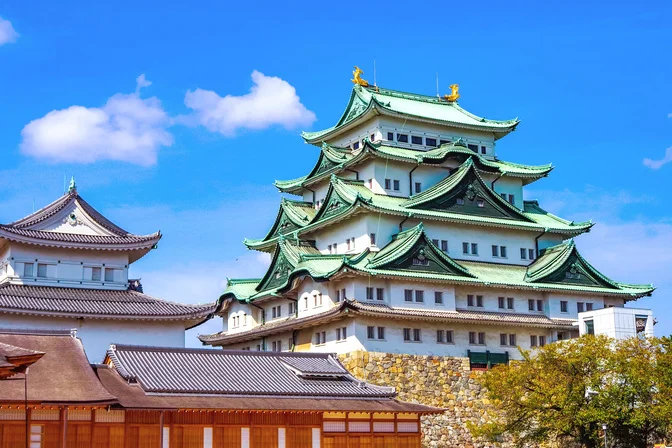
¿Qué es Japan?: Japan’s dining scene is often described as a dialogue between seasons, craftsmanship, and regional identity. From sushi, tempura, and kaiseki to ramen, yakitori, and wagashi, menus tend to highlight clarity of flavor and careful presentation. Travelers may notice distinct local styles: Hokkaido’s seafood, Tohoku’s comfort stews, Tokyo’s soba and modern interpretations, Kansai’s okonomiyaki and kushikatsu, Shikoku’s udon, Kyushu’s tonkotsu ramen, and Okinawa’s island influences. Many venues emphasize dashi, fermented seasonings such as miso and soy sauce, and precise knife work. A tradition linked to tea ceremony hospitality is said to shape the understated service and attention to detail found in many dining rooms. Street-side counters, casual izakaya, and refined multicourse experiences coexist, encouraging spontaneous tastings and planned outings alike. Seasonal specials, chef’s selections, and collaborative pop-ups appear in various neighborhoods, suggesting a food culture that balances heritage with ongoing creativity.
¿Qué es Parfait?: A parfait restaurant highlights the pleasure of layered desserts, where taste, texture, and temperature unfold with each spoonful. Tall glasses are often filled with scoops of ice cream or soft serve, silky custards, panna cotta or jelly, fresh or poached fruit, crunchy granola and nuts, and ribbons of sauces such as chocolate, caramel, or berry coulis. Many menus feature seasonal produce, playful combinations like matcha and citrus or chocolate and banana, and garnishes from meringue to cookie crumbs. The appeal lies as much in the visual composition as in the balanced progression from crisp to creamy and sweet to tart. Guests may choose from house signatures or customize toppings to suit a mood, enjoying a dessert that feels both composed and personal. Whether savored slowly at the table or shared as a centerpiece for the moment, the parfait promises an experience that invites curiosity and delight.