¿Qué es Wakayama?: Wakayama blends sea and mountain into a dining culture shaped by abundance and craft. Coastal towns draw on the Kii Channel for seasonal fish—tuna, sea bream, and hardy winter catches—while inland villages spotlight citrus, plums, and herbs such as Kishu sansho. Local tables range from casual eateries serving chuka soba known as Wakayama ramen, with a soy-and-pork-broth balance, to places focusing on hot pots like kue during colder months. Yuasa’s longstanding soy sauce making and fruit-forward confectionery reflect a regional fondness for fermentation and preserving. On Mount Koya, shojin-style cuisine associated with temple traditions offers a measured approach to flavor. Markets, seaside diners, and farm-side stands together create a route of tastes that rewards unhurried exploration. Over generations, pilgrimage paths through the Kumano area have influenced hospitality and simple, sustaining menus, giving the prefecture a quietly distinctive food story that visitors often remark upon.
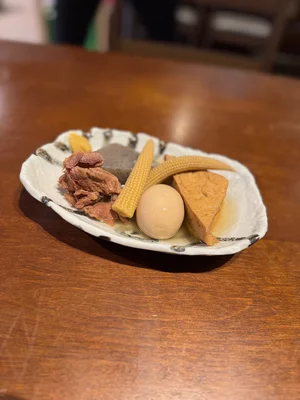
¿Qué es Oden?: Oden is a comforting Japanese one-pot style in which assorted ingredients are gently simmered in a fragrant dashi broth. Typical selections include daikon radish, hard-boiled eggs, konnyaku, tofu, fish cakes such as chikuwa and hanpen, mochi-filled pouches, and occasionally beef tendon. As the items bathe in the broth, they gradually take on savory depth, inviting a slow, unhurried pace of eating. Many venues present a large steaming pot at the counter, where guests choose pieces by sight and aroma, often pairing them with a dab of hot mustard. Broths vary: some lean light and clear with kelp and bonito, others show a soy-forward profile, and certain regions offer miso-based styles. The category welcomes variation in portioning and pacing, from a single piece to a small assortment, making it adaptable to different occasions. Diners often appreciate the warmth, the subtle interplay of textures, and the quietly nostalgic atmosphere it can evoke.

.jpg?format=webp)
.png?format=webp)
.jpg?format=webp)

.jpg?format=webp)
.jpg?format=webp)