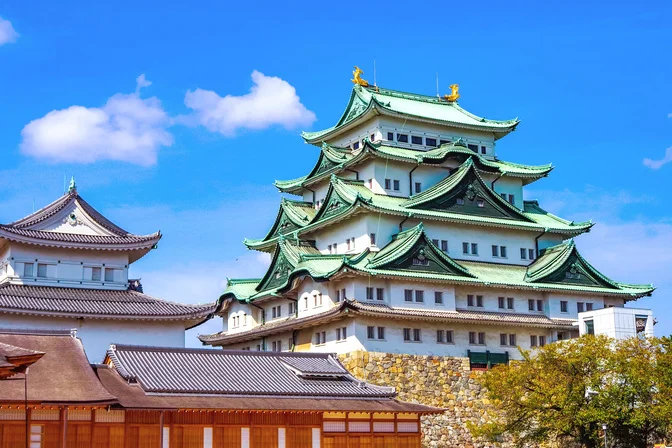
¿Qué es Japan?: Japan’s dining scene is often described as a dialogue between seasons, craftsmanship, and regional identity. From sushi, tempura, and kaiseki to ramen, yakitori, and wagashi, menus tend to highlight clarity of flavor and careful presentation. Travelers may notice distinct local styles: Hokkaido’s seafood, Tohoku’s comfort stews, Tokyo’s soba and modern interpretations, Kansai’s okonomiyaki and kushikatsu, Shikoku’s udon, Kyushu’s tonkotsu ramen, and Okinawa’s island influences. Many venues emphasize dashi, fermented seasonings such as miso and soy sauce, and precise knife work. A tradition linked to tea ceremony hospitality is said to shape the understated service and attention to detail found in many dining rooms. Street-side counters, casual izakaya, and refined multicourse experiences coexist, encouraging spontaneous tastings and planned outings alike. Seasonal specials, chef’s selections, and collaborative pop-ups appear in various neighborhoods, suggesting a food culture that balances heritage with ongoing creativity.
¿Qué es Chanko?: Chanko is a communal hotpot style often associated with sumo culture, centered on a simmering pot shared at the table. A savory broth—commonly soy sauce, miso, or salt based—gently cooks an abundant mix of ingredients such as chicken, seafood, meatballs, tofu, and a broad range of vegetables. The experience invites interaction: diners add items in stages, skim the broth, and ladle portions as flavors deepen. Texture contrasts are part of the appeal, from tender greens to springy fish cakes, with optional condiments like ponzu or sesame sauce for added nuance. Many venues conclude the meal with noodles or a simple rice porridge made from the enriched broth, extending the flavors to a satisfying finish. Menus may shift with the seasons and vary by house style, allowing different balances of sweetness, umami, and aroma. For groups, the shared pot creates an easy rhythm that suits casual gatherings and unhurried conversations.


.jpg?format=webp)


.jpg?format=webp)
.jpg?format=webp)
.jpg?format=webp)
.jpg?format=webp)
.jpg?format=webp)
.jpg?format=webp)


.jpg?format=webp)
.jpg?format=webp)
.jpg?format=webp)
.jpg?format=webp)


.jpg?format=webp)
.jpg?format=webp)
.jpg?format=webp)
.jpg?format=webp)
.jpg?format=webp)
.jpg?format=webp)


.png?format=webp)