Was ist Yamaguchi?: Yamaguchi, at Japan’s western edge, presents a dining scene shaped by two coasts: the gentle Seto Inland Sea and the brisk Sea of Japan. Seafood guides many menus, with seasonal sashimi, charcoal-grilled fish, and comforting hotpots reflecting local waters. The prefecture is often associated with fugu, prepared from translucent sashimi to warming stews, alongside regional specialties such as kawara soba served on heated roof tiles and layered Iwakuni-zushi. Inland, lotus root, mountain greens, and other produce appear in dishes that favor balance and clarity, while artisan soy sauce, miso, and local sake add mellow depth. Historic castle towns and welcoming port communities continue to influence technique and hospitality, giving meals a grounded sense of place. Travelers may notice that Yamaguchi’s food culture values restraint without austerity and warmth without excess, an approach that echoes centuries of exchange along sea routes and the steady rhythm of markets connecting shore and countryside.
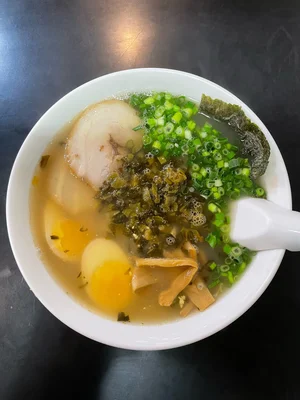
Was ist Ramen?: Ramen celebrates the harmony of broth, noodles, and toppings, offering a bowl that can feel comforting or bold depending on the style. Common broths include shoyu, shio, miso, and pork bone, often slow-simmered to draw out layered flavors, then balanced with a house tare and fragrant oils. Noodles range from ultra-thin to springy, curly strands, with firmness typically made to order to suit personal preferences. Toppings such as chashu pork, seasoned egg, menma bamboo shoots, nori, and scallions add aroma, texture, and contrast. Many shops feature an open kitchen and counter seating, where the pace is lively and the final assembly happens in view. Whether you gravitate toward a light, clear soup or a richer, opaque broth, the category invites exploration through regional styles, limited specials, and subtle variations in seasoning. The result is a customizable dining experience centered on balance, warmth, and satisfying slurpability.
.jpg?format=webp)
.jpg?format=webp)
.jpg?format=webp)
.jpg?format=webp)
.jpg?format=webp)
.jpg?format=webp)
.jpg?format=webp)
.jpg?format=webp)
.jpg?format=webp)
.jpg?format=webp)
.jpg?format=webp)
.jpg?format=webp)
.png?format=webp)
.png?format=webp)


.png?format=webp)
.jpg?format=webp)
.JPG?format=webp)
.png?format=webp)
.jpg?format=webp)


.jpeg?format=webp)
.png?format=webp)
.jpeg?format=webp)
.png?format=webp)
.png?format=webp)
.png?format=webp)
.jpg?format=webp)
.jpg?format=webp)
.jpg?format=webp)
.jpg?format=webp)
.jpg?format=webp)
.jpg?format=webp)
.jpg?format=webp)
.jpg?format=webp)
.jpg?format=webp)
.jpg?format=webp)
.jpg?format=webp)
.jpg?format=webp)
.jpg?format=webp)
.jpg?format=webp)
.jpg?format=webp)
.jpg?format=webp)
.jpg?format=webp)
.jpg?format=webp)

.png?format=webp)
.jpg?format=webp)
.jpeg?format=webp)
.jpg?format=webp)
.jpg?format=webp)
.jpeg?format=webp)
.png?format=webp)
.png?format=webp)
.png?format=webp)
.jpg?format=webp)
.jpg?format=webp)
.jpg?format=webp)
.png?format=webp)


.jpg?format=webp)

.jpeg?format=webp)
.jpg?format=webp)


.jpg?format=webp)

.jpg?format=webp)
.jpg?format=webp)



.jpg?format=webp)
