What is Iwate?: Framed by the Sanriku coast and forested highlands, Iwate offers a dining landscape where seafood and mountain ingredients meet. Coastal kitchens feature seasonal catch prepared with restraint to highlight freshness, while inland menus lean into river fish, wild greens, and comforting hot pots. The prefecture is often associated with the lively wanko soba serving style, and Morioka’s noodle culture, including reimen and jajamen, brings a casual everyday charm. Locally raised beef, dairy, and artisanal tofu appear alongside sake from regional breweries. Tableware also tells a story, with Nambu ironware and lacquer enriching the look and feel of meals. A distinctive thread in Iwate’s food history is a mochi-centered celebratory custom said to be observed in some communities, reflecting ties between harvests, worship, and hospitality. From morning markets to countryside eateries, the region invites unhurried tasting shaped by the rhythm of the seasons.
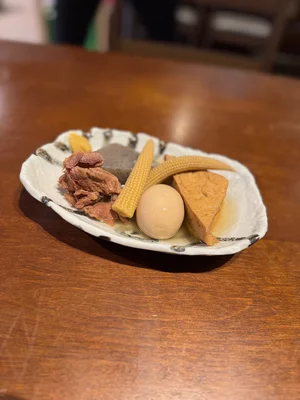
What is Oden?: Oden is a comforting Japanese one-pot style in which assorted ingredients are gently simmered in a fragrant dashi broth. Typical selections include daikon radish, hard-boiled eggs, konnyaku, tofu, fish cakes such as chikuwa and hanpen, mochi-filled pouches, and occasionally beef tendon. As the items bathe in the broth, they gradually take on savory depth, inviting a slow, unhurried pace of eating. Many venues present a large steaming pot at the counter, where guests choose pieces by sight and aroma, often pairing them with a dab of hot mustard. Broths vary: some lean light and clear with kelp and bonito, others show a soy-forward profile, and certain regions offer miso-based styles. The category welcomes variation in portioning and pacing, from a single piece to a small assortment, making it adaptable to different occasions. Diners often appreciate the warmth, the subtle interplay of textures, and the quietly nostalgic atmosphere it can evoke.
Popular at Iwate
.jpg?format=webp)
.JPG?format=webp)
.jpg?format=webp)
.JPG?format=webp)
.jpg?format=webp)
.jpg?format=webp)
.jpg?format=webp)

.png?format=webp)
.jpg?format=webp)

.jpg?format=webp)
.jpg?format=webp)