What is Oita?: Oita in Japan offers a dining scene shaped by hot-spring towns, fertile mountains, and rich coastal waters. Menus often highlight seasonal seafood such as seki-aji and seki-saba from nearby straits, along with Bungo beef, fragrant kabosu citrus, and meaty shiitake. Local comfort dishes include toriten, karaage, and hearty dango-jiru, while izakaya and counter spots serve simple plates that pair well with regional drinks. In onsen neighborhoods, cooks make use of natural steam to prepare “jigoku-mushi,” a method that reflects everyday life around communal baths and gives ingredients a clean, delicate finish. Craftspeople also draw on charcoal grilling and traditional koji to bring depth to sauces and preserved foods. Whether you seek a refined kaiseki sequence or a quick bowl brimming with coastal flavor, the area presents varied, welcoming options that allow travelers to explore Oita’s distinct food culture at a comfortable pace.
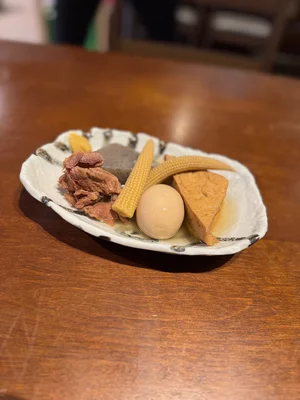
What is Oden?: Oden is a comforting Japanese one-pot style in which assorted ingredients are gently simmered in a fragrant dashi broth. Typical selections include daikon radish, hard-boiled eggs, konnyaku, tofu, fish cakes such as chikuwa and hanpen, mochi-filled pouches, and occasionally beef tendon. As the items bathe in the broth, they gradually take on savory depth, inviting a slow, unhurried pace of eating. Many venues present a large steaming pot at the counter, where guests choose pieces by sight and aroma, often pairing them with a dab of hot mustard. Broths vary: some lean light and clear with kelp and bonito, others show a soy-forward profile, and certain regions offer miso-based styles. The category welcomes variation in portioning and pacing, from a single piece to a small assortment, making it adaptable to different occasions. Diners often appreciate the warmth, the subtle interplay of textures, and the quietly nostalgic atmosphere it can evoke.

.jpg?format=webp)
.jpg?format=webp)

.jpg?format=webp)
.jpg?format=webp)

.jpg?format=webp)