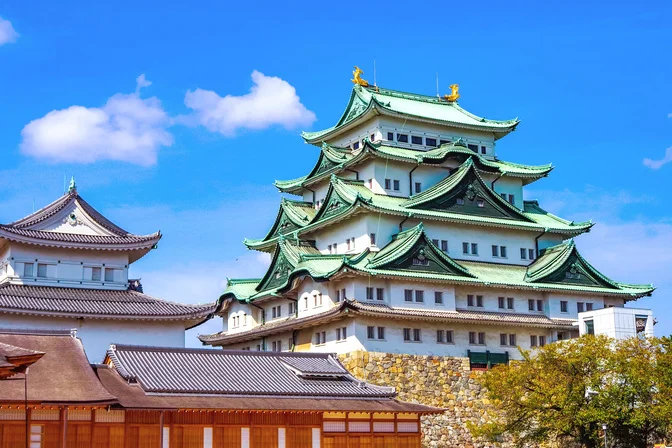
What is Japan?: Japan’s dining scene is often described as a dialogue between seasons, craftsmanship, and regional identity. From sushi, tempura, and kaiseki to ramen, yakitori, and wagashi, menus tend to highlight clarity of flavor and careful presentation. Travelers may notice distinct local styles: Hokkaido’s seafood, Tohoku’s comfort stews, Tokyo’s soba and modern interpretations, Kansai’s okonomiyaki and kushikatsu, Shikoku’s udon, Kyushu’s tonkotsu ramen, and Okinawa’s island influences. Many venues emphasize dashi, fermented seasonings such as miso and soy sauce, and precise knife work. A tradition linked to tea ceremony hospitality is said to shape the understated service and attention to detail found in many dining rooms. Street-side counters, casual izakaya, and refined multicourse experiences coexist, encouraging spontaneous tastings and planned outings alike. Seasonal specials, chef’s selections, and collaborative pop-ups appear in various neighborhoods, suggesting a food culture that balances heritage with ongoing creativity.
What is Omelette Rice?: Omelette Rice brings together a silky egg blanket and savory seasoned rice for a comforting, nostalgic plate. The rice is often sautéed with chicken, onion, and tomato ketchup or sauce, then wrapped in a thin omelet or crowned with a softly set, custard-like layer. Sauces vary by style: demi-glace for depth, bright tomato, creamy white, or even curry, each giving a distinct finish. Some kitchens accent the filling with mushrooms, shrimp, butter, or cheese, and garnish with herbs or peas for color. Techniques range from classic folding to a table-side cut that lets the omelet unfurl over a warm rice mound. Many venues present it alongside salads or soup, creating a rounded meal. Whether served in a retro-inspired café or a contemporary dining room, this category highlights craftsmanship in timing, heat control, and balance of sweetness and acidity, offering a gentle, satisfying experience.
Popular at Japan


.jpg?format=webp)
.jpg?format=webp)
.jpg?format=webp)
.jpg?format=webp)
.jpg?format=webp)
.jpg?format=webp)


.jpg?format=webp)
.jpg?format=webp)
.jpg?format=webp)
.jpg?format=webp)
.jpg?format=webp)
.jpg?format=webp)
.jpg?format=webp)


.jpg?format=webp)
.jpg?format=webp)
.jpg?format=webp)
.jpg?format=webp)
.jpg?format=webp)
.jpg?format=webp)
.jpg?format=webp)
.jpg?format=webp)
.jpg?format=webp)
.jpg?format=webp)
.jpg?format=webp)
.jpg?format=webp)