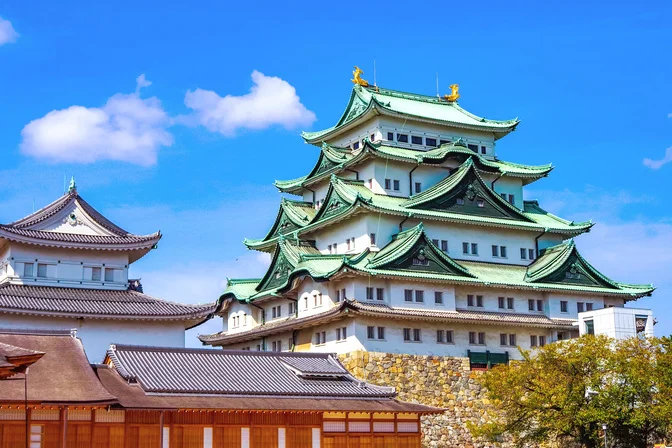
What is Japan?: Japan’s dining scene is often described as a dialogue between seasons, craftsmanship, and regional identity. From sushi, tempura, and kaiseki to ramen, yakitori, and wagashi, menus tend to highlight clarity of flavor and careful presentation. Travelers may notice distinct local styles: Hokkaido’s seafood, Tohoku’s comfort stews, Tokyo’s soba and modern interpretations, Kansai’s okonomiyaki and kushikatsu, Shikoku’s udon, Kyushu’s tonkotsu ramen, and Okinawa’s island influences. Many venues emphasize dashi, fermented seasonings such as miso and soy sauce, and precise knife work. A tradition linked to tea ceremony hospitality is said to shape the understated service and attention to detail found in many dining rooms. Street-side counters, casual izakaya, and refined multicourse experiences coexist, encouraging spontaneous tastings and planned outings alike. Seasonal specials, chef’s selections, and collaborative pop-ups appear in various neighborhoods, suggesting a food culture that balances heritage with ongoing creativity.
What is Motsunabe?: Motsunabe showcases the comfort of a bubbling hot pot built around beef or pork offal, simmered with a savory broth that often leans toward soy sauce, miso, or light salt profiles. Heaped cabbage, garlic chives, tofu, and mushrooms are added to the pot, allowing sweetness from the vegetables and richness from the offal to meld as it cooks at the table. Many places offer choices of broth intensity and spice, from clean and aromatic to boldly garlicky or chili-forward, with condiments such as yuzu kosho, chili oil, or grated garlic to fine-tune each bite. Texture plays a central role: tender, springy morsels of offal contrast with soft vegetables and noodles. The finale typically features champon noodles or a rice porridge that absorbs the concentrated flavors of the remaining soup. Shared around the table, the experience balances warmth, aroma, and a relaxed pace that encourages conversation.
Popular at Japan


.jpg?format=webp)
.jpg?format=webp)
.jpg?format=webp)
.jpg?format=webp)
.jpg?format=webp)
.jpg?format=webp)


.jpg?format=webp)
.jpg?format=webp)
.jpg?format=webp)
.jpg?format=webp)
.jpg?format=webp)
.jpg?format=webp)


.jpg?format=webp)
.jpg?format=webp)
.jpg?format=webp)
.jpg?format=webp)
.jpg?format=webp)
.jpg?format=webp)


.jpg?format=webp)
.jpg?format=webp)
.jpg?format=webp)
.jpg?format=webp)
.jpg?format=webp)
.jpg?format=webp)


.jpg?format=webp)
.jpg?format=webp)
.jpg?format=webp)
.jpg?format=webp)
.jpg?format=webp)
.jpg?format=webp)
.jpg?format=webp)
.jpg?format=webp)
.jpg?format=webp)
.jpg?format=webp)
.jpg?format=webp)
.jpg?format=webp)
.JPG?format=webp)
.jpg?format=webp)
.jpg?format=webp)
.JPG?format=webp)
.JPG?format=webp)
.jpg?format=webp)
.jpg?format=webp)
.jpg?format=webp)
.jpg?format=webp)
.jpg?format=webp)
.jpg?format=webp)
.jpg?format=webp)


.jpg?format=webp)


.jpg?format=webp)

.jpg?format=webp)
.jpg?format=webp)