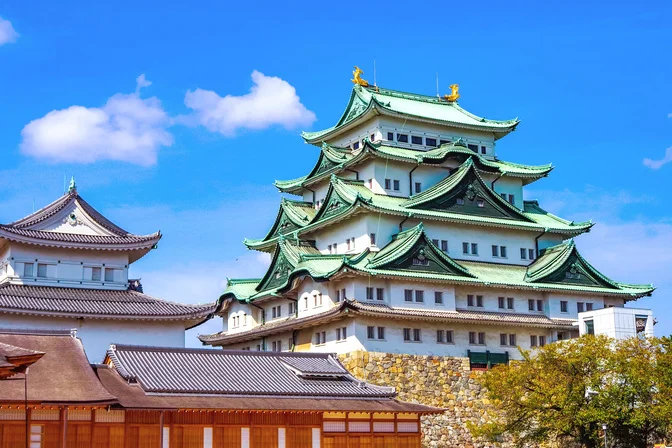
What is Japan?: Japan’s dining scene is often described as a dialogue between seasons, craftsmanship, and regional identity. From sushi, tempura, and kaiseki to ramen, yakitori, and wagashi, menus tend to highlight clarity of flavor and careful presentation. Travelers may notice distinct local styles: Hokkaido’s seafood, Tohoku’s comfort stews, Tokyo’s soba and modern interpretations, Kansai’s okonomiyaki and kushikatsu, Shikoku’s udon, Kyushu’s tonkotsu ramen, and Okinawa’s island influences. Many venues emphasize dashi, fermented seasonings such as miso and soy sauce, and precise knife work. A tradition linked to tea ceremony hospitality is said to shape the understated service and attention to detail found in many dining rooms. Street-side counters, casual izakaya, and refined multicourse experiences coexist, encouraging spontaneous tastings and planned outings alike. Seasonal specials, chef’s selections, and collaborative pop-ups appear in various neighborhoods, suggesting a food culture that balances heritage with ongoing creativity.
What is Soup Curry?: Soup Curry features a light, aromatic broth layered with spices and served with rice on the side, inviting a balanced, sip-and-savor approach. The broth may be clear or mildly creamy, allowing ingredients such as bone-in chicken, pork, seafood, and seasonal vegetables to shine. Vegetables are often roasted or lightly fried for texture and sweetness, while proteins are gently simmered to tenderness. Many venues encourage diners to choose a spice level, a soup style—such as tomato-forward, coconut-scented, or seafood-inspired—and toppings that add color and depth. Each bowl emphasizes contrast: crisp vegetables against a silky broth, bright aromas against comforting warmth. Guests may taste the soup first, then spoon it over rice or dip the rice into the bowl to adjust richness and spice. The experience centers on fragrance, customization, and the satisfying rhythm of spoonfuls that reveal new layers of flavor.
Popular at Japan


 Ratings from United States users3.64(1 review)


.jpg?format=webp)


.jpg?format=webp)
.jpg?format=webp)
.jpg?format=webp)
.jpg?format=webp)
.jpg?format=webp)
.jpg?format=webp)
.jpeg?format=webp)


.jpg?format=webp)
.jpg?format=webp)
.jpg?format=webp)
.jpg?format=webp)
.jpg?format=webp)
.jpg?format=webp)
.jpg?format=webp)
.jpg?format=webp)
.jpg?format=webp)
.jpg?format=webp)
.jpg?format=webp)
.jpg?format=webp)
.jpg?format=webp)
.jpg?format=webp)
.jpg?format=webp)
.jpg?format=webp)
.jpg?format=webp)
.jpg?format=webp)


.jpg?format=webp)
.jpg?format=webp)
.jpg?format=webp)
.jpg?format=webp)
.jpg?format=webp)
.jpg?format=webp)


.jpg?format=webp)


.jpg?format=webp)
.jpg?format=webp)
.jpg?format=webp)
.jpg?format=webp)
.jpg?format=webp)
.jpg?format=webp)
.jpg?format=webp)
.jpg?format=webp)
.jpg?format=webp)


.JPG?format=webp)
.jpg?format=webp)
.jpg?format=webp)
.jpg?format=webp)
.JPG?format=webp)
.jpg?format=webp)

.jpg?format=webp)
.jpg?format=webp)


.jpg?format=webp)