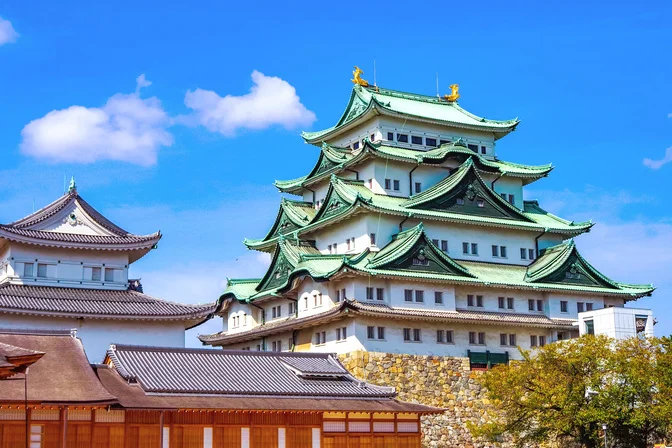
What is Japan?: Japan’s dining scene is often described as a dialogue between seasons, craftsmanship, and regional identity. From sushi, tempura, and kaiseki to ramen, yakitori, and wagashi, menus tend to highlight clarity of flavor and careful presentation. Travelers may notice distinct local styles: Hokkaido’s seafood, Tohoku’s comfort stews, Tokyo’s soba and modern interpretations, Kansai’s okonomiyaki and kushikatsu, Shikoku’s udon, Kyushu’s tonkotsu ramen, and Okinawa’s island influences. Many venues emphasize dashi, fermented seasonings such as miso and soy sauce, and precise knife work. A tradition linked to tea ceremony hospitality is said to shape the understated service and attention to detail found in many dining rooms. Street-side counters, casual izakaya, and refined multicourse experiences coexist, encouraging spontaneous tastings and planned outings alike. Seasonal specials, chef’s selections, and collaborative pop-ups appear in various neighborhoods, suggesting a food culture that balances heritage with ongoing creativity.
What is Taiwanese?: Taiwanese cuisine brings together homestyle comfort and the lively spirit of night markets. Menus often range from delicate steamed bites to smoky stir-fries and slow-braised dishes built on the savory “lu” technique. Commonly featured plates include braised pork over rice (lu rou fan), beef noodle soup with an aromatic broth, oyster omelet with a sweet-savory glaze, salt-and-pepper chicken, and chewy wheat or rice noodles in rich soups. Sha-cha sauce, black vinegar, soy paste, garlic, scallion, and Taiwanese basil add distinct layers, while pickles and fermented condiments deepen the profile. Many restaurants encourage shared dining with small plates, letting guests sample varied textures from tender dumplings to crunchy sides. Seasonal seafood and produce such as taro, bamboo shoots, and leafy greens appear frequently. Desserts and drinks, including shaved ice or bubble tea, offer a refreshing finish to a convivial, varied meal.
Popular at Japan
.jpg?format=webp)
.jpg?format=webp)
.jpg?format=webp)
.jpg?format=webp)
.jpg?format=webp)
.jpg?format=webp)


.jpg?format=webp)
.jpg?format=webp)
.jpg?format=webp)
.jpg?format=webp)
.jpg?format=webp)
.jpg?format=webp)


.jpg?format=webp)
.jpg?format=webp)


.jpg?format=webp)
.jpg?format=webp)
.png?format=webp)
.png?format=webp)
.png?format=webp)
.jpeg?format=webp)


.jpg?format=webp)
.jpg?format=webp)
.jpg?format=webp)
.jpg?format=webp)
.jpg?format=webp)
.jpg?format=webp)


.jpg?format=webp)
.jpg?format=webp)
.jpg?format=webp)
.jpg?format=webp)
.jpg?format=webp)
.jpg?format=webp)
.jpg?format=webp)
.jpg?format=webp)

.jpg?format=webp)


.jpg?format=webp)
.jpg?format=webp)




.jpg?format=webp)