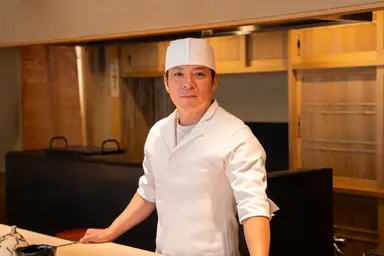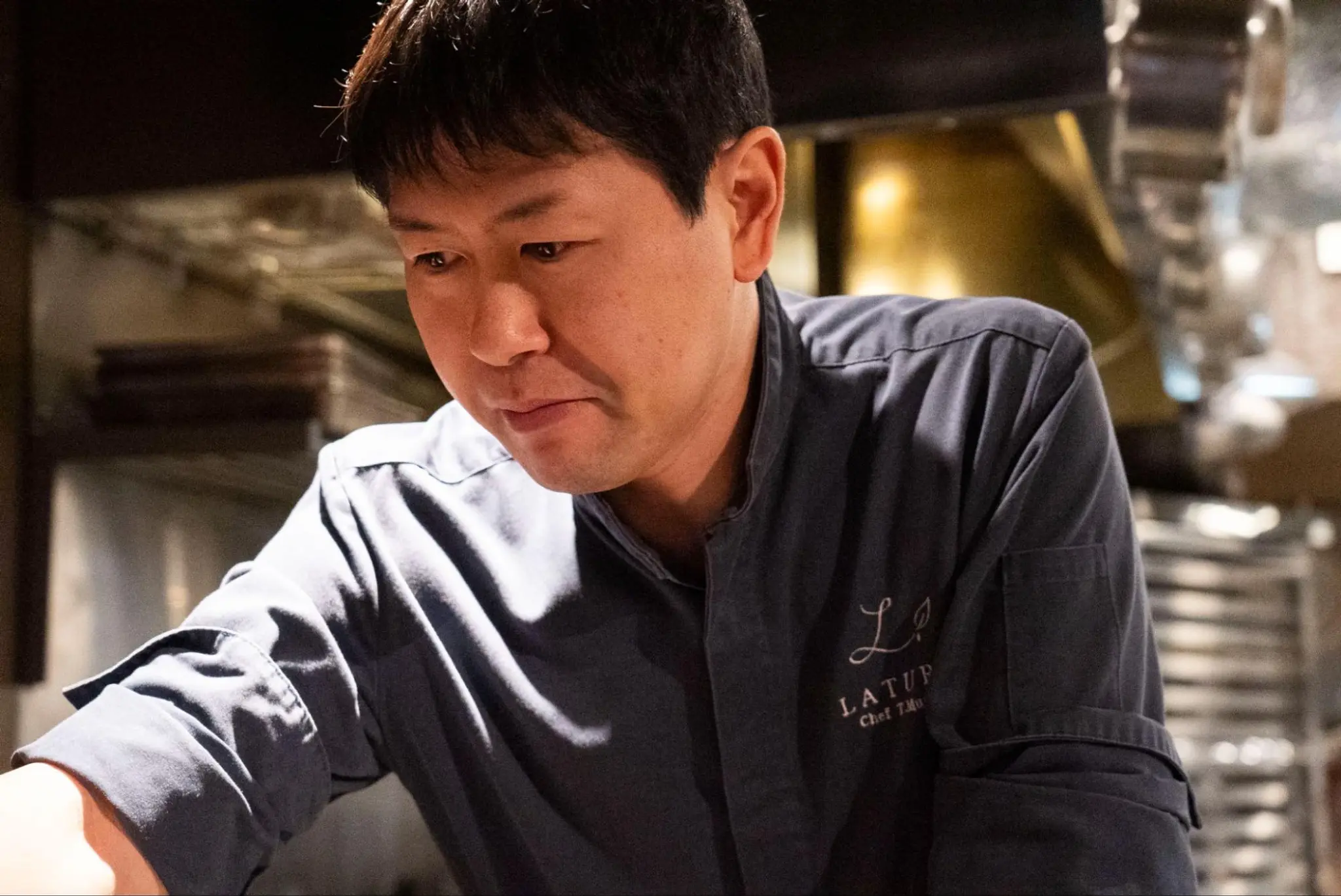
Can I express the philosophy of 【LATURE】 through the use of game meat?
ーーーTell us about your background.
After graduating from culinary school, I worked at several French restaurants in Tokyo and trained further at 【Tateru Yoshino】 in Ginza and 【deco】 in Shibuya. In 2016, I established 【LATURE】. I chose Shibuya for two reasons.
The first is that I spent six years as a chef at 【deco】 in Shibuya, so it’s an area familiar to me, and it would be convenient for loyal customers to visit. The second reason is that Shibuya is a hub for cutting-edge fashion, music, and other cultural trends, which are shared globally. I thought it would be exciting to see what could be done with food here as well.
Despite our limited land area, Japan is unique in a sense where you can enjoy a vast array of cuisines from around the world, with restaurants covering everything from casual spots to high-end dining. In Tokyo, where the restaurant scene is highly competitive, I believe it’s essential for food to have a distinct character. As a chef, I felt creating dishes that are truly unique to my restaurant was crucial to survival.
Japan offers an abundance of seasonal ingredients, regional dishes with long traditions, and exceptional producers. I wondered if combining Japan’s rich food culture with French culinary techniques could lead to something new. I’ve constantly thought about how I could add a uniquely Japanese touch to the classical French cuisine I’ve learned. For me, the answer came through “gibier” (game meat). I learned in my training that gibier holds a special place in French cuisine, and I started to wonder if I could make it a core concept of 【LATURE】.
However, I don’t consider myself a game meat specialist. At 【LATURE】, not every course uses gibier. It varies by season, with about a third of the dishes incorporating it in summer, and more options available during winter. My concept is to integrate gibier into the dishes while focusing on creating delicious food.
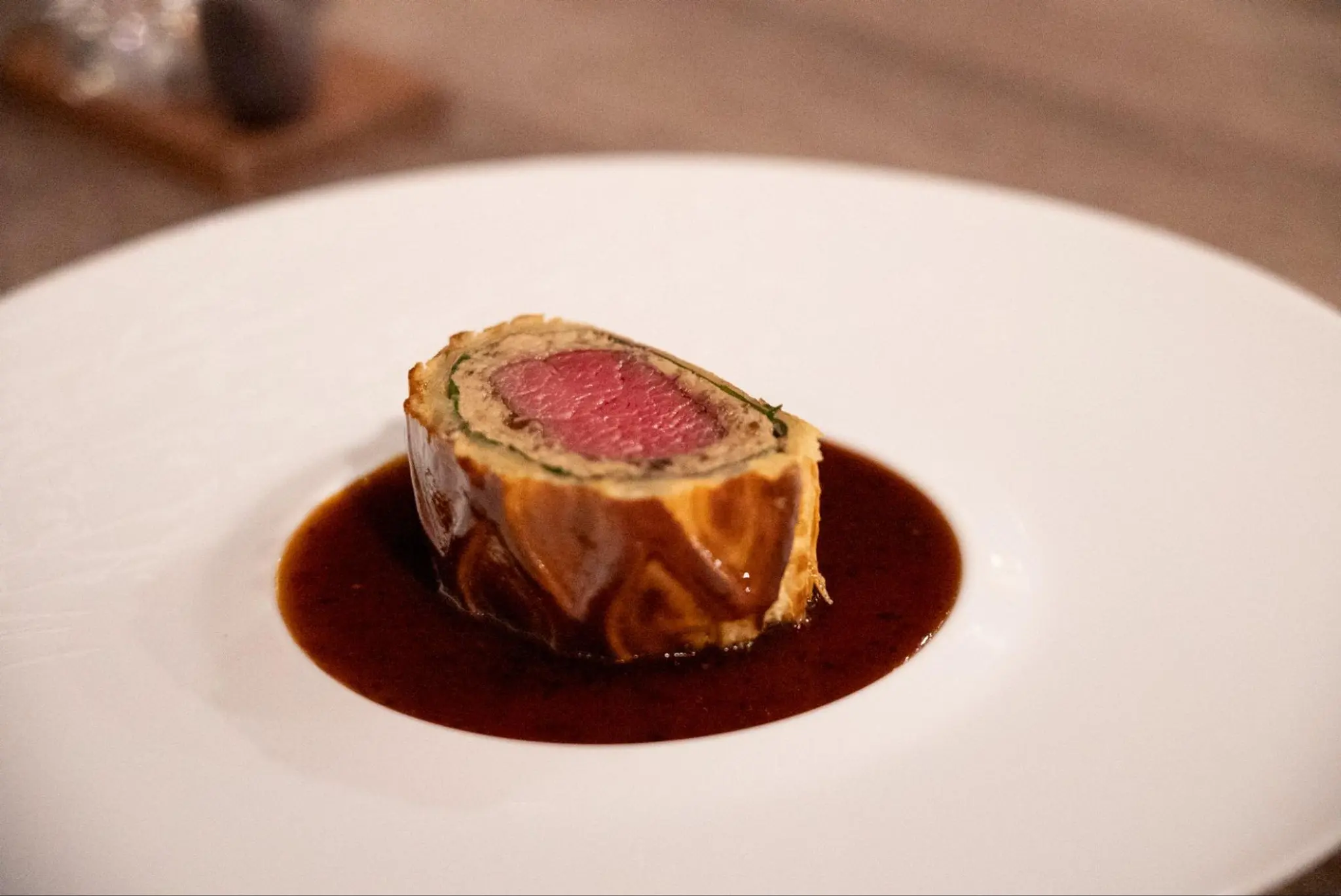
Nature’s Bounty, Never Wasted
ーーーWhat does gibier mean to you?
In my visits to hunters and producers for fresh ingredients, I gradually began to see the "dark side" of food—the part we often overlook.Recently, we’ve seen reports of wild boars and deer damaging crops or bears attacking people in towns. These incidents stem from human actions; by failing to manage the satoyama (rural landscape) properly and damaging natural environments, we’ve displaced these animals from their habitats. Additionally, the aging hunter population has led to an overgrowth of wild animal populations.
I want people to understand these food-related issues and not just label these animals as "pests" to be culled and discarded. Instead, I hope we can appreciate them as gibier, using the meat respectfully and deliciously. I got my hunting license 14 years ago, and even before being a chef, I aim to confront these issues as a hunter and bring this awareness into my cooking.
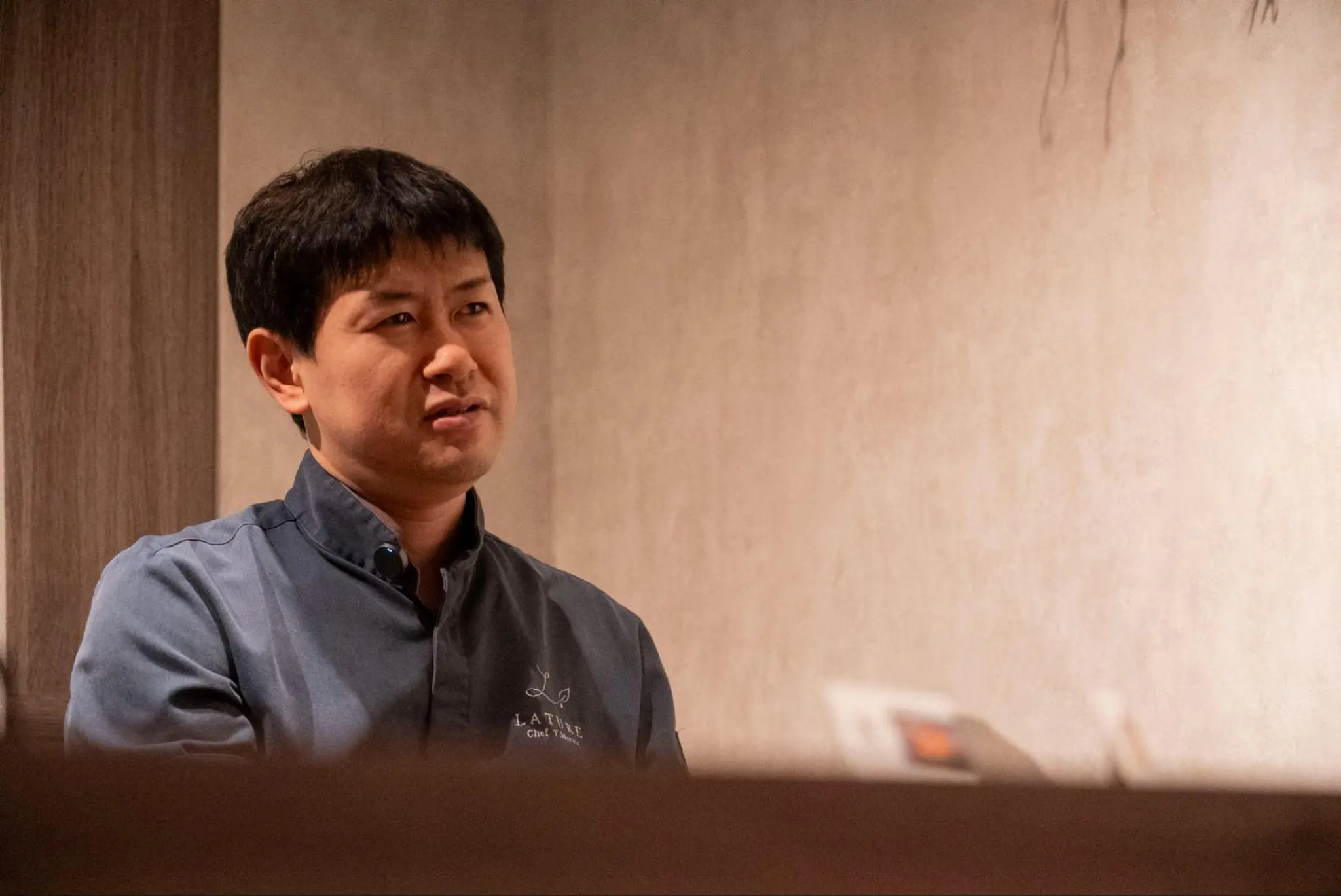
ーーーHas anything changed since you began going into the mountains as a hunter?
I’ve come to feel the value of life even more deeply. We live in a time where everything is convenient—you can order meat or fish with just a tap on your smartphone. But with gibier, the process starts with the hunt itself. As a hunter, there’s an essential step of taking a life with my own hands. For instance, when I shoot a duck, I must carefully bleed and chill it, or else the meat will develop unpleasant flavors and won’t be enjoyable.
This gratitude and respect for ingredients, this earnest engagement with food, is something I believe resonates in my cooking. Japanese people always say “itadakimasu” before a meal. It’s a way to honor the life given, to show appreciation for the work behind the food. I want to keep this spirit alive and hope others can feel the sense of reverence for nature and food culture that Japanese people have nurtured.Back then, "sustainability" wasn’t a common term, but my desire has always been to create gibier dishes that contribute to the future.
ーーーAre there other sustainable practices you’re working on?
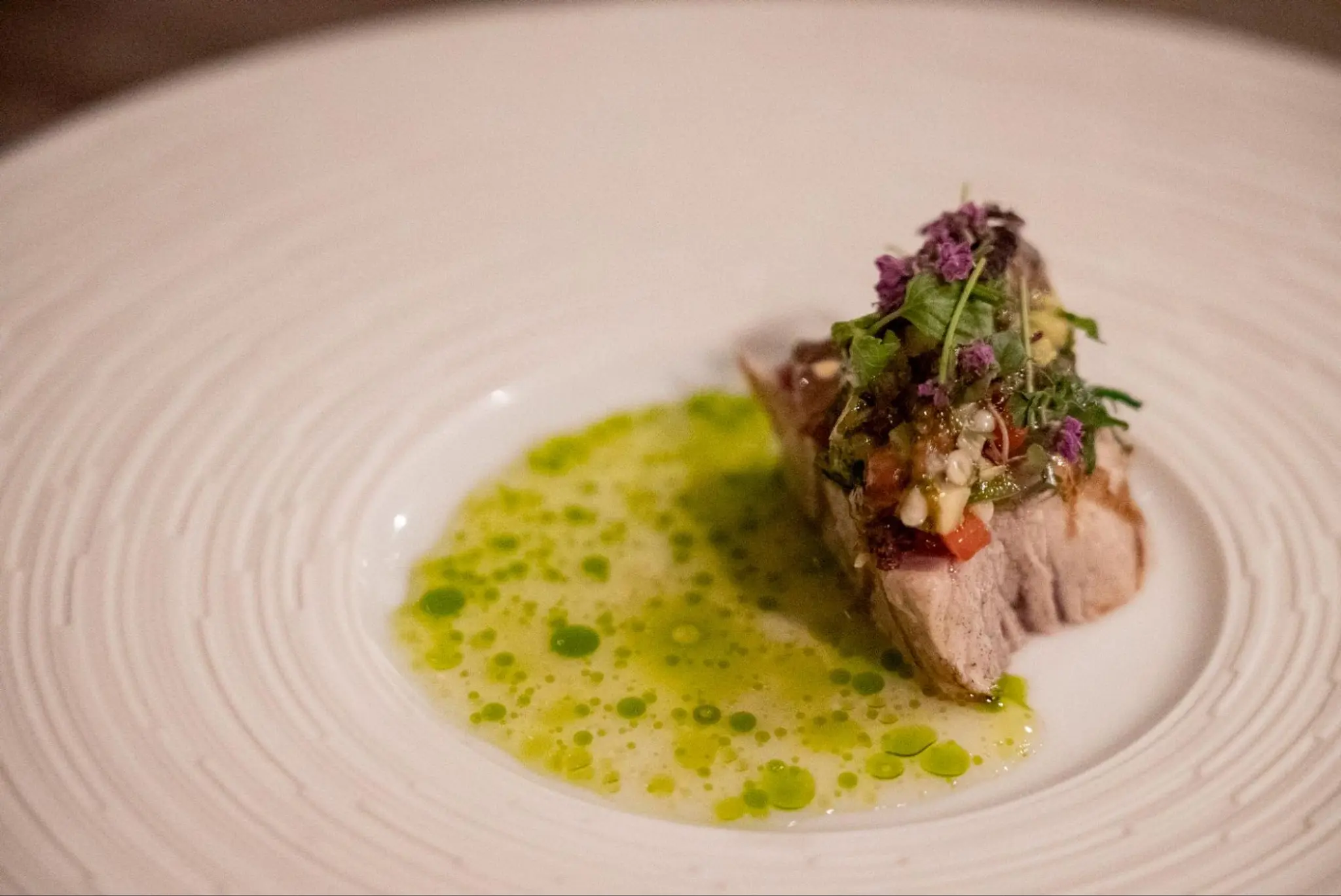
Since 2020, we’ve been running our own farm in Nagareyama, Chiba Prefecture, where we currently grow eight types of produce, including eggplant, bell peppers, Manganji peppers, herbs, and colorful radishes. The inspiration came from seeing a large pile of discarded vegetables on the edge of a field during a hunt. Often, produce that doesn’t meet market standards—due to minor blemishes, small size, or unusual shapes—is simply thrown away. It felt like such a waste.
French cuisine often uses vegetables for stocks, purees, or finely chopped garnishes, so as long as they taste good, their appearance doesn’t matter as much. French cooking is about fully utilizing ingredients—whether vegetables or gibier—to the point where there’s almost nothing left to discard. For gibier, bones go into the sauce, trimmings become minced meat, and blood might be used in amuse-bouches. While our farm allows us to grow delicious vegetables, more importantly, it reflects our commitment to using ingredients as fully and sustainably as possible.
Fostering the Next Generation of Talent for the Future
ーーーWhat do you value most in running a restaurant?
For me, it’s the people. Without people, a restaurant cannot function. If we don’t cultivate young talent and make the food industry an attractive field, both the industry and food culture will gradually decline. At our restaurant, we make it a point to nurture younger staff by taking them to the mountains to search for ingredients and providing opportunities for hands-on learning and growth through real-life experiences.
As chefs often work in the kitchen, there’s little chance to know whether customers are enjoying the food or how they’re reacting to it. Without that connection, I think it’s difficult for motivation to build up. You start to ask yourself, “Who am I doing this for?”
That’s why I encourage my staff to bring dishes to the customers and keep the atmosphere open. It’s important to communicate the thoughts I’ve put into the dishes and foster interactions with our customers. I try to give the staff as much freedom as possible to do so. Of course, it’s not just about giving; I also learn a lot from them. There are things I learn and realize.
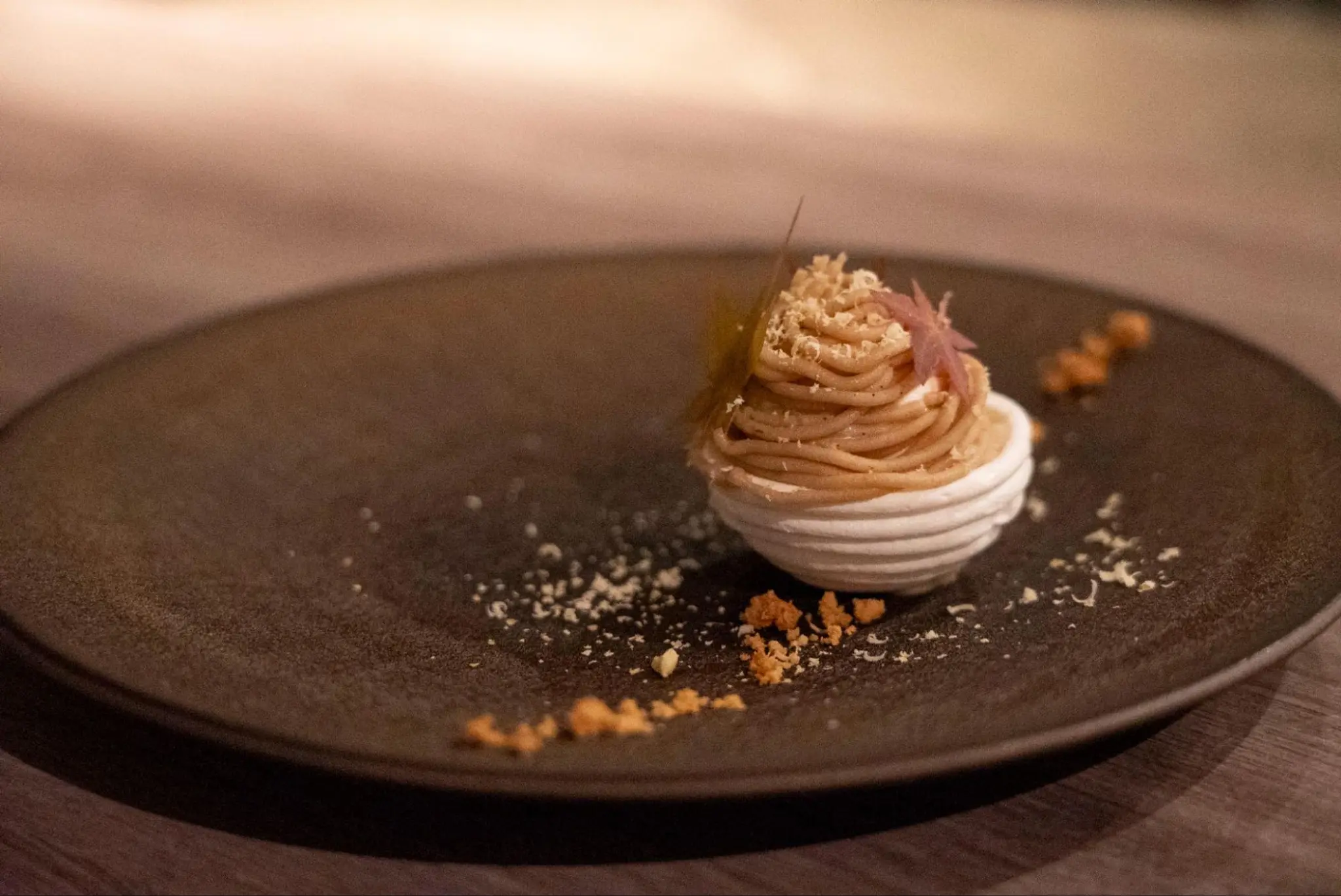
A certain chef once said that French cuisine is like an orchestra, and I believe that’s absolutely true. There’s a lot of preparation involved, and the techniques are numerous. It’s a team effort to bring the dish together. Even if I have more advanced skills or knowledge than younger chefs, I’m only responsible for a small part of the overall dish. The key is to nurture individual strengths while improving the team’s overall performance.
As I’ve experienced myself, for chefs, what matters more than money is the ability to express what we have, work in an environment that’s conducive to learning, and feel comfortable. I want this to be a place where people would want to work.
ーーーI hear you’re also involved in educational activities aimed at children
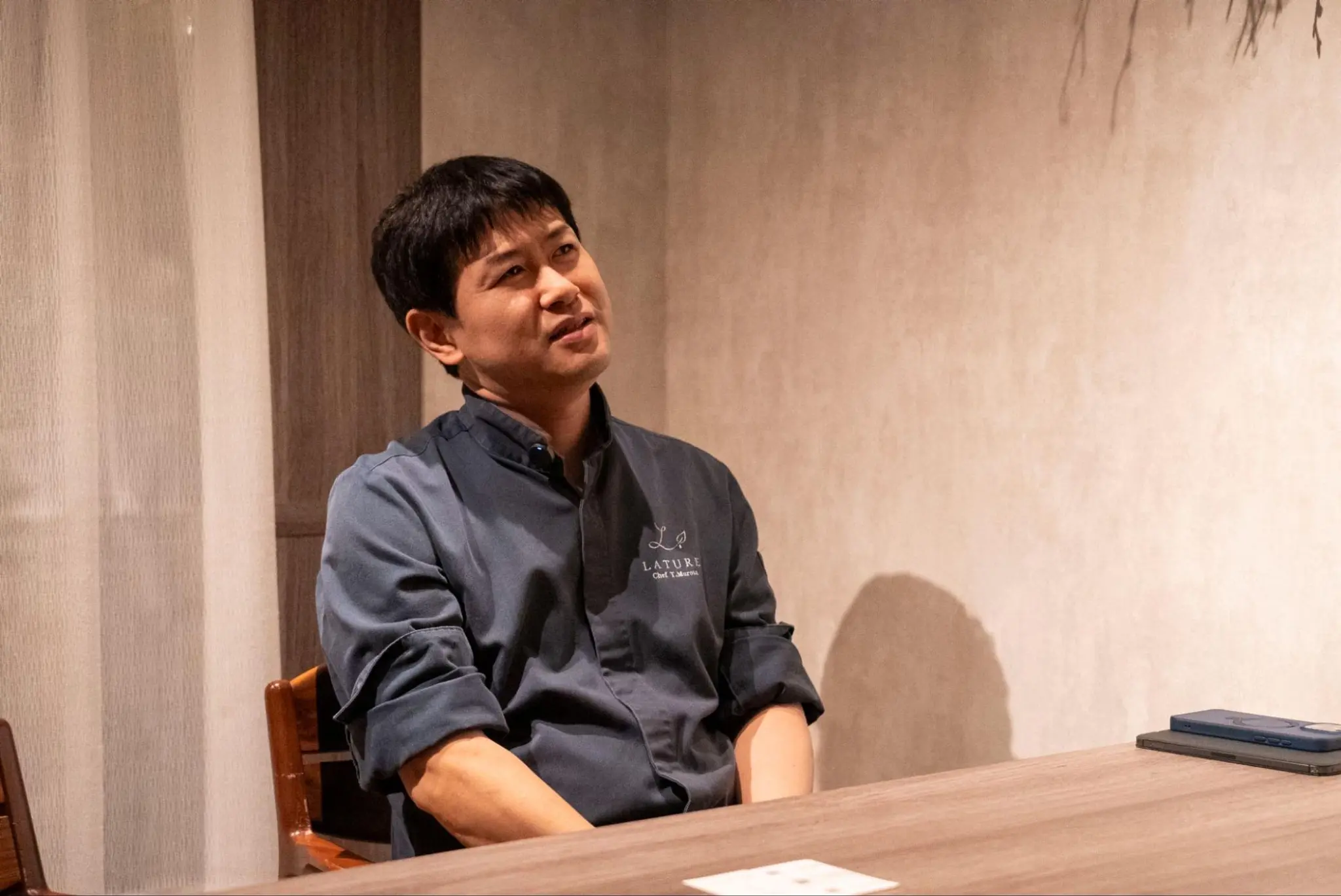
Since 2023, I’ve been running a cooking class for children living in the area. As chefs, it’s important not just to cook delicious food but also to step out of the kitchen and engage in various forms of outreach.
Through this class, we teach the joy of cooking and introduce sustainable ingredients like gibier. It’s enough if the children simply enjoy the experience or think the gibier tastes good. They might grow up, remember the gibier they ate as kids, and want to try it again.
I have my own experience with this. When I was a child, Chef Chen Kenichi, the “Iron Chef” of Chinese cuisine, came to our local community center to teach a cooking class for kids. I was struck by his knife skills, the intensity with which he handled the pots—it was all so impressive. I think having role models is really important. I hope this current project will leave a lasting impression on the children’s memories.
When I think about leaving delicious things for the next generation, I realize there might be ingredients or food cultures we can’t preserve. However, just as previous generations passed them down to us, it’s our responsibility to preserve and pass on what we can to the next generation.
Chefs abroad often use their influence to promote social causes and messages, which enhances their standing in society. In Japan, I feel this aspect is still quite weak, but as a Japanese chef, I plan to continue contributing in this way.
A chef is the storyteller of food
ーーーWhat would you like to challenge yourself with in the future?
Currently, I’m interested in reaching out to overseas customers. In recent years, gibier has gained some recognition in Japan, and more people are becoming a fan of it. However, when looking at the overall environment surrounding gibier, I think there’s room to increase consumption even more and work towards a sustainable society.
High-quality Japanese ingredients, such as fish and Wagyu beef, are increasingly being exported, and people overseas can enjoy them in their own countries. However, gibier cannot be exported due to quarantine issues. Gibier is a food that can only be enjoyed in Japan. This is something really valuable, isn’t it?
Japan has a hunting culture, and gibier is a traditional ingredient unique to this country. I would be happy if both domestic and international customers came to appreciate this and the dishes that can only be found in Japan.
ーーーWhat does "delicious" mean to you?
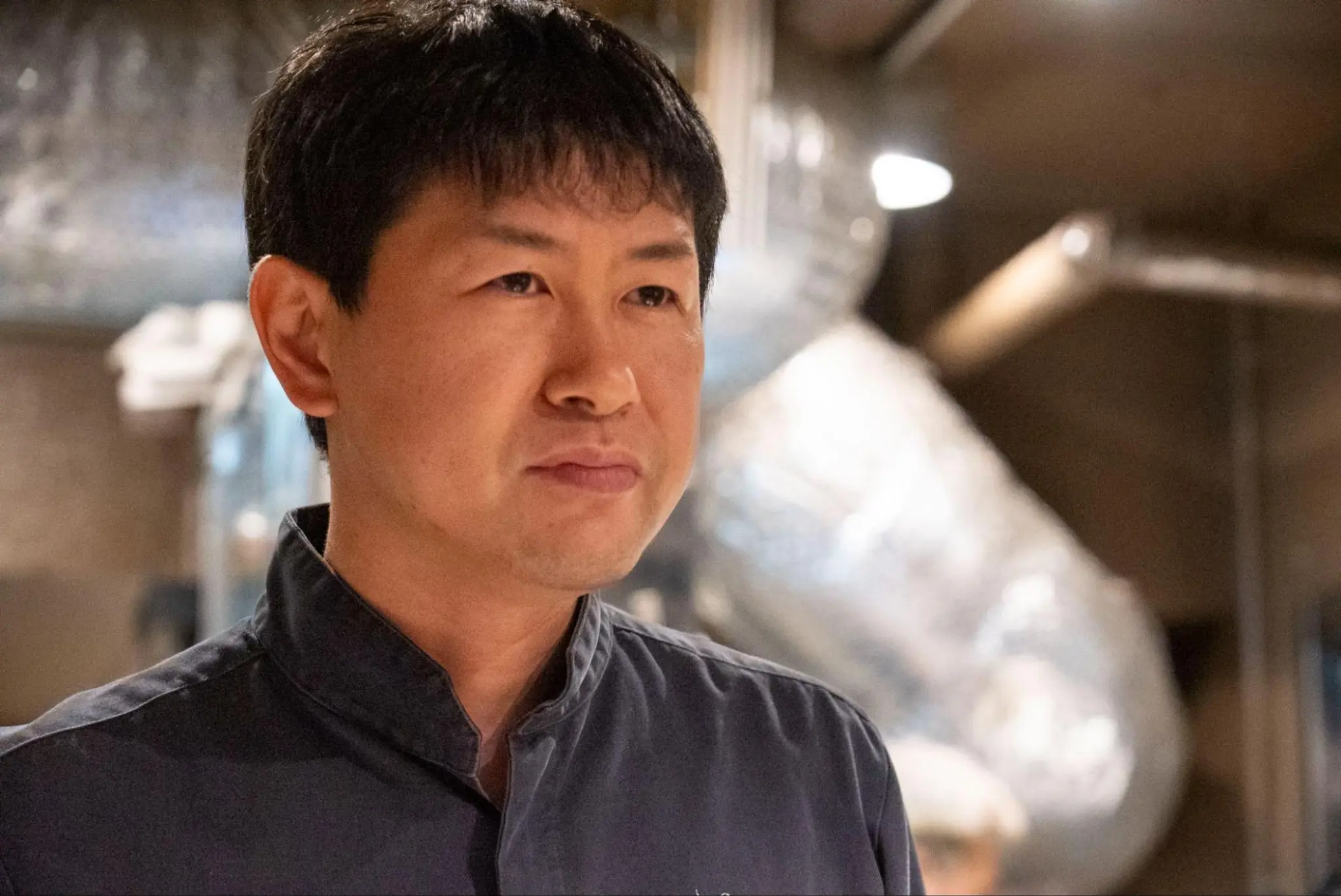
I think it’s about what lies beyond “delicious”. What I value most is “the story behind the dish”. I believe that just being "delicious" isn’t enough. If something is delicious but there’s a sacrifice involved or if something problematic is hidden behind it, then that’s not true “deliciousness”.By going to the mountains and fields to hunt or talking to producers, I can learn about the background and story behind the ingredients. That becomes the inspiration for expressing these ideas through the dish.
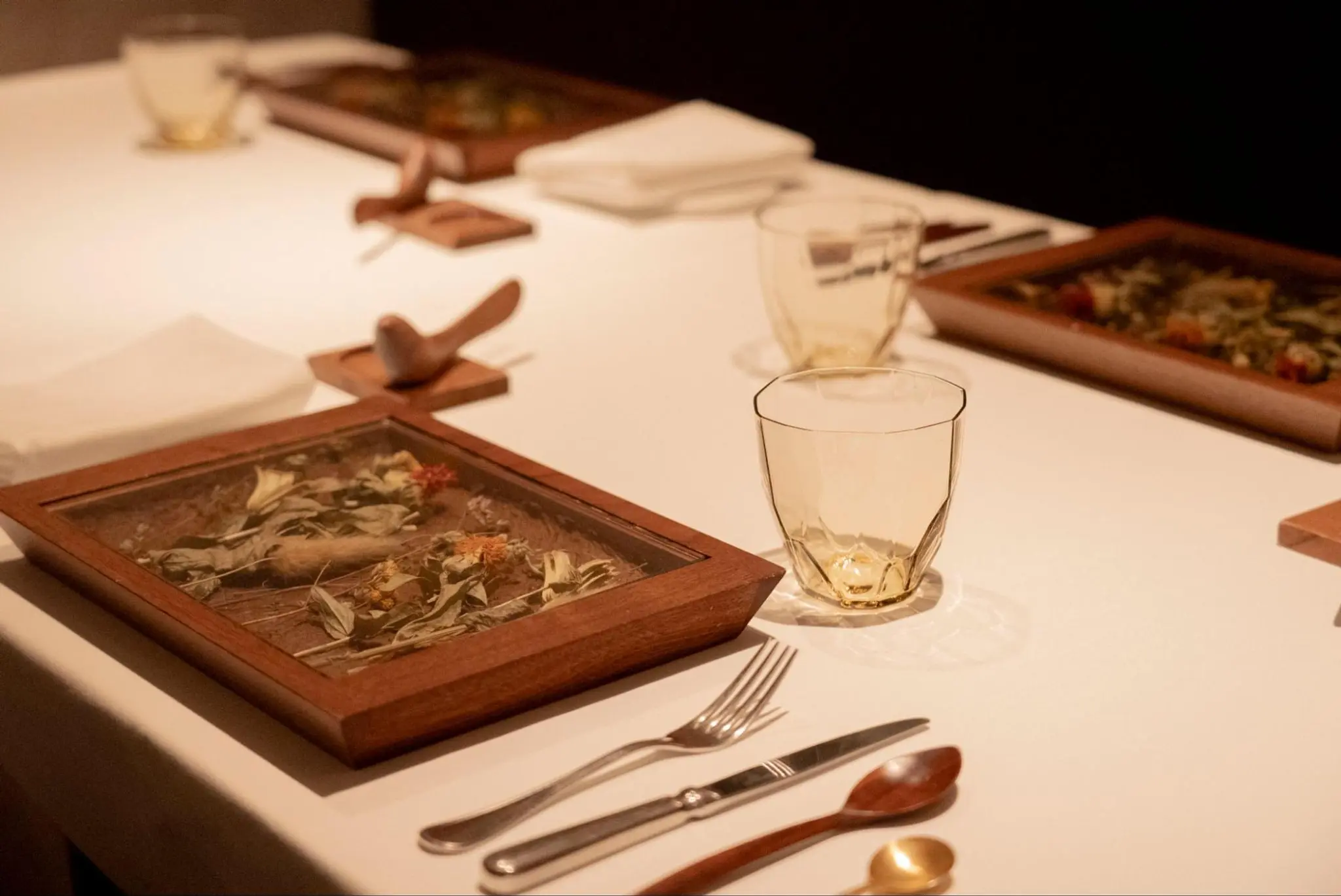
Everyone has their own idea of what “delicious” means. Although I am working with French cuisine, I find both egg-over-rice and a Rossini-style beef filet topped with foie gras to be “delicious!”. “Delicious” can change depending on the situation in which you’re eating, and there is no fixed definition. That’s why what comes after the “delicious” moment—what the person feels and how the chef conveys the story—is what truly creates the essence of “delicious”.
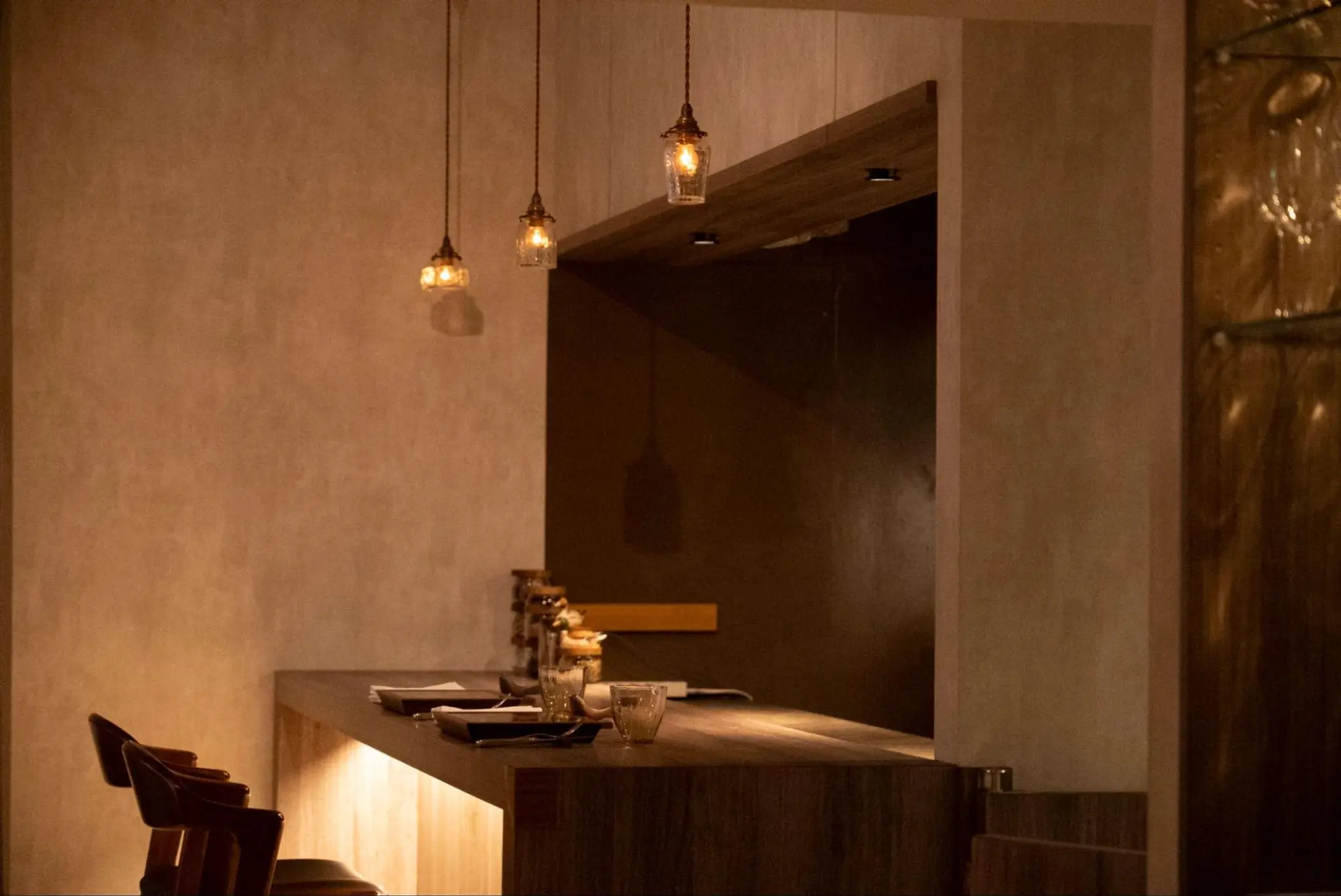
【LATURE】, meaning “a drop of nature”, is led by Chef Murota, who says, “Cooking is my life”. His words carry an unwavering determination and resolve. The ripples created by a single drop of water—what kind of impact will it have on the future of food? We will certainly have to continue watching closely.
Interview and Writing by: Yuki Yanagiya
Photography by: Azusa Nakaoka
Restaurant Information
- AutoReserve Magazine
- Japan’s world-renowned flagship restaurant
- Towards a Sustainable Future: The Challenge of French Culinary Pioneer 【LATURE】