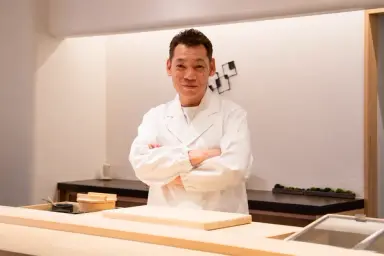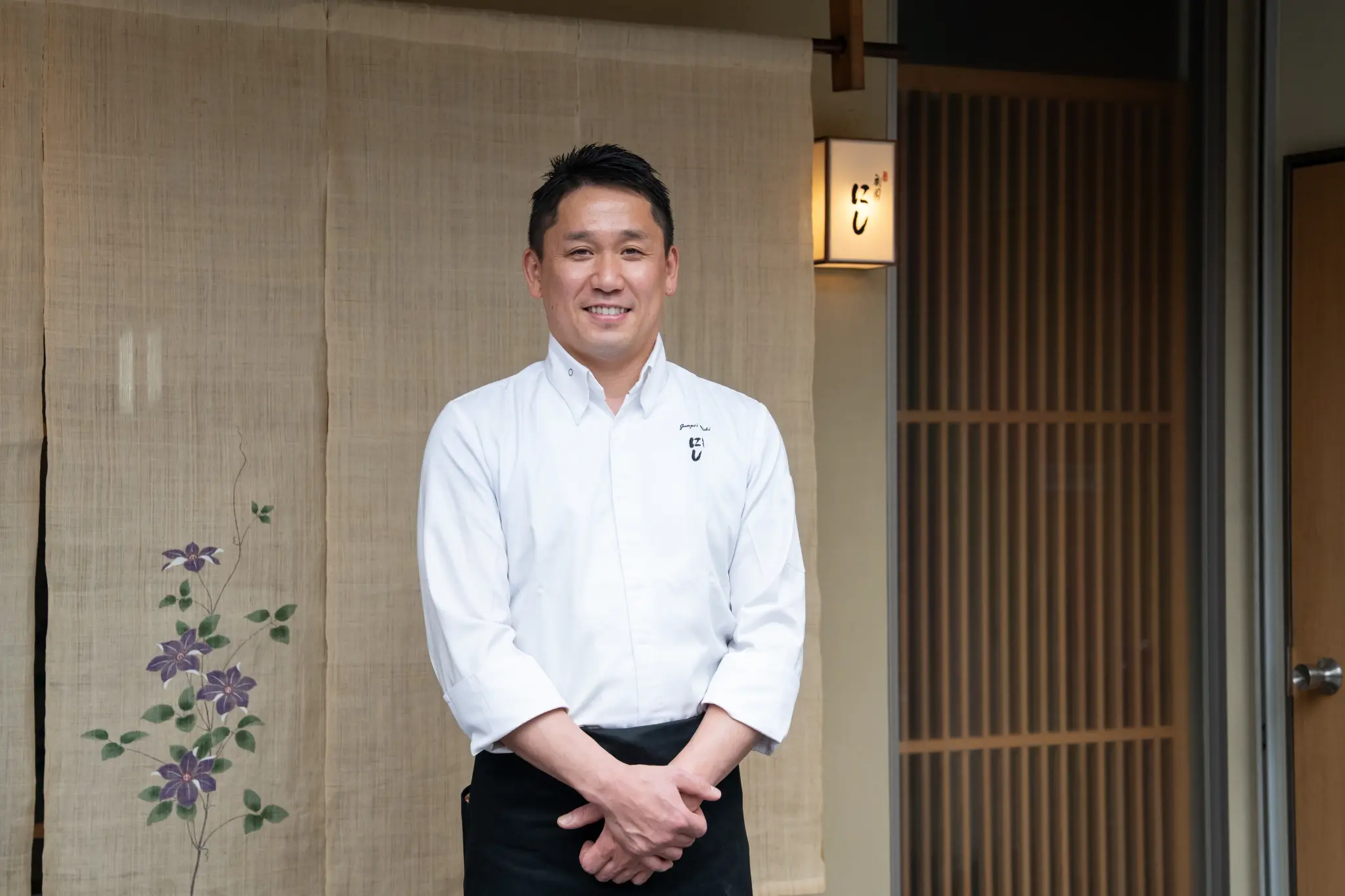
Sommelier-Chef Jumpei Nishi of 【Gion Nishi】: Pursuing the Refined Elegance and Lingering Charm of Kyoto
Admiring the presence of chefs
— What inspired you to become a chef?
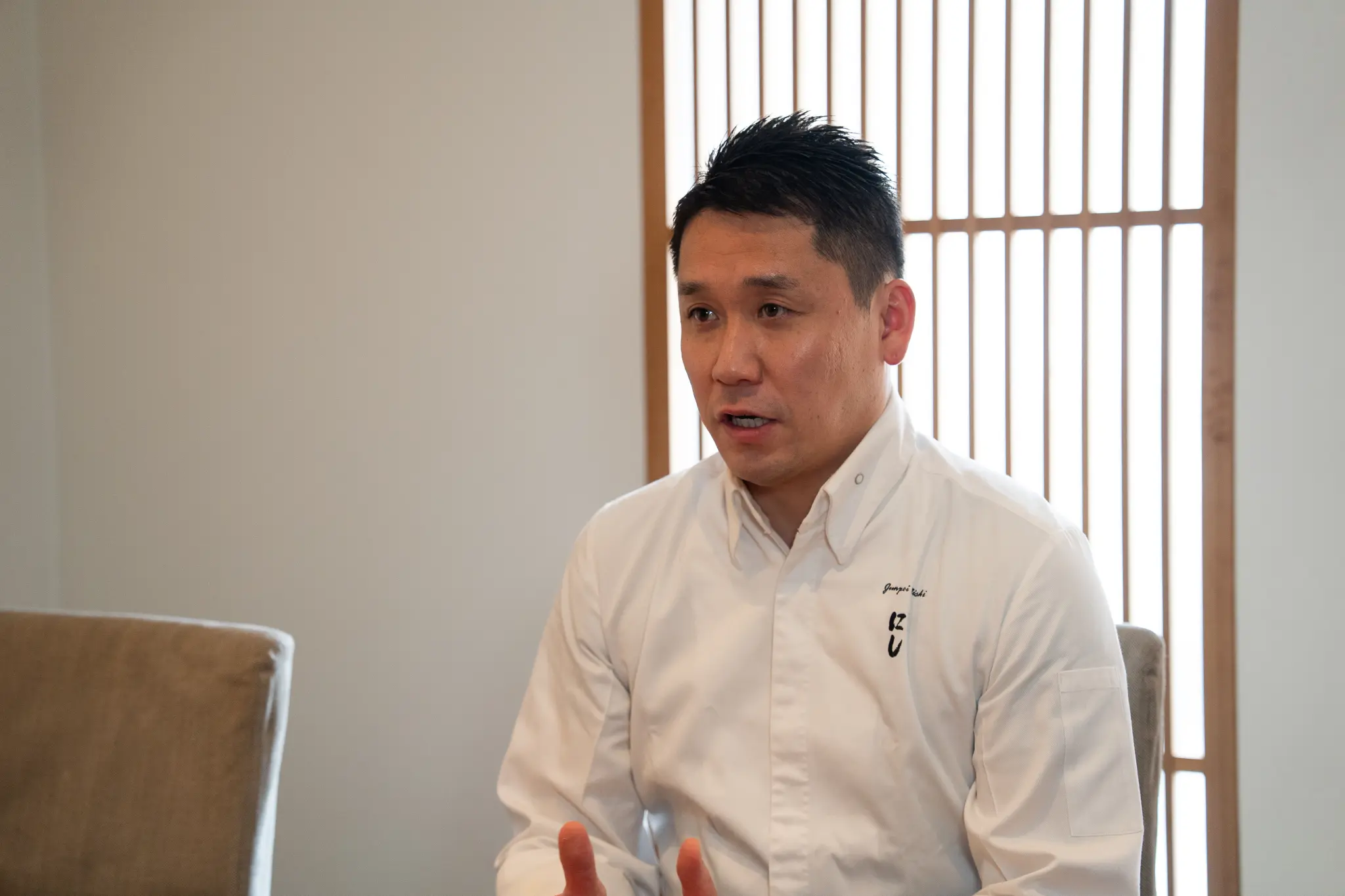
My mother, who worked as a nurse, was also an excellent cook, and by helping her in the kitchen from a young age, I naturally came to enjoy cooking myself. What truly inspired me to pursue a career as a chef was the presence of the chefs at a restaurant I often visited. Watching them work, I thought they looked incredibly impressive, and I began to aspire to become a chef like them. Having grown up in Kyoto, it felt natural to me that, if I were to pursue cooking seriously, it would be Japanese cuisine. And so, at the age of 20, I stepped into the world of professional cooking.
— Do you have any memorable episodes from your training years?
My memories of those training years are simply of throwing myself into the work with everything I had. I kept telling myself, “I’m going to develop my skills and eventually open my own restaurant,” and pushed through the demanding training with that goal in mind.
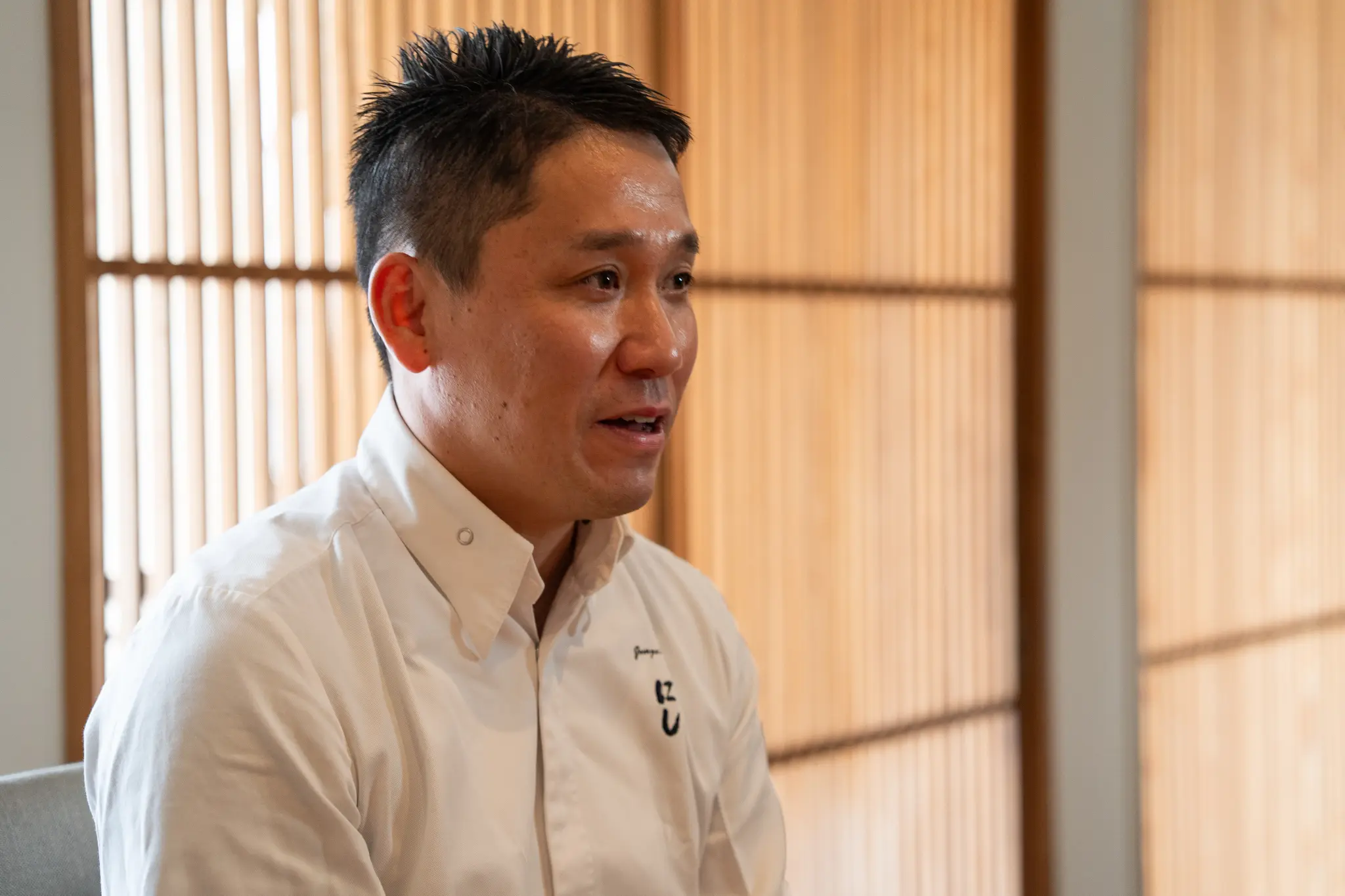
One of the most memorable experiences from those years was with the owner of a certain Japanese restaurant who took great care of me. Whenever I happened to pass by his restaurant, even if he had other guests, he would call out, “Hey, Nishi! Come in,” and serve me two or three dishes at the corner of the counter. For someone still in training, it was an incredibly valuable opportunity to learn, and the memory remains vivid even now. The thoughtful way he treated me and the things he taught me continue to influence me to this day.
He would often say, almost like a mantra, “Cooking is a conversation with the vessel.” Meeting him had a tremendous impact on my life. I think it’s rare nowadays to find someone who would offer that kind of generosity, and for a young chef, it was truly an invaluable experience.
Broadening culinary expression through exposure to different worlds
— I’ve heard that you also trained at an Italian restaurant. Did working in a different genre of cuisine give you any new perspectives or insights?
Yes. I initially trained at a Japanese restaurant, but I wanted to broaden my horizons and felt that I should also study either French or Italian cuisine. At the time, however, there were no places in Kyoto where I could train in high-end French cuisine, so I decided to pursue Italian cooking instead.
The chef at the Italian restaurant where I trained frequently worked with game meats, which gave me many opportunities to learn about ingredients rarely encountered in Japanese cuisine. Pairing game with red wine and sauces made from dried grapes, or preparing consommé entirely from scratch—these were invaluable experiences unique to Italian cuisine.
Because I always had the goal of eventually becoming independent, I constantly thought about how I could incorporate the techniques and knowledge I gained from Italian cuisine into my own approach to Japanese cooking.
— Are there any aspects where you feel the techniques you actually learned in Italian cuisine are being put to use?
We also incorporate Italian and Western influences into dishes such as hassun, the appetizer course in kaiseki cuisine, by using elements like jellies. Another example would be our vegetable-based sauces. For instance, we create sauces such as cauliflower sauce—something not typically found in traditional Japanese cuisine—and pair them with our dishes.
— Could you tell us about any memorable episodes from when you first went independent and started your own business?
I entered the culinary world at the age of 20, and by 32 I was finally able to open my own restaurant. At the time, social media was nowhere near as widespread as it is today, so attracting customers was extremely difficult. When we first opened, the restaurant was so quiet it felt like you could hear the crickets chirping.
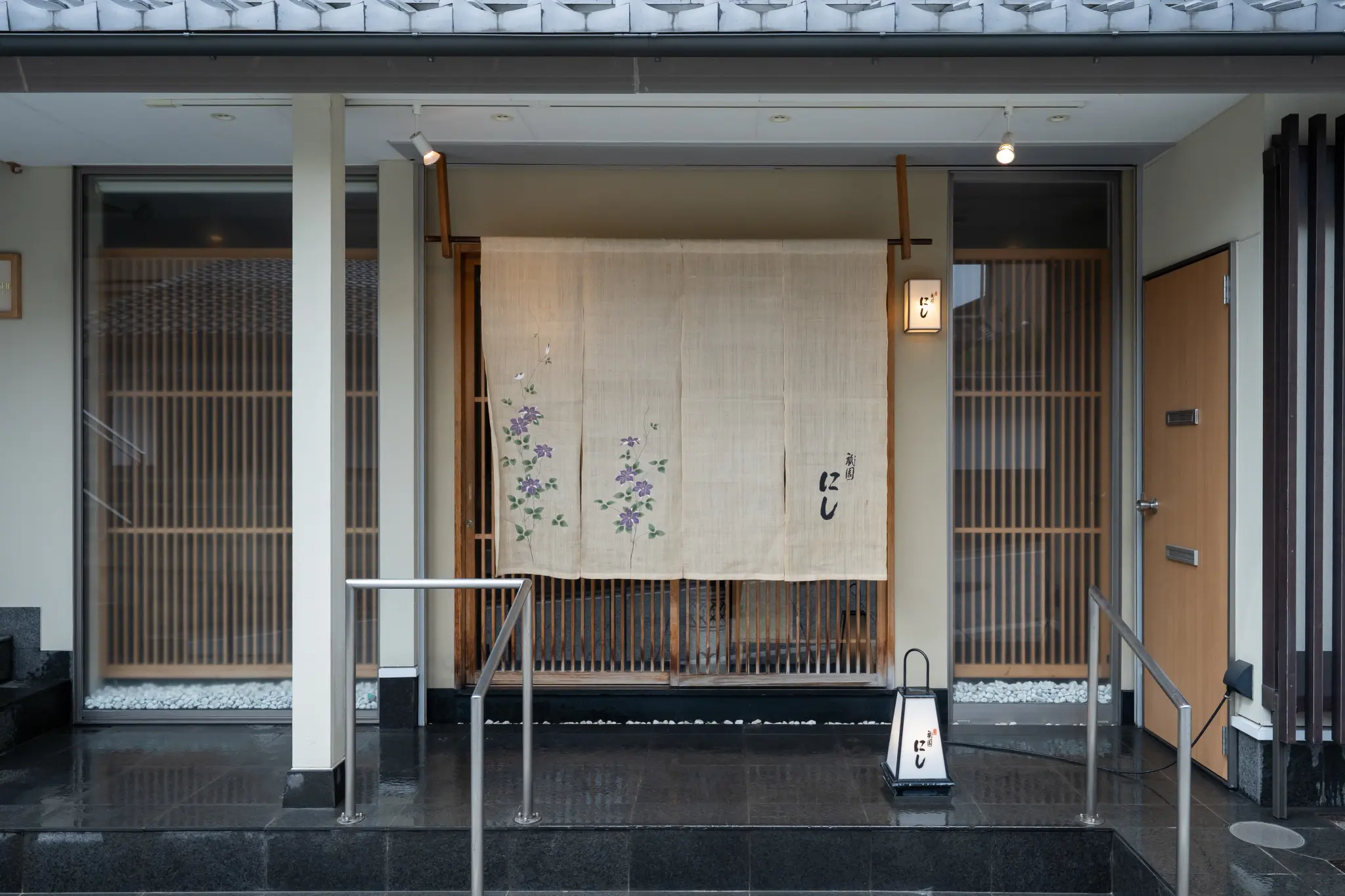
I believed that in Kyoto’s world of Japanese cuisine, simply serving high-quality food was not enough—you needed a distinctive strength of your own. At the time, very few chefs around me held sommelier qualifications, so I decided that becoming a wine sommelier would be one of my defining strengths. I told myself, “If I pass the sommelier exam on the first attempt, I’ll open my own restaurant. If I fail, I’ll give up.” I intentionally placed that pressure on myself and took on the challenge.
Because the working hours were so long, it was difficult to find time to study during the day or at night, but even so, I devoted myself to studying after work and on my days off, and ultimately passed the exam on my first try.
Then, at just the right time, I found this property in a location that felt exactly right to me. I had already been thinking that this area would be ideal for opening a restaurant, and it felt as though everything naturally fell into place—almost as if fate had been watching over me.
Refined sensibility and elegance born from steady accumulation
— Is there anything you particularly value when it comes to cooking?
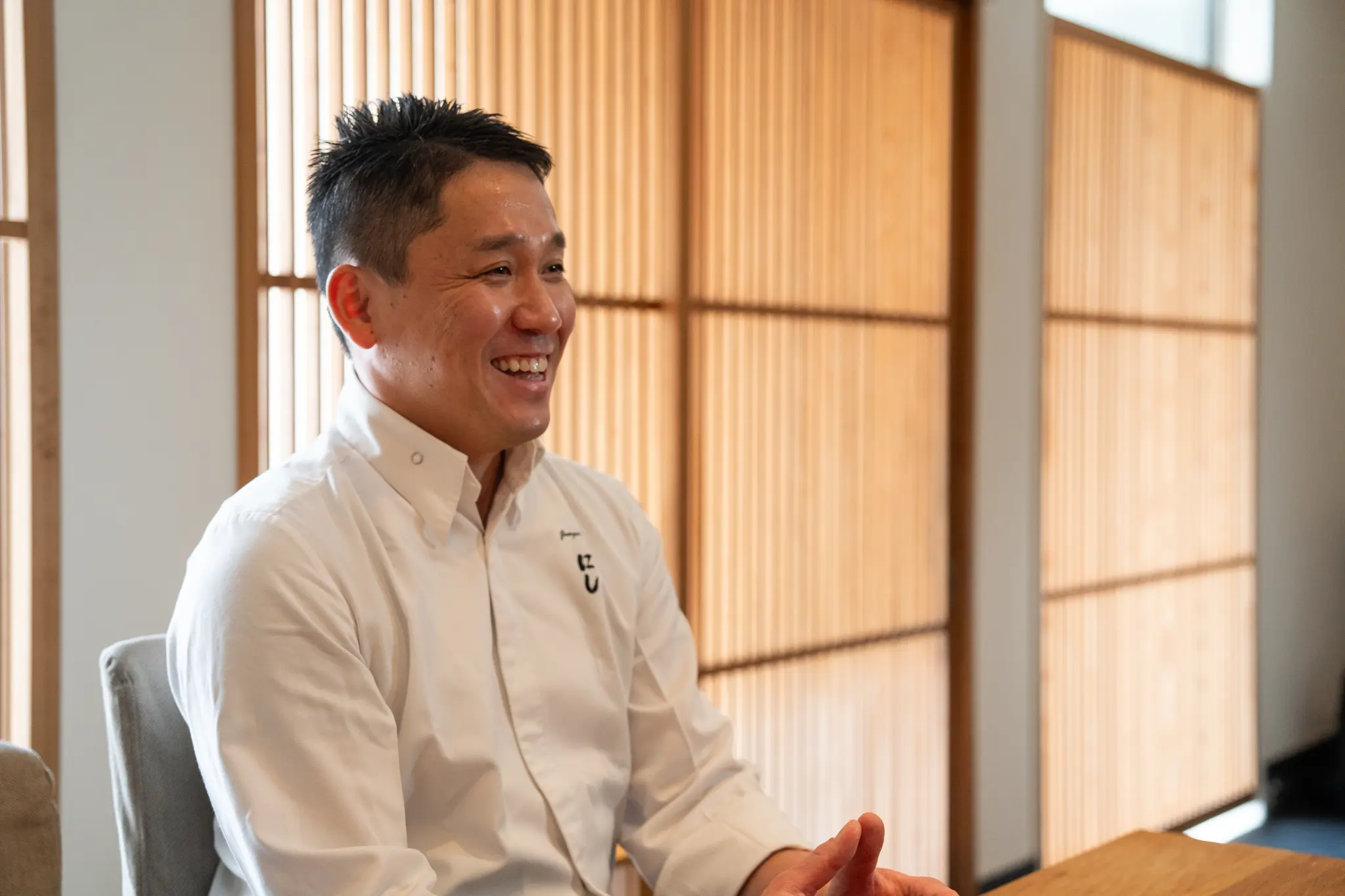
Given that we’re in Kyoto, what I value most is a sense of “iki” — refined stylishness. I want to create refined dishes that leave a lingering aftertaste. I’m always mindful of carrying on the sensibility that has remained from the good old days, so that even after the meal is finished, a pleasant lingering aftertaste stays with you.
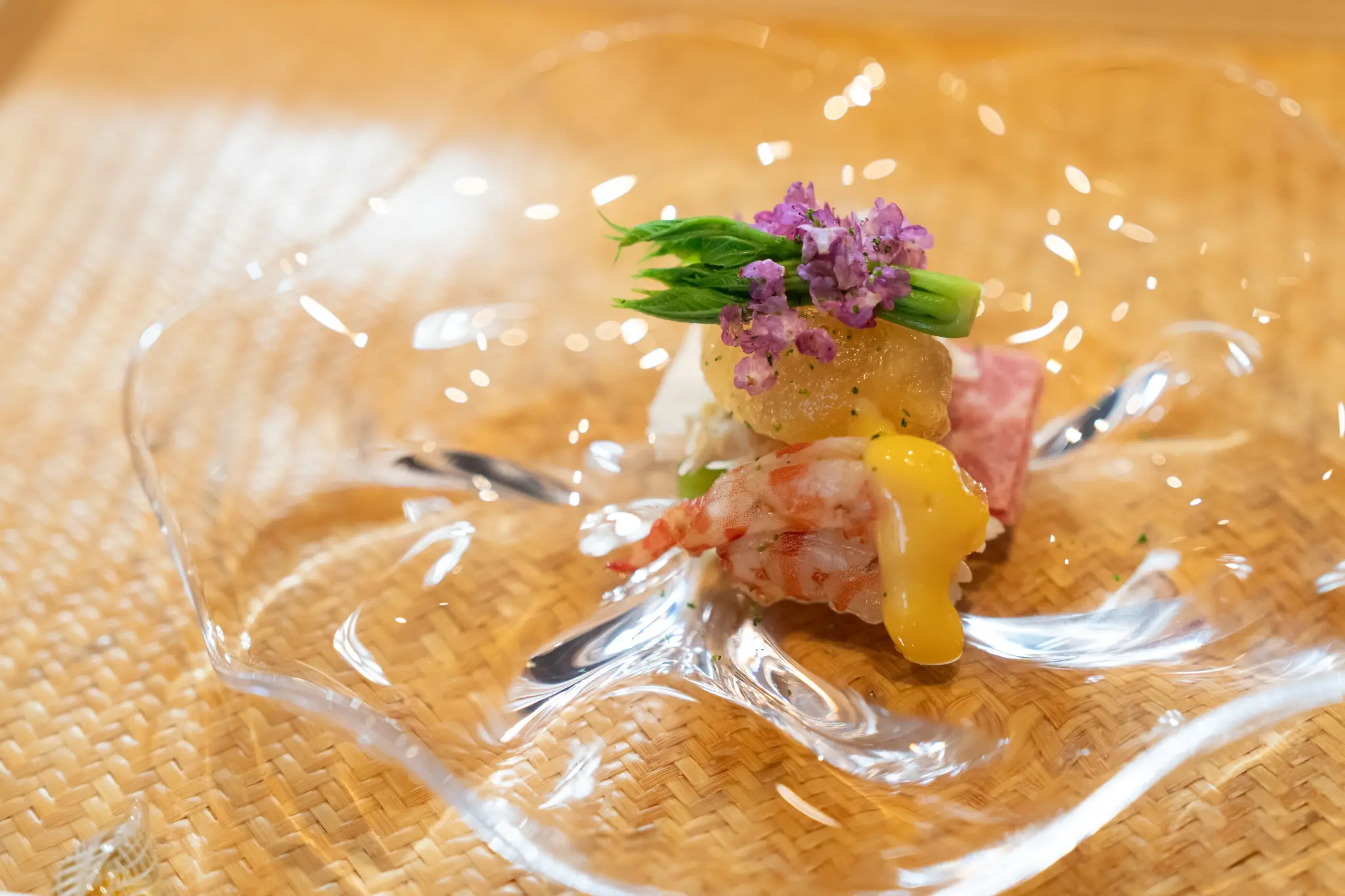
When creating a dish, I constantly ask myself whether this is truly the limit of how an ingredient’s potential can be expressed. I always keep in mind that there may still be undiscovered techniques, cooking methods, or ways to draw out even greater appeal from an ingredient. Sometimes, pairing it with ingredients I had never considered before reveals entirely new characteristics. Through that repeated process of experimentation and refinement, I believe truly one-of-a-kind dishes unique to 【Gion Nishi】 are born.
These days, many restaurants are conscious of how their dishes appear on social media, but that is not something I focus on very much. What matters more to me is preserving a classic Kyoto sensibility—creating cuisine with depth, elegance, and “iki,” rather than something merely flashy or visually extravagant.
— Do you have any particular preferences when it comes to choosing ingredients?
I make it a point to visit the market myself, examine the ingredients with my own eyes, and carefully choose what I feel is truly good. Perhaps it’s a chef’s instinct, but among all the ingredients lined up, there are times when a particular one seems to shine on its own. It almost feels as though it’s calling out, “Choose me.”
When I come across an ingredient like that, I buy it without worrying too much about the price. Every now and then, you encounter something with an extraordinary presence.
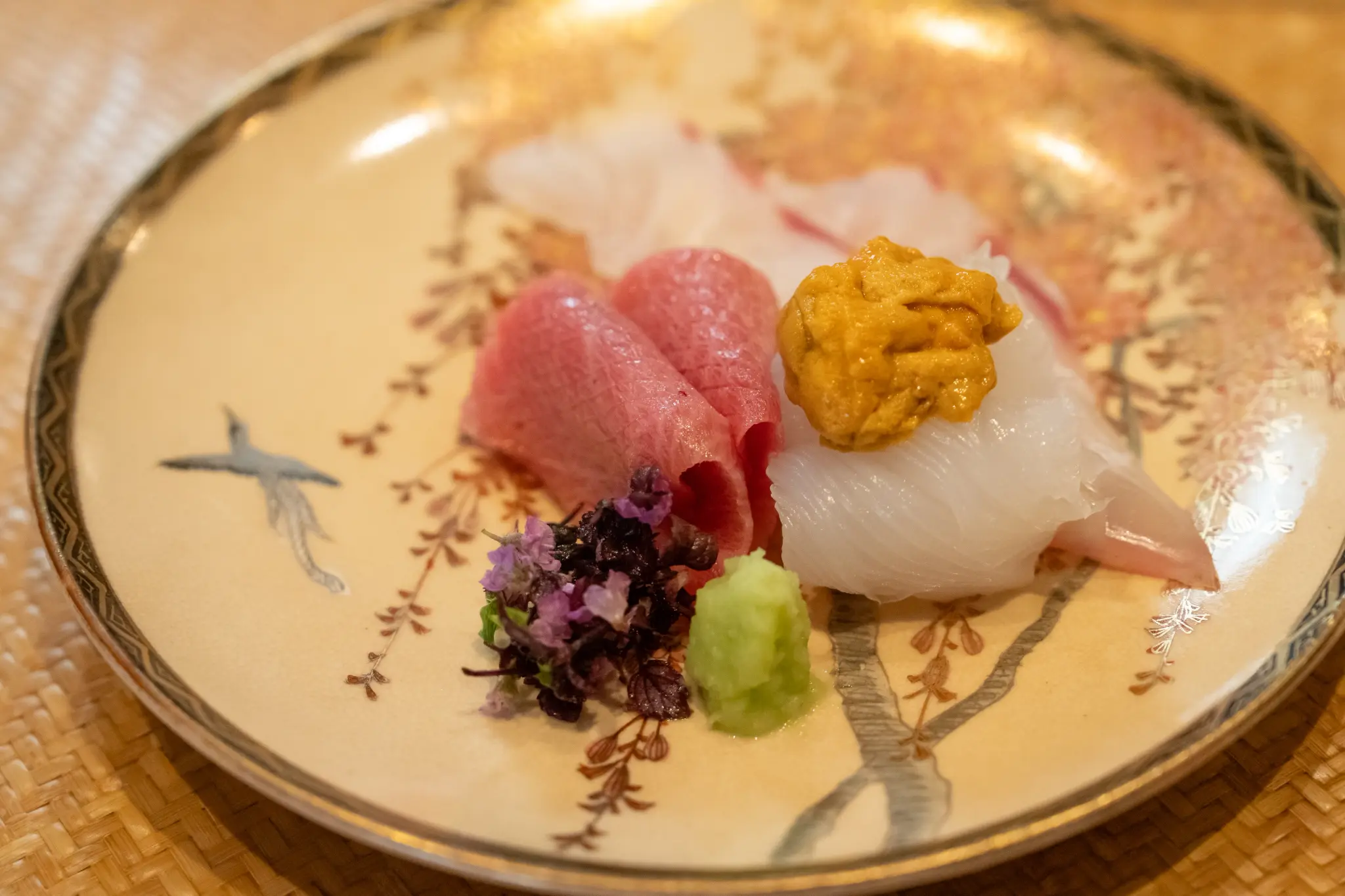
I’ve always wanted to embrace a farm-to-table approach and make greater use of local ingredients, but until now I was so focused on pushing forward that I never really had the time or space to think about it deeply.
As 【Gion Nishi】 reaches its 10th anniversary, I want to build even stronger relationships with producers and deepen those connections more than ever before.
A once-in-a-lifetime course that captures the essence of the season
— How do you put together your course menus?
To a certain extent, the overall concept of the menu is planned out month by month, and we purchase ingredients accordingly. However, because we work with nature, there are times when certain ingredients are not available when we want them, so we adapt flexibly. I have a wide repertoire of dishes, so I adjust the menu based on the ingredients available at that moment.
For example, the soup we served today featured ainame (greenling), but if I’m unable to source ainame of a quality I’m satisfied with, I immediately switch to a different ingredient.
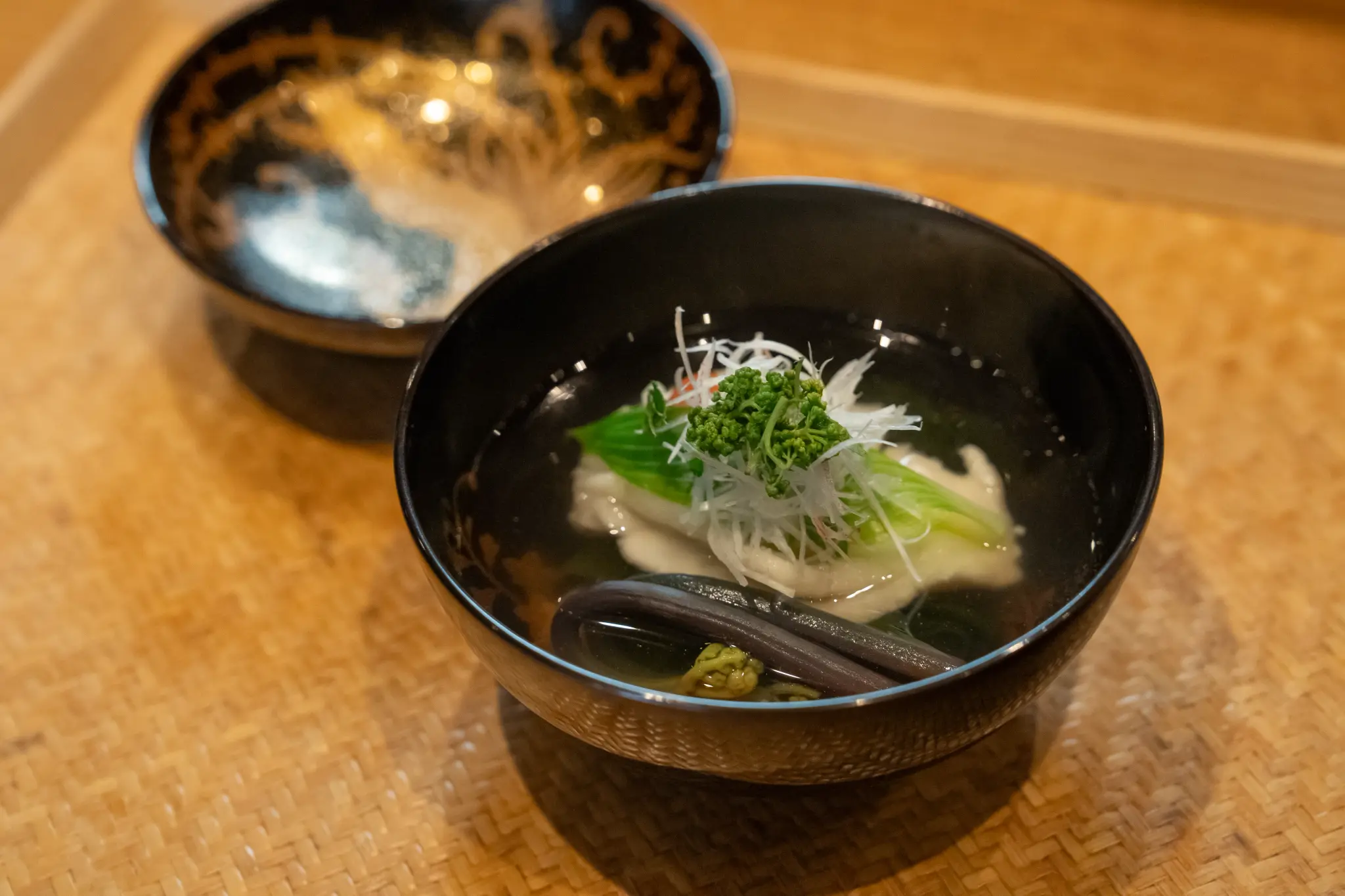
There are also guests who visit several times within the same month. In those cases, I keep track of everything I’ve previously served them and change the entire composition of the menu each time. There was even one guest who came three days in a row, and I made sure to completely change the menu every single day.
— When pairing Japanese cuisine with wine, is there anything in particular you keep in mind?
Although I obtained sommelier qualifications, I believe that at 【Gion Nishi】, Japanese cuisine should remain the main focus. I see wine as something that gently accompanies the dishes, and I always aim for a sense of harmony and synergy between the two.
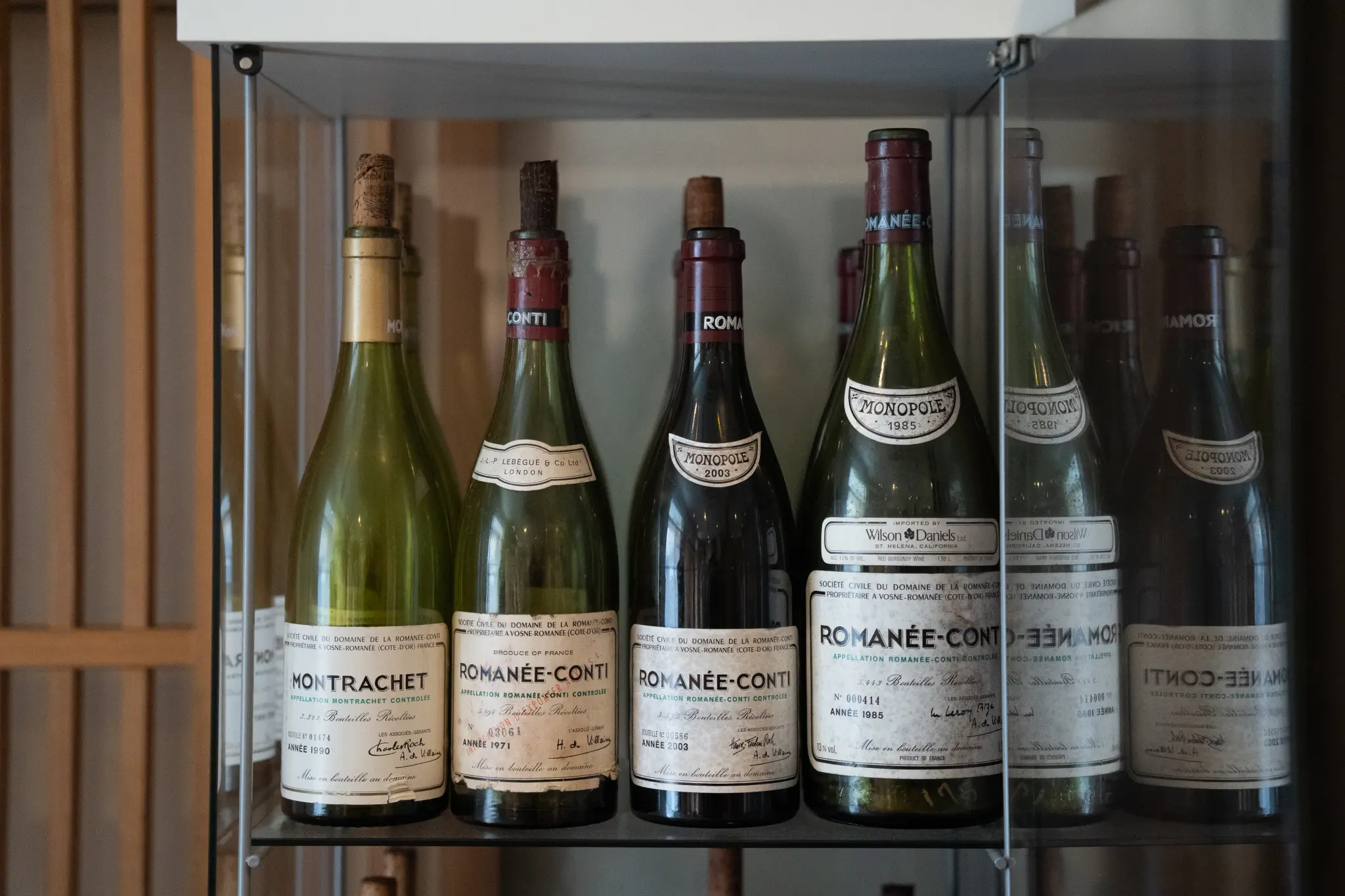
The wines we primarily serve are from Burgundy. Since wine styles can vary greatly depending on the producer and region, we maintain a selection that allows us to choose the most suitable pairing for each guest.
For those who would like to enjoy wine with the meal but are unsure what to choose, I often recommend Leflaive. It’s a classic choice and one of the most renowned names in white Burgundy.
— What do you value most when it comes to tableware and creating the atmosphere of the space?
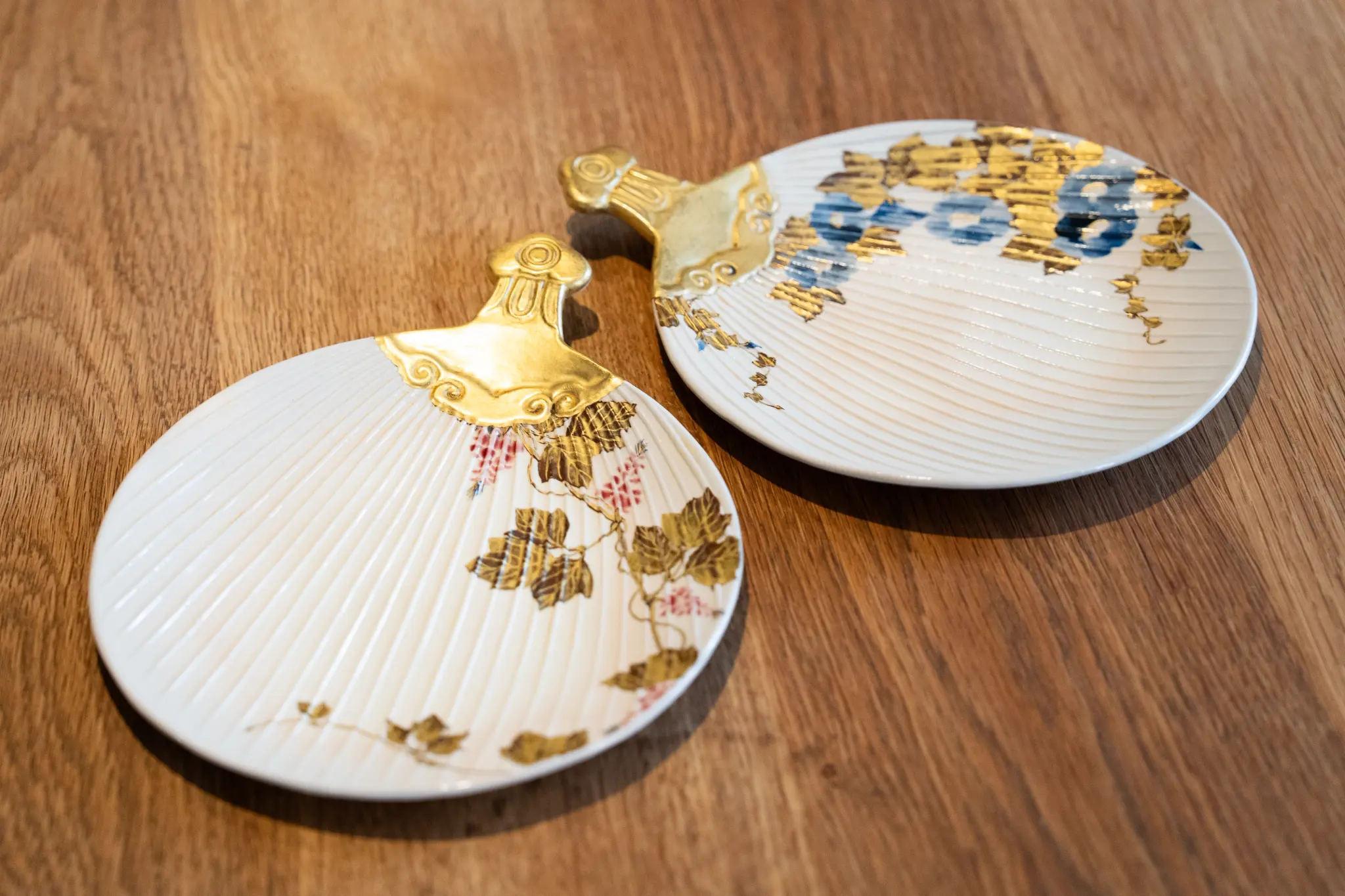
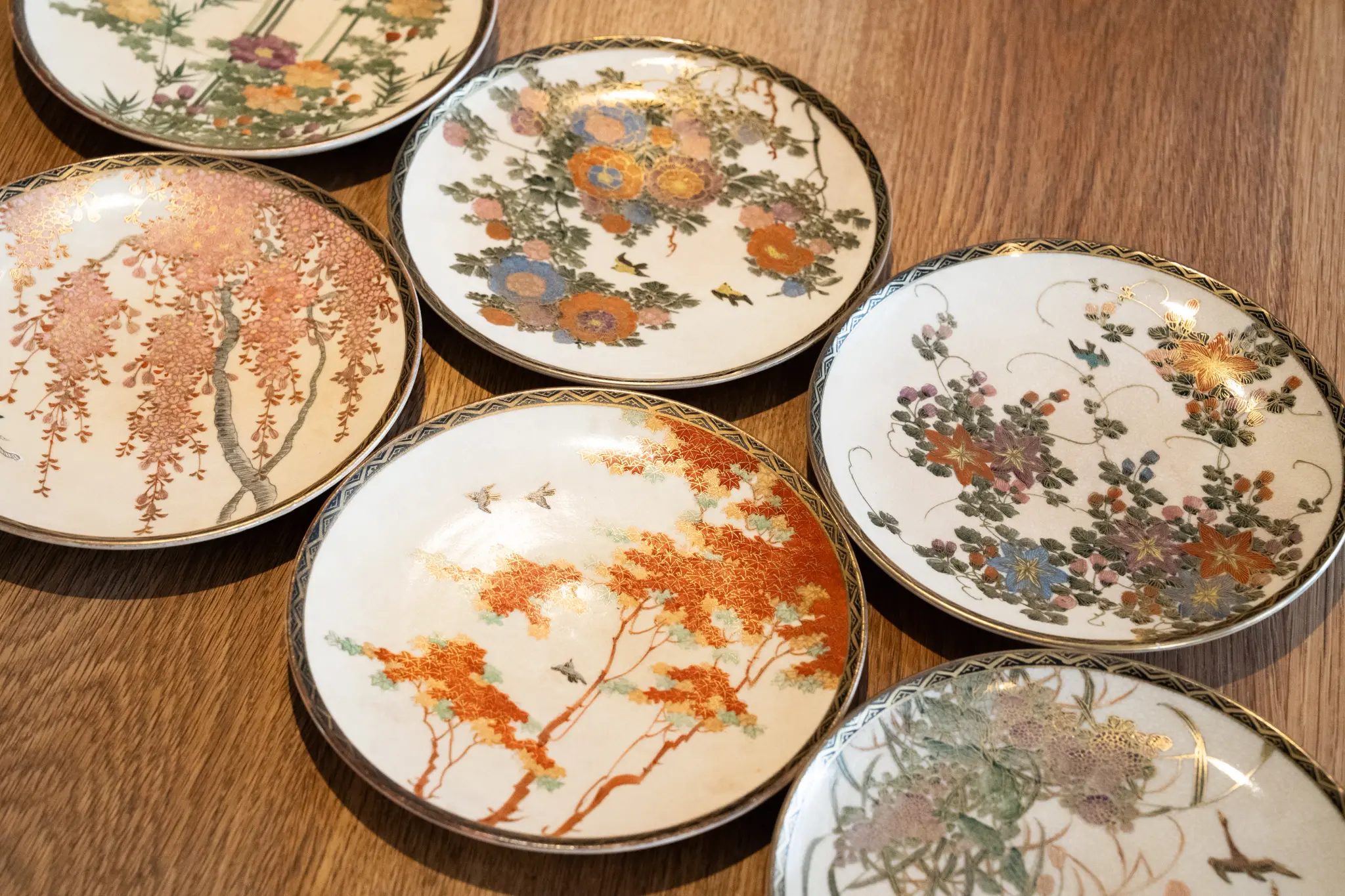
When purchasing tableware, I rely heavily on intuition. Sometimes, when I look at a piece, I can immediately envision the dish that should be served on it. When that happens, just like with ingredients, I buy it without worrying about the price.
Precisely because we are in Kyoto, a city with deep traditions, I feel a strong desire to preserve the traditions surrounding tableware as well. That’s why I value not only the cuisine itself, but also every element that surrounds the dining experience.
What I value most about the space is the sense of liveliness. The counter seats are very popular, of course, and I want to create a comfortable atmosphere where guests can enjoy watching the cooking up close, seeing what’s happening at hand, and chatting while they eat, all at just the right distance.
I always want to approach cooking with complete sincerity
— Do you have any plans or aspirations for the future?
Since entering my forties, I’ve felt an even stronger desire to seriously devote myself to cooking once again here in Kyoto, the place where I was born and raised. With that in mind, I’m now considering relocating the restaurant.
At this stage of my life, I feel a powerful urge to build everything again from the ground up—to rethink the tableware, the setting, and every detail of the experience, while once more pushing myself to pursue each ingredient to its absolute fullest potential.
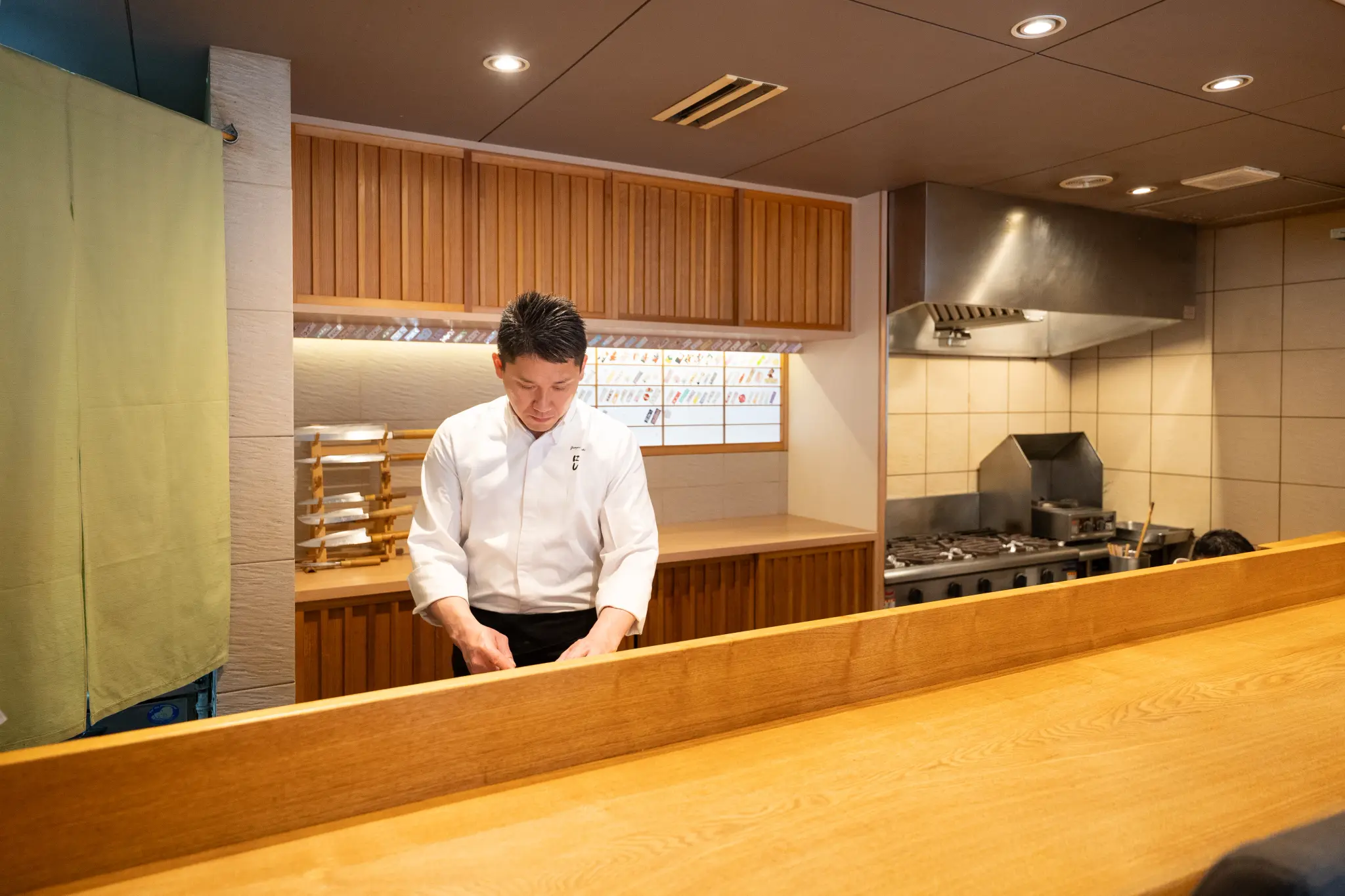
I want to further elevate the quality of what we offer, so I’m considering reducing the number of seats. Right now, I’m envisioning a space with around eight counter seats and one private room. I’d also like to incorporate a small courtyard and create an atmosphere where guests in the private room can still experience a sense of live interaction with the chefs, so I’m currently developing various ideas for the space.
In the past, I was interested in expanding to multiple locations, but recently my mindset has become much more grounded, and my desire to focus purely on cooking has grown stronger than ever. That’s why I’ve begun thinking about reexamining everything from the ground up—including the producers I source from and even the water we use.
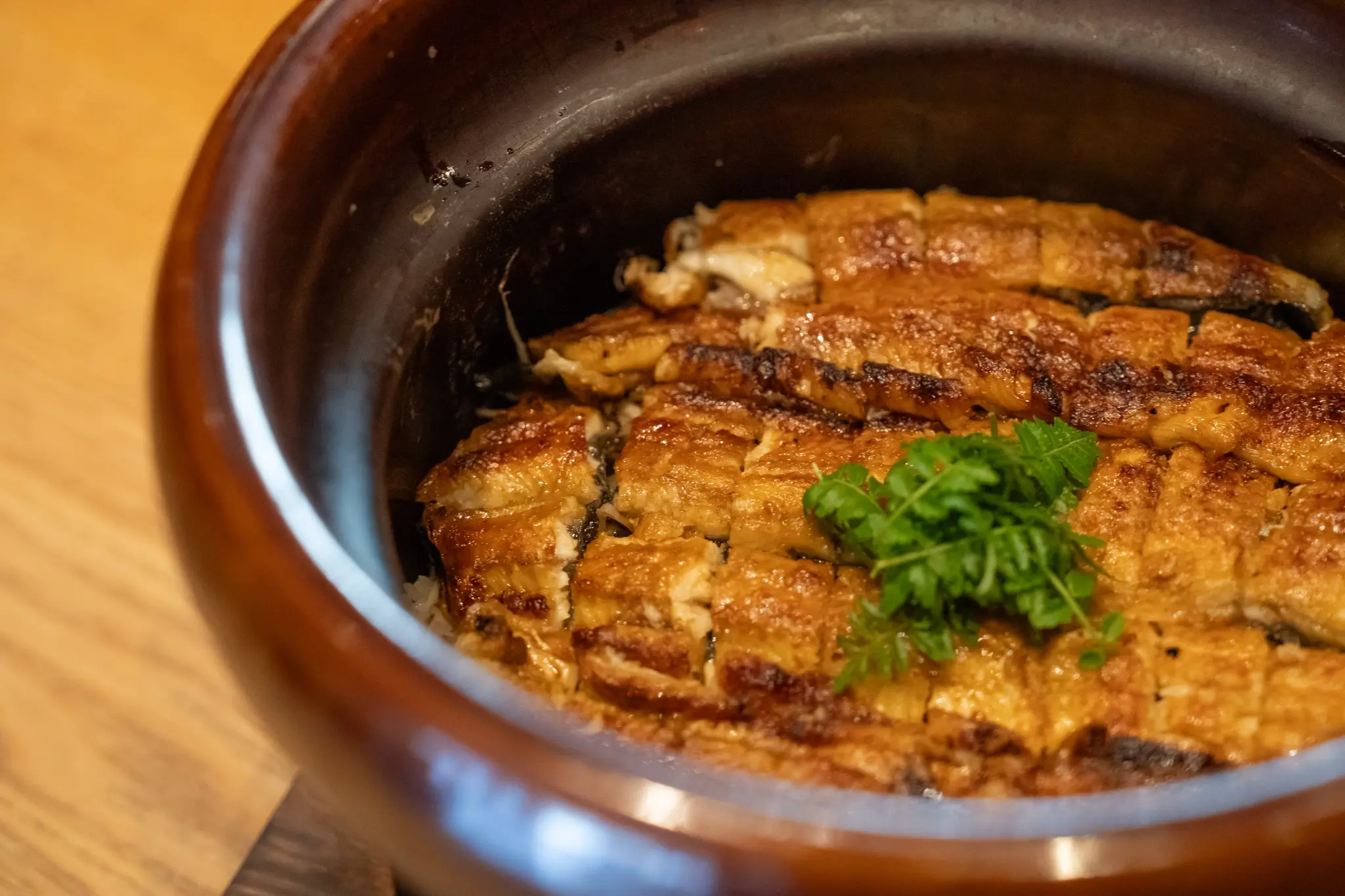
I don’t intend to move too far away, because I deeply value the guests who have become familiar with this place and continue to visit us regularly.
What I’m looking for is somewhere quiet, with the refined and timeless atmosphere of old Kyoto—a place that feels as though it brings you back to the elegant Kyoto of the past. If I were to come across the right property, I honestly feel ready to move immediately.
I intend to approach both the cuisine and the tableware with complete sincerity, so I hope you’ll look forward to what comes next.
— Lastly, what does “delicious” mean to you, Mr. Nishi?
I believe it’s the moment when “encounters,” “inspiration,” and “effort” all come together. The encounter with an ingredient, the spark of a new cooking idea, and the steady accumulation of effort driven by the creator’s pursuit of excellence.
It also includes the journey that brings the guest to that moment, as well as the vitality of the ingredients themselves, having survived within the harshness of nature. I think “deliciousness” is born only when all of those different stories and backgrounds overlap in a single moment.
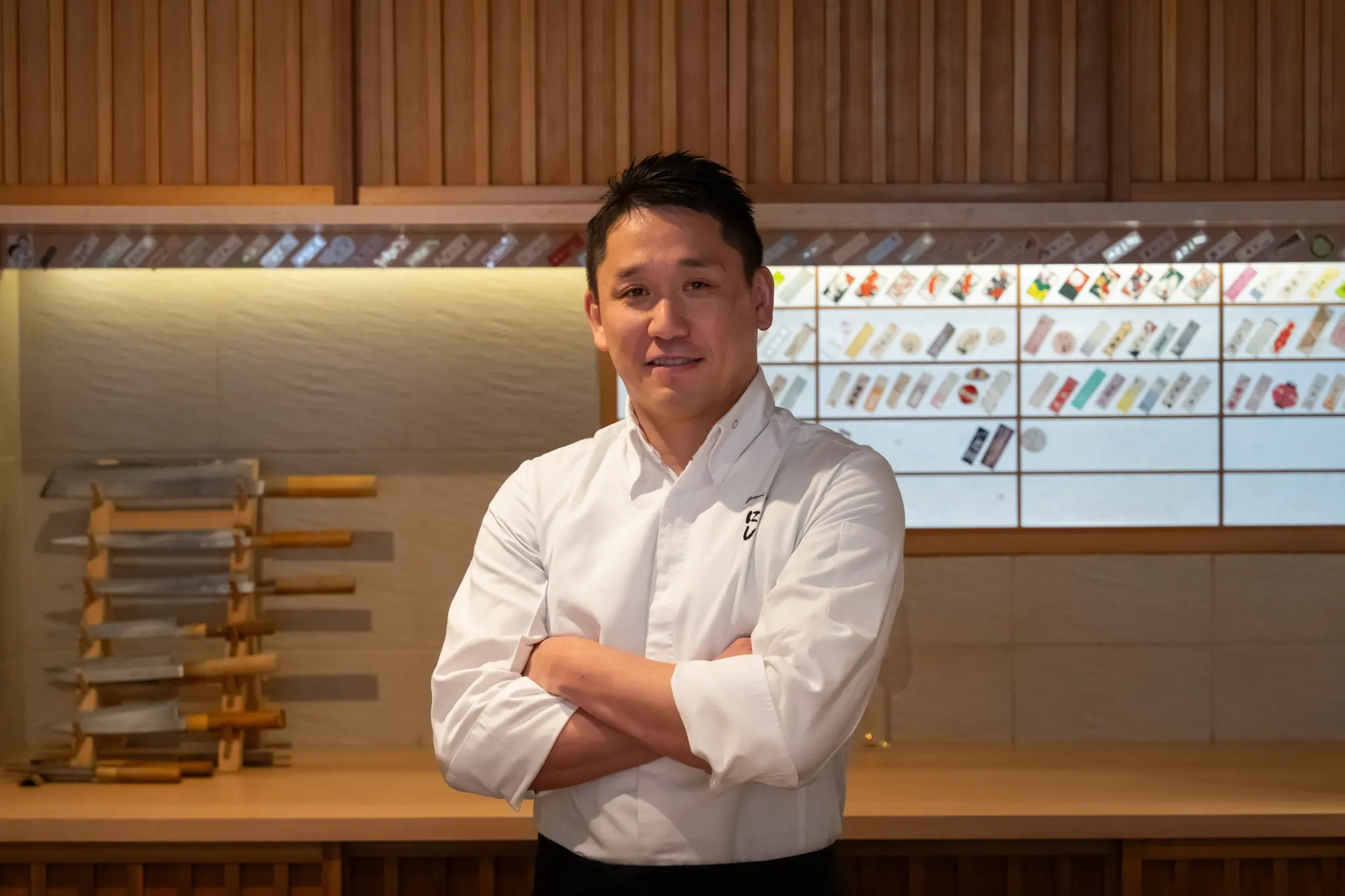
Rather than mere flamboyance, what remains truly important is the lingering resonance left in the heart. Mr. Nishi’s cuisine embodies the quiet elegance and inner strength that are so characteristic of Kyoto, expressed through dishes that go beyond simply being delicious.
By reexamining everything from the tableware and the atmosphere to the cuisine itself, and through a passion for new challenges, he continues to pursue new expressions of “iki” and lingering aftertaste. Encounters with ingredients, flashes of inspiration, and the steady accumulation of technique and effort—when all of these overlap, a moment of true deliciousness is born.
We invite you to experience that moment for yourself at 【Gion Nishi】
Interviews & Text / AutoReserve Magazine Editorial Team
Photography / Shoichi Baba
Restaurat Information
- AutoReserve Magazine
- Japan’s world-renowned flagship restaurant
- Sommelier-Chef Jumpei Nishi of 【Gion Nishi】: Pursuing the Refined Elegance and Lingering Charm of Kyoto