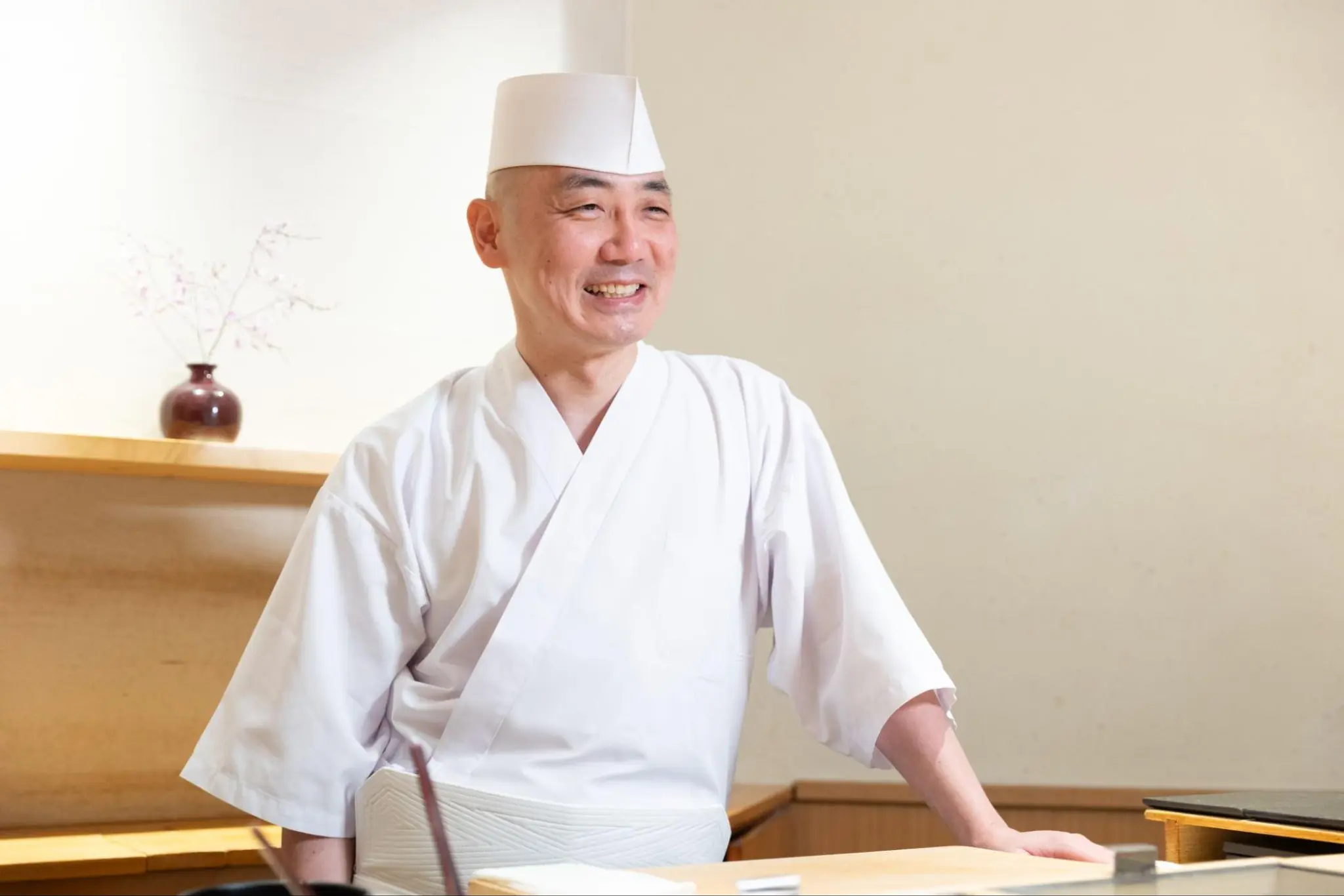
The Mastery of Craft and the Warmth of the Space at【Takumi Shingo】– Chef Shingo Takahashi's Essence as a Sushi Chef
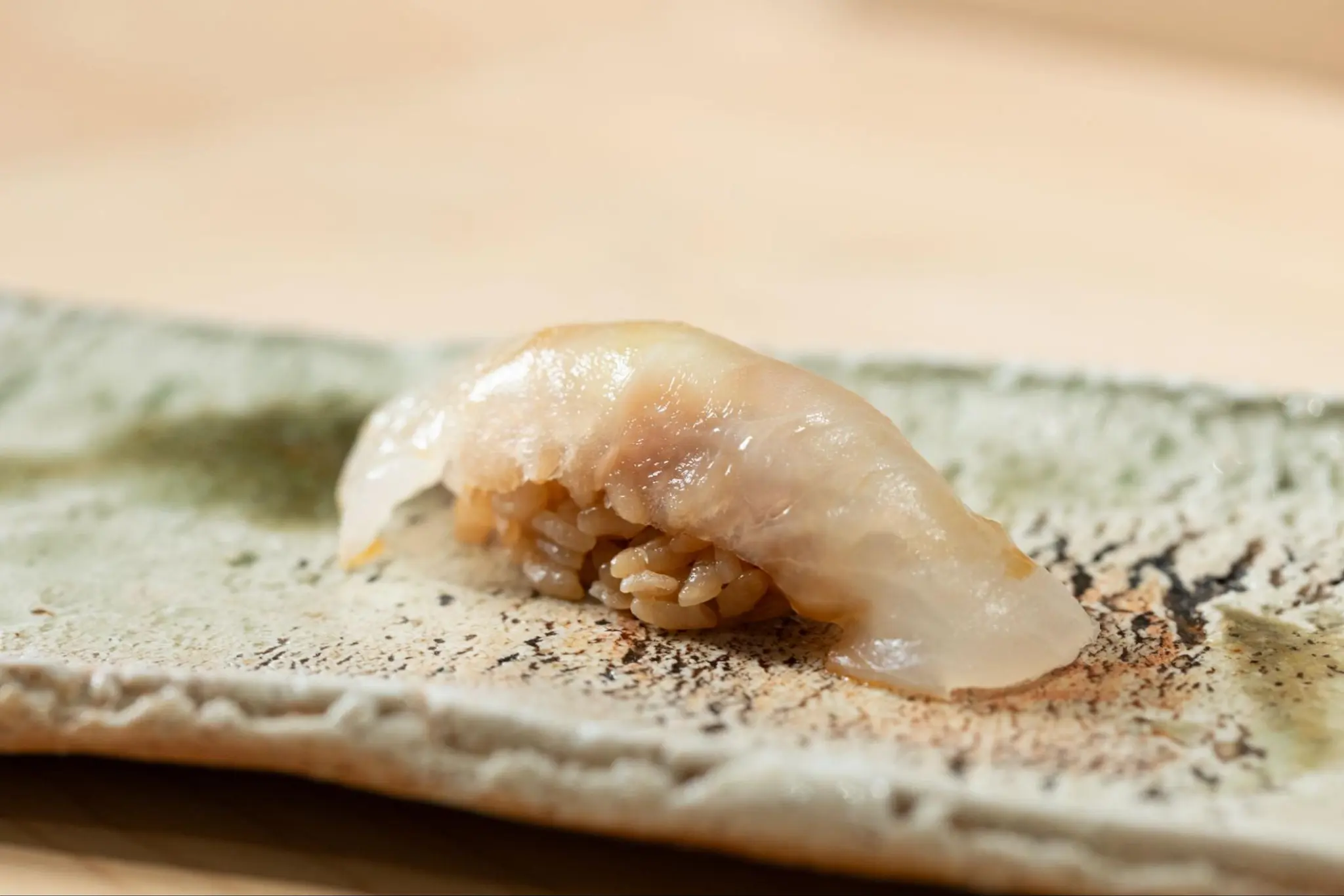
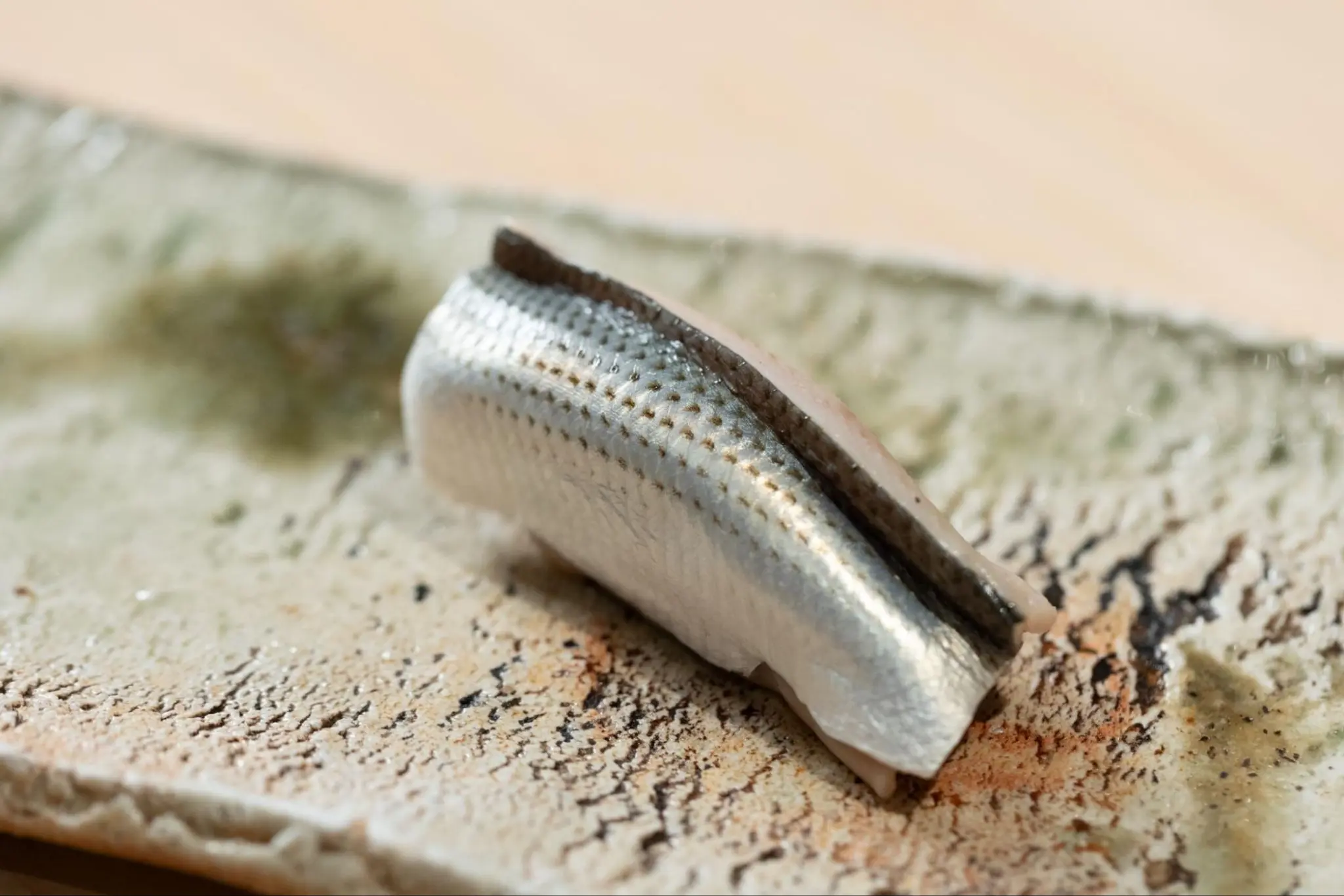
The Perfect Sushi Piece Crafted with Skill and Attention to Detail
ーーーWhat is the most important aspect you focus on when making sushi?
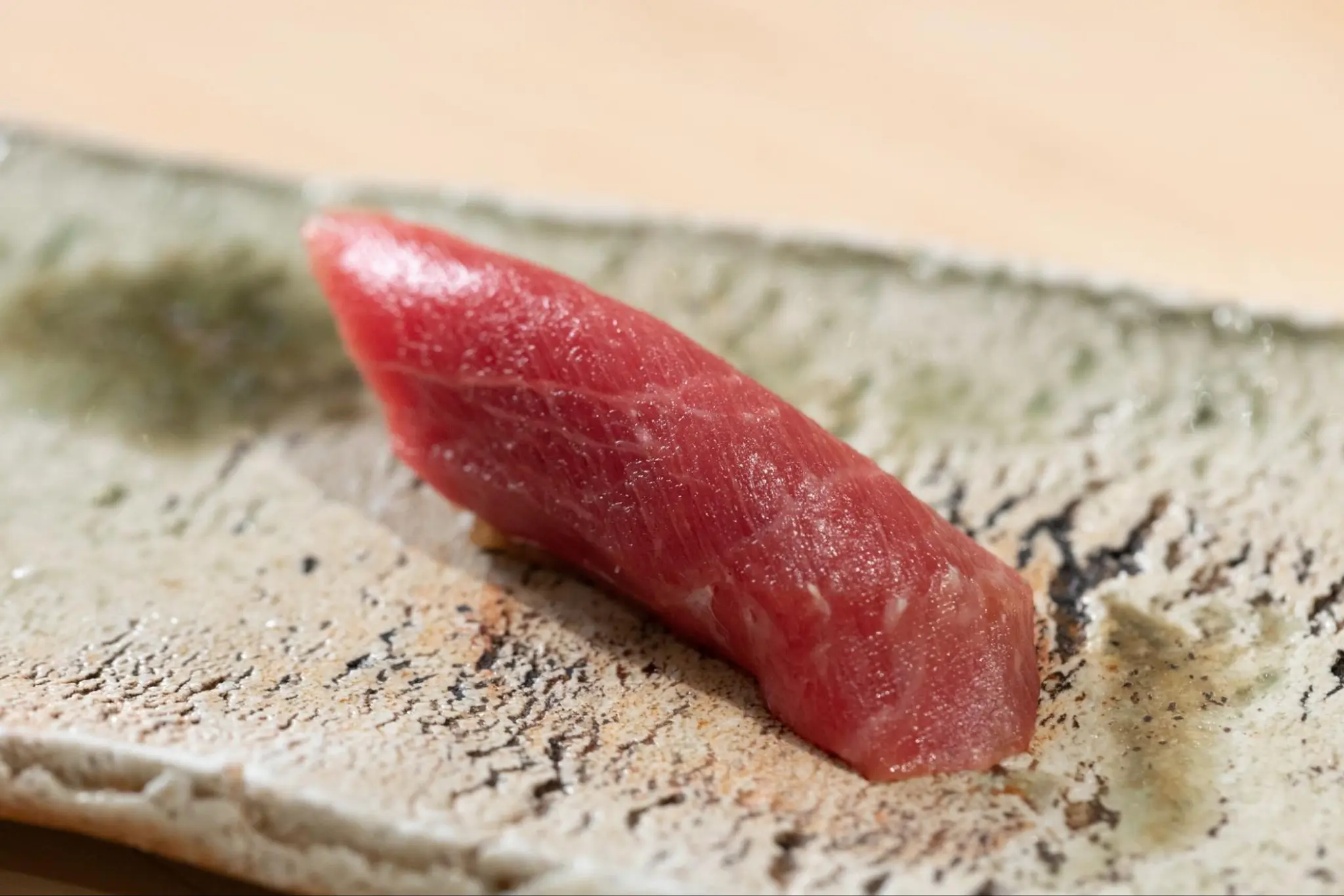
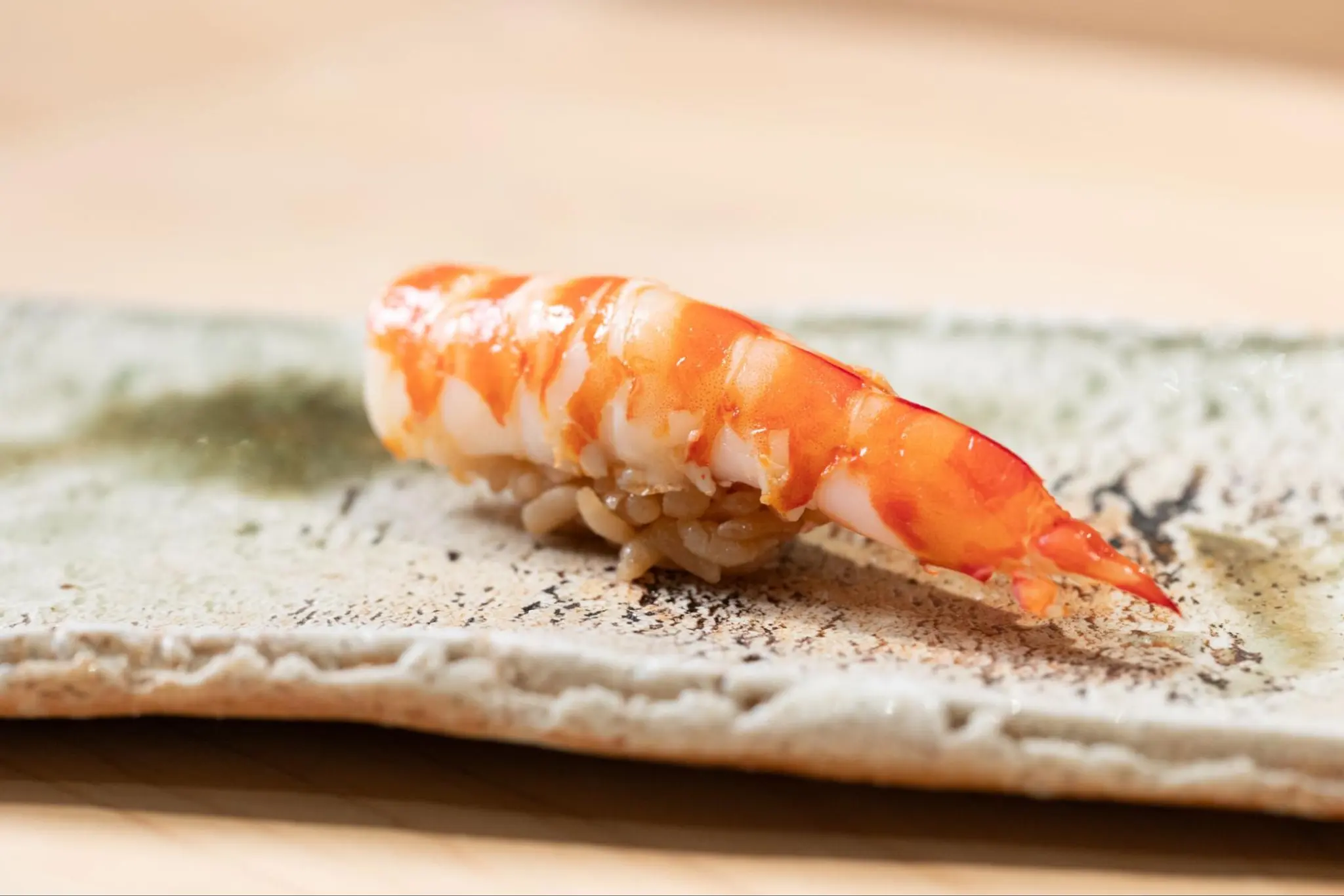
It's the balance between the ingredients and the rice. Sushi is a simple dish made only with the ingredients and the rice. However, that simplicity is what makes it challenging. The rice creates the "outline" of the sushi, and if the rice isn't firm, the overall flavor will become blurry. That's why I pay a lot of attention to the rice. The rice I use is chosen in consultation with a trusted rice supplier, who helps me select the variety that best suits the season and the ingredients of the day. As for the vinegar used in the sushi rice, I use two different types depending on the ingredients. In the winter, when the ingredients tend to have a stronger flavor, I often use red vinegar. On the other hand, in summer, when the ingredients are lighter and more delicate in flavor, I use rice vinegar to give it a refreshing finish.
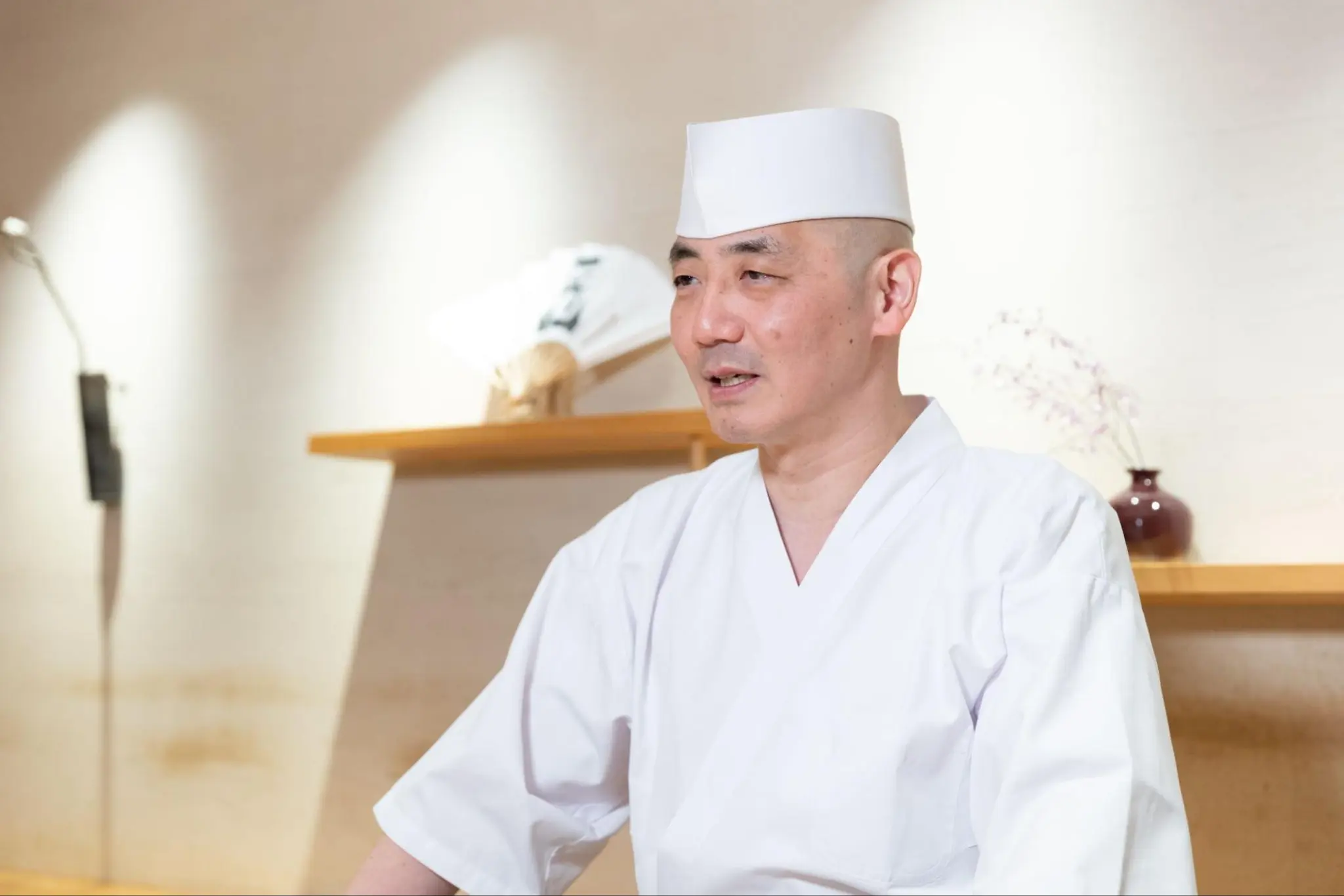
ーーーWhat is your approach to preparing the ingredients?
Choosing the right ingredients is, of course, important, but the key is preparing them according to the condition of the day. For example, the skin of the small fish, which changes its name depending on the season, varies greatly in quality, so the preparation slightly changes each time. The timing for marinating with vinegar or salt is also something that needs to be done based on intuition—sometimes I feel that "today, I should leave it for a little longer." You can't prepare it well without "talking" to the fish. The bad parts of the ingredients are removed, and the good parts are brought out to their fullest. This is the basic principle of preparation. By aging and adjusting the preparation process, I bring out the maximum flavor of the ingredients and harmonize it with the rice before serving.
The Resolve to Live as a Sushi Chef
ーーーYou started in the sushi world at the age of 16. What was the catalyst for that?
I dropped out of high school and had nowhere else to go. Although I made the decision to leave school on my own, I didn’t know what to do next. I didn’t have any dreams, and there were no other options. At that time, through an introduction from an acquaintance, I ended up working at a sushi restaurant. At first, I had no idea what was going on. I had heard that the world of craftsmanship was tough, but it was much more difficult than I had imagined. Preparation started early in the morning, and missing the last train home was a given. Cleaning, tidying up, and shopping... of course, I wasn’t allowed to hold a knife, and being scolded was part of everyday life. Every day was just about doing what I was told, and I thought about quitting many times.
ーーーDuring this time, was there a turning point?
Back then, I was hanging on with the feeling that “if I quit here, I’ll have nowhere else to go,” but looking back now, I realize I didn’t have much motivation for the job. However, my mindset changed when I first stood in front of customers (behind the sushi counter). When I was allowed to make sushi for the first time, a regular customer who had been coming to the restaurant for a long time said, “You finally made it here, you’ve worked hard.” I felt truly happy and rewarded for my efforts, and I thought to myself, “I’m going to continue this job for the rest of my life.” That was when I decided that I would dedicate myself to being a sushi chef for life. It may have taken me too long to make that decision, considering how many years I had already been working (laughs). But that moment was the turning point that changed how I approached my work.
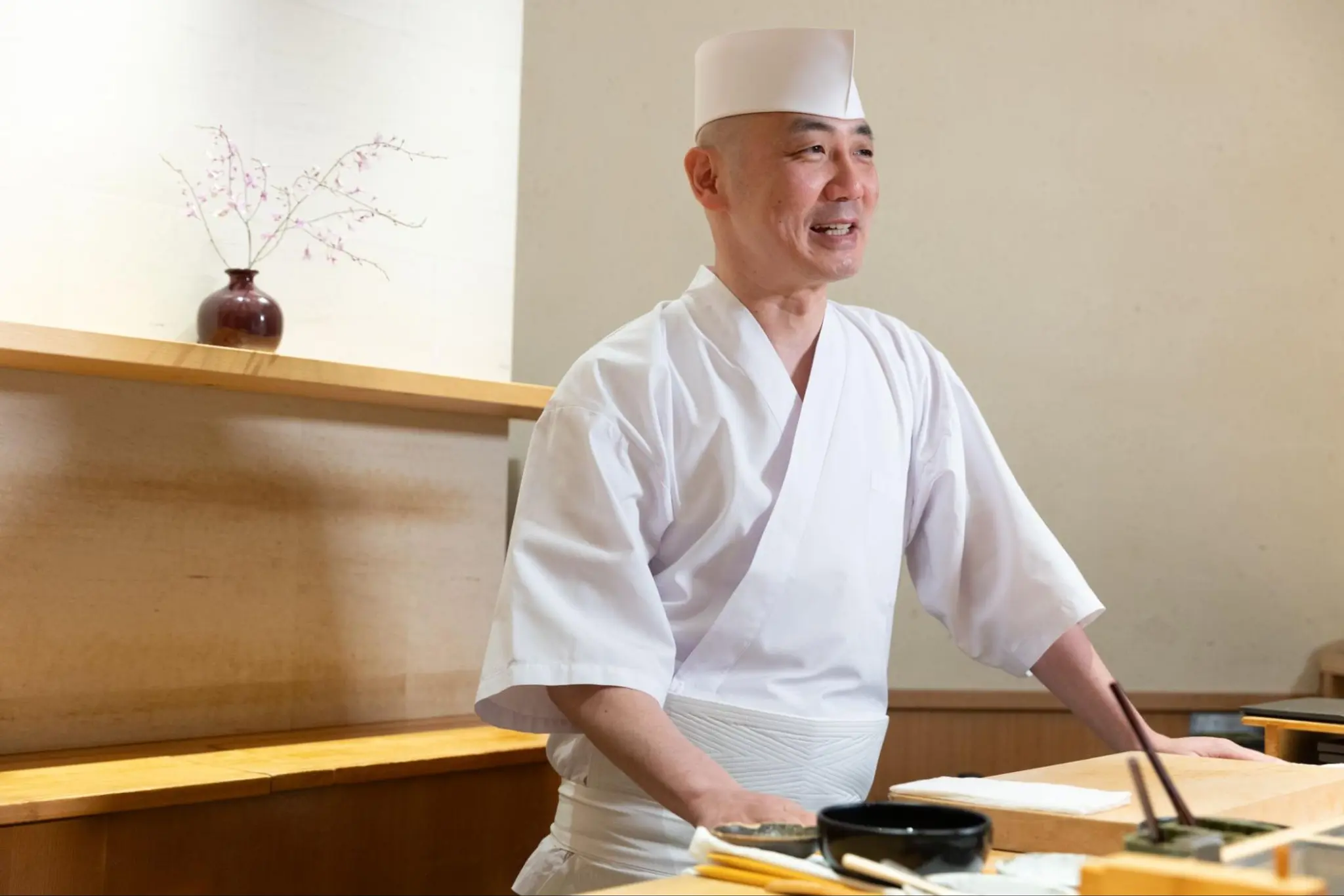
For example, preparation is everything for a sushi restaurant. The freshness of the ingredients, how they are marinated or pickled... How you handle these things completely changes the flavor of the sushi. Before, I approached it by just doing what I was told, but I realized that if I only followed the instructions, nothing more would come from it. I began to think hard about how I could make it even better, experimenting and going through trial and error. When I served ingredients that I had prepared with strong attention to detail, something amazing happened: the customer reactions changed. Hearing them say "delicious" right in front of me is, after all, the most rewarding thing.
A sushi chef's job is not just about making sushi
ーーーYou have described your role as that of a "conductor." What does being a "sushi chef" mean to you, Chef Takahashi?
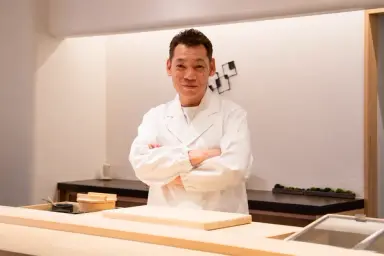
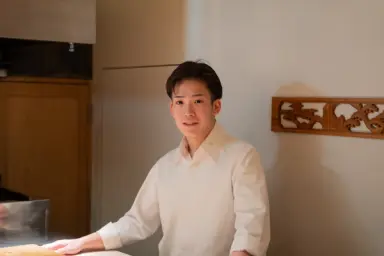
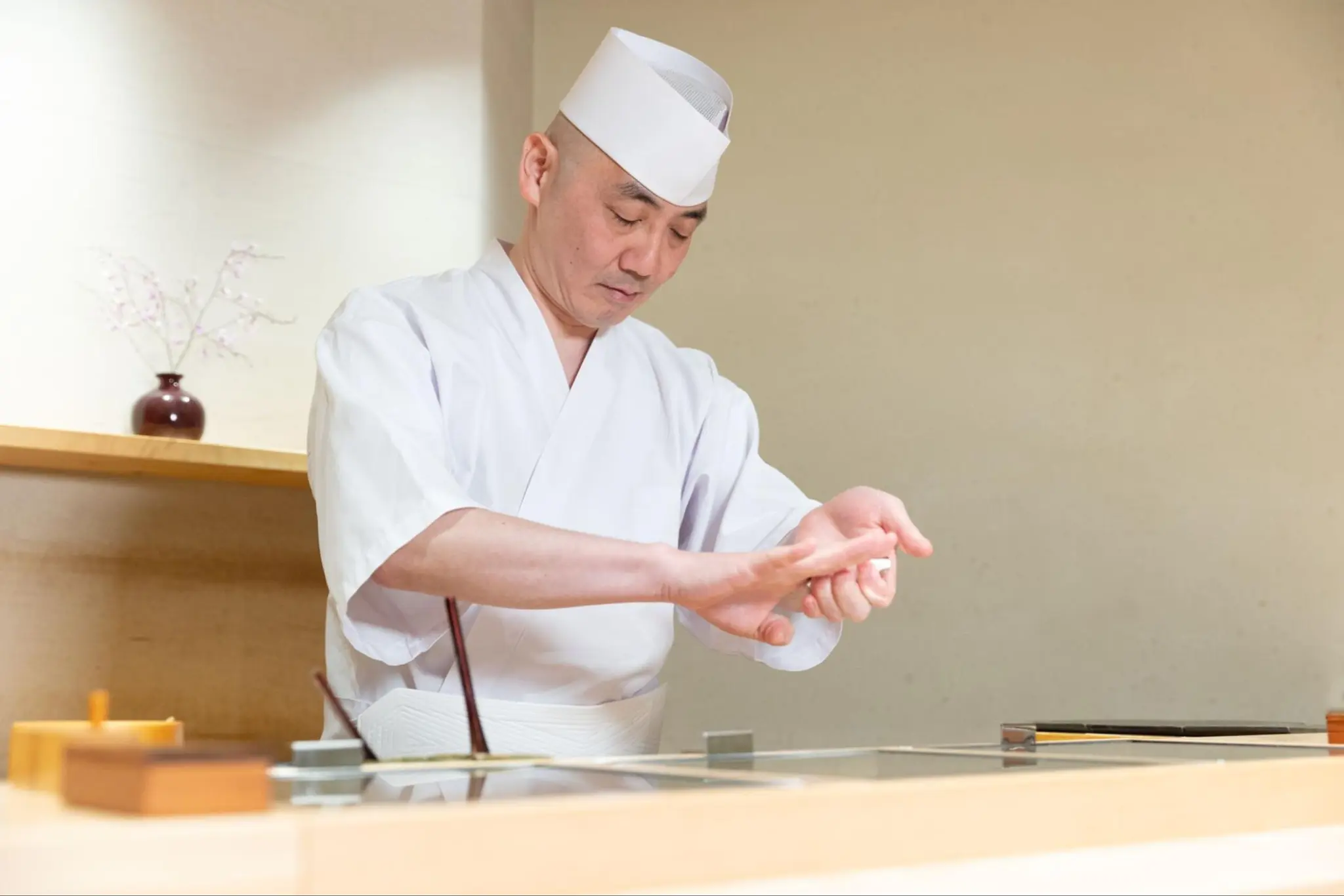
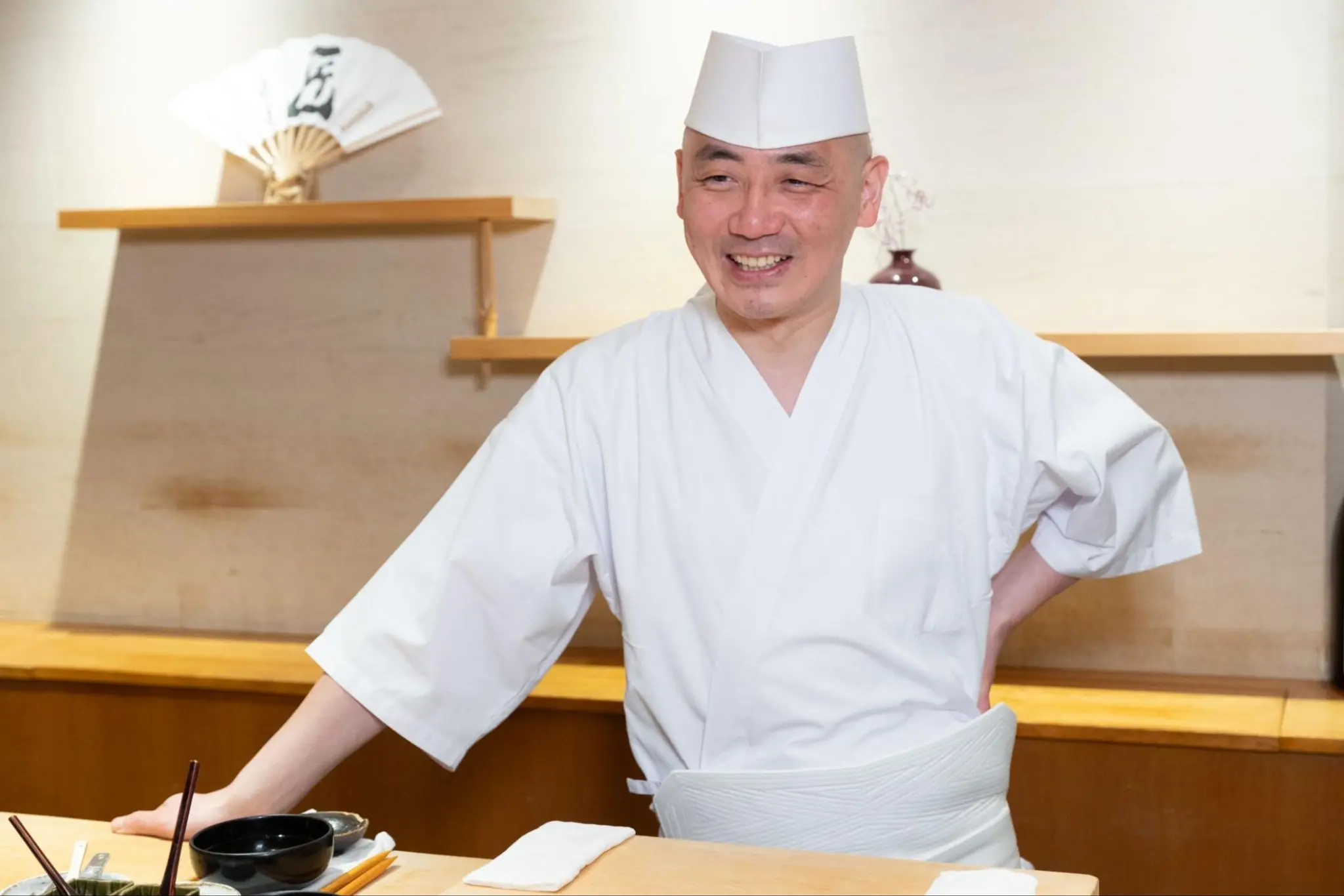
Most people think that a sushi chef's job is "to make sushi." Of course, that’s not wrong, but I believe a sushi chef should be the conductor of the stage called the counter. Our restaurant has only 8 counter seats, and there is no boundary between the customer seats and the sushi preparation area. In other words, the entire restaurant is connected as one space. As I move my hands in front of the customers, everything — from the act of making sushi to the atmosphere — is communicated to them. From the moment a customer sits at the counter until the time the restaurant closes, I am always aware that it’s the "main event." While making sushi, I also keep an eye on the entire space, ensuring that all the customers present can enjoy the experience comfortably. I believe that this is an important role for a sushi chef.
ーーーWhat specifically do you focus on when creating the atmosphere of the space?
I observe the customers and adjust the tempo of serving sushi based on their mood and the flow of conversation. For first-time customers, I might lightly engage in conversation to help them relax, while for regulars, I skip unnecessary explanations and serve the dishes in our usual rhythm. If customers are getting along with each other, I may make the atmosphere a bit livelier. On the other hand, if someone wants a quieter experience, I avoid speaking too much. I also consider the dynamic of the space and adjust accordingly. Some of our regular customers even say, "When Takahashi starts speaking in a slightly lower tone, the atmosphere of the restaurant tightens up." Sometimes, it’s something I do unconsciously, but I’ll deliberately change my tone when I feel it’s necessary — whether it's to create a bit of tension or to make things more relaxed. It’s similar to controlling the dynamics in an orchestra.
It’s not always just one group of customers sitting at the counter. Sometimes everyone is enjoying their own time, and other times the entire restaurant is enveloped in a single atmosphere. The kind of atmosphere I create depends on the flow of the day. Sometimes I even play the role of the one being teased, and the whole restaurant ends up in laughter. As long as everyone present is having an enjoyable time, that too is part of a craftsman's role.
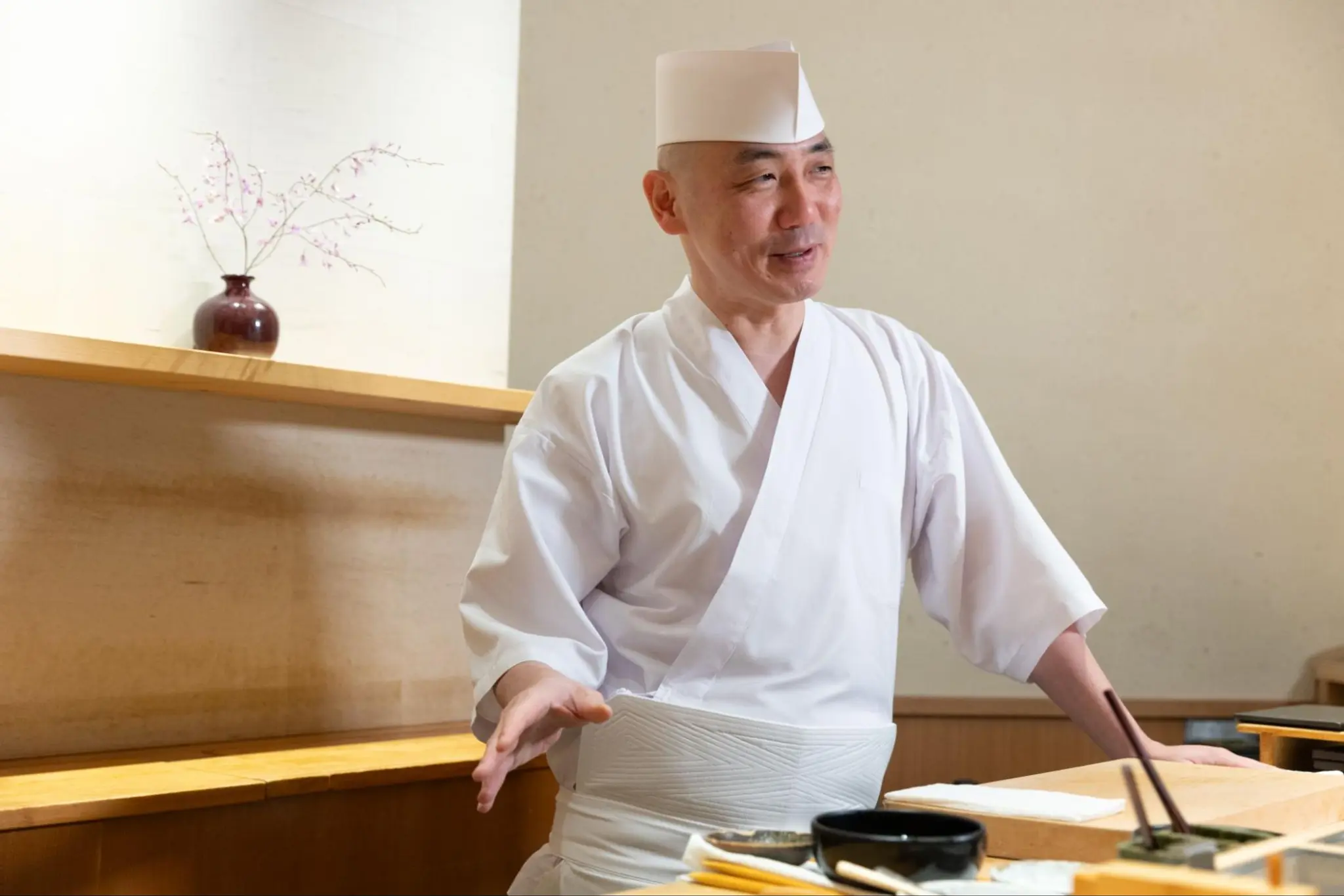
In addition, enjoying sake with delicious sushi is one of the great pleasures of a sushi restaurant. However, there are times when customers end up drinking too much. In those cases, I see it as part of my job to be mindful of the pace at which they are drinking. If they drink too much, it becomes less about enjoying the sushi. Sometimes, I’ll gently suggest, “Shall we make this the last one for today?” It’s never about forcing someone to drink; rather, I believe that a good sushi chef considers how to “end the experience in the best possible way.”For customers, dining at a sushi restaurant should not just be about eating delicious sushi, but rather, it should be "a time to savor the entire experience." Standing behind the counter, my job is to ensure that everyone can enjoy the whole space to the fullest.
After Opening My Own Restaurant - My Exploration as a Sushi Chef
ーーーIt’s been 12 years since you became independent. Has there been any change in your sushi since opening your own restaurant?
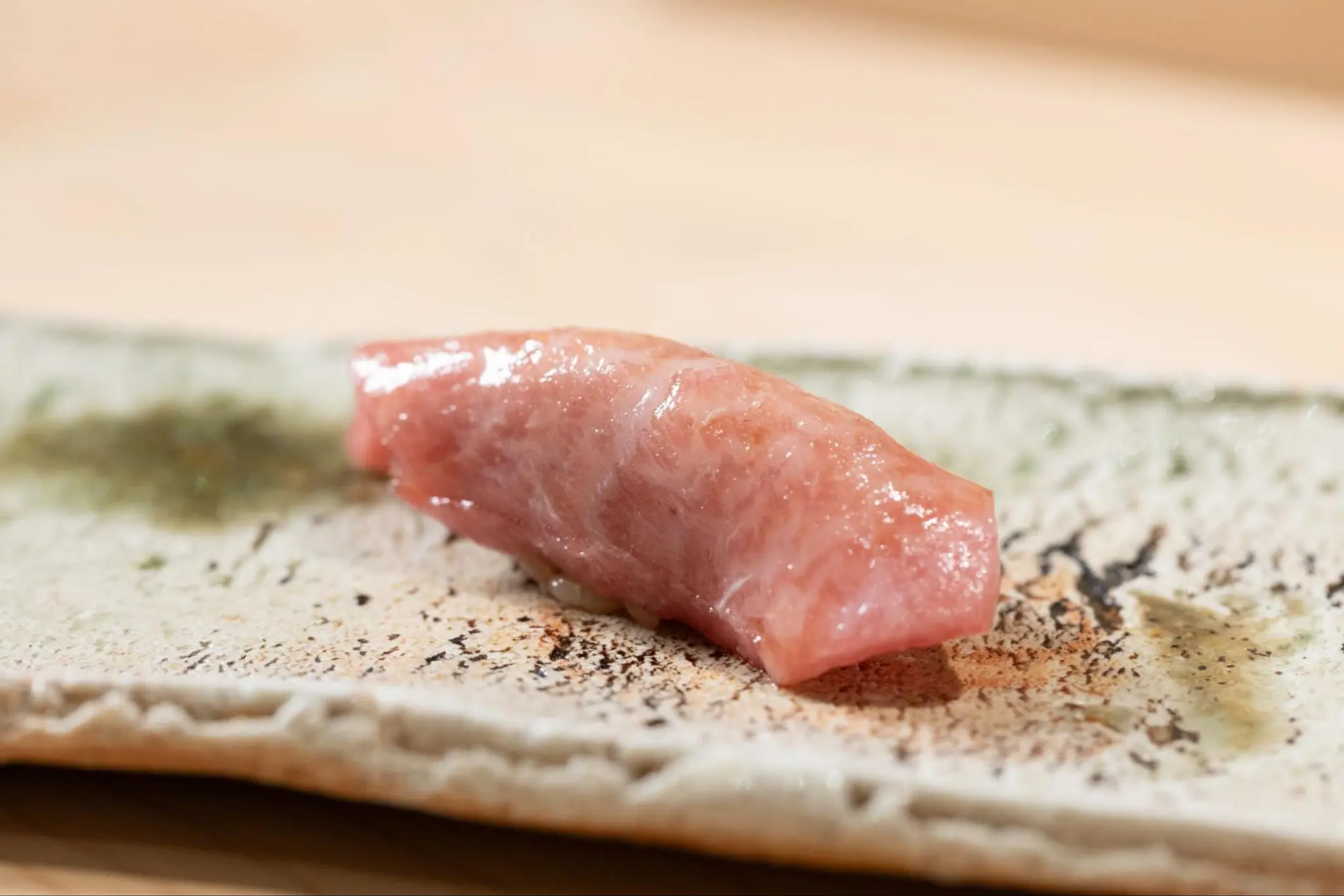
When I first opened the restaurant, I tried many different things. While using the basics I learned during my apprenticeship, I added my own twists and incorporated new techniques. Being independent gave me more time to think about "what is my sushi?" and made me eager to try new things. However, after gaining more experience, I’ve come to realize that the essence of sushi is simplicity. I’ve tried many challenges, but now I focus on refining the techniques of Edomae sushi and being mindful of how to best bring out the quality of the ingredients.
ーーーWhat do you mean by the essence of Edomae sushi?
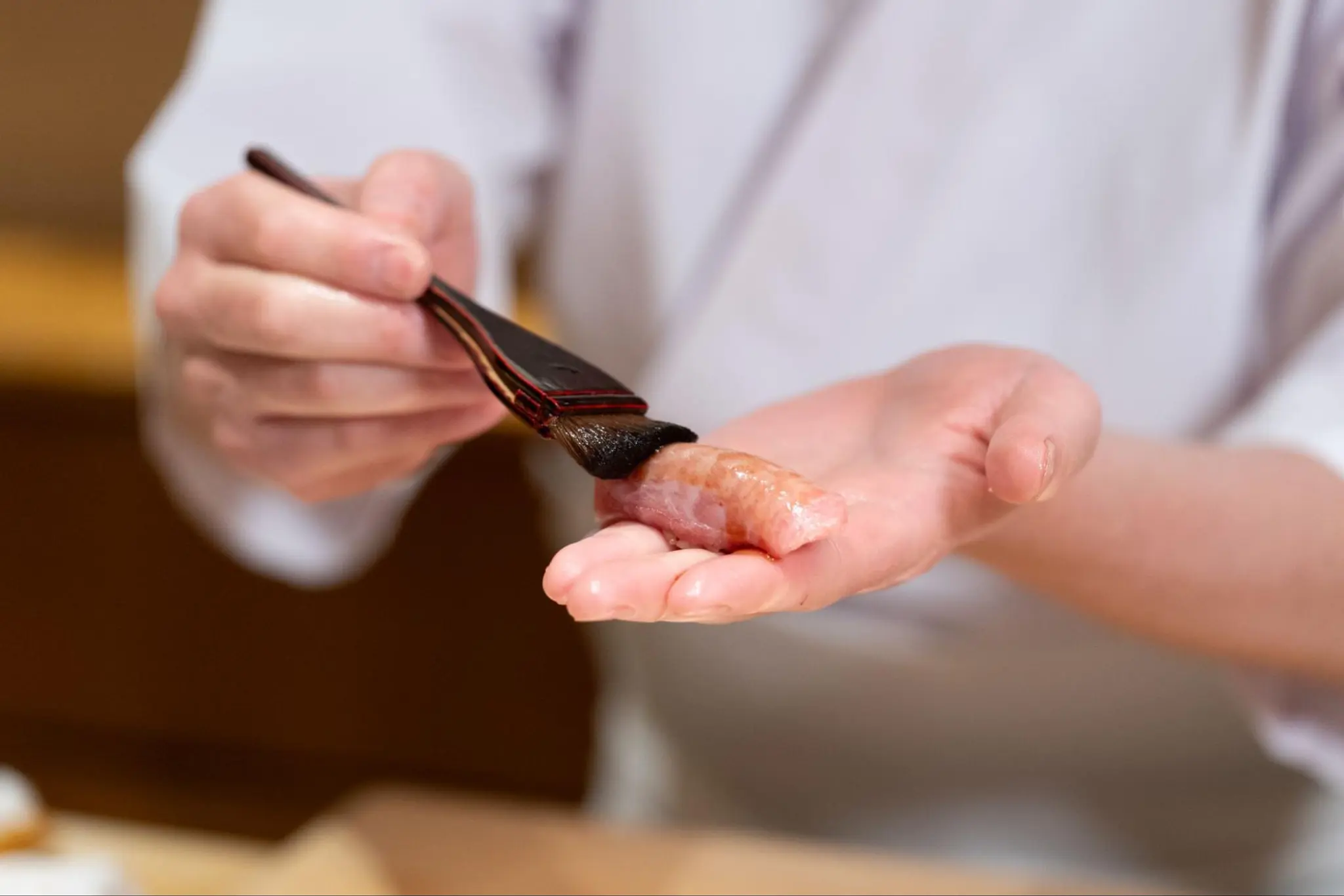
The work of Edomae sushi is not just about "making it delicious." The goal is to remove anything unnecessary and bring out the true qualities of the ingredients to their fullest potential. Whether it’s preparing the fish, aging it, or seasoning it with salt or vinegar, all of these techniques are about "removing the excess and bringing out only the truly delicious parts." I believe this philosophy applies not only to sushi itself but also to the way the restaurant is structured. For example, the lack of decoration inside the restaurant and the simple counter setup are designed so that customers can purely enjoy the sushi without any distractions.
ーーーHas your relationship with your customers changed over time?
I am constantly supported by our regular customers, but the strongest sense of connection I felt with them was during the COVID-19 pandemic. With restrictions on going out and many restaurants unable to operate as usual, some customers contacted me saying, "If you’re available, I’ll book the whole restaurant," or "How about I prepay for 10 years' worth?" They said it was because they didn’t want the restaurant to close. I thought it might have been a joke, but they were all serious. I was truly touched by their feelings. I realized how much we are supported by our customers, and it made me want to give even more back to them. Our restaurant is growing because of our customers.
What to Inherit, What to Change
ーーーAfter becoming independent, as someone who also trains apprentices, what do you consider important?
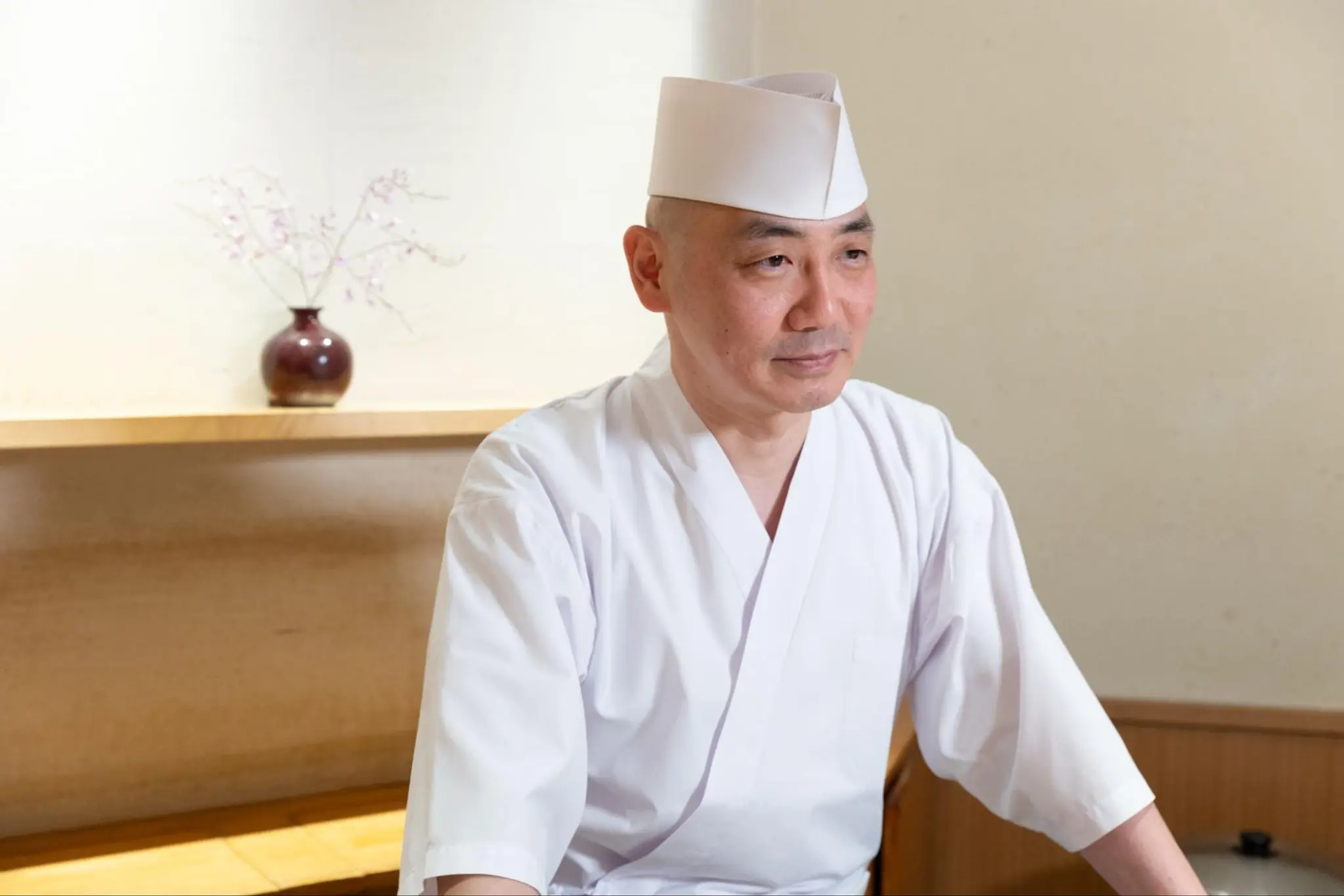
I tell my apprentices, "Become a craftsman who can sell yourself." Fundamentally, I base my teaching on what I was taught. My apprenticeship was extremely tough, and before learning any technical skills, I was drilled in the "attitude of a craftsman." The first few years were filled with menial tasks like preparation and cleaning, and handling a knife seemed like a distant dream. But looking back now, I realize that everything was packed into those tasks. What my master taught me was, "To make good sushi, you must first create a good environment. A person who can’t clean properly can’t do good work." No matter how skilled you are, if your attitude towards work isn’t right, you can’t become a top-tier professional. I completely agree with that.
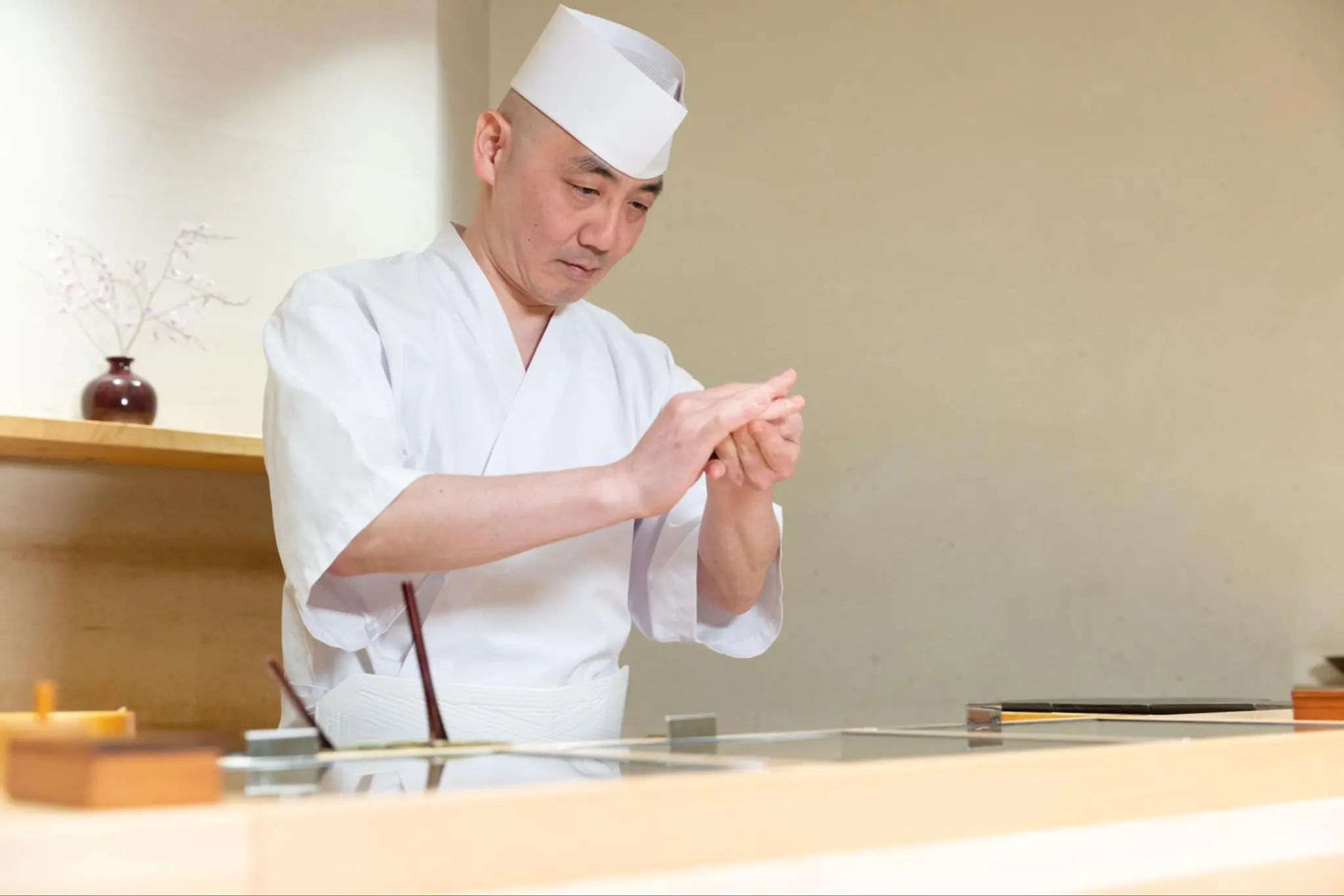
However, the traditional methods are not everything, and there are things I’ve changed and adapted in my own way. For example, my master was the type who would say, "Learn by watching." However, sometimes it takes too long to understand just by watching. In my restaurant, we not only value "learning by watching," but also emphasize "explaining with words." For instance, when teaching how to marinate small fish, I make sure to explain the reasoning behind "why this amount of salt and this duration of time." By doing this, my apprentices don’t just move their hands automatically, but they also learn to think about "how can we make it even better."
Moreover, because sushi chefs work behind the counter, I believe that they must have "personal charisma." Without personal charisma, customers will not be drawn to you. Making delicious sushi is a given, but anyone can do that. The real challenge is whether customers feel, "I want this person to make my sushi." Of course, I teach technical skills, but the difficult part is instilling the "resolve to live as a craftsman." It's not an easy task, which is why I want to share as much as I can and lead by example, showing them through my own actions.
ーーーFinally, what does "delicious" mean to you, Mr. Takahashi?
"Delicious" is not just about the taste, right? Of course, the freshness of the ingredients, the temperature of the rice, and the technical aspects are important. However, I don’t think that alone can make something truly "delicious." For example, no matter how perfectly the sushi is prepared, if the person eating it isn’t in the right frame of mind, the flavor won’t reach 100%. On the other hand, sushi eaten at a familiar sushi bar counter, in a comfortable space, can sometimes feel "delicious" beyond just the technical skills or reasoning. For that person, "delicious" is about eating in the best possible state. It’s about where you are, and the feeling you have when you eat. I focus not only on taste but also on creating the right atmosphere because the concept of "delicious" is not just about the flavor, but includes all of that. I want to continue serving sushi that can fulfill both the body and the heart.
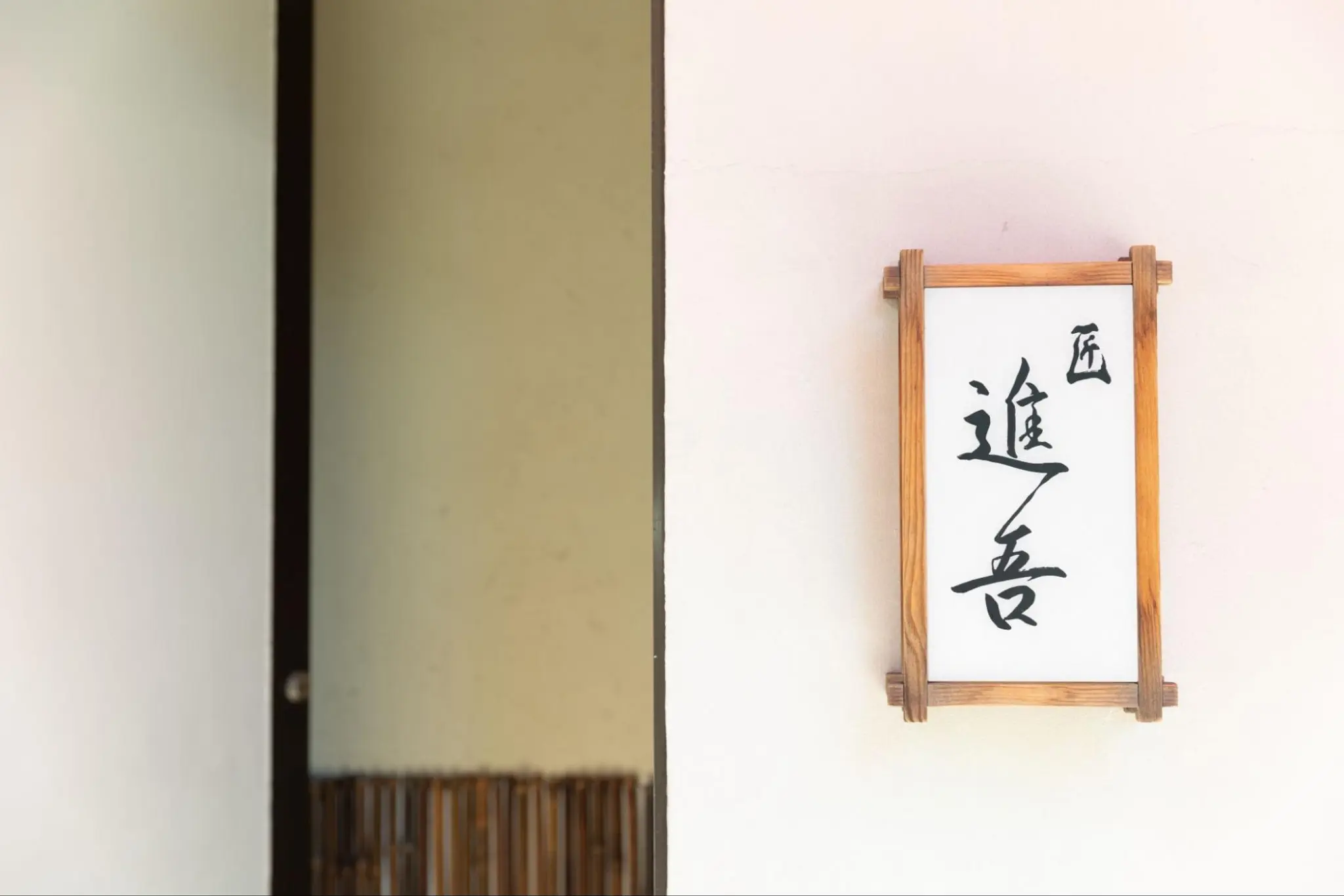
The Edo-style technique that removes unnecessary elements and brings out the full potential of the ingredients. It is something that comes to life only within a finely honed space. Standing behind the counter, reading the atmosphere, and gauging the timing of the conversation. With every piece of sushi, putting my heart into it, creating a moment when customers think, "I want to eat this sushi again." Technique and space, people and people. A place where all of these elements is in harmony. That is what【Takumi Shingo】is all about.
Interview & Text / Yuko Arakawa
Photography / Atsushi Sanada
Restaurant Information
- AutoReserve Magazine
- Japan’s world-renowned flagship restaurant
- The Mastery of Craft and the Warmth of the Space at【Takumi Shingo】– Chef Shingo Takahashi's Essence as a Sushi Chef