¿Qué es Gunma?: Gunma is a landlocked prefecture where mountains, rivers, and well-known hot spring towns shape a dining culture that leans into warmth and hearty flavors. Wheat fields and cool highlands support a noodle tradition: visitors often encounter Mizusawa udon, flat noodle stews like okkirikomi, and shops highlighting locally raised pork or Joshu beef. Sweet bites such as yakimanju and onsen manju appear alongside skewers, casual izakaya fare, and regional vegetables, including konjac and seasonal greens from the uplands. Markets and roadside stations showcase preserves, pickles, and freshly made snacks that travel well. In onsen areas, multi-course meals emphasize seasonal produce and clear mountain water, echoed in local sake. A legacy tied to the silk industry and later manufacturing introduced outside influences early on, and that openness still surfaces in bakeries, diners, and family-run eateries. Across the year, menus shift with the climate, offering comforting stews in winter and refreshing noodles in summer.
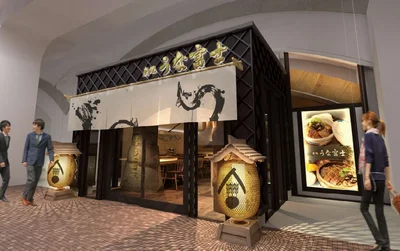
¿Qué es Eel?: Eel-focused restaurants highlight the pleasure of slow grilling over charcoal, where glossy tare lends a gentle sweetness and sheen while the skin turns lightly crisp and the flesh stays tender. Many menus feature kabayaki alongside salt-grilled fillets, and some kitchens employ a steam-then-grill method to emphasize a delicate texture. Bowls and lacquered boxes of eel over rice are common, as are regional styles that invite multiple ways to eat in one sitting. Diners may encounter white-grilled cuts seasoned simply, omelets rolled around eel, or a clear broth made with the liver. The counter often showcases the sizzle and aroma from the grill, shaping a dining experience that balances smoke, sauce, and craftsmanship. Attention to butchery, skewering, and precise heat control is central to the appeal, with small side dishes and pickles rounding out a meal that favors nuance and measured richness.


.jpg?format=webp)
.jpg?format=webp)
.jpg?format=webp)
.jpg?format=webp)
.jpg?format=webp)
.jpg?format=webp)


.jpg?format=webp)

.jpg?format=webp)



.jpg?format=webp)


.jpg?format=webp)



