¿Qué es Kagawa?: Kagawa, embraced by the calm Seto Inland Sea, offers a dining culture shaped by land and islands alike. Menus often revolve around Sanuki udon—springy noodles paired with a clear, savory broth that is frequently built on iriko (dried sardine) dashi—and many eateries adopt a casual self-serve style that invites quick, satisfying stops. Coastal towns supply daily catches, while the mild climate supports citrus and vegetables that bring a gentle seasonality to the table. Shodoshima carries a legacy of olive cultivation and soy sauce brewing, adding fragrant oils, pickles, and umami-rich condiments to local kitchens. Sweets made with fine-grained wasanbon sugar appear alongside hearty dishes such as chicken served on the bone, reflecting a spectrum of flavors from simple to celebratory. Travelers often explore by hopping between udon shops, markets, and small producers, discovering how everyday meals and careful craft continue to inform the prefecture’s relaxed, welcoming food scene.
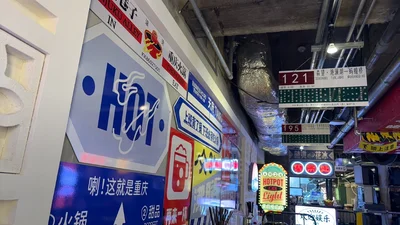
¿Qué es Hot Pot?: Hot Pot invites diners to gather around a bubbling pot and cook ingredients to taste. Restaurants commonly offer a choice of broths, from clear and savory to rich, peppery, or herbal, and many feature a divided pot so contrasting flavors can be enjoyed at once. Platters may include thinly sliced beef or lamb, seafood, handmade meatballs, tofu, mushrooms, leafy greens, and a variety of noodles. The experience is interactive: guests simmer each item briefly, then dip it into customized sauces built from sesame, soy, garlic, scallion, chili oil, and more. Some menus add tomato or pickled vegetable broths, while others highlight numbing-spicy mala. Many venues provide a condiments bar, and simple timing tips can guide newcomers through textures and doneness. Toward the end, the broth gains depth from the ingredients, often becoming a base for noodles or a simple porridge. This style lends itself to leisurely meals, group celebrations, and flexible, shareable dining.


.jpg?format=webp)


.jpg?format=webp)



