¿Qué es Nara?: Nara invites diners to explore a calm yet richly layered food culture shaped by centuries of tradition. The region is known for specialties such as kakinoha-zushi wrapped in persimmon leaves, Miwa somen with a refined texture, narazuke pickles matured in sake lees, and delicate sweets made with Yoshino kudzu. Temple districts introduce shojin ryori that highlights vegetables and grains, while kitchens across the prefecture draw on Yamato vegetables, locally raised beef, and clear broths that emphasize balance and seasonality. Sake and tea have long accompanied meals here, and pairings tend to favor subtle, harmonious flavors. From quiet alleyway counters to family-run eateries and contemporary dining rooms, the scene offers variety without losing its understated character. As a former capital, Nara’s temple and festival calendar is often said to have influenced celebratory dishes and preservation methods, a heritage that continues to inspire chefs and artisans who present time-honored tastes with a thoughtful, modern touch.
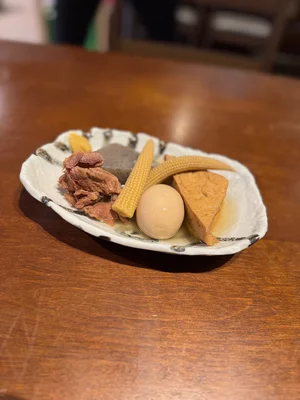
¿Qué es Oden?: Oden is a comforting Japanese one-pot style in which assorted ingredients are gently simmered in a fragrant dashi broth. Typical selections include daikon radish, hard-boiled eggs, konnyaku, tofu, fish cakes such as chikuwa and hanpen, mochi-filled pouches, and occasionally beef tendon. As the items bathe in the broth, they gradually take on savory depth, inviting a slow, unhurried pace of eating. Many venues present a large steaming pot at the counter, where guests choose pieces by sight and aroma, often pairing them with a dab of hot mustard. Broths vary: some lean light and clear with kelp and bonito, others show a soy-forward profile, and certain regions offer miso-based styles. The category welcomes variation in portioning and pacing, from a single piece to a small assortment, making it adaptable to different occasions. Diners often appreciate the warmth, the subtle interplay of textures, and the quietly nostalgic atmosphere it can evoke.


.jpg?format=webp)
.jpg?format=webp)

.jpg?format=webp)
.jpg?format=webp)

.jpg?format=webp)