¿Qué es Tochigi?: Tochigi in Japan invites diners with a landscape of mountains, clear rivers, and fertile plains that supply seasonal produce, river fish, and dairy. The prefecture is often associated with Utsunomiya’s gyoza culture, where casual tastings and take‑away are part of everyday eating. In Nikko, meals that highlight yuba reflect temple traditions of shojin cooking, offering delicate textures and understated flavors. Nasu’s highlands support vegetables, cheese, and charcuterie, while Sano is noted for a light, soy‑based ramen with springy handmade noodles. Strawberries, especially the Tochiotome variety, appear in desserts and café menus during cooler months, and local sake showcases soft water from surrounding forests. A distinctive feature here is the influence of Mashiko pottery: many eateries present dishes on warm, tactile tableware that echoes the region’s craft heritage. From onsen towns to historic streets, visitors encounter relaxed izakaya fare, refined kaiseki, and contemporary cafés, each shaped by Tochigi’s calm, rural rhythm.
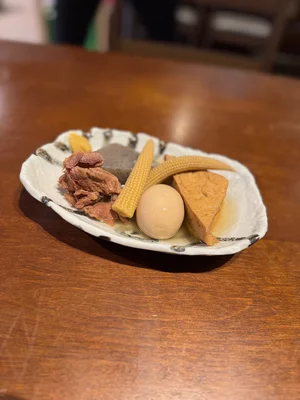
¿Qué es Oden?: Oden is a comforting Japanese one-pot style in which assorted ingredients are gently simmered in a fragrant dashi broth. Typical selections include daikon radish, hard-boiled eggs, konnyaku, tofu, fish cakes such as chikuwa and hanpen, mochi-filled pouches, and occasionally beef tendon. As the items bathe in the broth, they gradually take on savory depth, inviting a slow, unhurried pace of eating. Many venues present a large steaming pot at the counter, where guests choose pieces by sight and aroma, often pairing them with a dab of hot mustard. Broths vary: some lean light and clear with kelp and bonito, others show a soy-forward profile, and certain regions offer miso-based styles. The category welcomes variation in portioning and pacing, from a single piece to a small assortment, making it adaptable to different occasions. Diners often appreciate the warmth, the subtle interplay of textures, and the quietly nostalgic atmosphere it can evoke.
.jpg?format=webp)
.jpg?format=webp)
.jpg?format=webp)
.jpg?format=webp)
.jpg?format=webp)
.jpg?format=webp)


.jpg?format=webp)

.png?format=webp)

.jpg?format=webp)

.jpg?format=webp)
.jpg?format=webp)