¿Qué es Sumida-ku?: Sumida-ku blends a classic shitamachi atmosphere with contemporary developments, creating a dining scene that feels both grounded and fresh. Along the Sumida River, visitors encounter casual izakaya, soba and tempura specialists, sushi counters, and eateries serving seasonal small plates, while streets near the landmark tower tend to offer family-friendly cafes and a range of international kitchens. The Ryogoku area is closely associated with sumo culture, and chanko-nabe, the hearty hotpot tied to training tables, is often introduced as a local taste. Traditional wagashi shops, taiyaki stands, and monaka filled with red bean paste reflect a fondness for simple sweets. Weekend markets and festival days sometimes bring street foods that add a lively note to the neighborhood. Whether seeking time-honored flavors or relaxed modern dining, guests can explore places that emphasize craftsmanship, approachable service, and ingredients that follow the rhythm of the seasons.
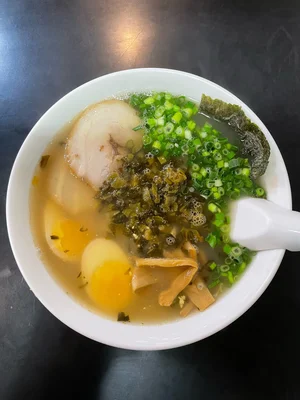
¿Qué es Ramen?: Ramen celebrates the harmony of broth, noodles, and toppings, offering a bowl that can feel comforting or bold depending on the style. Common broths include shoyu, shio, miso, and pork bone, often slow-simmered to draw out layered flavors, then balanced with a house tare and fragrant oils. Noodles range from ultra-thin to springy, curly strands, with firmness typically made to order to suit personal preferences. Toppings such as chashu pork, seasoned egg, menma bamboo shoots, nori, and scallions add aroma, texture, and contrast. Many shops feature an open kitchen and counter seating, where the pace is lively and the final assembly happens in view. Whether you gravitate toward a light, clear soup or a richer, opaque broth, the category invites exploration through regional styles, limited specials, and subtle variations in seasoning. The result is a customizable dining experience centered on balance, warmth, and satisfying slurpability.


.jpg?format=webp)
.jpg?format=webp)
.jpg?format=webp)
.jpg?format=webp)
.jpg?format=webp)
.jpg?format=webp)
.jpg?format=webp)
.jpg?format=webp)
.jpg?format=webp)
.jpg?format=webp)
.jpg?format=webp)

.jpg?format=webp)
.jpg?format=webp)
.jpg?format=webp)
.jpg?format=webp)
.jpg?format=webp)
.jpg?format=webp)


.jpg?format=webp)
.jpg?format=webp)
.jpg?format=webp)


.jpg?format=webp)
.jpg?format=webp)
.jpg?format=webp)
.jpg?format=webp)
.jpg?format=webp)
.jpg?format=webp)
.png?format=webp)
.heic?format=webp)
.jpg?format=webp)
.jpg?format=webp)
.jpg?format=webp)
.jpg?format=webp)
.png?format=webp)
.jpg?format=webp)
.png?format=webp)
.jpg?format=webp)
.heic?format=webp)


.jpg?format=webp)
.jpg?format=webp)
.jpg?format=webp)
.jpg?format=webp)
.jpg?format=webp)
.jpg?format=webp)
.jpg?format=webp)
.jpg?format=webp)
.jpg?format=webp)
.jpg?format=webp)

.jpg?format=webp)
.jpg?format=webp)


.jpg?format=webp)


.jpg?format=webp)

.jpg?format=webp)


.jpg?format=webp)



.jpg?format=webp)
.png?format=webp)
.png?format=webp)
.png?format=webp)
.png?format=webp)
.png?format=webp)