Che cosa è Kanagawa?: Kanagawa blends coastal abundance with a cosmopolitan spirit shaped by its port history. Menus often feature seafood from Sagami Bay, seasonal shirasu along the Shonan coast, and rich cuts of tuna associated with Misaki, alongside crisp Kamakura vegetables and traditional fish cakes from Odawara. In Yokohama, Chinese culinary influences appear in dim sum, noodles, and a variety of street-side bites, while the region’s ramen culture, including the hearty styles developed locally, draws devoted fans. Western-inspired dishes, breads, and pastries took root through early international exchange, and today cafés, bakeries, and craft breweries add a relaxed rhythm to neighborhoods from bayside districts to mountain gateways. Historic temple towns and onsen areas invite strolling with sweets in hand, and coastal promenades offer casual spots for sunset dining. Travelers encounter a dining scene that values local ingredients, seasonal expression, and friendly hospitality without losing its openness to new flavors.
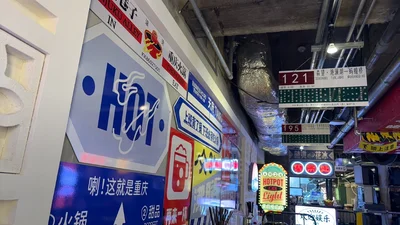
Che cosa è Hot Pot?: Hot Pot invites diners to gather around a bubbling pot and cook ingredients to taste. Restaurants commonly offer a choice of broths, from clear and savory to rich, peppery, or herbal, and many feature a divided pot so contrasting flavors can be enjoyed at once. Platters may include thinly sliced beef or lamb, seafood, handmade meatballs, tofu, mushrooms, leafy greens, and a variety of noodles. The experience is interactive: guests simmer each item briefly, then dip it into customized sauces built from sesame, soy, garlic, scallion, chili oil, and more. Some menus add tomato or pickled vegetable broths, while others highlight numbing-spicy mala. Many venues provide a condiments bar, and simple timing tips can guide newcomers through textures and doneness. Toward the end, the broth gains depth from the ingredients, often becoming a base for noodles or a simple porridge. This style lends itself to leisurely meals, group celebrations, and flexible, shareable dining.
.jpg?format=webp)
.jpg?format=webp)
.jpg?format=webp)
.jpg?format=webp)
.jpg?format=webp)
.jpg?format=webp)


.jpeg?format=webp)
.jpg?format=webp)
.jpeg?format=webp)
.jpg?format=webp)
.jpeg?format=webp)
.jpeg?format=webp)


.jpg?format=webp)


.jpg?format=webp)
.jpg?format=webp)



