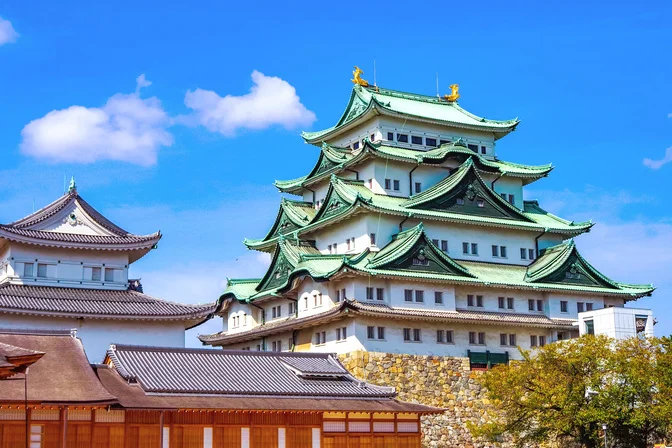
Che cosa è Japan?: Japan’s dining scene is often described as a dialogue between seasons, craftsmanship, and regional identity. From sushi, tempura, and kaiseki to ramen, yakitori, and wagashi, menus tend to highlight clarity of flavor and careful presentation. Travelers may notice distinct local styles: Hokkaido’s seafood, Tohoku’s comfort stews, Tokyo’s soba and modern interpretations, Kansai’s okonomiyaki and kushikatsu, Shikoku’s udon, Kyushu’s tonkotsu ramen, and Okinawa’s island influences. Many venues emphasize dashi, fermented seasonings such as miso and soy sauce, and precise knife work. A tradition linked to tea ceremony hospitality is said to shape the understated service and attention to detail found in many dining rooms. Street-side counters, casual izakaya, and refined multicourse experiences coexist, encouraging spontaneous tastings and planned outings alike. Seasonal specials, chef’s selections, and collaborative pop-ups appear in various neighborhoods, suggesting a food culture that balances heritage with ongoing creativity.
Che cosa è Katsudon?: Katsudon brings together a crisp fried pork cutlet and a comforting bowl of rice in a single, satisfying serving. The classic style nests sliced tonkatsu atop rice, then bathes it in a light dashi sauce with onions and softly set egg, creating a balance of crunch, savor, and gentle sweetness. Many places prepare sauce katsudon with a glossy, tangy-sweet sauce in place of egg, while others highlight regional touches such as miso-based gravies or a darker, richer glaze. Diners may encounter katsu-ju, where the cutlet is arranged in a lacquered box for a neat, refined presentation. Common accompaniments include miso soup and pickles, and condiments like mustard, shichimi, or green onions invite personal adjustment. Whether enjoyed as a quick, warming meal or a focused tasting of textures, katsudon offers a straightforward pleasure that rewards attention to timing, rice quality, and the cutlet’s freshly fried aroma.
.jpg?format=webp)
.jpg?format=webp)
.jpg?format=webp)
.jpg?format=webp)
.jpg?format=webp)
.jpg?format=webp)
.jpg?format=webp)
.jpg?format=webp)
.jpg?format=webp)
.jpg?format=webp)
.jpg?format=webp)
.jpg?format=webp)
.jpg?format=webp)


.jpg?format=webp)
.jpg?format=webp)
.jpg?format=webp)
.jpg?format=webp)
.jpg?format=webp)
.jpg?format=webp)
.JPG?format=webp)
.JPG?format=webp)
.JPG?format=webp)
.JPG?format=webp)
.jpg?format=webp)


.jpg?format=webp)
.jpg?format=webp)
.jpg?format=webp)
.JPG?format=webp)
.jpg?format=webp)
.jpg?format=webp)
.jpg?format=webp)
.jpg?format=webp)
.jpg?format=webp)
.jpg?format=webp)
.jpg?format=webp)
.jpeg?format=webp)