Was ist Fukushima?: Fukushima offers a culinary landscape shaped by coast, plain, and mountain. Travelers encounter regional specialties such as Kitakata-style ramen with its supple noodles, Aizu dishes like kozuyu, sauce-katsudon, and basashi, and seafood from Iwaki often referred to as Joban-mono. Seasonal fruit, especially peaches and pears, adds a bright note to desserts and café menus. The area’s sake culture is widely associated with Aizu’s castle-town heritage and clear local water, resulting in an array of styles that pair naturally with local cuisine. From casual diners and noodle shops to lively izakaya, the dining scene invites unhurried tasting and sharing plates. Winter brings comforting hot pots, while spring and autumn highlight foraged greens and new rice. A noteworthy thread in Fukushima’s food story is how post-town routes once linked producers and inns, a rhythm that still echoes in dishes celebrating travel, hospitality, and regional provenance.
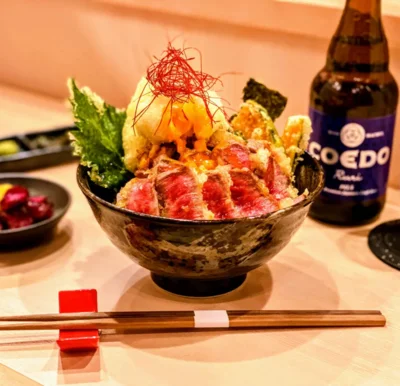
Was ist Tempura?: Tempura highlights the pleasure of batter and oil handled with restraint and precision. Diners often encounter prawns, white fish, squid, and seasonal vegetables lightly coated in a chilled batter and fried at a high temperature, yielding a crisp shell with tender textures inside. The experience frequently centers on timing: pieces arrive moments after leaving the fryer, inviting a relaxed pace as each bite is enjoyed while hot. Condiments such as tentsuyu with grated daikon, sea salt, or matcha salt offer contrasting accents. Menus may feature a counter service where items are presented one by one, mixed assortments for sharing, or pairings with rice and noodles like tendon, tempura soba, and udon. Variations in oil blends, batter thickness, and cut size create distinct aromas, sounds, and textures—from a gentle crackle to a lively sizzle—encouraging guests to compare nuances across ingredients and styles.


.JPG?format=webp)


.jpg?format=webp)


.jpg?format=webp)



