Was ist Hiroshima?: Hiroshima sits on the Seto Inland Sea, and its dining scene reflects both coastal abundance and a craftsman’s attention to detail. Hiroshima-style okonomiyaki, layered with noodles and generous cabbage on a sizzling griddle, anchors everyday eating, while seasonal oysters, conger eel, and small fish from nearby waters appear in a range of preparations. Citrus from the islands, especially Setouchi lemons, finds its way into sweets, baked goods, and refreshing accompaniments. Noodle culture is varied, from Onomichi ramen with a savory profile to spicy Hiroshima tsukemen served with a dipping sauce. Saijo in Higashihiroshima is widely noted for sake brewing, adding depth to food pairings across the prefecture. Markets, casual counters, and discreet kappo-style rooms offer different rhythms of hospitality. A distinctive thread in local food culture is the lively griddle and counter tradition, which many visitors see as a window into Hiroshima’s resilient, community-minded spirit.
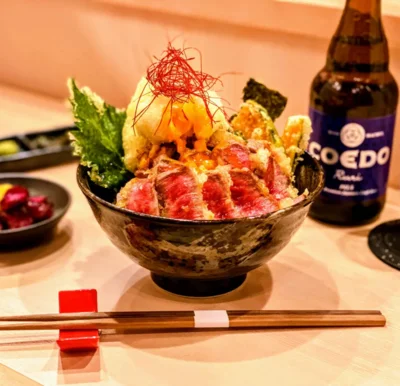
Was ist Tempura?: Tempura highlights the pleasure of batter and oil handled with restraint and precision. Diners often encounter prawns, white fish, squid, and seasonal vegetables lightly coated in a chilled batter and fried at a high temperature, yielding a crisp shell with tender textures inside. The experience frequently centers on timing: pieces arrive moments after leaving the fryer, inviting a relaxed pace as each bite is enjoyed while hot. Condiments such as tentsuyu with grated daikon, sea salt, or matcha salt offer contrasting accents. Menus may feature a counter service where items are presented one by one, mixed assortments for sharing, or pairings with rice and noodles like tendon, tempura soba, and udon. Variations in oil blends, batter thickness, and cut size create distinct aromas, sounds, and textures—from a gentle crackle to a lively sizzle—encouraging guests to compare nuances across ingredients and styles.


.jpg?format=webp)
.jpg?format=webp)
.jpg?format=webp)
.jpg?format=webp)
.jpg?format=webp)
.jpg?format=webp)


.jpg?format=webp)
.jpg?format=webp)
.jpg?format=webp)
.jpg?format=webp)
.jpg?format=webp)
.jpg?format=webp)




.jpg?format=webp)


.jpg?format=webp)



