Was ist Kagawa?: Kagawa, embraced by the calm Seto Inland Sea, offers a dining culture shaped by land and islands alike. Menus often revolve around Sanuki udon—springy noodles paired with a clear, savory broth that is frequently built on iriko (dried sardine) dashi—and many eateries adopt a casual self-serve style that invites quick, satisfying stops. Coastal towns supply daily catches, while the mild climate supports citrus and vegetables that bring a gentle seasonality to the table. Shodoshima carries a legacy of olive cultivation and soy sauce brewing, adding fragrant oils, pickles, and umami-rich condiments to local kitchens. Sweets made with fine-grained wasanbon sugar appear alongside hearty dishes such as chicken served on the bone, reflecting a spectrum of flavors from simple to celebratory. Travelers often explore by hopping between udon shops, markets, and small producers, discovering how everyday meals and careful craft continue to inform the prefecture’s relaxed, welcoming food scene.
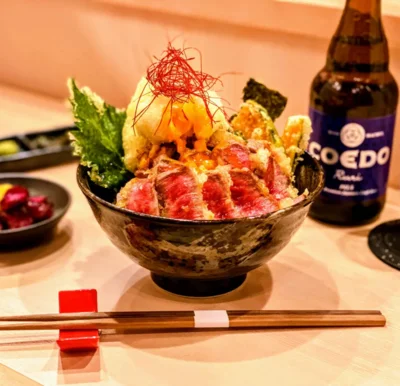
Was ist Tempura?: Tempura highlights the pleasure of batter and oil handled with restraint and precision. Diners often encounter prawns, white fish, squid, and seasonal vegetables lightly coated in a chilled batter and fried at a high temperature, yielding a crisp shell with tender textures inside. The experience frequently centers on timing: pieces arrive moments after leaving the fryer, inviting a relaxed pace as each bite is enjoyed while hot. Condiments such as tentsuyu with grated daikon, sea salt, or matcha salt offer contrasting accents. Menus may feature a counter service where items are presented one by one, mixed assortments for sharing, or pairings with rice and noodles like tendon, tempura soba, and udon. Variations in oil blends, batter thickness, and cut size create distinct aromas, sounds, and textures—from a gentle crackle to a lively sizzle—encouraging guests to compare nuances across ingredients and styles.




.jpg?format=webp)


.jpg?format=webp)



