Was ist Kagoshima?: Kagoshima, in southern Japan, offers a dining landscape shaped by warm climate, volcanic soils, and abundant seas. Menus highlight Kurobuta pork, local chicken, and seasonal catch such as bonito and amberjack, while homestyle favorites like satsuma-age and the region’s ramen with a mellow pork-bone base appear in many settings. Sweet potato–based shochu is closely woven into everyday dining, with pairings that showcase robust yet nuanced flavors. From market stalls to calm counter dining, guests encounter a spectrum of hospitality and techniques that emphasize ingredient depth over ornament. History adds another layer: maritime routes once linked the former Satsuma domain to southern waters, encouraging exchanges that influenced seasoning, preservation, and confectionery traditions. Today, culinary experiences span island produce and mountain fare, inviting unhurried exploration. Chefs and artisans draw on heritage and measured innovation to present dishes that feel grounded and distinctive without excess.
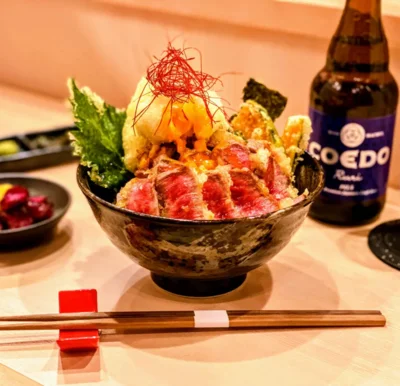
Was ist Tempura?: Tempura highlights the pleasure of batter and oil handled with restraint and precision. Diners often encounter prawns, white fish, squid, and seasonal vegetables lightly coated in a chilled batter and fried at a high temperature, yielding a crisp shell with tender textures inside. The experience frequently centers on timing: pieces arrive moments after leaving the fryer, inviting a relaxed pace as each bite is enjoyed while hot. Condiments such as tentsuyu with grated daikon, sea salt, or matcha salt offer contrasting accents. Menus may feature a counter service where items are presented one by one, mixed assortments for sharing, or pairings with rice and noodles like tendon, tempura soba, and udon. Variations in oil blends, batter thickness, and cut size create distinct aromas, sounds, and textures—from a gentle crackle to a lively sizzle—encouraging guests to compare nuances across ingredients and styles.




.jpg?format=webp)


.jpg?format=webp)



