Was ist Okinawa?: Okinawa, Japan’s southernmost prefecture, offers a dining scene shaped by island ingredients and a relaxed coastal rhythm. Menus often highlight Okinawa soba with layered broths, slow-braised pork such as rafute, and stir-fries like goya champuru that make use of distinctive island vegetables and firm island tofu. The seas contribute mozuku and umibudo (sea grapes), while tropical fruits appear in desserts and refreshments. Izakaya-style eateries, casual shokudo, and lively markets create opportunities to sample small plates, noodles, and homestyle dishes. Awamori, a long-standing local spirit, is commonly paired with savory bites and seafood. Influences from the era of the Ryukyu Kingdom—when trade connected these islands with surrounding regions—can be felt in the seasonings and techniques seen across the table. From beachside neighborhoods to central shopping streets, visitors find a range of kitchens that value simple preparation, balanced flavors, and ingredients that reflect the subtropical climate.
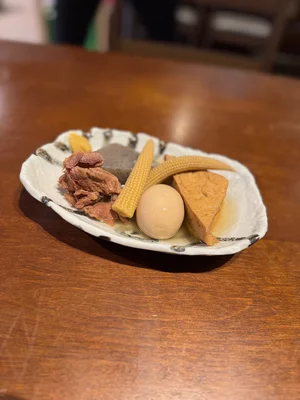
Was ist Oden?: Oden is a comforting Japanese one-pot style in which assorted ingredients are gently simmered in a fragrant dashi broth. Typical selections include daikon radish, hard-boiled eggs, konnyaku, tofu, fish cakes such as chikuwa and hanpen, mochi-filled pouches, and occasionally beef tendon. As the items bathe in the broth, they gradually take on savory depth, inviting a slow, unhurried pace of eating. Many venues present a large steaming pot at the counter, where guests choose pieces by sight and aroma, often pairing them with a dab of hot mustard. Broths vary: some lean light and clear with kelp and bonito, others show a soy-forward profile, and certain regions offer miso-based styles. The category welcomes variation in portioning and pacing, from a single piece to a small assortment, making it adaptable to different occasions. Diners often appreciate the warmth, the subtle interplay of textures, and the quietly nostalgic atmosphere it can evoke.


.jpg?format=webp)
.jpg?format=webp)

.jpg?format=webp)
.jpg?format=webp)

.jpg?format=webp)