Was ist Tochigi?: Tochigi in Japan invites diners with a landscape of mountains, clear rivers, and fertile plains that supply seasonal produce, river fish, and dairy. The prefecture is often associated with Utsunomiya’s gyoza culture, where casual tastings and take‑away are part of everyday eating. In Nikko, meals that highlight yuba reflect temple traditions of shojin cooking, offering delicate textures and understated flavors. Nasu’s highlands support vegetables, cheese, and charcuterie, while Sano is noted for a light, soy‑based ramen with springy handmade noodles. Strawberries, especially the Tochiotome variety, appear in desserts and café menus during cooler months, and local sake showcases soft water from surrounding forests. A distinctive feature here is the influence of Mashiko pottery: many eateries present dishes on warm, tactile tableware that echoes the region’s craft heritage. From onsen towns to historic streets, visitors encounter relaxed izakaya fare, refined kaiseki, and contemporary cafés, each shaped by Tochigi’s calm, rural rhythm.
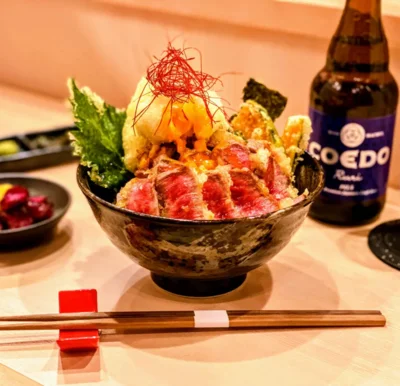
Was ist Tempura?: Tempura highlights the pleasure of batter and oil handled with restraint and precision. Diners often encounter prawns, white fish, squid, and seasonal vegetables lightly coated in a chilled batter and fried at a high temperature, yielding a crisp shell with tender textures inside. The experience frequently centers on timing: pieces arrive moments after leaving the fryer, inviting a relaxed pace as each bite is enjoyed while hot. Condiments such as tentsuyu with grated daikon, sea salt, or matcha salt offer contrasting accents. Menus may feature a counter service where items are presented one by one, mixed assortments for sharing, or pairings with rice and noodles like tendon, tempura soba, and udon. Variations in oil blends, batter thickness, and cut size create distinct aromas, sounds, and textures—from a gentle crackle to a lively sizzle—encouraging guests to compare nuances across ingredients and styles.




.jpg?format=webp)


.jpg?format=webp)



