Was ist Yamagata?: Yamagata in northern Japan offers a dining culture shaped by mountains, rivers, and distinct seasons. Chefs build menus around local rice, wild greens, mushrooms, and fruit, while sake breweries take advantage of pure water and cold winters to produce nuanced styles. Visitors encounter hearty specialties such as imoni taro soup by the riverside, handmade soba that highlights fragrant buckwheat, and richly marbled Yonezawa beef prepared in a range of methods. The prefecture is also noted for cherries and pears, inspiring desserts and preserves, and for ramen traditions that include refreshing chilled bowls in summer. Casual izakaya, noodle shops, and confectioners stand alongside ryokan dining that showcases seasonal kaiseki approaches. Markets and farm stands add opportunities to sample regional pickles and miso. A unique historical thread is Yamagata’s connection to the safflower trade, which is often said to have influenced local color aesthetics and a careful sensibility toward ingredients.
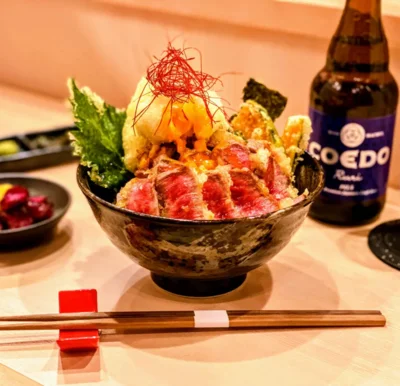
Was ist Tempura?: Tempura highlights the pleasure of batter and oil handled with restraint and precision. Diners often encounter prawns, white fish, squid, and seasonal vegetables lightly coated in a chilled batter and fried at a high temperature, yielding a crisp shell with tender textures inside. The experience frequently centers on timing: pieces arrive moments after leaving the fryer, inviting a relaxed pace as each bite is enjoyed while hot. Condiments such as tentsuyu with grated daikon, sea salt, or matcha salt offer contrasting accents. Menus may feature a counter service where items are presented one by one, mixed assortments for sharing, or pairings with rice and noodles like tendon, tempura soba, and udon. Variations in oil blends, batter thickness, and cut size create distinct aromas, sounds, and textures—from a gentle crackle to a lively sizzle—encouraging guests to compare nuances across ingredients and styles.
.jpg?format=webp)
.jpg?format=webp)
.jpg?format=webp)
.jpg?format=webp)
.jpg?format=webp)
.jpg?format=webp)




.jpg?format=webp)


.jpg?format=webp)



