What is Hiroshima?: Hiroshima sits on the Seto Inland Sea, and its dining scene reflects both coastal abundance and a craftsman’s attention to detail. Hiroshima-style okonomiyaki, layered with noodles and generous cabbage on a sizzling griddle, anchors everyday eating, while seasonal oysters, conger eel, and small fish from nearby waters appear in a range of preparations. Citrus from the islands, especially Setouchi lemons, finds its way into sweets, baked goods, and refreshing accompaniments. Noodle culture is varied, from Onomichi ramen with a savory profile to spicy Hiroshima tsukemen served with a dipping sauce. Saijo in Higashihiroshima is widely noted for sake brewing, adding depth to food pairings across the prefecture. Markets, casual counters, and discreet kappo-style rooms offer different rhythms of hospitality. A distinctive thread in local food culture is the lively griddle and counter tradition, which many visitors see as a window into Hiroshima’s resilient, community-minded spirit.
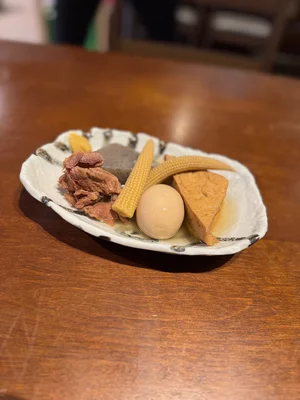
What is Oden?: Oden is a comforting Japanese one-pot style in which assorted ingredients are gently simmered in a fragrant dashi broth. Typical selections include daikon radish, hard-boiled eggs, konnyaku, tofu, fish cakes such as chikuwa and hanpen, mochi-filled pouches, and occasionally beef tendon. As the items bathe in the broth, they gradually take on savory depth, inviting a slow, unhurried pace of eating. Many venues present a large steaming pot at the counter, where guests choose pieces by sight and aroma, often pairing them with a dab of hot mustard. Broths vary: some lean light and clear with kelp and bonito, others show a soy-forward profile, and certain regions offer miso-based styles. The category welcomes variation in portioning and pacing, from a single piece to a small assortment, making it adaptable to different occasions. Diners often appreciate the warmth, the subtle interplay of textures, and the quietly nostalgic atmosphere it can evoke.
Popular at Hiroshima


.jpg?format=webp)
.jpg?format=webp)

.jpg?format=webp)
.jpg?format=webp)

.jpg?format=webp)