What is Hiroshima?: Hiroshima sits on the Seto Inland Sea, and its dining scene reflects both coastal abundance and a craftsman’s attention to detail. Hiroshima-style okonomiyaki, layered with noodles and generous cabbage on a sizzling griddle, anchors everyday eating, while seasonal oysters, conger eel, and small fish from nearby waters appear in a range of preparations. Citrus from the islands, especially Setouchi lemons, finds its way into sweets, baked goods, and refreshing accompaniments. Noodle culture is varied, from Onomichi ramen with a savory profile to spicy Hiroshima tsukemen served with a dipping sauce. Saijo in Higashihiroshima is widely noted for sake brewing, adding depth to food pairings across the prefecture. Markets, casual counters, and discreet kappo-style rooms offer different rhythms of hospitality. A distinctive thread in local food culture is the lively griddle and counter tradition, which many visitors see as a window into Hiroshima’s resilient, community-minded spirit.
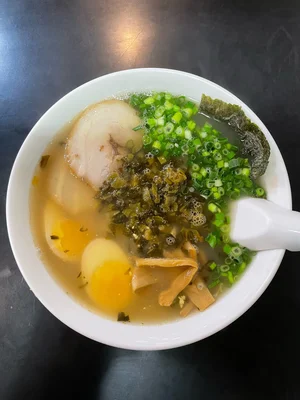
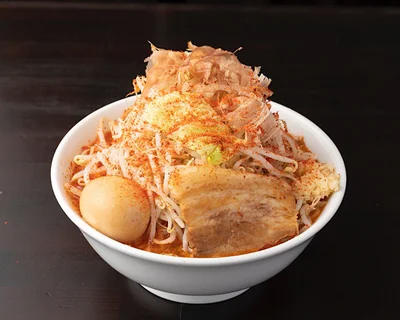
What is Ramen?: Ramen celebrates the harmony of broth, noodles, and toppings, offering a bowl that can feel comforting or bold depending on the style. Common broths include shoyu, shio, miso, and pork bone, often slow-simmered to draw out layered flavors, then balanced with a house tare and fragrant oils. Noodles range from ultra-thin to springy, curly strands, with firmness typically made to order to suit personal preferences. Toppings such as chashu pork, seasoned egg, menma bamboo shoots, nori, and scallions add aroma, texture, and contrast. Many shops feature an open kitchen and counter seating, where the pace is lively and the final assembly happens in view. Whether you gravitate toward a light, clear soup or a richer, opaque broth, the category invites exploration through regional styles, limited specials, and subtle variations in seasoning. The result is a customizable dining experience centered on balance, warmth, and satisfying slurpability.
Popular at Hiroshima
.jpg?format=webp)
.jpg?format=webp)
.jpg?format=webp)
.jpg?format=webp)
.jpg?format=webp)
.jpg?format=webp)
.jpg?format=webp)
.png?format=webp)


.jpg?format=webp)

.jpeg?format=webp)
.jpg?format=webp)


.jpg?format=webp)

.jpg?format=webp)
.jpg?format=webp)


.jpg?format=webp)
.jpeg?format=webp)
.jpg?format=webp)
.jpg?format=webp)
.jpg?format=webp)
.jpg?format=webp)




.jpg?format=webp)
.jpg?format=webp)
.jpg?format=webp)
.jpg?format=webp)
.jpg?format=webp)
.jpg?format=webp)
.jpg?format=webp)


.jpeg?format=webp)
.jpeg?format=webp)
.jpeg?format=webp)
.jpeg?format=webp)
.jpg?format=webp)
.png?format=webp)
.jpg?format=webp)
.jpg?format=webp)
.jpg?format=webp)
.jpg?format=webp)






.jpg?format=webp)
.jpg?format=webp)
.jpg?format=webp)
.jpg?format=webp)
.jpg?format=webp)
.jpg?format=webp)