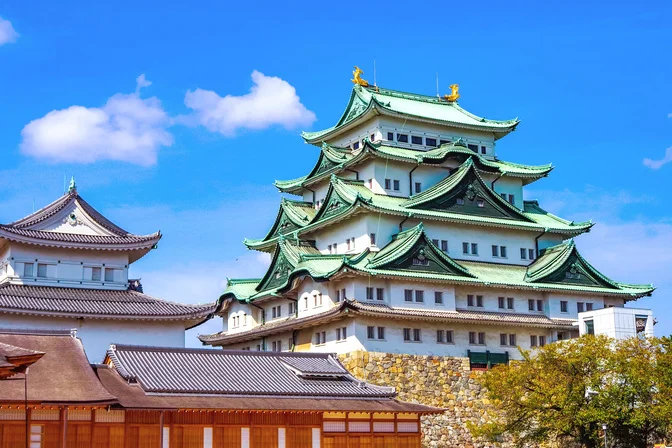
What is Japan?: Japan’s dining scene is often described as a dialogue between seasons, craftsmanship, and regional identity. From sushi, tempura, and kaiseki to ramen, yakitori, and wagashi, menus tend to highlight clarity of flavor and careful presentation. Travelers may notice distinct local styles: Hokkaido’s seafood, Tohoku’s comfort stews, Tokyo’s soba and modern interpretations, Kansai’s okonomiyaki and kushikatsu, Shikoku’s udon, Kyushu’s tonkotsu ramen, and Okinawa’s island influences. Many venues emphasize dashi, fermented seasonings such as miso and soy sauce, and precise knife work. A tradition linked to tea ceremony hospitality is said to shape the understated service and attention to detail found in many dining rooms. Street-side counters, casual izakaya, and refined multicourse experiences coexist, encouraging spontaneous tastings and planned outings alike. Seasonal specials, chef’s selections, and collaborative pop-ups appear in various neighborhoods, suggesting a food culture that balances heritage with ongoing creativity.
What is Szechuan?: Szechuan cuisine invites diners with its bold “mala” profile—the interplay of chile heat and the tingling aroma of Sichuan peppercorn. Kitchens often lean on staples like doubanjiang (chili broad-bean paste), chili oil, garlic, ginger, and pickled vegetables to build layered depth. High-heat stir-frying, dry-frying, braising, and steaming are commonly used to create contrasts of texture and fragrance. Menus frequently feature shareable plates that balance spicy, savory, sour, and subtly sweet notes. Dishes that often appear include mapo tofu, kung pao chicken, twice-cooked pork, dan dan noodles, and fish in chile broth, alongside refreshing cold bites such as mouthwatering chicken or smashed cucumber. Some places also offer warming hotpot with customizable broths and a range of ingredients. Whether you prefer a gentle tingle or a lively blaze, pairing hearty mains with aromatic sides and a noodle or rice dish can showcase the variety within this dynamic culinary tradition.
Popular at Japan
.jpg?format=webp)
.jpg?format=webp)
.jpg?format=webp)


.jpg?format=webp)
.jpg?format=webp)
.jpg?format=webp)
.jpg?format=webp)
.jpg?format=webp)
.jpg?format=webp)


.JPG?format=webp)
.jpg?format=webp)
.jpg?format=webp)
.JPG?format=webp)
.JPG?format=webp)
.JPG?format=webp)
.jpg?format=webp)
.jpg?format=webp)
.jpg?format=webp)
.jpg?format=webp)
.jpg?format=webp)
.jpg?format=webp)
.jpg?format=webp)


.jpg?format=webp)
.jpg?format=webp)
.jpg?format=webp)
.jpg?format=webp)
.jpg?format=webp)
.jpg?format=webp)


.png?format=webp)
.png?format=webp)
.png?format=webp)
.png?format=webp)
.jpg?format=webp)

.jpg?format=webp)
.jpg?format=webp)
.jpg?format=webp)
.jpg?format=webp)
.jpg?format=webp)
.jpg?format=webp)


.jpg?format=webp)
.png?format=webp)
.jpg?format=webp)
.jpg?format=webp)
.png?format=webp)
.jpg?format=webp)


.jpg?format=webp)
.jpg?format=webp)


.jpg?format=webp)