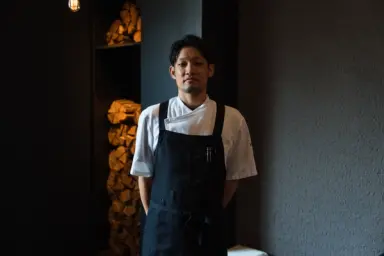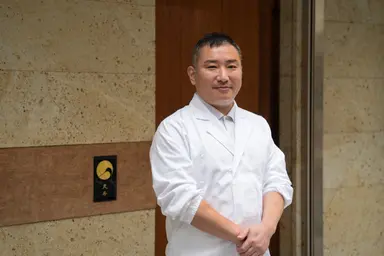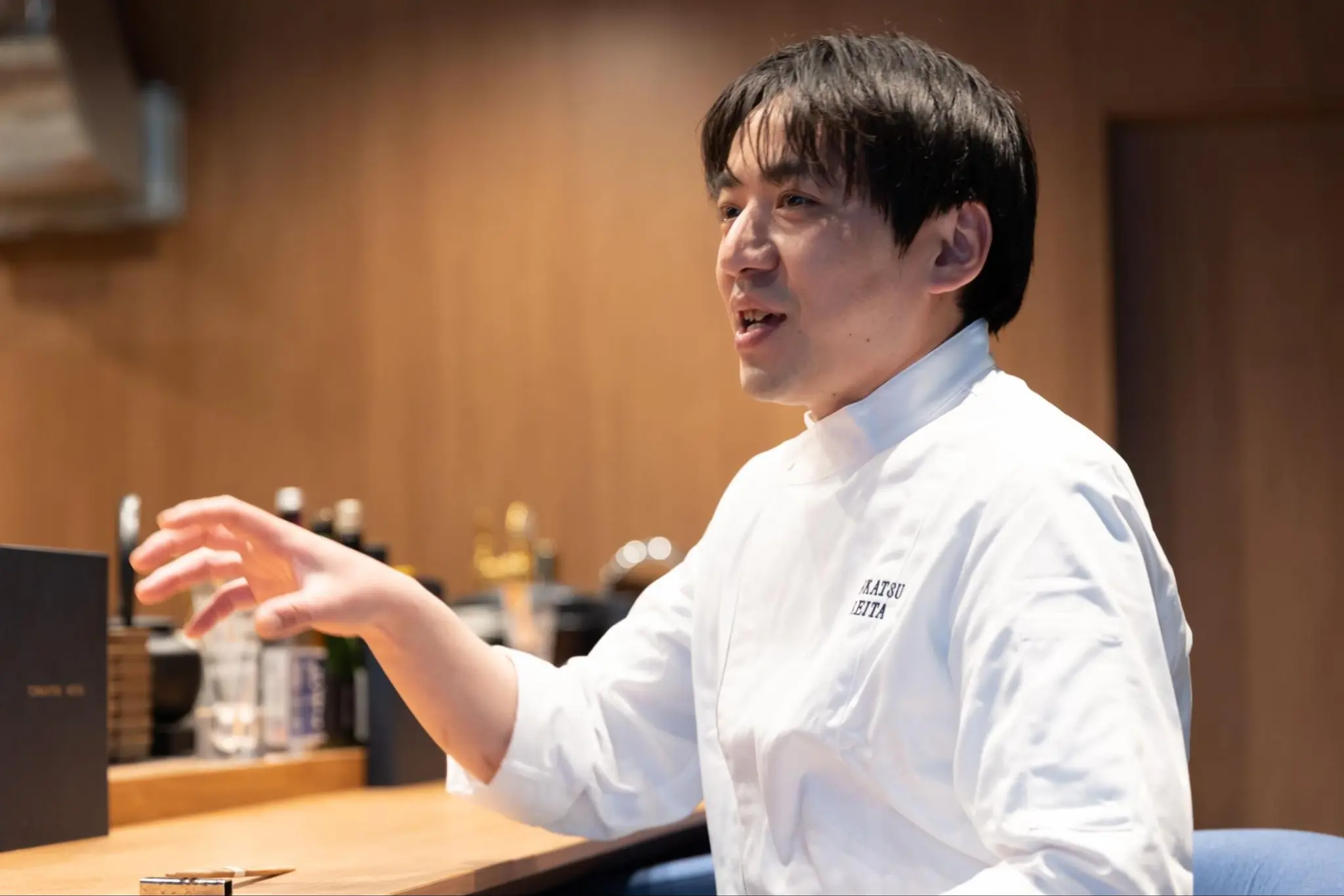
Bringing the Charm of Tonkatsu to the World! The Future Vision of Chef Keita Aoki of 【Tonkatsu Keita (TONKATSU KEITA)】
Family Pig Farm Passed Down to Older Brother, While Chef Aoki Pursued the Path of a Chef
ーーーWhat inspired you to become a chef?
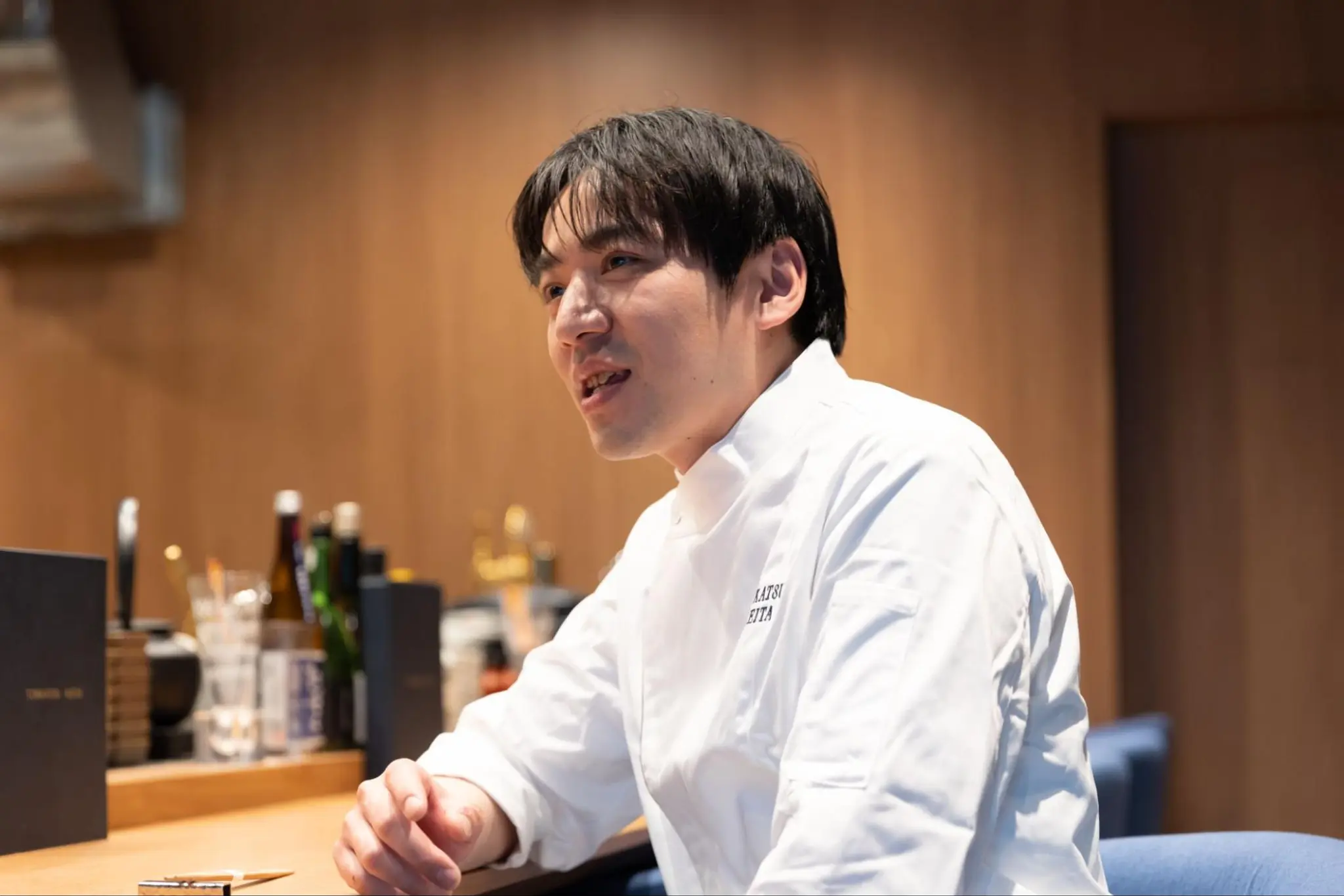
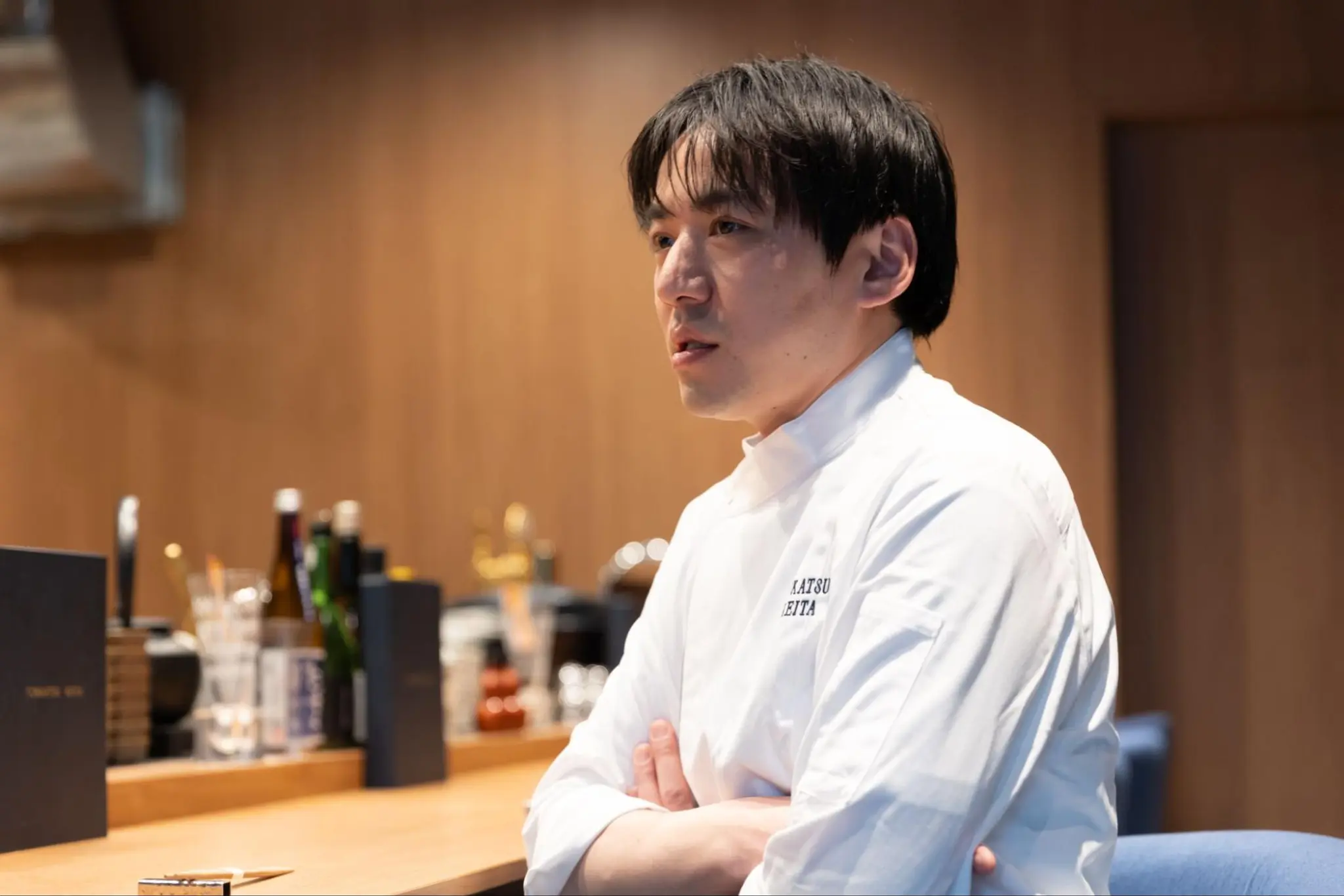
My family runs a pig farm in Kagoshima Prefecture. When I was in the second grade of elementary school, my father passed away. Since then, my two older brothers helped with the family business after school, while I often stayed with my grandmother preparing and waiting for dinner. Looking back, I think one of the main reasons I wanted to become a chef was because I found joy cooking together with my grandmother. From a young age, I aspired to be a chef, so I attended a high school with a culinary program.
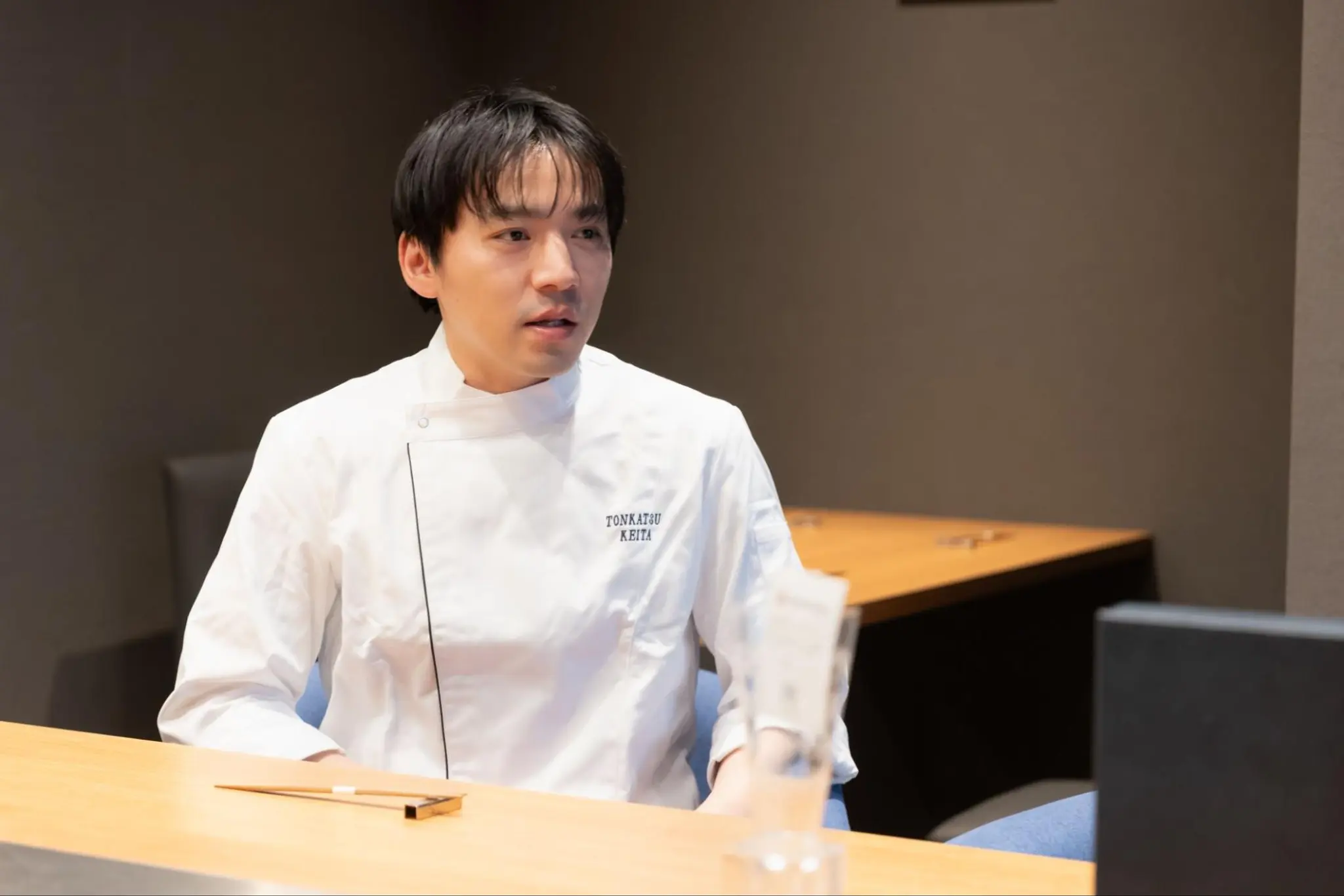
After graduating, I moved to Tokyo at 18 and initially worked for about four to five years at a Western-style restaurant called 【Tsubame Grill】, where I gained experience up to the position of sous chef. I had aspirations to eventually open my own restaurant, but also felt I still had much to learn, so I resigned. Through an acquaintance’s introduction, I began working at 【Teppanyaki LOJI】 in Mitaka. While I originally loved cooking, I wasn’t confident in interacting with customers. Since I wanted to open my own place someday, I aimed to improve my customer service skills. Because teppanyaki cooking happens right in front of the guests, I thought it would naturally help me develop those skills (laughs). That’s why I chose to work at a teppanyaki restaurant.
ーーーWhat inspired you to become independent?
After serving as the manager of a branch of 【Teppanyaki LOJI】 in Nishi-Ogikubo for about three years, I decided to go independent. During that time, I met a customer who later became the owner of 【Tonkatsu Keita】. We hit it off immediately, and I shared my desire to run a restaurant using pork from my family farm. I expressed my ambition not only to be the best in Japan but also to aim for global expansion. The customer suggested, “If it’s pork, let’s compete with tonkatsu.” That led to the opening of 【Tonkatsu Keita】 in Nishi-Ogikubo.
ーーーHow was the journey leading up to opening your restaurant?
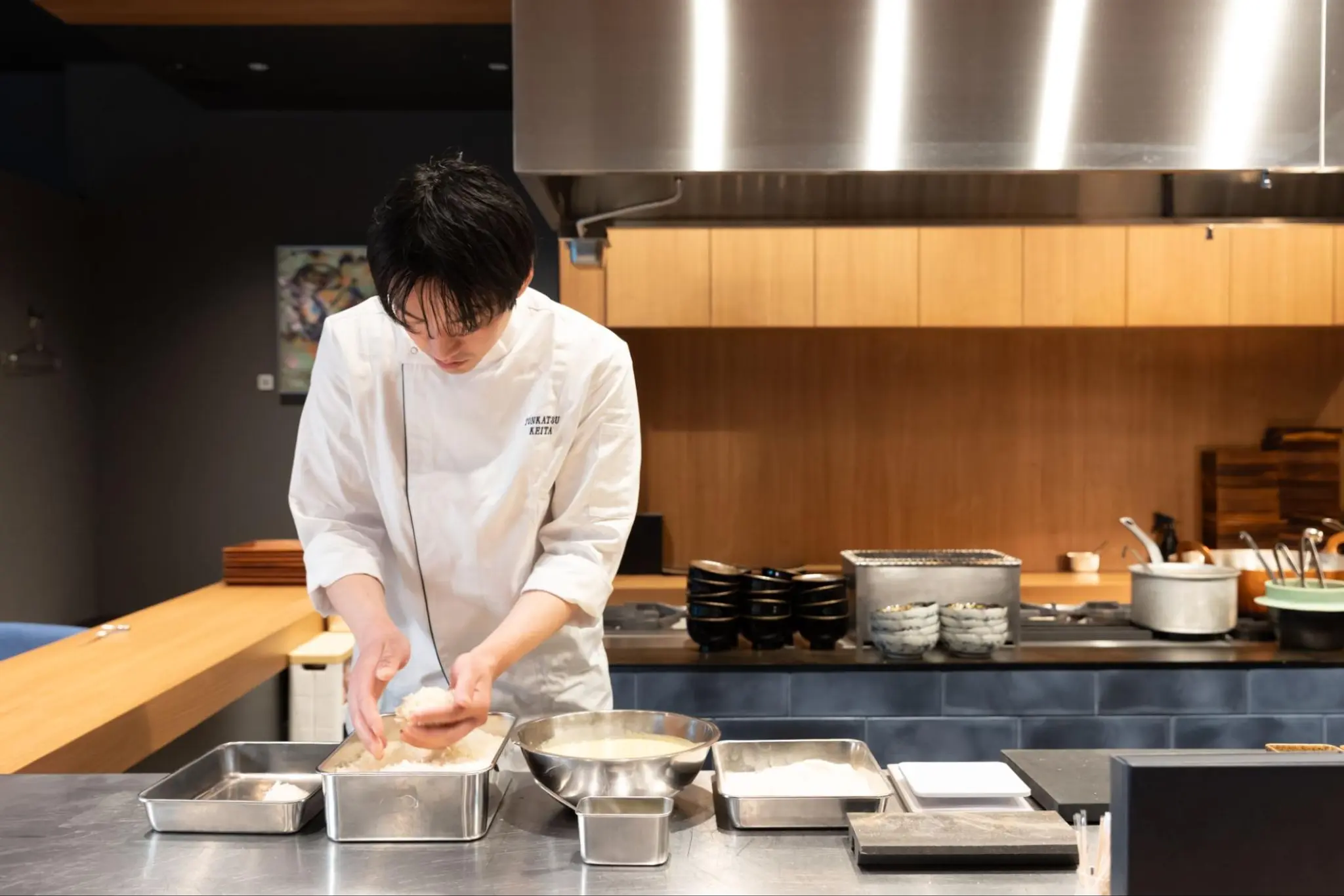
Since I had no prior experience specifically training in tonkatsu, making it for the first time was quite challenging and didn’t go as smoothly as I hoped. I experimented with various types of breadcrumbs, visited well-known tonkatsu restaurants to observe and inquire about their frying methods and ingredients — it was a process of trial and error. Initially, my tonkatsu was far from the image I had in mind; I tried different oils like lard and rice oil, and experimented with frying techniques. Even after opening, I continued to make adjustments based on customer feedback. The tonkatsu I serve now is quite different from what I made when I first opened, both in the frying method and the ingredients used.
Constantly Seeking the "Optimal Solution" to Make Every Dish More Delicious
ーーーWhat are the characteristics of your cooking and the values you hold when preparing your dishes?
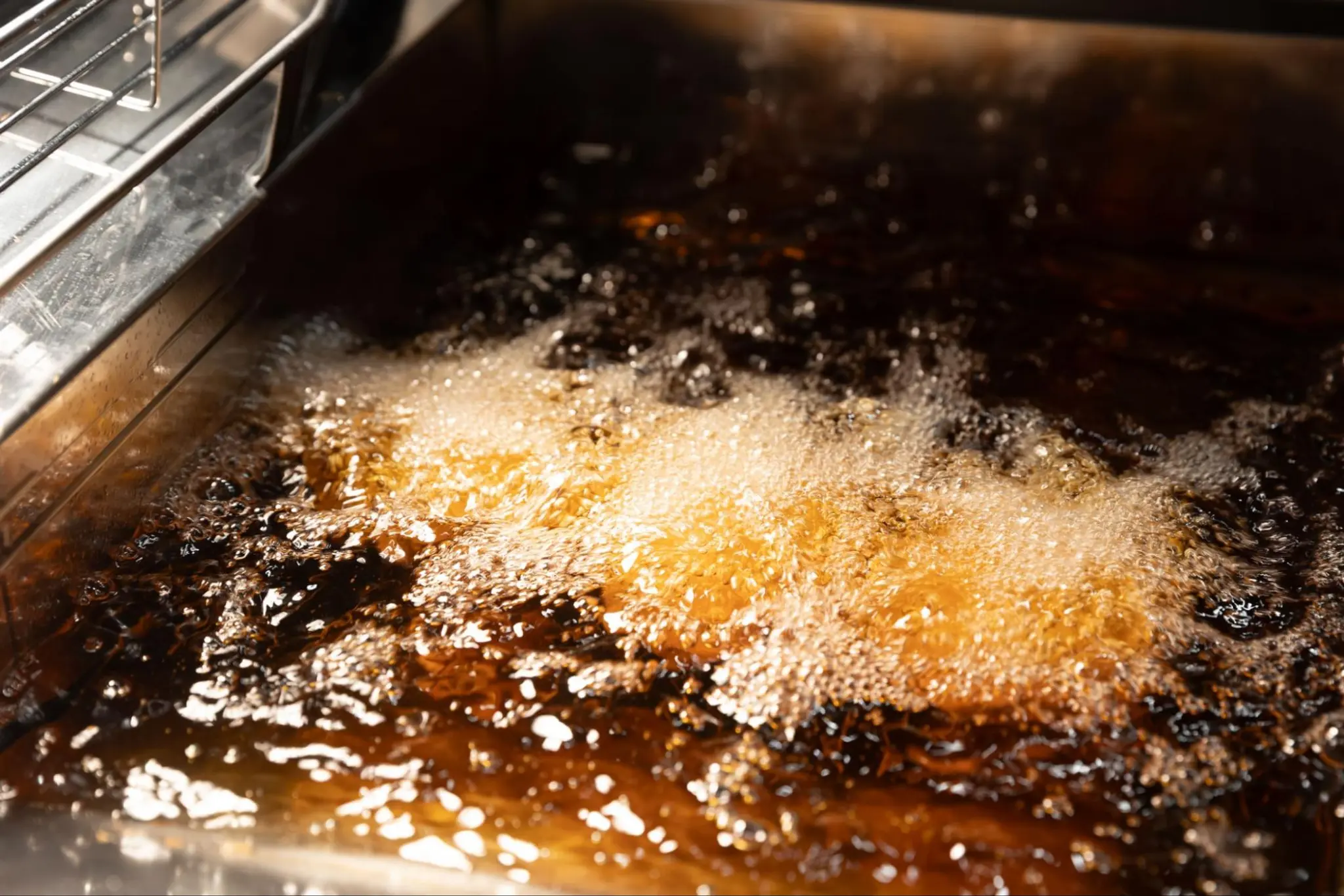
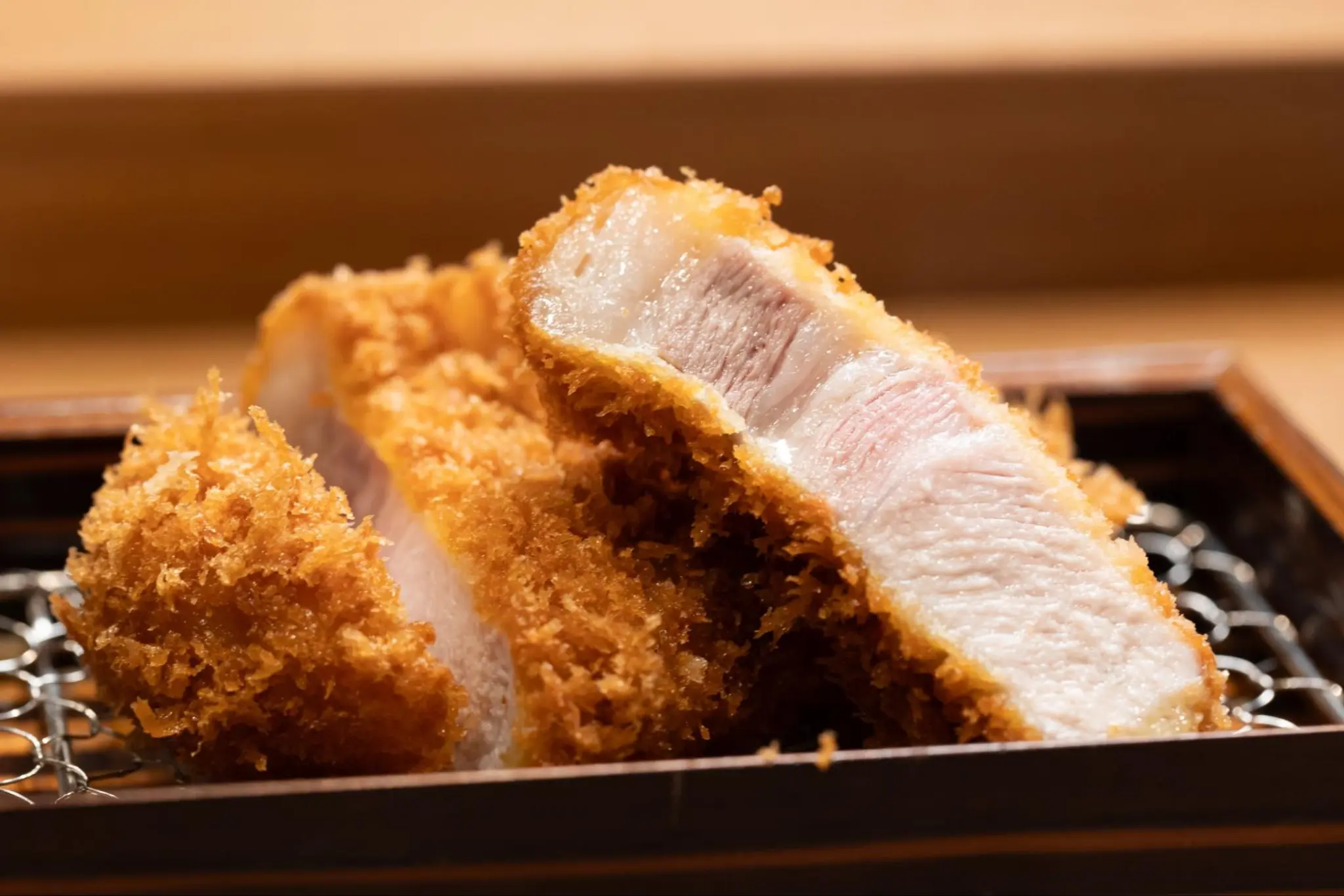
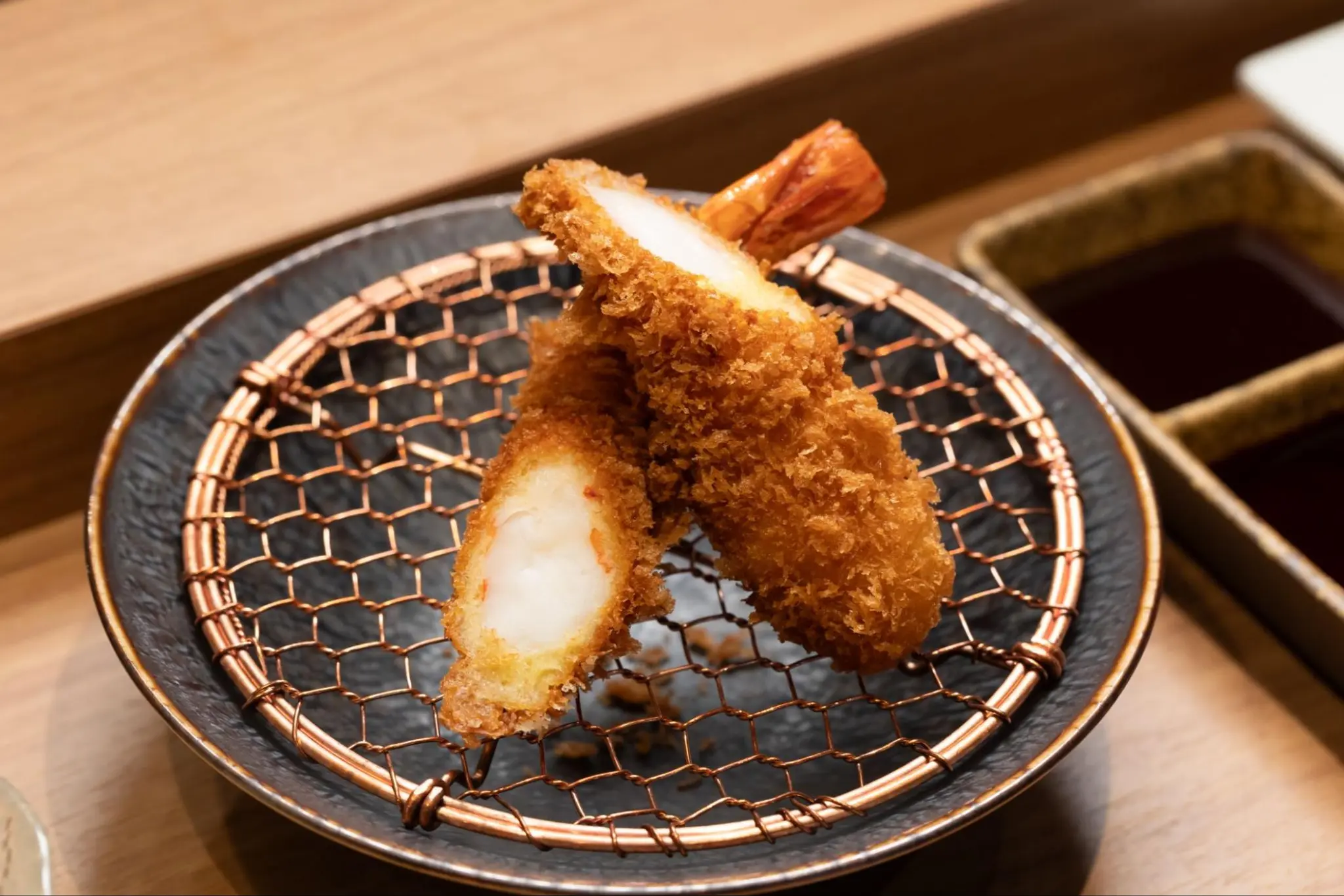
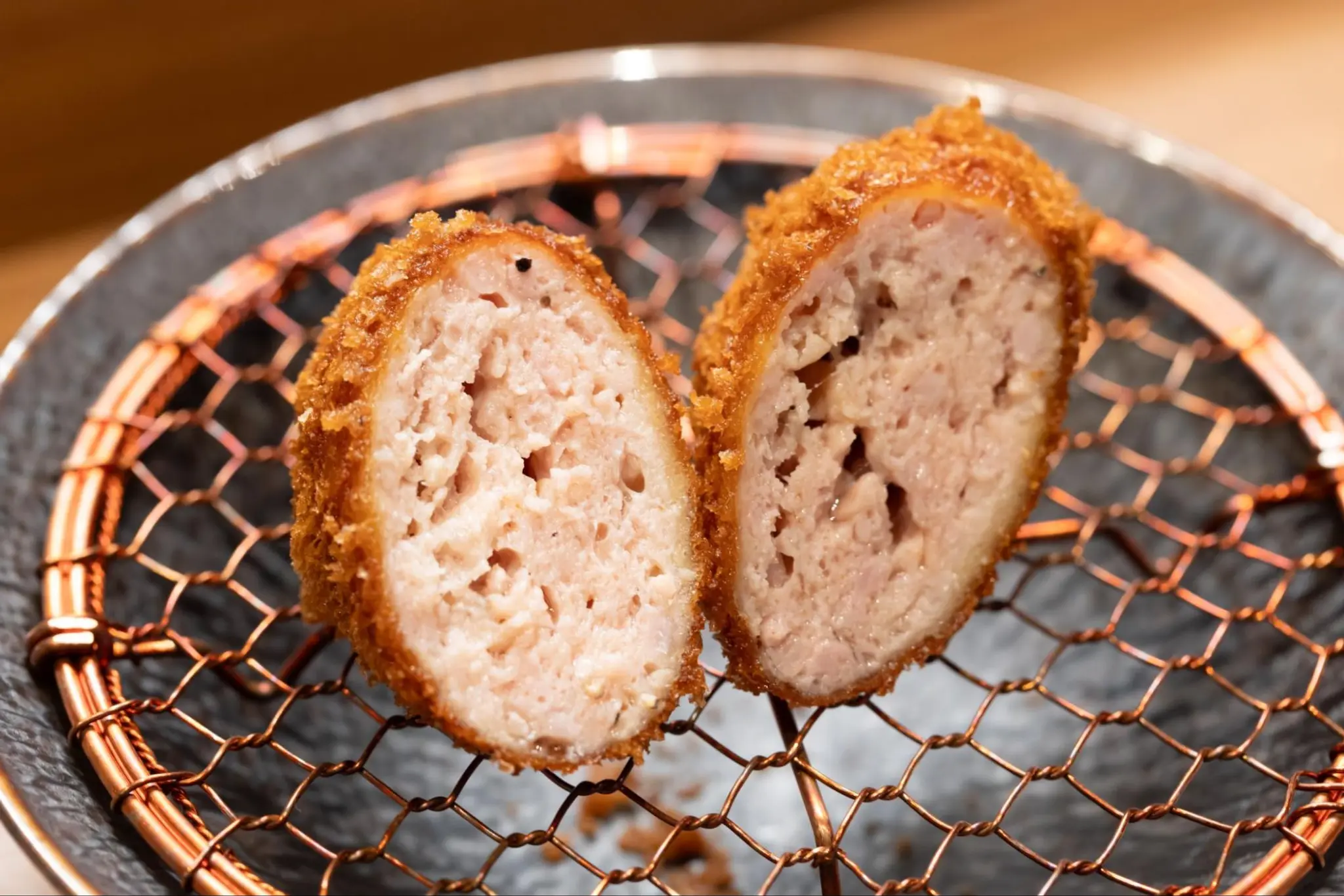
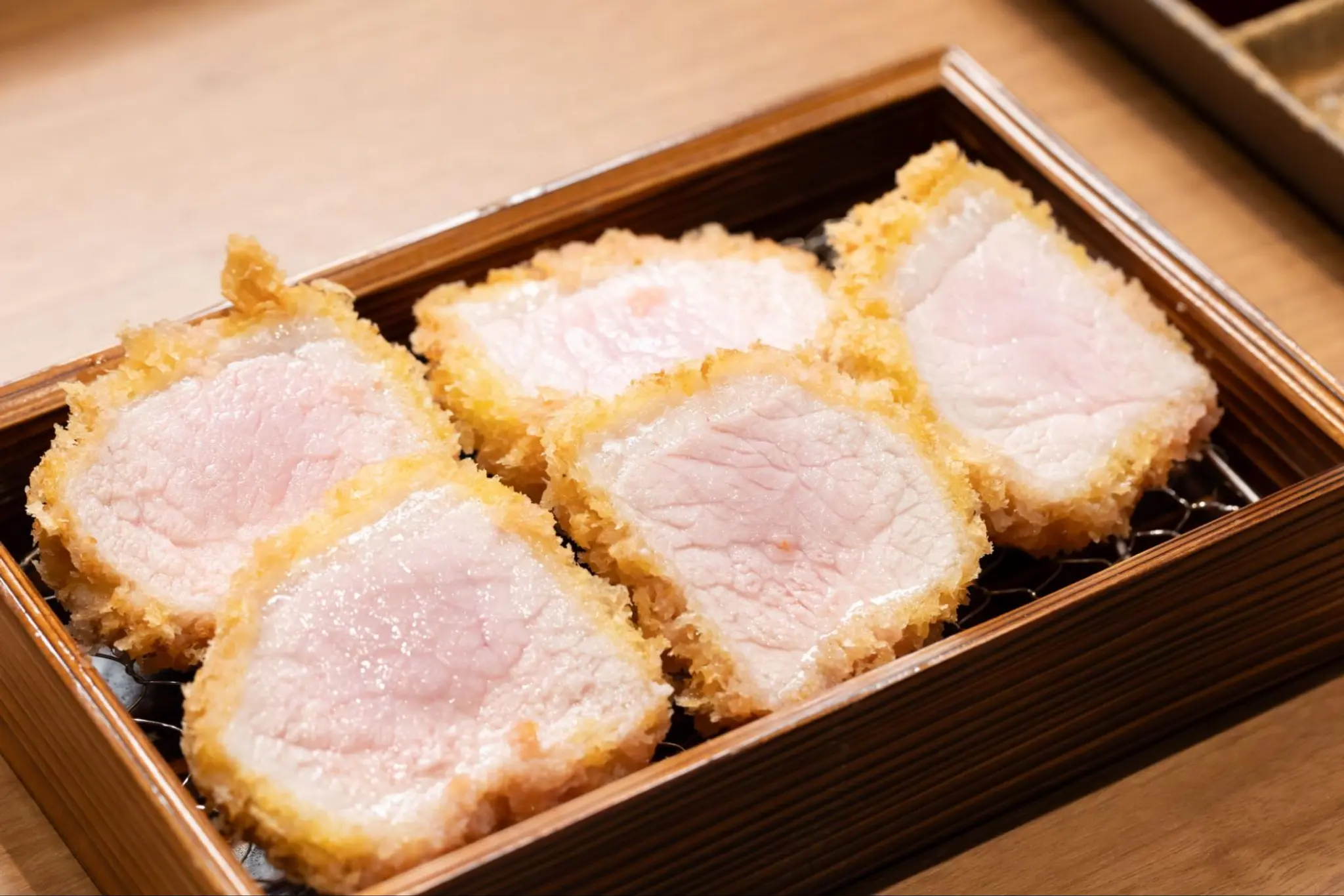
I believe the most distinctive feature is the “frying method.” I am particularly passionate about the “aroma” and “texture.” The aroma of tonkatsu that satisfies me can only be achieved using lard. Additionally, I pay great attention to achieving a soft and juicy first bite, combined with a crisp and juicy texture — that “crunch and sizzle” experience. The cross-section of the meat is finished with a slight pink hue, similar to roast pork, but it’s not rare; I take great care to cook it thoroughly by frying it slowly from a low temperature over time. The key point is frying gently so the meat doesn’t become tough. Even with pork of the same brand, I carefully assess individual differences. Each piece varies in moisture content and muscle fiber structure, so distinguishing these differences and frying slowly and meticulously from a low temperature is, I would say, everything.
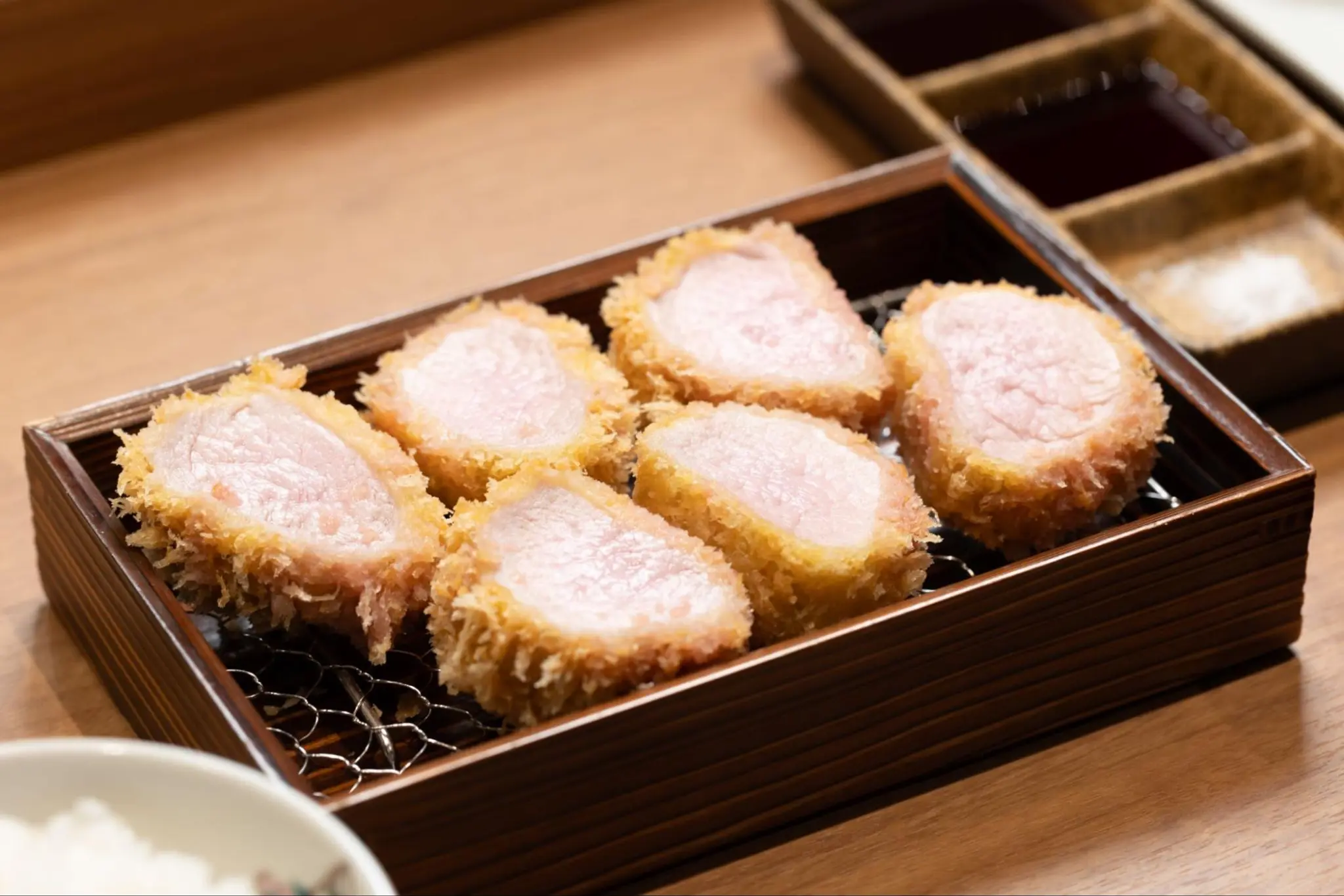
The key to judging the condition of the pork lies in “touching and visually inspecting” it. I assess based on moisture content and whether the muscle fibers are tough or tender. This is something you only understand after handling many pieces (laughs). Depending on the condition, I adjust the frying time precisely—extending the low-temperature fry by a minute here, or shortening the high-temperature finishing fry by a few seconds—controlling it down to the tens of seconds to serve the perfect cut.
ーーーI hear you use pork from your family’s farm?
Yes, that’s right! However, the supply is limited, so not all the pork comes from my family’s farm. The main breed raised there is the “Rokkaku Kurobuta” (Hexagonal Black Pork), a variety of Kagoshima black pork, but it’s not an exclusive brand of our farm. Other producers in Kagoshima also raise Rokkaku Kurobuta. Among the many types of pork I’ve tried, the sweetness of the fat and quality of the meat from Rokkaku Kurobuta stand out, so I am particular about using it at our restaurant.
Actually, I’ve talked with my older brother, who took over the family pig farm, about creating our own original breed of pork someday. Of course, it’s not easy, but since we raise pigs at home, I believe it’s possible. If we develop a breed that can only be eaten at our restaurant, it would add great value and create a unique strength that’s difficult for others to imitate.
ーーーDo you have any other particular preferences for ingredients?
As I mentioned earlier, our tonkatsu cannot be made without lard. We use 100% pure lard for frying. The characteristics of lard are its unique aroma and the way residual heat continues to cook the cut after frying, which brings the finish closest to my ideal. For the breadcrumbs, we use fresh breadcrumbs from the specialized manufacturer “Nakaya Panko.” Many famous tonkatsu restaurants use this brand, which is mainly supplied to restaurants and not widely available to the general public. The moisture content and texture closely match the image I have in mind, making it an indispensable ingredient in our kitchen.
We do not fix the cabbage sourcing to a specific farmer because the quality changes with the season, so we purchase from different regions accordingly. When pairing with tonkatsu, we prioritize sweetness, as well as the texture and freshness since the cabbage is served shredded. For the rice, we regularly change the variety in consultation with our rice supplier. We like to inform customers, “This time we are using this type of rice,” so they can enjoy the variation as well. Sometimes the rice will be stickier or lighter in texture compared to their previous visit, offering a completely different taste experience. Of course, some customers say, “I preferred the previous rice,” but we view this feedback as valuable data collection (laughs). Rather than insisting on one way of eating, we prioritize the customers and listen to their opinions, thinking of it as “creating together” with them.
Creating a More Comfortable Restaurant, Being Closer to Customers Than Ever Before
ーーーYou started operating as 【TONKATSU KEITA】 in 2025. Could you share your particular focus when building the new restaurant?
Our previous restaurant was underground, so ventilation was poor. Because we fry slowly over low heat, there was inevitably a lingering smell of oil. I always wanted to have a more spacious environment to work in.
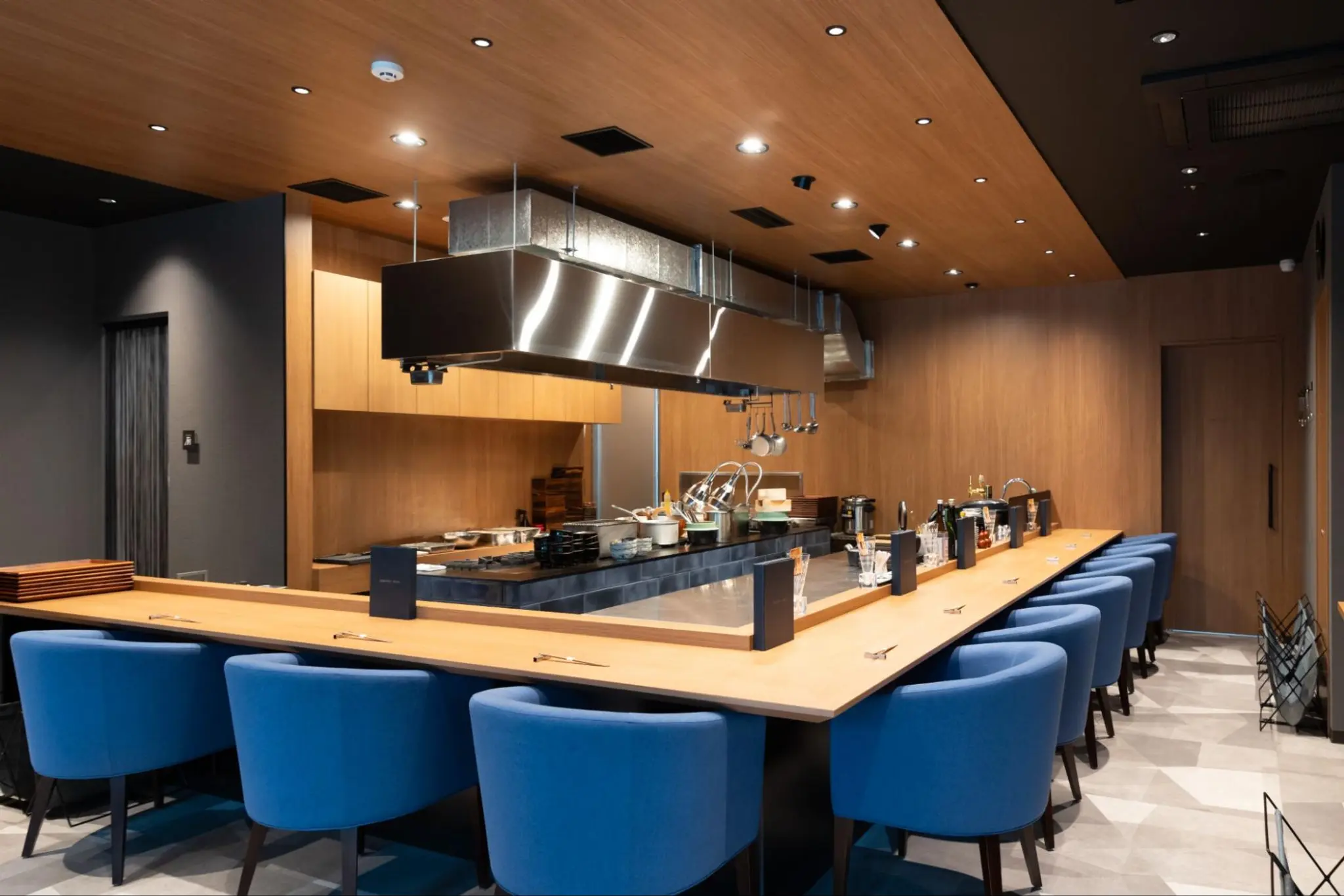
Also, I wanted to bring the kitchen and customer seats closer together so that diners could visually enjoy their meals more and have easier conversations. This was a key consideration when setting up the new restaurant. Many customers are interested in how the food is prepared, so they can enjoy the cooking process itself. It also makes it easier for me to communicate with customers while cooking. However, from the chef’s perspective, being watched closely can be a bit nerve-wracking (laughs). I’m always thinking, “Please don’t watch too much!” while I work (laughs).
We also put a lot of effort into our service and hospitality. We want our customers to enjoy their meals at a relaxed pace while savoring their drinks. Until now, I believe most customers came solely for the taste of our tonkatsu… Our previous restaurant had a high counter, which I felt was not ideal for leisurely dining. We also heard from older customers that although they wanted to come, it was difficult for them to do so. That was something I really wanted to change.
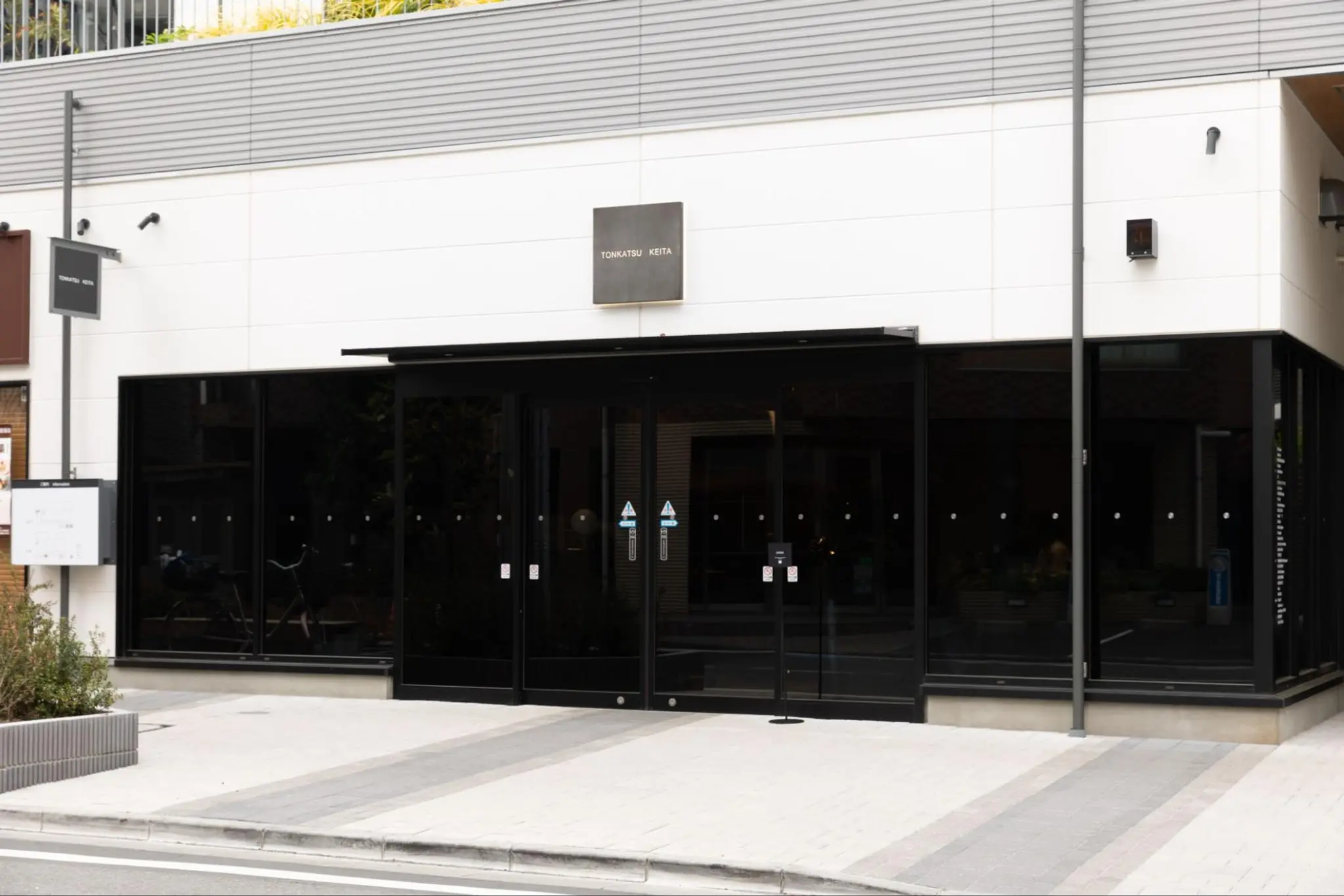
Regarding the exterior design, since we operate on a complete reservation system, I wanted to avoid the typical “classic tonkatsu shop” look where anyone can just drop in. Instead, I aimed to create an image that would excite our customers. I do sometimes wonder if we made it a bit too stylish or pretentious (laughs). Beyond the food, I strive to create a restaurant atmosphere and service where customers can feel comfortable and have fun without feeling stiff or formal. Also, having grown up on a pig farm myself, I want more people to appreciate the excellence of Japanese pork, as well as other Japanese ingredients like rice and cabbage. I plan to actively promote these values to many more people.
ーーーWhat are your thoughts about the producers involved and the ingredients?
I believe that whether ingredients are enjoyed deliciously or ruined depends largely on the chef, so I feel a strong sense of responsibility. I also see myself as a messenger who conveys customers’ joy and feedback to the producers. Since producers rarely receive direct reactions from customers, passing on this feedback helps boost their motivation. Having been born and raised in a producer’s family myself, I’m especially conscious not to forget this feeling. Due to the impact of the COVID-19 pandemic and the war, the producers’ work has become extremely challenging. Costs such as feed have risen, and I hear that many pig farmers in Kagoshima are quitting. I want to do my best to contribute and support them.
Aiming to Make “Tonkatsu” Synonymous with Japanese Cuisine
ーーーCould you tell us about your future plans?
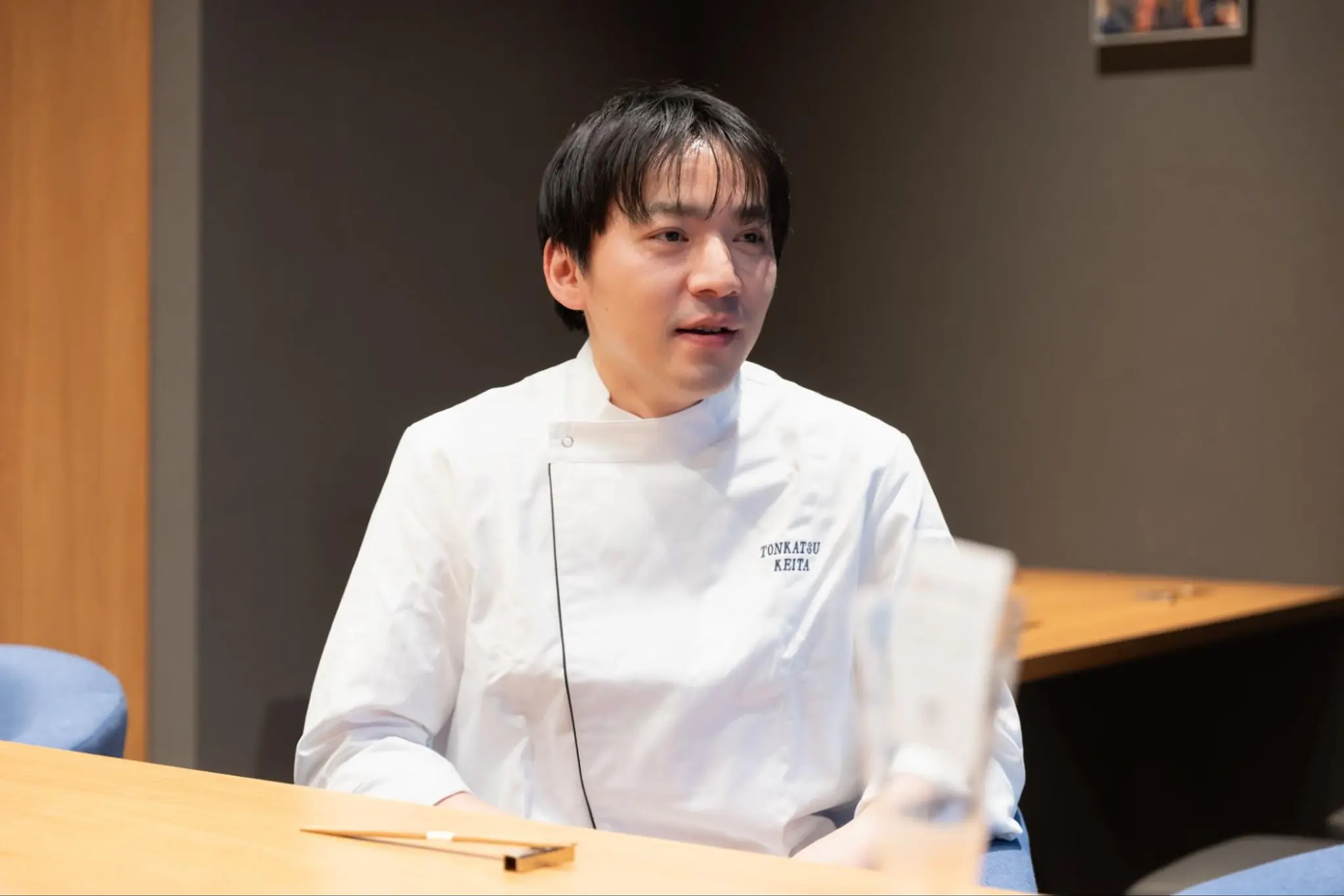
The original motivation behind launching 【Tonkatsu Keita】 was a desire to counteract the sense of despair among Japan’s youth and the country’s waning vitality. I wanted more people to recognize Japan’s potential! Although many customers now come from overseas, I personally hope to play a role in spreading the greatness of Japanese ingredients, including tonkatsu and Japanese cuisine, even further abroad. We plan to open a tonkatsu division under “Round One Delicious” in the United States, where I will be teaching tonkatsu preparation to a local American chef. The opening is scheduled for January 2026, and we hope to expand to a second and third store thereafter. I truly believe that Japan’s ingredients, cuisine, and hospitality are the best in the world, and I want people overseas to know this even more.
ーーーAre you focusing more on overseas expansion rather than expanding stores in Japan?
I’m not really considering domestic expansion. The main reason for focusing on overseas is not only to increase awareness of Japanese pork but also to let people know the appeal of the dish “tonkatsu.” For example, there are a few tonkatsu restaurants in the U.S., but it’s still generally not well known. While there is a habit of eating pork, it’s mostly processed products like sausages. I’ve heard from customers from the U.S. that “tonkatsu doesn’t exist” and “pork itself isn’t tasty.” Compared to Japan, there might be differences due to rougher slaughtering and processing methods in production. Also, U.S. law prohibits bringing in Japanese pork, so I hope to proceed with U.S. expansion by partnering with companies there.
On the other hand, I am also considering expansion into the Asian market. I’ve heard that it might be possible to bring pork to places like Singapore and Thailand, which increases the likelihood of being able to prepare tonkatsu with the same quality. In the future, I hope to expand into the Asian region as well. While Japanese cuisine like sushi and ramen are already well-known, tonkatsu is still not widely recognized, so I want to work hard to make it one of the representative dishes when people think of Japanese food.
ーーーLastly, what does “delicious” mean to you, Chef Aoki?
Every day, I serve my dishes with confidence, but I believe that how you make use of the ingredients, the ambiance, and the quality of service all contribute to the feeling of “deliciousness.” Even if the food tastes great, poor service can prevent customers from feeling satisfied or moved. I don’t think it’s enough for just the food to be good. I want to lead customers to experience “deliciousness” that includes both the taste of the food and the entire experience.
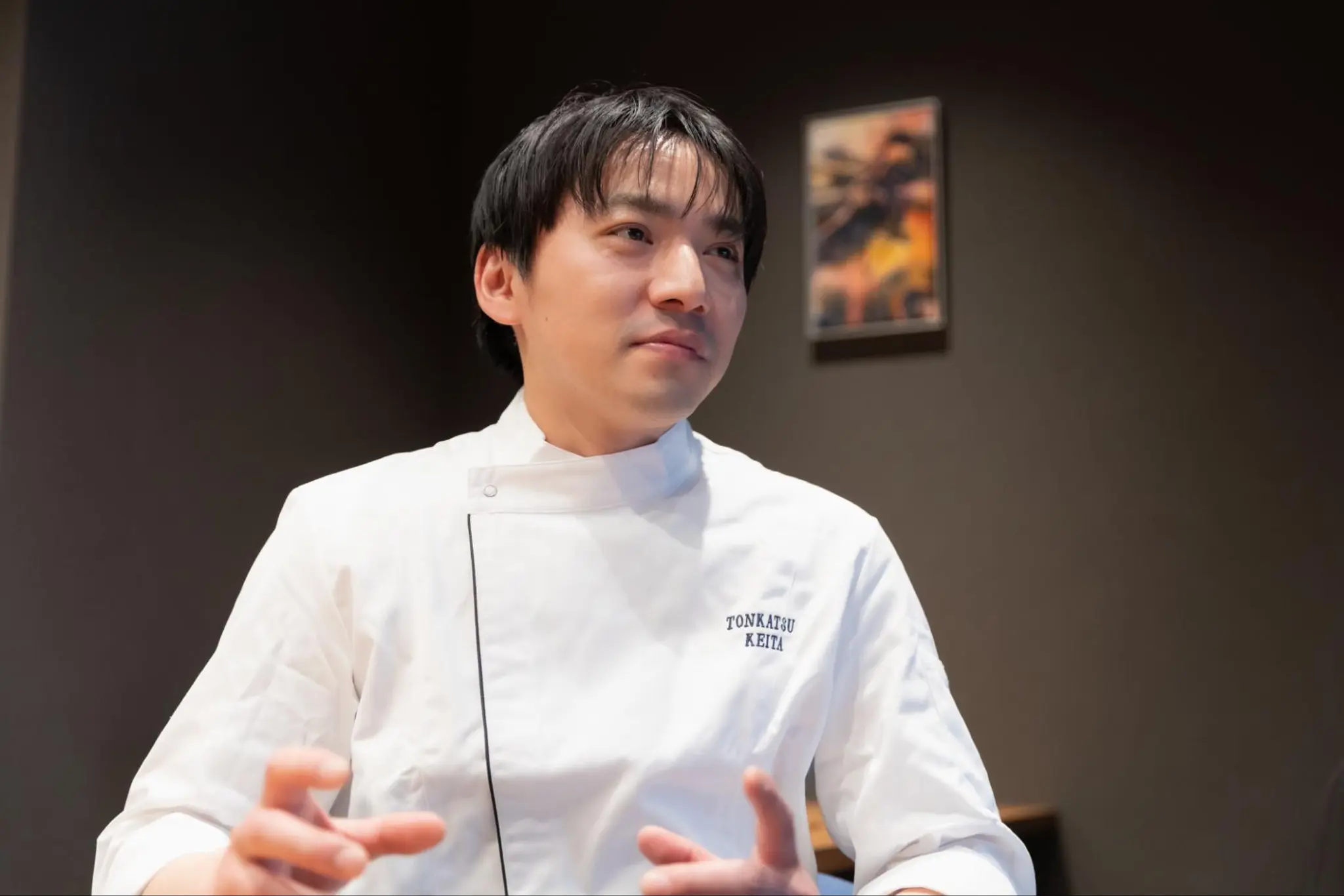
Chef Aoki’s eyes shine as he speaks about his desire to spread the appeal of Japanese ingredients and “tonkatsu” even more widely around the world. Without any pretension, he wants everyone to enjoy it more casually than ever before, and with the newly remodeled restaurant as the next step, he continues to strive towards realizing his dreams—creating an original brand of pork in collaboration with his family’s pig farm, expanding overseas, and more. The ideal future Chef Aoki envisions may not be far away at all. First, we highly recommend experiencing Chef Aoki’s exquisite “tonkatsu” at 【TONKATSU KEITA】.
Interview & Text by AutoReserve Magazine Editorial Team
Photography by Atsushi Sanada
Restaurant Information
- AutoReserve Magazine
- The hottest new shop right now
- Bringing the Charm of Tonkatsu to the World! The Future Vision of Chef Keita Aoki of 【Tonkatsu Keita (TONKATSU KEITA)】