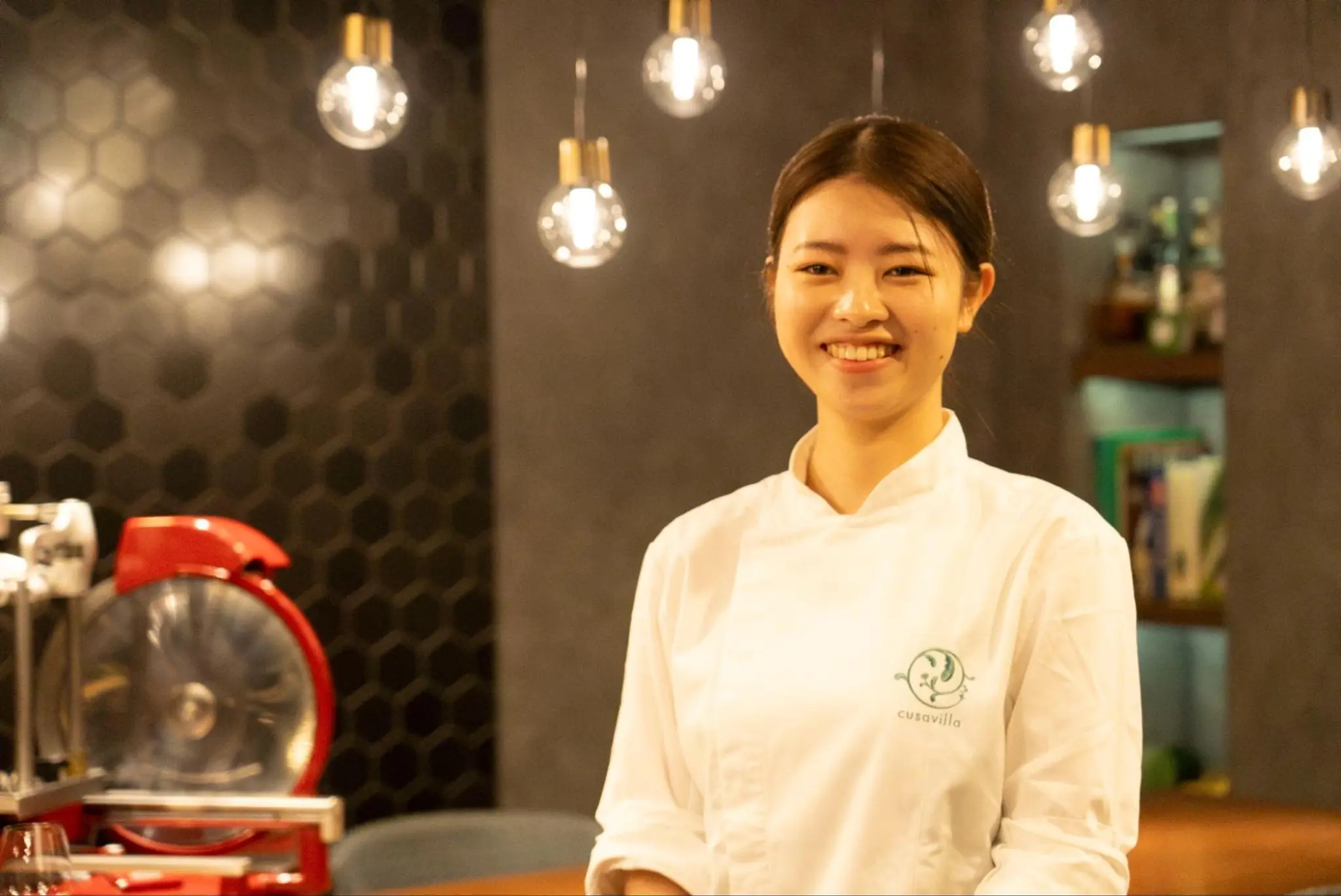
A Young Female Chef Who Engages in Dialogue with Nature and Maximizes the Natural Flavors of Ingredients 【cusavilla】
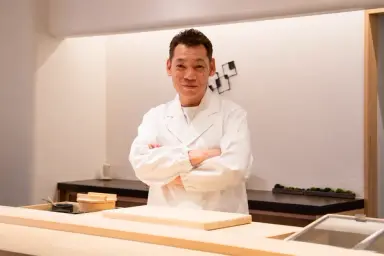
Drawn to the Concept of Local Production for Local Consumption, She Moved to Tokyo and Learned the Essence of Cooking from Chef Nakahigashi
ーーーWhat inspired you to pursue a career as a chef?
I became familiar with cooking from a young age, learning from my mother and spending time in the kitchen. When it came time to choose a career path, I felt that cooking was something I could dedicate myself to, so I decided to attend a high school where I could obtain a culinary license. After graduating, I worked at a kappo-style izakaya in my hometown of Kagoshima, where local production for local consumption was a core principle. However, I developed a strong desire to explore a completely different genre of cuisine. While researching, I came across this restaurant, which practices local production for local consumption using vegetables grown in Tokyo. I applied for a position, was hired by Chef Nakahigashi, and began working here.
Tokyo is a place where ingredients from all over Japan converge, but I was surprised to find that it has far more natural surroundings than I had imagined. There is a rich variety of vegetables, including those known as "Edo-Tokyo Vegetables." In fact, I feel that I interact with nature even more than I did when I lived in Kagoshima. Before becoming the head chef of this restaurant, I used to visit farms about once every two to three months. However, since taking on the role of head chef, I now visit farms about once or twice a week. I enjoy harvesting ingredients like mushrooms from the mountains and fields, and this year, I even started fishing for ayu in the Akigawa Valley near one of the farms. It is truly exciting to engage with a diverse range of ingredients on a daily basis.
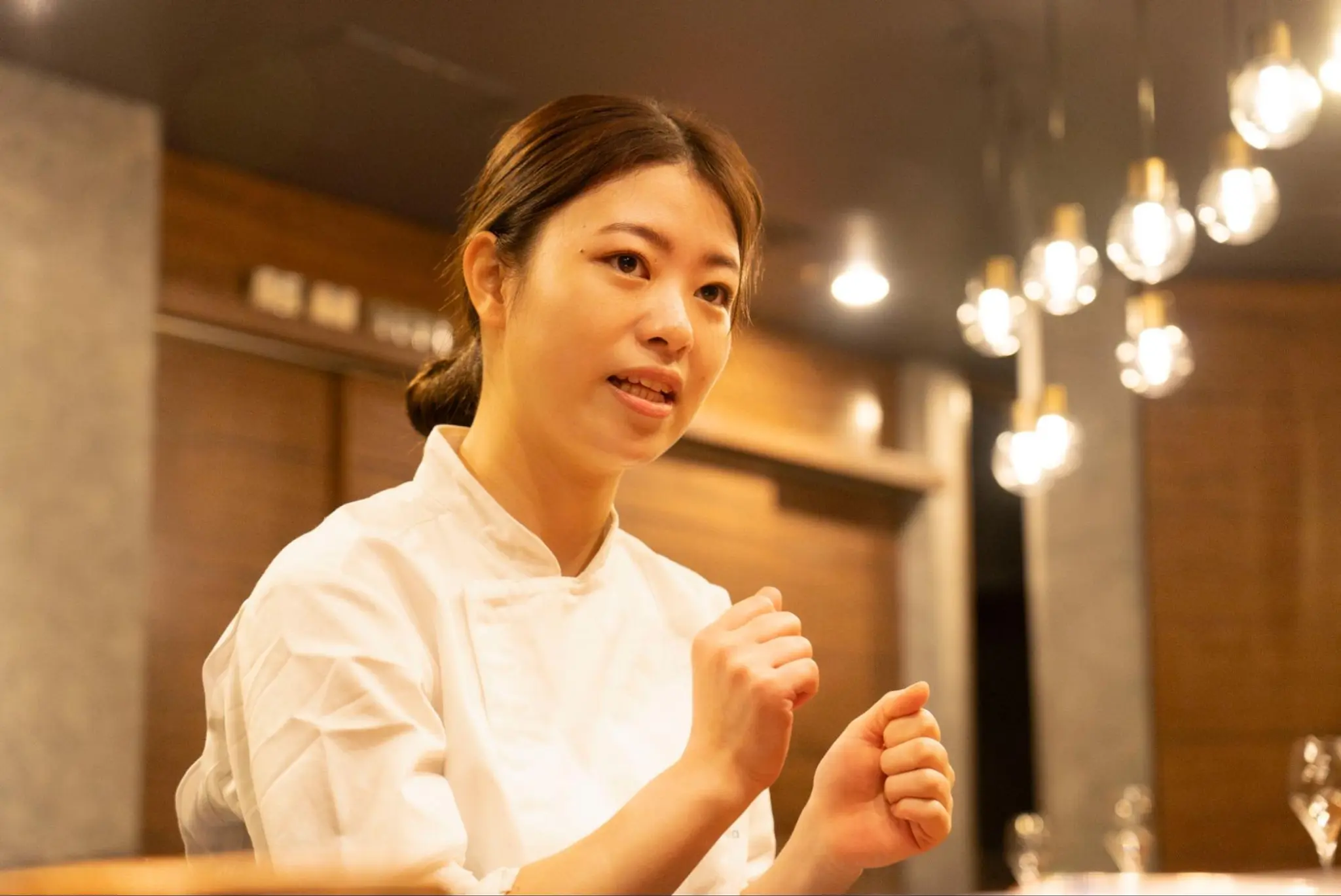
ーーーWhat differences do you notice between the Japanese cuisine you worked with before moving to Tokyo and Italian cuisine?
I believe that both Japanese cuisine and Italian cuisine share a common principle of enhancing the natural flavors of ingredients. However, Japanese cuisine tends to rely on seasonings such as soy sauce, salt, and sugar, which can sometimes result in higher calorie content. On the other hand, the Italian cuisine we serve at this restaurant is primarily seasoned with just olive oil and salt, and since vegetables play a central role in our dishes, I find it to be very healthy. Because of the simplicity of the seasoning, I find it challenging to achieve the perfect balance of flavors. However, since the fundamental cooking techniques in both Japanese and Italian cuisine have similarities, I feel that expressing flavors in Italian cuisine comes naturally to me.
ーーーWhat have you learned from Chef Nakahigashi?
I joined this restaurant in 2021, right in the midst of the COVID-19 pandemic. Due to shortened business hours, we were only open until 8 PM, and most of our guests were regular customers. However, this period allowed me to learn from Chef Nakahigashi thoroughly. People often say that "cooking is a science," and at our restaurant, we focus on combining ingredients and seasonings in a way that maximizes their flavors. From Chef Nakahigashi, I learned how to "draw out deliciousness" from ingredients. For example, since oil and alcohol easily absorb aromas, I was taught to carefully consider the timing of adding garlic or herbs when making an alcohol-based sauce. He taught me essential cooking techniques from the ground up, helping me understand the finer details of creating flavorful dishes.
Carrying on Chef Nakahigashi’s Vision, Striving as a Chef of Natural Italian Cuisine
ーーーWhat is the concept of 【cusavilla】?
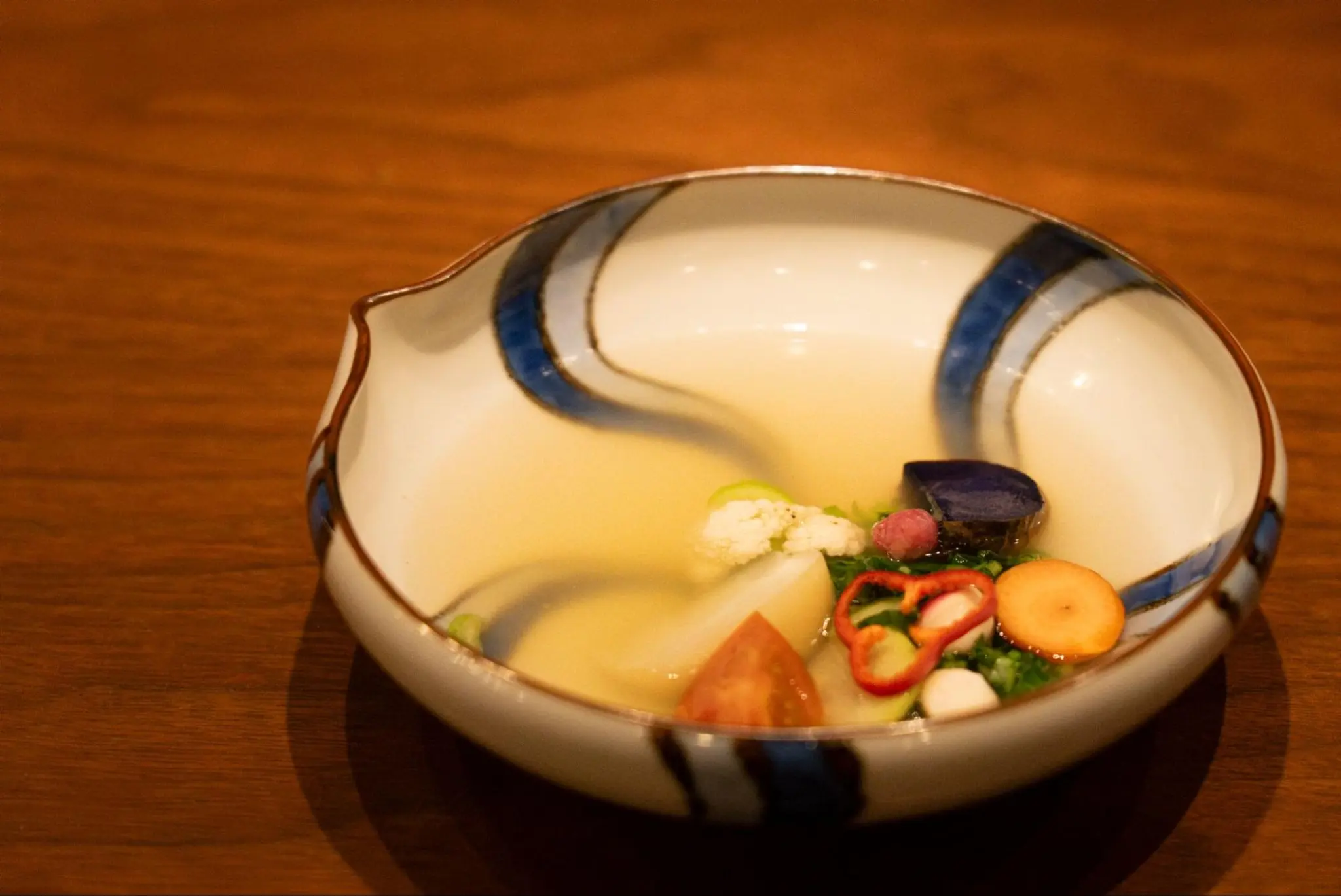
Italian cuisine is often associated with meat and fish-based dishes, but at our restaurant, we focus on vegetables and prioritize using locally sourced ingredients from Tokyo. In winter, we incorporate a variety of root vegetables, while in spring, when fresh produce is scarcer, we even make use of plants that are often considered weeds, turning them into salads. Our approach is to offer dishes that allow guests to enjoy everything that nature provides.
In Chinese, the word for "vegetables" excludes mushrooms and fungi, but when these are included, the term "草片" (cusavilla) is used. Our restaurant name, “cusavilla”, originates from this concept, embracing not only vegetables but also mushrooms and fungi. The Romanized name "cusavilla" is a phonetic adaptation, but the word “villa” also carries the meaning of a village or a gathering place, reflecting our vision of a communal dining experience.
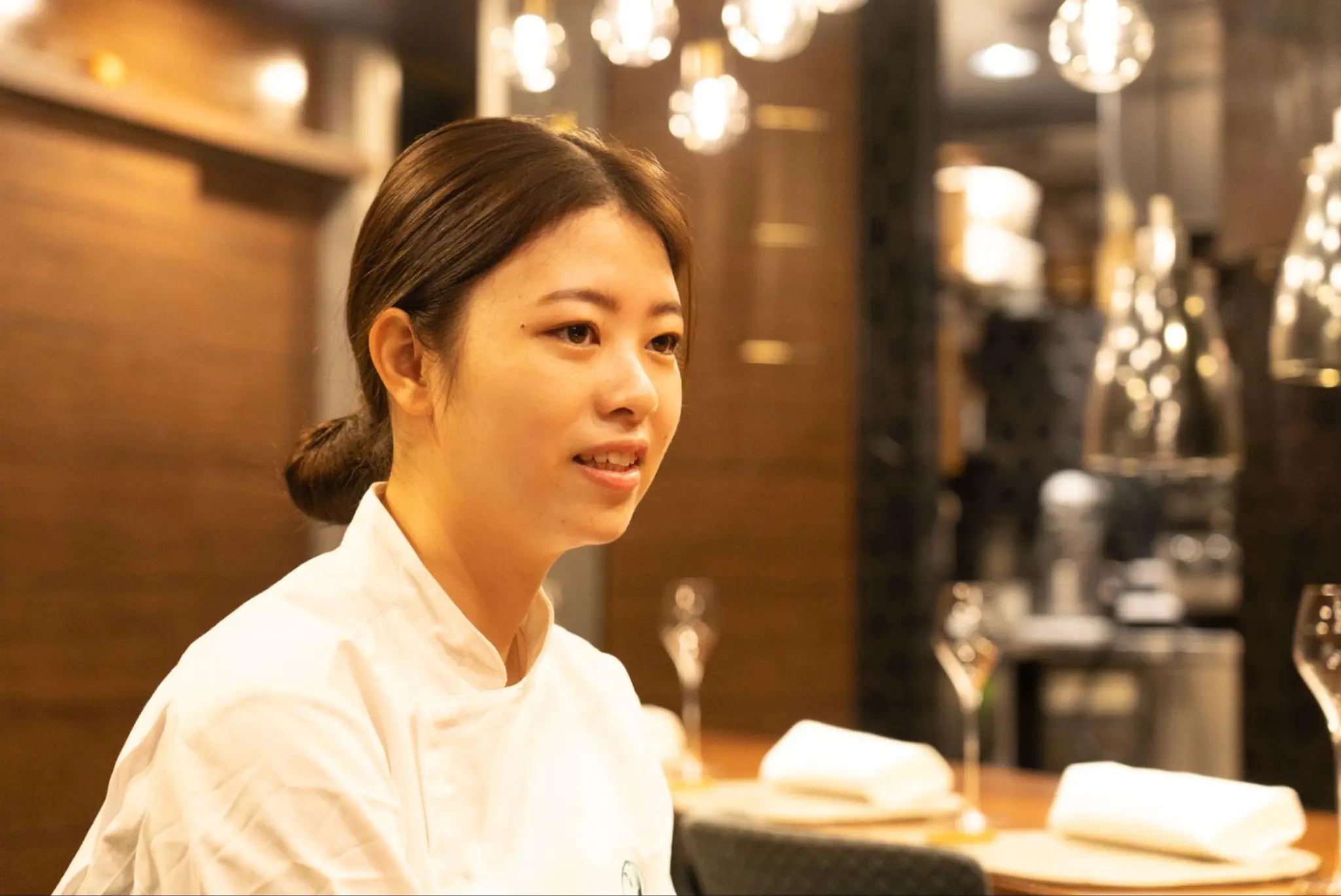
At our restaurant, we begin by inviting guests to choose their favorite color from a selection of lacquered chopsticks. Since our dishes are made with Tokyo-sourced ingredients and served with chopsticks on Japanese tableware, guests sometimes ask, "Is this a Japanese restaurant?" to which we respond with a smile, "No, it's Italian!" Chef Nakahigashi, who founded this restaurant, was born and raised in Kyoto and comes from a family with deep roots in Japanese cuisine—his father was a chef at a renowned Japanese restaurant. As a result, elements of Japanese culture are woven throughout our restaurant’s concept. We even commission original tableware from Kyoto-based artisans, creating an ambiance where the essence of Japanese tradition seamlessly blends with Italian cuisine.
ーーーWhat was the journey that led you to become the head chef?
Chef Nakahigashi had always dreamed of opening a restaurant in his hometown of Kyoto. When he began working on that project, he approached me with the offer to take over as head chef of this restaurant. At first, I wasn’t confident that I could handle the responsibility. However, Chef Nakahigashi reassured me, saying, "You'll be fine! Honestly, it would be scarier if you were overly confident from the start!" (laughs). His encouragement gave me the push I needed, and I decided to take on the challenge. Even after I became head chef, many of the customers from Chef Nakahigashi’s time have continued to visit and support the restaurant. Their encouragement means a lot to me, and I am truly grateful.
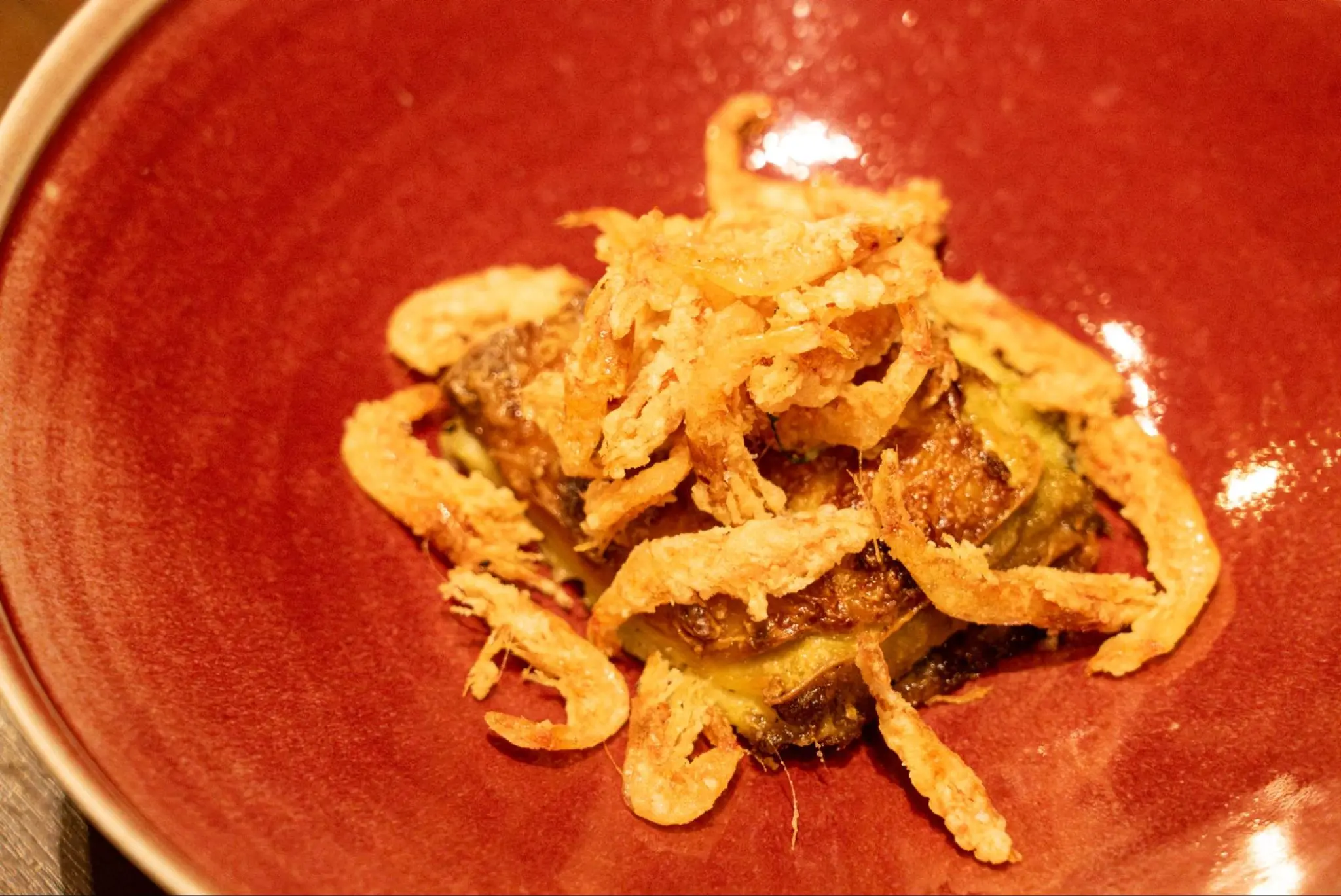
ーーーWhat challenges do you face when creating dishes?
I often struggle with how to preserve the existing style of 【cusavilla】 while incorporating my own ideas and personality to further enhance the dining experience for our guests. Creating entirely new dishes is particularly challenging, but at the same time, I find it rewarding and enjoyable.
One of my strengths is maintaining consistency in flavor and ensuring that dishes taste exactly as intended. When different people prepare the same dish, the taste can sometimes vary, but I have a knack for keeping it precise. Chef Nakahigashi once praised and recognized this ability of mine, which made me really happy. Perhaps that’s why I’ve been able to uphold the flavors of the restaurant while also refining my own approach to cooking. During my training period, there were times when I lacked confidence, but Chef Nakahigashi saw my personality and chose to highlight what I was doing well. Thanks to his encouragement, I was able to develop the confidence to trust in my own skills and move forward.
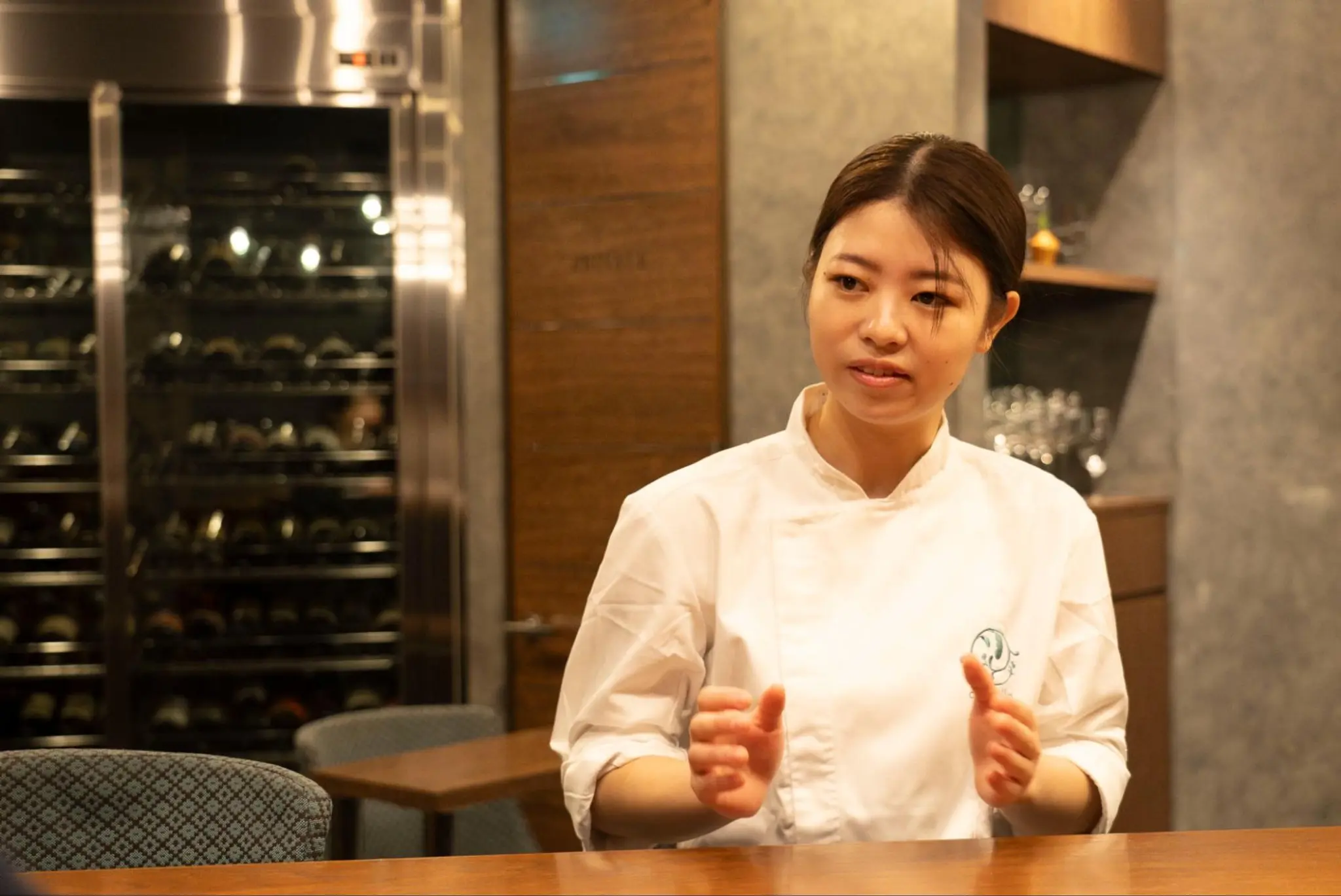
ーーーIs there anything you keep in mind when creating the dining atmosphere?
Since we have an open kitchen, I focus on creating an enjoyable atmosphere by engaging with our guests through conversation. Although I’m naturally a bit shy and not particularly skilled at talking, once I start cooking, I switch into a different mode, and conversations flow more smoothly. We often end up having lively discussions on a variety of topics. One of our regular guests had never been to Kagoshima before, but after hearing me talk about my hometown, they became so interested that they now visit Kagoshima two to three times a year. Just last week, we had another guest from Kagoshima, and we had a great time reminiscing about our shared hometown. Moments like these make me appreciate how food and conversation can connect people in unexpected ways.
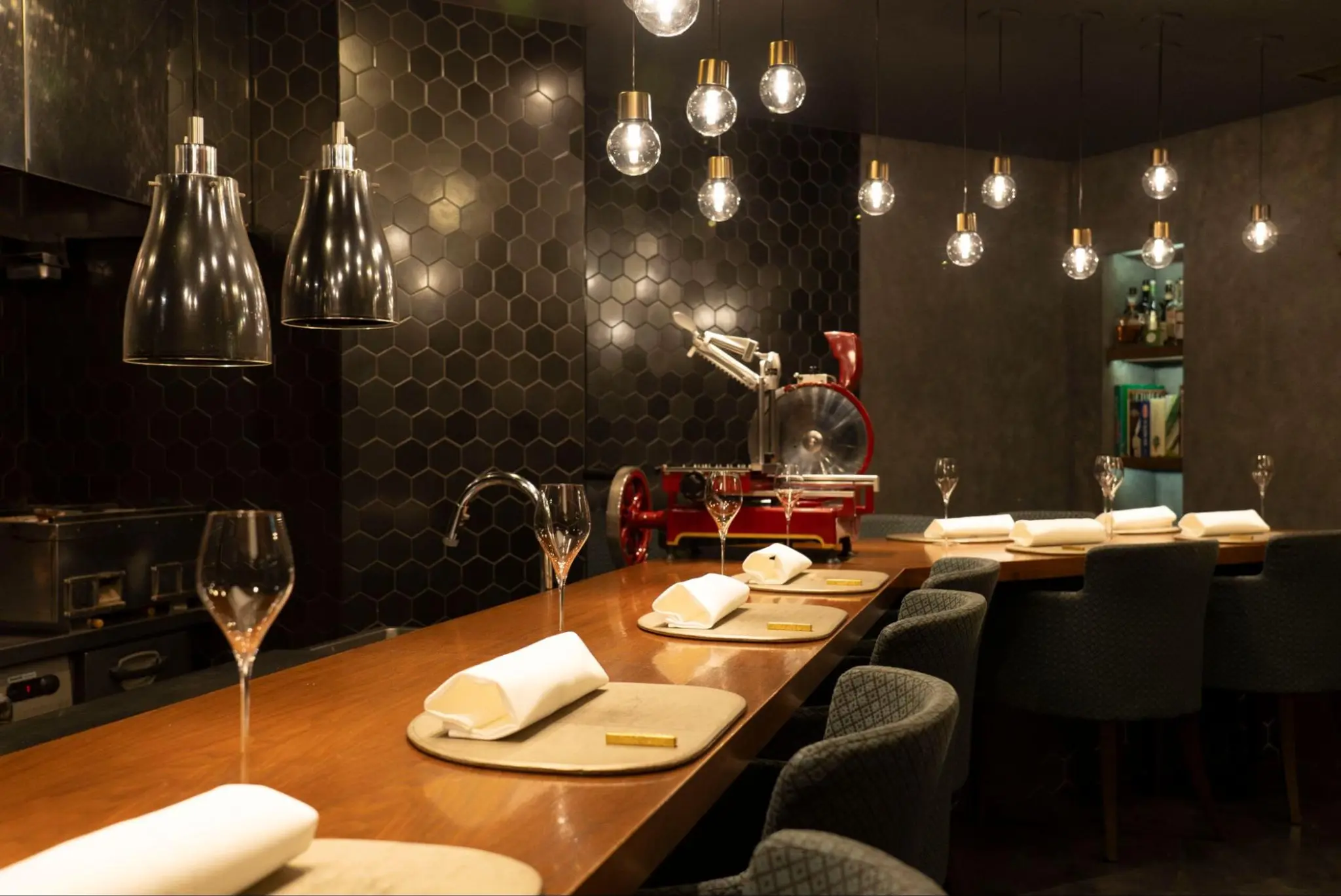
There are also guests who say, "I was curious to visit because you’re a female chef," which makes me really happy. Some female guests have even become repeat customers, telling me that they enjoyed our conversation and felt comfortable dining here. I feel that having a female chef may make it easier for female guests to feel more at ease and engage in conversation. It’s rewarding to see how this dynamic creates a more welcoming and enjoyable atmosphere for everyone.
Utilizing Vegetables to the Fullest and Achieving a Sustainable Food Cycle
ーーーWhat is your approach to sourcing and using ingredients?
Our restaurant has its own farm, and I visit it once or twice a week to harvest vegetables. A local expert who knows the nearby fields well also helps oversee the farm, and they once told me, "The key to growing good vegetables is creating healthy soil."With this in mind, we receive compost from a nearby farmer who raises goats. We mix the compost into the soil first to enrich it with nutrients before planting vegetables. Even after the sprouts emerge, we continue to nourish the soil with additional fertilizers as needed. By working directly with the vegetables and gaining a deeper understanding of them, I’ve come to cook with even more care and intention, always thinking about how to bring out their best flavors.
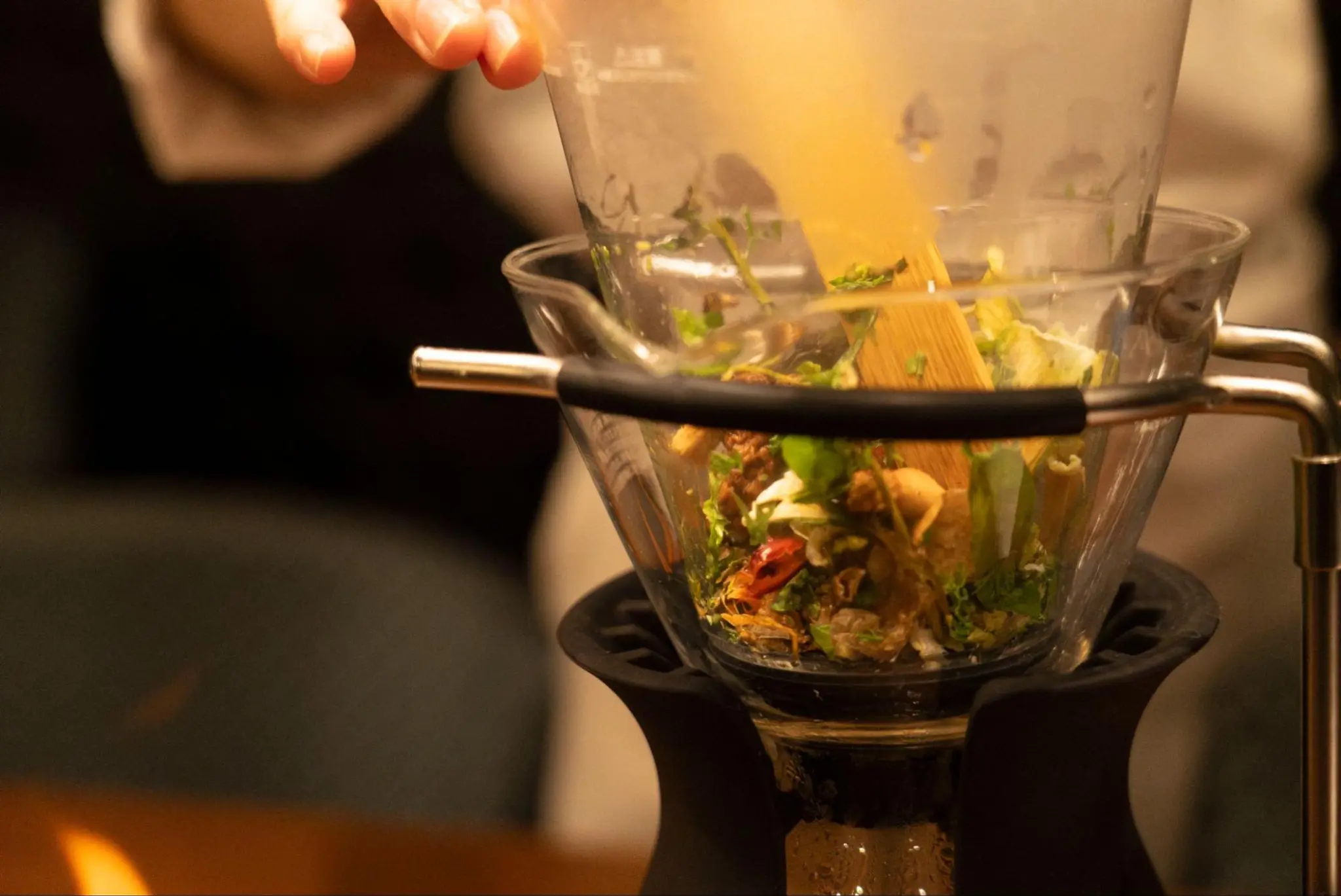
Some of our menu items have been directly inspired by my experiences in the field, where interacting with vegetables sparks new ideas and creativity. In addition to the vegetables we harvest ourselves, we also source produce from nearby farmers and local roadside markets. When purchasing from roadside markets, I make sure to check the farmers’ names and prioritize those who grow their crops organically .We are also particular about using seasonal fish. From June to September, we feature ayu (sweetfish), which is highly regarded nationwide—Tokyo’s ayu has even won prestigious awards, including runner-up in national competitions. Once the ayu season ends, we source high-quality seafood from areas near Tokyo, such as kinmedai (golden eye snapper) from Choshi, as well as sakura shrimp and tachiuo (beltfish) from Shizuoka.
ーーーHow do your guests respond to your dishes?
Many of our guests visit us because they struggle to find truly delicious vegetables in everyday places like supermarkets. I believe that one of the reasons why commonly available vegetables have lost some of their original flavors is due to differences in cultivation methods. Typically, when growing vegetables, farmers need to rotate crops and change the planting location after each harvest. However, when vegetables are grown year-round in the same spot, the soil can become depleted of essential nutrients, which affects the flavor. For example, supermarket tomatoes are often just sweet, whereas the tomatoes we grow contain both acidity and sweetness, allowing guests to experience their full, natural taste.
There are farm-to-table restaurants in suburban areas, but for people living in the city who don’t have the time to travel far, I feel that our restaurant fulfills their desire to enjoy high-quality, locally sourced vegetables. Some guests have even told us that they avoid supermarket vegetables because they can taste the residual pesticides. Since all of our vegetables are completely pesticide-free, they can enjoy them safely and with confidence. One particularly memorable moment was when a guest who had always disliked carrots tried ours and said, "I can eat this one!" It’s incredibly rewarding to see people rediscover and appreciate the true flavors of vegetables through our dishes.
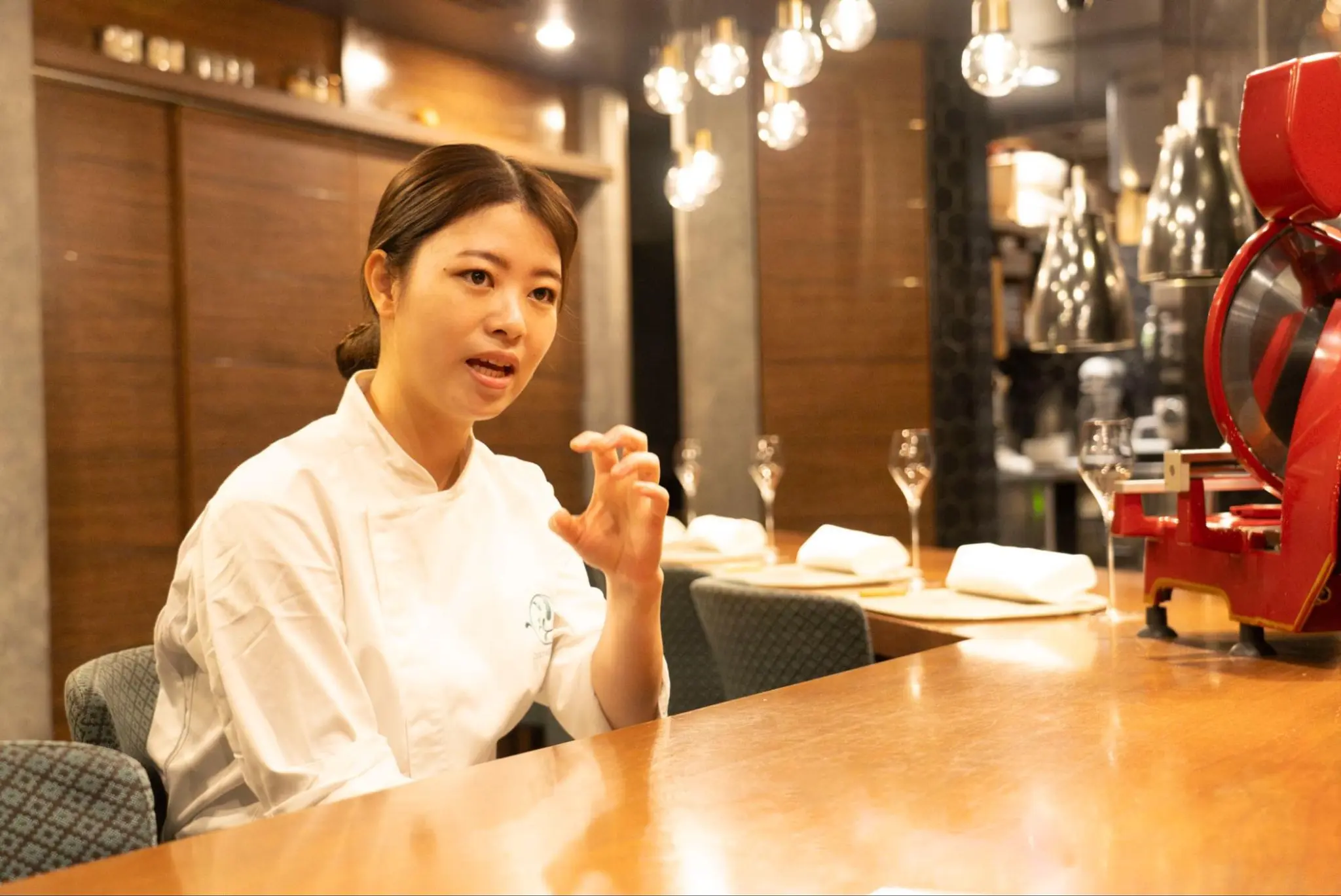
ーーーCan you tell us more about how you practice local production for local consumption with vegetables?
I believe that while more restaurants in Tokyo are focusing on vegetables and sourcing ingredients from all over the country, there are not many that grow their own vegetables and practice local production for local consumption in the heart of the city, especially in areas like Nishi-Azabu. This is one of the strengths of our restaurant.
In fact, I think restaurants are ideal places to achieve a sustainable food cycle. While it’s possible to create compost at home, in Tokyo, it’s difficult to find a nearby farm to take the compost to, so implementing a truly circular lifestyle can be challenging. However, we have our own farm where we can start by growing vegetables, and we serve dishes made with the produce we harvest. Any kitchen waste that inevitably remains is baked in the oven, turned into ash, and mixed into compost to return to the soil. Additionally, we make sure to use every part of the produce, such as turning our homegrown tomatoes into pickles or saving the seeds from harvested chili peppers to plant for the following year. We are committed to minimizing waste and fully embracing the concept of a food cycle.
Creating Dishes That Enhance the Natural Flavors of Ingredients by Observing the Condition of Vegetables
ーーーWhere do you get inspiration for your dishes, and what techniques do you use to enhance them?
I often get inspiration for new dishes while working in the fields, interacting with the vegetables and imagining different ways to prepare them. Many of my ideas come naturally from this process.
When developing new menu items, I also seek inspiration by dining at other restaurants, experiencing different flavors and techniques. Additionally, I consult with Chef Nakahigashi, discussing how to further enhance the natural flavors of the ingredients and refining my ideas through his insights.
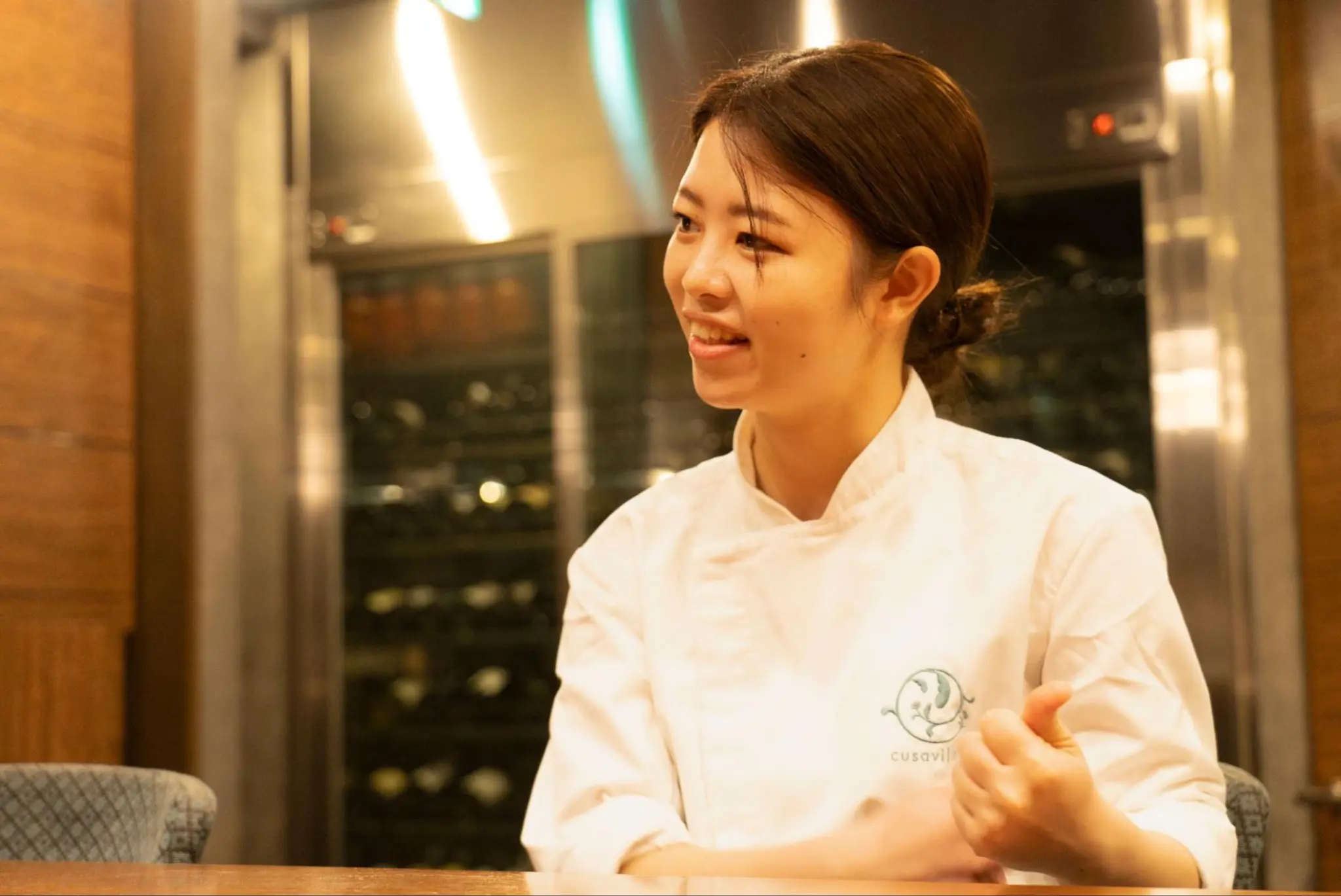
Vegetables grow in alignment with the 24 solar terms, and in the past, people sowed seeds and harvested crops according to the calendar. Even in modern times, I believe it is important to cultivate and harvest vegetables according to the seasons and create dishes that best complement them.
For example, the thinned-out carrots we harvested this week are still tender, with soft leaves that can be eaten entirely. They are delicious with minimal seasoning. However, in two weeks, the same carrots will have grown larger, and their leaves will have hardened. At that stage, we adjust the cooking method by steaming or roasting them to enhance their texture. Later in the season, when they are fully mature, we use them as a garnish for main dishes. We carefully observe the condition of each vegetable and adjust our menu and preparation techniques accordingly. At our restaurant, we change the menu every two weeks. This may sound like a fast pace, but in reality, it is necessary to keep up with the natural growth cycle of vegetables. If we don’t adapt at this speed, we risk missing the optimal time to serve them.
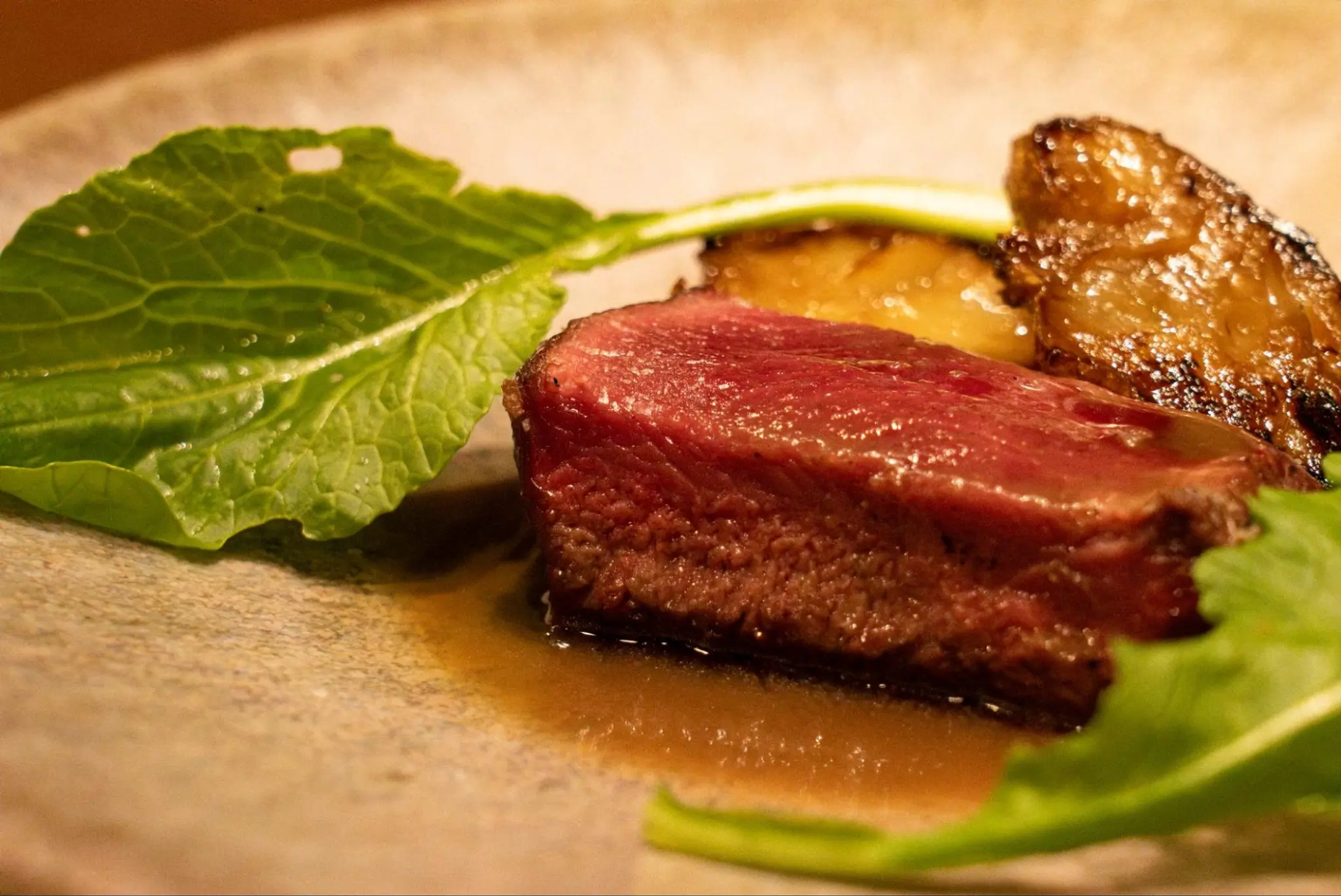
During winter, root vegetables are abundant, and their natural sugars increase, making them naturally filling. To create a balanced dining experience, we introduce elements of acidity or spice into our courses. For example, starting a meal with something acidic can stimulate appetite, while a light sprinkle of powdered chili near the end adds a flavorful kick.
I also focus on how to enhance the natural flavors and aromas of each ingredient. If a vegetable has a strong aroma but a mild taste, I might pair it with cheese or dairy to add depth. If it has a concentrated flavor, I might turn it into a simple soup. For particularly intense aromas, I might grate it raw and transform it into a foam sauce. Many guests visit us every two weeks, so I strive to ensure they always find something fresh and exciting on the menu, making each visit a new culinary experience.
ーーーWhat are your future goals and aspirations?
Chef Nakahigashi once said, "I want to create something that can only be done here and aim to make this restaurant truly one of a kind." I firmly believe that our restaurant has achieved this by establishing a unique farm-to-table concept that fully embraces the cycle of vegetables and local production for local consumption. As a place where people can experience the bounty of nature in the heart of the city, I hope more guests will come to know about our restaurant. Through our dishes, I want to show more people just how delicious Tokyo-grown vegetables can be and challenge the perception that great produce only comes from the countryside.
Additionally, as a woman in the culinary world, I am also thinking about how to structure my career in a way that allows me to continue cooking while balancing potential life events in the future. Being a female chef has naturally made it easier to connect with other women in the industry, and I find great inspiration in hearing their experiences and perspectives. One day, I would also love to contribute to the food culture in Kagoshima, my hometown, in some way. It would be incredibly rewarding to bring my journey full circle and give back to the place where my passion for food began.
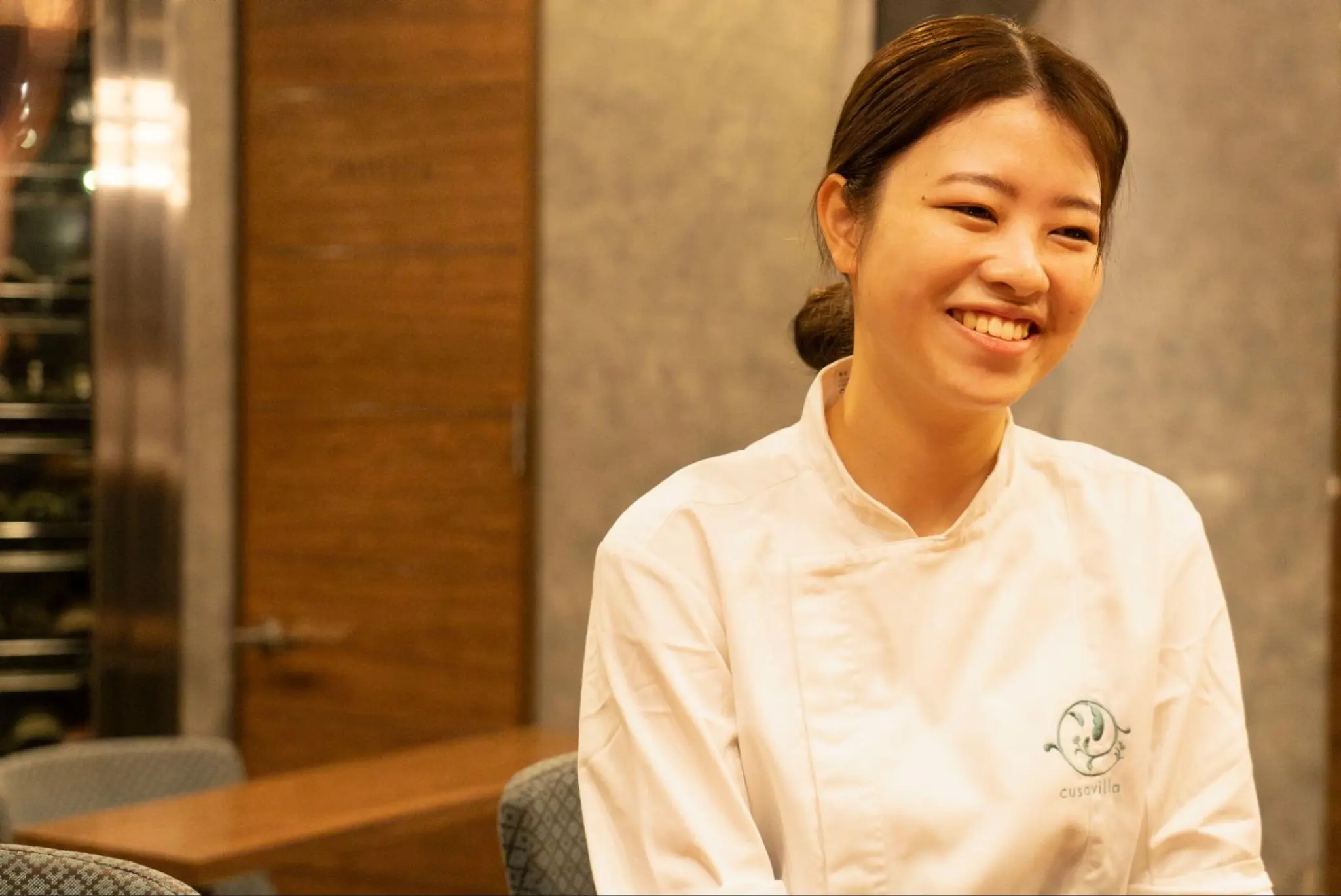
ーーーFinally, what does "delicious" mean to you, Chef Chouchi?
I don’t think it’s possible to create something that all 100 out of 100 people would call “delicious,” which makes defining it quite difficult. However, I believe that “delicious” at a restaurant involves enjoying food through all five senses—sight, smell, taste, touch, and even sound. At our restaurant, the open kitchen allows guests to visually enjoy the process of their meals being prepared. Beyond just tasting the dishes, they can also take part in the experience—tearing herbs themselves or drizzling olive oil over their plates—adding a layer of excitement and making the overall dining experience more engaging.Sure, delicious food can be found at home, but our goal is to offer unique flavors and experiences that go beyond the everyday. By providing these special moments that can’t be replicated at home, we hope to keep making our guests say, “This is delicious.”
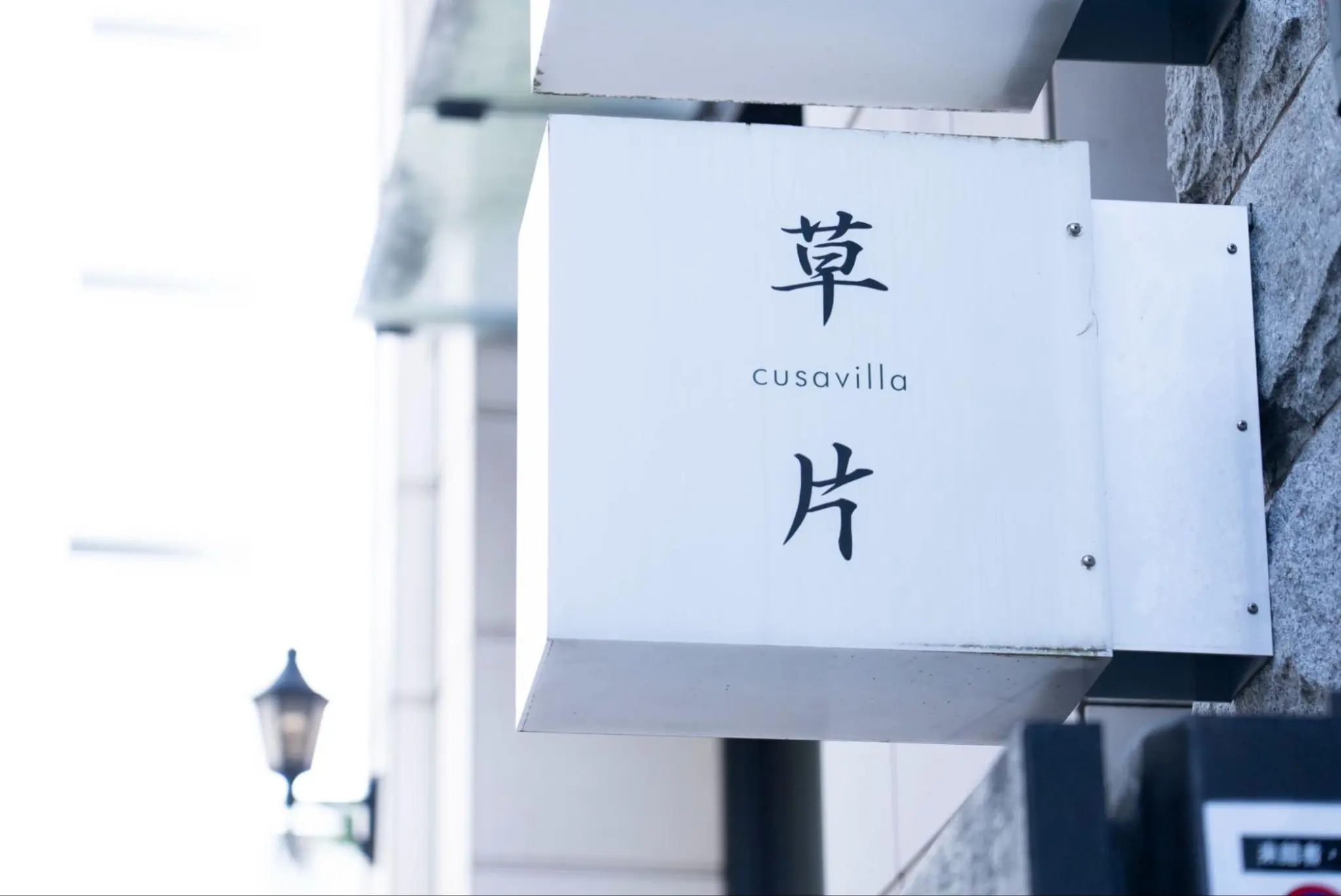
Located near the Nishi-Azabu intersection, the white sign for 【Cusavilla】 marks the entrance. Descend the stairs to the basement, open the black door, and you’ll step into a modern space with an open kitchen and counter seating. Under the warm glow of downlighting, the female chef’s thoughtful and attentive hospitality creates a welcoming atmosphere. Chef Chouchi, deeply in tune with nature and thoroughly familiar with each ingredient’s unique qualities, crafts dishes with delicate seasoning that beautifully capture the changing seasons. Her creations are both inventive and imbued with respect for the natural world. Recognized as one of the few truly sustainable restaurants in the city, this celebrated establishment is poised for even greater success, making it one to watch in the future.
Interview & Text / Yuka Sata
Photography / Azusa Nakaoka
Restaurant Information
- AutoReserve Magazine
- Restaurants recommended by top chefs
- A Young Female Chef Who Engages in Dialogue with Nature and Maximizes the Natural Flavors of Ingredients 【cusavilla】