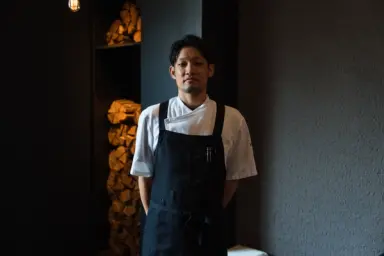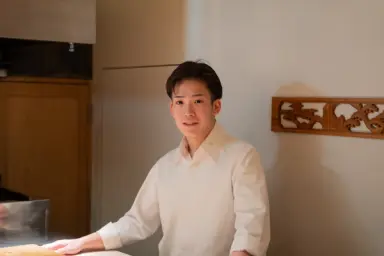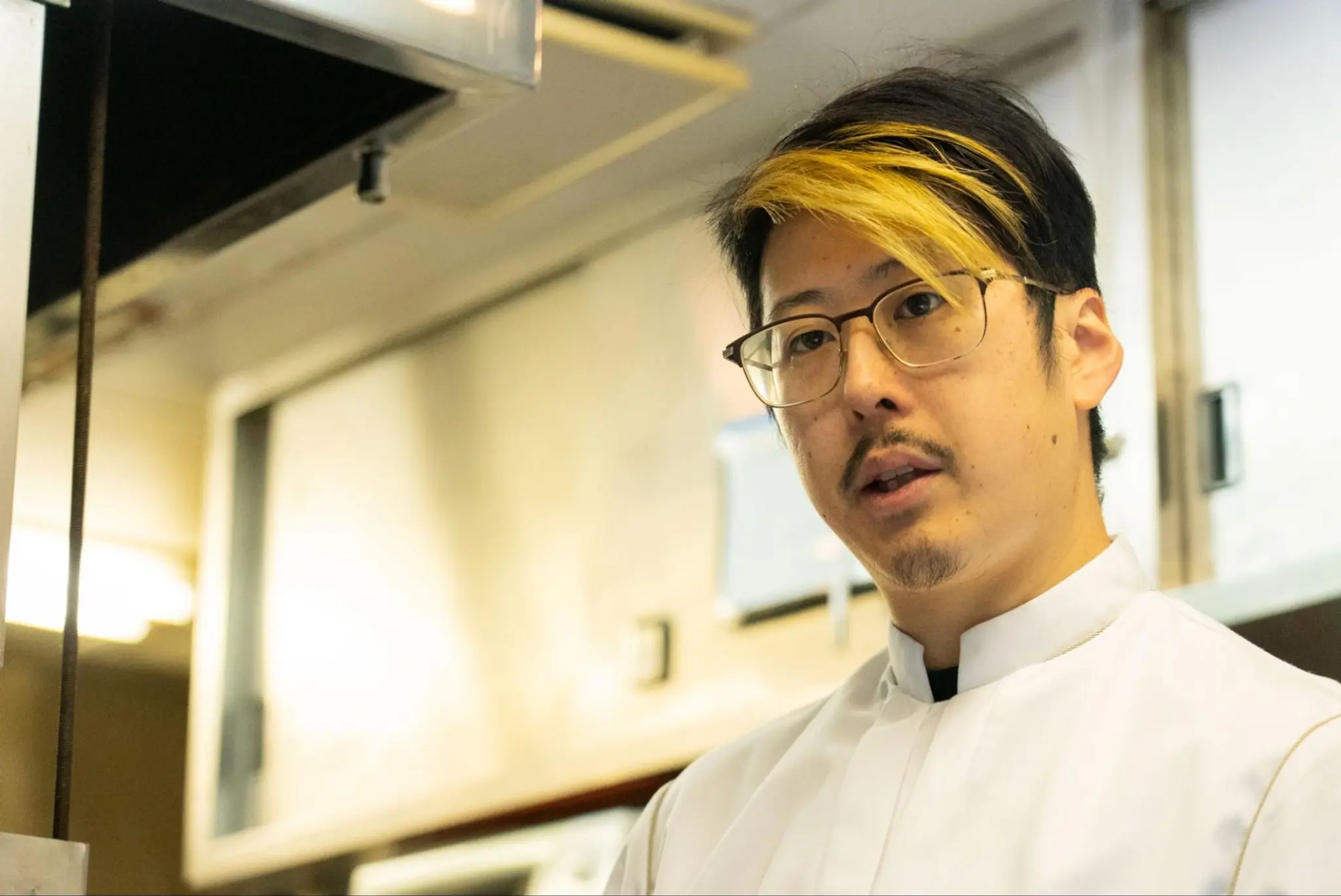
Creating “Beautiful Flavors” Through Harmony: A Manifestation of Respect for French Cuisine 【gentil H】
Three Signature Dishes Born from Hirano’s Vision and Passion
ーーーCould you tell us about the unique characteristics of your restaurant?
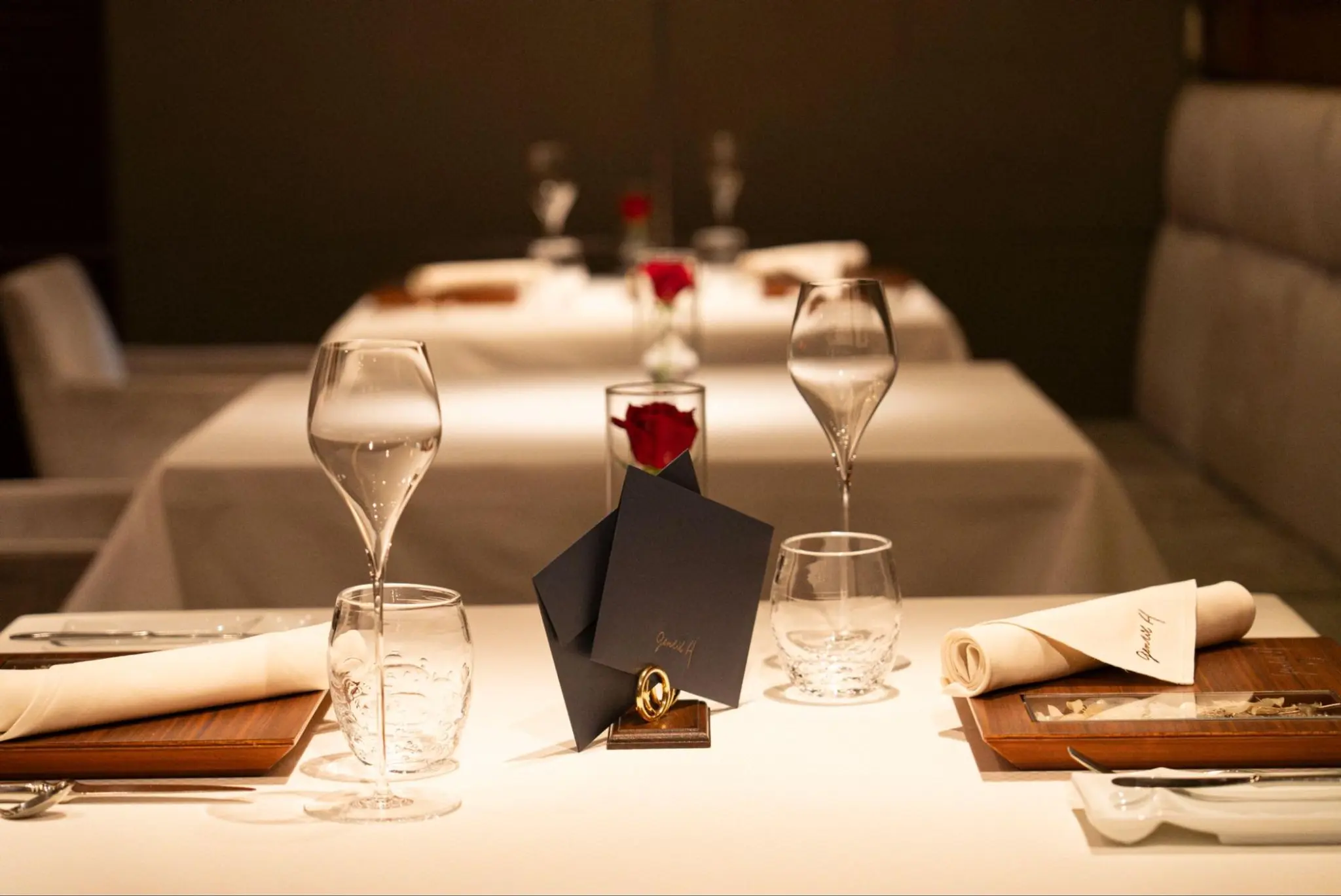
At our restaurant, we create our dishes with a focus on "harmony." This goes beyond just combining ingredients—it includes the ambiance of the dining space, the quality of our staff, the seasonal elements, and the wine selection. By achieving harmony among all these elements, we aim to provide our guests with a sense of unity and a truly enjoyable dining experience, allowing them to relax and savor a comfortable, flowing moment.
ーーーCould you tell us about the restaurant’s specialty dishes?
Our first specialty dish is called “Smooth Foie Gras Fondant.” This dish best embodies our restaurant’s theme of “harmony,” and it carries the sub-theme of “primal impulse and harmony,” reflecting my journey as a chef.
Originally, I intended to pursue a career in Chinese cuisine, but during my student days, a guest lecture by Chef Yuichiro Watanabe (who later opened 【Nabeno-Ism】 in Asakusa in 2016) captivated me with the allure of French cuisine. Chef Watanabe, who would become my mentor, prepared a “Foie Gras Fondant” dish during his class. That experience changed my outlook on life, and now I’ve recreated it at our restaurant, adding my own unique touch.
Foie gras, while facing criticism from the perspective of animal welfare, remains one of French cuisine’s signature ingredients, boasting over 2,000 years of history dating back to Roman times. I feel it would be a shame to let such a celebrated ingredient fade away due to modern trends and pressures. Thus, I’ve made the deliberate choice to continue using foie gras, preserving something timeless while adapting to contemporary influences.
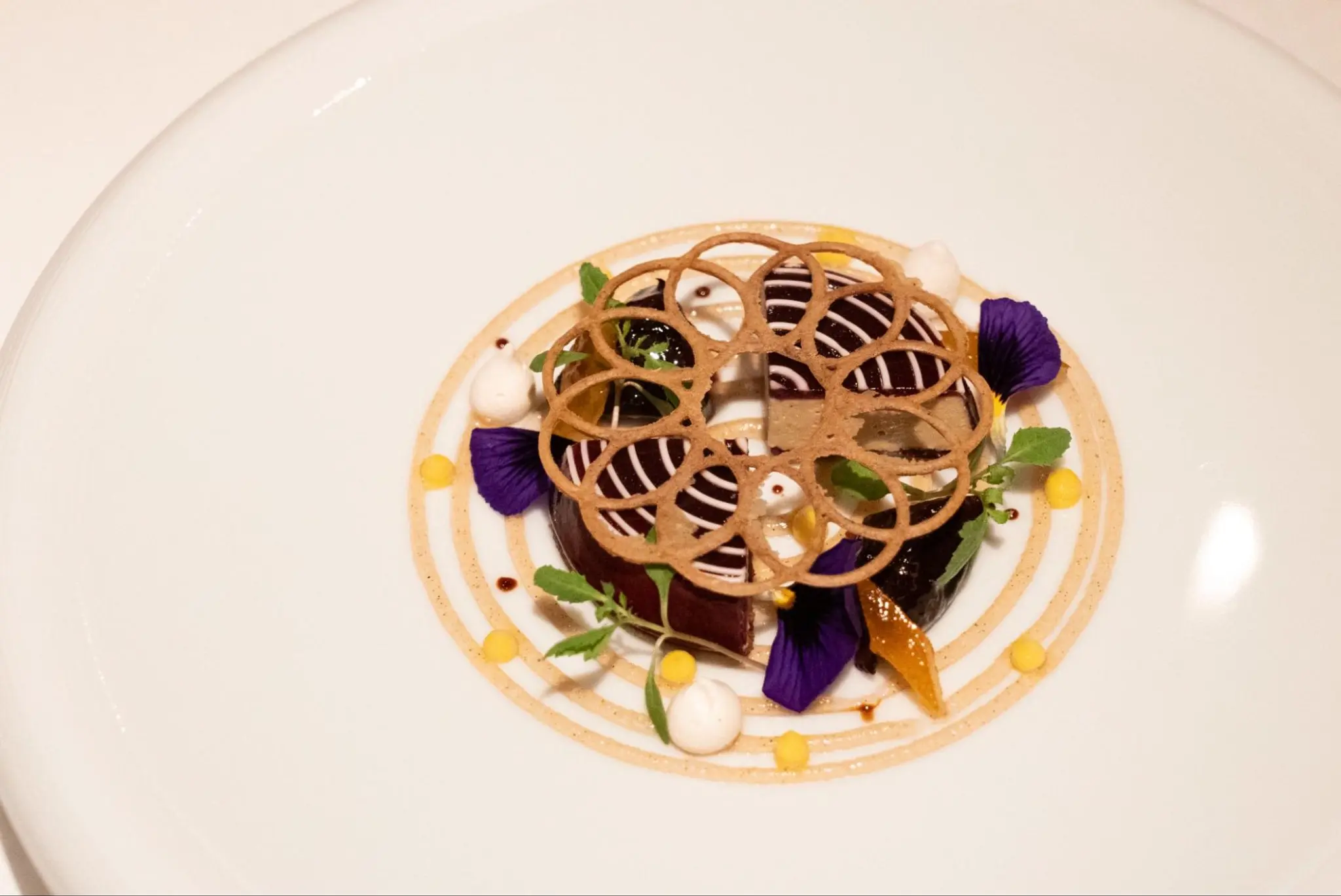
The second dish, “Unagi Pie,” is a tribute to the famous confectionery from my hometown of Hamamatsu. I’ve been serving this dish for about four to five years, reimagining it with completely different ingredients each season. It’s now in its 19th iteration. By combining French culinary techniques with my own creative ideas, it’s designed to inspire our guests’ imaginations.
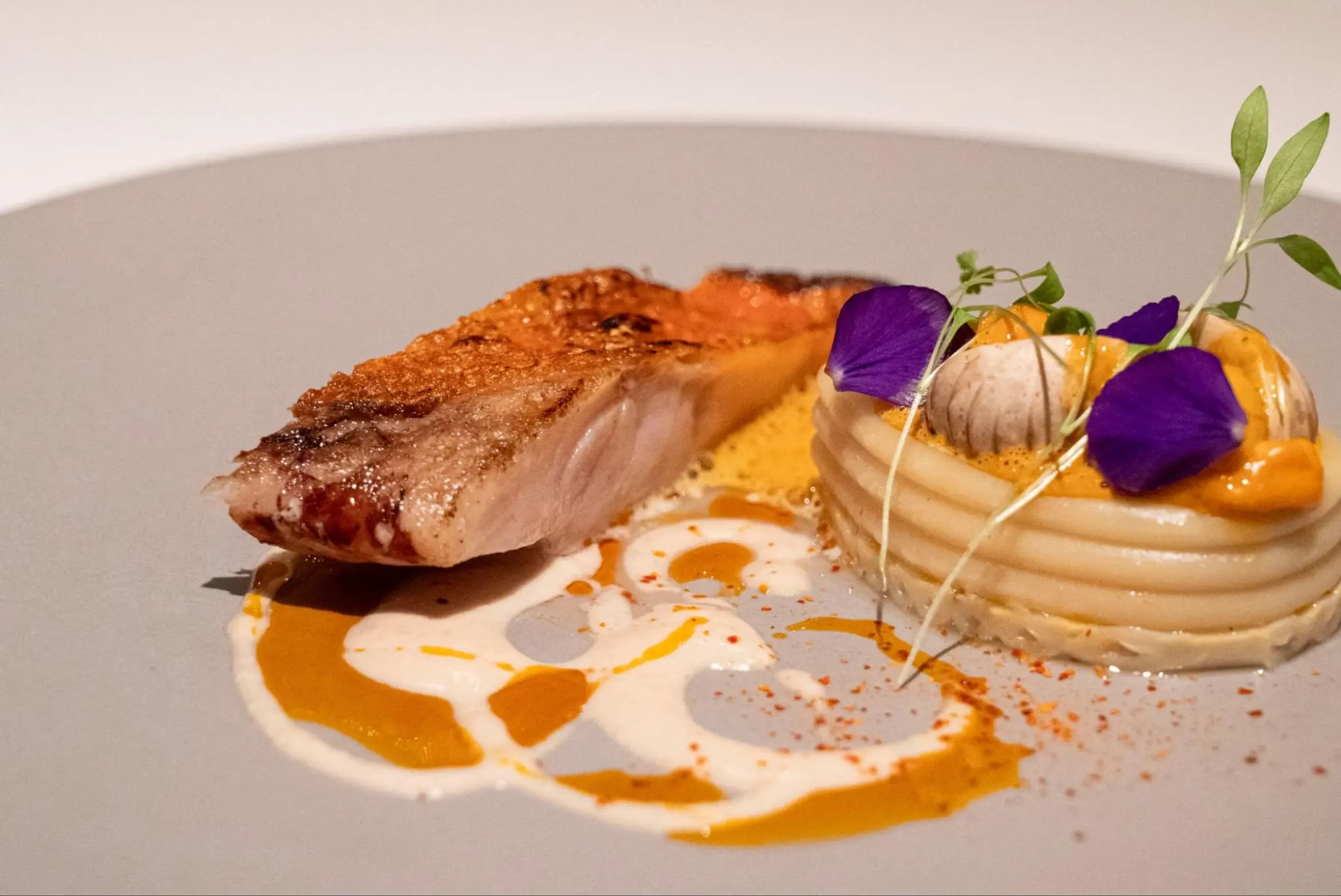
The third dish, “Peking Duck,” reflects my fondness for Chinese cuisine and its roots. I wanted to improve upon the traditional style that only uses the skin. After a lengthy period of experimentation, I developed a method that retains the original deliciousness of the crispy skin while preparing the meat using French techniques, finishing it medium rare (seignant). This way, both the skin and the meat are at their best. These three dishes truly represent our restaurant’s specialties.
ーーーWhere do you find the inspiration to creatively adapt your ingredients?
I often draw from my own experiences, though there are only so many I can have in a single lifetime. Nowadays, with the rise of the internet, social media, and books, I try to keep my antennas up and gather insights from as many sources as possible. When collecting this information, I’m mindful of how French cuisine evolves over time and styles shift with trends, but I try not to lean too heavily on what’s currently fashionable. While staying aware of what’s “à la mode” (in vogue), I remain dedicated to preserving the core essence of French cuisine.
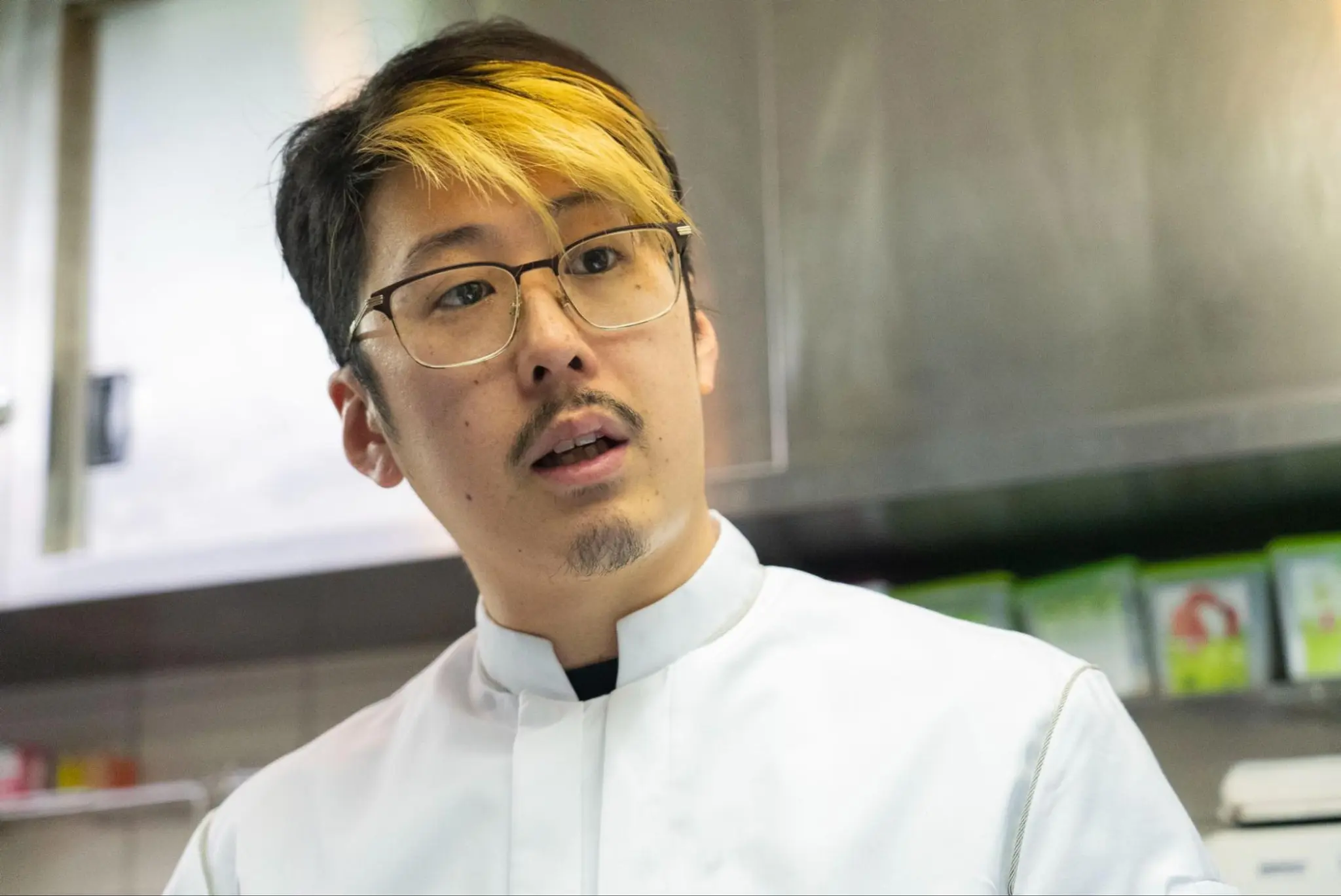
ーーーWhat are your specific priorities or principles when selecting and sourcing ingredients?
Most of our sourcing is done at Toyosu Market, where we rely on intermediaries we’ve trusted since my training days—after all, there’s a saying that experts know their craft best. For ingredients not available at Toyosu, we turn to direct sourcing. Thankfully, it’s easier than ever these days to find intermediaries who connect us with top-quality producers from all over Japan.
Bringing the Harmony of French Cuisine to Life with Respect
ーーーWhat do you consider most important in your cooking, and what message would you like to convey through it?
Since we, as Japanese, are cooking French cuisine here in Japan, I believe it’s essential to maintain respect for French culinary culture in every dish we create. Just as it can be frustrating when Japanese culinary culture is conveyed in an altered form abroad, I want to avoid causing French people to feel that same frustration about their own cuisine. My mentor placed great importance on balancing the five basic tastes, ensuring that each dish maintained a thoughtful and intentional harmony. I continue to follow that guidance by carefully constructing a mental chart of the five tastes as I cook, constantly considering whether certain elements should be emphasized or if the dish would be better served by achieving a well-rounded balance.
Regarding the concept of “harmony,” which is central to our restaurant’s philosophy, I sometimes feel that dining at a truly excellent restaurant can bring such a profound sense of contentment that you might think, “I could die happy now.” Even if something were to happen, it would have been a happy life. We live in a world filled with delicious food, so my aim is not just to focus on flavor alone, but to create dishes that deliver an overall emotional impact—a high “total value of harmony” that leaves a lasting impression.
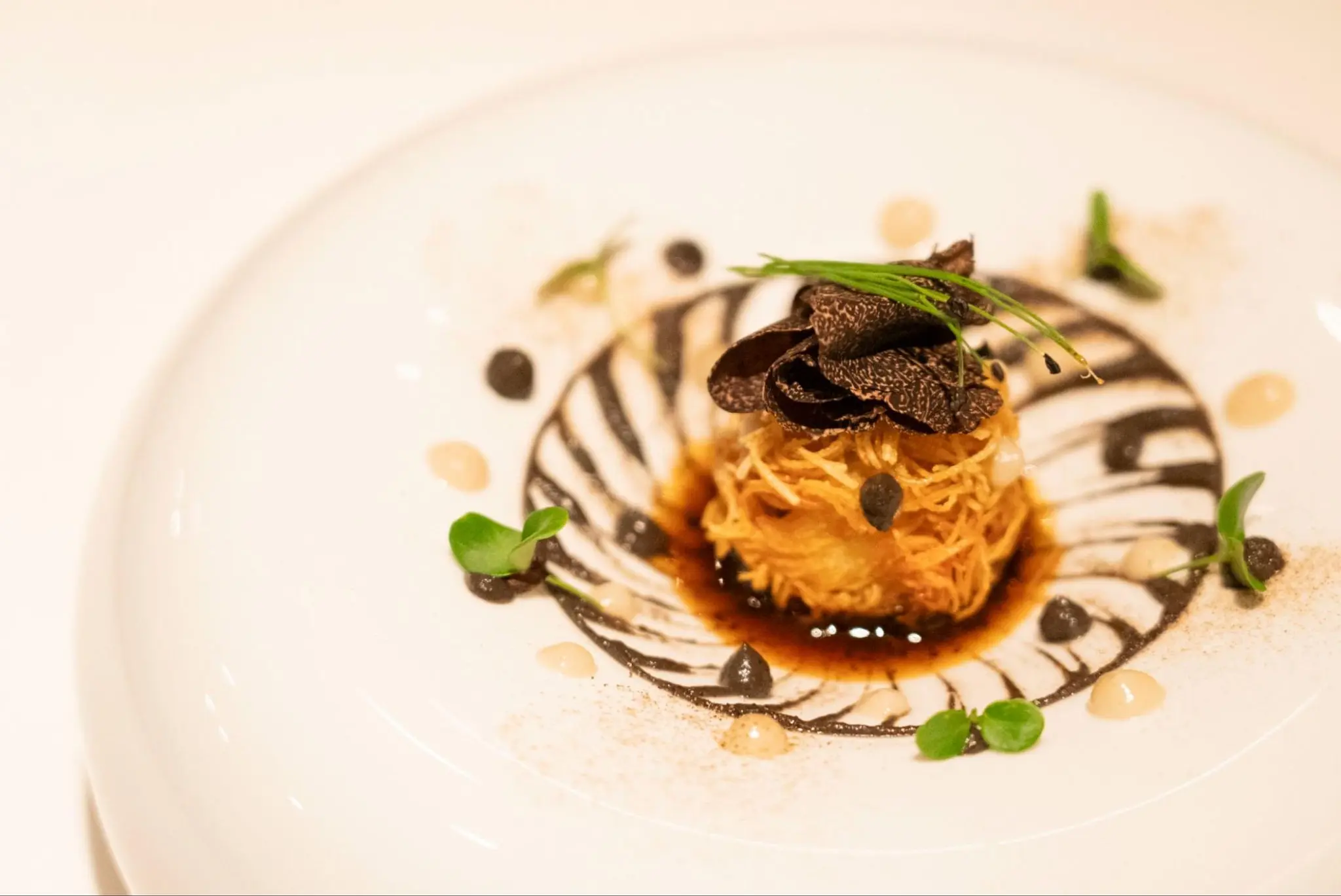
Of course, creativity is an important element when it comes to cooking, but for me, precision—be it in plating, seasoning, or cooking techniques—holds an even higher priority. In particular, plating can sometimes lead to dishes cooling down or sauces drying out. While one might consider skipping some steps in the name of preserving flavor, that’s not in line with the “overall emotional impact” I strive to deliver. Focusing solely on taste or ingredients would fail to elevate the richness of our guests’ lives through cuisine. I’m always committed to achieving greater precision, both in the dishes I prepare and the service we provide.
ーーーHow would you describe the "harmony" between you and your customers?
I often spend time in the dining area with our guests. Additionally, as a unique form of hospitality, for the past two or three years I’ve been personally visiting guests at their tables after their meals and preparing a custom herbal tea on the spot. The reason for this is that the post-meal feeling varies from guest to guest, so by engaging with them directly and filling in the missing “pieces,” I can help bring everything together harmoniously, ensuring the course has a unified conclusion.
We keep about 25–26 varieties of herbs and around 16 spices on hand, which allows for endless combinations. I ask guests for the day’s “theme”—not just their flavor preferences but even life concerns, romantic troubles, and, on occasion, more unusual topics like difficulties in getting a bank loan (laughs). These conversations often lead to deeper interactions and a stronger sense of connection, creating yet another layer of harmony.
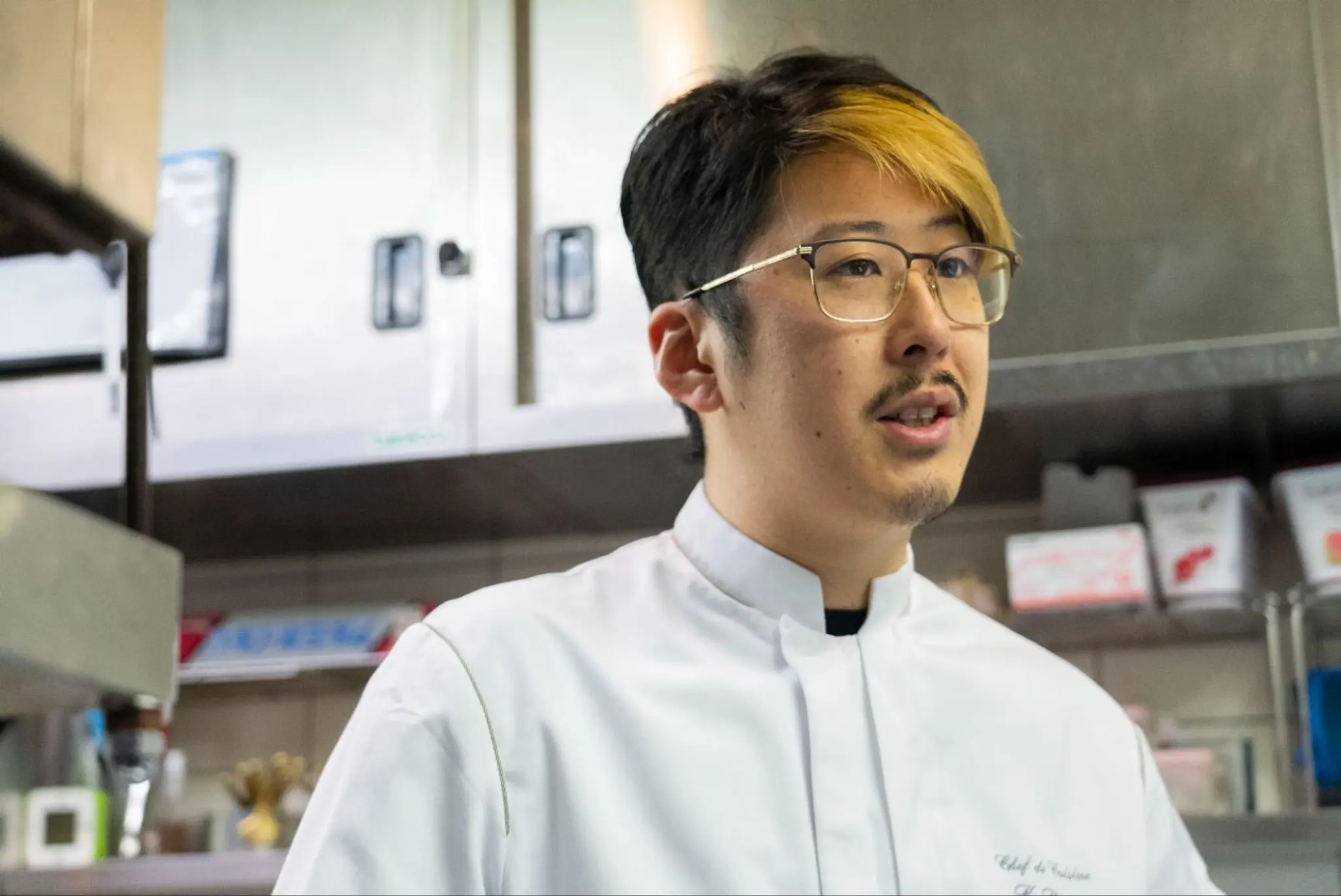
I was born to be a chef
ーーーWhat inspired you to pursue a career as a chef?
It just kind of happened. I’d been using knives since I was a child, and for my third-grade birthday, I even got a wok as a present. By fifth grade, I was writing school essays that I wanted to become a chef. So I guess it was decided from a very young age. I chose a high school with a food science program, and my determination never wavered. As for why I initially wanted to pursue Chinese cuisine, it was simply because I grew up in the countryside where there weren’t any French restaurants nearby. To me, Chinese cuisine was the ultimate treat.
ーーーWhat was your first impression of Chef Watanabe, who changed your outlook on life, and what did you learn during your training with him?
He was a chef whose level of thought and consideration about cooking was on a completely different scale. There were so many detailed points and checks that needed to be addressed before a single dish was completed. I was amazed and inspired, wondering just how much effort he had put in to deepen his knowledge and refine his skills. I remember him telling me, “You’d better come prepared,” and I was honestly terrified at the time (laughs).
After graduating from culinary school, I worked at 【Joël Robuchon】 in Ebisu, where he was the executive chef, for about five and a half years. The cuisine there was incredibly intricate, and I learned an extraordinary amount. The placement of each component, the size of each piece, the precise quantities, the exacting standards for doneness—everything was calibrated down to the millimeter. My encounter with French cuisine and my admiration for my mentor became a powerful source of motivation. Even now, I still apply the lessons I learned during my training days. At my current restaurant, I’ve made it a personal mission to add “sharpening my intuition” to the precision I absorbed during that period. It’s an ongoing effort to further improve my skills.
ーーーDo you have any particularly challenging or memorable moments from your training days?
It was a large-scale restaurant, and I struggled to keep up with the prep work. I had a hard time figuring out how to manage my time efficiently. There wasn’t a single moment that marked a big turning point, but rather, I gradually adapted to the pace of the restaurant over time. It wasn’t like I suddenly got the hang of things at one specific point. I just faced each day head-on and worked through it steadily.
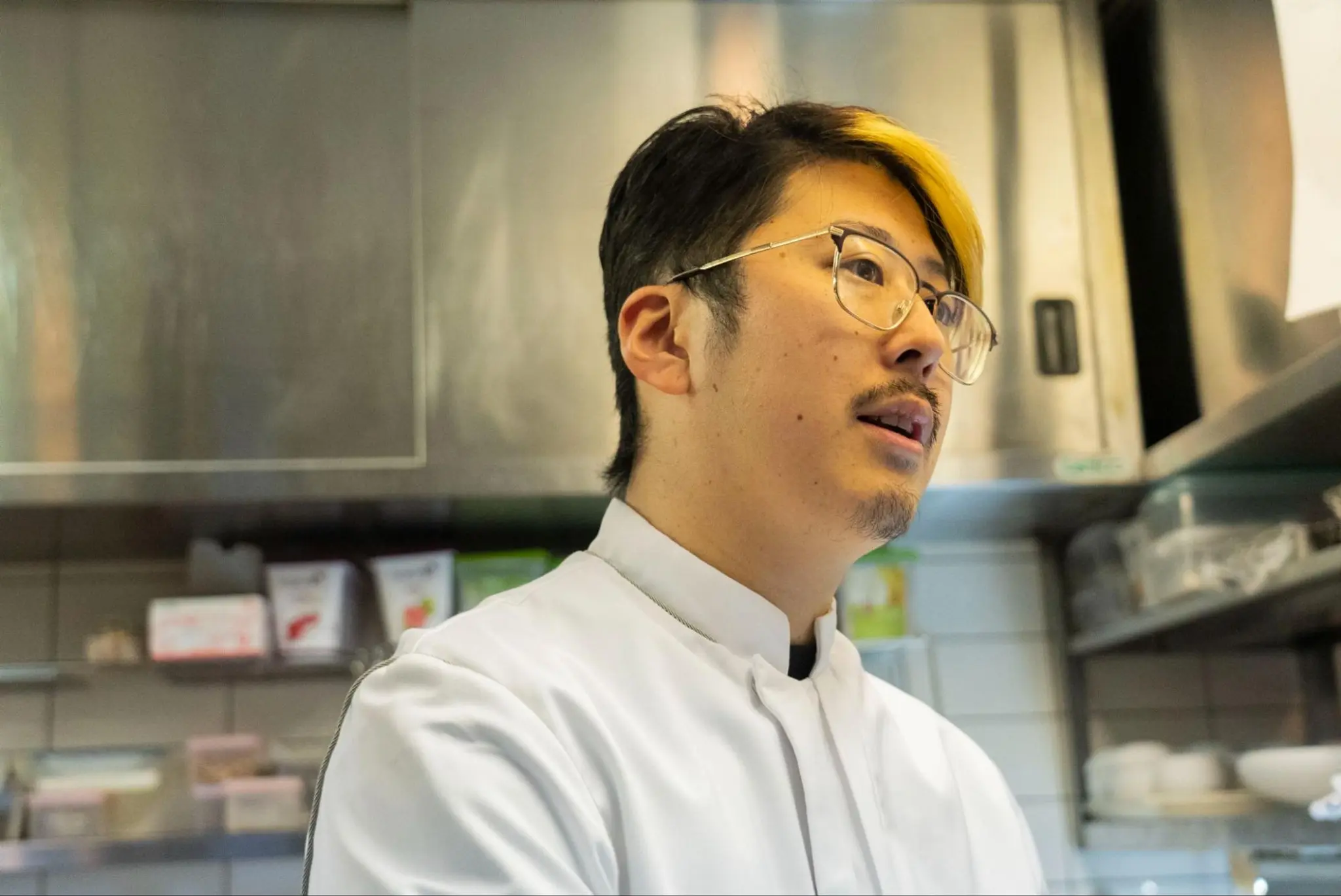
ーーーAfter moving to France, did you encounter any new insights while training in the birthplace of French cuisine?
I spent a year on a working holiday at a restaurant called 【Le Carmin】 in Beaune. What really surprised me was just how high the standards are in Japan. The restaurant was run by a French chef who had previously worked at 【Joël Robuchon】, so there were many technical similarities. Thanks to my experience in Japan, I was able to adapt smoothly without the intense struggles I had initially expected.
What I learned most deeply in France were the more intuitive aspects of cuisine. Beaune is known as the “city of wine,” and I was moved by how closely wine is intertwined with people’s dining tables. At any bistro, you’d see a bottle of wine open on nearly every table—it was a beautiful sight. In the spring, I’d ride my bike about 40 kilometers each weekend to visit wine-producing areas like Côte d’Or and Côte de Beaune. Being able to witness the changing vineyards and visit various wineries with my chef allowed me to internalize Burgundy wines—not just from maps or books, but through firsthand experience.
I already held a sommelier certification before going to France, so while I did focus on culinary studies, in many ways it felt like I was simply there to enjoy the wine! (laughs)
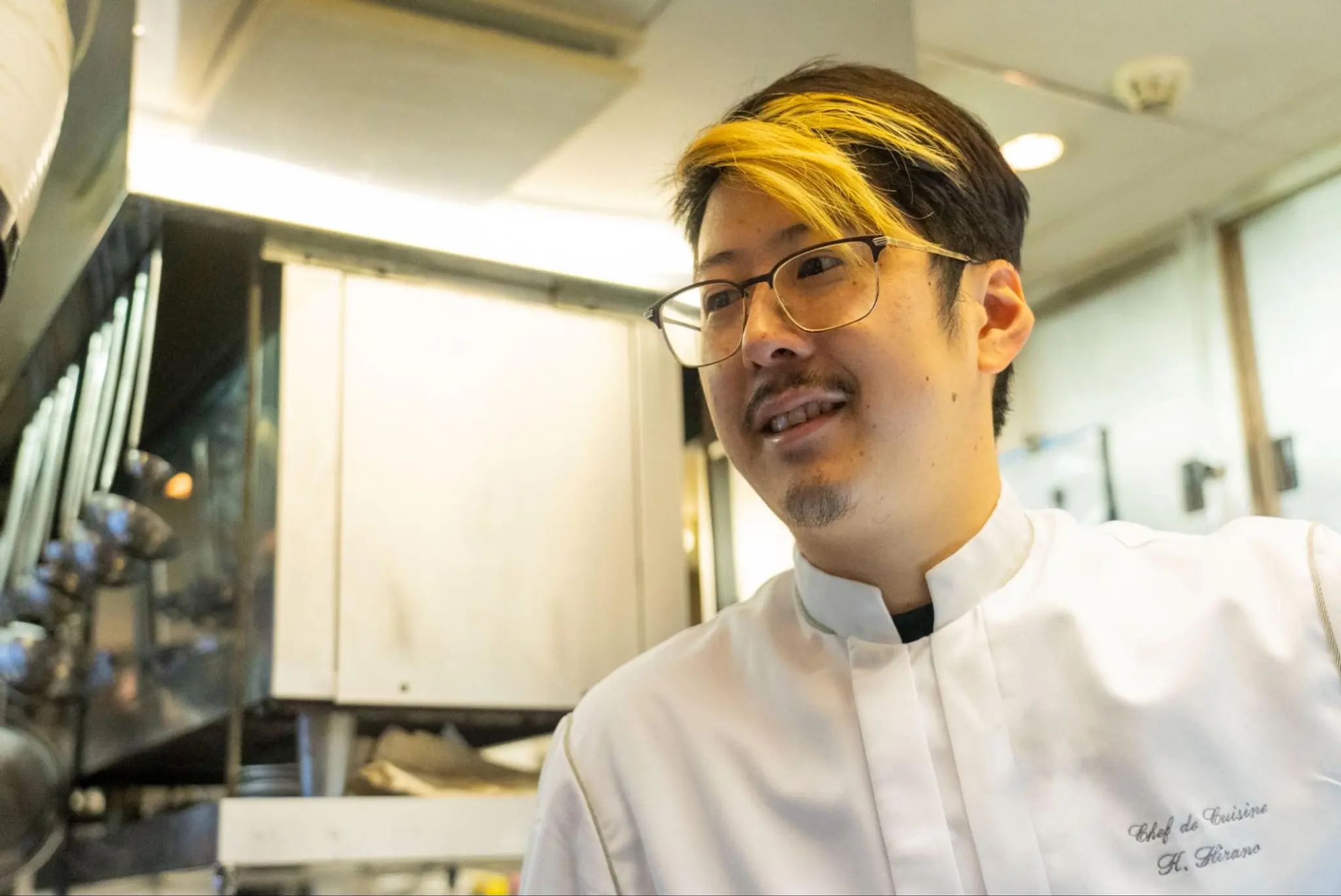
A passion for cooking transforms the struggle into progress
ーーーHow did you come to cross paths with 【gentil H】 after returning to Japan?
It was around the age of 26 or 27. I was approached by Mr. Takahiro Nobukuni, who had been the head sommelier at 【Joël Robuchon】 during my time there. The establishment that supports our restaurant is actually a wine school called "L’École du Vin," and Mr. Nobukuni, who was a lecturer there, was asked to find a chef for the restaurant. That’s when he reached out to me, and at 27, I took on the role of head chef.
When I became the restaurant’s second head chef, nearly all of the staff had left, leaving me to rebuild everything from scratch. With no service staff on hand, I had to both prepare and serve the dishes myself. It was an incredibly tough time, with not a single moment of breathing room.
ーーーHow do you feel about your current progress after overcoming such a challenging period?
I’m genuinely delighted to see how our staff have grown and that we now have long-standing team members as well as a sous chef who really supports the restaurant. Personally, I’ve gained more breathing room, allowing me to spend more time on creating new dishes. I feel that the restaurant’s structure has finally solidified and is running smoothly.
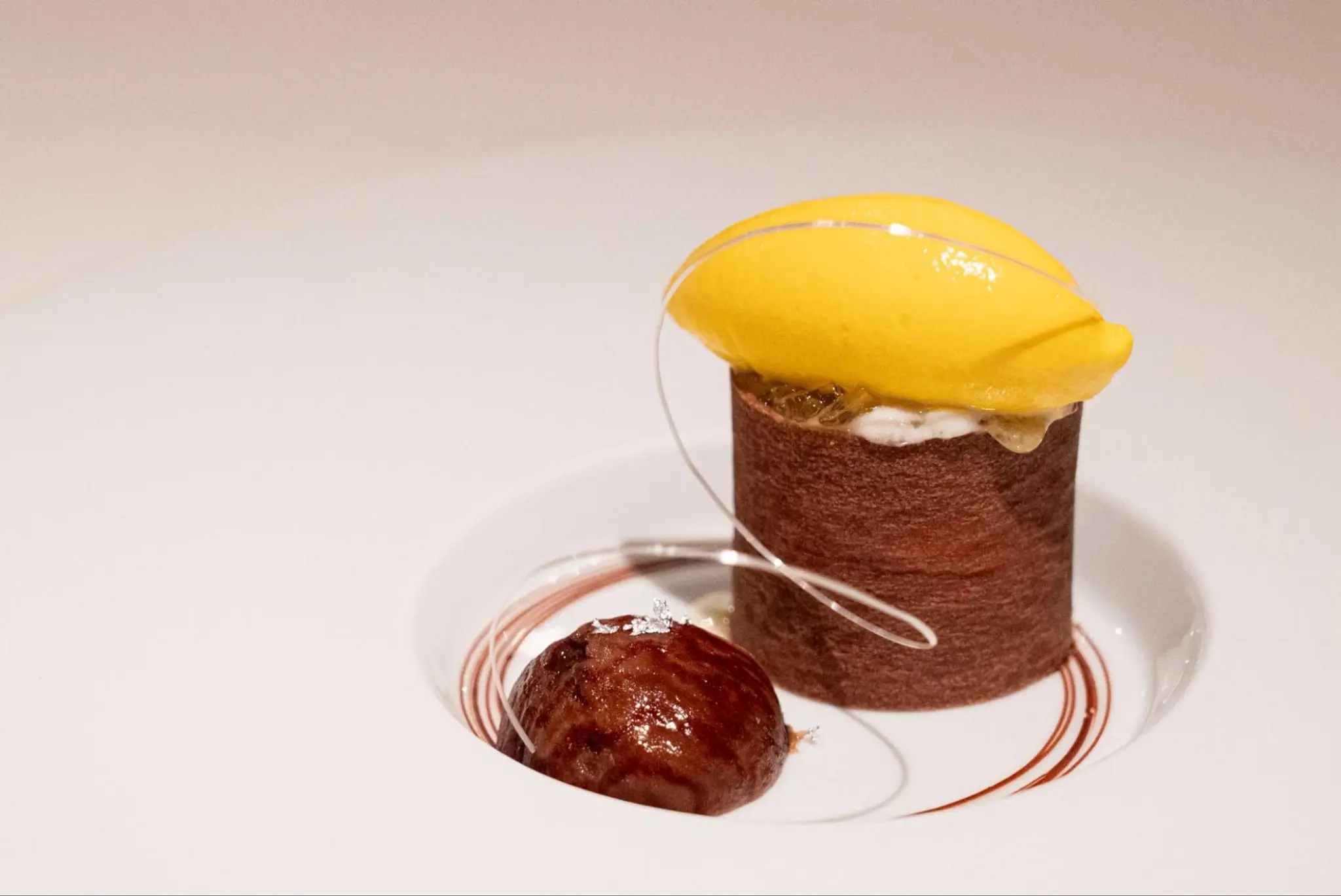
Rather than simply making something “tasty,” I strive to create flavors that can be described as “beautiful.”
ーーーHow do you typically communicate with your team on a daily basis?
I’d say the communication is what I like to call “nommunication.” In our kitchen, each staff member takes turns choosing the music we play daily. Through their music choices, I get a sense of their personalities and preferences, which also helps improve our teamwork during service. We have a young team, and surprisingly, our tastes and sensibilities overlap in some areas. For example, they often introduce me to popular fashion trends—though whether or not I actually adopt those trends is another story (laughs). As for the front-of-house staff, wine is our go-to topic. I’m absolutely passionate about wine, so we bond over sharing thoughts on wines we’ve enjoyed during our days off or wines we’ve served at the restaurant.
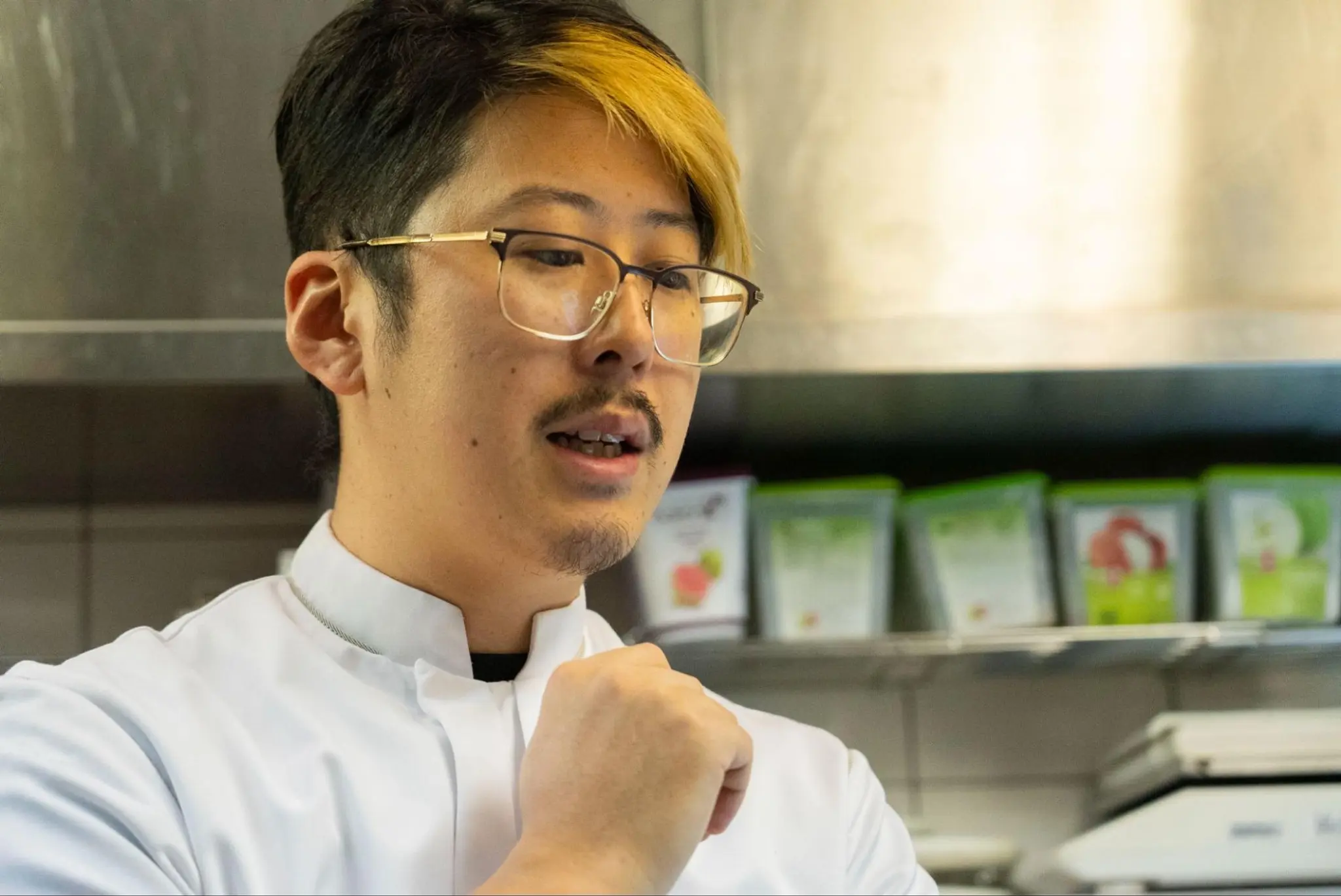
ーーーHow do you keep yourself updated or continuously improve?
In Shirokanedai, there are numerous French restaurants within a 100-meter radius, which leads to a lot of interaction between chefs. After work, we often go out for drinks or even take trips together, and that’s how I keep myself updated. It’s not just about improving my cooking; I also learn about business management and staff training from these interactions. Even though many of these senior chefs are more than a generation ahead of me, they are always kind and willing to share their knowledge. At events like New Year’s gatherings, young staff from each restaurant bring a dish, offering them a chance to gauge their own current skill level.
If you only stay within the walls of your own restaurant, it’s easy to get stuck within your own hierarchy or narrow frame of reference. You can lose sight of where you truly stand in the larger culinary world. Knowing that peers from other restaurants are creating amazing dishes can cause a bit of healthy tension and provide valuable motivation. Young staff also benefit from connecting with their counterparts, building networks that inspire growth. The senior chefs we regularly meet with are incredibly supportive and provide not only me but also my team with invaluable guidance. I’m deeply grateful for their influence!
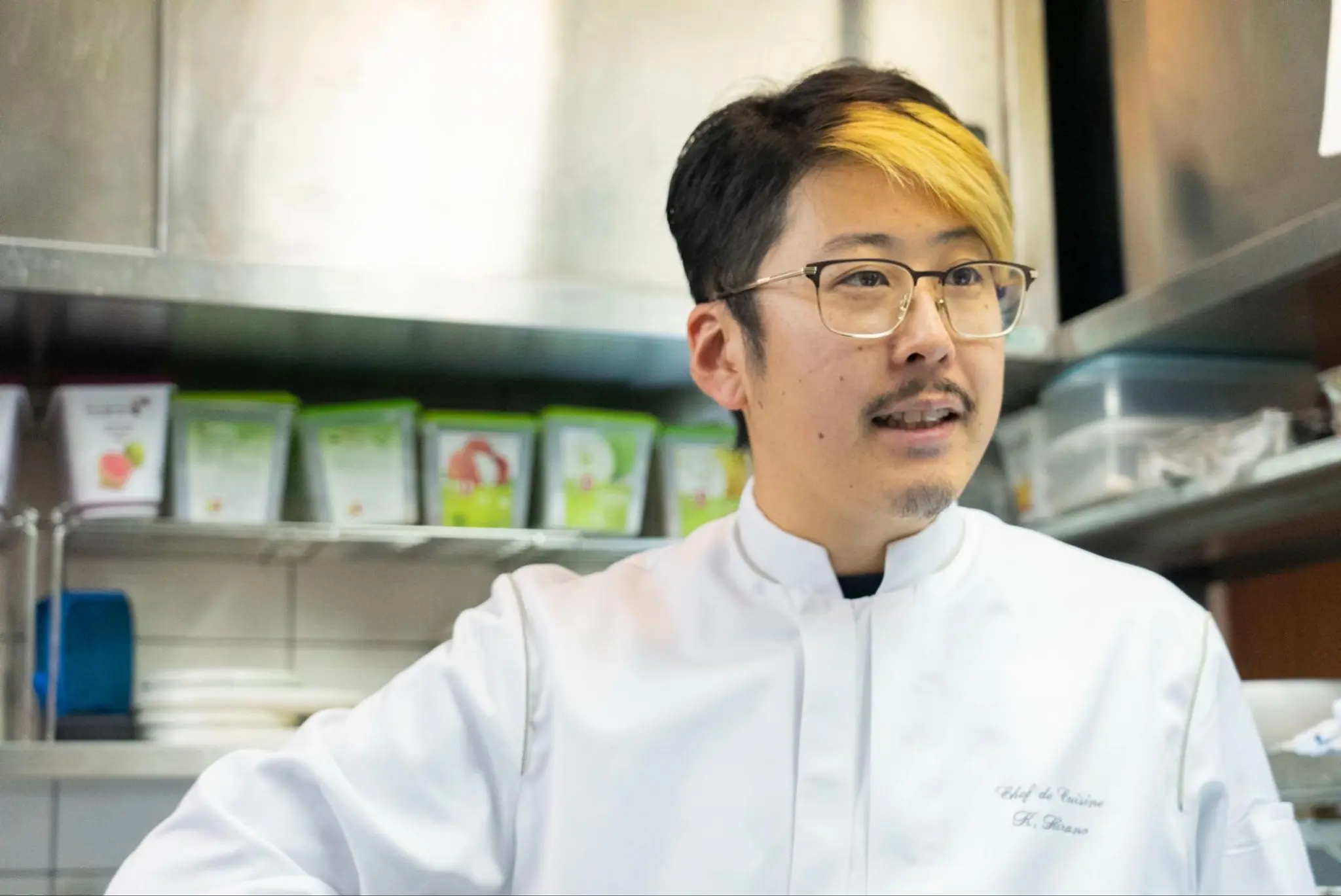
ーーーIn your view, what does "delicious" mean?
My theory is that “delicious” and “tasty” are not the same. The former, in its literal sense, conveys “a beautiful flavor.” At our restaurant, we use a variety of ingredients, but we always strive to maintain harmony and elegance rather than letting things become chaotic.
Additionally, I believe that “delicious” is tied to the concept of reasoning through the dish. If you look at the characters for “料理” (cooking), “理” represents the underlying principle or reasoning, and “料” means to measure or consider. By thoughtfully considering the principles behind the dish, we can achieve the harmony and emotional impact I’m aiming for. Going forward, I’ll continue to keep this philosophy close to my heart, face cooking earnestly, and wholeheartedly welcome our guests.
The phrase "理を料る" (to consider reasoning), inscribed by Kitaoji Rosanjin and gifted by his mentor, is displayed in the kitchen. This phrase carries the meaning of "arranging and settling things in accordance with logic and reasoning." It seems to embody Hirano's commitment to refining the rational interpretation and expression of French cuisine in Japan, as well as his overall approach to hospitality. Together with the combined talents of "Team gentil H" and the harmonious interaction with their guests, they continue to craft new stories and create moments of profound value.
Interview / Yuria Yanagiya
Text / AutoReserve Magazine Editorial Team
Photography / Azusa Nakaoka
Restaurant Information
- AutoReserve Magazine
- Restaurants recommended by top chefs
- Creating “Beautiful Flavors” Through Harmony: A Manifestation of Respect for French Cuisine 【gentil H】