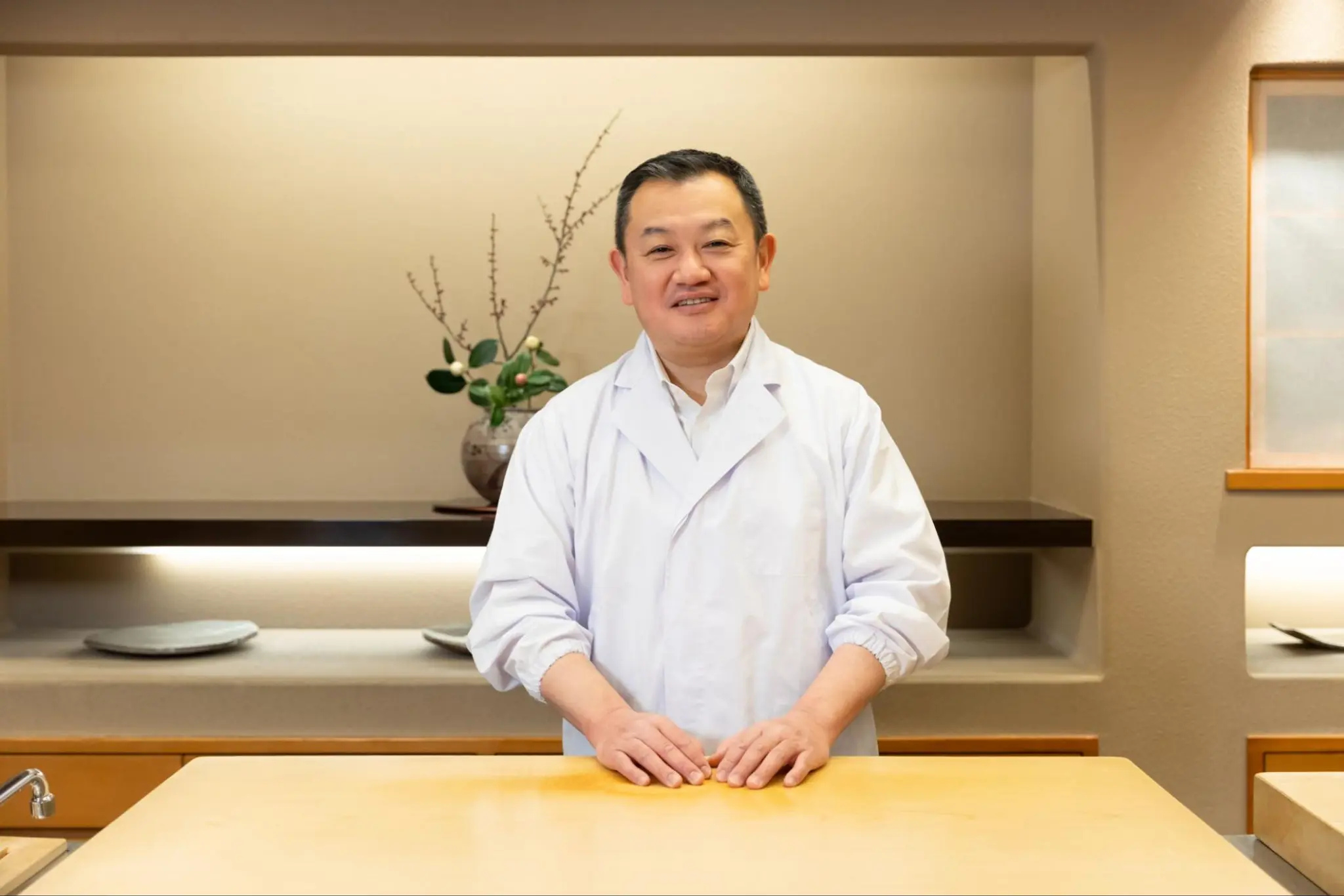
The Innovation Behind Continuing Japanese Cuisine: The Ongoing Challenge of Chef Toru Okuda of 【Ginza Kojyu】
To Protect the Future of Japanese Cuisine, We Must Take Action Now
ーーーYou are actively sharing your thoughts on the future of Japanese cuisine. What are your thoughts on this matter?
The reality of the current food industry is that there are extremely few people working in Japanese cuisine (including sushi, tempura, soba, udon, wagashi, eel, and yakitori). The primary cause of this is the current state of culinary schools. From major culinary schools to institutions across Japan, from Hokkaido to Okinawa, students are handed a chef's coat upon enrollment and are taught about the excellence of Western cuisine. As a result, 80 to 90 percent of students specialize in French or Italian cuisine, while those who wish to study Japanese cuisine account for only 1 to 2 percent. Of course, I don't think it's wrong to study French or Italian cuisine, but the fact that this ratio is so skewed means that the very foundation of the Japanese culinary industry is at risk of being lost. Before studying foreign cuisines, it is only natural for Japanese people to learn about their own country's food culture. The current situation, where so few students are pursuing Japanese cuisine, is a major issue that needs to be addressed by the nation.
As the number of people pursuing Japanese cuisine decreases, Japan's traditional industries are disappearing. Therefore, I want to bring the number of students learning Japanese cuisine back up to around 80 percent. If the proportion of people studying Japanese cuisine increases, the number of Japanese cuisine restaurants will grow, and the level of cooking will improve. This, in turn, will benefit everyone involved in Japan’s traditional crafts, such as potters who make tableware, blacksmiths who make knives, craftsmen who make chopsticks, sake brewers, kimono tailors, and artisans who dye noren (curtains). If we do nothing, it will not only be Japanese cuisine but the entire traditional Japanese industry that will decline. Although it may already be too late, we must act now, placing our last hope on this movement.
ーーーWhat activities are you involved in to change the current state of Japanese cuisine?
I intend to do everything I can. Over 10 years ago, I opened Japanese restaurants in Paris and New York to share authentic Japanese cuisine with the world. By opening in Paris, the city of flowers, which Japanese people most admire, and New York, the world’s leading economic city, I wanted not only to spread authentic Japanese cuisine overseas but also to demonstrate to the Japanese people how internationally successful Japanese cuisine can be. There are many Japanese restaurants abroad, but most of them have been adapted for foreigners. While this may be commercially successful, I believe that to convey the essence of Japanese cuisine, it must be presented at the same level as in Japan. I also wanted to help Japanese people realize the charm and greatness of Japanese cuisine and food culture.
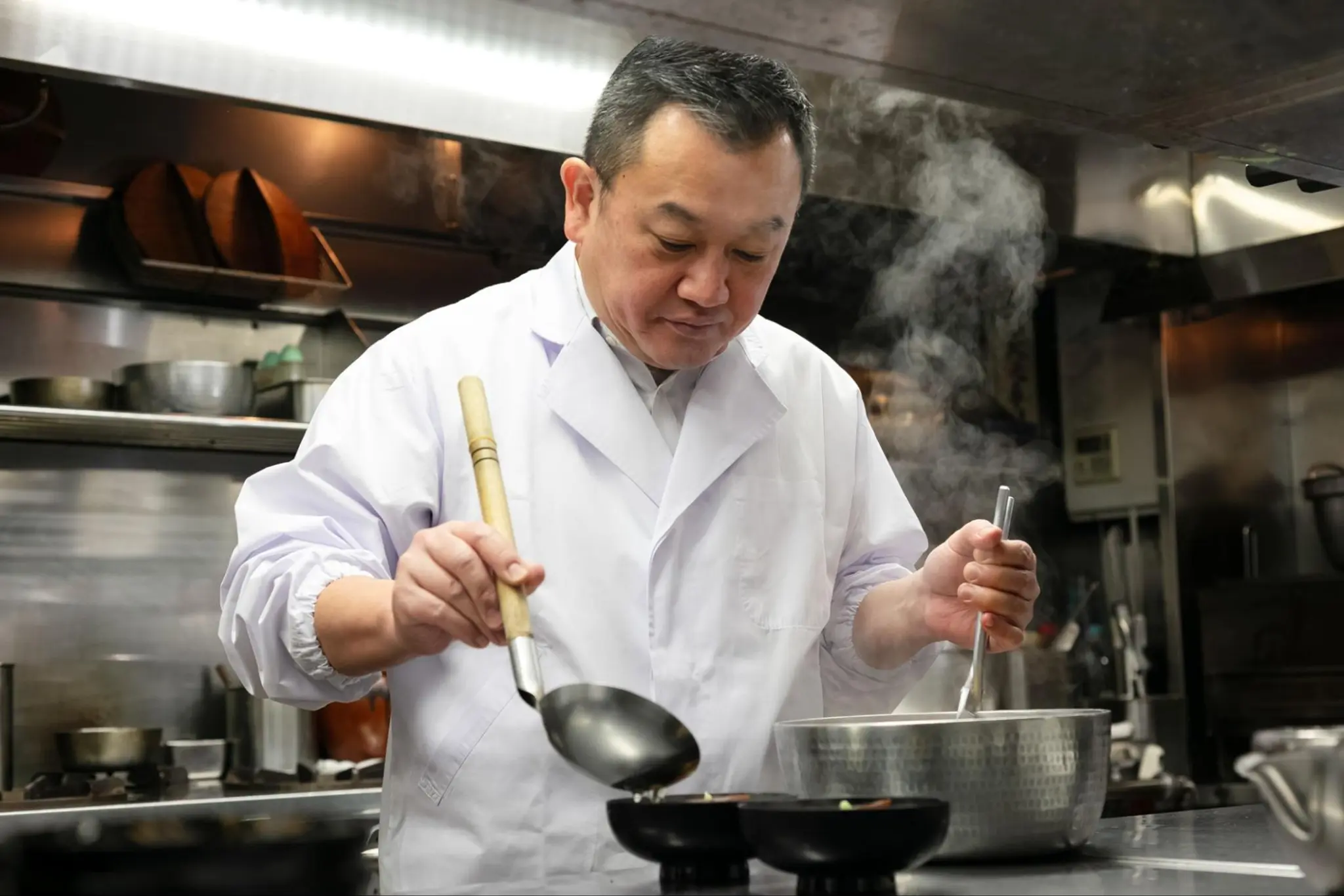
Next is the "Reform of Culinary School Awareness." For nearly the past 50 years, Japanese culinary schools have primarily focused on teaching Western cuisine. Fifty years ago in Japan, most daily meals were traditional Japanese dishes, and there wasn’t a sense of needing to attend culinary school to learn Japanese cuisine. Instead, the value of culinary schools was in learning foreign cuisines, investing time and money in acquiring that knowledge. However, now that the business of culinary schools has shifted to teaching Western cuisine in hundreds of schools, even traditional industries related to food, such as pottery, lacquerware, noren dyeing, chopsticks, Japanese knives, and kimonos, are at risk of disappearing.
I strongly believe that today’s culinary schools should be places that properly teach the history and values of Japanese cuisine and food culture. Around ten years ago, I was unexpectedly approached by Mizuno Gakuen, who wanted to establish a culinary school specializing solely in Japanese cuisine and sushi. Since then, I have served as an educational advisor, helping develop the curriculum and being involved in the education and training of students.
The third initiative I am pushing forward is the "Daily Integration of Japanese Cuisine." In the morning, it’s bread and coffee, and in school lunches, Western and Chinese cuisines are mainstream. When returning home, dinner often consists of hamburgers, gratins, or pasta. There is a great sense of discomfort with the daily eating habits. About ten years ago, I became involved with the organization 【Washoku Kyushoku Ouen-dan】, which supports the integration of Japanese food into school lunches. Currently, rice is served in school lunches only two to three times a week, and the accompanying dishes are mostly Western or Chinese foods. This does not allow Japanese children to learn about Japan’s food culture at all. With both parents often working and children busy with after-school activities and tutoring, daily meals tend to become quick, empty-calorie fixes, which does nothing to enrich the hearts and bodies of the people. At the very least, I believe school lunches should only include Japanese cuisine and serve as a place to pass on the greatness of Japanese food—from teachers to students and from parents to children. It should become a part of education.
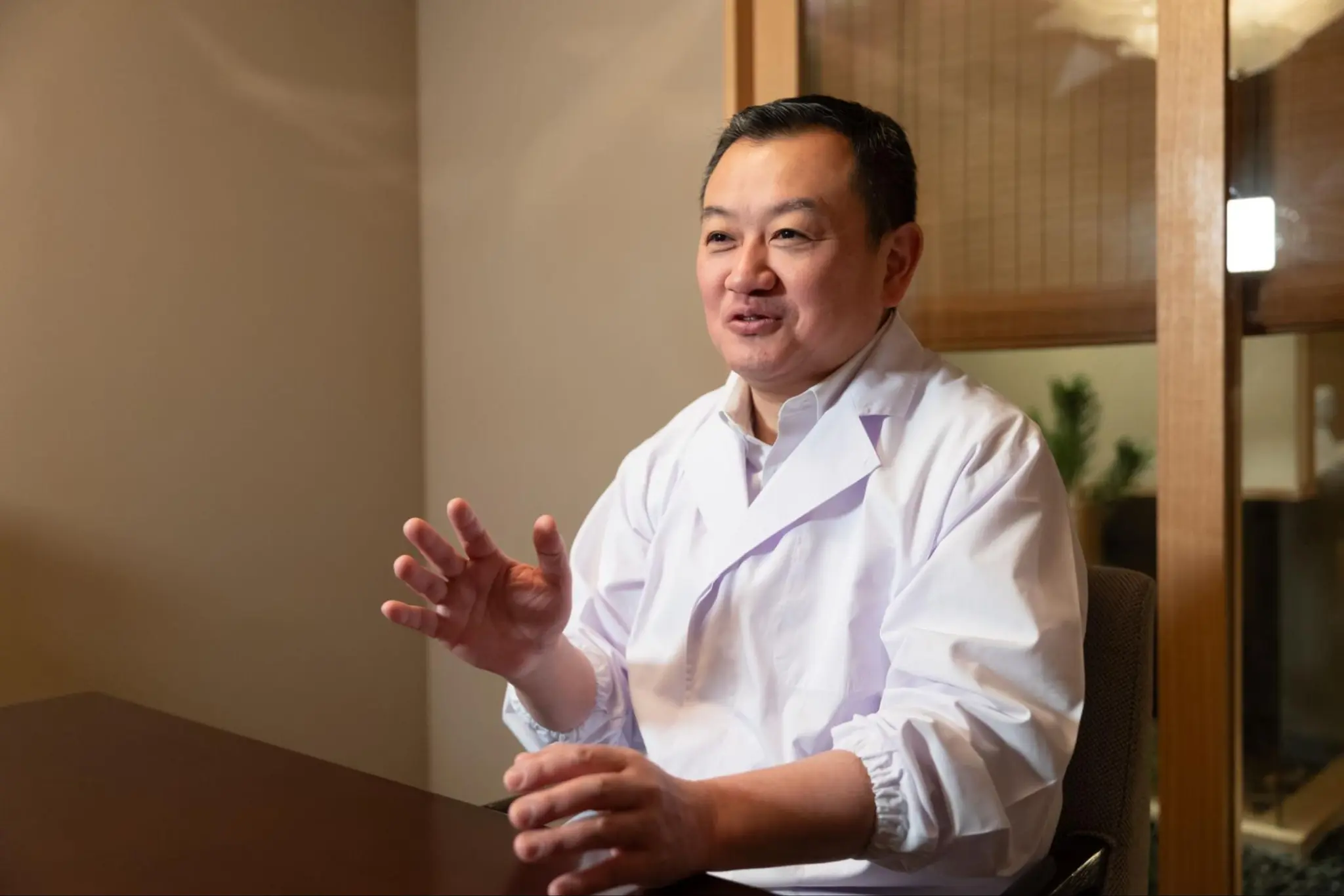
Finally, in order to further develop Japanese cuisine and Japanese food culture, I started "publishing activities." On December 24, 2024, I published a book titled 【Wano Bi Shoku no Bi Onko Chishin】 ("The Beauty of Japan, The Beauty of Food, Learning from the Past"). The current food-related monthly magazines and specialty publications in Japan have mostly focused on Western food cultures like French cuisine, Italian cuisine, Western pastries, and wine since around 1990. Moreover, TV programs about food primarily feature Western cuisine, and this trend has continued for 35 years. As a result, Japanese cuisine and its related traditional industries have continued to decline. Over 10 years ago, I began advocating to publishers that they should feature more Japanese content, but since little changed, I made the decision to venture into publishing myself. My book is an information magazine that exclusively covers Japanese cuisine (including sushi, tempura, soba, udon, wagashi, eel, yakitori), Japanese sake, shochu, Japanese tea, pottery, lacquerware, and regional traditional industries and producers. I believe this is how Japanese food magazines should be, but there are barely any publications like this. Since I started this publishing activity with limited funds, I also ran a crowdfunding campaign and received support from many people. Going forward, I plan to publish it twice a year, sharing the excellence of people involved in Japanese food.
While smartphones have become mainstream, I still believe the power of media is significant. If magazines, books, and television continue to spread biased information, Japanese cuisine and food culture will soon disappear. I strongly believe that we need to urgently change the way Japanese people think about controlling the media.
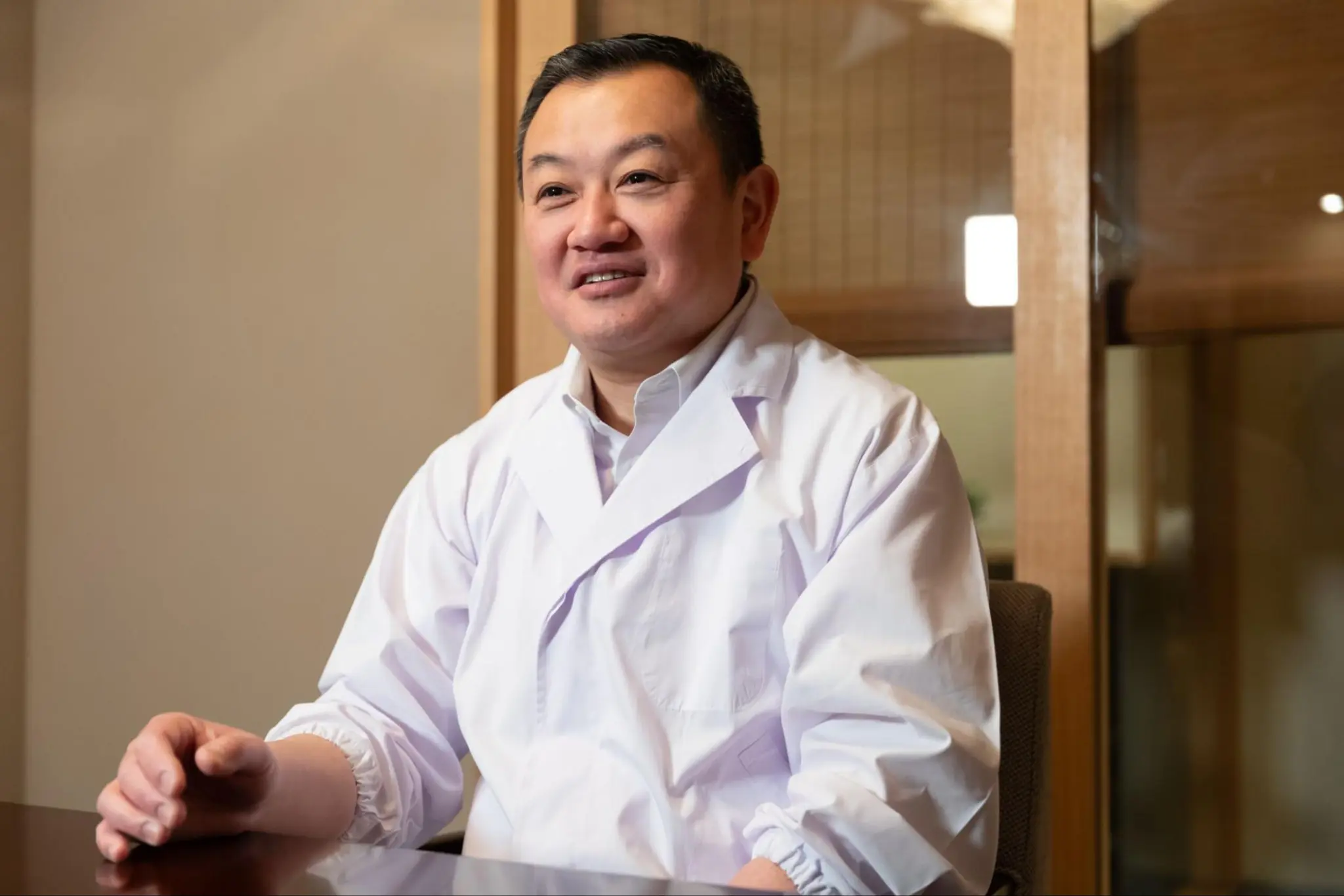
The reason I chose the path of cooking is because I was not good at making things
ーーーWhy did you choose the path of becoming a chef?
I was drawn to a world where success is determined solely by skill. I was never good at "making things." I wasn’t good at craft or technology, and I especially disliked the "drawing" part of art class. I hated having my drawing seen by the girl sitting next to me, and it was painful for me. During my elementary school science fair project, I made a boat out of a milk carton, but it sank within three seconds. In middle school, the bookshelf I made in shop class collapsed as soon as I put books on it. I couldn’t gain confidence in "making things" and felt a sense of inferiority.
Throughout elementary and middle school, I was deeply immersed in baseball, always playing as a regular member of the team. My goal was to go to Koshien when I entered high school. I spent every day practicing with my father, but because I practiced so much, by the time I was in 4th grade, my elbow already hurt, and by the time I was in 9th grade, both my elbow and shoulder were in bad shape. I had to give up on high school baseball, and my dream shifted to becoming an elementary school teacher. I entered a prestigious high school, thinking I could go to university, get a teaching license, and become a teacher. I thought I was reasonably good at studying, but as soon as I started high school, I couldn’t keep up with the lessons. Math and English, which I had thought I understood, became completely incomprehensible to me, and by the end of the first semester, I realized that I would not be able to attend university.
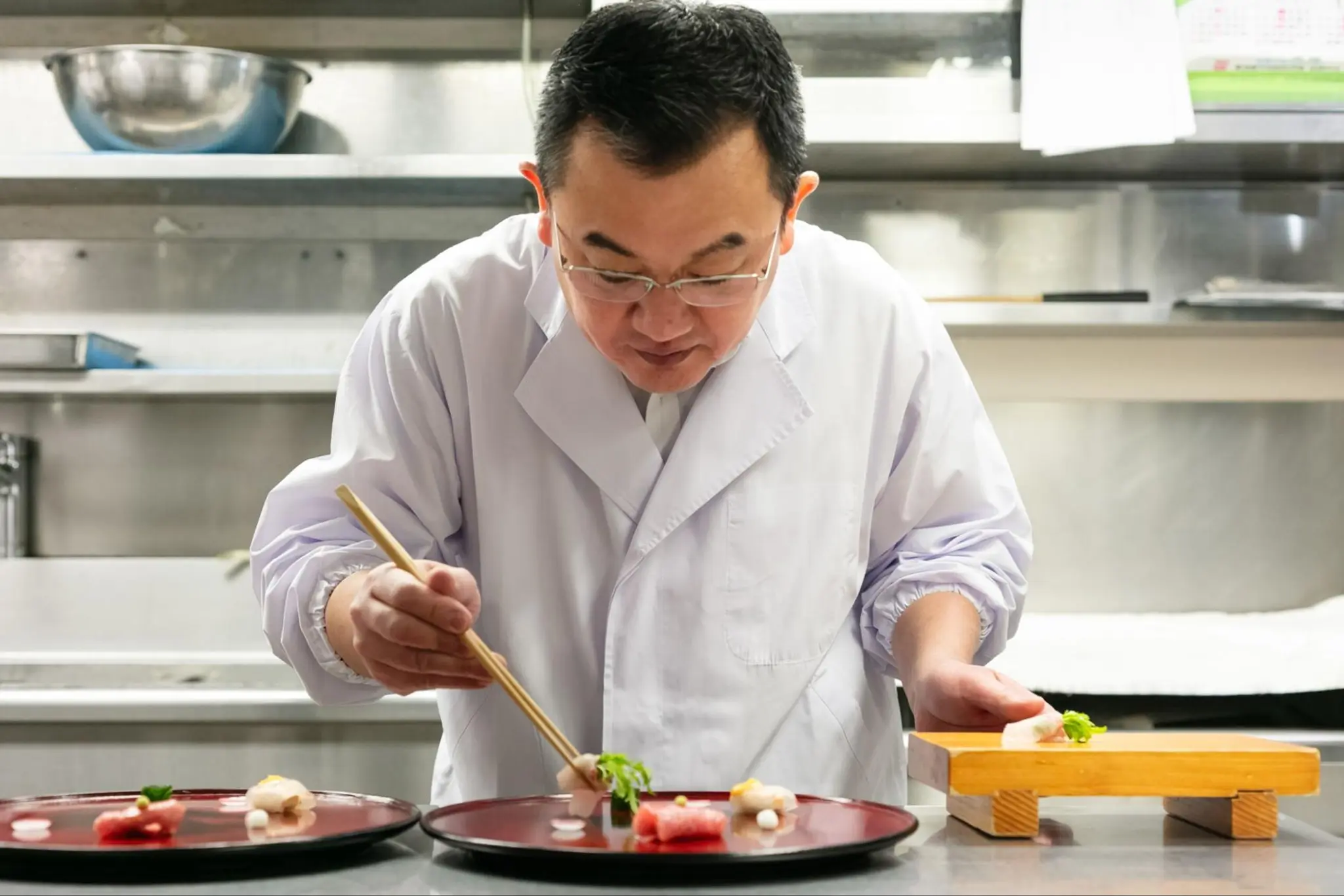
At the age of 16, I had to decide on a job, and I seriously thought about what I should do for a living. During this time, I worked part-time at a local izakaya, and during long vacations, I helped a relative who worked as a middleman in the tuna market at Shiogama in Miyagi Prefecture. As I watched chefs filleting bonito with knives and cutting cabbage into thin slices, or the elderly man breaking down tuna, I became fascinated. It was then that I realized, "There is a world where you can compete with just a knife, even without an academic background."
ーーーYou chose a path where you could compete based on something other than your academic background.
The reason was that I wanted to be able to speak on equal terms with people who succeeded because of their academic achievements, family background, or innate physical abilities when I grew up. This is because I believed that just because I didn’t understand my studies didn’t mean I was inferior as a person in any way. Moreover, the world of cooking is one where, if you can’t do something once, you try ten times; if you can’t do it in ten, you try one hundred times; and if you can’t do it in one hundred, you try one thousand times. I believed in the lesson my father taught me through baseball: "If you make an effort, it will always bear fruit." I wanted to make "making things," which I had struggled with the most, my job and overcome my inferiority complex.
ーーーYou pursued the path of becoming a chef to overcome your weaknesses. How did you hone your skills?
I made up my mind to keep going until I could do it. At first, I really couldn’t do anything. I had never even held a knife properly, so cutting my fingers was a daily occurrence, and there was never a day without a band-aid. My hands were always covered in cuts, and my index finger required 18 stitches. Even so, I never thought about quitting. This was the only path I had left. Gradually, I started being able to do more, and when I finally made chawanmushi (steamed egg custard) properly for the first time, I was so happy that I couldn’t help but call my mother and say, "I made chawanmushi!" (laughs). When I could finally fry tempura, it was the greatest joy. These everyday joys, which a skilled chef might not feel as strongly, became a huge source of happiness for me. I overcame my weaknesses, and cooking became a fulfilling job.
With the skills I have now, I am taking on "the future of Japanese cuisine"
ーーーAs a chef, looking back on your journey, what do you feel now?
I am currently 55 years old, but when I turned 50, I decided to throw away all the dishes I had made my standards and start creating new ones. Throughout my career, I’ve always thought that the best period for a chef might be the ten years in your 50s. In my 40s, I had the physical strength, but my experience was just under 10 years. To have the experience of my 40s and put everything into my 50s, I believe this decade will be the most brilliant period of my culinary life. It’s been about five years, and I truly feel that it’s the case. As for my 60s, I won't know until I get there. I can't predict my physical or mental state.
ーーーWhat specific challenges are you taking on?
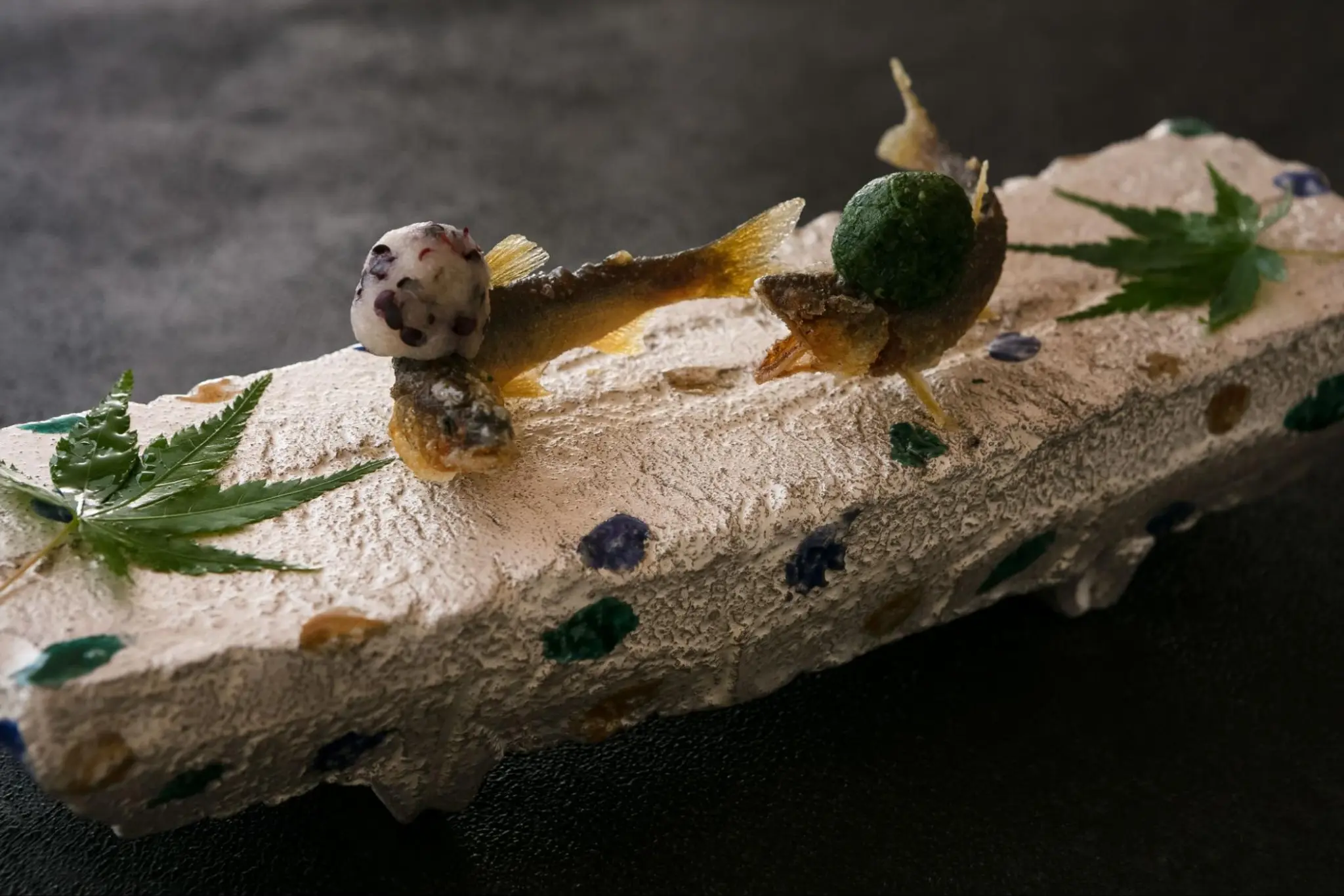
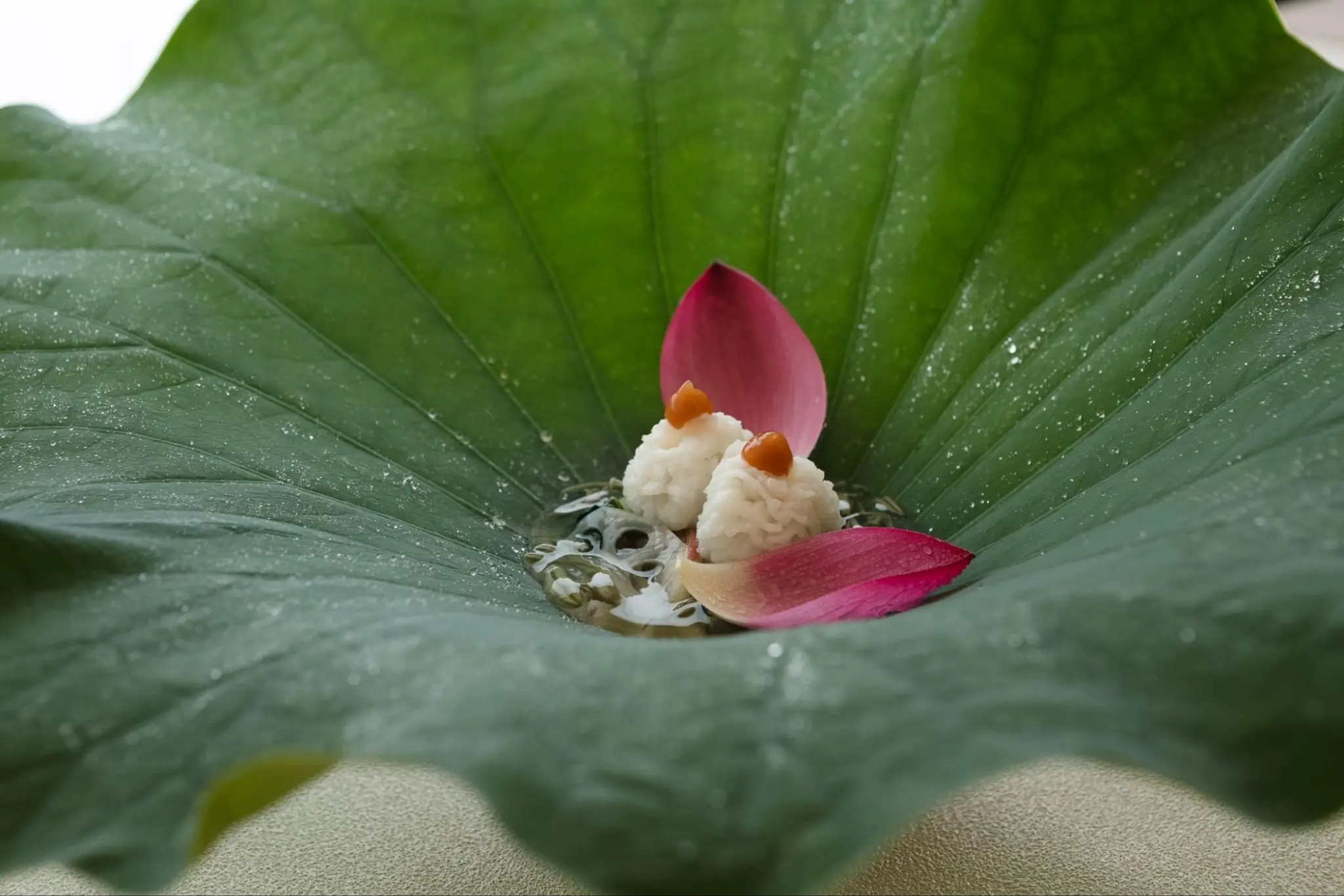
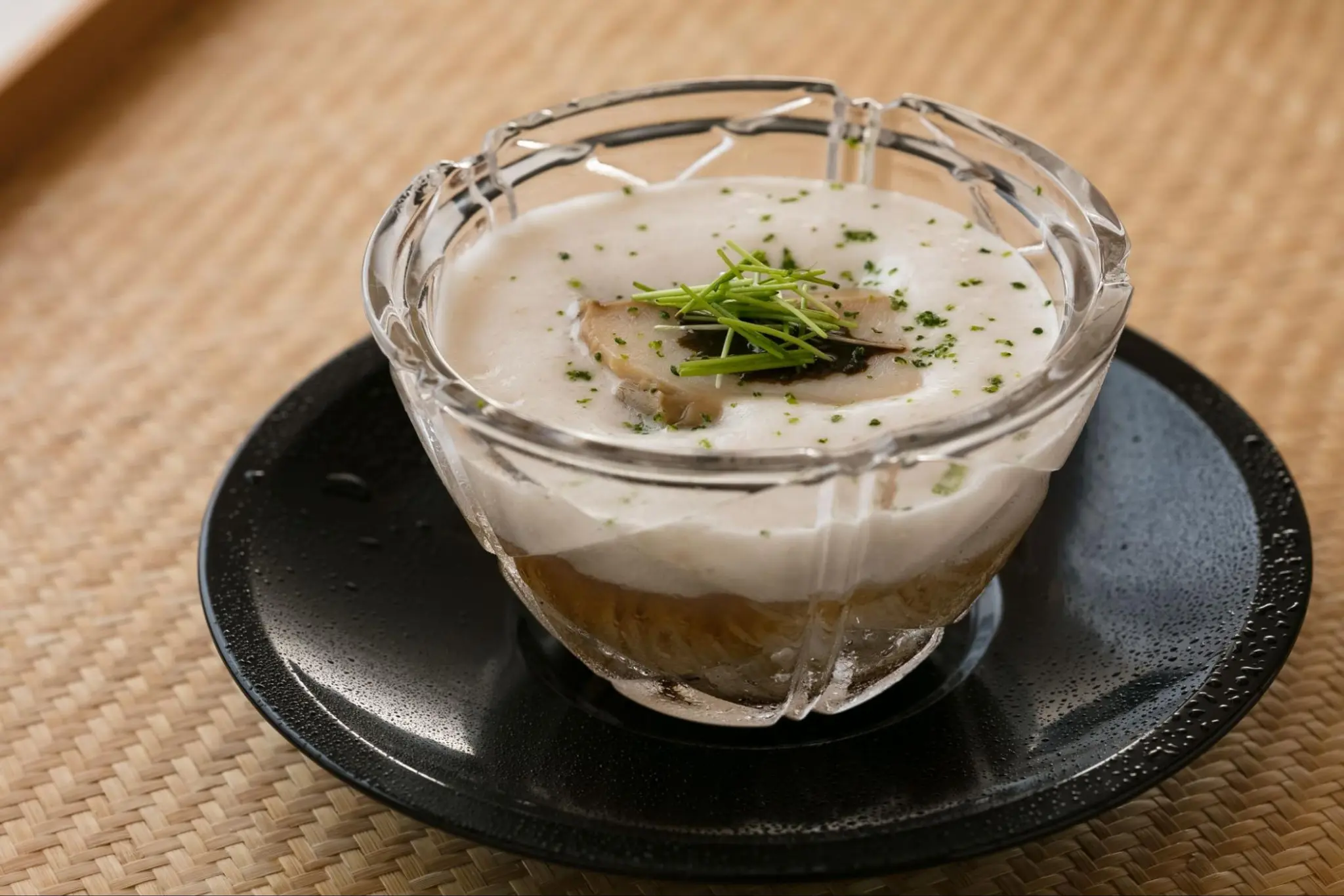
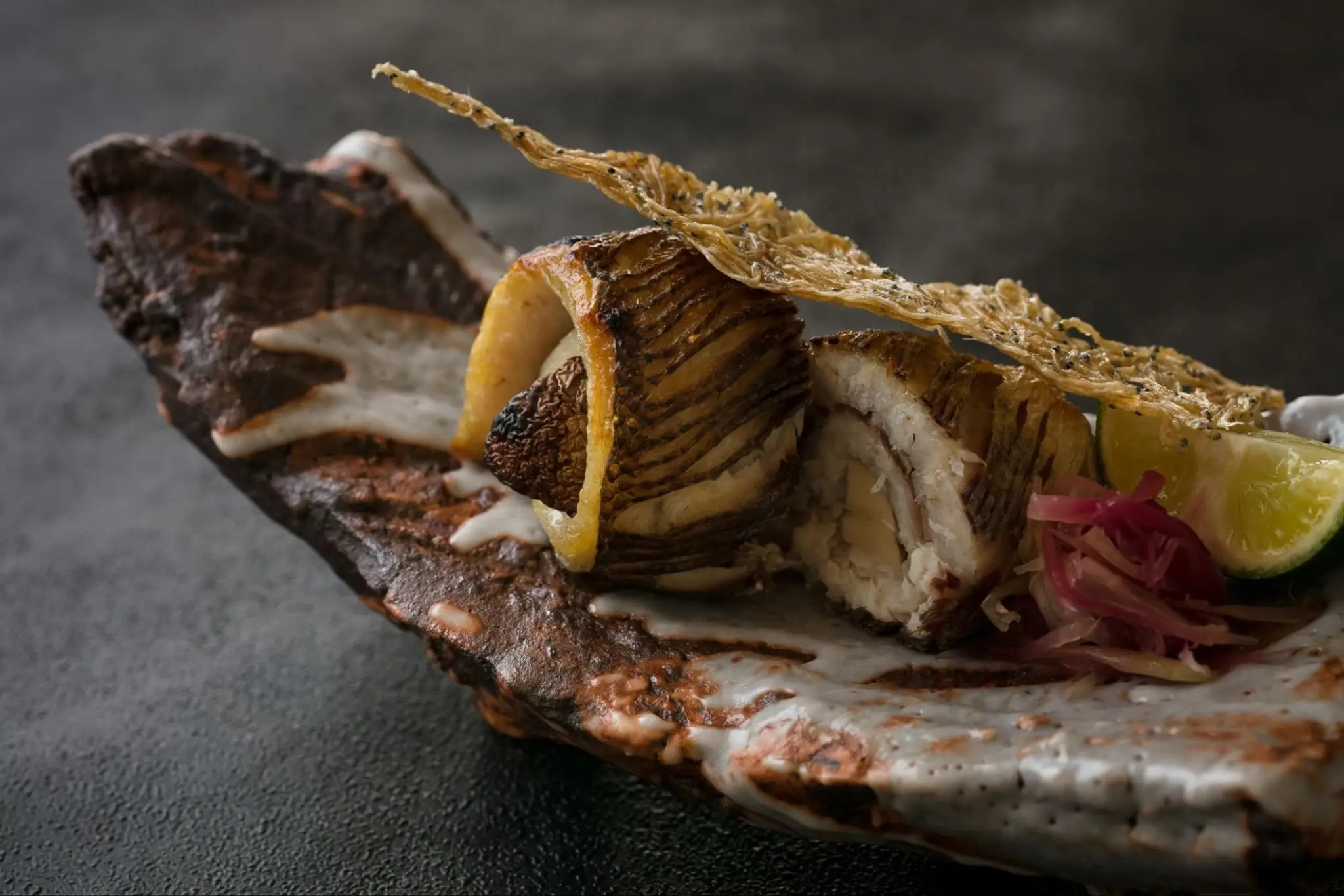
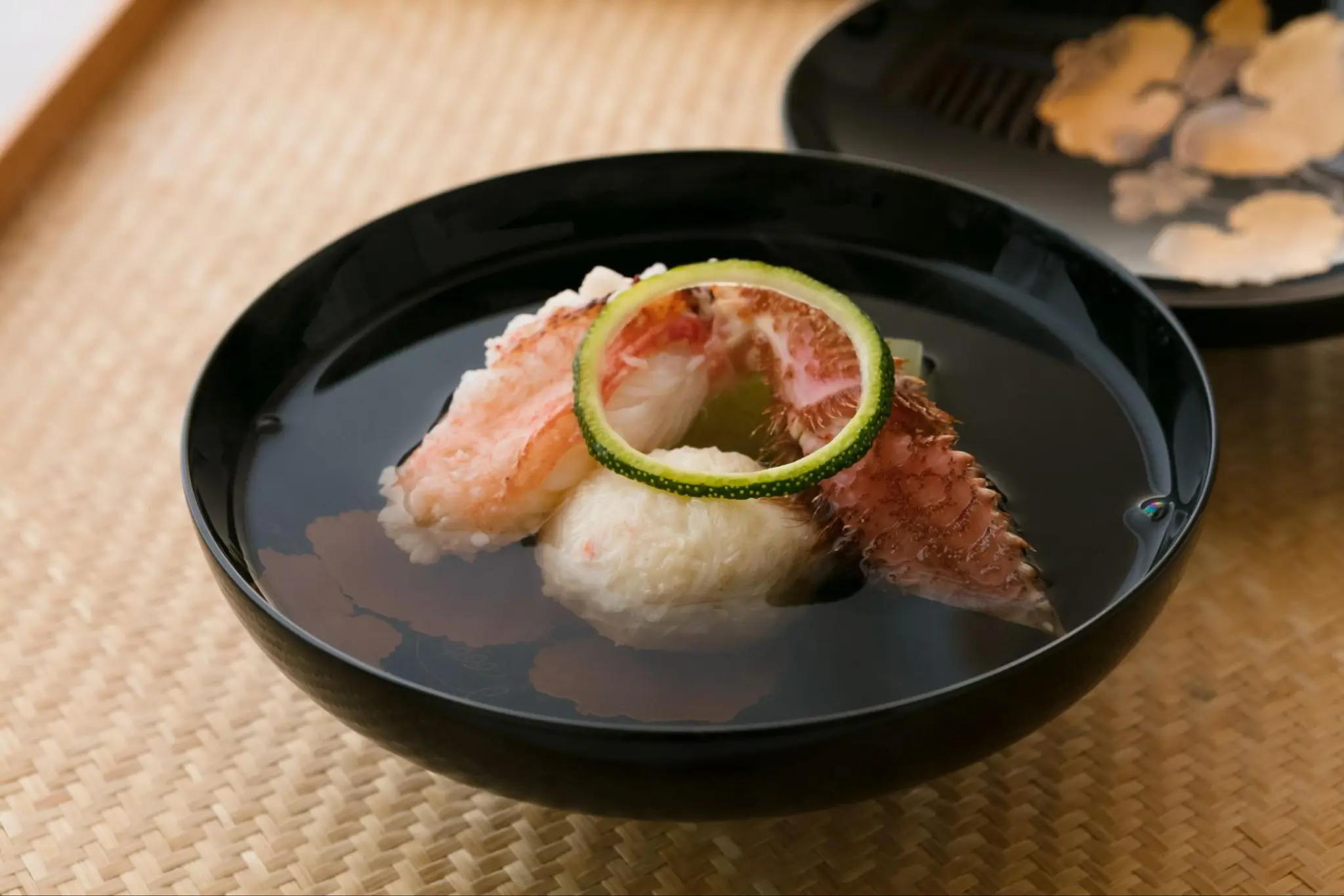
At my restaurant, we change the menu every month, and for example, if it's April's menu, we do not serve the dishes we made for April last year, nor the dishes from April the year before. We change the menu every month, and at the same time, we change it every year. The monthly menu consists of 10 to 11 dishes, so over the course of a year, that’s 120 to 130 dishes. If we continue this for 10 years, we aim to create 1200 to 1300 new dishes. Of course, I don’t think simply creating different dishes is the only good thing. However, the traditional Japanese cuisine that remains today must have been born from such new ideas. While it may be impossible to change everything 100%, creating over 1000 new dishes in my 50s will help increase my own experience and provide a great opportunity to reflect on cooking.
ーーーYou have such a stoic mindset. Creating new dishes must be a difficult task, isn’t it?
It is extremely difficult. Every single day, I’m only thinking about next month’s dishes. If I were the type of person with a rich imagination who suddenly has flashes of genius, it might be a bit easier, but for someone like me who has to think and think every day, squeezing out ideas, it’s quite a painful process. However, I believe that cooking comes from suffering and sorrow. If you let it become too painful, it will turn into a dish filled with discomfort. In the end, you must create it from a place of joy and richness. Reaching that mental state is also quite challenging.
ーーーWhere do you draw inspiration from to create so many dishes?
From everywhere. Most of the time, I close my eyes and draw the dish in my mind. However, just doing this alone can lead to a narrow perspective, so sometimes I revisit books from over 30 years ago to make sure I’m not forgetting anything. In today’s world, there’s a lot of cooking information available on smartphones and other devices, but I don’t look at them much. I believe that mimicking others doesn’t make any sense in my life. If I don’t create and serve my own dishes to my customers, I don’t think they’ll be understood.
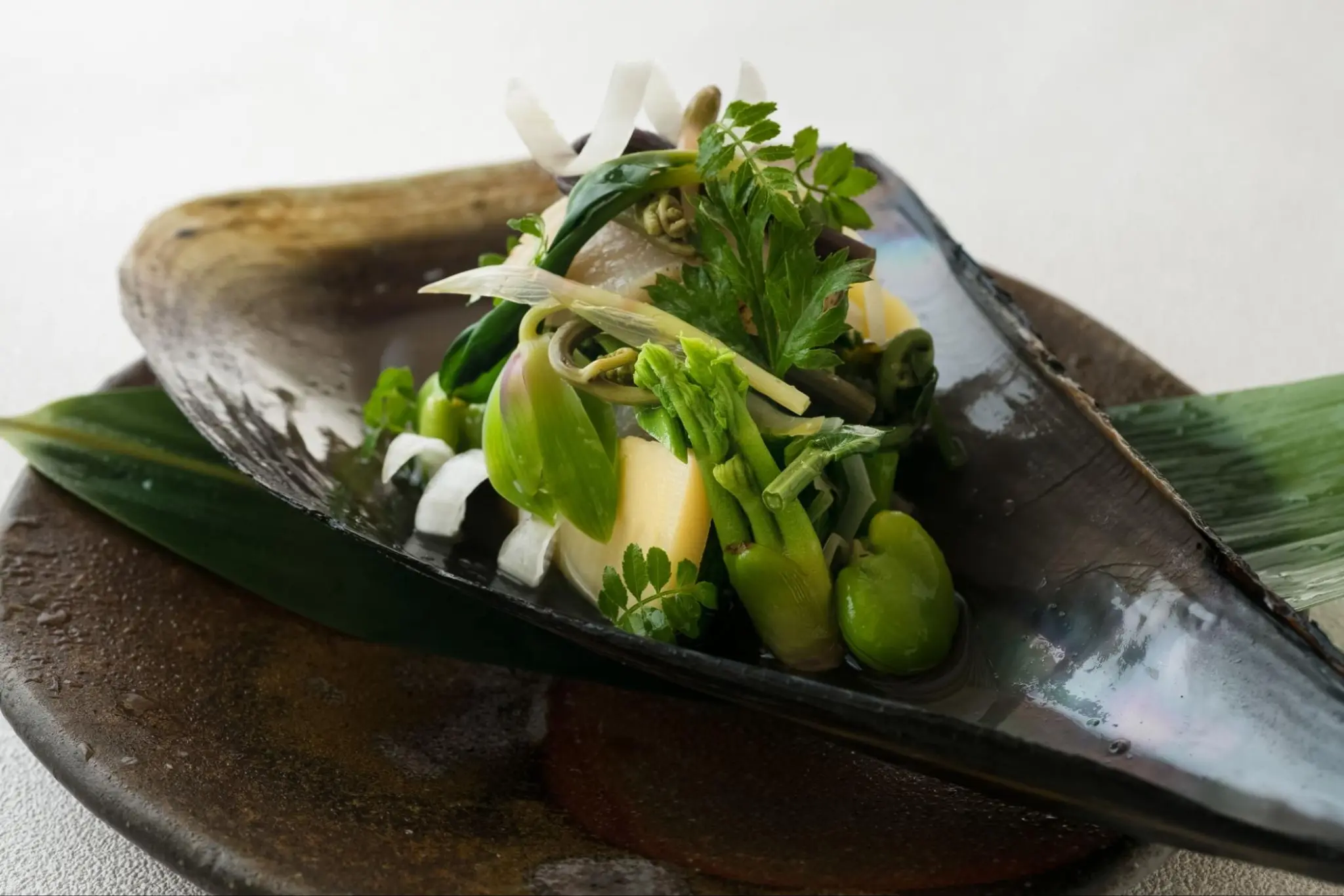
Also, cooking is not just about taste; it’s about the entire presentation, including the dishware. In the past, I used to often use ceramics by the master potter Mr. Nishioka Koju, whose work inspired the name of my restaurant. But recently, I’ve intentionally started using pieces by younger, contemporary artists. Many people in the Japanese culinary world prefer to use older ceramics or those made by famous, deceased artists, but I believe that if we don’t use works from contemporary artists, the future of the pottery world will be in jeopardy. With fewer people practicing tea ceremony, no longer hosting guests at home, and with families no longer making Japanese food regularly, contemporary ceramics have become almost exclusively used in Japanese restaurants. In such a time, if potters continue to make generic, easy-to-use pieces just for the sake of making a living, the pottery world won’t develop. That’s why I’ve asked contemporary artists to create new, never-before-seen pieces. It’s incredibly difficult to serve food on such unique, powerful ceramics, but it gives me a great stimulus to create new dishes.
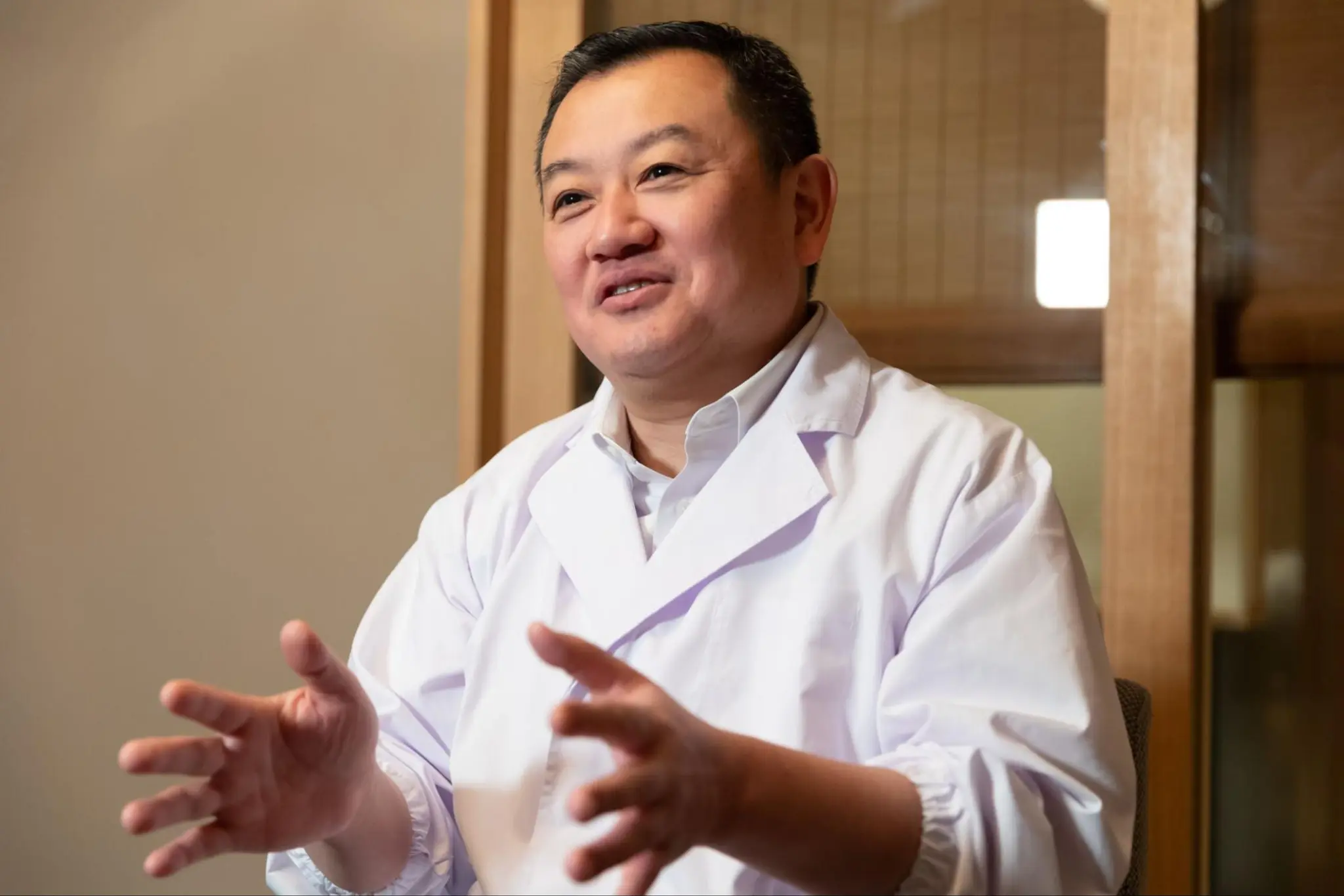
By aiming to create new dishes and ceramics that can only be made in this era, I believe it is necessary for both chefs and potters living today to continue moving forward. To show those involved in Japanese cuisine 100 or 200 years from now that we were here, I want to continue creating something new.
The reason I continue to pursue the essence of deliciousness despite choosing a difficult path
ーーーFinally, what does "delicious" mean to you, Chef Okuda?
I don’t think "delicious" can be expressed in just one word. For example, the deliciousness of eating a slice of tuna chutoro, or the salt-grilled tai or akamutsu, comes mostly from the energy of the ingredients themselves. The deliciousness of eating sukiyaki or drinking freshly made dashi is a completely different type of "delicious." The lunch that a mother lovingly made, or carefully cooked satoimo or bamboo shoots, is also delicious. In the end, I believe cooking is something that changes greatly depending on the ingredients, the cooking methods, the thoughts of the person making the dish, and the perception of the person eating it. I feel like I am searching for "delicious" every day as I cook.
ーーーWhat do you think is most important in creating "delicious" dishes?
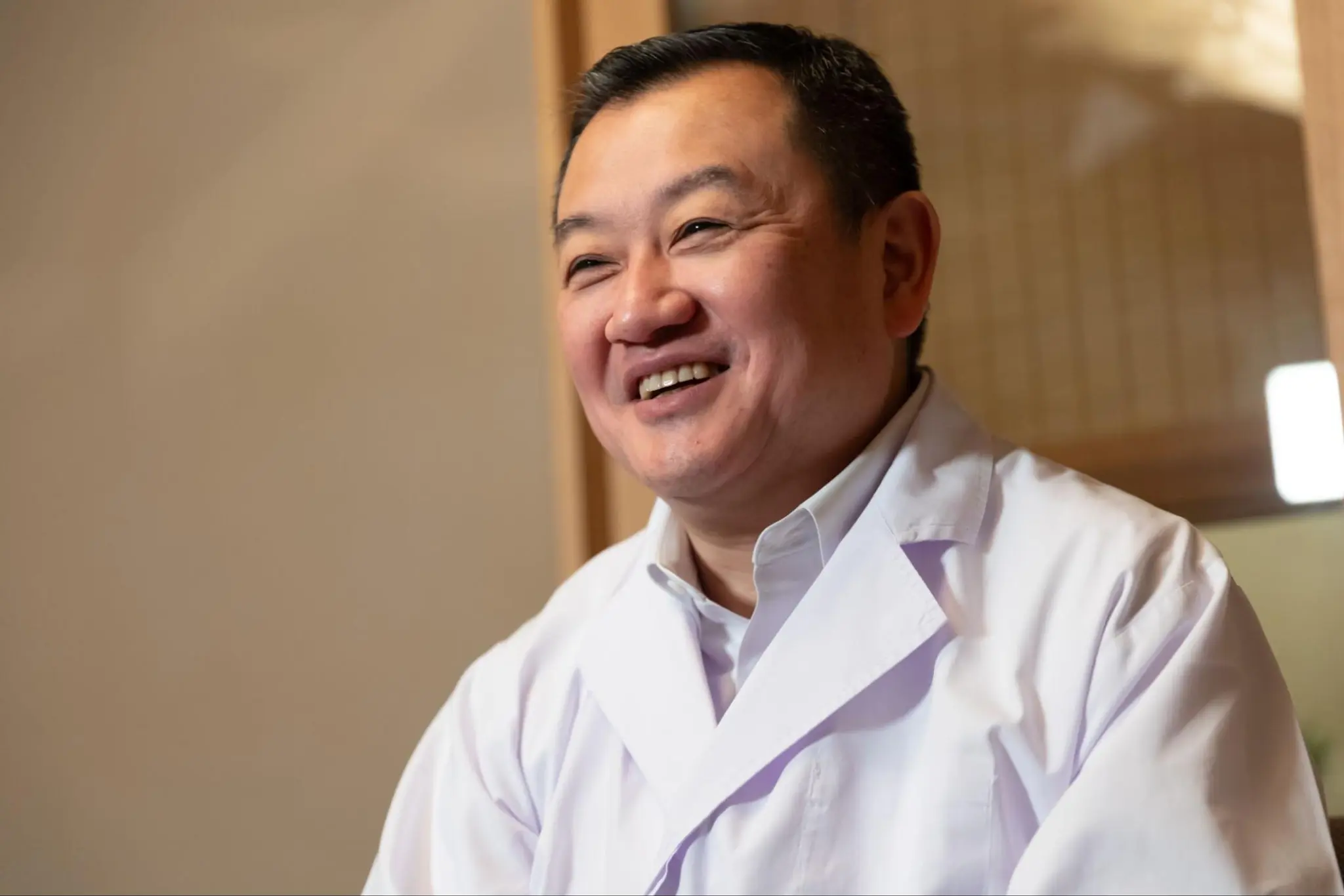
I believe it’s about how much thought and time you put into creating a dish. I’ve mentioned before that I discard past dishes every year and come up with new ones, but simply being new doesn’t necessarily make it good. Cooking is not something that can be made with just ideas; you need to constantly ask yourself, "Is this really delicious?" When planning the menu for the month, it’s easy to come up with and decide on 10 new dishes, but whether those dishes are truly the best, I can’t know unless I face many more options. I want to choose 10 from 100 options. It’s easy to take the easy way out, but that won’t lead to "truly delicious" food.
I feel that customers can only sense as much of my thoughts and time that I’ve put into the cooking. After 37 years of cooking, I still don’t know what is truly the most delicious. Also, there is no such thing as perfection in cooking. I constantly wonder if I could have done it even better. Every day, I think that searching for something with no answer is the world of cooking. I love this world of cooking, and I feel that my life is about searching for "what is truly delicious" until the day I die.
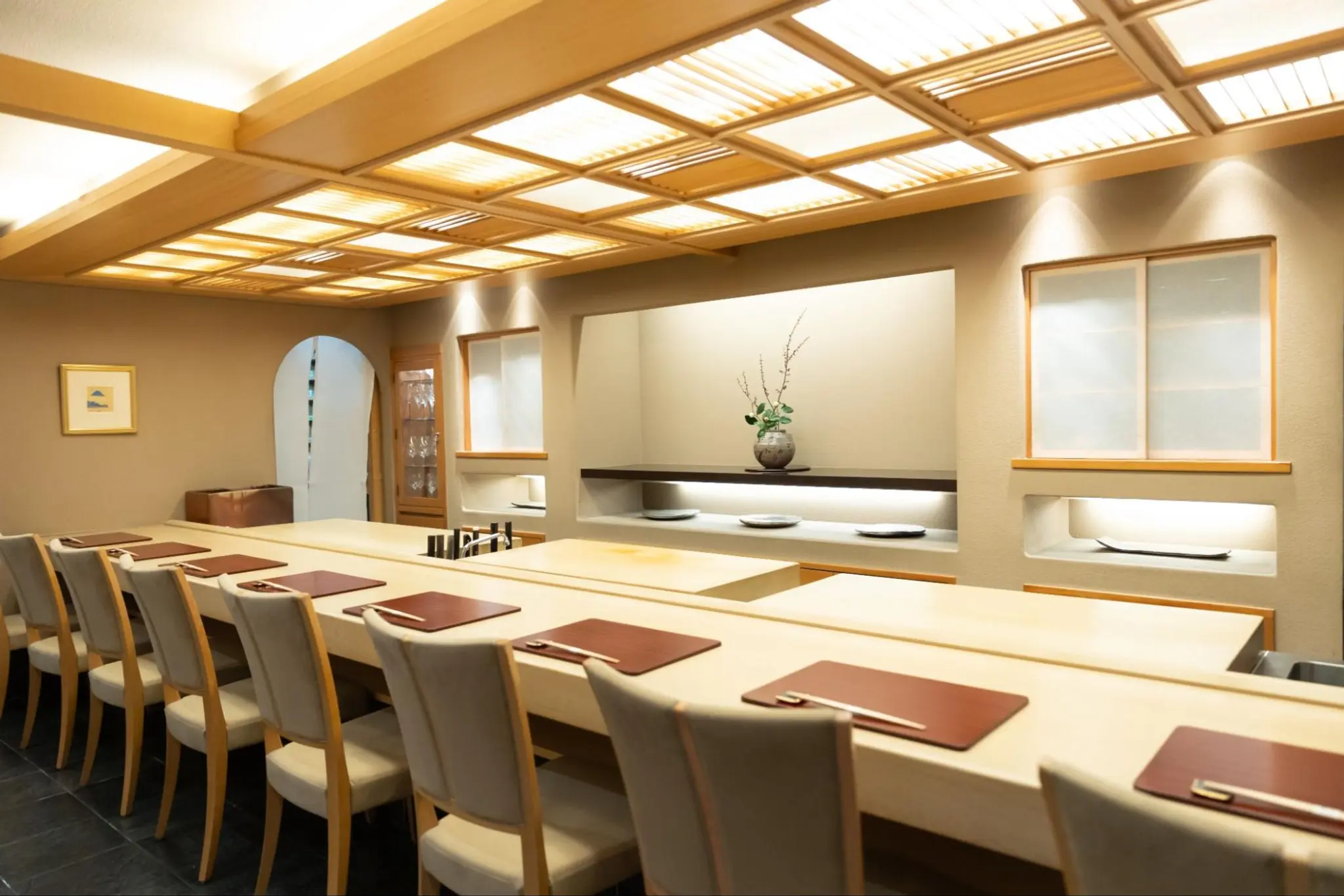
There is no such thing as "perfection" in the world of cooking. Chef Okuda firmly states this. He discards the past, continuously questions, and thinks things through. What lies ahead in this process is the endless quest for "What is truly delicious?" Chef Okuda is not only honing his skills but also fighting to protect Japanese cuisine and pass on its value to the next generation. His dishes are infused with the questions and resolve of a chef. At 【Ginza Kojyu】, we hope you can feel the answer.
Interview & Editorial Support / Yuko Arakawa
Editing / AutoReserve Magazine Editorial Team
Photography / Atsushi Sanada
Restaurant Information
- AutoReserve Magazine
- Japan’s world-renowned flagship restaurant
- The Innovation Behind Continuing Japanese Cuisine: The Ongoing Challenge of Chef Toru Okuda of 【Ginza Kojyu】