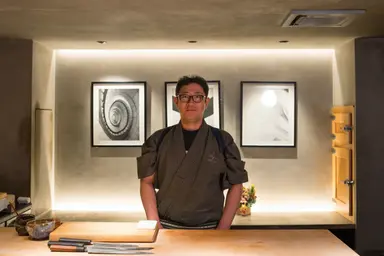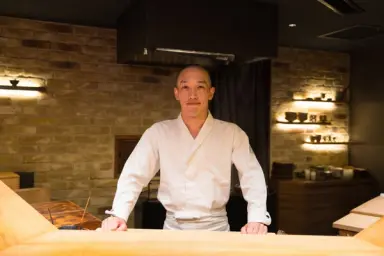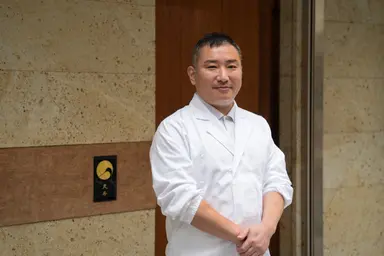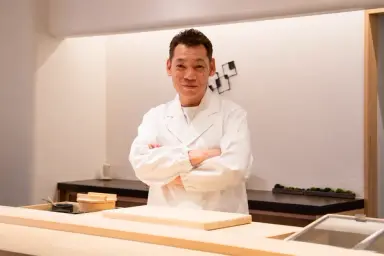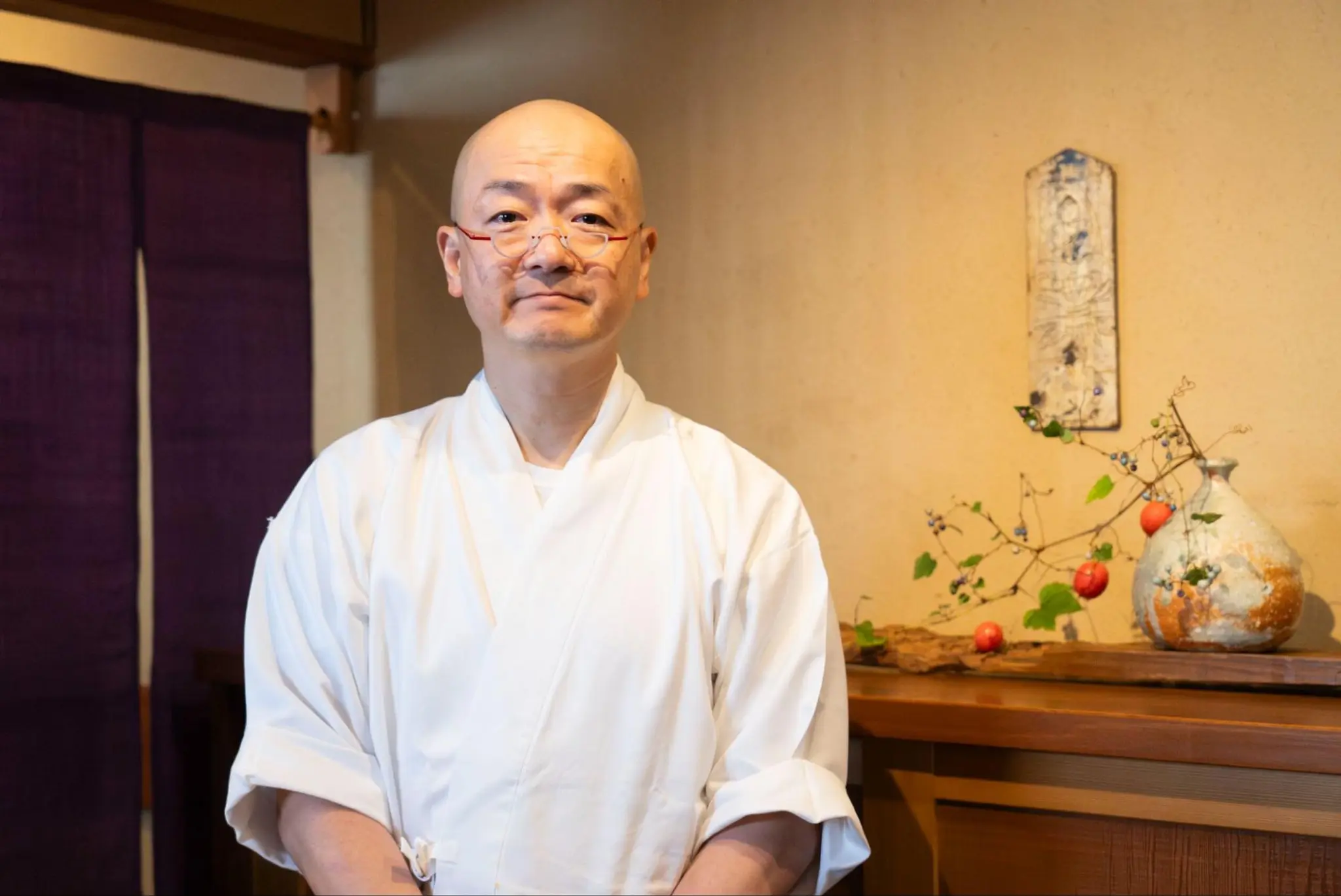
【Gion Moriwaki】 values the connections of a lifetime, continuously striving every day to be by the side of customers.
He learned Japanese cuisine, the spirit of Japan, and the way of life from his mentor, whom he respected like a father
ーーーWhat inspired you to become a chef?
During high school, I worked part-time at an izakaya, where the person in charge was a chef in Kyoto. I was inspired by him and decided to pursue a career as a chef. After graduating from culinary school, I started my apprenticeship at a sushi and kappo restaurant. However, I struggled with the gap between my ideals and the reality of the work, and after three years, I almost gave up on becoming a chef.
At that time, a senior chef told me, "You are meant to be a chef, so keep going," and introduced me to a position at the Kyoto Hotel (now the Hotel Okura Kyoto), where a wonderful person was the head chef. Since this respected senior believed in me, I decided to give it another try. It was there that I met my mentor, Chef Takao Horie, who became my teacher. Though he has passed away, meeting him made me truly enjoy cooking and solidified my decision to become a chef.
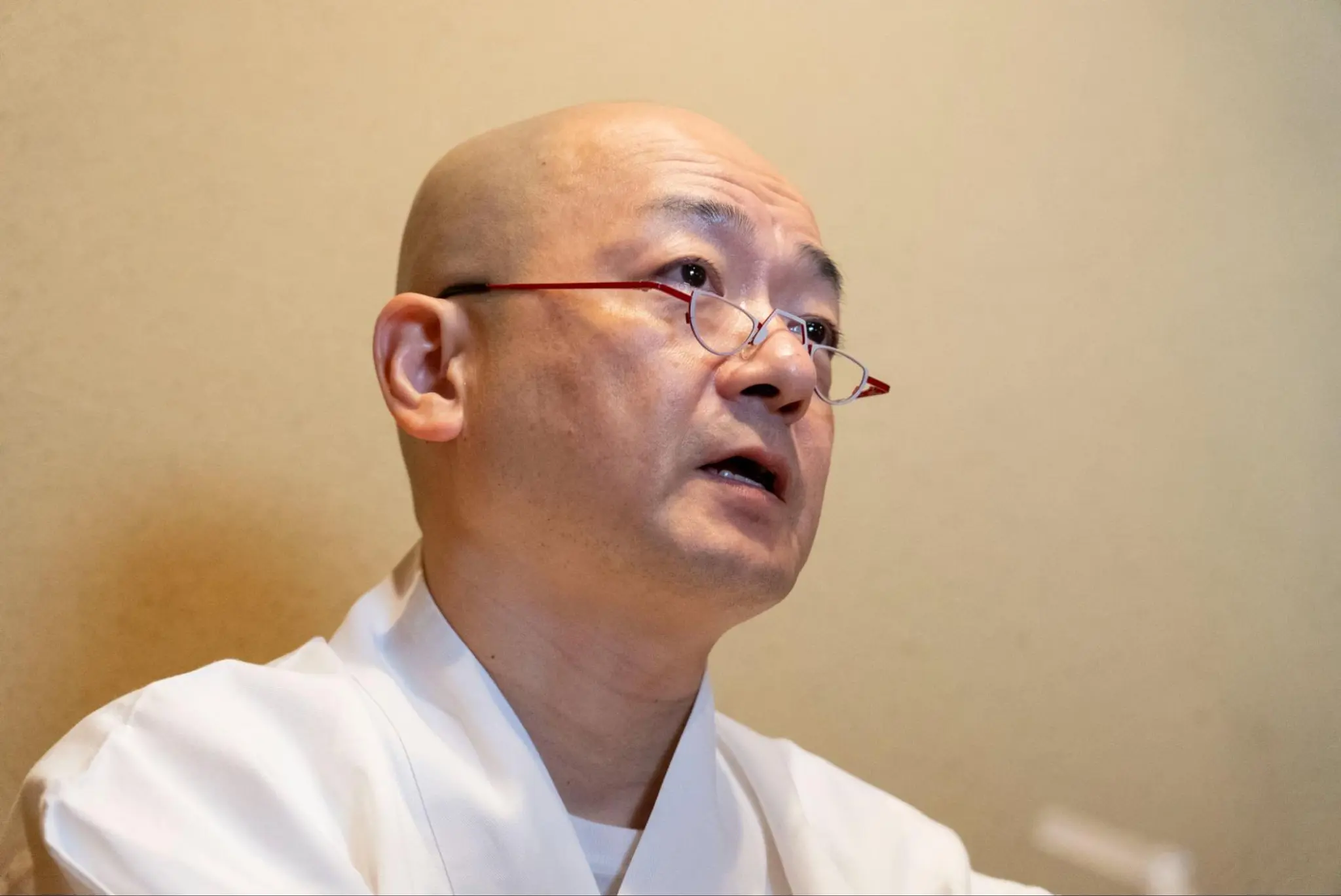
ーーーCould you tell us about your apprenticeship days?
My mentor was someone who had once worked at 【Shōfukurō】 in Shiga Prefecture, and I realized that this was what a genius truly looks like. He was a person I deeply respected, and many people with high aspirations gathered under his guidance. Before working with my mentor, I spent a year training at a traditional restaurant in Nagoya and then worked at the Kyoto Hotel. I looked up to my mentor and was treated with great kindness, and he became a father figure to me.
In addition to cooking, he taught me everything from flower arranging to the art of setting up the space, and even the way of life. Learning flower arranging helped me understand the importance of considering the customer’s perspective when plating dishes, such as thinking about what should be placed in a particular spot. He also taught me the importance of cleanliness and organization and how crucial it is to be mindful of how others perceive you. It’s not just about taste—when combined with the people dining with you, the space of the restaurant, and subtle service, the "deliciousness" increases. I learned from my mentor that cooking is one of the tools to make customers happy and that the attitude of a chef is the foundation of everything.
Furthermore, since the hotel was large and operations were divided, I was promoted to the simmering station by Chef Osamu Namba, the current owner of 【Gion Nanba】, who was my senior at the time. I’m truly grateful for the 10 years I spent learning under both of them, despite the strictness, and I still appreciate it deeply.
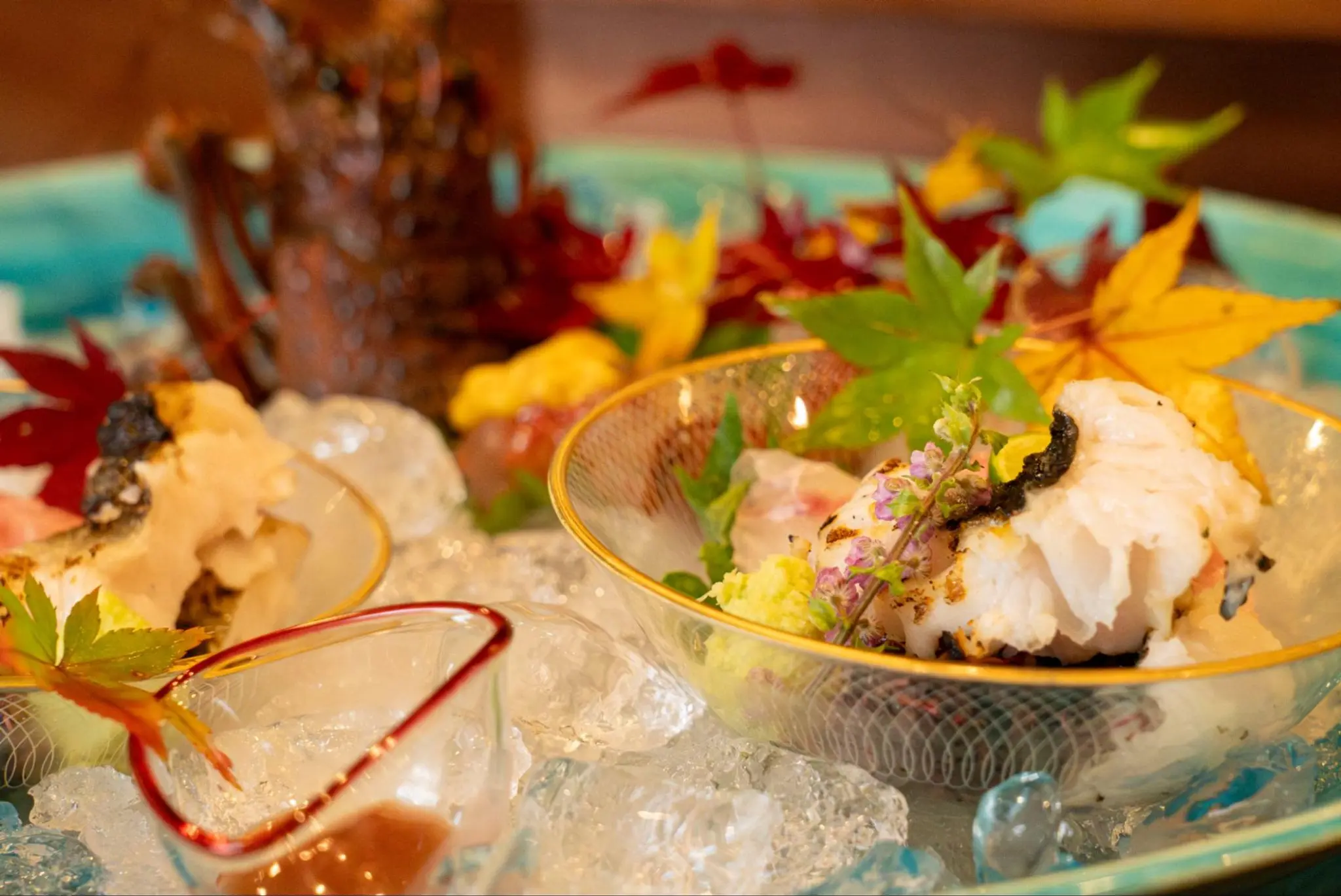
We value dishes that are built on the foundation of using quality ingredients, carefully building each step from the basics
ーーーAfter working at the Kyoto Hotel for about 10 years, what kind of experience did you gain?
I spent about 8 years as the head chef at a restaurant in Gion. It was my first time in the top position, and I tried incorporating new things like using olive oil and Western ingredients in Japanese cuisine, but most of the time, they ended in failure. I realized that simply trying out ideas that came to mind without a solid foundation was not satisfying. I learned that it’s much more important to practice the techniques I had been taught carefully. When I decided to start my own restaurant, I knew I wanted to prioritize these fundamentals. Although I still have a long way to go to reach my mentor’s level, I continue to make an effort to carefully apply the techniques I learned from him.
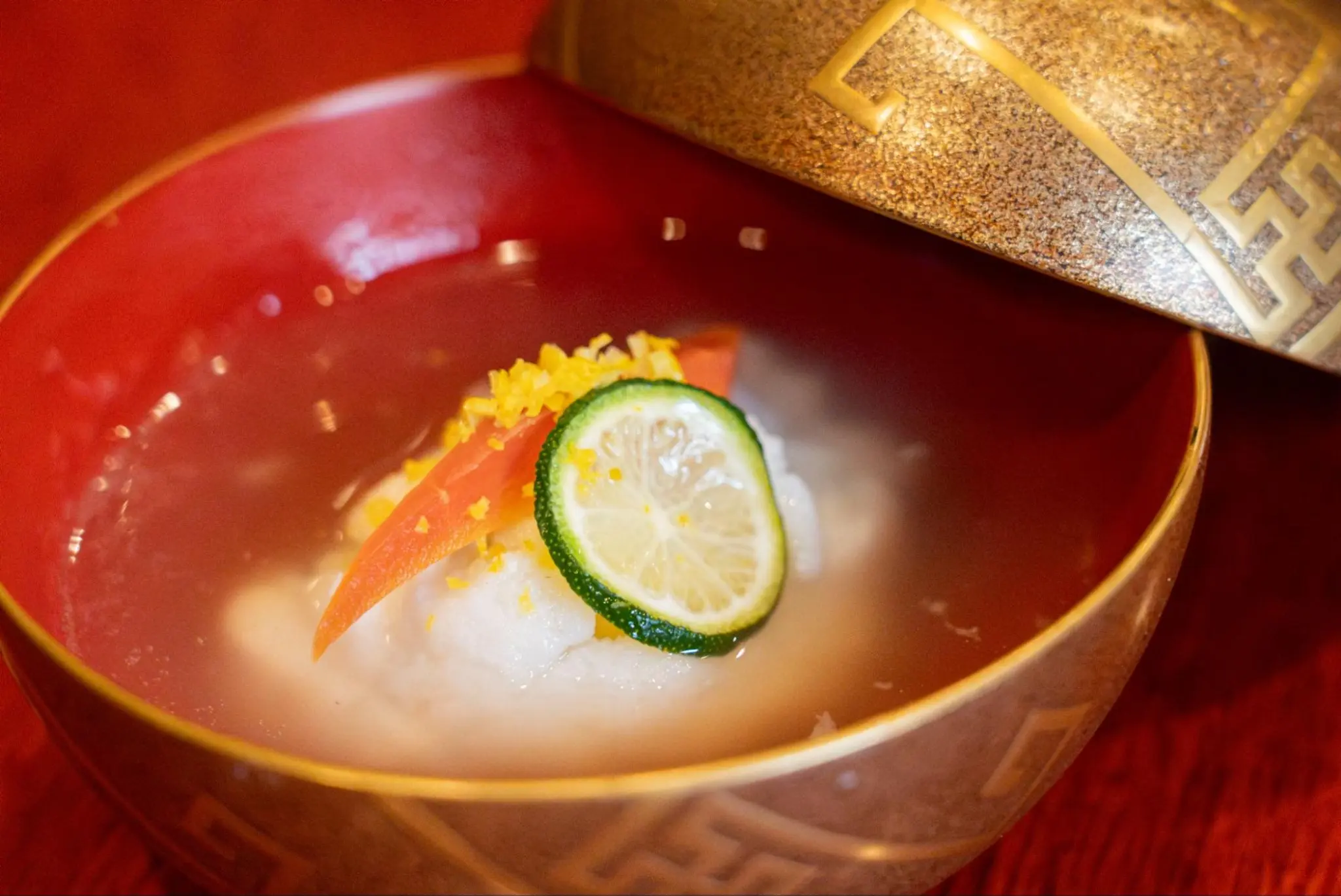
Among the lessons, the one I value the most is "the essence of Japanese cuisine lies in the soup." Dashi is a fundamental component of many dishes, and if the dashi is not perfect, it affects the entire dish. However, dashi is not something that can simply be made by adding ingredients—it requires serious preparation using the right ingredients. This period of time allowed me to reaffirm the essential elements of Japanese cuisine.
ーーーWhen did you start thinking about becoming independent?
Since I was 18, I had always thought, "If I’m going to do this, I’ll definitely have my own restaurant one day." After gaining experience, I decided to start my own business and rented a property that I really liked. However, due to various circumstances, I was forced to give up halfway. The construction was halted, and financially, it was a very tough situation.
At that time, I had the opportunity to work at the renowned Japanese restaurant 【Gion Okada】. There, I realized that I was lacking in speed and technique, so I decided to restart my training from the basics. Working at 【Gion Okada】 made me realize that I was not fully prepared for the responsibility of owning a restaurant. The cause of my failure was within myself, and I understood that if I were to run a restaurant, I would have to build everything from scratch and do it thoroughly. I decided to keep moving forward with that determination.
Overcoming numerous setbacks and with the help of many connections, I was able to make a fresh start
ーーーCould you tell us about how you opened 【Gion Moriwaki】?
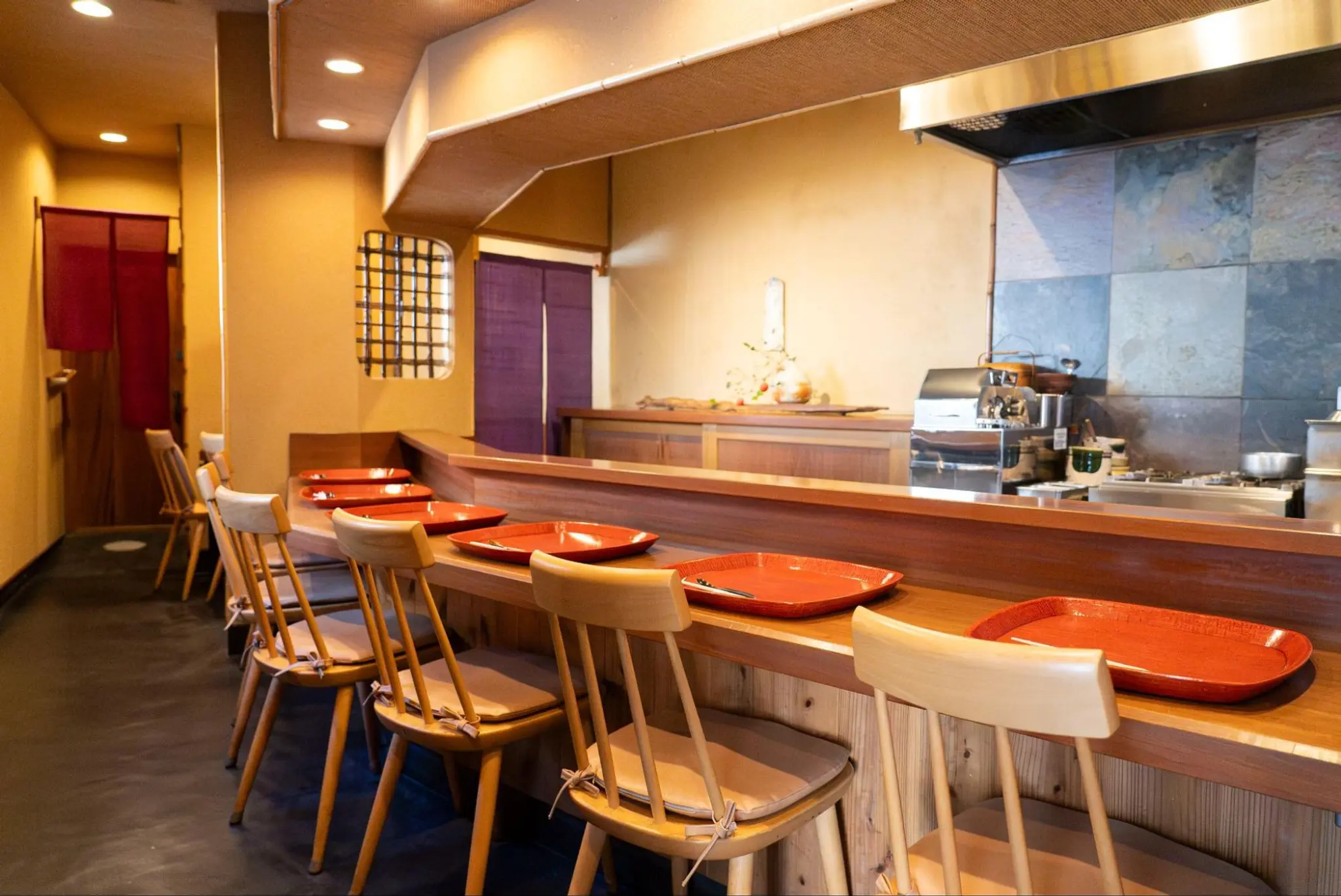
The construction company that worked on my restaurant had never worked on a Japanese restaurant before, but I was drawn to their character and decided to ask for their help. After that, I repeatedly revised the blueprints myself and was very particular about sourcing the necessary materials for the interior. I wanted the interior to have the concept of "earth and walls," so I made sure the areas visible to customers were covered in mud walls. A piece of inspiration for creating my space came from the bar I frequently visit, where a single flower is displayed. It was beautiful and stylish, and it influenced my vision for the atmosphere I wanted to create.
Over the next three years, as I prepared for the restaurant’s opening, I was blessed with the right people and encounters, and many truly remarkable things happened. For instance, the owner of a nearby flower shop, where I lived at the time, treated me with great kindness, and he has been bringing flowers to decorate the entrance of my restaurant every month for 10 years, showing his dedication. The wood used for the tables inside the restaurant came from a woodworking craftsman I knew in Nara. He took me to the supplier, and the vendors understood my situation and sold me a magnificent 7-meter-long cherry tree at an unbelievable price.
ーーーIt seems that everyone around you has been supportive.
Additionally, the doors of the cabinet inside the counter are made from ancient wood believed to be 600 years old. The owner brought it out from the back and said, "Please, use this." There were also customers who, to show their support, gave me valuable paintings and ceramics, saying, "I’m cheering you on, so keep going." I’ve been truly helped by many people along the way. If it weren’t for my initial setbacks, I believe my restaurant would have failed immediately after opening, so I’m grateful for the experience. I’m deeply thankful for the many people I met through those difficult times.
We value creativity and innovation to bring joy to our customers, always cherishing the spirit of hospitality
ーーーIs there anything you keep in mind when interacting with customers?
While making sure not to be too intrusive, I focus on being mindful of the sounds of chopsticks and glasses being moved, and I try to approach customers with a sense of attentiveness. Our customers range from teenagers to those in their 80s, so I adjust the amount of food served, carefully watching how quickly they are eating, to ensure that the portions are just right for them.
Additionally, there were days when we used to have two seating sessions, but we became concerned that working too much might lead to insufficient service for each customer. With the intention of offering more thoughtful service, we now divide our business hours into lunch and dinner sessions, ensuring we can manage our energy and provide service without overextending ourselves.
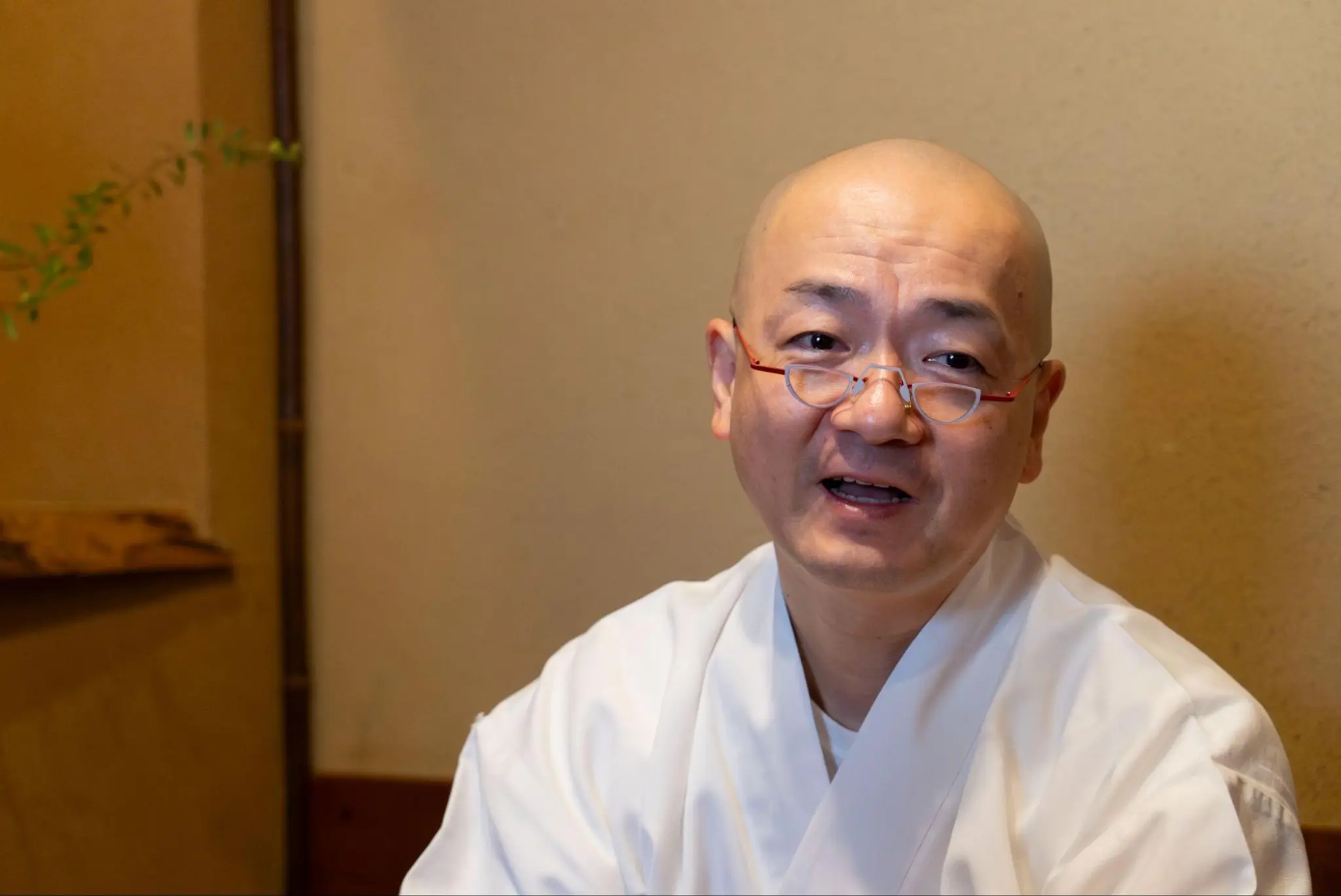
ーーーHave there been any changes in your customer base?
After the pandemic, especially, the number of international customers has increased, and many of them now make reservations through our online booking page. Previously, international customers made up less than 10%, but since the end of the pandemic, about half of our customers are from overseas. Many are trying kaiseki for the first time, and it’s refreshing to see their various reactions. Some even study Japanese to visit, which makes communication a joy.
ーーーI heard that you have been providing support to the disaster-affected areas in Ishikawa Prefecture. Is that true?
The salt supplier from Noto, which we use at our restaurant, was affected by the disaster, and I wanted to help in any way I could. So, we’ve been donating a portion of our sales and the tips we receive from customers. Additionally, the pottery we use at our restaurant is repaired by a craftsman of Wajima-nuri, and recently, he came to inform us that he has safely resumed his work. He mentioned that the employees are still going through difficult times, and it may be hard to return to normal quickly, but we want to continue doing what we can to help.
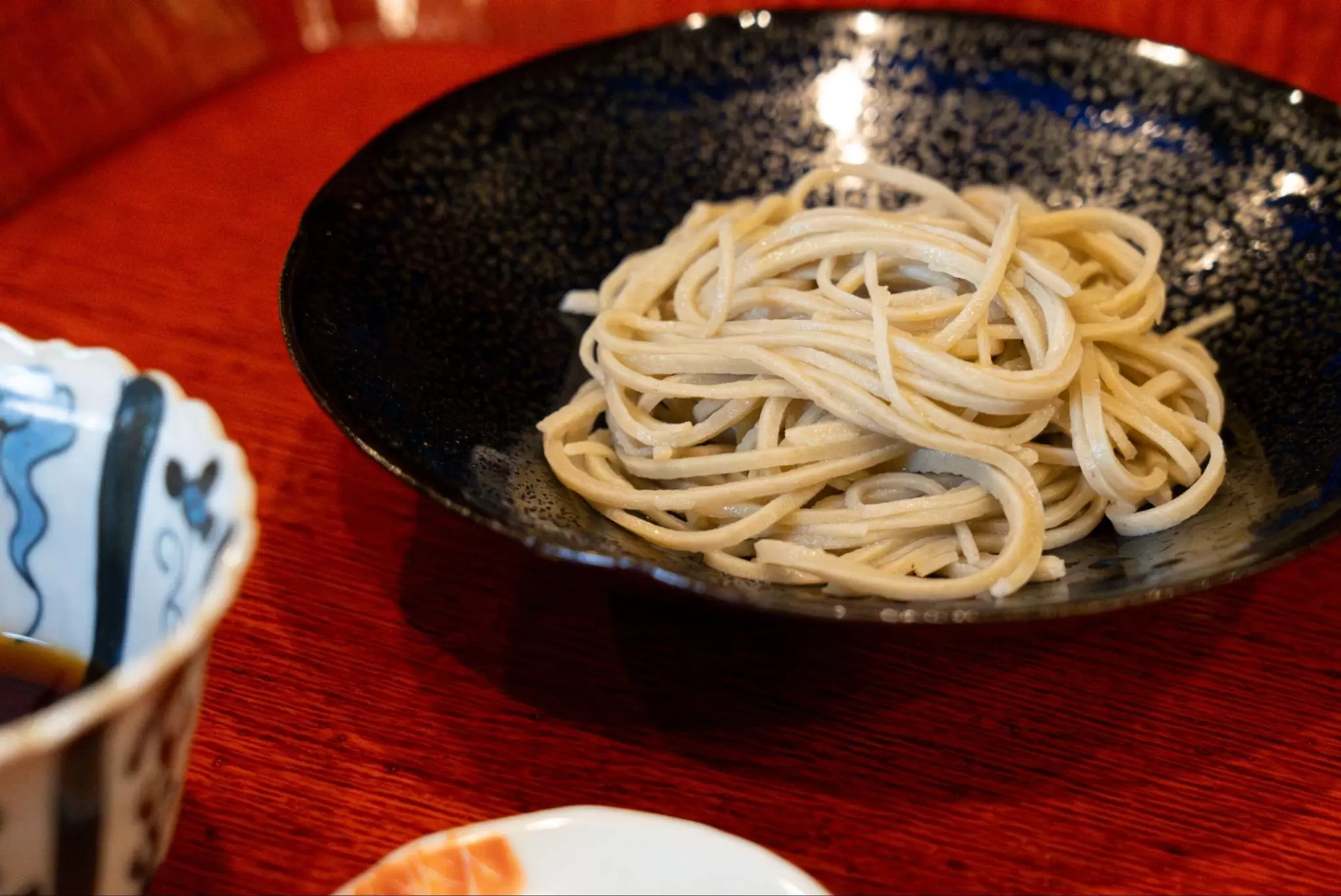
ーーーCould you tell us what you would like to continue to value moving forward?
I always strive to improve myself, not just in cooking, but also in hospitality and the way I live. Recently, following my mentor’s teachings, I wanted to pay more attention to the dashi for the soups, which are considered the essence of Japanese cuisine. This led me to introduce a bonito shaving machine. Since the customers are seated at the counter right in front of me, they can smell the freshly shaved bonito, which adds a live element to the experience and makes it fun, becoming an engaging part of the dish presentation.
In terms of hospitality, for example, I thought it would be nice for customers to hear their name called when they are leaving, such as "Mr. Tanaka, your bill is ready." So, we place name tags inside the counter and call the customer’s name when it’s time to pay. Whether it’s in cooking or service, I find the most joy in creatively improving and making things better.
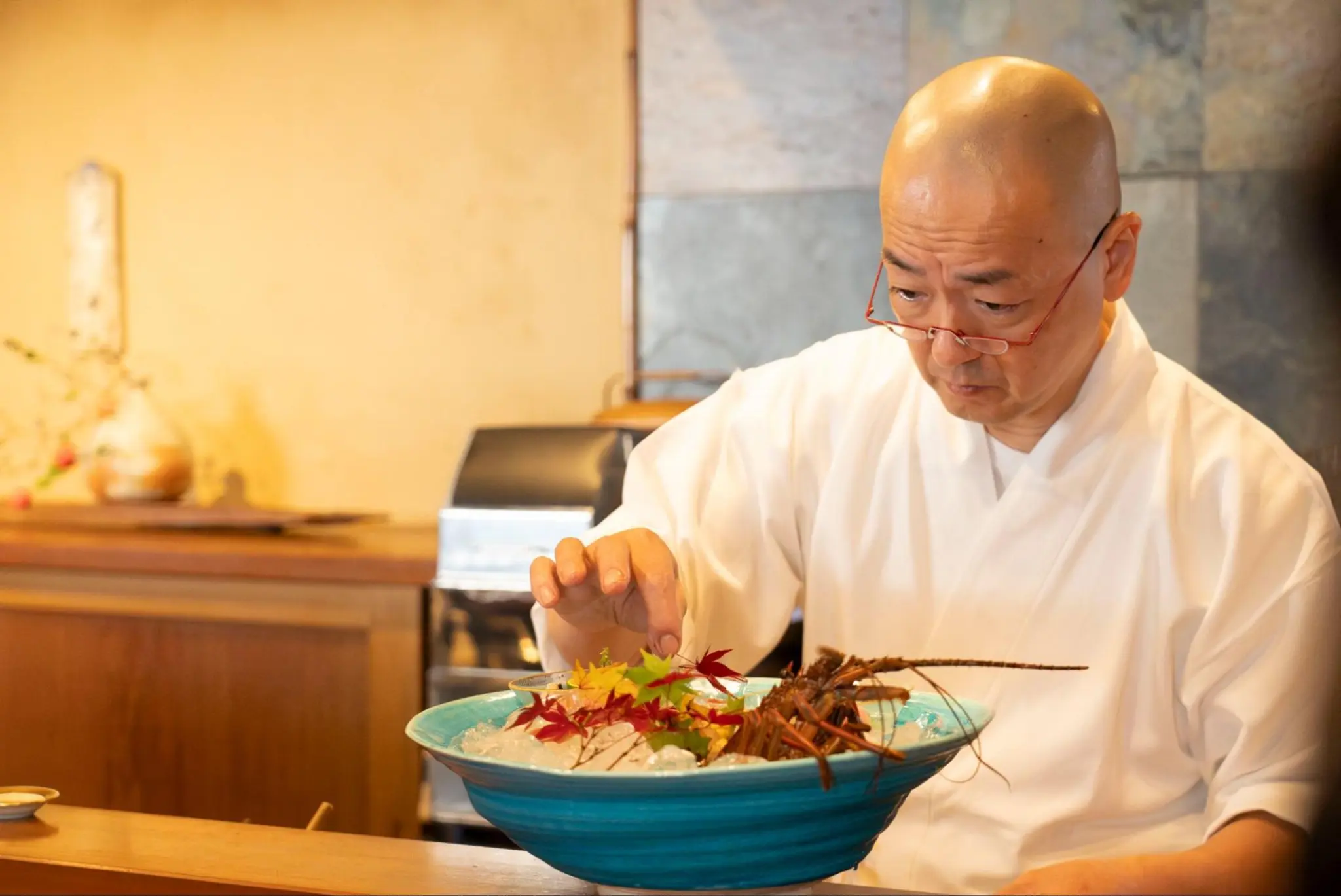
ーーーFinally, what does "delicious" mean to you, Mr. Moriwaki?
I believe that "delicious" is not only about taste, but also about the environment and the way we experience things with all five senses. For example, in our conversations with customers, if there’s a special occasion, we may surprise them, and I believe that such thoughtful gestures also elevate the level of "delicious." I’ve been thoroughly pursuing "delicious" since opening the restaurant 10 years ago. While I still have a long way to go, I want to continue seriously pursuing delicious food in the future.
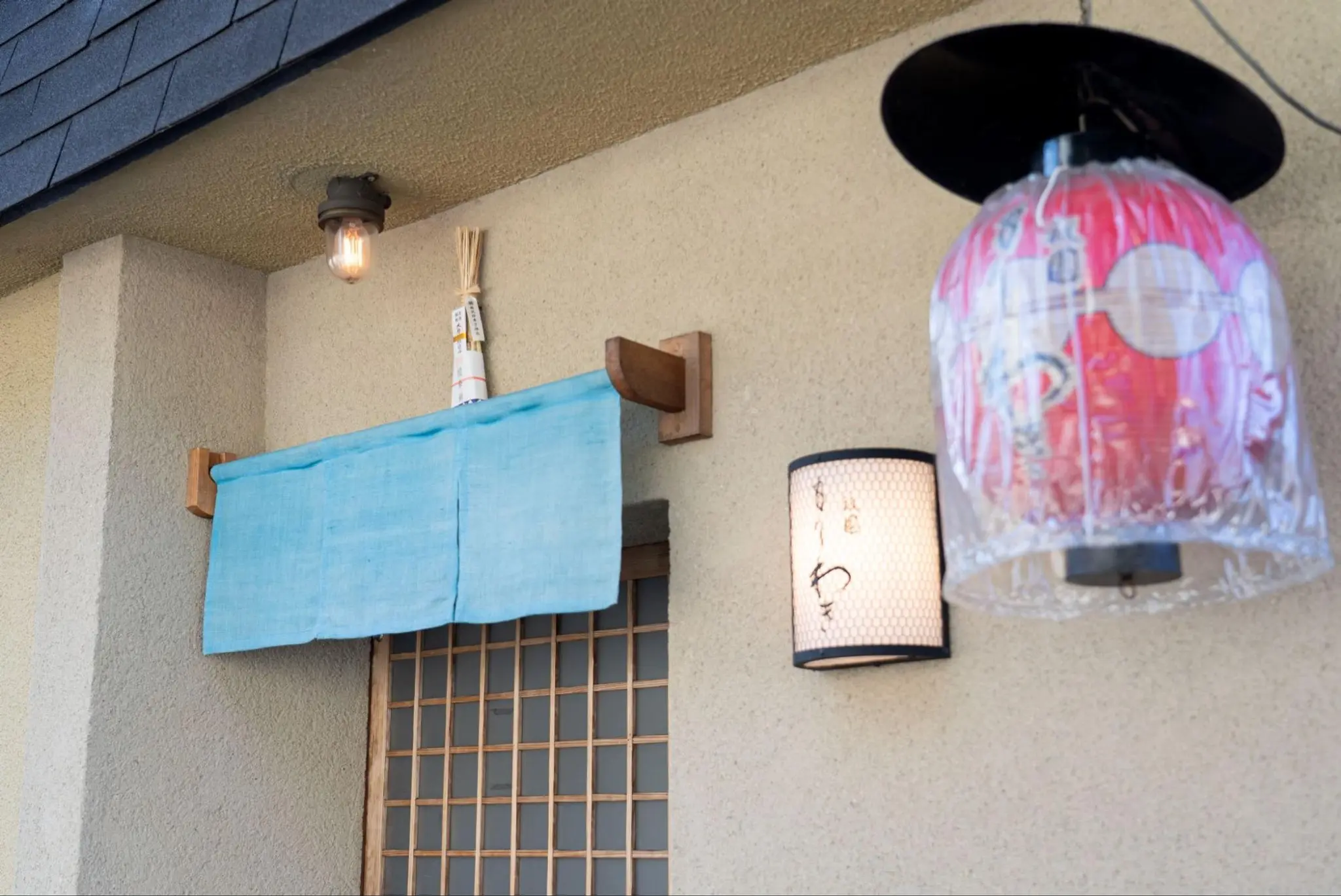
With over 30 years of experience in the field of Japanese cuisine, he has never been arrogant. Driven by the desire to make customers happy, his sincere approach to cooking has naturally led to the creation of dishes that touch the hearts of many. During the interview, when the topic of the flower shop owner, who has been delivering flowers to the restaurant for 10 years, came up, Chef Moriwaki’s eyes filled with tears. His sincere nature, always appreciating the connections he has with people, deeply moved me. I highly recommend visiting “Gion Moriwaki” in the historic Gion district to experience the authentic flavors of Japanese cuisine and the spirit of "一期一会" (a once-in-a-lifetime encounter).
Interview and Article / Yuka Sada
Photography / Azusa Nakaoka
Restaurant Information
- AutoReserve Magazine
- Restaurants recommended by top chefs
- 【Gion Moriwaki】 values the connections of a lifetime, continuously striving every day to be by the side of customers.