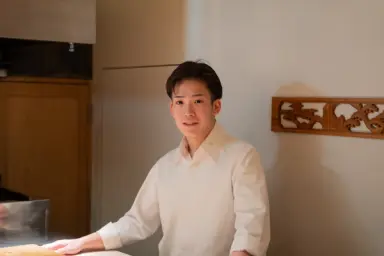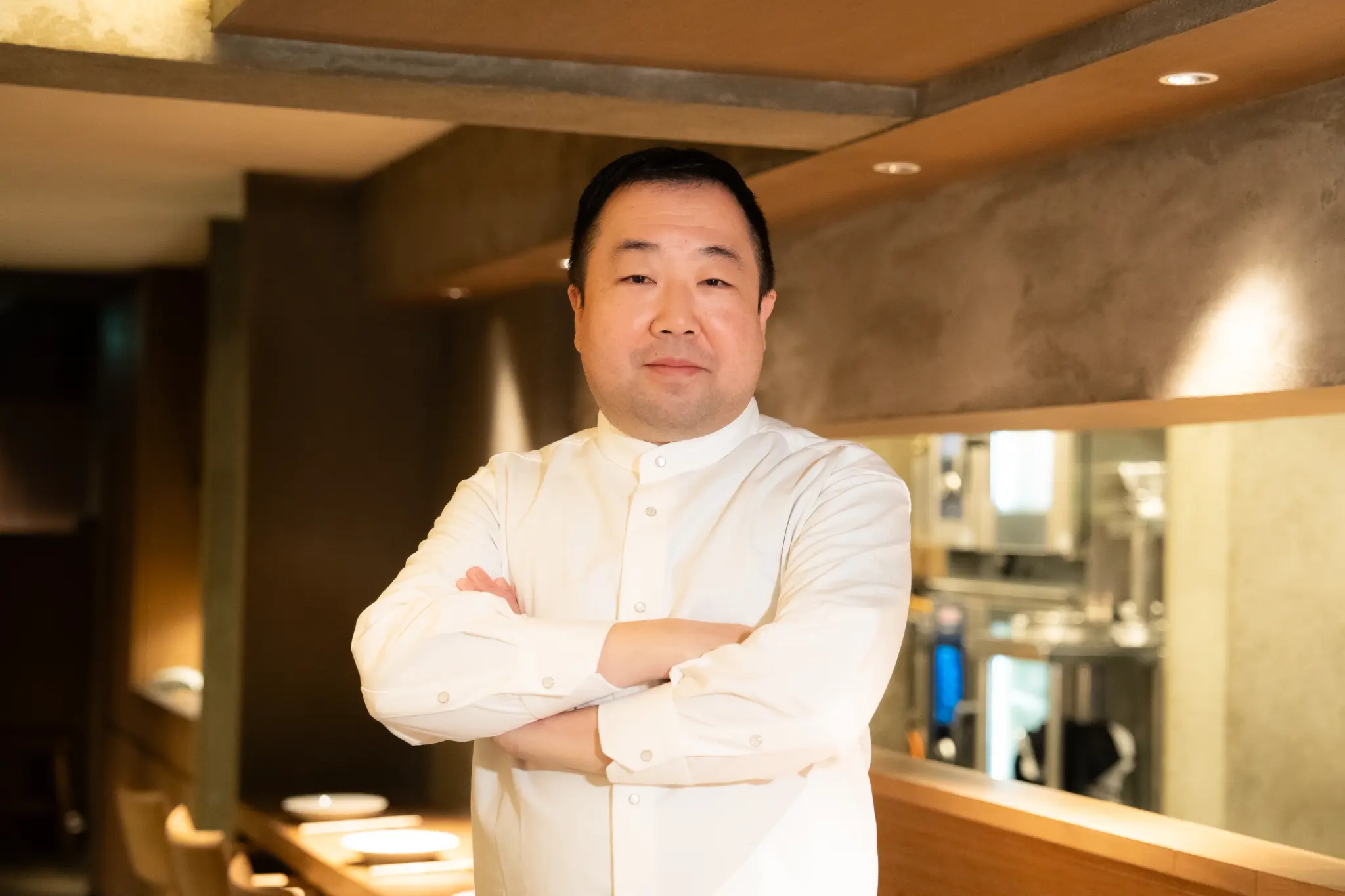
Pursuing Familiar Chinese Cuisine
ーーーWhat inspired you to become a chef?
Since I was in elementary school, I would make simple dishes for my younger siblings. Over time, I started helping with dinner preparations and enjoyed experimenting with seasonings. At the time, I didn’t consciously realize my love for cooking. However, when I was deciding on my career after high school, I realized how strong my passion for cooking was and decided to enroll in a culinary school. There, I studied "Japanese, Western, and Chinese" cuisines, but I found Chinese cuisine to be the most delicious and developed a strong interest in it. While practicing the dishes I learned at school, I felt that Chinese cuisine was the most natural for me to make at home.
ーーーWhere did you train after graduating from culinary school?
I initially worked at the ANA Hotel in Toyama as an opening staff member. I chose this path because I thought it would be a rare opportunity to be involved in the opening of a hotel. Moving from Tokyo to Toyama alone was a bit unsettling, but the hotel was always busy with full reservations. I was constantly focused on work and had no time to think about anything else. At the hotel, I learned the basics of cooking and organizing events as I was involved not just in restaurant duties but also in wedding and banquet services.
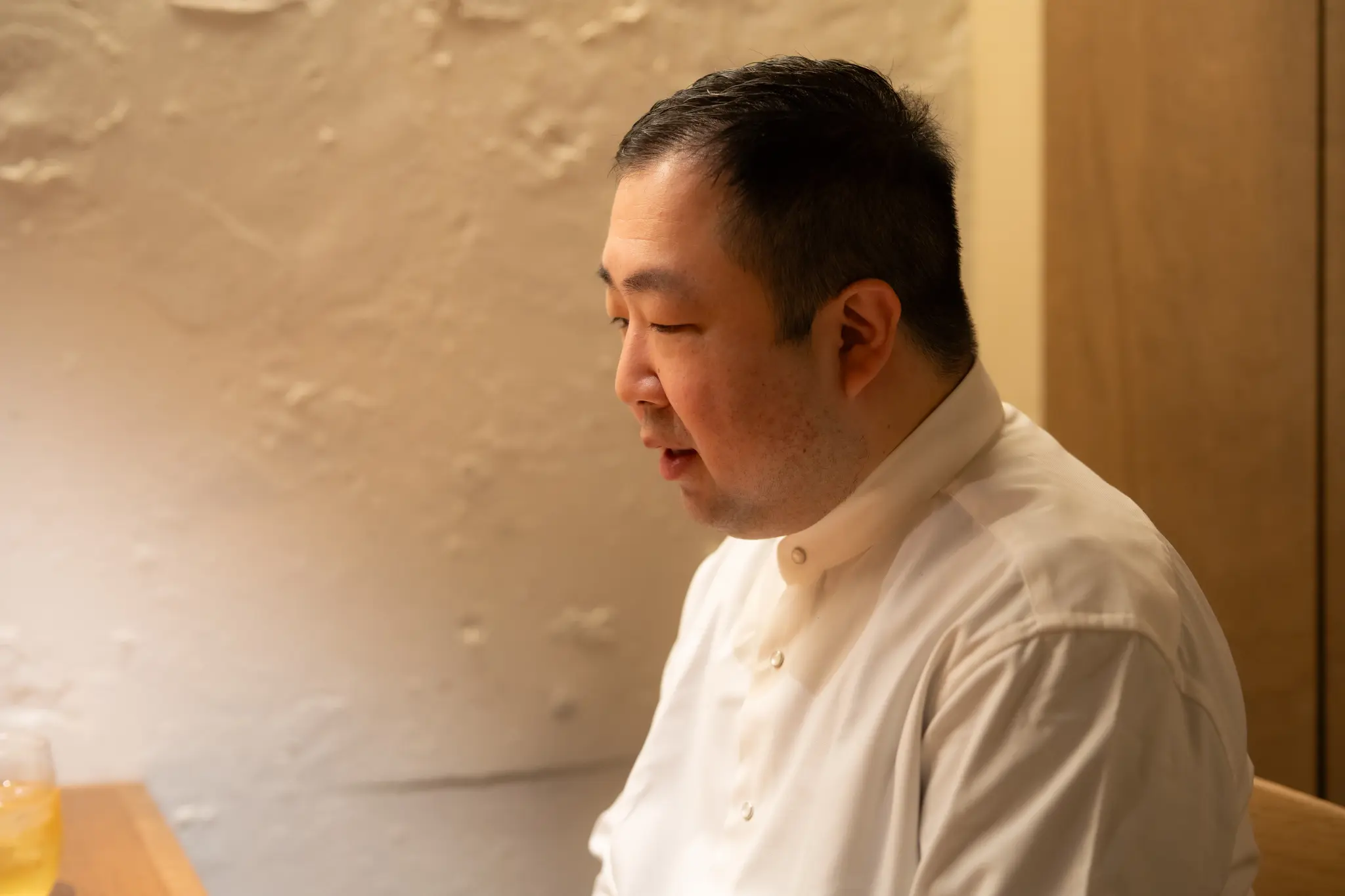
Captivated by the Depth of Cantonese Cuisine in Hong Kong
ーーーCan you share any memorable stories from your training?
Before the ANA Hotel in Toyama opened, I did a three-month training at the ANA Hotel in Kanazawa, where I first entered a Cantonese restaurant kitchen. At that time, I was greatly helped by a Hong Kong chef. The senior chefs often traveled to Hong Kong and would talk about the latest food trends there. They were always sensitive to food trends and constantly incorporated the most up-to-date information into their cooking. The atmosphere in the kitchen was such that everyone seemed to be aiming for Hong Kong, and that made me increasingly interested in Hong Kong.
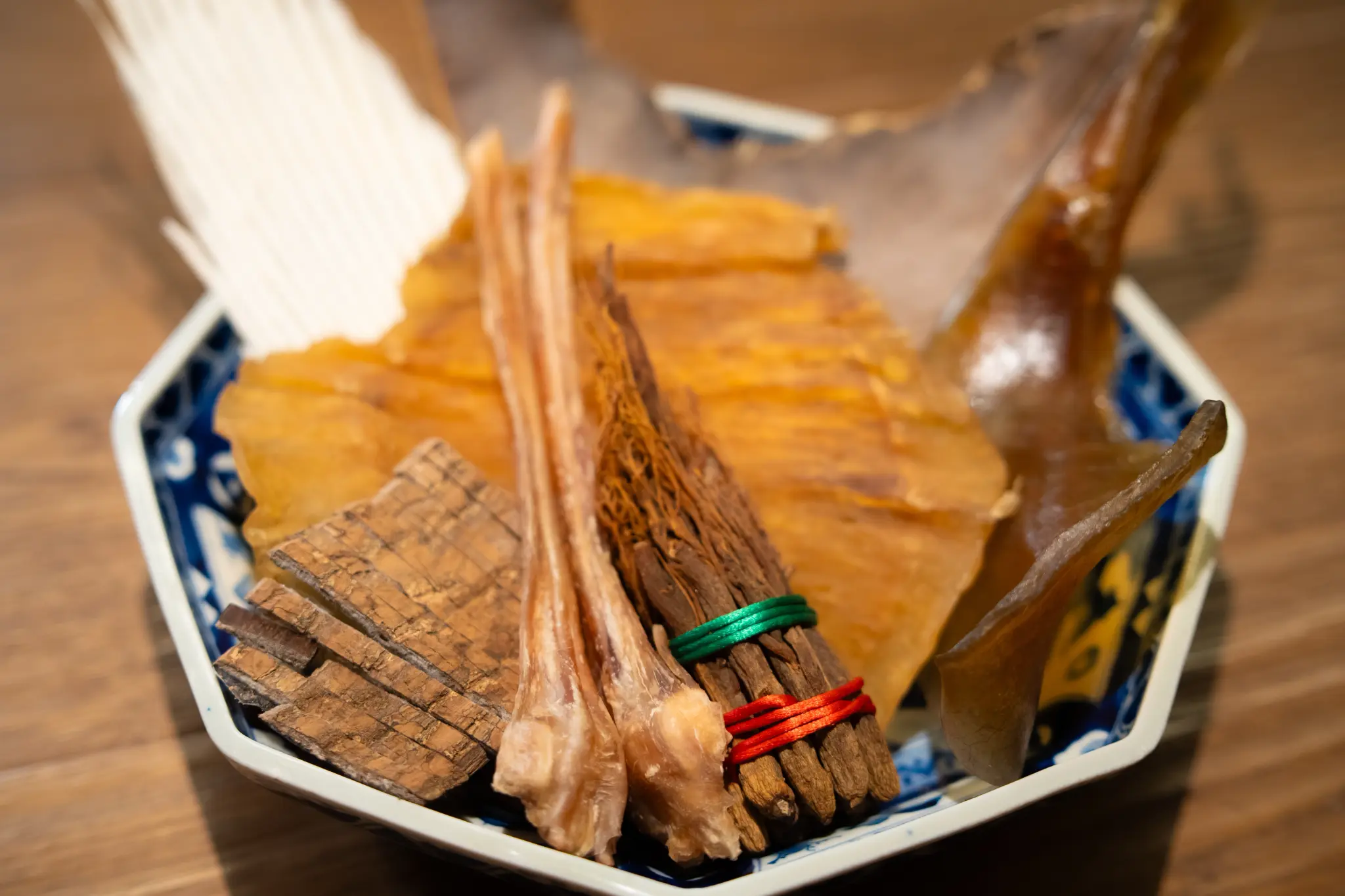
After working at ANA Hotel for about five and a half years, I returned to Tokyo and joined the Cantonese restaurant 【Akasaka Rikyū】. The head chef took me to Hong Kong for my first time, where I was shocked by the differences between Cantonese cuisine in Japan and that of Hong Kong. There were many Chinese vegetables I had never seen in Japan, and the taste and aroma of the vegetables, as well as the seasonings and water, were different. The texture when eating them was entirely different, and the Cantonese food in Hong Kong had a much stronger flavor. I was also deeply drawn to the vibrancy of Hong Kong, where people are passionate about food, and I was fascinated by the difference in atmosphere. That was in the summer, but in the fall of the same year, I visited Hong Kong again. Although Hong Kong doesn’t have as distinct seasons as Japan, I learned that dishes and ingredients vary depending on the season, such as dried meats and sausages.
ーーーHow long did you work at 【Akasaka Rikyu】?
I worked there for about five and a half years. There were also Hong Kong chefs, and I learned various Hong Kong dishes from them. The environment was full of passionate people who motivated me to pursue more. I had the chance to visit Hong Kong, Guangzhou, and Shunde (Guangdong Province) with the president at that time. My first trip to Hong Kong was surprising in terms of the differences with Japan, but the restaurants serving unique flavors and wild game (gibier) in Guangzhou left a lasting impression on me. I still remember those experiences vividly. During that time, I started to feel the urge to work in a Hong Kong kitchen. Through acquaintances, I was introduced to a restaurant in Hong Kong and began working there.
Starting Hong Kong Training for Deeper Learning
ーーーYou finally started your coveted training in Hong Kong.
When I first entered the kitchen in Hong Kong wearing a chef’s coat, I felt a sense of tension and determination. Initially, I hoped to work with roasting dishes like char siu or roast duck. However, the tasks assigned to me were quite similar to what I had already done in Japan, so I decided I wanted to learn something I had never tried before, which was dim sum. After about three months, I consulted with the head chef. In Hong Kong, kitchens are divided into specialized roles, and working hours also vary. While basic positions do not change much, I ended up working in the dim sum kitchen.
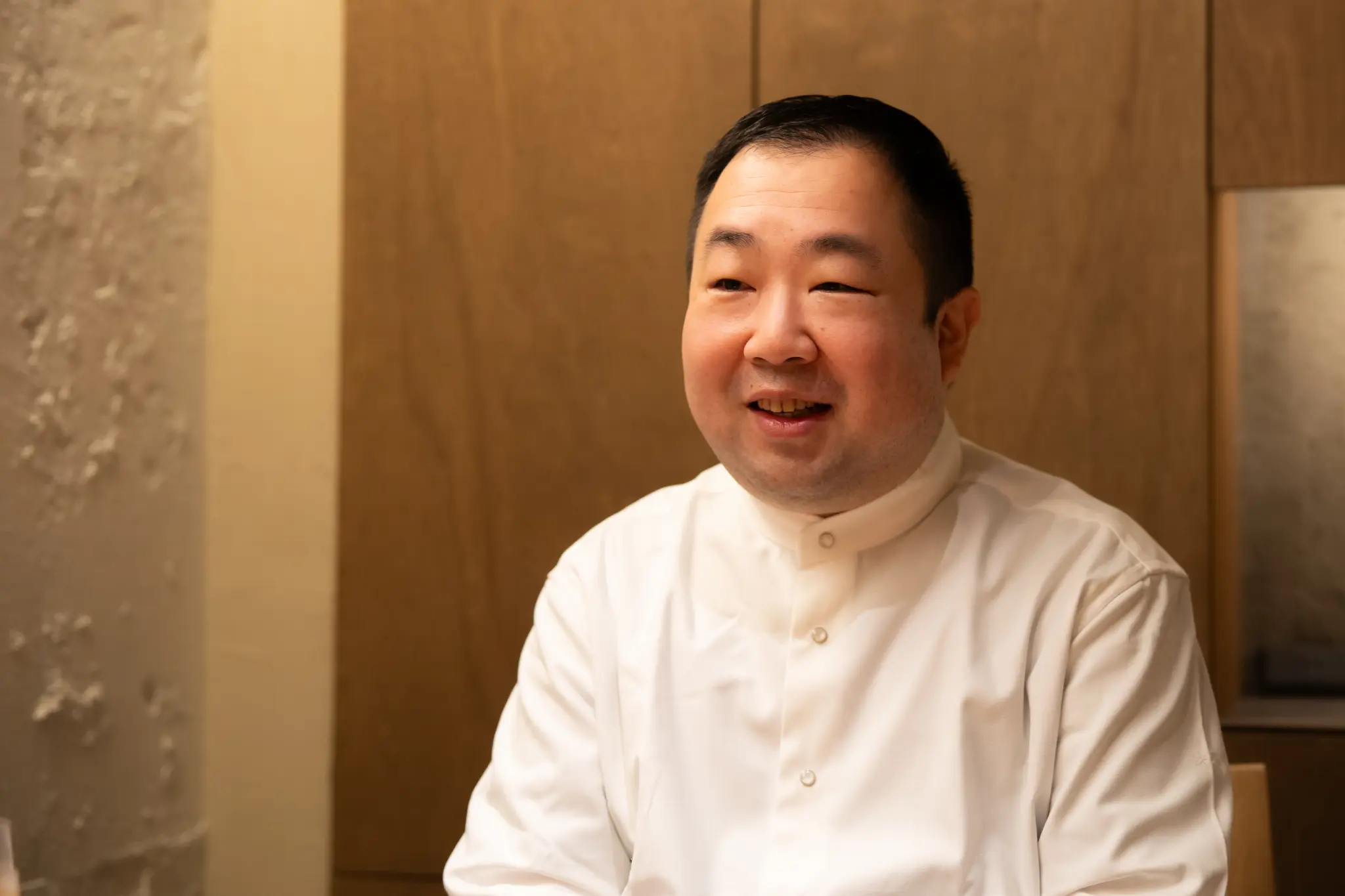
At the beginning, I felt somewhat looked down upon because I was Japanese, which made things difficult. However, having worked as a chef in Japan for over 10 years, I was skilled with the knife and could handle cutting tasks. This changed the way others viewed me, and the environment became much easier to work in. After working on dim sum, I also had the opportunity to experience prepping ingredients for the kitchen, and my two years of training in Hong Kong were invaluable.
ーーーDid you face any language barriers or difficulties?
I didn’t really experience that much difficulty. Even when I was in Japan, I often communicated with people from Hong Kong, and I had a strong desire to go there, so I was constantly gathering information and learning Cantonese, which helped me a lot. There were words I didn’t know that I hadn’t learned in Japan, but I picked them up gradually by asking.
ーーーAfter finishing your training in Hong Kong, where did you go?
After returning to Japan, I went to a restaurant called Hyoukou in Yoyogi-Uehara, thanks to an introduction from an acquaintance. When I was there, I was asked if I had decided on my next job, and when I replied that I hadn’t, they offered me a position as they were expanding. I worked at two restaurants in the Piaoxiang group, 【Piaoxiang】 in Yoyogi Uehara and the other at 【Piaoxiang Azabu-Juban (now relocated),】 where I was in charge of roast meats and appetizers.
Possibilities Expand Through Encounters with People
ーーーWhat led you to open your own restaurant?
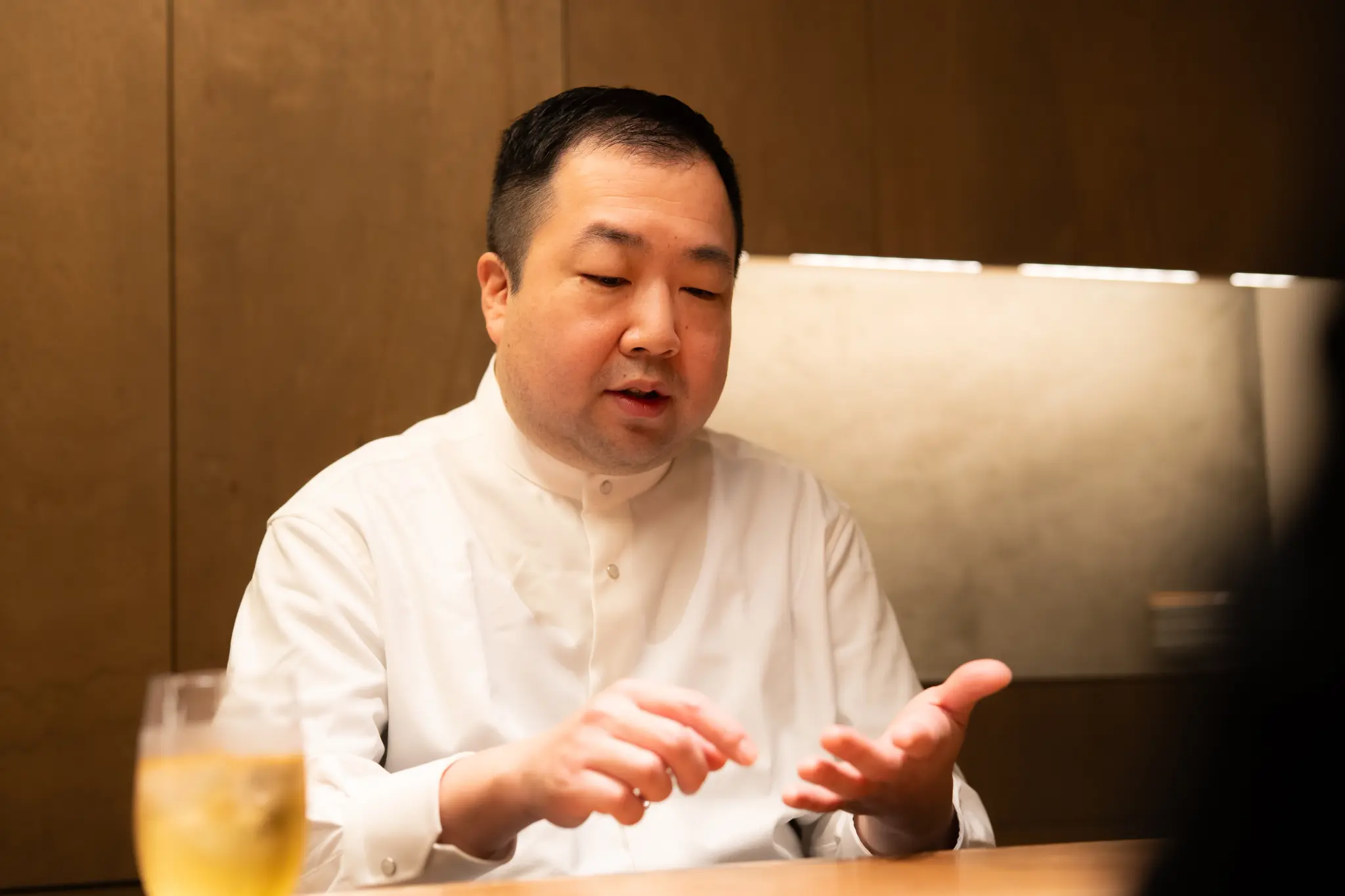
It was during the COVID-19 pandemic when I worked together on the launch of a new restaurant with acquaintances. There, I met President Hayashi (the current owner of Ippei Hanten), who invited me to work with him. I had always thought that it would be difficult to express what I wanted to do while working for someone else, so when I received the invitation, I was uncertain. However, President Hayashi told me, “You can make the dishes you want to make,” and that gave me the determination to move forward.
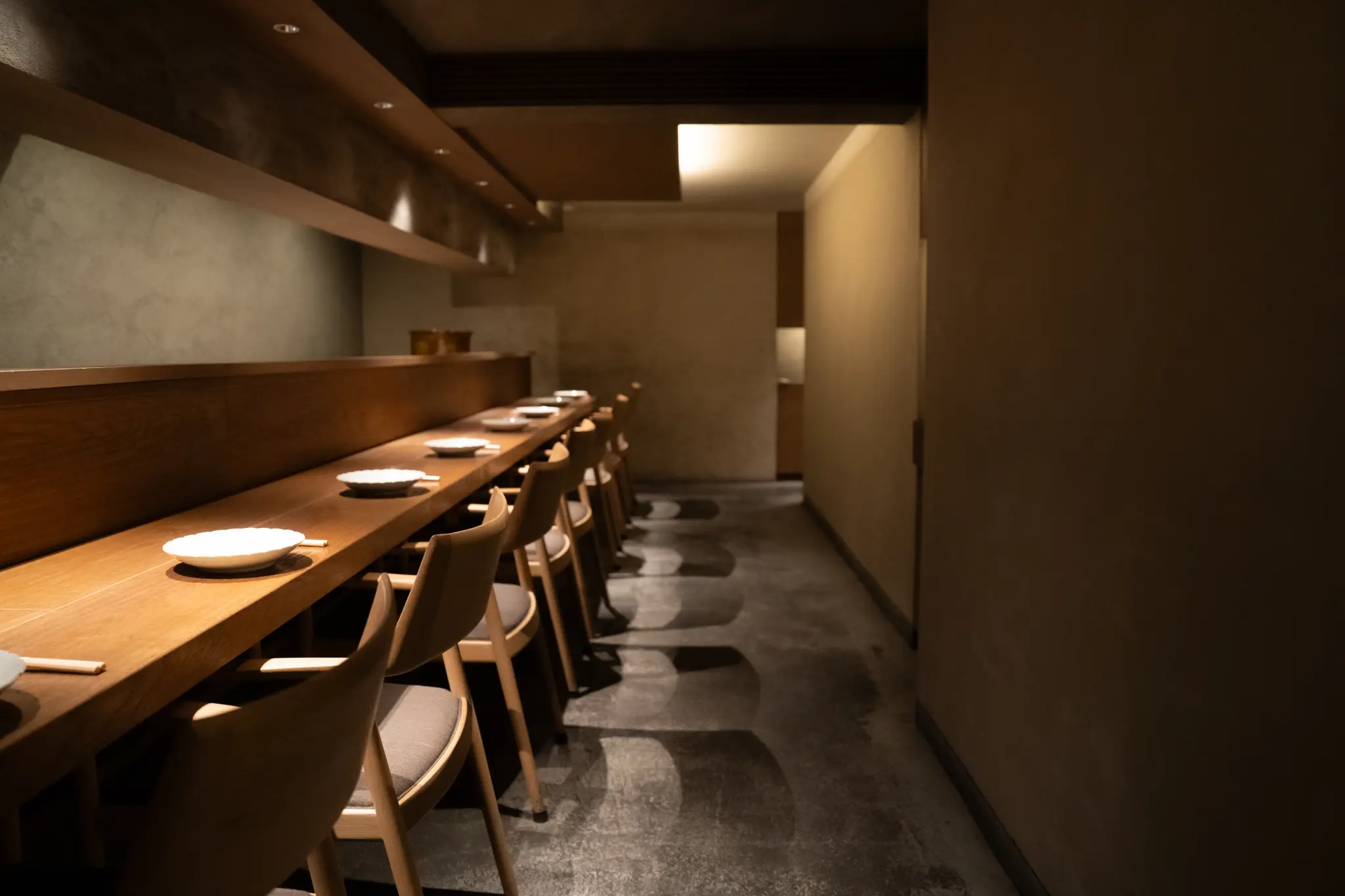
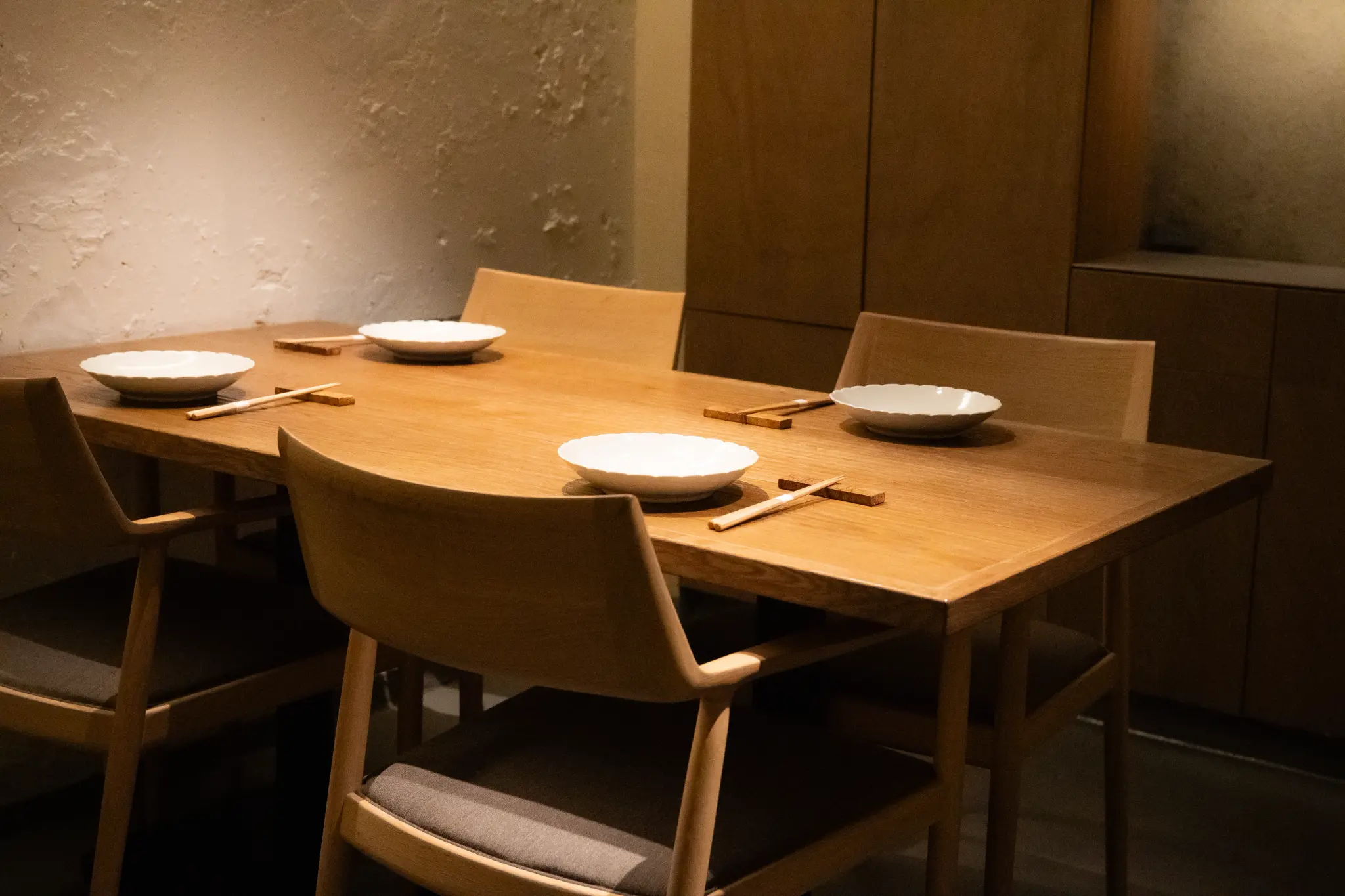
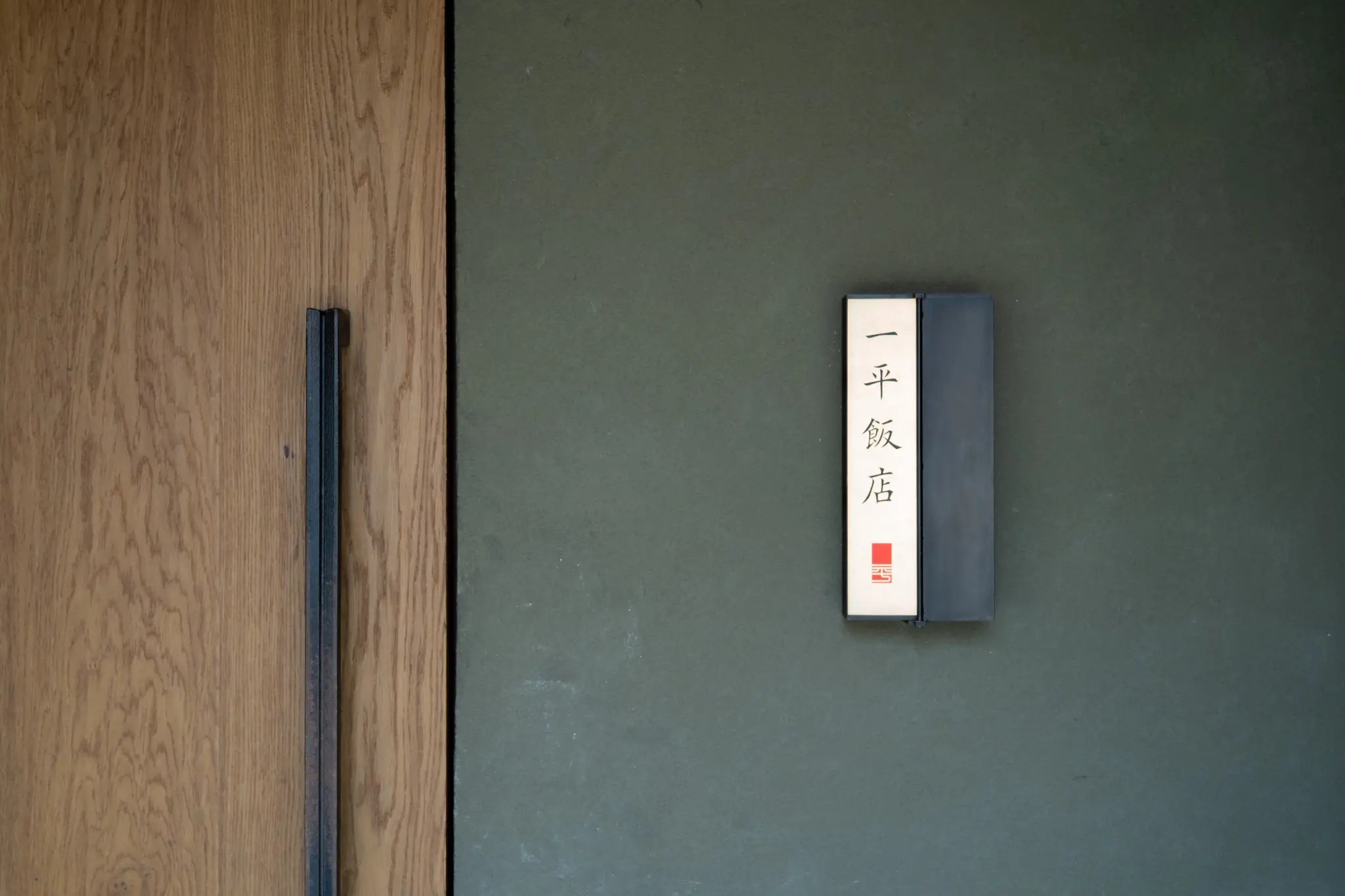
We worked together on the restaurant concept and layout. We wanted it to feel like a back alley in Hong Kong, so we asked a designer to create the space. The name 【Ippei Hanten】comes from my name "Ippei," and we added "Hanten" because it clearly conveys the image of Chinese cuisine, which everyone can easily understand.
Providing the Best Dish at the Right Moment
ーーーDo you have any particular focus when it comes to ingredients?
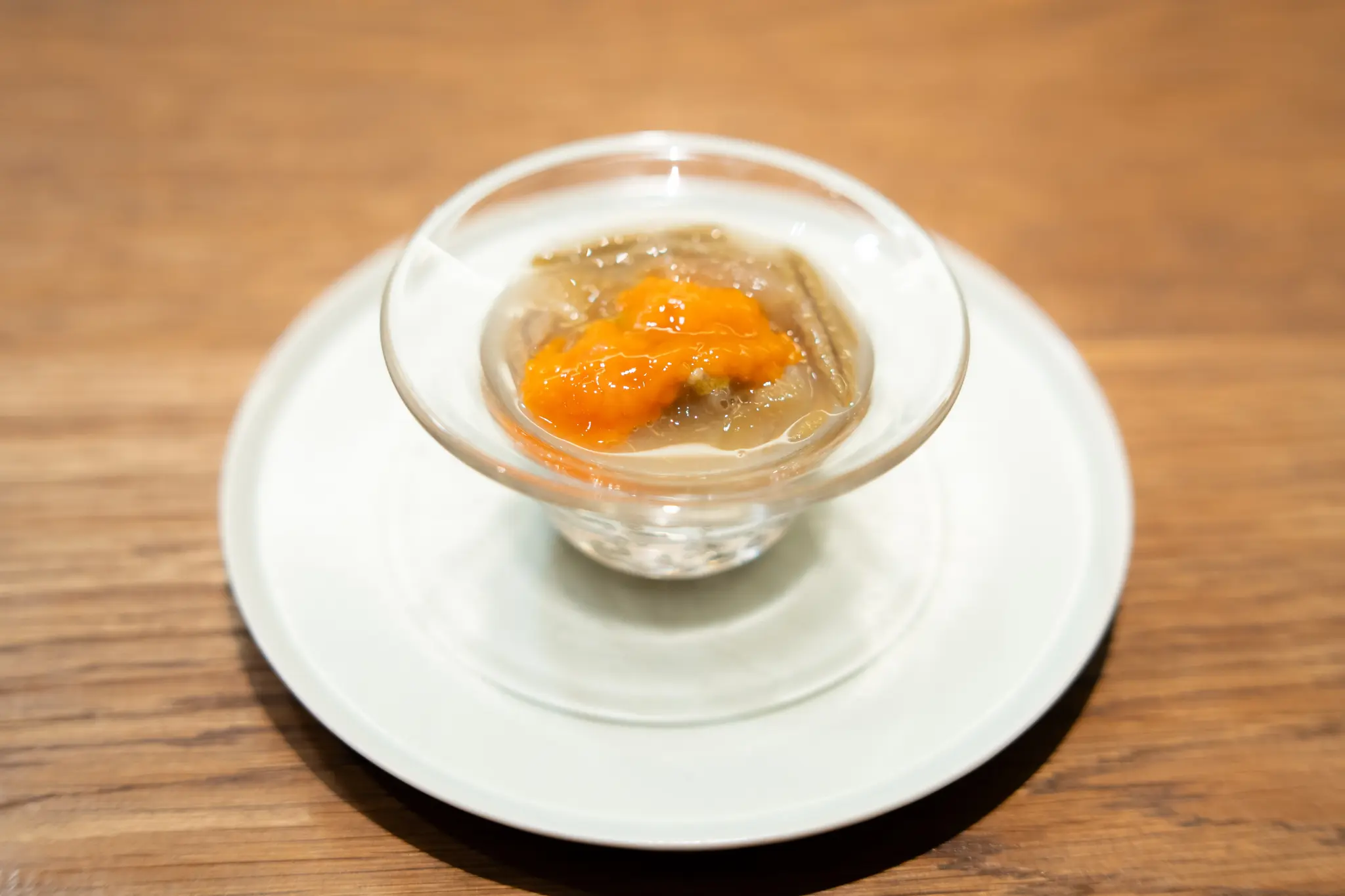
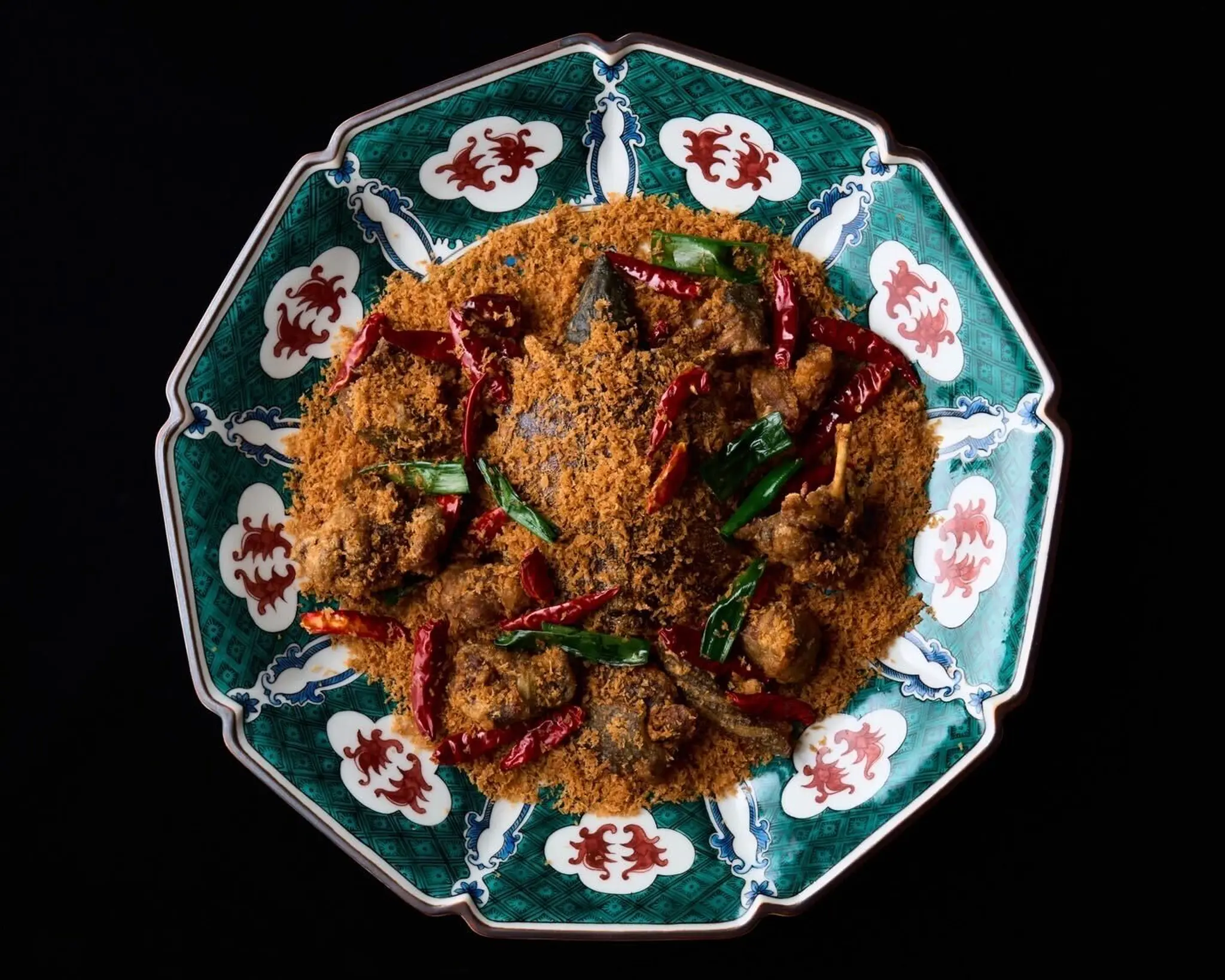
I prioritize fresh seasonal ingredients from Japan. For example, wild vegetables are mainly sourced from Yamagata, Niigata, and Kyoto, and I ask for the freshest ones during the season. Also, there are ingredients that are limited in quantity depending on the day. For instance, it’s difficult to get good-quality bear meat, but when I can find it, I make use of it. There are only a few rare ingredients like this, so if they run out, I use other fresh ingredients. I always strive to use the best ingredients available at the moment, and I frequently communicate with various suppliers to get suggestions for fresh ingredients. When I want to use specific ingredients, I ask them to source them. Regarding course dishes, we plan to change the menu about every two months and inform customers of this.
ーーーDo you handle any other wild game besides bear meat?
We also use wild boar. Although I haven’t used it much recently, we also serve pigeon. In Hong Kong, pigeon is a common ingredient. It has a stronger flavor than chicken and is closer to duck. Some customers don’t like it, so I haven’t served it much lately, but when regular customers who enjoy wild game ask for it, I change the dish and serve them pigeon, and they are happy.
Providing the Best Taste to Enjoy at Its Finest
ーーーCan you share any thoughts on your approach to cooking?
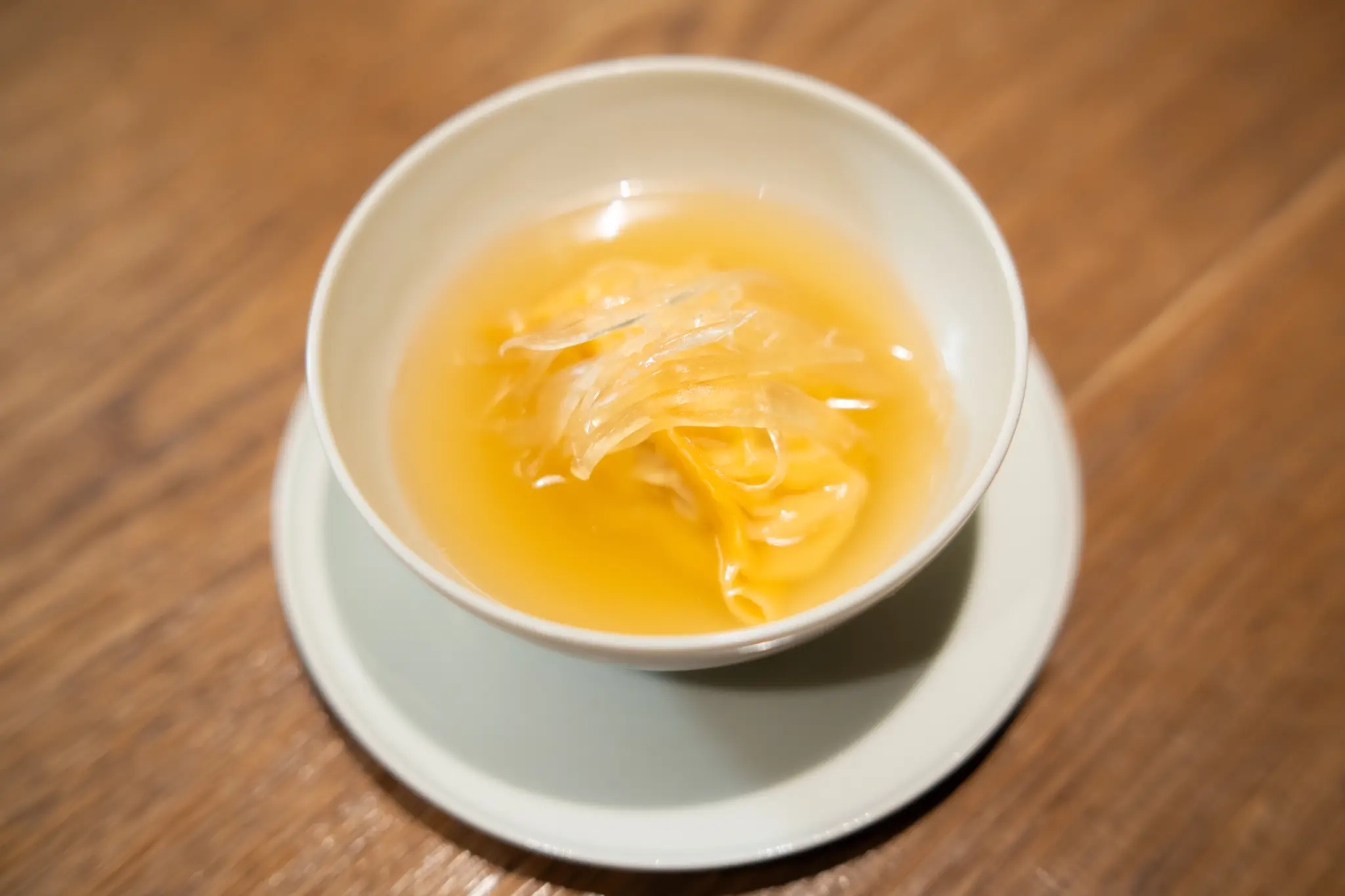
The most important things I focus on are "temperature" and "aroma." For example, when serving soup, I sometimes open the lid and place ingredients on top, and the shorter the time between that step and serving, the better. If the dish is ready but the service staff is not available, the temperature drops. Therefore, it’s crucial for me to provide the dish in its best state immediately after it’s ready, so I focus on the speed of serving and ensure that the temperature and aroma are preserved.
Understanding Both Inside and Out to Elevate the Dish
ーーーWhat are your future plans?
In the past, I believed that the Hong Kong method was the correct one, and I focused on replicating it accurately. However, over time, my thinking has shifted toward how to make the best use of Japanese ingredients. The direction of my cooking has changed little by little, and now I feel that if I can use the essence of Cantonese cuisine and create something delicious using Japanese ingredients, that’s what’s important. In the past, I would never have made a dish that didn’t exist in Hong Kong, but now I think about how to create something new through Japanese ingredients.
Traditional Hong Kong cuisine is still essential, as without it, it would just be creative cooking. Understanding the meaning behind it is important. However, my current focus is to experiment with how to create dishes using ingredients. For example, salted lemon is often used in Hong Kong on top of fish when steamed, and it enhances the aroma. In Japan, we sometimes use a little bit of yuzu peel in a bowl to create a fragrant aroma. I think similar methods could work well here. I hope to keep expanding my cooking horizons and create new and exciting dishes that my customers will love.
There were times when we prioritized what works best in Hong Kong, rather than focusing solely on whether the dish is delicious or whether it suits the Japanese palate. While we use Japanese ingredients and most of our customers are Japanese, we want to create dishes that not only respect those aspects but also ensure they are as delicious as possible for our customers.
The Best Moment of Taste, Born from the Qi
ーーーWhat does Chinese cuisine mean to you?
I believe that "temperature" and "aroma" are indeed very important. In Hong Kong, there is a term called "wok hei" (鍋氣), which is hard to translate directly into Japanese, but it refers to the image of the steam rising from a hot pot. Hong Kong chefs place great importance on this. By cooking the ingredients precisely at the best temperature, the steam rising from the dish indicates that it is hot, and the aroma is also released. Ultimately, the food turns out to be delicious. I think that serving hot dishes while they're hot and cold dishes while they're cold is essential to enhancing the taste of the food.
ーーーWhat does "delicious" mean to you?
I think the freshness of each ingredient is crucial. It’s important that the ingredients are handled properly in their place of origin and then prepared in the best state. After that, applying the right heat and seasoning to connect it to the customer’s table is what completes the dish. There are many factors, and it’s obvious that nothing should be missing, such as seasoning or heat, but the foundation of fresh, seasonal ingredients is what creates the "delicious" experience.
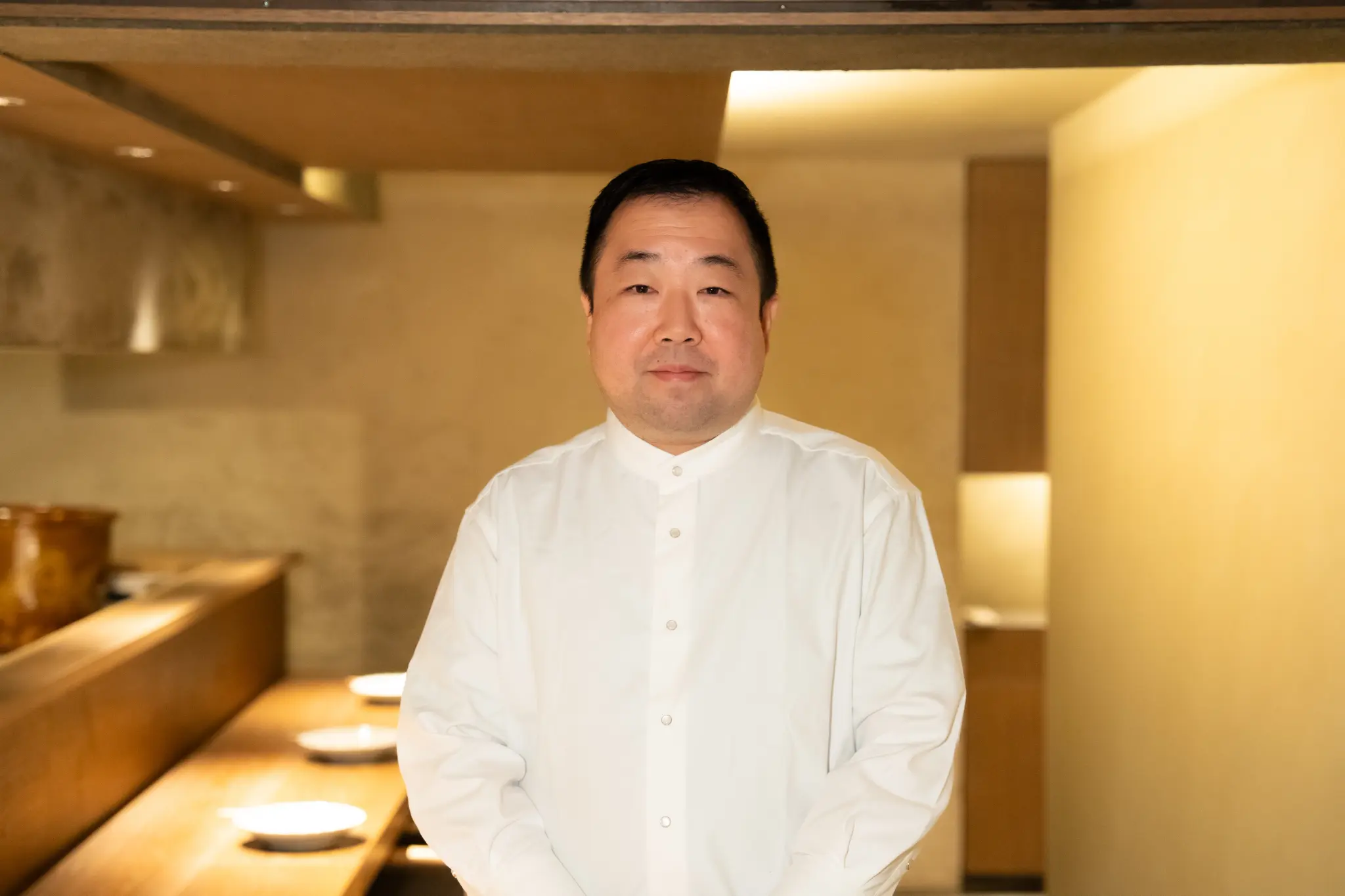
Focusing on fresh ingredients, appropriate heat, and seasoning, Chef Adachi continuously challenges himself to express Chinese cuisine while maintaining the traditional cooking techniques he learned in Hong Kong and incorporating seasonal Japanese ingredients. His dishes, always evolving with precision and sensitivity, will continue to delight and satisfy the hearts of many people. We hope you’ll encounter his new take on Chinese cuisine at 【Ippei Hanten】.
Interview and Text by: AutoReserve Magazine Editorial Team
Photography by: Shoichi Baba
Restaurant Information
- AutoReserve Magazine
- Restaurants recommended by top chefs
- Creating Chinese Cuisine with a Focus on Fresh Ingredients and Wok Hei at Ippei Hanten
.jpg?format=webp)
.jpg?format=webp)
.jpg?format=webp)