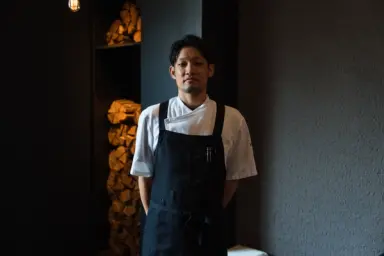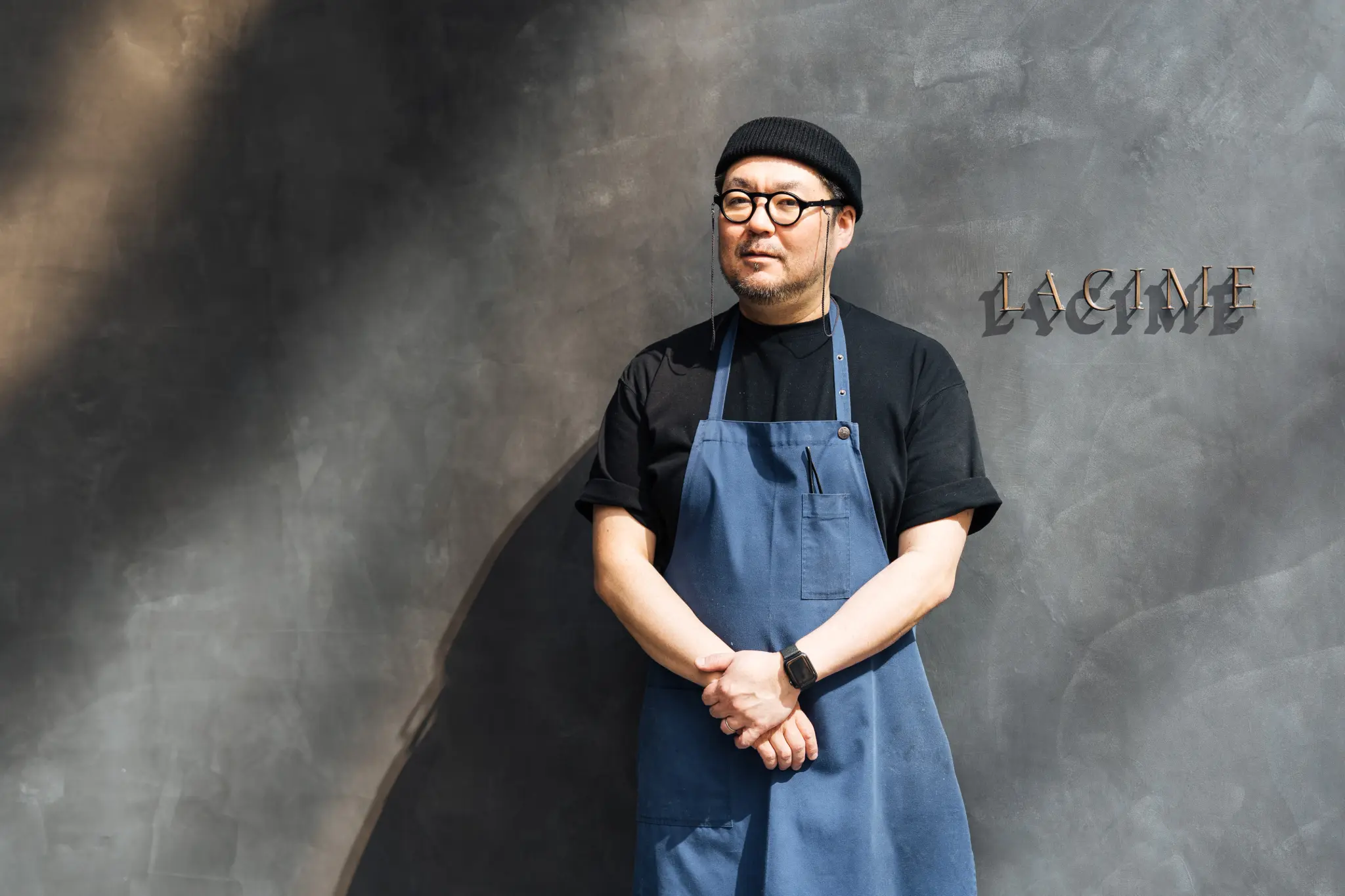
Creating the Future through Experience and Knowledge: Chef Yusuke Takada’s Evolutionary Approach to Cooking at【La Cime】
Reevaluating the Future after Taking a Detour
ーーーWhen did you first become interested in cooking?
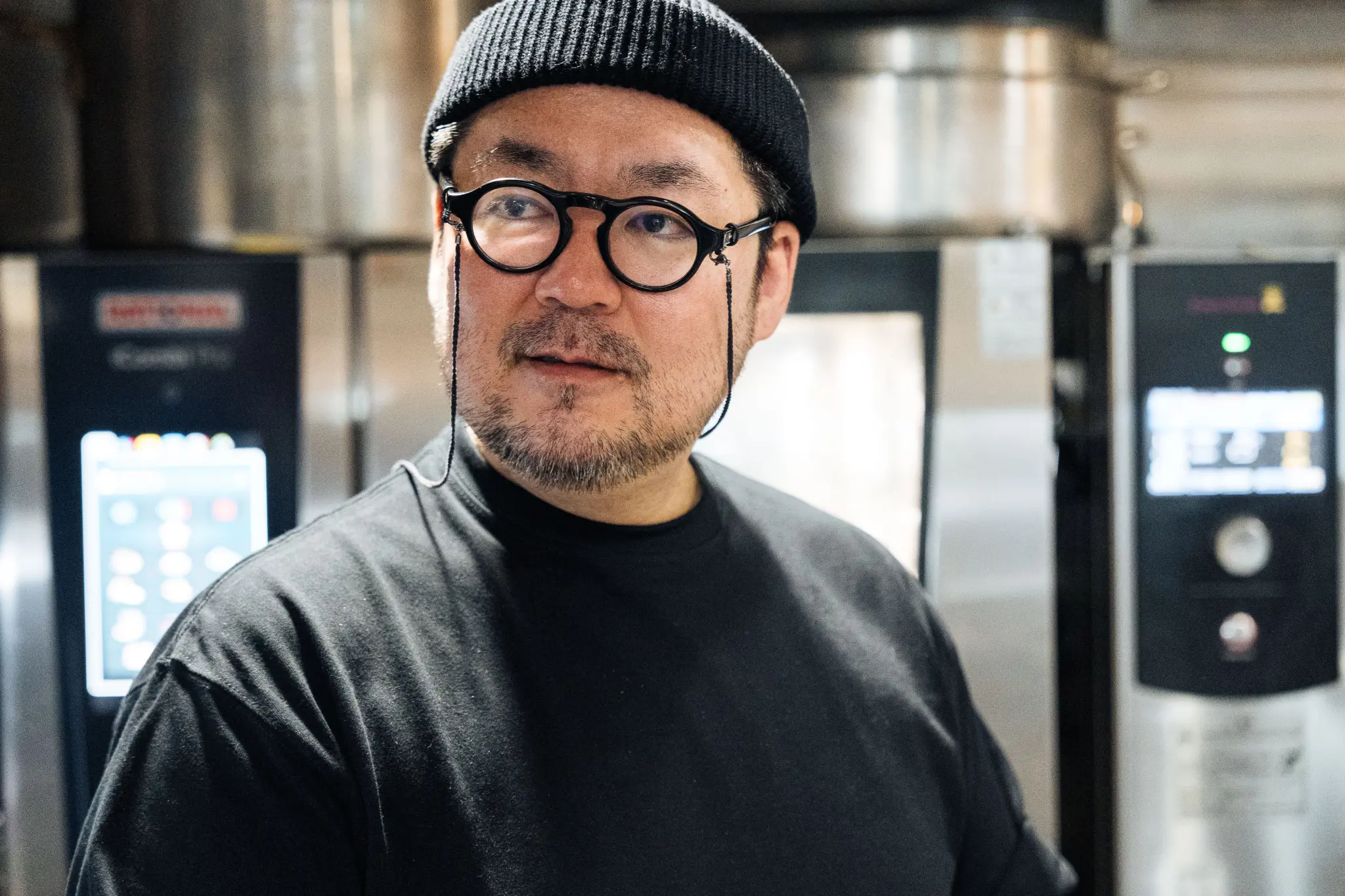
I first became interested in cooking when I was in the first or second grade of elementary school, after watching a cooking show on television. They were making something like udon, mixing flour and water, and I remember trying to replicate it myself. It was fascinating to watch something I had never seen or eaten before come together right before my eyes, and I was glued to the TV. Then, when I was in upper elementary school, "Iron Chef" began airing, and that’s when my desire to become a chef really intensified. I wrote in my graduation album that I wanted to become a chef, and in my middle school graduation album, I declared that I would go abroad as a chef.
ーーーDid you follow the path of cooking from there?
My family ran an electronics store on Amami Oshima, Kagoshima, and as the youngest of four siblings, I always felt that I would not take over the business. However, after moving to Kagoshima City for high school, I became more focused on enjoying my youth, and my dream of becoming a chef faded. But after dropping out of high school and reflecting on my life, I remembered that I had always wanted to become a chef. That’s when I decided to pursue this path seriously. I humbled myself and asked my father to allow me to attend a culinary school in Osaka.
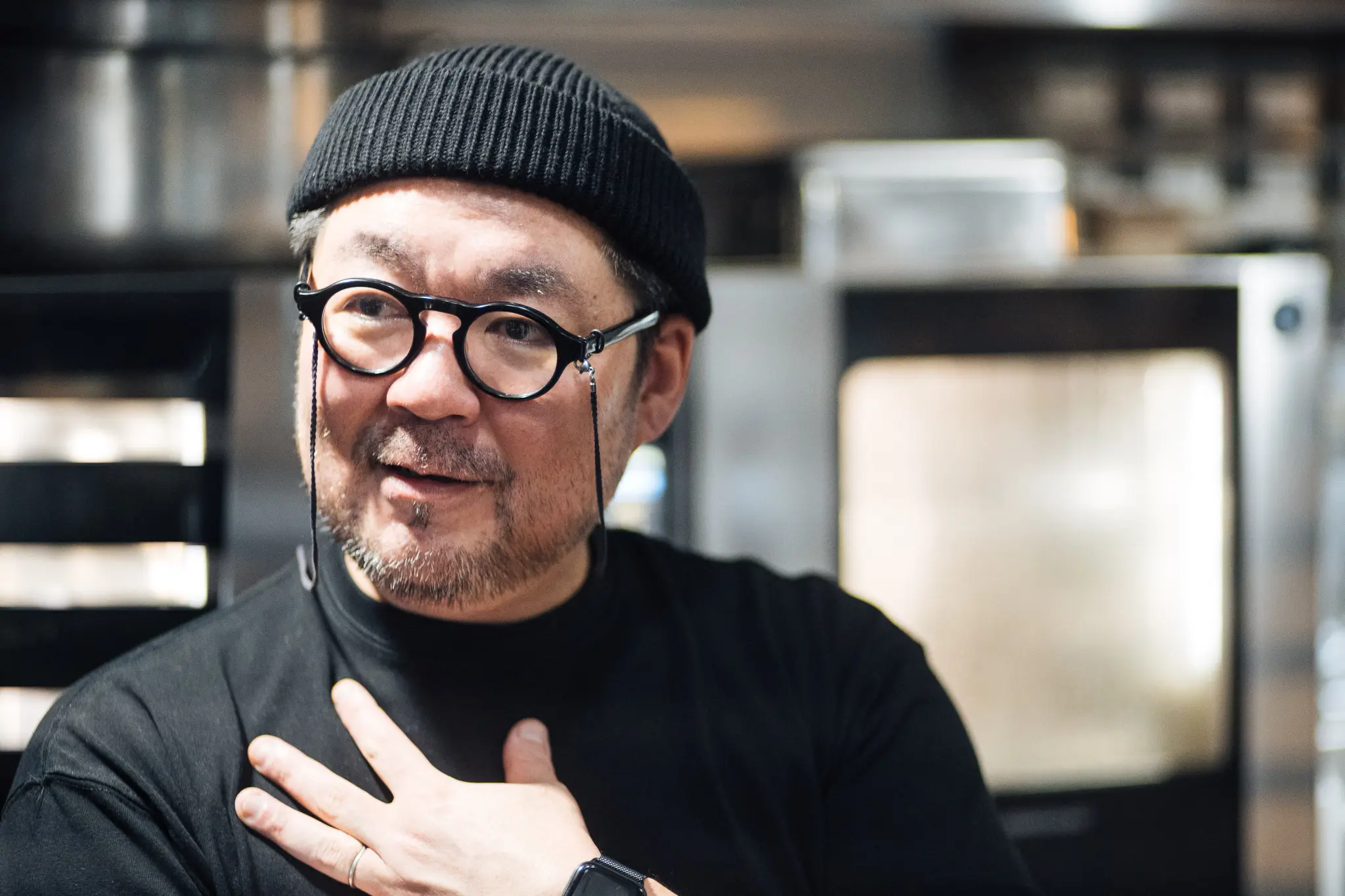
After graduating from the culinary school, I worked in Osaka for about nine years before heading to France at the age of 30. I wanted to gain experience at a three-star restaurant before opening my own place. From 2007, I trained for two years in Paris at prestigious restaurants like "Taillevent," "Le Meurice," and "Hotel Meurice," immersing myself in the world of grand maisons. While I learned technical skills, the opportunity to witness the fusion of tradition and avant-garde French cuisine left a lasting impression, helping me envision my future career.
The Struggles of a Creator Bringing Something New into the World
ーーーDid you open your own restaurant as soon as you returned to Japan?
After returning to Japan, I initially planned to work at a local restaurant, but I wasn’t able to find the right opportunity. So, I started working part-time at a butcher shop and, when I learned about a good property available, I decided to open my own restaurant.
ーーーYou received your first Michelin star in 2012. What was that like?
I received my first star two years after opening, but at the time, I was still struggling and unsure of the direction to take, both in terms of the food and running the business. My concept was to offer three-star French cuisine in a casual environment, but it didn’t seem to resonate with customers at the time. I quickly realized how difficult it was to create something entirely new.
The ingredients in Japan are different from those in France, and trying to replicate French recipes with local ingredients was not working. So, I began exploring ways to bring out the unique flavors of Japanese ingredients while still pursuing the essence of French cuisine that only I could create.
I even undertook a unique project where I selected classic dishes from over 20 regions of France that were unfamiliar to Japanese diners and reconstructed them in the "La Cime" style. Since only chefs who have tasted the real flavors in France can recreate them, it was a rewarding challenge.
ーーーDid you feel any signs of change as you explored new dishes?
Thanks to media coverage and attention from other chefs, my recognition grew, but I still faced tough times in the business. I even had conversations with my staff, saying, "If we can’t see any progress after this year, we might have to close." But just a week later, I received an offer from a Taiwanese event company for a collaboration, and looking back, that moment marked a turning point.
It was my first time participating in an overseas event, and over three days, we served about 500 guests. Thanks to the press releases we distributed two months ahead of the event, many Taiwanese customers visited the restaurant beforehand. The event was a success, and I finally felt like the restaurant was getting on track. The cold reception I had once received started to turn warmer. This eventually led to the two-star Michelin rating.
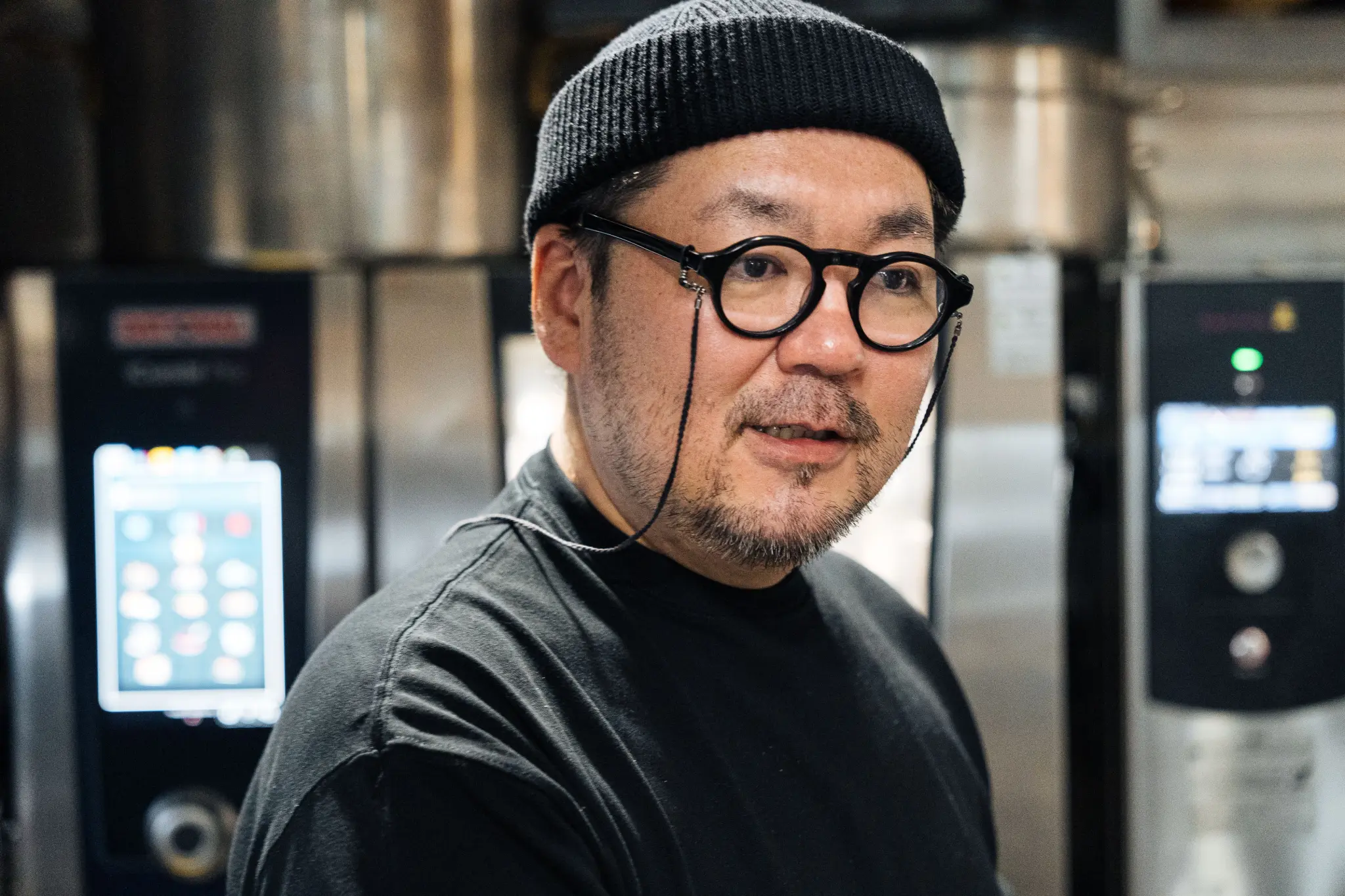
I may appear to have had smooth sailing, but in reality, I faced many challenges. However, the experience of handling everything on my own has been invaluable in shaping who I am today.
Purely Facing Cooking, Expressing Everything through Creation
ーーーWhat does French cuisine mean to you?
It’s similar to how elementary school students may dream of becoming baseball players. I wanted to be a French chef from the start, so it’s my "origin of admiration." That’s how I got to where I am now. French cuisine is the foundation of my life and a way to express myself. But honestly, I don’t think it’s a very profitable profession (laughs). French cuisine involves many complex processes, and it’s definitely not an easy job. Without passion or a love for it, you won’t be able to continue.
ーーーDo you find it difficult to continue cooking French cuisine in Japan?
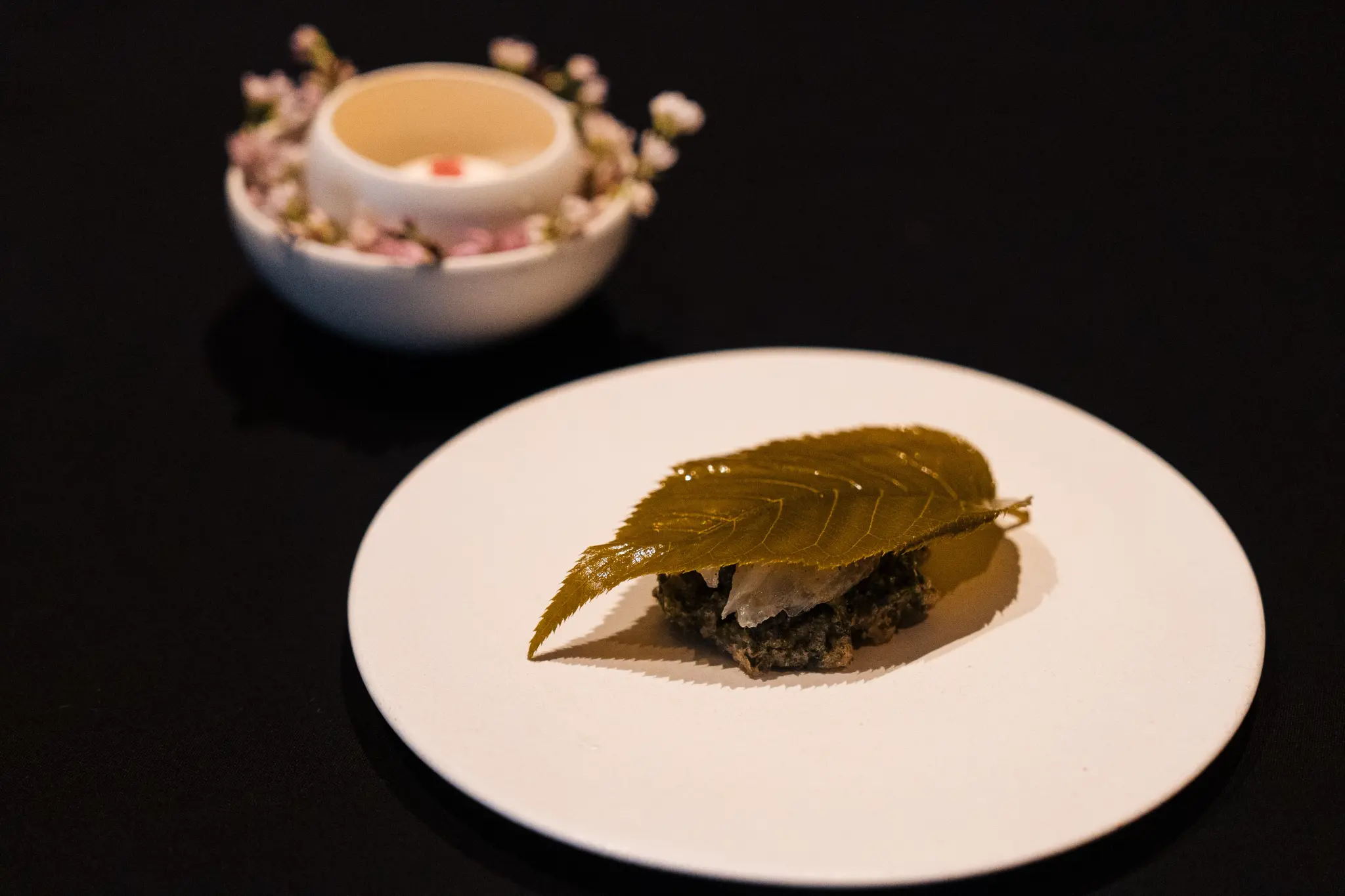
I still feel that French and other Western cuisines are not fully appreciated in Japan. In other words, there are many aspects that people don’t understand. But I also think that’s part of its charm. It’s been 30 to 40 years since Japan started offering authentic French cuisine, but it hasn’t truly integrated into Japanese life and culture. There is still a significant time lag compared to France. Therefore, I believe that French chefs in Japan should boldly aim for Michelin stars, regardless of public opinion. Of course, they shouldn’t rest on their laurels after receiving praise.
ーーーDo you consider customer feedback and reviews when cooking?
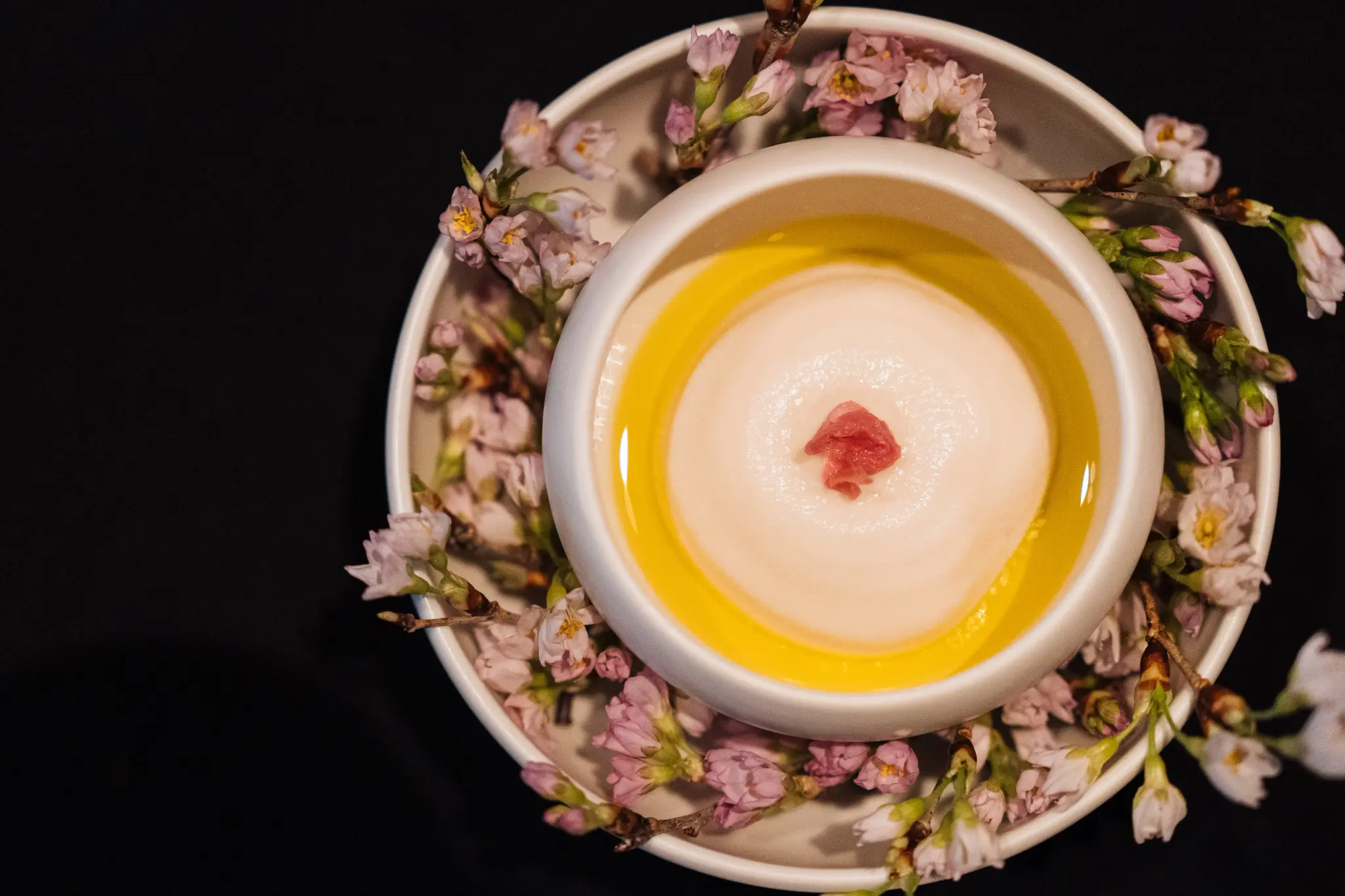
Not really. While I always seek to evolve my dishes, I don’t think my creations should always align with what others prefer. Of course, the recognition I received for creativity and innovation likely contributed to the two-star Michelin rating, and I do make food for my customers. However, once I step into the kitchen, I separate "expression" and "evaluation" from my cooking, and I face the process without caring about external opinions.
ーーーDo you have any particular focus on ingredients?
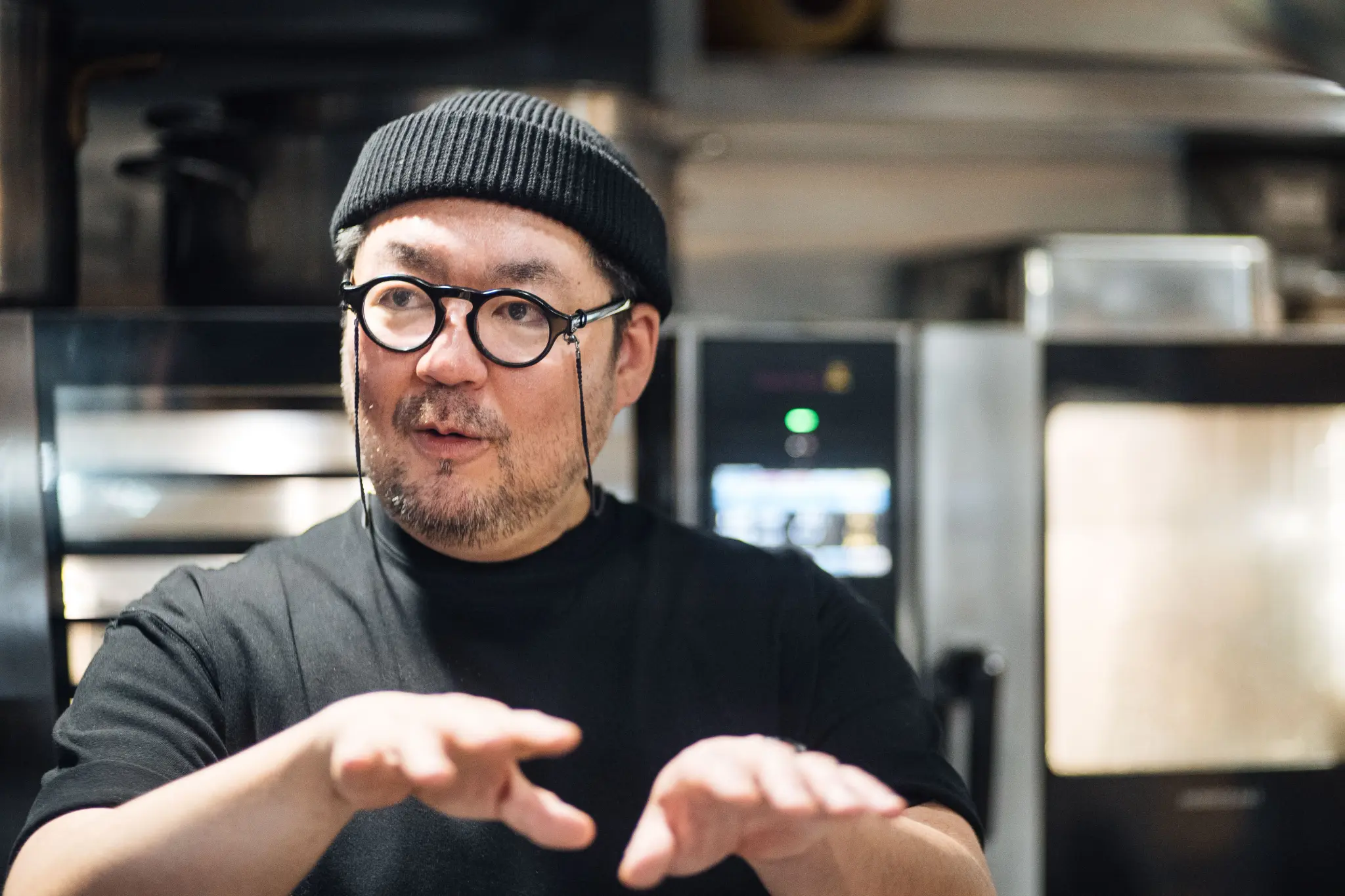
If the question is whether I’m particular about ingredients, I’d say no. Being too attached to certain ingredients limits you. For example, when I go overseas, the ingredients and kitchens are different. To create something, you have to let go of rigid attachments to certain ingredients. As for sourcing, I value relationships with trustworthy suppliers. Even though I sometimes can’t get the exact ingredients I want, it’s not just about the ingredients. A professional chef can adapt and create delicious dishes with what’s available.
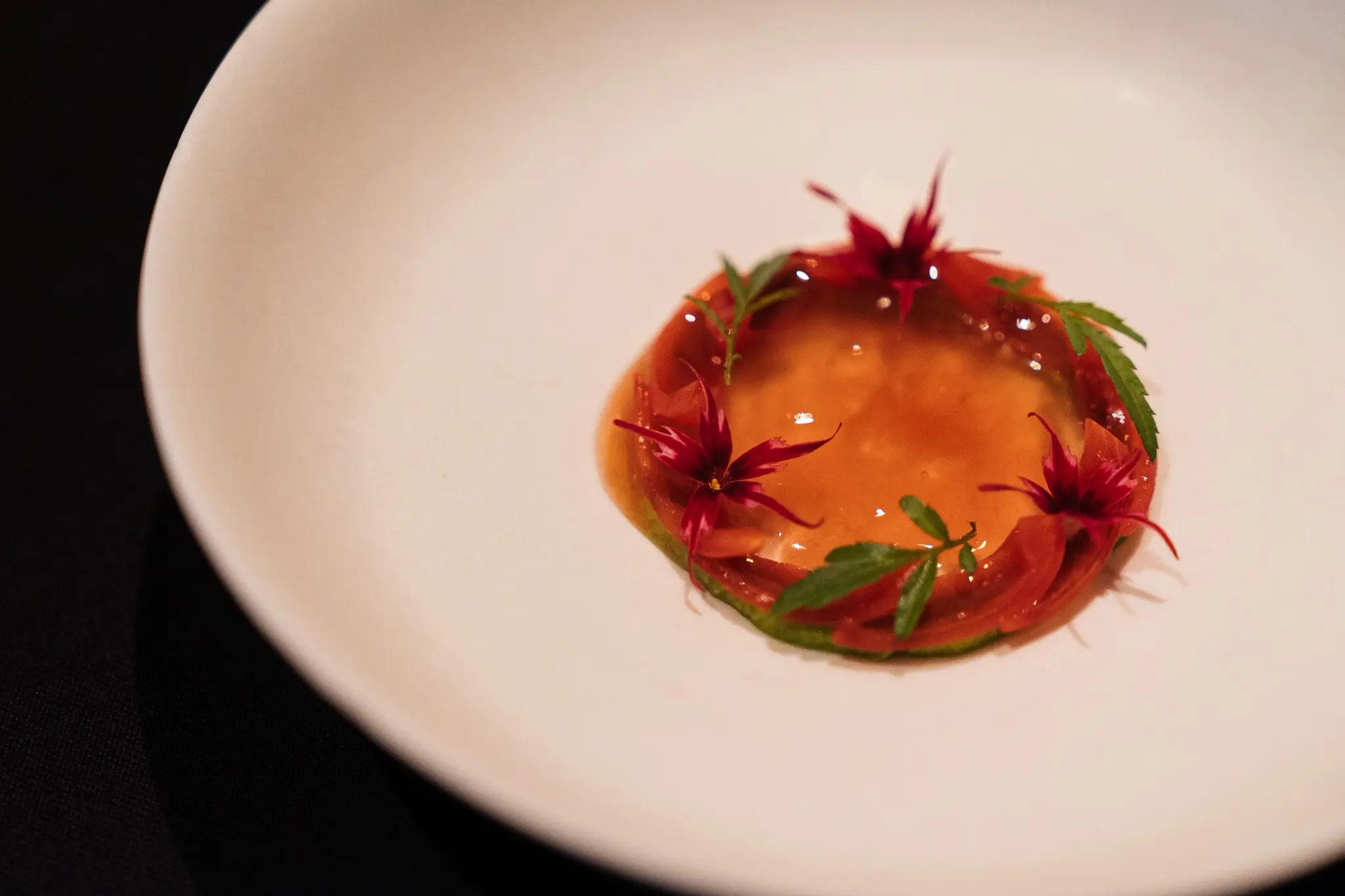
Of course, the producers are professionals too. The chef is not the only one who is special. We simply cook with the amazing ingredients provided to us, but it’s also our job to enhance the value of those ingredients.
Never stop challenging yourself and infuse your thoughts into your cooking
ーーーWhat are your future plans?
Given the staffing shortages and other challenges in the restaurant industry, I’m considering expanding into high-quality catering services, possibly even internationally. I’m actively participating in events and always looking to do things that are interesting and not yet done by others. Challenges always come with risks, but you won’t see returns without taking risks. You never know when another world-changing event like the pandemic might happen, so I want to prepare for the future.
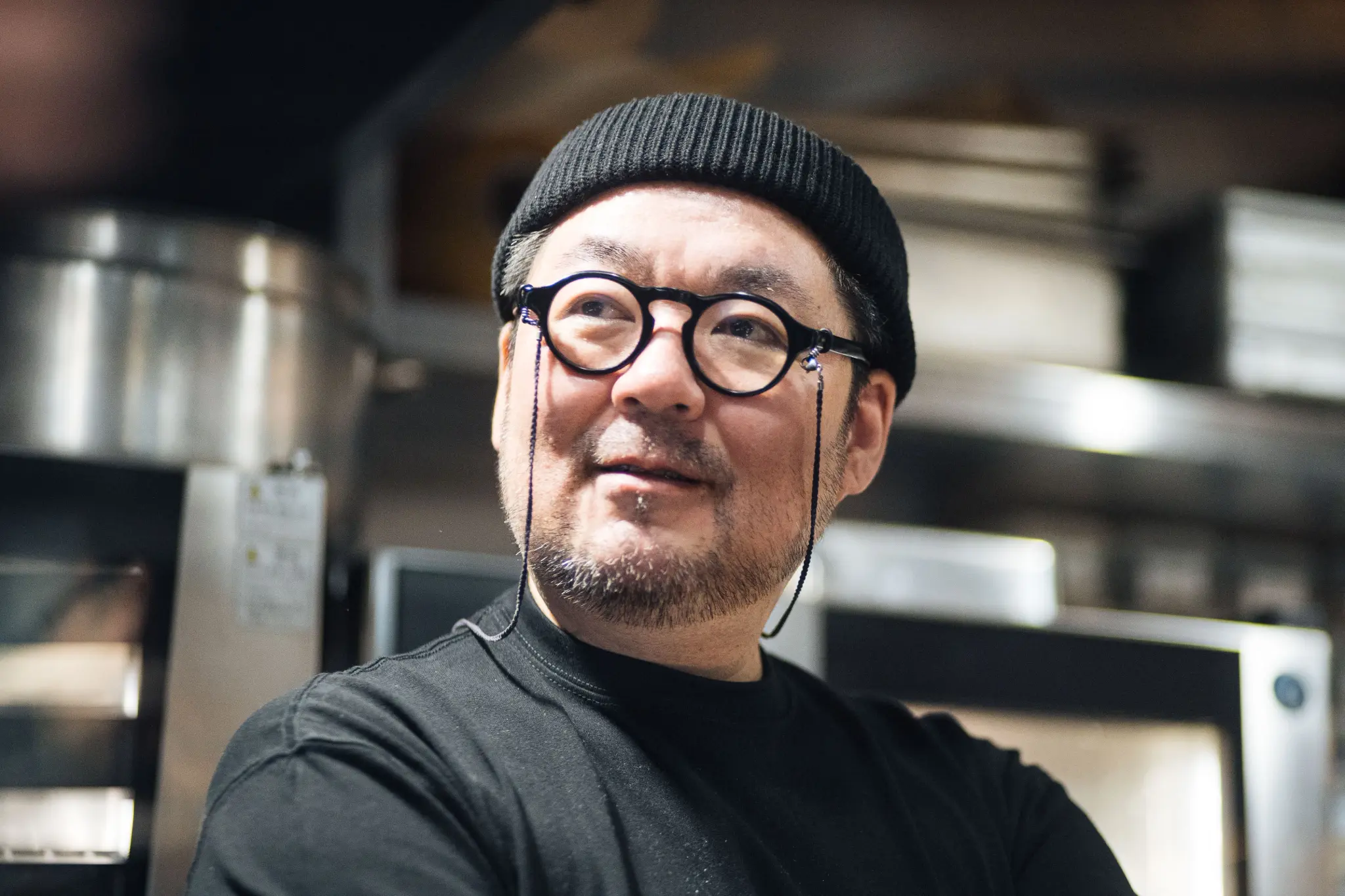
I also dream of one day producing hotel breakfasts. When I travel overseas, the hotel breakfast often leaves a strong impression as a lasting memory of the trip. The quality of breakfast seems to define the rank of the hotel itself, so this is not just a plan, but a dream I have.
ーーーLastly, what does "delicious" mean to you?
I think "delicious" largely comes from experience. When I try a dish for the first time, I judge it based on past similar experiences. The memory of what I’ve eaten before, not just the taste but also the smell, temperature, and surrounding atmosphere, influences how I perceive "delicious." For instance, sushi made by a skillful chef at the counter is "delicious" not just because of the taste but also because of the environment.
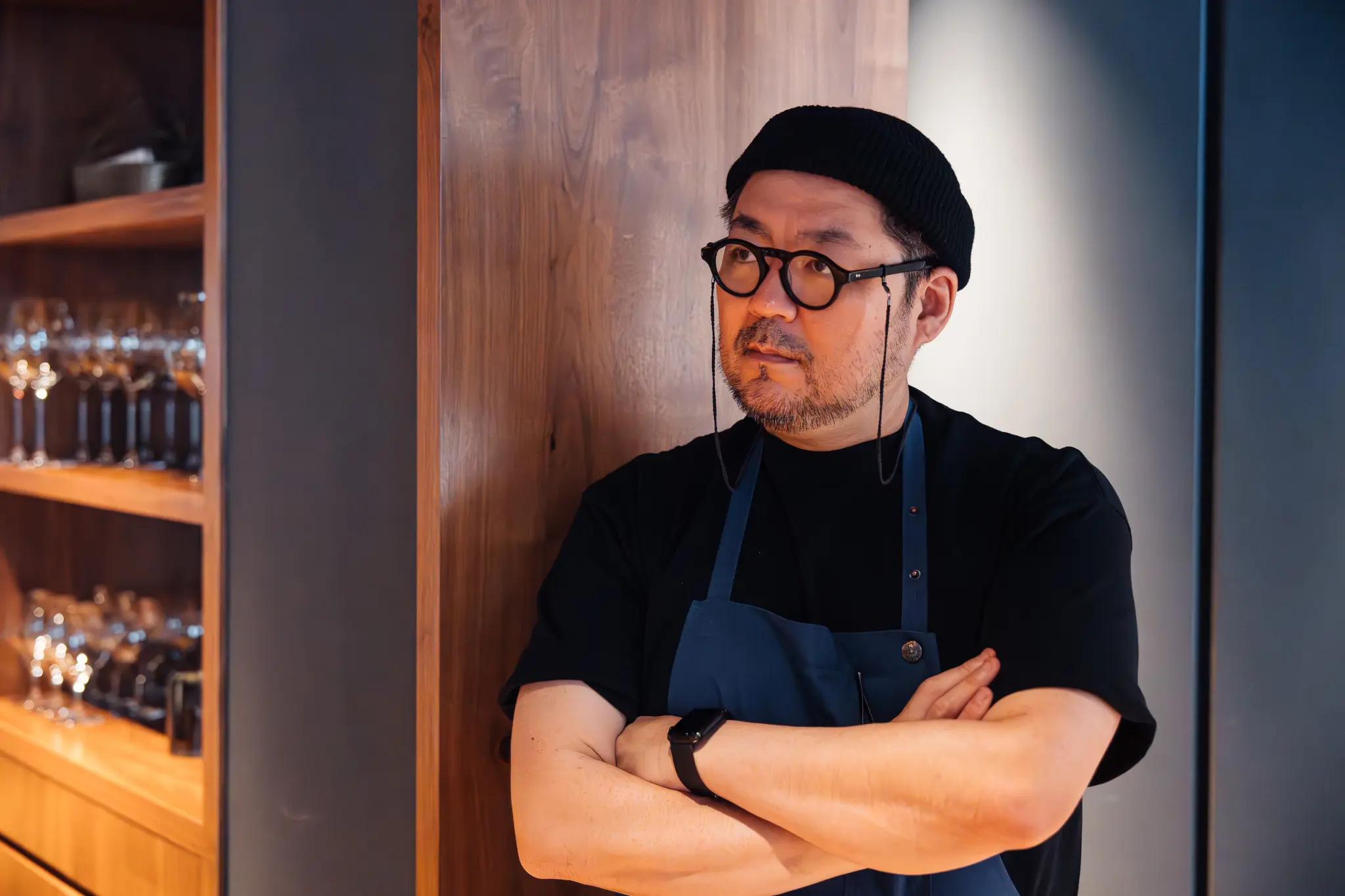
As a child, I didn’t appreciate my grandmother’s cooking, but years later, I began to feel nostalgic and realize it was delicious. Similarly, the food I used to love may lose its appeal over time. "Delicious" changes over time and across different experiences, and by understanding it from various angles, new and exciting dishes may emerge.
As chefs, we’re constantly tested on how we can output our experiences and knowledge through our own filter. This means traveling, reading, and eating different cuisines are all important. If you can see things from a slightly different perspective, you may discover new insights that can be applied to cooking. I’m not great with words, so I want to continue expressing myself through cooking, which is the best form of expression for me.
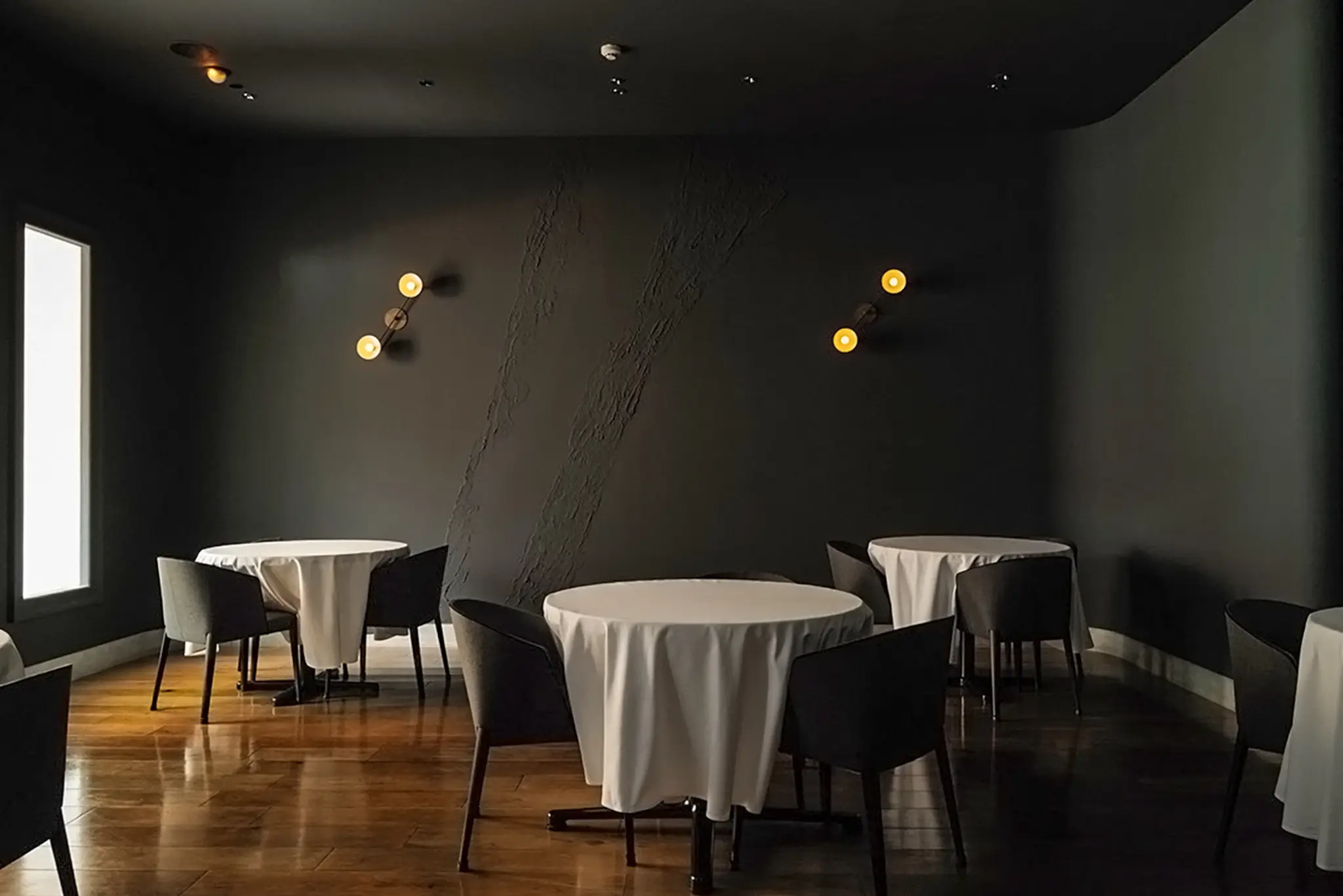
Chef Yusuke Takada mentioned several times that he’s not good with words, and indeed, the aesthetic sense and creativity behind the dishes at 【La Cime】 stem from his finely tuned sensitivity. Therefore, describing his French cuisine, which can be seen as a "work of art," with words may seem unnecessary. The best way to experience his creations is to "see, taste, and savor" them. I hope visitors enjoy an enchanting time in Osaka, experiencing the new dishes that reflect Chef Takada’s rich sensitivity.
Interview by AutoReserve Magazine Editorial Team
Text by Reiko Aoki
Photography by Masato Suzuki
Restaurant Information
- AutoReserve Magazine
- Japan’s world-renowned flagship restaurant
- Creating the Future through Experience and Knowledge: Chef Yusuke Takada’s Evolutionary Approach to Cooking at【La Cime】
.jpg?format=webp)
.jpg?format=webp)
.jpg?format=webp)