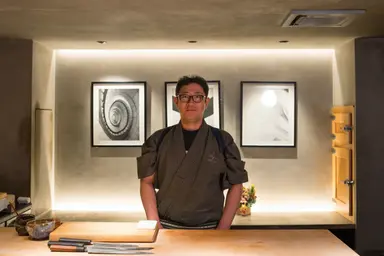
Tasting the Blessings of Hiroshima: Seiji Nakado, the Chef of 【Nakado】, Talks About His Challenge and Philosophy on Ingredients
The Joy of Cooking Led by Days Spent with Grandparents
ーーーCould you tell us what inspired you to become a chef?
Since my parents were both working, I spent a lot of my childhood at my grandparents' house. My grandparents cultivated their own fields, and when I was taken to the garden, I naturally became interested in cooking through a playful activity of cutting off unnecessary vegetable leaves with a knife. I started to enjoy cooking intuitively by making ramen with the vegetables we harvested together with my grandmother and by making shiratama dumplings. When I was in elementary school, I would make miso soup and rice for my parents on weekend mornings, and they were so happy about it. Their smiles made me even more excited about cooking. From there, I learned by watching my mother cook and began to try new dishes one after another, such as curry, stew, omelets, and fried rice. By the time I was in the upper grades of elementary school, I became interested in making sweets, and by the time I was in middle school, I was thrilled to cook for my friends after school. I would make cakes for my friends' birthdays, and I also made sweets for Valentine's Day and White Day to give to others.
However, I never intended to become a chef until I was in high school. Originally, I had dreams of becoming a physical education teacher and was deeply involved in volleyball. However, due to an injury, I was forced to give up on that path. Since I had always loved cooking, I decided to pursue culinary school. At that time, I enrolled in the prestigious culinary school, Tsuji Culinary Institute, which was often referred to as the "Harvard" of the culinary world, and I studied there passionately. Looking back, I think the path to becoming a chef may have been guiding me since I was very young.
A Step-by-Step Journey Towards Becoming a French Chef Without Losing My Admiration
ーーーWhat sparked your interest in French cuisine?
It was the most unknown world to me (laughs). As a Japanese person, Japanese cuisine is something I’m very familiar with, and Chinese cuisine, being from a neighboring country, also has easy access to ingredients and is easy to prepare. However, French cuisine was a completely different challenge—its ingredients were hard to find, and I didn’t even know how to prepare some dishes. Not even knowing what a fond de bois was, that situation, in a way, fueled my curiosity. But honestly, at that time, I still had doubts. I wasn’t the type of person who immediately decided to go down the path of French cuisine. I loved my grandparents dearly and also loved sashimi, so I was strongly determined to first be able to handle fish (and be able to make sashimi). After graduating from culinary school, I first moved to Tokyo and entered the world of Japanese cuisine. It was there that my journey as a chef truly expanded.
At that time, the quality of wine available in Hiroshima was limited, but in Tokyo, there were many wine shops, and I was shocked by the discovery of high-quality wines. I became fascinated with wine, and since I had also achieved my initial goal of being able to handle fish, I became increasingly interested in French cuisine. As I pursued dishes that paired well with wine, my desire to study French cuisine grew stronger and stronger.
ーーーSo you started walking down the path of becoming a French chef, right?
Well, there were a lot of twists and turns (laughs). I returned to Hiroshima, but at that time, there were only French restaurants run by individuals, and I couldn’t find a job right away. I started working at a Western-style restaurant run by a chef who had experience working at hotels, and during breaks, I would read many books by famous chefs in the restaurant. My admiration for French cuisine grew, and after the employees left, I would try making sauces by imitating them, learning everything on my own.
I was approached by the owner of a bar, with whom I had a connection, who told me that he wanted to open a bar and restaurant. After the opening, I worked as the chef, preparing French cuisine, but I soon faced the unique challenges of the restaurant industry in Hiroshima. At that time in Hiroshima, it was quite difficult to attract customers unless the cuisine was categorized, and since the owner came from the famous Italian restaurant 【Ponte Vecchio】 and the staff were also Italian chefs, we had no choice but to shift to Italian cuisine (laughs). Despite transitioning to become an Italian chef, I couldn’t let go of my passion for French cuisine, so I began working as a French cuisine chef at a guest house operated by a company that ran wedding venues.
While continuing my self-study research while working, I obtained a sommelier qualification, which led to me being entrusted with purchasing wine. I also had the opportunity to gain cooking experience at a restaurant in Burgundy, France. During my three months of training there, I built deep connections with people in the wine industry while absorbing a wealth of knowledge and skills. Although I didn’t have experience at famous establishments, I believe my journey as a chef has been about pursuing my own style without being overly confined to a mold.
I Want to Revitalize Hiroshima Through Cooking! Chef Nakado’s Challenge Together with Producers
ーーーCould you share the thoughts and commitments behind your decision to become independent?
Above all, it was my strong love for Hiroshima. I have a special attachment to this city where I grew up from elementary through high school. After living in Tokyo and Osaka, I felt that Hiroshima seemed to have lost a bit of its energy, and I began to think that I wanted to revitalize this city. What I can do is cook, so I decided to open my business locally with the hope of revitalizing Hiroshima through cooking.
Initially, I was incorporating ingredients not only from Hiroshima but from all over Japan, but the COVID-19 pandemic became a turning point that led me to reassess the local ingredients. By visiting producers and seeing the scene firsthand, I realized that there are many attractive ingredients in the local area. For example, deer tongue, wild boar tenderloin, and off-spec vegetables that were supposed to be discarded. I started efforts to turn these into dishes and products, and decided to fully embrace the use of local ingredients. Additionally, as chefs, we cannot cook without ingredients, and I strongly felt that without producers, it would not be possible to sustain our work. I wanted to express my gratitude to the producers who provide us with ingredients. I now aim to build relationships and work together with producers to help revitalize Hiroshima, rather than just purchasing ingredients.
ーーーCould you tell us about the characteristics of your cooking, Chef Nakado?
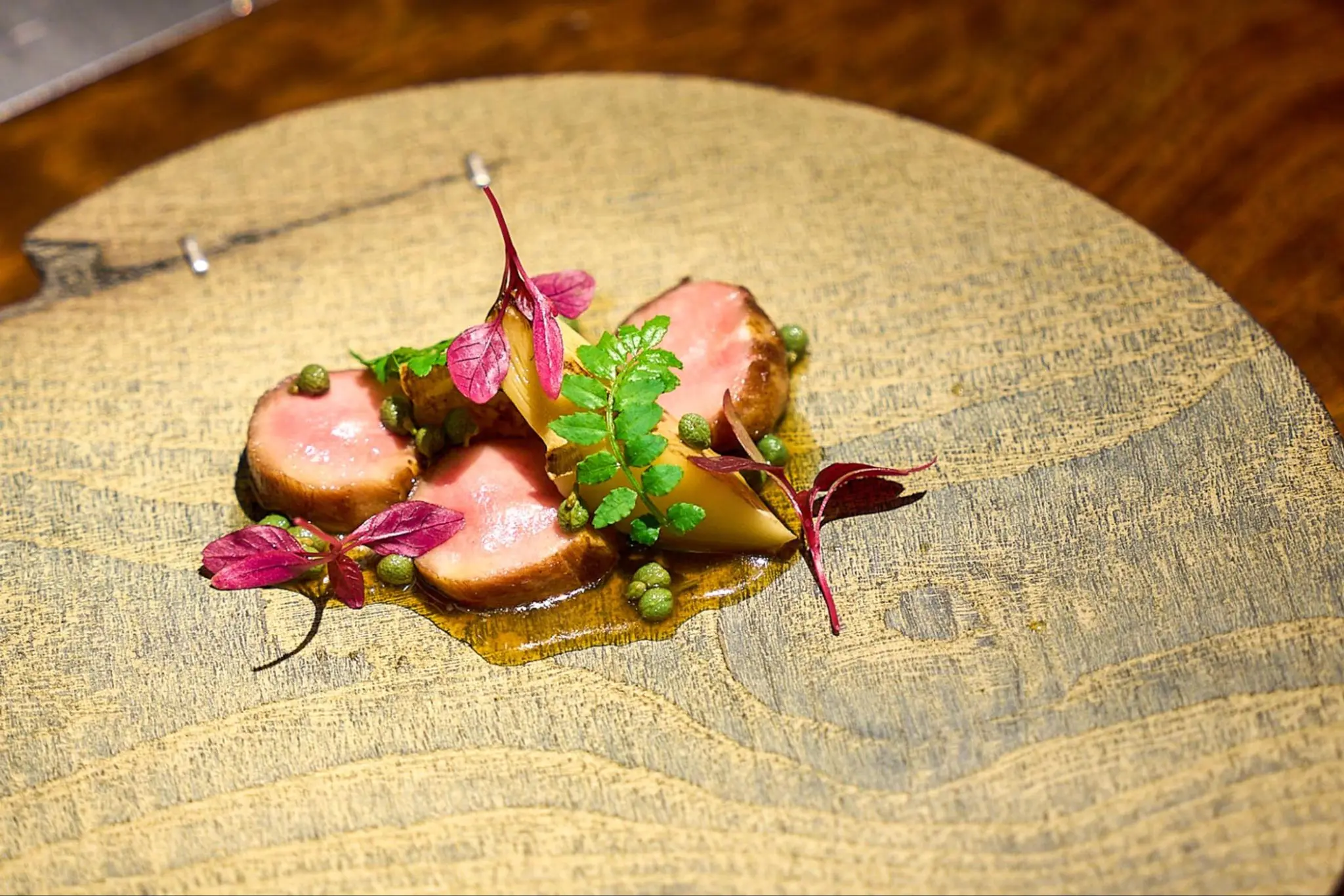
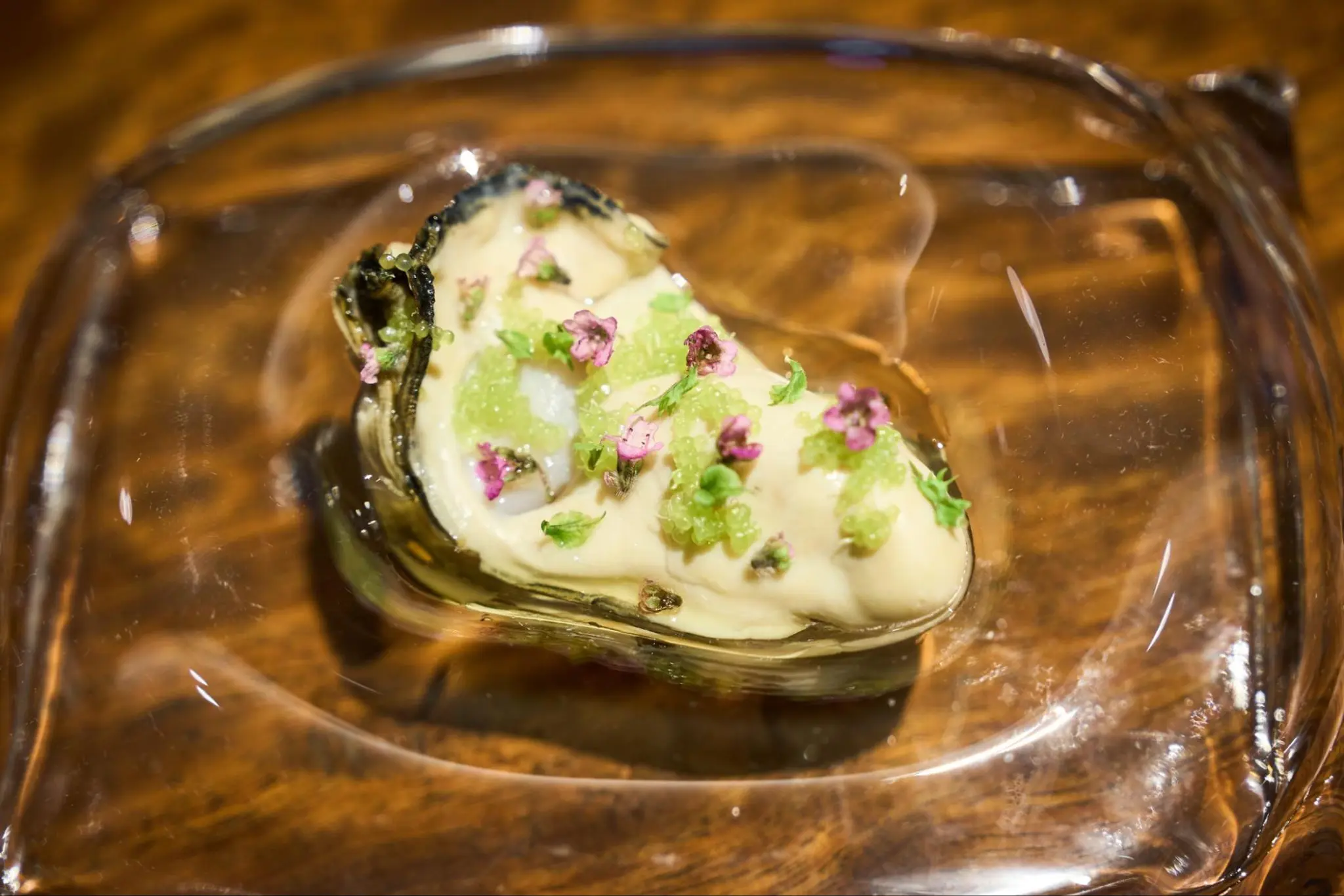
My cooking is centered around the ingredients, and what I cherish most is creating "dishes where you can clearly recognize what you are eating." I aim to preserve the aroma without losing the shape or texture, avoiding over-removal of bitterness or overcooking. My focus is on bringing out the natural flavor and appeal of the ingredients. I experiment with each ingredient, analyzing the optimal temperature and cooking method while taking notes and honing my senses. Through trial and error, I strive to find the best way to fully extract the potential of the ingredients. Additionally, I approach the ingredients I use with gratitude and make efforts to introduce the producers, ensuring their passion is conveyed.
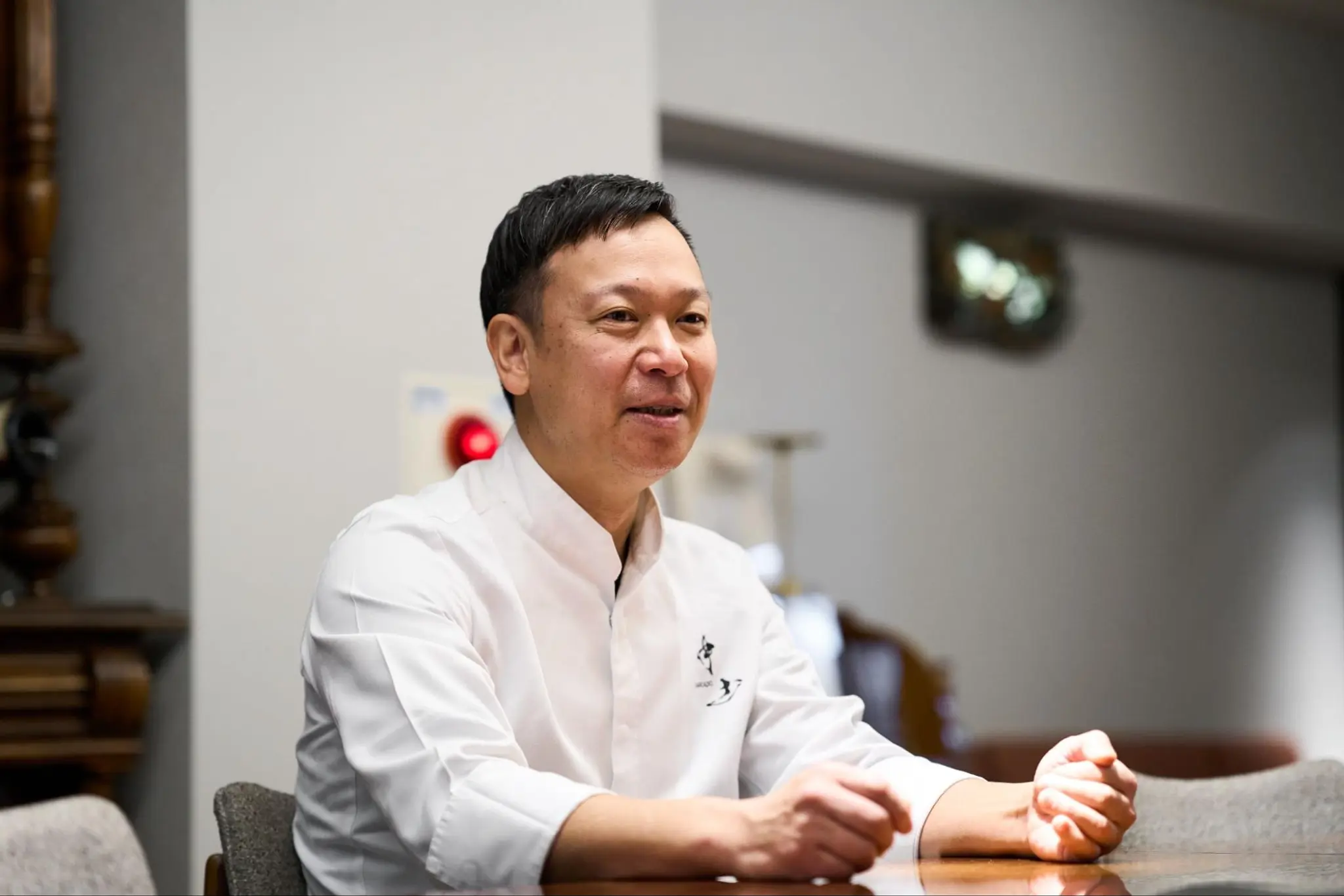
ーーーCould you tell us about the characteristics and appeal of local ingredients?
Ingredients from Hiroshima and its surrounding areas have a clear, clean taste, possibly due to the pure water here. The geography may also play a role, as the vegetables are often very sweet. With both the sea and mountains nearby, we can get ingredients from both environments in their freshest, best condition. For example, the strawberries from North Hiroshima Farm are harvested only when fully ripe, so their sweetness is completely different. While strawberries from other producers are often picked early and ripened during transport, the strawberries from North Hiroshima Farm are harvested at peak ripeness and delivered immediately, so they are enjoyed in the best possible condition. If they were shipped outside the prefecture, they would be past their peak, so these are the best strawberries you can eat in Hiroshima. I also feel that one of the charms of rural areas is the proximity to the production sites.
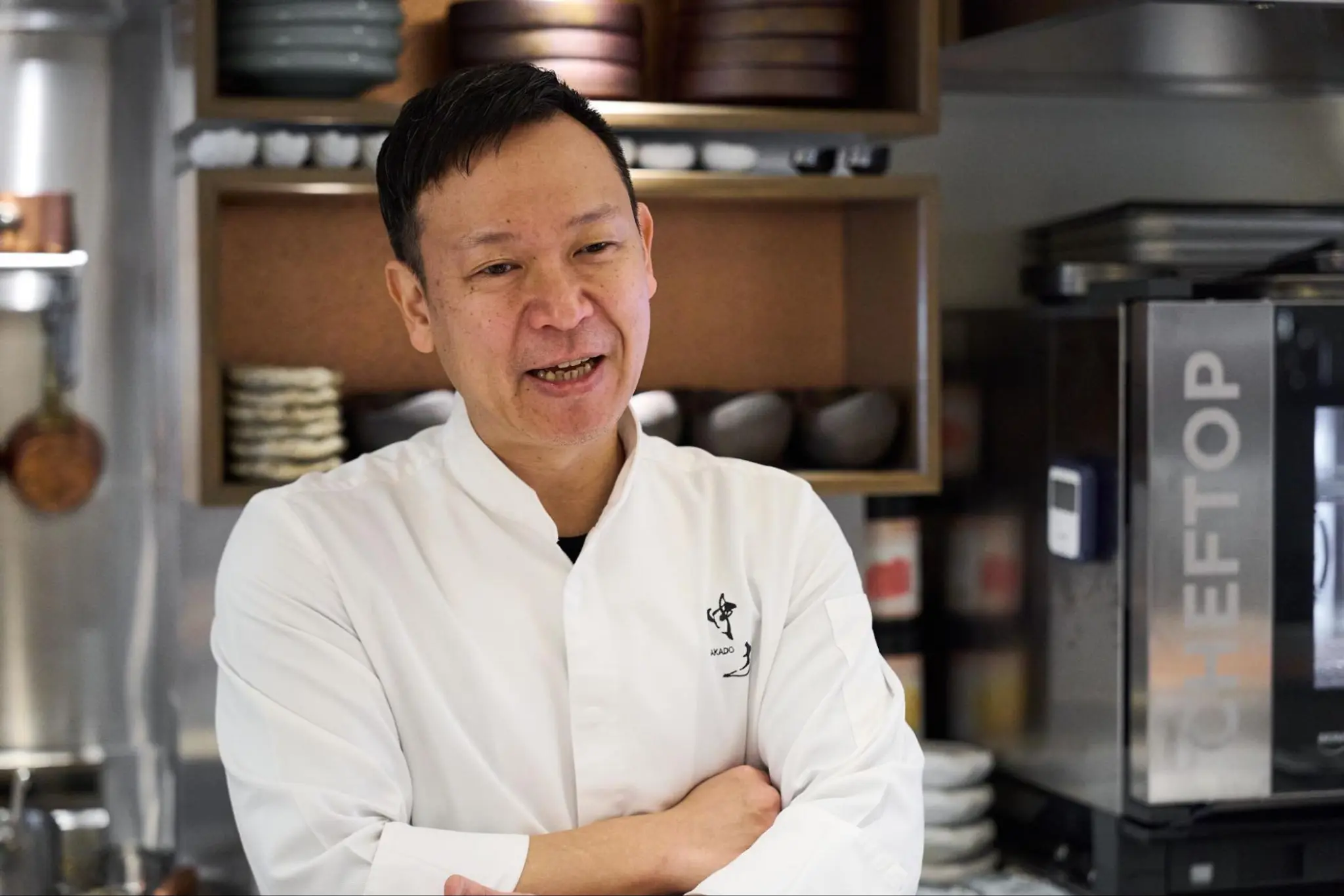
There are still many attractive ingredients in Hiroshima that are not widely known, and behind them are the passion and efforts of the producers. For example, local salmon are usually raised by releasing trout into the sea, where they are nurtured and branded. However, male trout have difficulty adapting to seawater, and many lose their lives, making them unsuitable for commercial purposes. As a result, they are discarded, and only female trout are used. However, the producers at Okura Fish Farm in Hiroshima Prefecture moved the male trout to a separate tank and, after 2 to 3 years of careful nurturing, discovered new value in them, creating the North Hiroshima brand salmon, "Geikou Salmon." Customers often say things like, "I didn't know such ingredients existed in Hiroshima" or "This is the first time I've tasted this flavor." When I receive such responses, it truly makes me happy. I hope to let more people know about Hiroshima and help revitalize the local community.
Delivering the richness of life that "delicious" brings
ーーーCould you tell us about your future plans and what challenges you’d like to take on?
Ultimately, I would like to return to North Hiroshima Town in Hiroshima Prefecture and create an auberge. North Hiroshima Town has many interesting places, such as fishing ponds, hot springs, farms, and orchards. I want to combine all of these into a comprehensive facility where visitors can enjoy themselves all day long. While this might be difficult in urban areas, I would like to make the most of the unique possibilities of North Hiroshima Town. It will still take time to make this dream a reality, but I hope to shape it within the next 10 years.
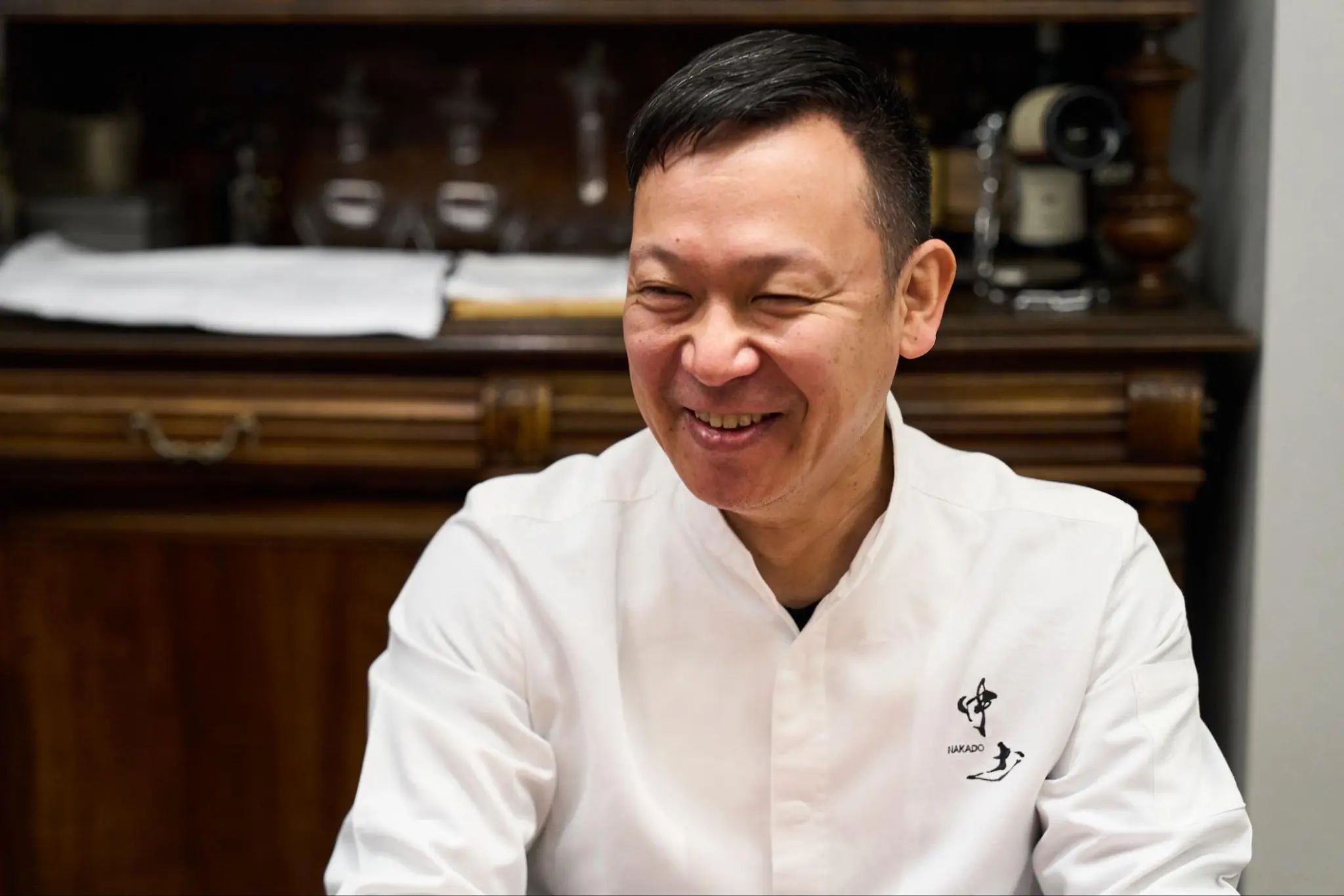
To make my dream a reality, I believe that in order to have opportunities for challenges, I first need to make my name known. My goal is to increase my influence as a chef while also building the ability to communicate effectively. Currently, I have a Michelin one-star restaurant, 【Roots Nakanoshima】, in Osaka, but my goal is to expand further into Tokyo and overseas, raising my profile even more. Additionally, I am actively working to introduce myself and build connections with customers. For example, I attend events where I exchange business cards with other chefs, and I also visit other restaurants to learn. Furthermore, I create new opportunities through interactions and collaborations with chefs who are doing great work in rural areas. Though it's gradual, I feel that these activities are starting to bear fruit. I really like the word “movement.” Movement means “to move luck.” I believe that by continuously moving luck, new opportunities and possibilities will emerge. I want to continue putting in effort and get closer to my dream.
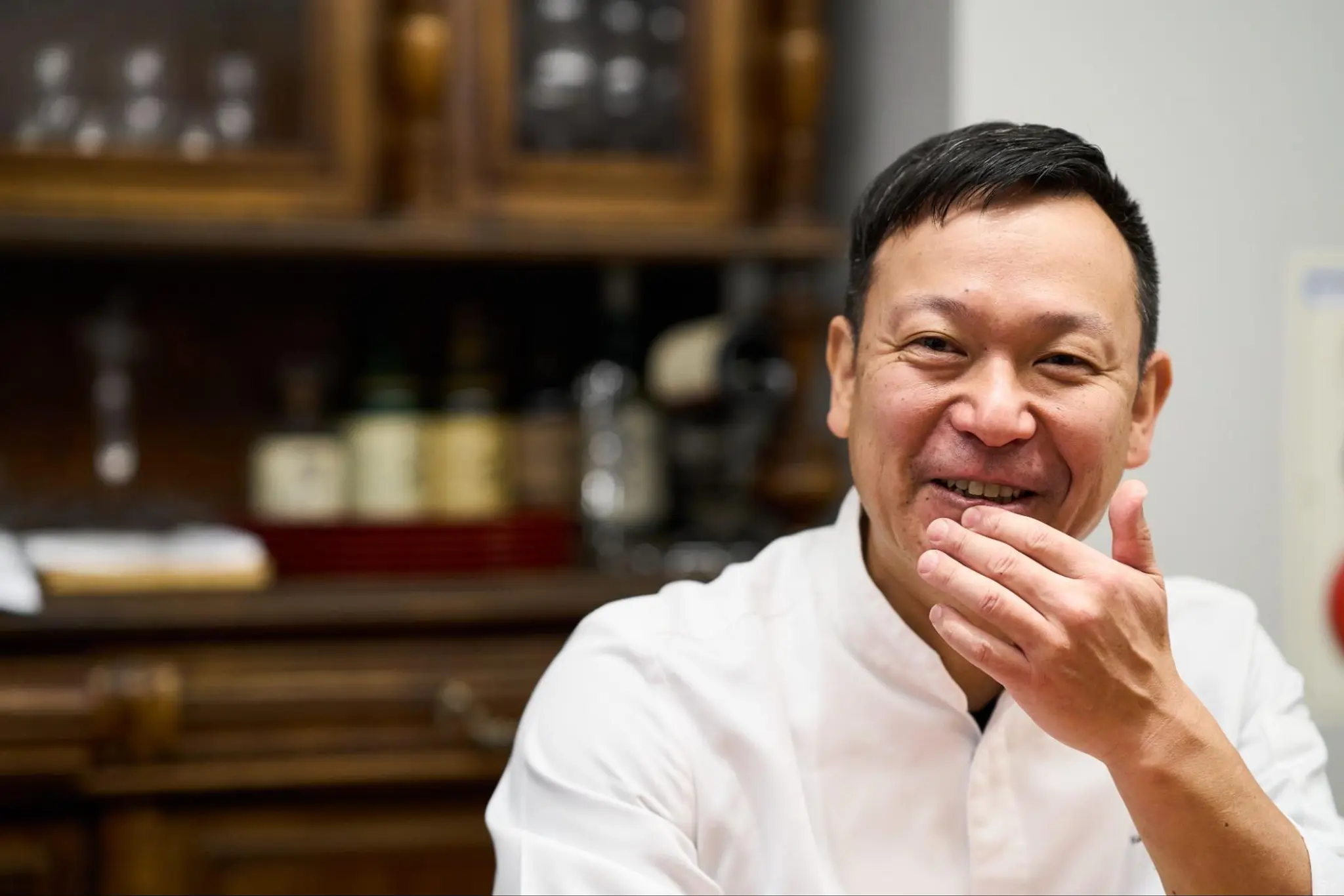
ーーーFinally, what does "delicious" mean to you, Mr. Nakado?
To me, "delicious" means "something that has the power to improve life." Of course, as a chef, I am happy to be complimented for making something delicious. However, I've realized that when people say "I had a great time," it resonates with me much more deeply. A meal supports health, moves the heart, and provides a happy time. I believe that those moments are what enrich life. To achieve this, we must think about cooking not just from the perspective of taste, but from a broader viewpoint. Cooking that harms health would be counterproductive, so we don’t use any additives or trans fats in our dishes. I also consciously incorporate low-fat, high-protein dishes and believe that as chefs, we must not only focus on taste but also be mindful of the health of our customers. Additionally, many famous and successful restaurants are good at creating an atmosphere, not just focusing on flavor. "Maintaining the status quo is decline." Therefore, I will continue searching for yet-to-be-discovered Hiroshima ingredients, sometimes creating them, and challenging myself to cook dishes I’ve never made before, with the goal of enriching our customers’ lives and delivering emotional experiences as a chef.
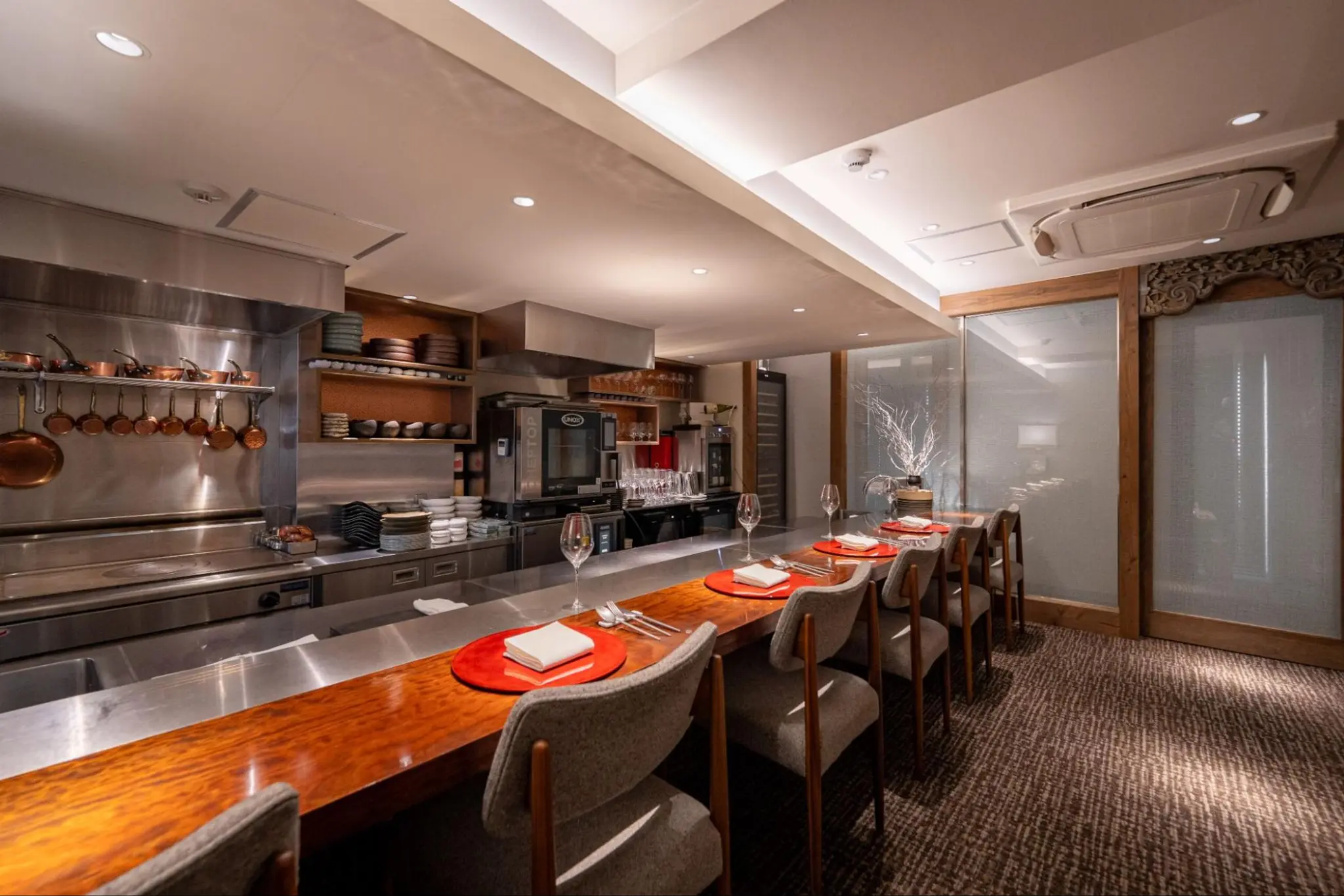
Chef Nakado’s passion for French cuisine, combined with his deep love for his hometown and strong connection with local producers, left a lasting impression. Through his cooking, 【Nakado】 conveys the thoughts of the producers and the rich terroir of Hiroshima, making it a special place where you can fully experience the blessings of Hiroshima. This interview was a reminder of the restaurant's status as a renowned establishment proudly representing Hiroshima. Not only through its deliciousness but also through the story woven by the producers and Chef Nakado, I hope you will experience the emotional moments that resonate with the charm of Hiroshima.
Interview / AutoReserve Magazine Editorial Team
Text / Food Analyst Ai (Maiiko Tanahashi)
Photography / Masato Suzuki
Restaurant Information
- AutoReserve Magazine
- Japan’s world-renowned flagship restaurant
- Tasting the Blessings of Hiroshima: Seiji Nakado, the Chef of 【Nakado】, Talks About His Challenge and Philosophy on Ingredients