Creating the Most Memorable Dining Experience for Guests! The Passion of Seizo Mitani, Owner of 【Tonkatsu Narikura】
A Unique Tonkatsu Born from Struggles and Creativity
ーーー Can you tell us about your tonkatsu's characteristics and low-temperature frying technique?
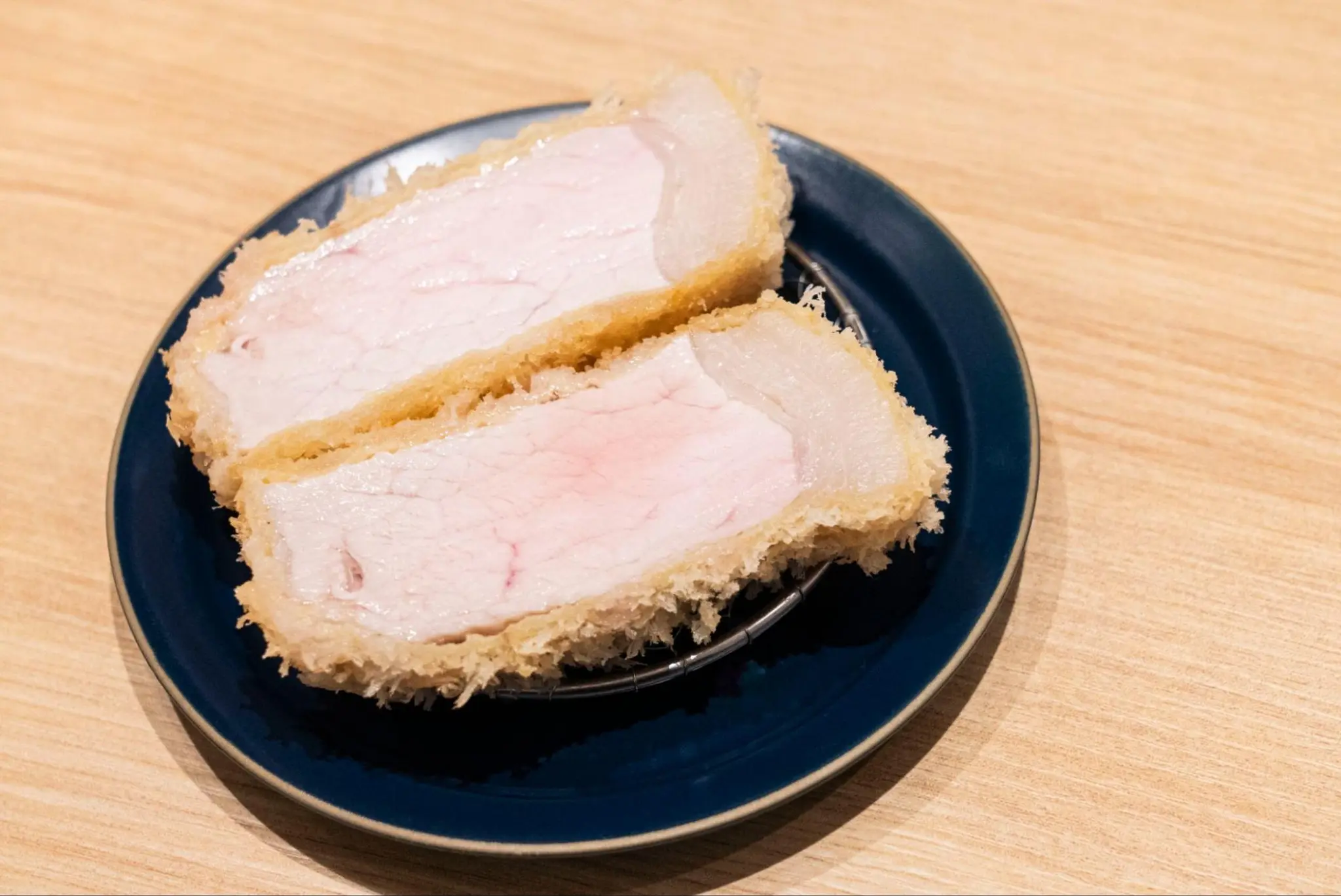
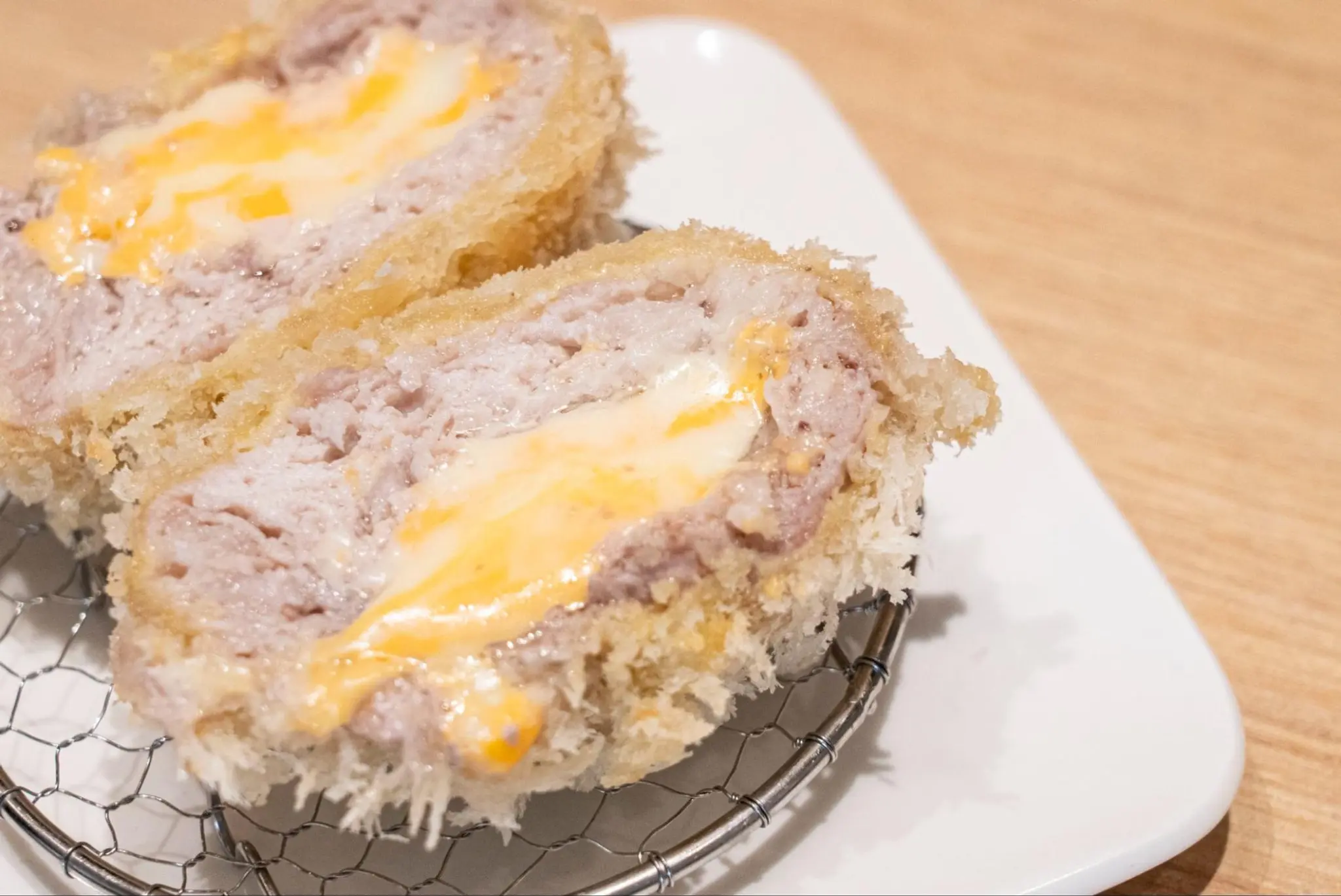
I focus on frying the meat at a low temperature, gradually increasing it. The moment the meat is perfectly cooked is when it's the most delicious, so we serve it immediately. Frying slowly at a low temperature prevents the meat from being stressed, locking in its juices, which is the hallmark of my tonkatsu.
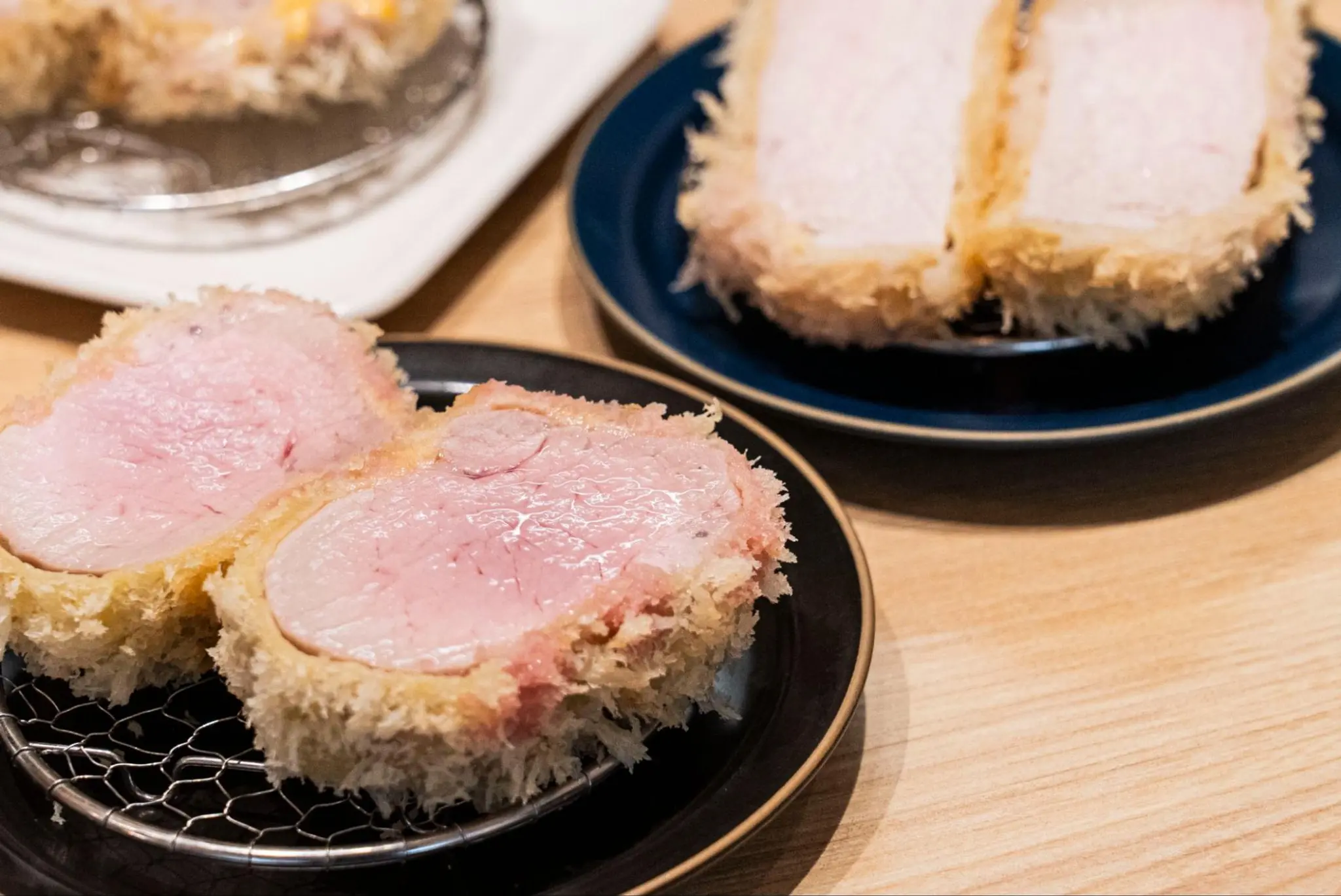
ーーー Your "white tonkatsu" is praised for its beauty. How did you develop this style?
When I first opened in Takadanobaba, there were very few customers. While I continued to source ingredients, the meat would deteriorate, leaving me no choice but to discard it. Instead of wasting it, I decided to experiment with different frying methods—putting the meat into oil without heating it, starting at high temperatures, or alternating between low and high. I tried everything imaginable, eating tonkatsu every single day (laughs).
At that time, I was only making thin 120g tonkatsu. A senior suggested I try making thicker cuts, so I experimented with 150g and 200g portions, which were very well received. From there, I thought, "Let's create something distinctive!"
Not only did I focus on appearance, but also on texture. For example, fillets naturally turn gray and tough if overcooked. By frying them slowly at a low temperature, I achieved a uniform color and consistently tender texture, leading to my current style.
The name "Shatonbrian" comes from the beef fillet dish "Chateaubriand." A friend joked, "Since it's pork, let's call it Shatonbrian!" (A combination of “Chateaubriand” and “ton” in Japanese, which means pig.) It's unique and a bit of a pun (laughs). Today, nearly all of our guests enjoy this dish. It's our most recommended and popular cut, embodying the essence of my tonkatsu. I believe my struggles in Takadanobaba laid the foundation for what I have now.
ーーーCan you tell us more about your low-temperature frying technique?
Typically, recipes and cookbooks recommend frying tonkatsu at around 180°C. However, I fry mine at around 110–120°C, gradually increasing the temperature but never exceeding 150°C. It's a much lower temperature than traditional frying methods.
Currently, I fry the pork for about 10 minutes per 100g and then let it rest for another 10 minutes. It's similar to making roast beef, where the cooking time and resting time are roughly equal.
The lard I use is called "mesenteric fat," a rare type of fat extracted from internal organs, yielding only one can for every 15 pigs. It has a high melting point, making it slow to dissolve and retain heat longer. The oil's viscosity allows it to maintain its temperature even after being absorbed into the breading, gently cooking the meat. For instance, the core temperature of the meat right after frying is around 20°C, but after resting for 10 minutes, it reaches about 60°C.
ーーーWhat are the characteristics of the pork you use?
The primary pork I use is "Snow Chamber Aged Pork" from Niigata Prefecture. This method, known as "Yukimuro," involves covering an entire storage facility with about 4 meters of packed snow, then layering sawdust or straw on top to maintain a stable temperature throughout the year. I visited the facility in the summer, and it was incredibly cool inside, with temperatures around 0–1°C and humidity levels of 95–99%. These stable conditions are perfect for aging. The process enhances the flavor of the pork, tenderizes its fibers, and makes it incredibly soft. Since I aim to serve tender tonkatsu, this pork is a perfect match for my style.
About eight years ago, I tried a sample at an exhibition and immediately noticed how the pork practically melted as I bit into it. I've been using it ever since. Occasionally, I use other varieties like "Tokyo X," "Iwanaka Pork," or "Kurobuta" if they are available, but Snow Chamber Aged Pork is my staple.
A Life Changed by Tonkatsu
ーーー Can you tell us about your background and how you started on this journey?
After graduating from university, I worked at a department store in sales. It was then that I realized how demanding the behind-the-scenes work in customer service could be—it wasn't just about interacting with customers. I started wondering if I could do something independently, where I could work on my own terms. When I consulted my father, he suggested I visit my uncle, who owned a tonkatsu restaurant in Tokyo. "Why don't you go see what it's like?" he said.
When I went to try his food, I was blown away. I'd never tasted tonkatsu like that before. It was such a popular restaurant, and I thought, "If I could master this, I might never have to worry about making a living." After working in the department store for two years, I decided to pursue a career in cooking.
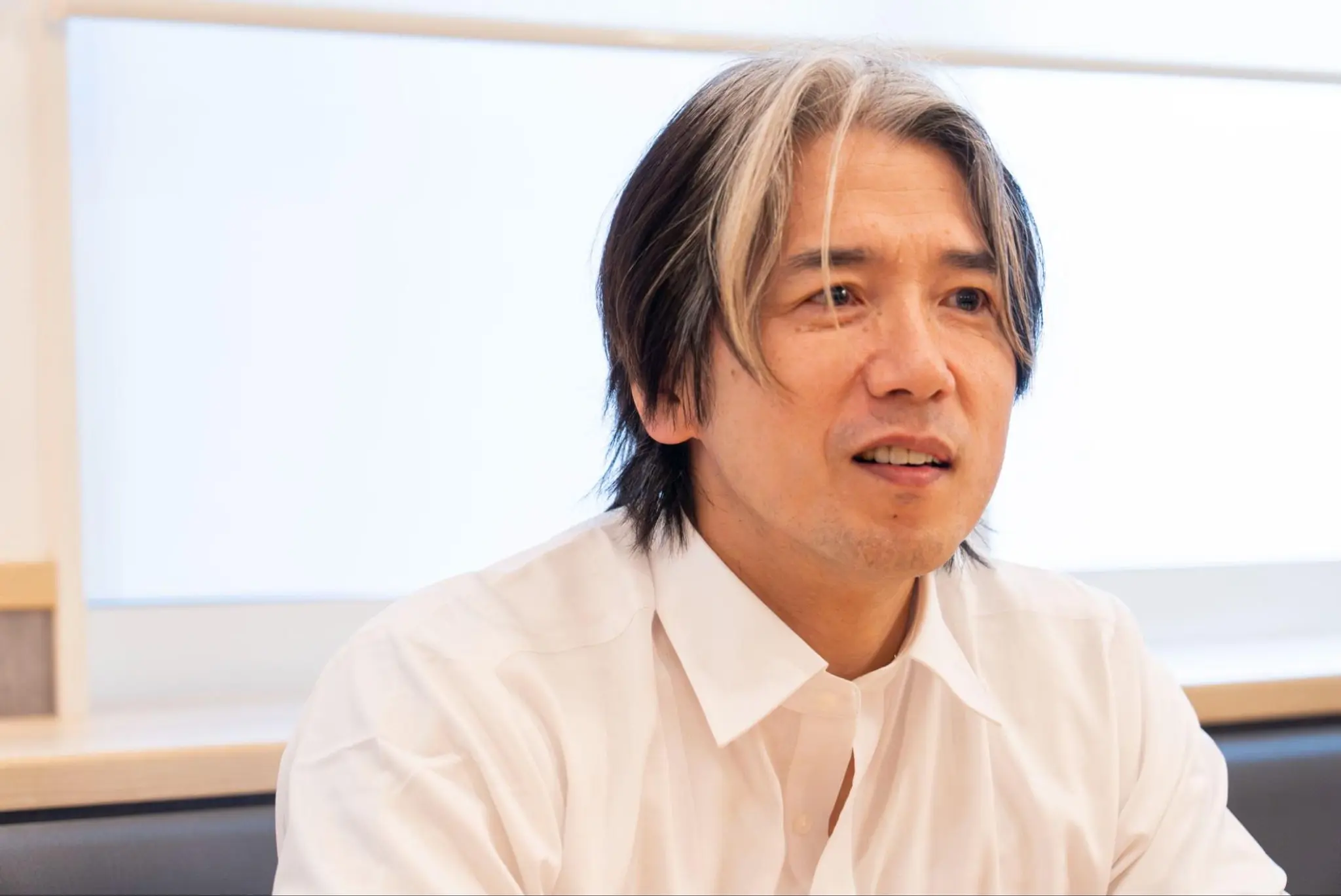
ーーーWhat did you learn most while working at your uncle's restaurant?
Patience. At the restaurant, there were two senior chefs who had been there for a long time. I wanted to catch up to them, but since I had no experience cooking, I couldn't do much at first. Even something as simple as cutting cabbage ended with me cutting my fingers instead (laughs).
After hours, I practiced cutting cabbage endlessly. Having these experienced seniors close by gave me role models to look up to. I wanted to catch up to them and eventually surpass them. That ambition, along with my dream of opening my own restaurant, helped me endure those challenging times.
ーーーHow did your uncle guide and mentor you?
My uncle entrusted the afternoon shifts to us and rarely gave direct instructions. Some customers would even leave if they found out he wasn't in the restaurant, which made me realize, "He really is the face of the restaurant." That taught me that if I ever opened my own place, I would need to take full responsibility for everything. Whether the restaurant succeeds or fails, it would be my responsibility. If people come for my tonkatsu, that's great. If they don't, it means I need to improve.
Passion That Never Fades: The Journey to Independence
ーーー What led to your decision to open your own restaurant?
At the age of 35, I told my uncle that I was thinking of opening my own restaurant. He encouraged me, which gave me the push I needed to decide to go independent. However, finding a suitable property wasn’t easy. I knew I couldn’t go back to where I started, so I decided to challenge myself by trying other things outside of tonkatsu, working at izakayas and kushikatsu restaurants. Eventually, I returned to a tonkatsu restaurant for one last time. Around that period, I found a good property in Takadanobaba, which allowed me to finally go independent. I opened my restaurant at the age of 39, spending about five years after leaving my uncle’s restaurant to make it happen.
My name is "Seizo," but when it came to naming my restaurant, I thought it would feel strange to use my name directly, as if people were calling me by it (laughs). So, I decided to use the kun-yomi reading, "Narikura," and started a brand-new path as 【Tonkatsu Narikura】—a restaurant with no prior achievements or history.
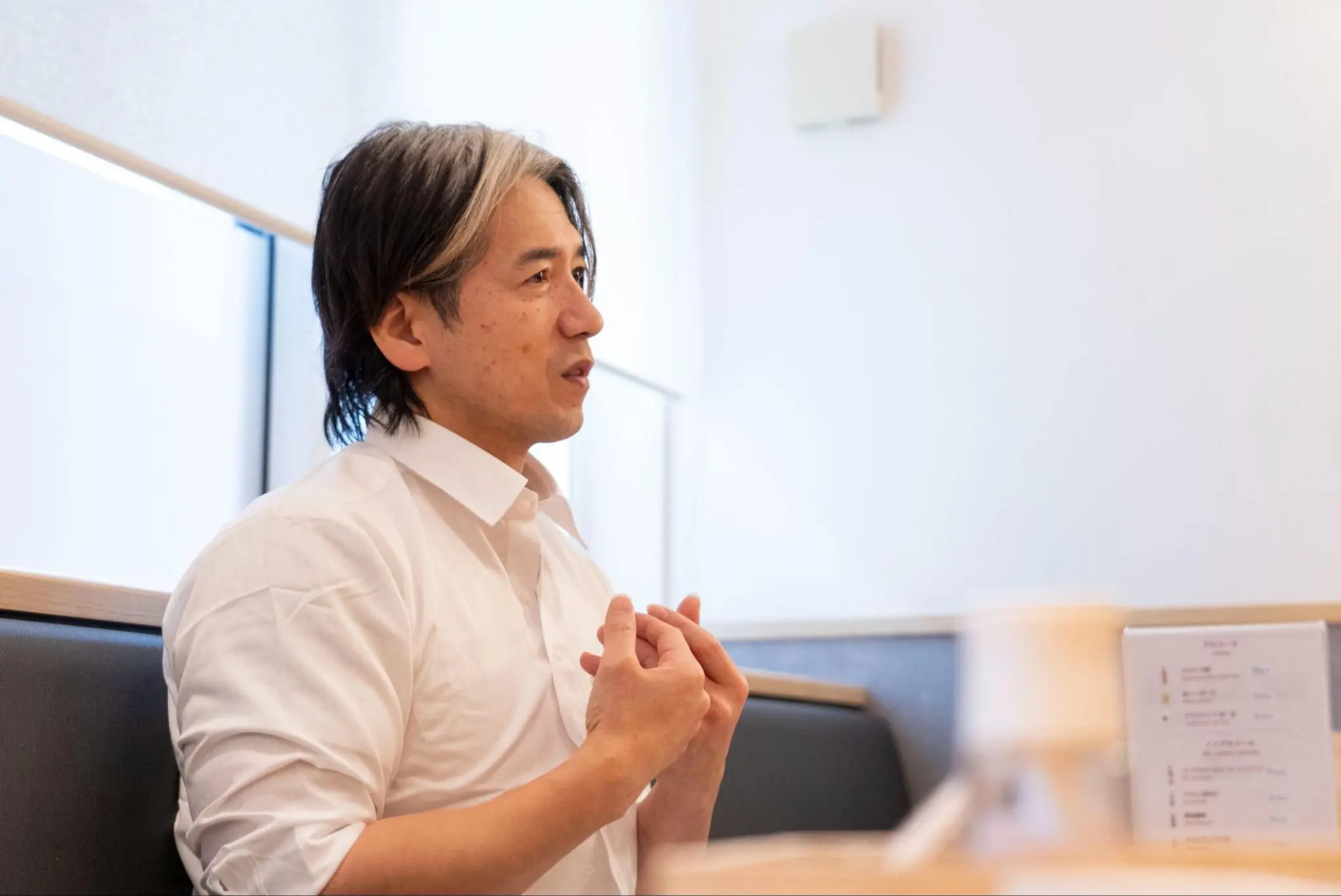
ーーーDid your experience in other types of restaurants influence your cooking or service?
It taught me the importance of plating. Tonkatsu restaurants often only serve cabbage and tonkatsu, with little focus on plating or presentation—maybe just a sprig of parsley. Learning to create height on a plate or use colorful garnishes was very valuable. When I was tasked with creating new menu items for the kushikatsu restaurant, I had to consider which sauces paired well with each ingredient, which greatly expanded my perspective.
In terms of frying techniques, kushikatsu involves quickly frying at high temperatures to seal in the flavors and cutting excess oil—a different approach from tonkatsu. This experience expanded my skillset and gave me more tools to use in my cooking.
Regarding customer service, I’ve never been very outgoing and prefer to focus on cooking. I don’t initiate conversations with customers but always respond sincerely when they ask questions or start a conversation.
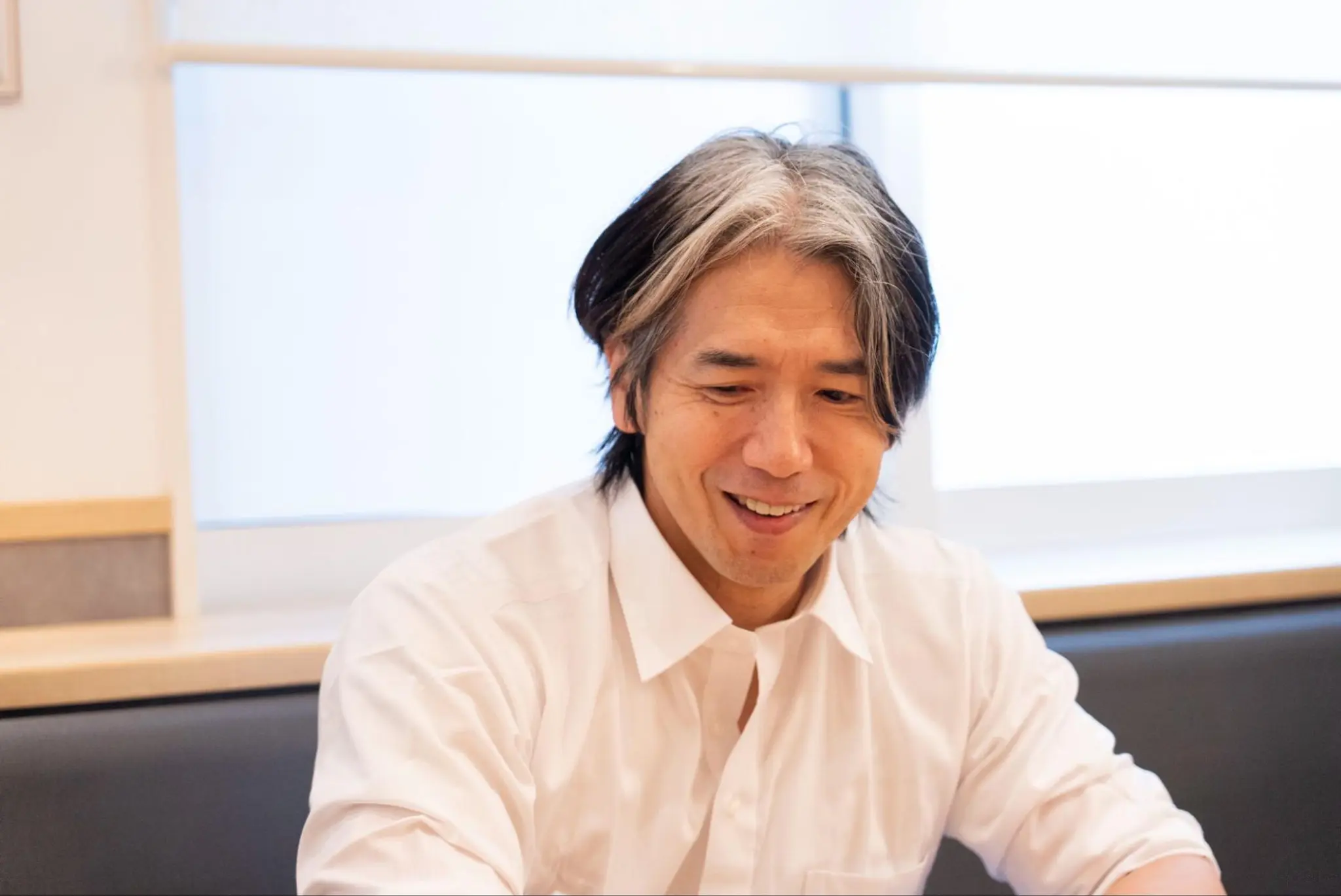
Gaining Attention from Overseas
ーーー You relocated to Asagaya in 2019. How has that changed things?
Initially, I thought of using a ticket system, but we ended up with long lines. Since the area is residential, with frequent car traffic, we switched to a reservation-only system to minimize disruption and ensure safety. This also allowed me to manage the cooking pace better, knowing when guests would arrive. Earlier this year, we began asking guests for their orders during the reservation process, which has made service much smoother.
ーーーDo you have many international customers?
Currently, about 80% of our customers are from overseas, primarily from Asia. We also have about two groups per day from Western countries. Tonkatsu isn’t very common in many countries, so I wonder how they found out about us. Regardless, they always tell us it’s delicious, which makes me very happy.
ーーーHow are your menus structured?
We serve set meals starting with appetizers, side dishes, and cabbage, followed by rice, pork soup, and finally, the tonkatsu. It’s not a full course, but since tonkatsu takes time to fry, we provide these dishes to enjoy while waiting. Side dishes include hijiki, kinpira, and stewed tendon from the fillets, along with small canapés or roast pork. The selection isn’t extensive, but we try to offer variety.
Portion sizes are quite generous. I’d rather serve more than less—I want guests to leave feeling full. Over time, our tonkatsu portions have gotten larger as well.
Always Putting Guests’ Happiness First
ーーー What’s the most important thing when preparing food?
For us chefs, lunch might mean preparing 50 meals for 50 guests. But for each guest, their meal is one out of one—it’s their only lunch that day. We must approach that one meal with the same care as if it were our only one, too. If we rush and send out something subpar, it would ruin their meal, and I’d feel terrible about it. I want every guest to leave saying, “That was delicious.”
It’s really just self-satisfaction, but I still feel happy when I create something good. I want customers to find it delicious, just as I do, so I aim to make something I can be satisfied with. In the end, it really is just for my own satisfaction, though.
ーーーDo you have any plans or challenges you’d like to tackle in the future?
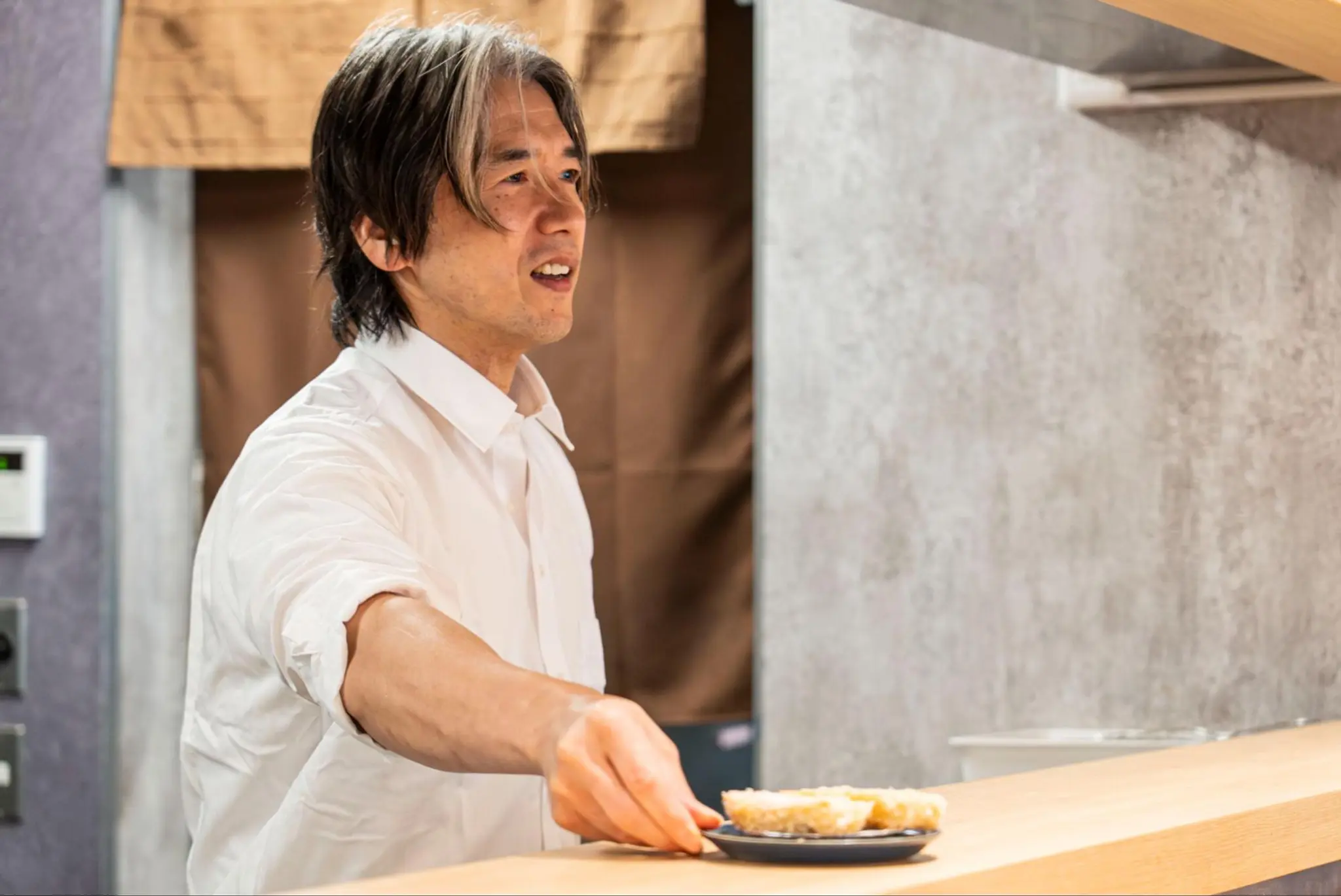
Currently, we don’t serve katsudon, but I’m considering offering it as a way to transform leftovers for guests who can’t finish their set meals. I envision a small burner where guests could create their own katsudon. Many people enjoy interactive dining experiences, so I think it could be a great addition. However, the limited time guests spend here makes it a bit tricky to implement.
ーーーFinally, what does “delicious” mean to you?
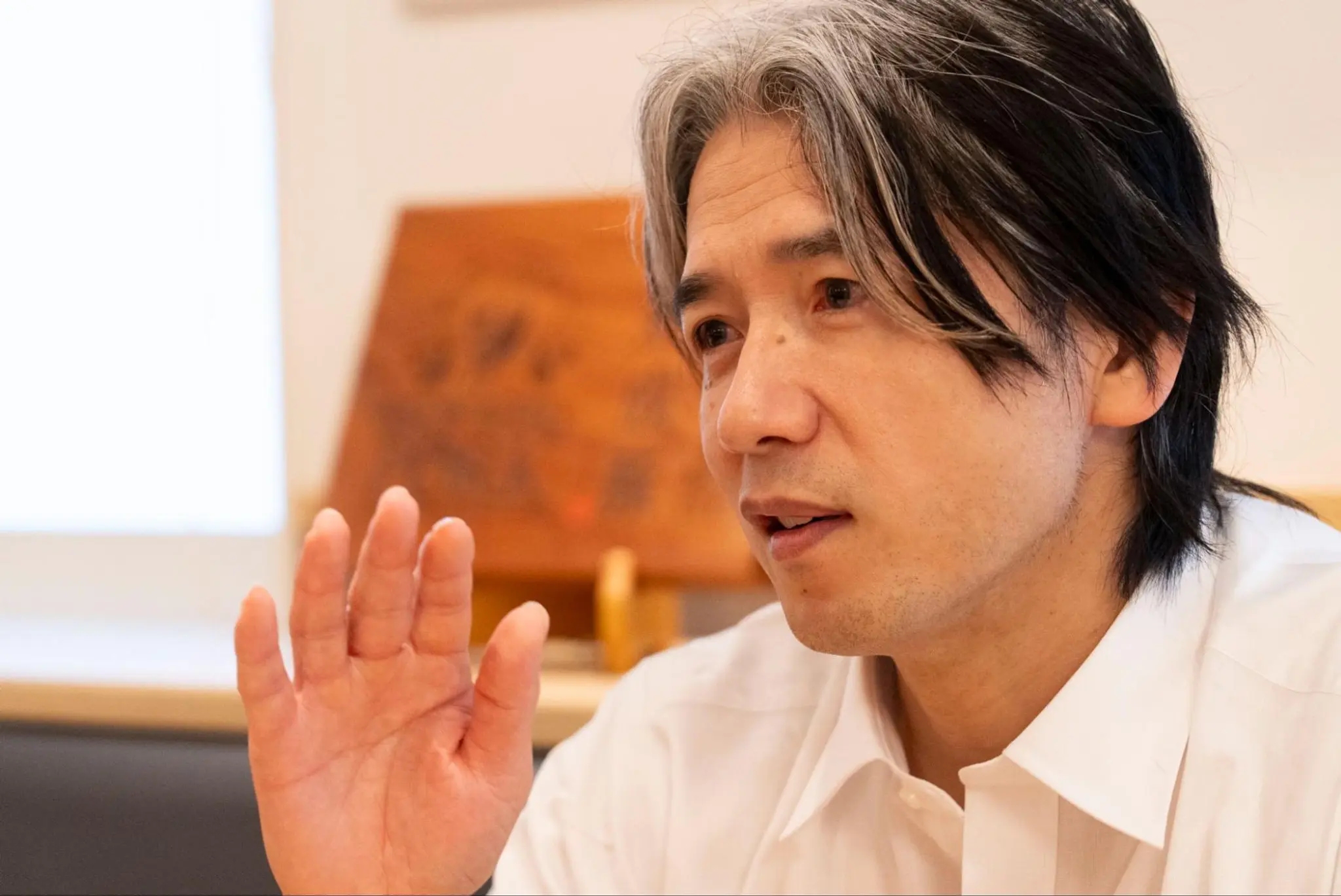
For me, it’s about happiness. Eating something delicious makes people happy, and that’s what I aim for. When guests say, “It’s almost gone!” while eating, it makes me incredibly happy. Bringing joy to people through food is the most important thing, and I hope to continue delivering happiness to my guests every day.
Even as he solidifies his reputation as a legend in the tonkatsu world, Seizo Mitani continues to refine his craft to provide the best meal possible. The story of how his signature "white tonkatsu" was born during the quiet early days of his restaurant, through tireless experimentation with ingredients and techniques, is unforgettable. His unwavering dedication to creating delicious food and his ability to turn challenges into opportunities are why, 14 years after its founding, 【Tonkatsu Narikura】 remains a beloved institution.
Interviewed by: Yuri Yanagiya
Written by: AutoReserve Magazine Editorial Team
Photography by: Azusa Nakaoka
Restaurant Information
- AutoReserve Magazine
- Japan’s world-renowned flagship restaurant
- Creating the Most Memorable Dining Experience for Guests! The Passion of Seizo Mitani, Owner of 【Tonkatsu Narikura】