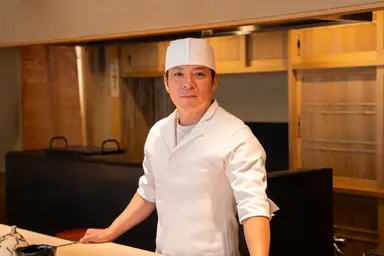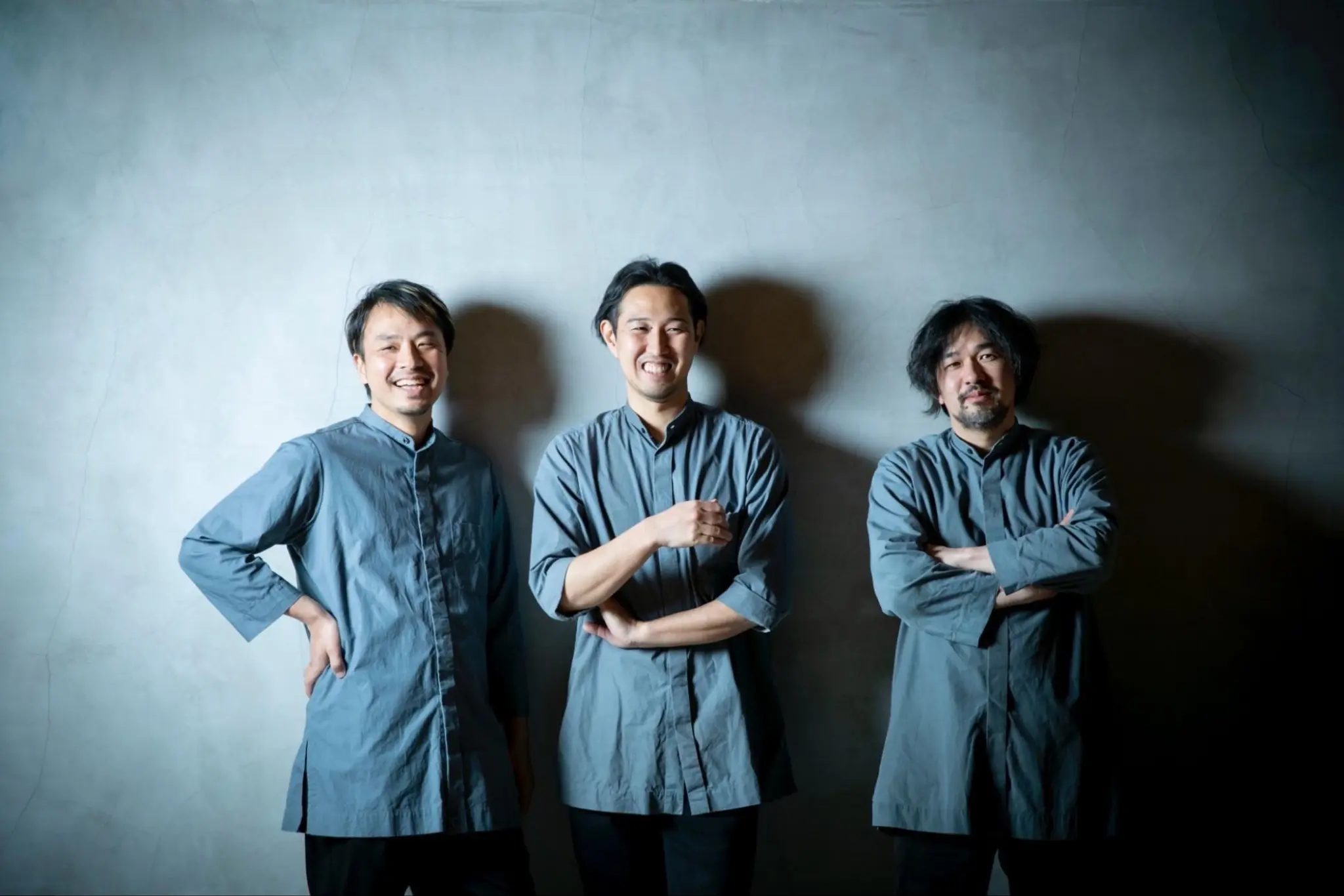
"From Kanazawa to the World" – Expressing things that can only be experienced here, elevating local gastronomy into an art experience at 【respiración】
The reason the three childhood friends pursued the path of cooking was to do "interesting things."
ーーーCan you tell us about what inspired you both to pursue cooking?
Chef Yagi: We've been together since kindergarten, and the other chef, Yusuke Kitagawa, has been with us since elementary school. Our homes were also within walking distance, so we’ve been childhood friends. After graduating from high school, I worked as a public servant at the city hall, and Ume started working at a company that manufactures sushi conveyor belts. We each started from different paths that weren’t related to the restaurant industry, but it wasn’t interesting, so we decided, "Let’s do something interesting." When we thought about what was interesting, we came up with the idea of creating a space where everyone could gather and have fun, like an izakaya.
Chef Ume: I wasn't originally interested in the food industry. After quitting my first job and moving to Tokyo, I started working part-time at a restaurant and discovered how fun cooking could be. We talked about how we could do something interesting in this world, and the three of us decided to pursue careers in the food industry and aim to become professional chefs.
Chef Yagi: We really love cooking, but our initial start wasn’t just about cooking — it was about "creating a space." We had always enjoyed music, fashion, and street culture together, and cooking was just another form of expression. The idea that it would be interesting to create the space itself led us to the path of cooking.
ーーーYou trained in Spain as well, right?
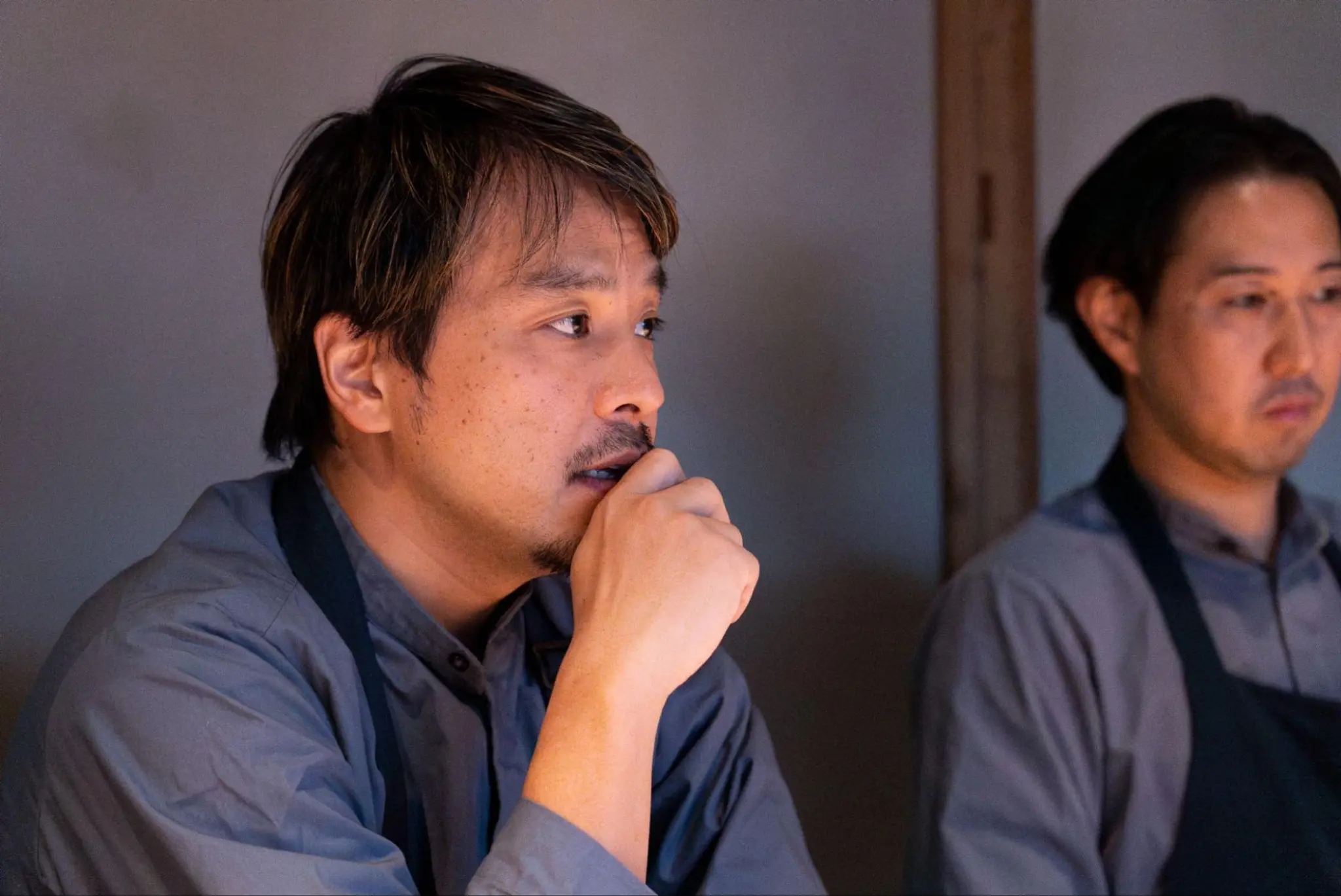
Chef Ume: At that time, the legendary Spanish restaurant 【El Bulli】 was taking the world by storm, and its cooking styles and information were reaching Japan. I wanted to experience it firsthand in Spain. I quit the restaurant I was working at and moved to Spain at the age of 27. Being in an environment that is said to have changed global cuisine had a significant impact on our sensibilities and was an invaluable experience.
Chef Yagi: After training at an Italian restaurant in Kanazawa, I moved to Spain at the age of 27 with Ume. Although we lived in different places and worked at different restaurants, we were there at the same time. When I got there, I fell in love with the classic Spanish dishes served in the bars, and I found it easy to accept the casual food culture, as pintxos and tapas are similar to the snacks served in Japanese izakayas. Also, Catalan cuisine in Spain is known for combining the bounty of the mountains and the sea, and since Kanazawa also has an abundance of both, I felt a connection. I thought we could express Spanish cuisine using local ingredients from Kanazawa.
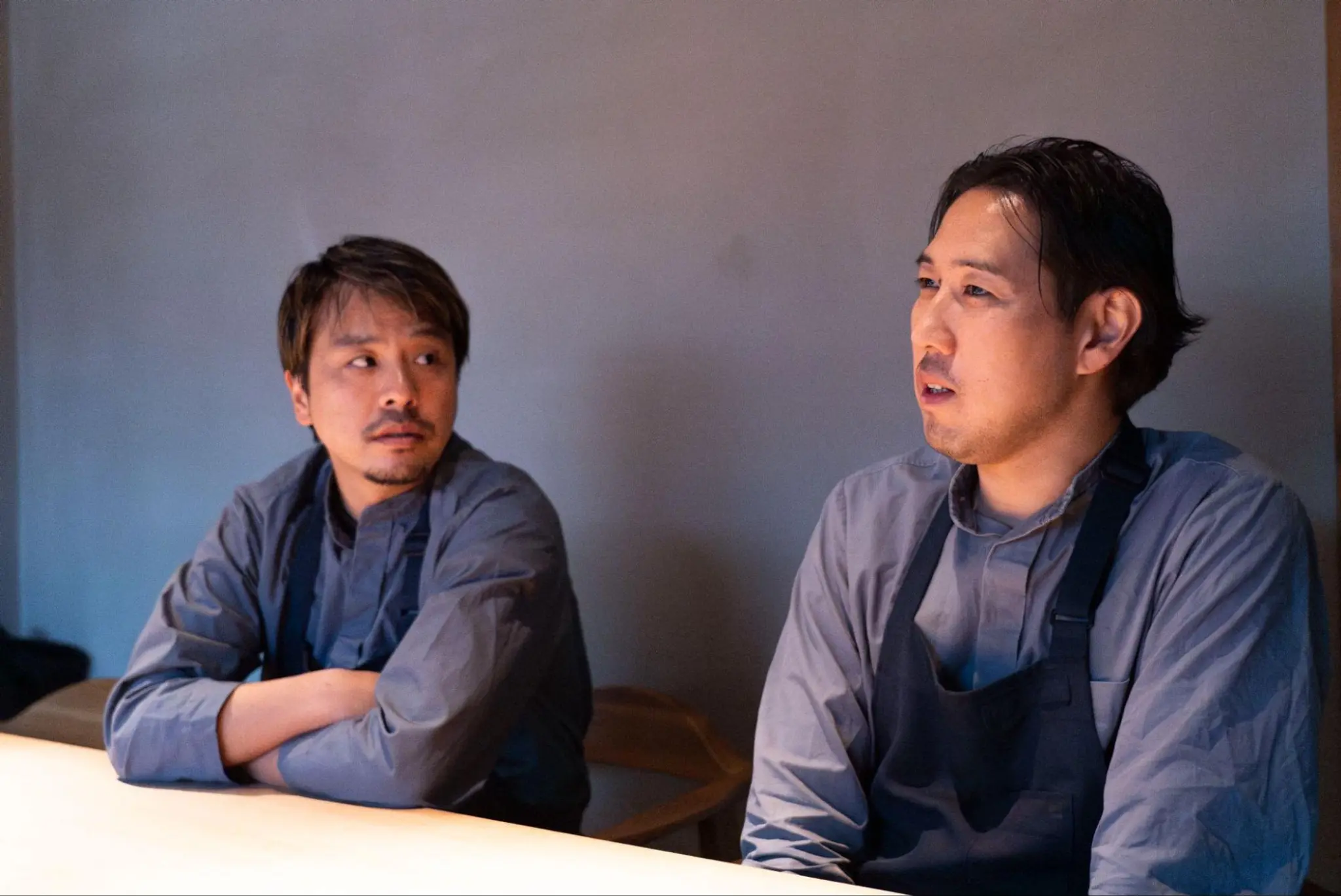
Chef Ume: However, the experience I had in Spain is over 10 years ago, and I don’t think it would make any sense to just replicate what was popular back then. The events during my time in Spain were experiences, but what we should be focusing on now is "using local ingredients and creating things that can only be expressed here, in this place."
Chef Yagi: This year, we went back to Spain for the first time in 15 years, and Spain itself has evolved a lot since then. While they have evolved, it would be strange if we continued to hold on to the things from the past. For us, those past experiences are just that — experiences. After returning to Japan, we’ve gone through many things, learned, and grown.
ーーーWhat kind of experiences did you gain after returning to Japan?
Chef Yagi: After returning to Japan, I wanted to gain a broader range of experiences in the culinary world, not just focus on one genre. I worked at a Spanish restaurant and a Spanish bar in Tokyo, as well as at an Italian-Spanish fusion restaurant. When I got married and had a child, I decided to return to my hometown, and I began working as the chef at the Spanish bar 【Blanco】 located near Kanazawa Station, which had approached me a few years prior. After returning to Kanazawa, I was once again reminded of the great quality of local ingredients and the environment. I talked with Ume and Kitagawa, and we agreed that if we were going to open a restaurant together, Kanazawa would be a better place than Tokyo. That’s when we began our serious preparations for creating the restaurant.
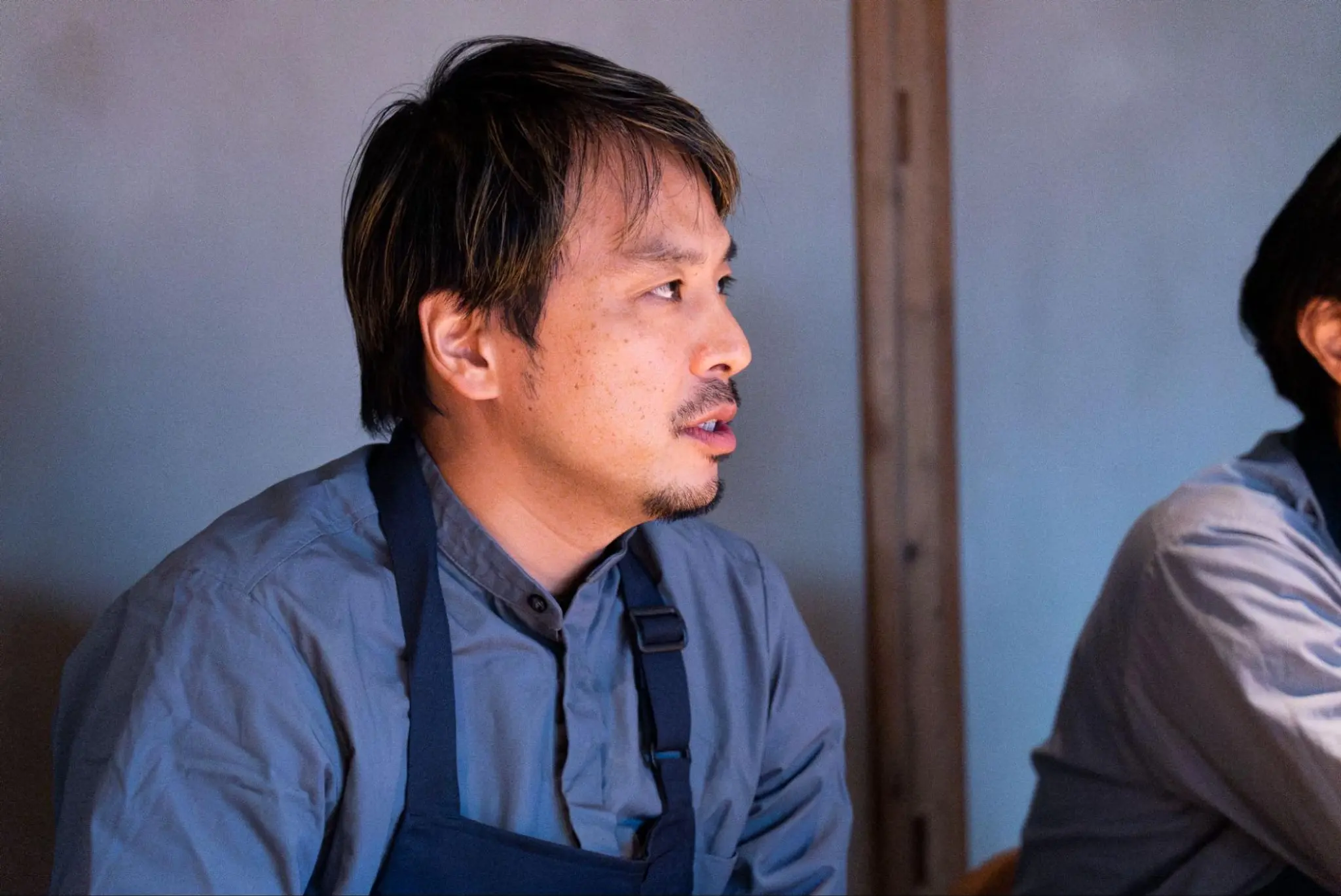
Chef Ume: After returning to Japan, I trained at French and Spanish bars in Tokyo. Following Yagi, Kitagawa and I joined forces, and we opened our restaurant in 2017. When I decided to pursue a career in the food industry, I was just under 30, and I had hoped to own a restaurant by then, but I actually started at 37. Compared to others, my path to independence was late, and I spent more than 15 years training. However, I believe that all of this was a preparation period to do what we wanted to do. Even during that time, the dream of opening our own restaurant with the three of us never changed.
After making brave decisions and continuing on, we achieved Michelin two stars.
ーーーHow did you decide on the type of restaurant when opening?
Chef Yagi: When we discussed whether to open a bar or a restaurant, I thought a bar would be easier to start and more likely to succeed. But then I asked myself if that was really what we wanted to do. Even if we succeeded with a bar, I thought we might end up regretting it after seeing people succeed in the restaurant business. If we were going to do it seriously, we needed to make a choice we wouldn't regret, so we decided to challenge ourselves with a restaurant.
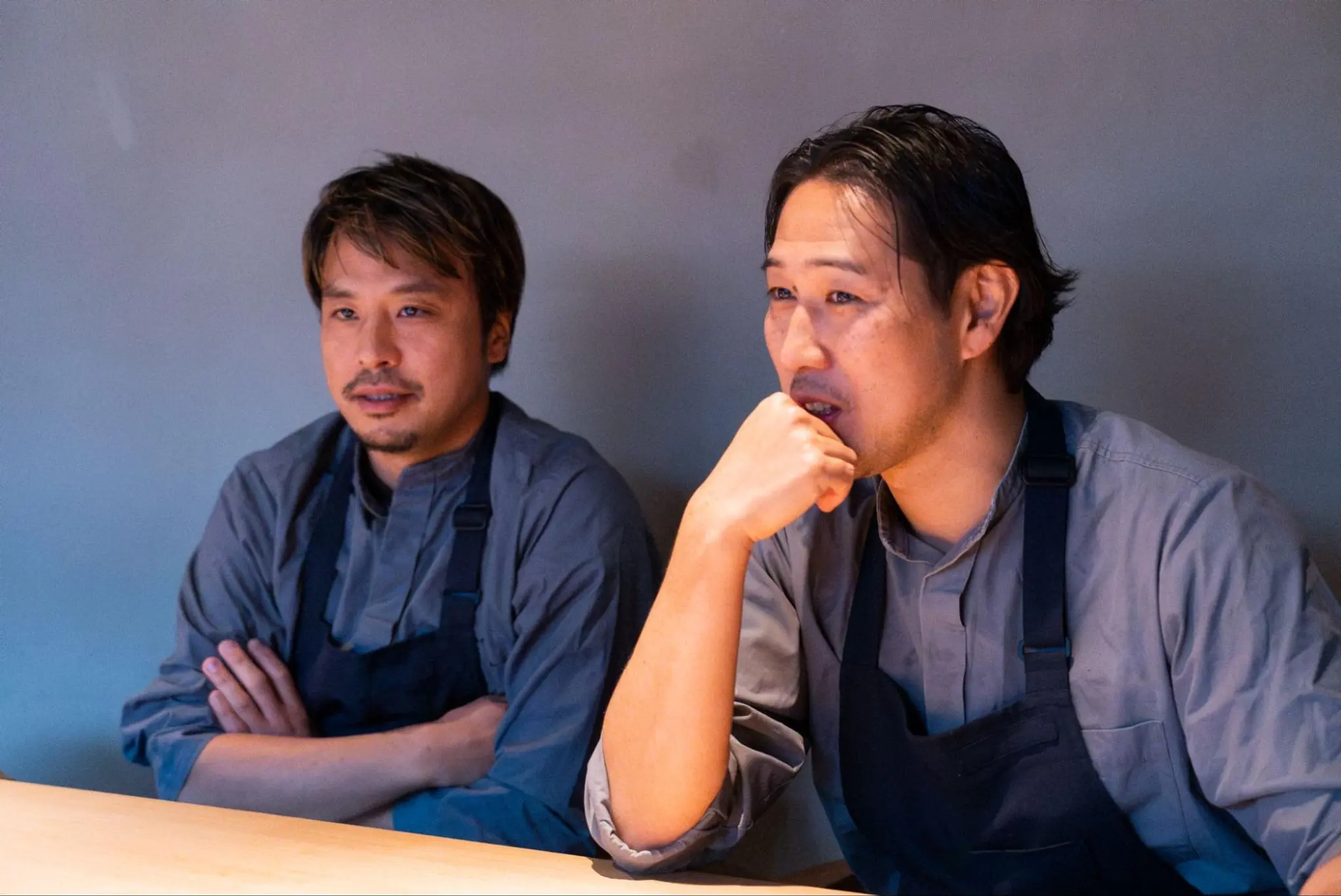
Chef Ume: I had confidence, but even if the bar had been successful, I thought it would be boring to live a life where success came easily. We didn’t start from cooking, but from the idea of "doing something interesting," so perhaps that’s where we differ from many traditional chefs. We started by saying we wanted to do something interesting, but if we had chosen an option that wasn’t interesting along the way, it wouldn't make sense, right? (laughs)
ーーーHow did you open your restaurant?
Chef Yagi: At the time we opened, there were high-end French and Italian restaurants all over the country, but there were only a few high-end Spanish restaurants even in Tokyo, and I had never seen one in rural areas. So, instinctively, it felt a bit scary to go down the high-end route immediately. We started by keeping prices low and offering lunch and course meals. The customer turnout was very good, but due to the low customer spending, we reached a point where we couldn't sustain the business. We then increased the price of the course meals and matched the ingredients with the price, gradually transitioning to a more high-end approach.
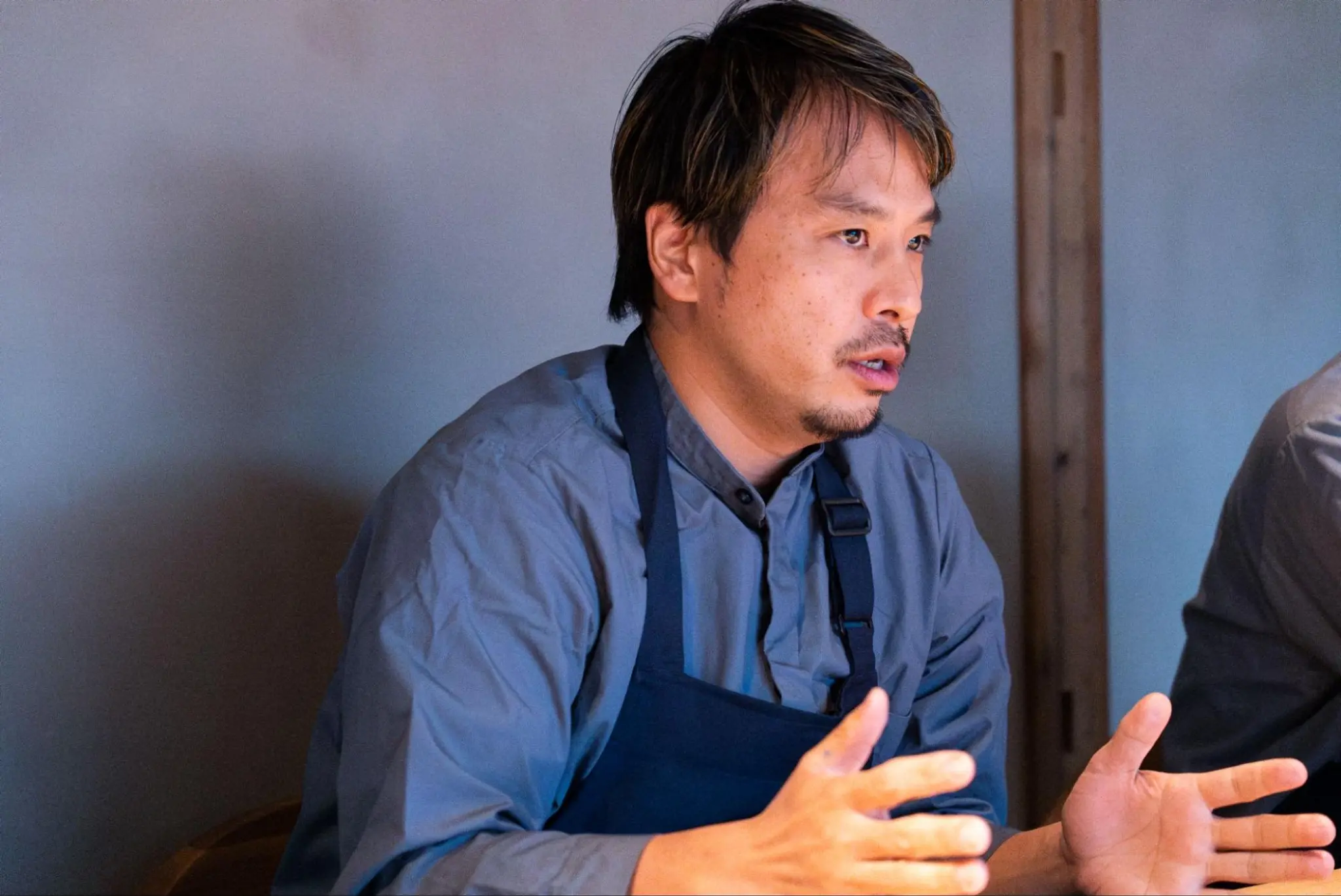
Chef Ume: To be honest, even changing the price by 1,000 yen is scary. Changing the price means that a certain number of customers will distance themselves. However, we have staff wages to cover, and we want to use high-quality ingredients. As chefs running a restaurant, we have a deep-rooted desire not to lose to any other restaurant. To avoid losing, we can only make good things. In order to create what we want to create, we have to raise the prices, and we’ve made those choices with courage every time.
ーーーDo you think there was a turning point in how the restaurant changed?
Chef Ume: During the pandemic, when we were struggling to keep the business running, we decided to try making a cheesecake with leftover ingredients. It sold out in no time, and its popularity grew, eventually allowing us to sell it nationwide. That’s when we decided to open a specialty store, and we started 【PiSO by respiracion】, a cheesecake specialty store, near Kanazawa Station, which gave a boost to our business. After receiving two Michelin stars in 2021, our reservations quickly filled up, and we’ve been in a waiting list situation ever since.
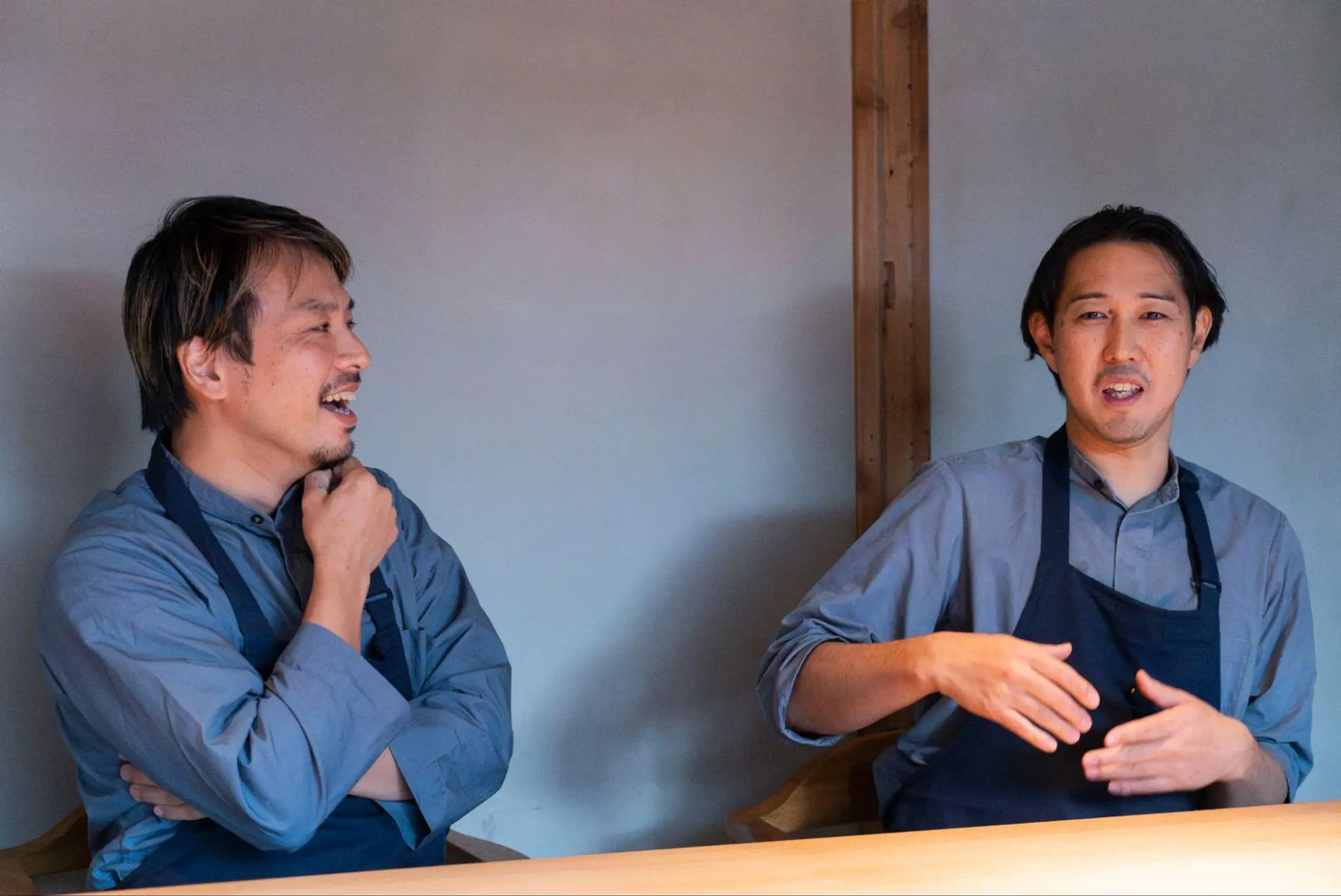
Chef Yagi: We also opened the Spanish bar 【comer】, but the management was unstable, and we went through some tough times. There was even a point when the bank asked us to bring in a consultant to help improve the business. However, through perseverance and hard work, including the success of our cheesecake specialty store and receiving Michelin two stars, we managed to turn things around. As a result, the bank has now asked us to give lectures on branding and opening businesses, and we are now doing that as well.
ーーーWhat kind of challenges did you face before the restaurant became stable?
Chef Ume: In Ishikawa Prefecture, Japanese restaurants are very strong, and Kanazawa has several of Japan's most renowned restaurants. While our genre is different, we struggled with how to distinguish ourselves. For example, when customers from Tokyo visit Kanazawa, they often make reservations at several popular restaurants during their stay, making it like a restaurant tour. Our restaurant was often compared to others, and at first, that was difficult. We even wondered if it would be better to use fresh ingredients like the famous restaurants. But as we gradually established our own originality and saw customers enjoying our food, we stopped worrying about it. Now, we confidently believe that our restaurant is more interesting, and we feel stronger for it.
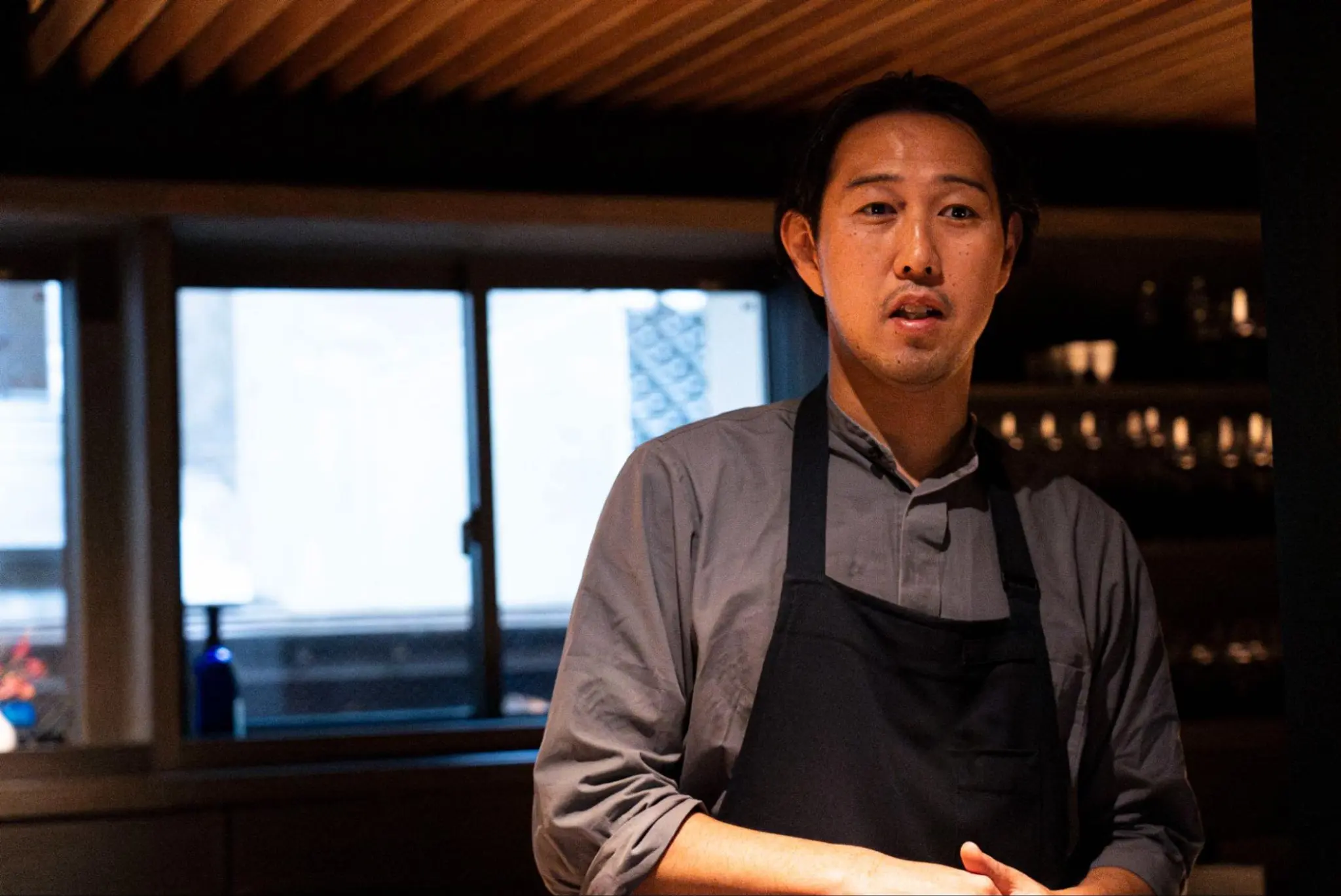
To provide "flavors that can only be experienced here," we focus on selecting ingredients and making things in-house.
ーーー What do you value when preparing dishes?
Chef Ume: I prepare dishes with the goal of serving them to customers at their most delicious state, carefully calculating everything, such as removing fish bones a few minutes before serving. Also, by thoroughly explaining the dish to the customers, the dish feels complete. So when serving, I make sure to communicate details such as the origin of the ingredients and the cooking methods. Every dish is made with care and thought, so the servers may find it challenging (laughs).
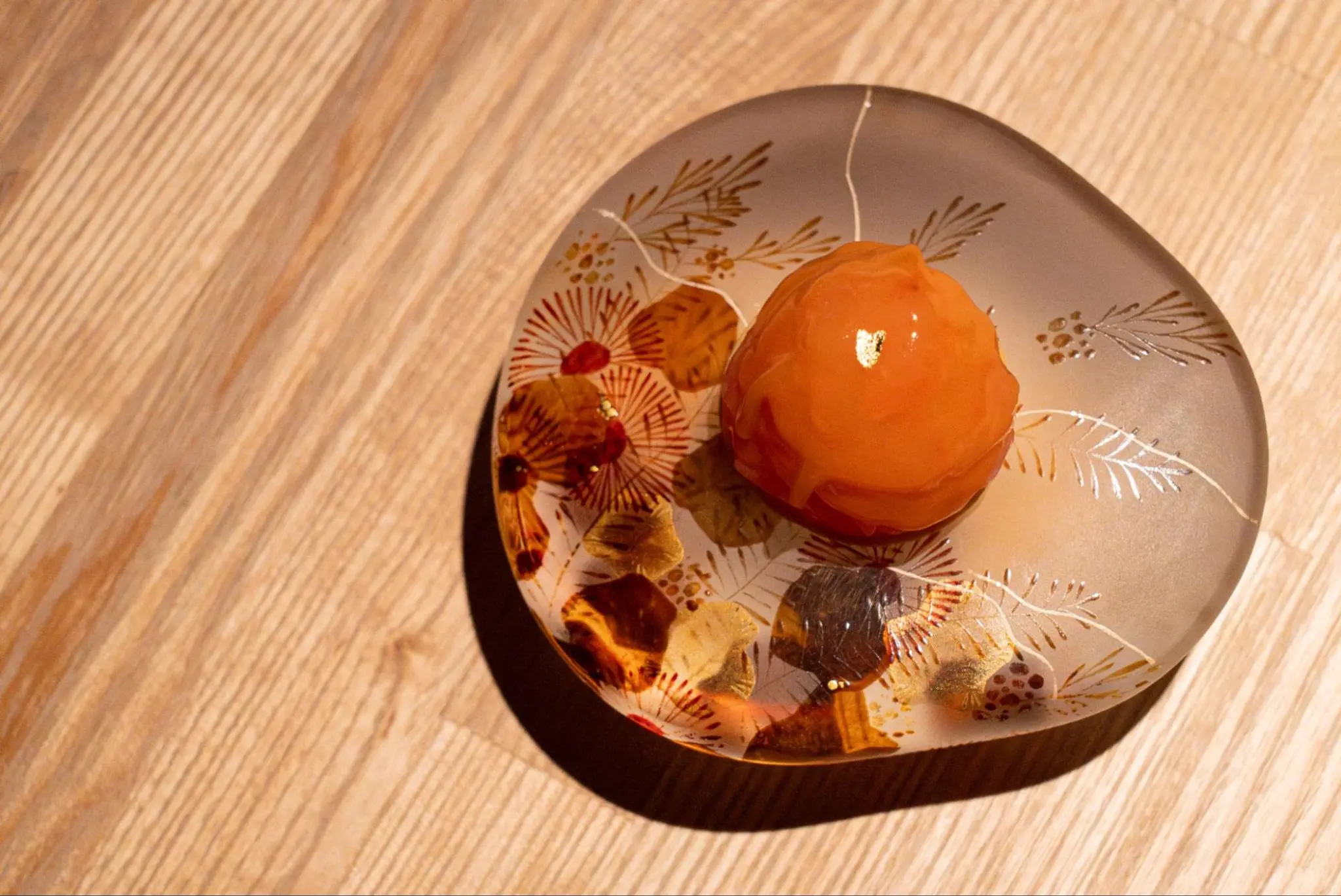
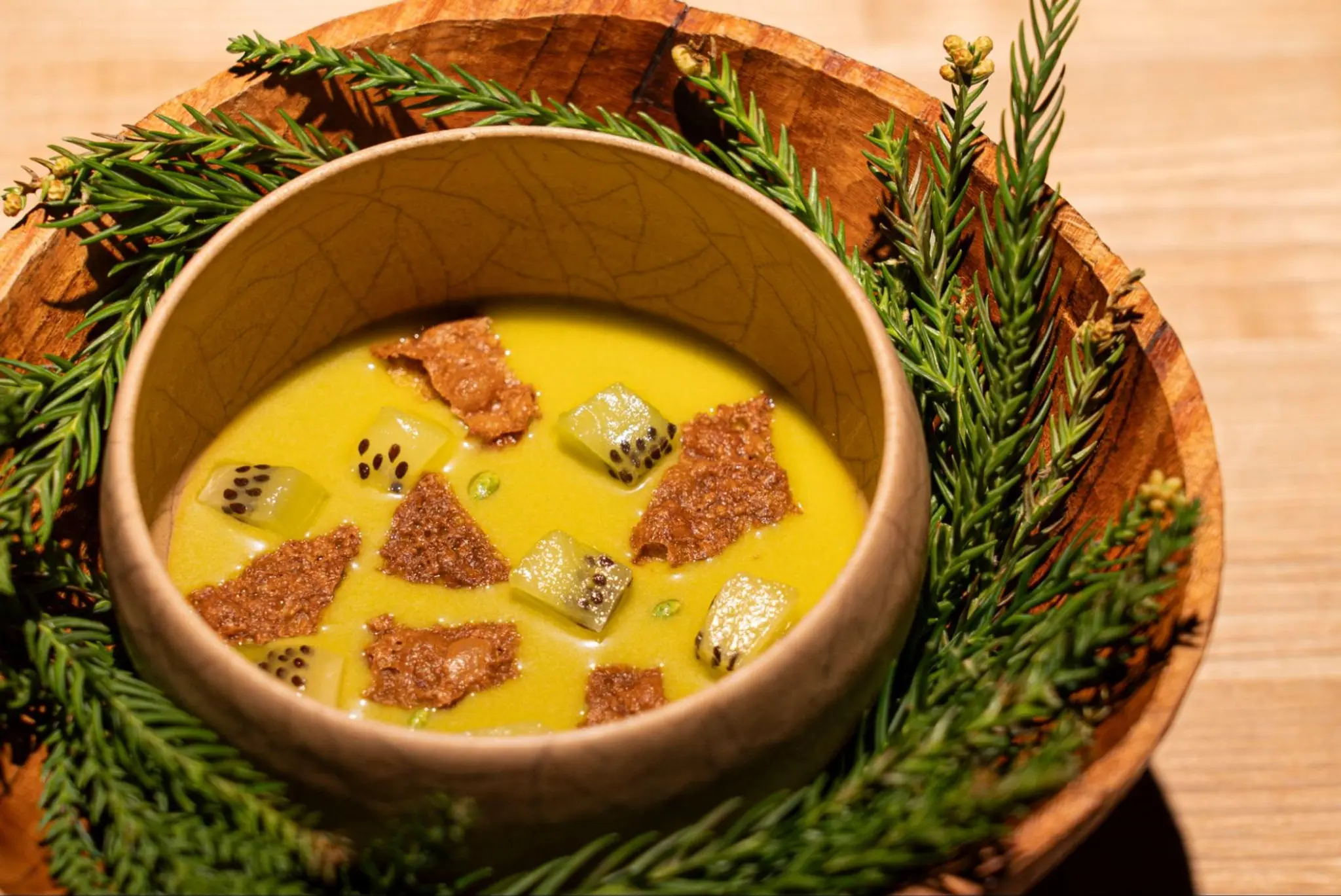
Additionally, because I want to showcase local culture along with the food, all of the dishes are custom-made by artisans from Ishikawa Prefecture. For example, the plate used for the first dish, sweet shrimp, was crafted by contemporary artist Kazushi Fujita, who designed it with the image of shrimp being at the bottom of the sea. I am constantly searching for artists who can create pieces that match the image of the dish and the atmosphere of the space, and we use completely original tableware here at our restaurant.
ーーー Could you tell us about your commitment to ingredients?
Chef Ume: Every morning, the sous-chef goes to the fishing port to buy the fish. We have built a relationship with the fishermen, and we can even know in advance when the sea will be rough and when the boats won’t go out, allowing us to prepare in advance. The fish we purchase is aged in the refrigerator, and we carefully determine the optimal timing for serving. Depending on the condition of the fish, we may use different fish on the same day, and we prioritize using each fish at its best state. As for ingredients from the mountains, we sometimes collect them ourselves, or suppliers bring them from remote areas. When searching for new producers, we are often introduced to them by other producers we already know. While we offer dishes using Ishikawa Prefecture’s local specialties, we are always on the lookout for ingredients that allow us to offer something that can only be eaten here, rather than what can be found at any other restaurant.
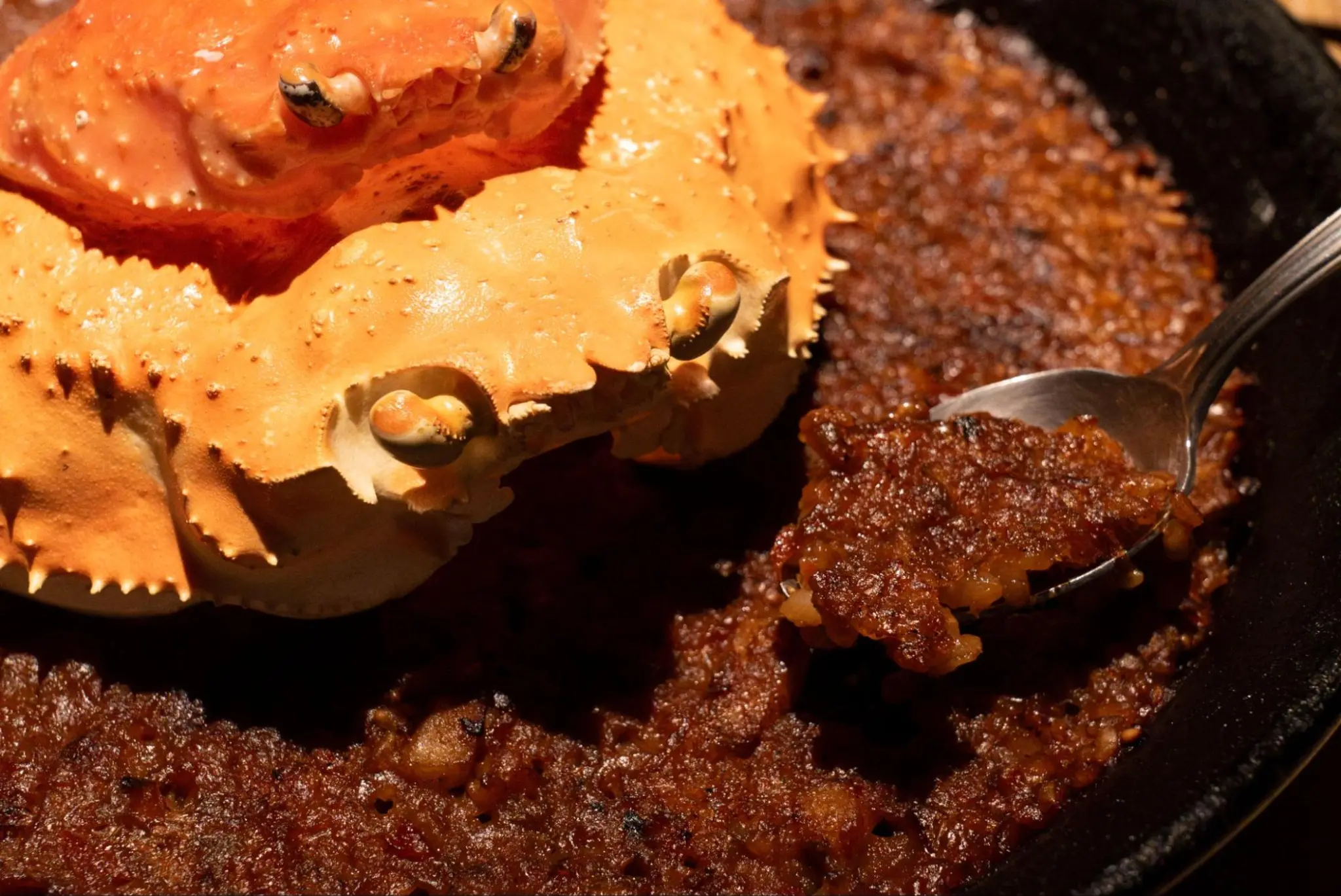
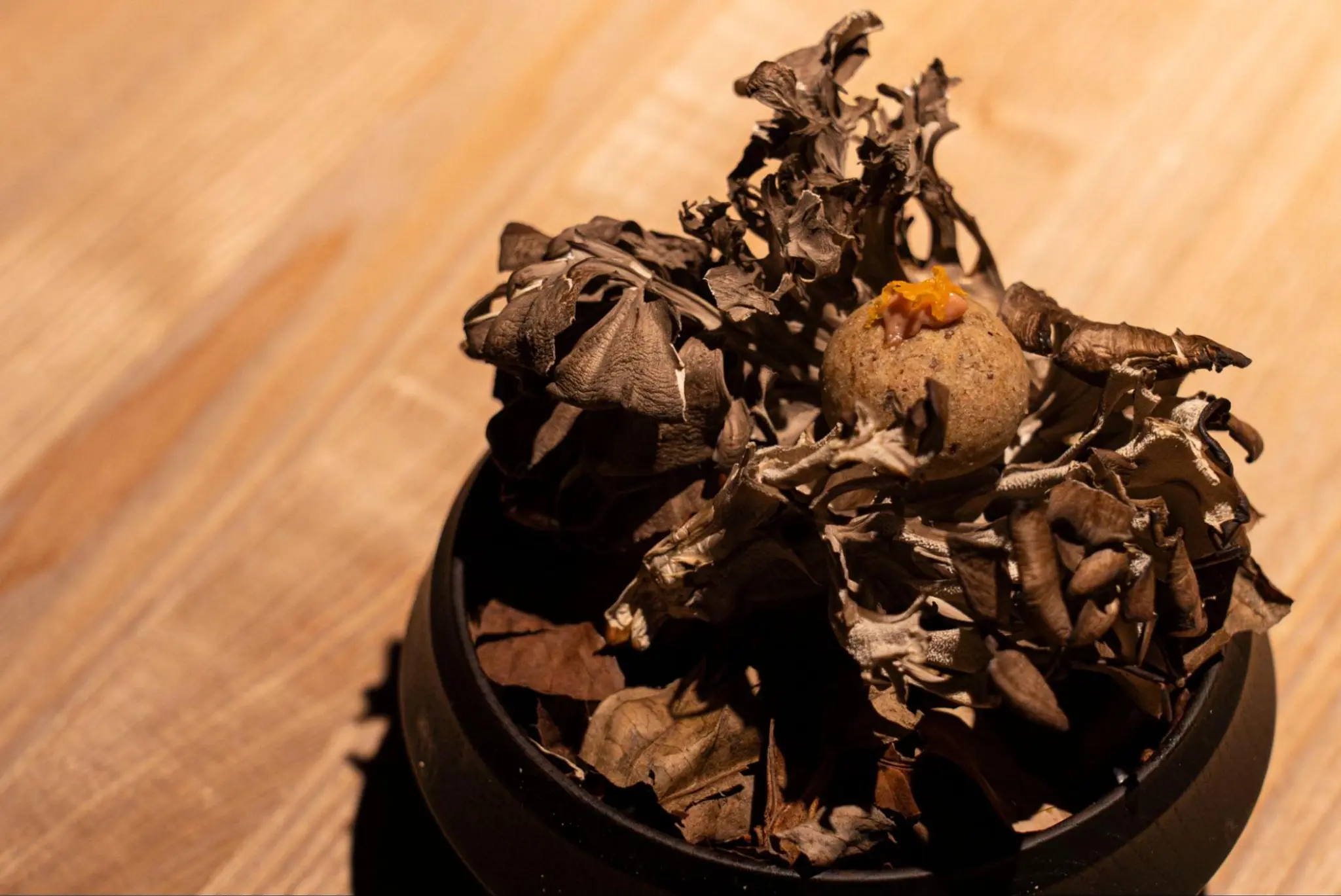
We also pay attention to the heat source when making the most of the ingredients, and recently, we’ve started using firewood. The peak time for roasting with firewood is only about 10 minutes, so it’s challenging to match the timing for serving to the customer, but it’s still a learning process. However, it’s interesting because it provides a different type of aroma than charcoal. For example, when we place béchamel sauce near the firewood, it takes on a smoky flavor unique to firewood, expanding our range of expression.
ーーー I hear that you also grow vegetables in your own farm.
Chef Ume: To take the next step for our restaurant, we have the desire to not only order all our ingredients but to grow what we can ourselves. That’s why we started owning a farm, and we have also started an initiative to place compost in the field to break down and ferment organic matter to create our own fertilizer. We have many close relationships with nearby farmers, and we are learning a lot from them about soil, the growth of vegetables, and various other things. For example, eggplants may not grow well if planted in the same spot repeatedly, but by intentionally growing them in the same field for the third year, the farmers share with us the subtle differences in how the eggplants grow.
Being able to distinguish the condition of vegetables helps me incorporate that knowledge into cooking, so it’s a daily learning experience. Additionally, thanks to our connection with the farmers, we are able to source good seeds, which has been a huge help for us.
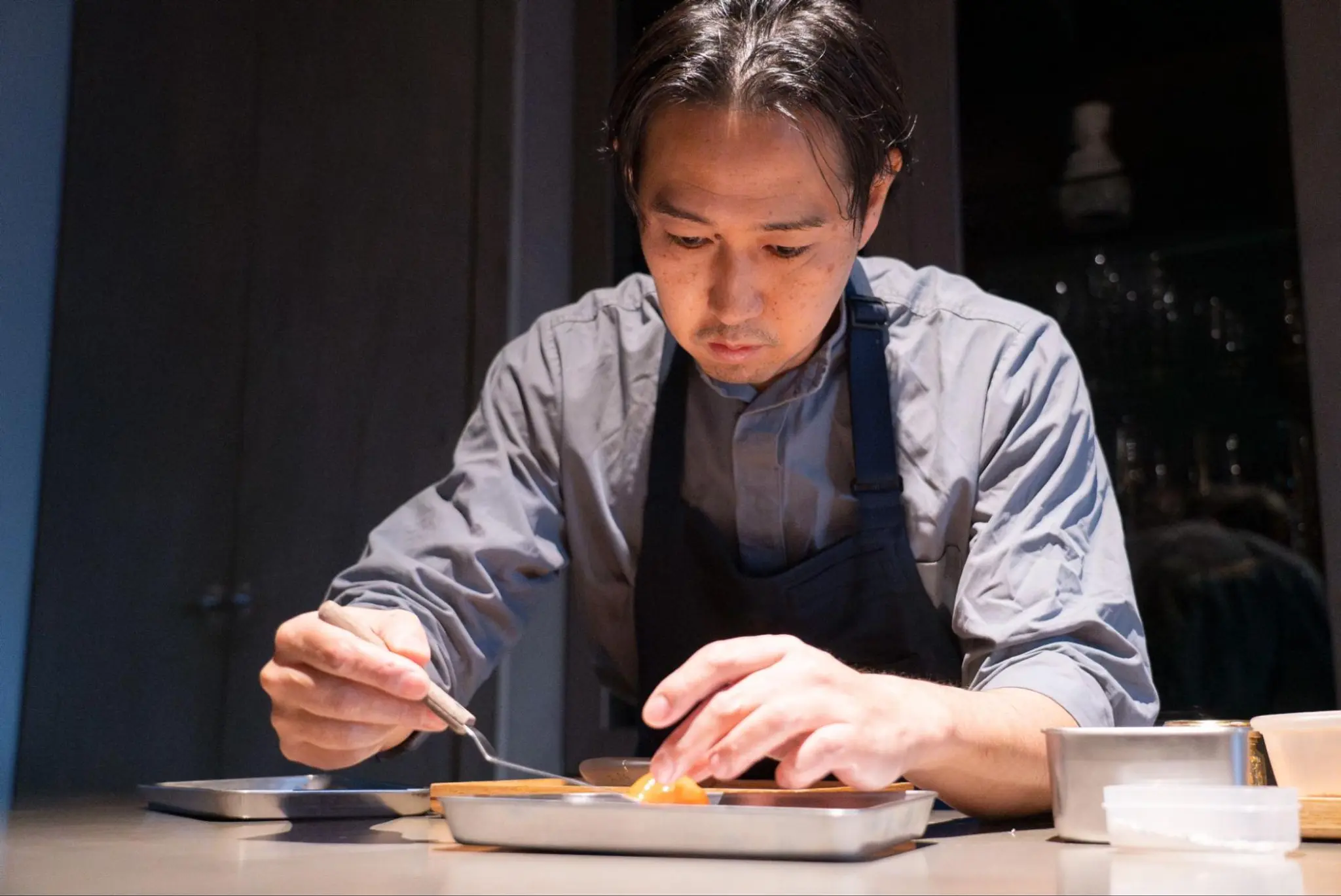
ーーー I hear that you make many of your seasonings from scratch.
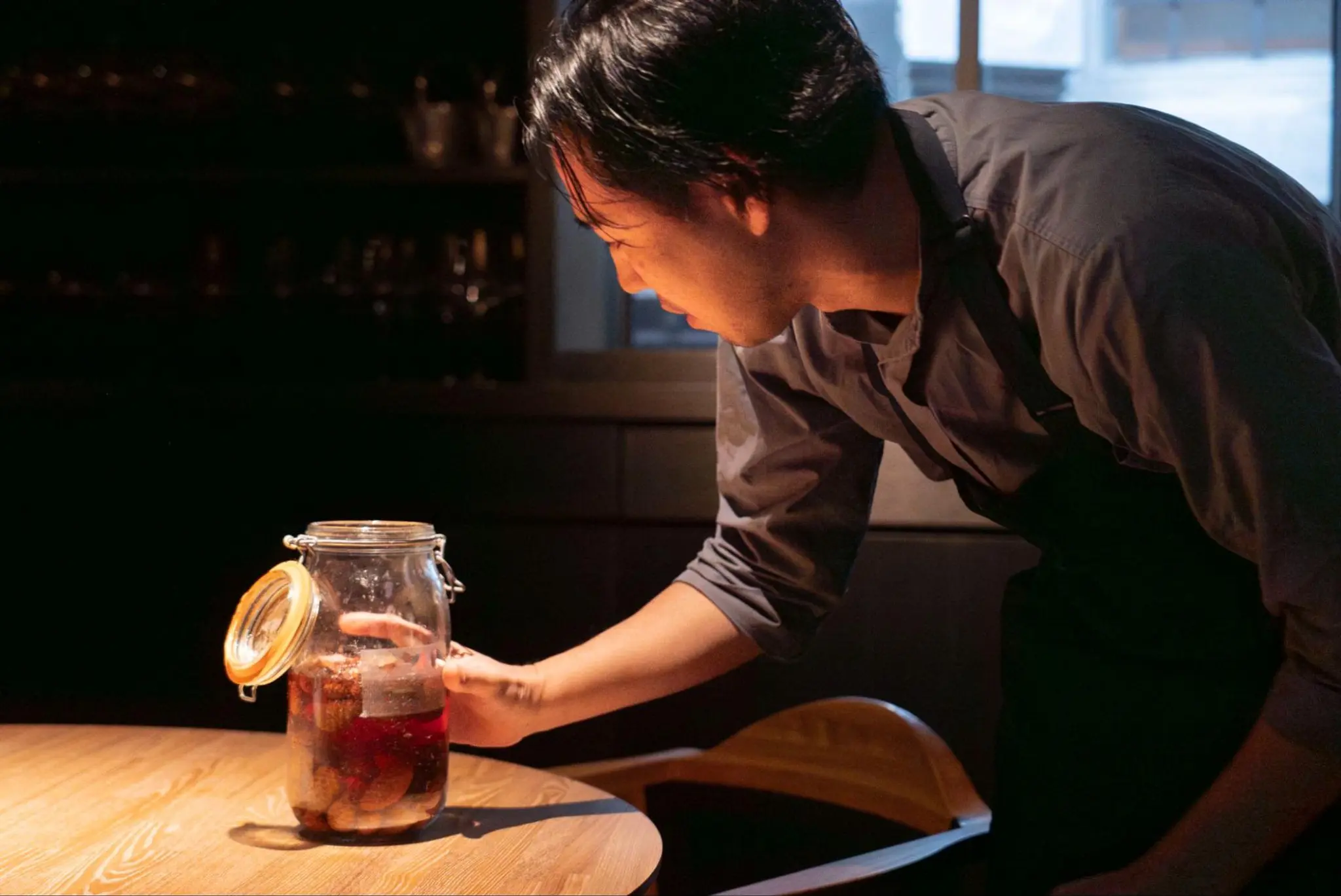
Chef Ume: We make our own vinegar by marinating vegetables, and instead of using sugar, we make something like brown sugar by simmering persimmon skin. We also make our own shio-koji and pine cone enzyme syrup. By creating everything from scratch with our own hands, we want our customers to truly experience the meaning of coming to our restaurant. We are also particular about making our own bread. We receive grape skins from the winery "Seis Farm," which are left over after wine production, ferment them, and use the yeast to make our bread. Additionally, when we serve bread daily, we always have some ends left over, but the yeast in those ends is still alive, so we grind them into powder and mix them with koji to make our own homemade miso.
By using the rich resources of Noto, I want to contribute to its recovery.
ーーー I hear that you are also involved in the "NOTOFUE" initiative to pass on the environment and resources of Noto to future generations.
Chef Ume: "NOTOFUE" is an organization started by chefs involved in food, with the aim of preserving the rich environment and resources of Noto’s satoyama (village forest) and satomi (village sea) for future generations. We are also participating in this initiative. One of the members, Chef Shunya Ikehata, lost his French restaurant【L'Atelier de Noto】in the earthquake. After the disaster, Chef Ikehata stayed in the area and helped the victims by providing thousands of meals every day, all while bearing debt. He is now working to open a restaurant called【mebuki】in Wajima to help further the recovery efforts. In Wajima, the struggle for survival continues to this day, and the activities of "NOTOFUE" are now focused on supporting those who have been leading the recovery since the earthquake. We want to help in any way we can.
ーーー How do you think you are contributing to the recovery of the disaster-stricken areas?
Chef Yagi: It’s been almost a year since the Noto Peninsula earthquake, and while some areas have started to recover, others still haven’t. As time passes, it feels like the memory of the disaster is fading among the people. If you happen to see a fundraising campaign for the earthquake, I would be happy if you could donate even 5 or 10 yen.
As chefs, we believe that ordering ingredients from producers is the most important form of support. After the earthquake on January 1st, we decided to reopen our business on the 6th. We hesitated because we didn’t know if the farmers in Noto would be able to harvest, but when we placed the order, we received boxes of ingredients with the word "Thank you" written on them. Seeing this, we realized that by telling the producers, "There are people who want your ingredients," we are empowering them. We believe that by making full use of Noto’s regional resources and welcoming customers to our restaurant, we can be a driving force for recovery.
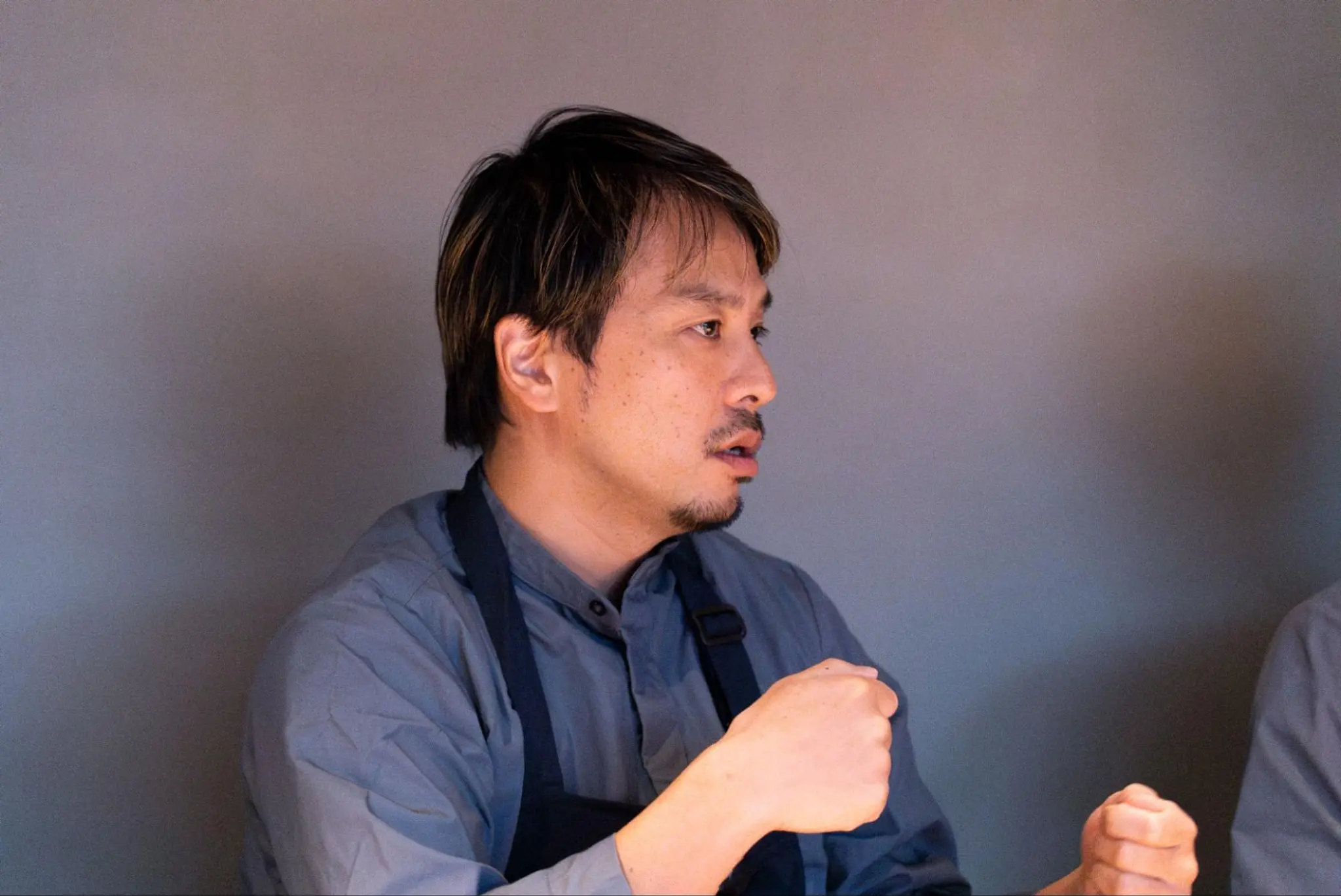
ーーー Can you tell us about the challenges of running a restaurant in the countryside and the feedback from your customers?
Chef Yagi: Every 2 to 4 years, heavy snowfall causes the entire transportation network to come to a halt, and reservations for about two weeks may be canceled. We fear the snow every year. Our restaurant operates with the concept of "From Kanazawa to the World," aiming to attract customers from around the world. However, getting to Kanazawa itself presents some hurdles. Even so, we are fortunate to have many customers from outside the prefecture and overseas, and currently, about half of our customers are from abroad. When we release reservations online for 2 to 3 months ahead, they fill up quickly, which is a wonderful situation. We have increased the number of seats compared to before.
Chef Ume: Overseas customers often have various preferences and dietary restrictions, so we make sure to accommodate those as much as possible. There is also a tendency for them to prefer dishes that immediately taste "delicious" as soon as they take a bite. However, we pursue a delicate kind of deliciousness that spreads in your mouth. For example, the "deep deliciousness" that you feel when you taste something like a warm and gentle soup, or the "comforting deliciousness" that gradually sinks in. There are many types of deliciousness, right? We aim to create flavors that target each type of deliciousness, so it would make us happy to deliver not just simple deliciousness, but "rich and deep deliciousness."
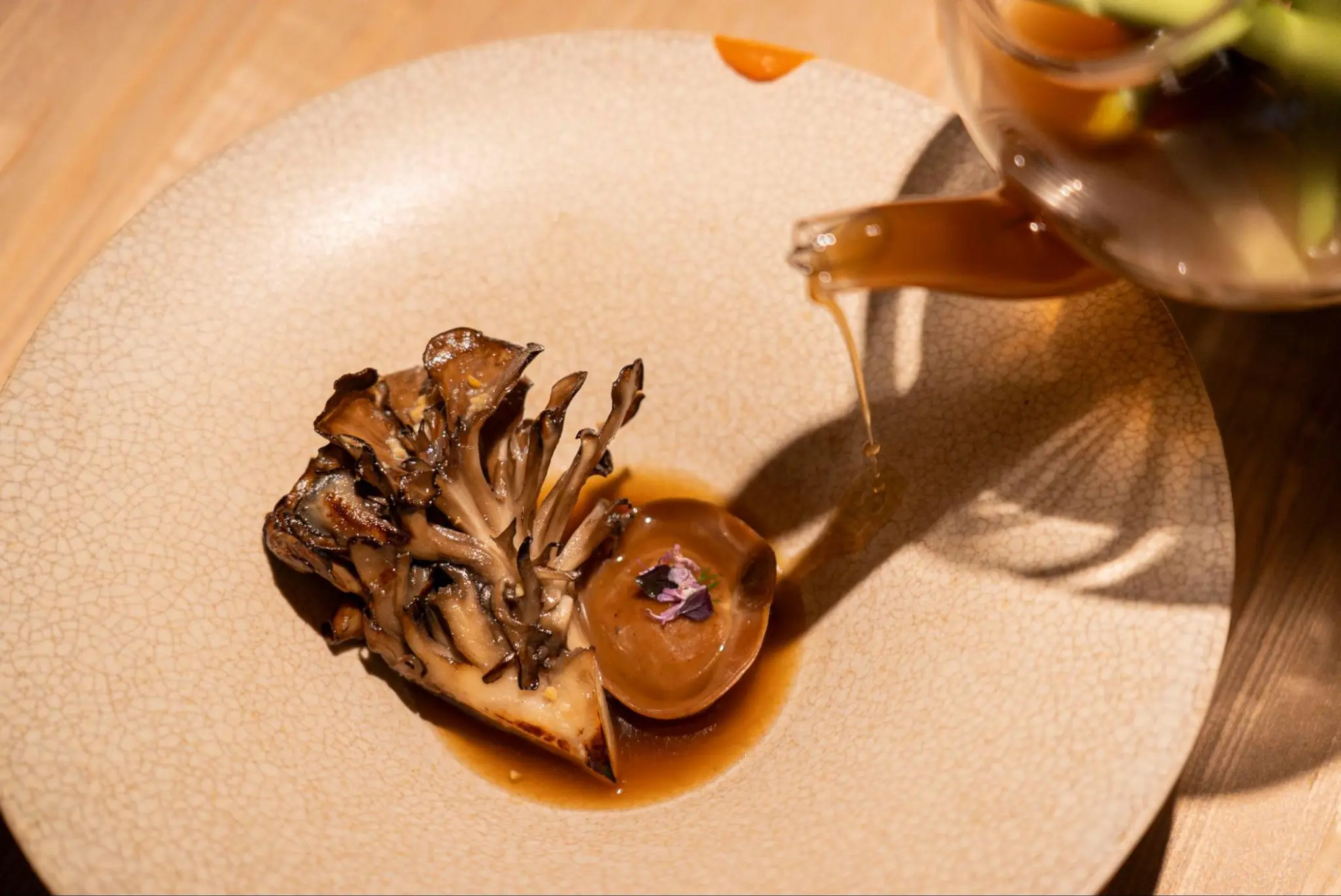
While making the most of each ingredient's unique qualities, we push ourselves to refine what we think is interesting.
ーーー How do you divide the roles while running the restaurant?
Chef Yagi: We discuss the business strategy and future plans as a team. If all three of us agree that something is "interesting" during a discussion, then we go ahead with it. However, if we don’t all agree unanimously, we don’t proceed. If I don't think something is interesting, I’m sure the other two wouldn’t either, so I don’t even bring up ideas that might not get unanimous support (laughs).
Since we've been together since we were kids and understand each other's strengths, we naturally divide the roles according to our specialties. Ume is very strong in creativity and has a great aesthetic sense, so I particularly rely on him for the creative aspects of space creation and the dishes.
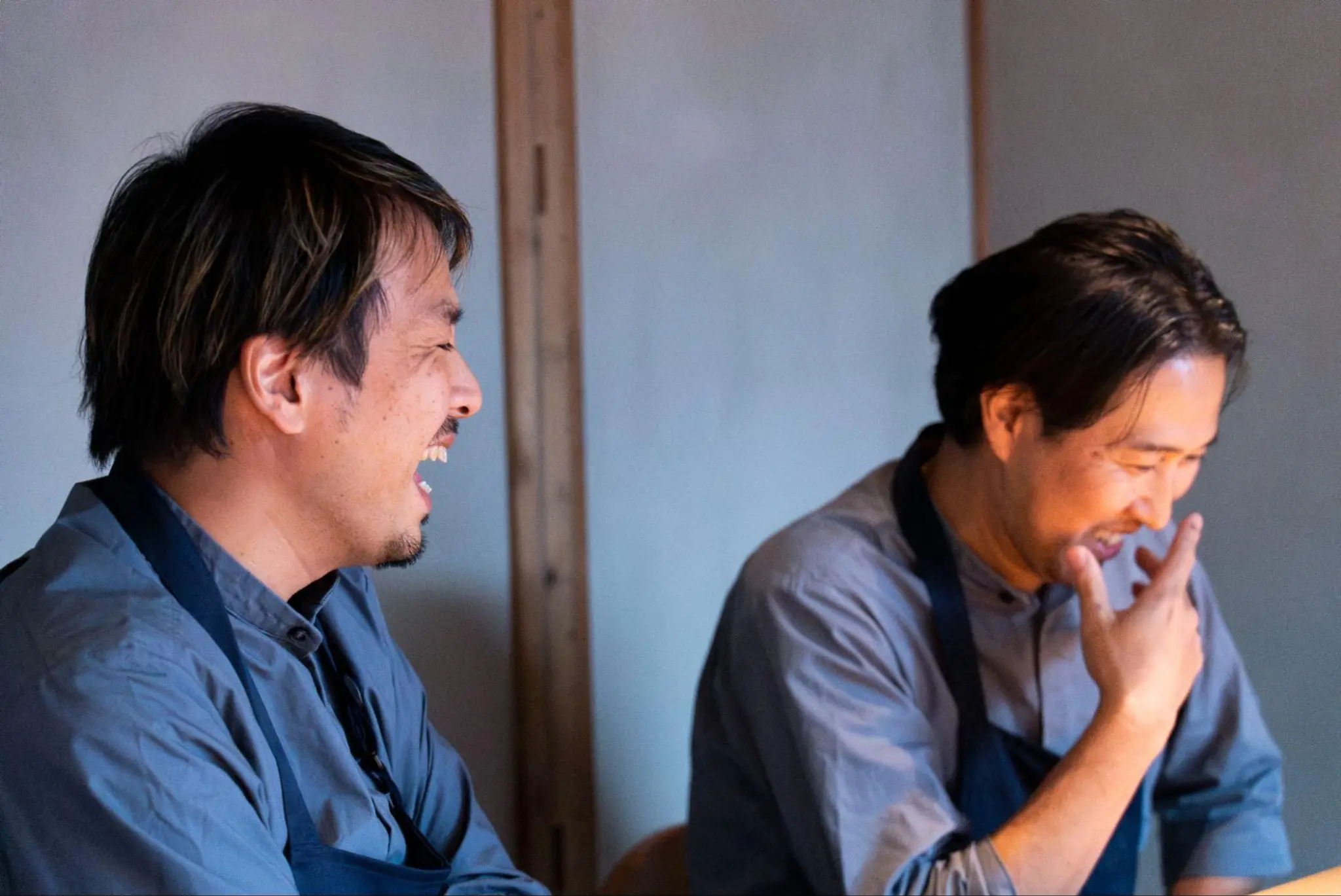
Chef Ume: All three of us played basketball together, and at that time, Yagi was the captain, and Kitagawa was the vice-captain. I think those roles really reflect our individual personalities. Yagi has leadership skills that align everyone with the company's direction. He has the power to move forward positively and the courage to take action, and I’m influenced by him as well.
Chef Yagi: Kitagawa is strong with numbers and primarily handles negotiations, including dealing with the bank. He currently manages our Spanish bar and cheesecake specialty shop. He's great at building relationships and quickly brings in new business. He could probably bring in even more work, but I think he might be rejecting some opportunities because he knows we wouldn’t find them interesting (laughs).
Chef Ume: More and more work requests are coming in, and if we wanted to expand, we could. However, we try to keep things within our reach and within a scope we can personally oversee. If we spread ourselves too thin, we feel that our unique style would get diluted, and as a result, it would no longer be as interesting.
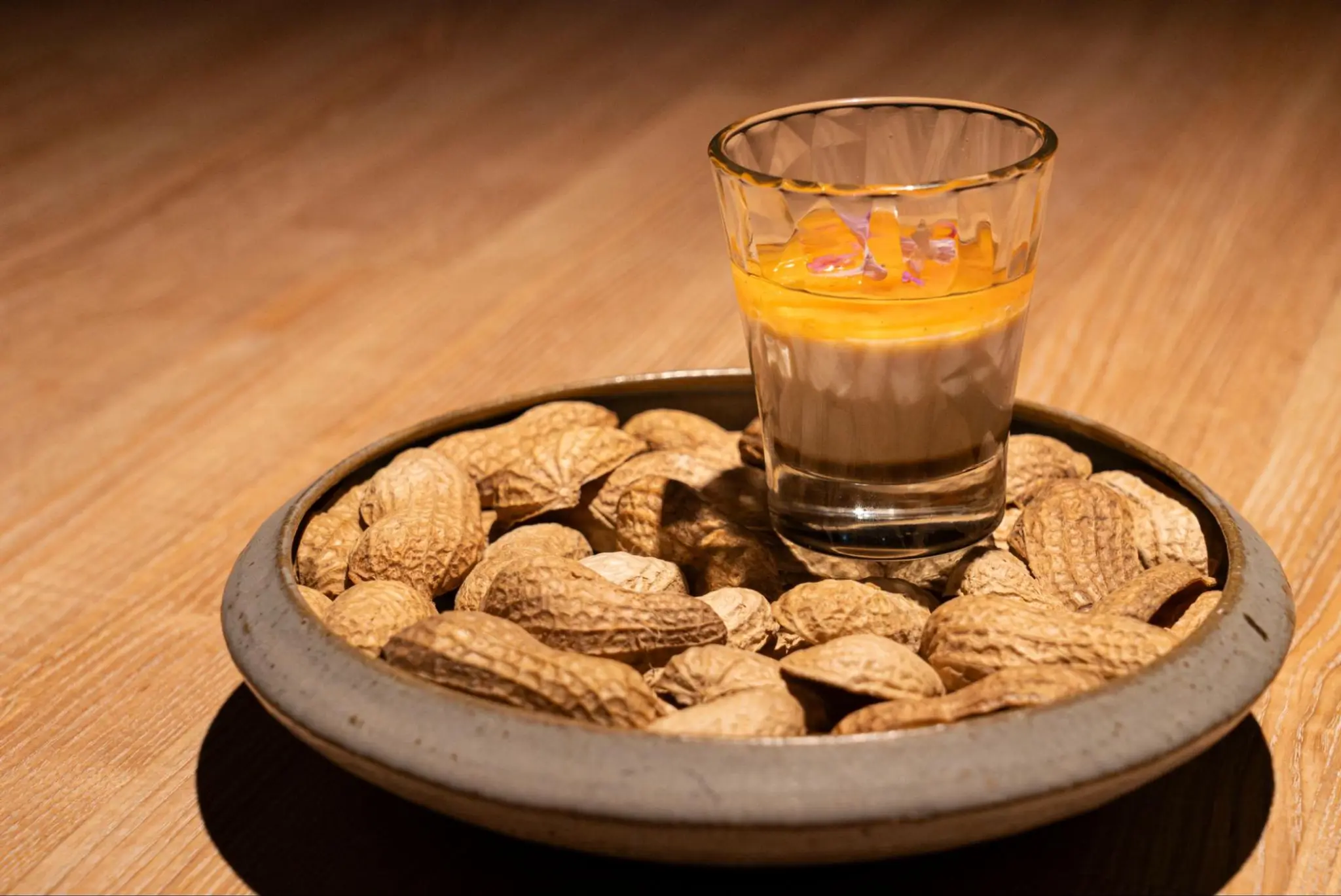
ーーー What kind of staff members work at【respiración】?
Chef Yagi: It seems that the things we create and the atmosphere we cultivate are being communicated outside, and the kitchen staff we currently have come from all over the country and abroad. Among them, there are even people who, after working at Michelin three-star restaurants overseas, returned to Japan and chose to come directly to our restaurant without going through Tokyo. We take pride in the fact that by doing what we find interesting, we are able to share its appeal with others.
We are currently in our 40s, but in addition to our younger colleagues in their 20s and 30s who work as managers and sous-chefs, we also have children of our own. Considering that younger generations are following us, we feel that we must leave something good behind. If we were satisfied with just maintaining the status quo, I don’t think they would have chosen to work at our restaurant. So, instead of playing it safe, we want to be greedy and aim for what we want to create. I’m sure that, in the future, they will create interesting things too, but I want them to say, "Those three were really interesting after all," when they are older.
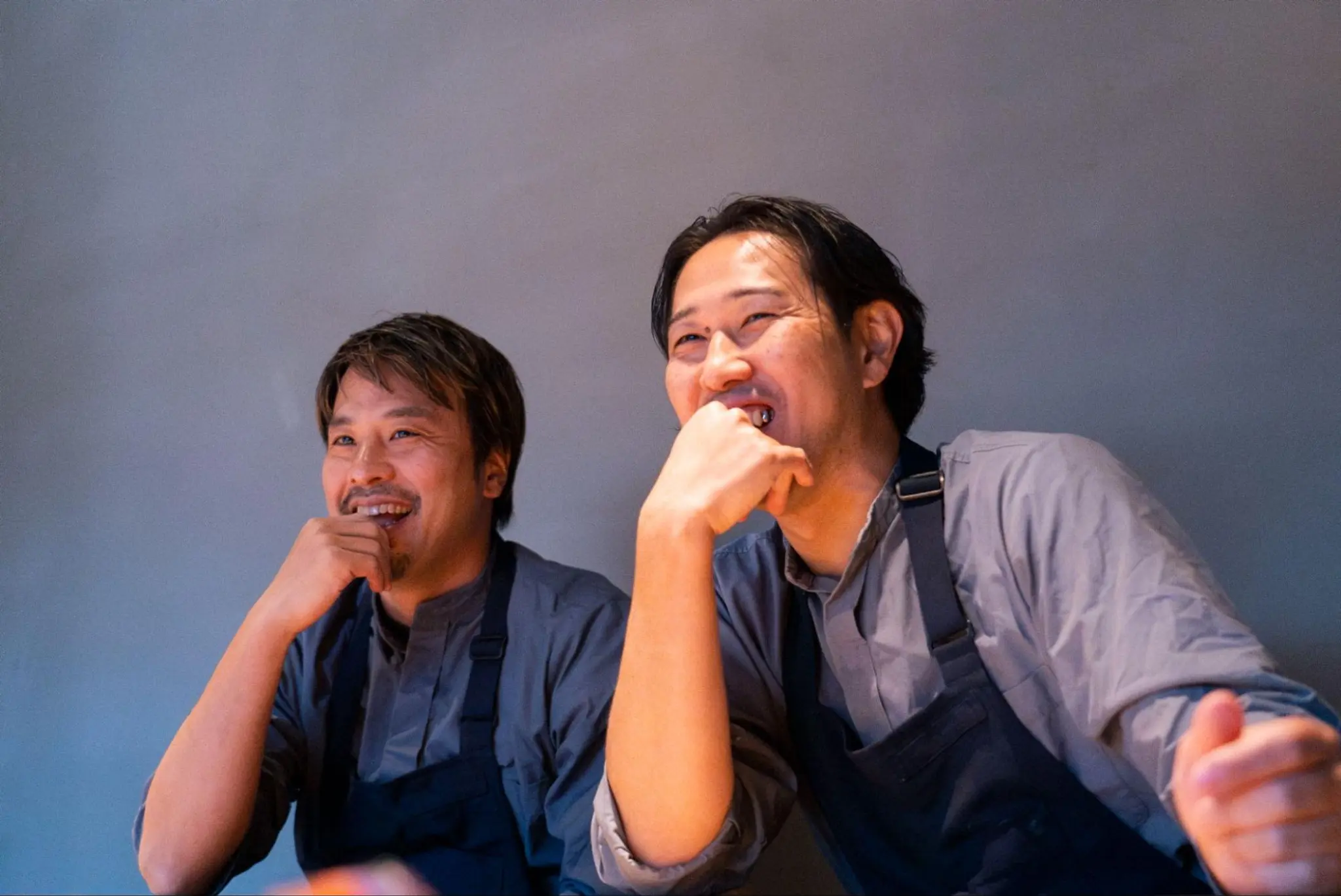
ーーー What are the thoughts you both want to continue valuing in the future?
Chef Ume: If there is nothing unique that can only be offered here, customers won’t come all the way to a rural area. It costs time and money to come to Kanazawa rather than the major metropolitan areas like Tokyo, Osaka, or Fukuoka, so there needs to be something attractive. We are constantly thinking about the meaning of cooking in Kanazawa.
We don’t intend to cook Spanish cuisine. We are simply filtering some of our dishes through a Spanish lens, but the ingredients are, of course, local. We create dishes that express what can be made in this land, in this space. I don’t think we could compete with Michelin-starred restaurants in Spain by imitating an authentic Spanish restaurant here in Kanazawa. I believe that by utilizing what is rooted in this area, we can evolve our cooking and compete equally with chefs in Spain.
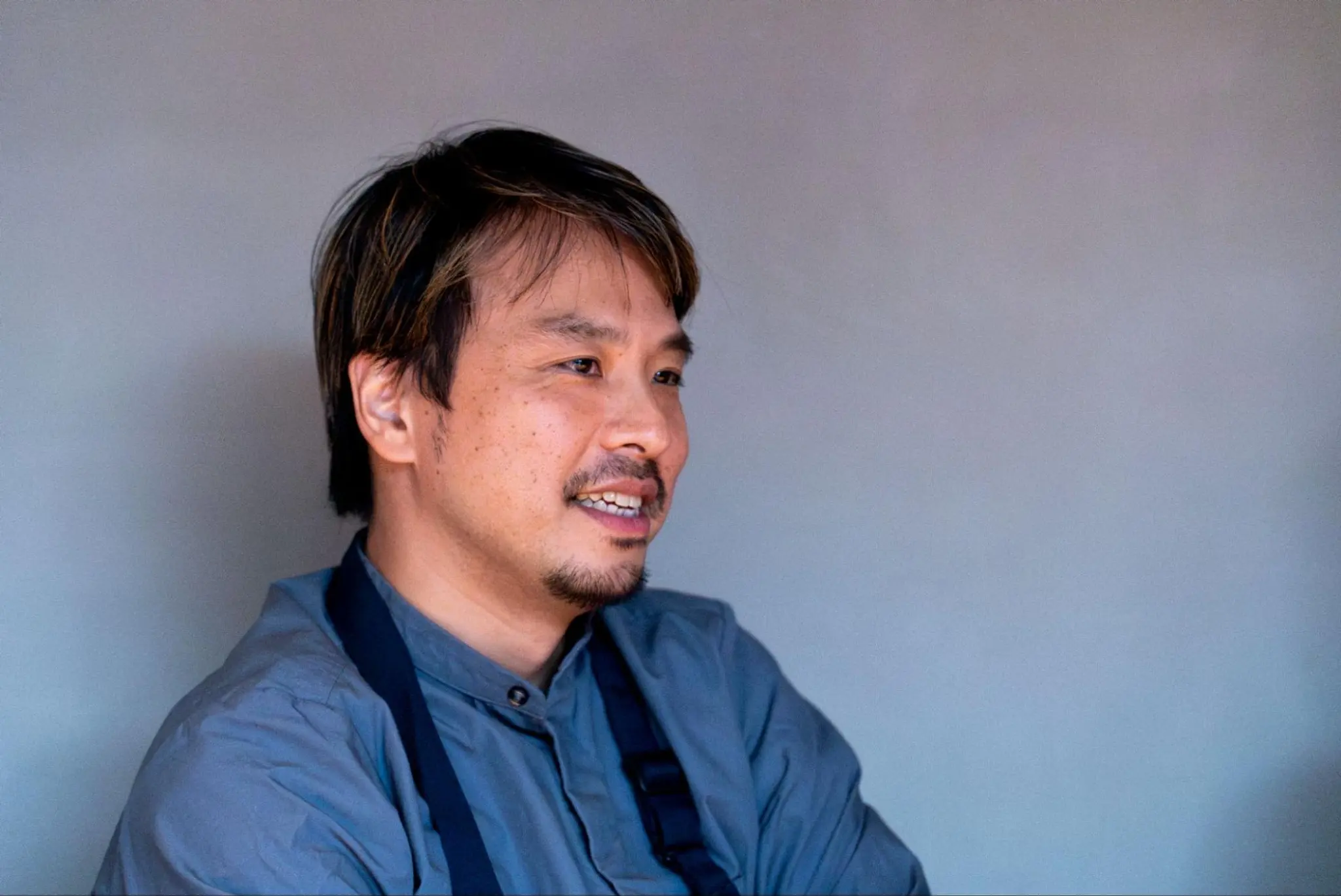
Chef Yagi: From the very beginning, when we gathered to do something interesting, the concept we have been promoting is "From Kanazawa to the World." We want to create unique dishes and spaces, and broadcast them from Kanazawa to the entire country, and then to the world. When we hung a banner that said "From Kanazawa to the World" on the wall during our construction, we were ridiculed a lot at the time. People made fun of us, saying that a place offering low-priced lunches shouldn’t be saying such big things. We were even told that running a business with three people was impossible, but here we are, having evolved this far.
The trends in the culinary world are constantly changing, and I believe we will continue to evolve as well. Even if the world changes drastically in the future, we need to establish ourselves to the point where we won't be swayed by those changes. We also have many friends in rural areas, so it would be exciting to see things get more lively from the countryside.
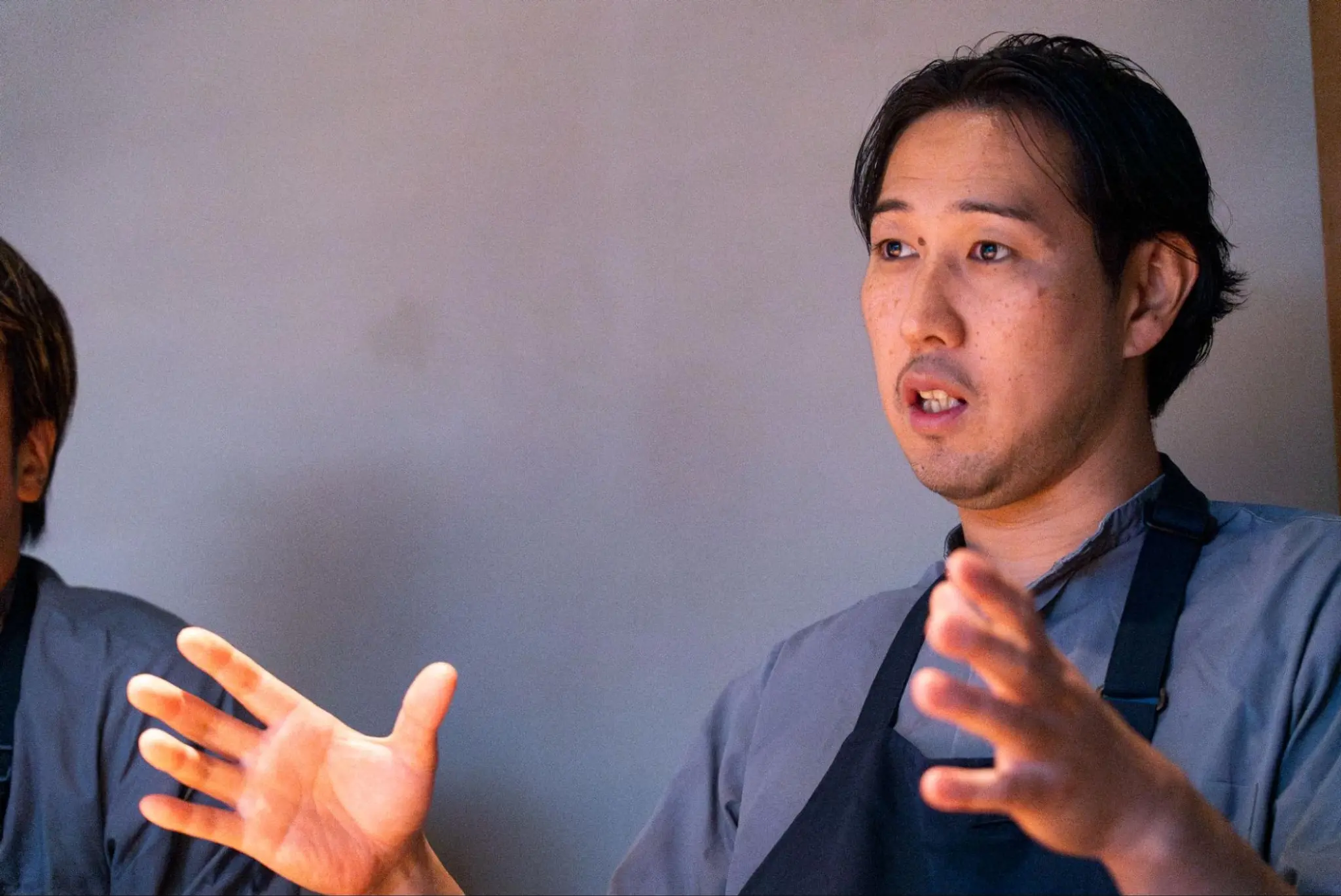
Chef Ume: We’re not just running a restaurant. We’re creating culture and scenes, doing what we find interesting. We also have dreams for the future, and we are always questioning whether the dishes we create are helping us achieve those dreams. At the core, we want to remain excited about the things we create.
ーーー Finally, what does "delicious" mean to both of you?
Chef Ume: There is the word "delicious" that comes out when you taste a dish, but since we are creating a space, I believe "delicious" is not just about the taste. It includes everything—the space, the hospitality, the warmth of the dish when you eat it, and more. All of that together makes something "delicious." However, as a fundamental premise, the food has to be delicious, so we all put our full effort into the "taste" first. We focus on how we use ingredients, how we prepare them to make them delicious, and whether we ourselves are excited about what we've created. These are the things we prioritize.
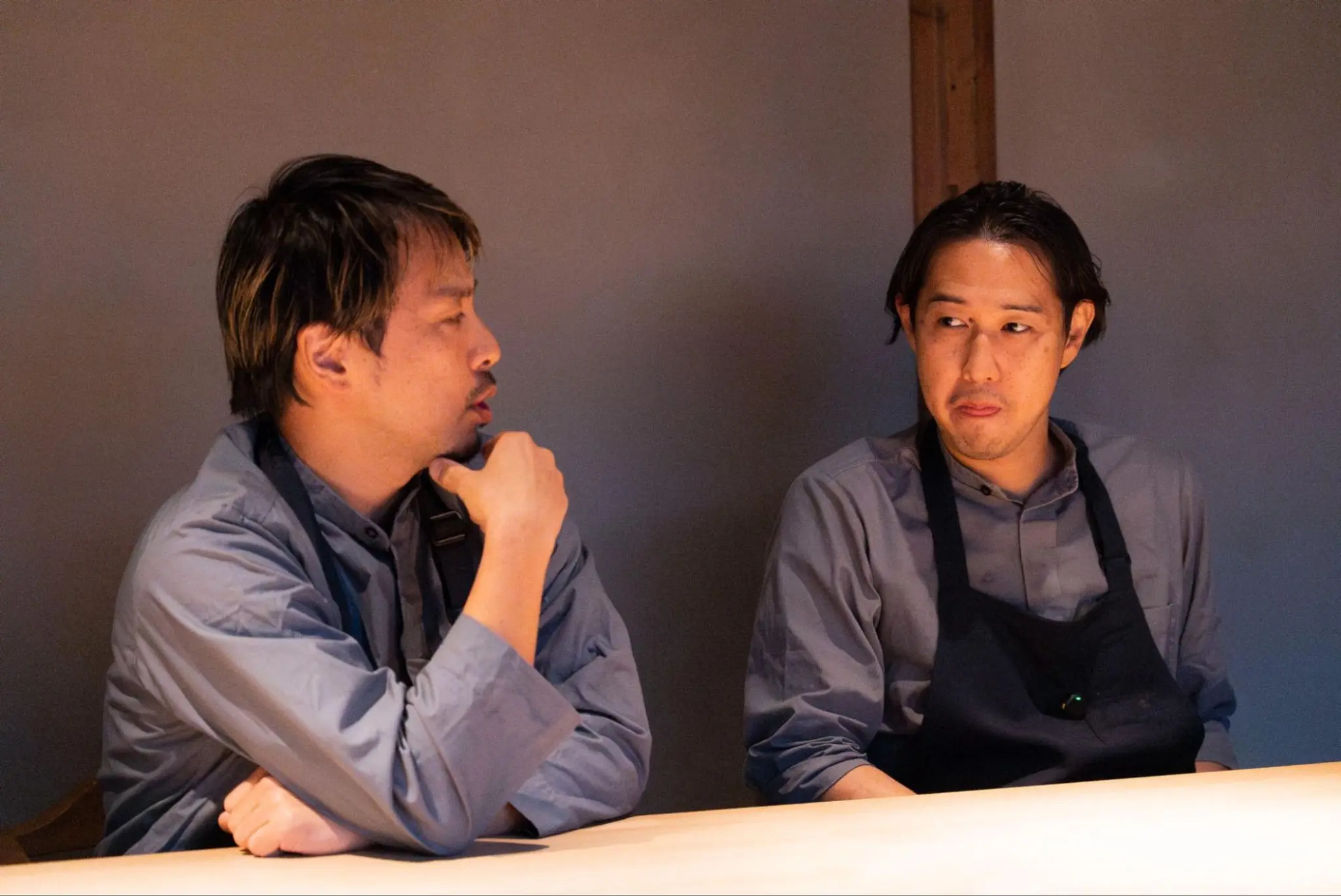
Chef Yagi: For me, "delicious" is something that moves you to the point of tears. I believe that when what we've invested in for "deliciousness" reaches our customers, that's when "delicious" is born. And when customers are so moved that they come back repeatedly, that is the proof of true "deliciousness." If a customer comes to our restaurant once and says, "It was delicious," I don't consider that to mean it was truly delicious. The real measure of success is whether the customer comes back again.
Chef Ume: To bring out various types of "delicious," we start our preparations over a week in advance, carefully calculating the umami components and salt concentrations of the ingredients. If the customer doesn't seem satisfied, we reflect on whether the "delicious" we've made was truly the right answer and review which parts might have been lacking. If the customer is satisfied, it boosts our confidence as well. We will continue to relentlessly pursue "delicious" while also realizing the "interesting things" that only we can do.
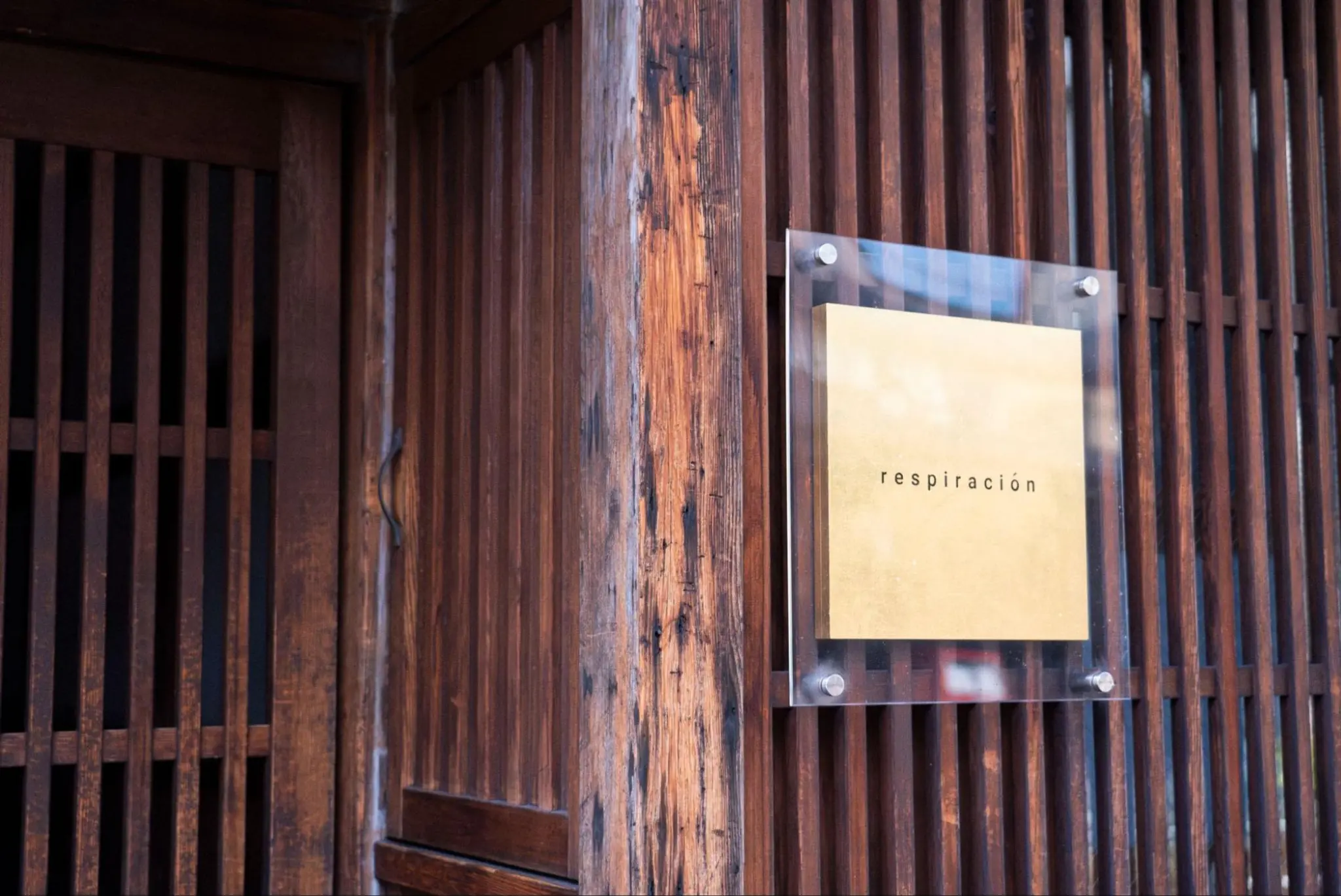
Both Chef Ume and Chef Yagi spoke passionately about the path that【respiración】has taken so far and the unwavering strong feelings they have as they move forward into the future. In their well-synchronized exchange, one can reflect on the meaning of the Spanish word "respiracion," which means "breathing," and how it resonates with the essence of their restaurant. Their sincere desire to create "something that can only be made here" blends with their respect for the history, culture, and nature rooted in Kanazawa, as well as their commitment to the producers, creating a one-of-a-kind space.
Opportunities to eat food that is so delicious and moving it leaves a lasting impact are rare in life. That is why you should visit【respiración】for an innovative experience that challenges the very concept of a restaurant.
Interview & Text / Yuka Sada
Photography / Azusa Nakaoka
Restaurant Information
- AutoReserve Magazine
- Japan’s world-renowned flagship restaurant
- "From Kanazawa to the World" – Expressing things that can only be experienced here, elevating local gastronomy into an art experience at 【respiración】