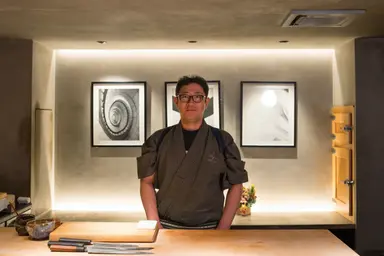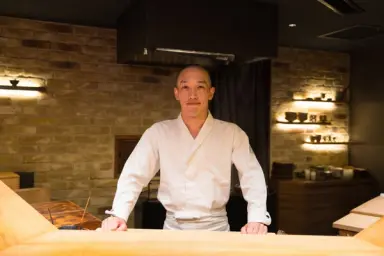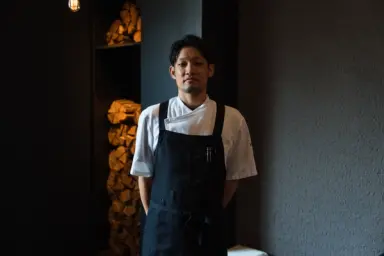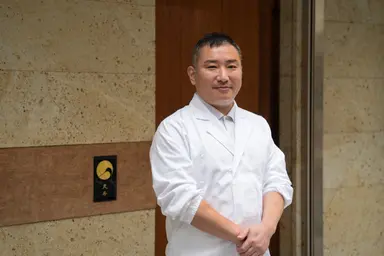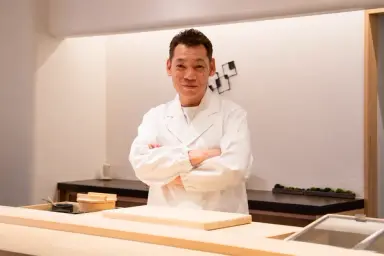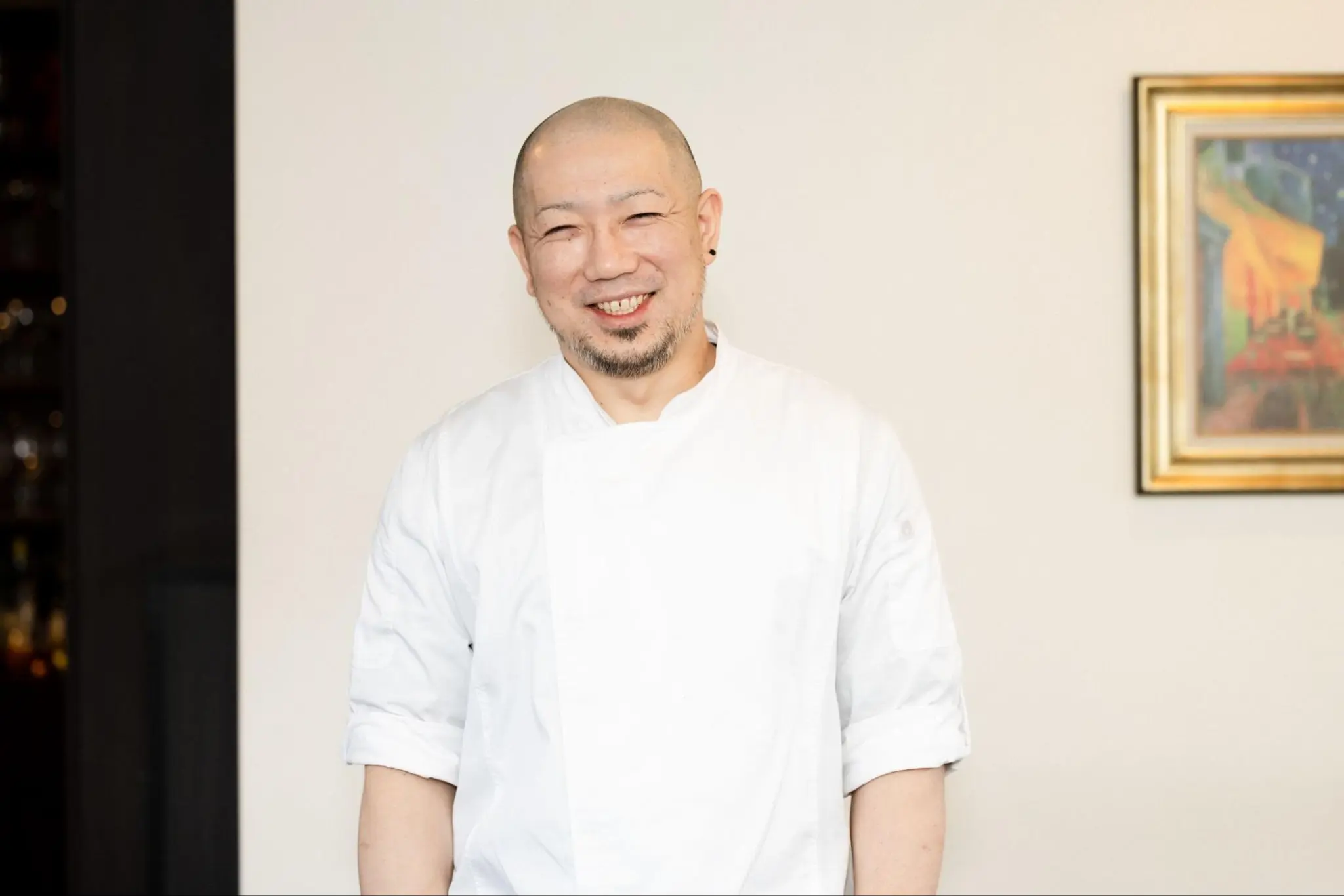
Spreading the Charm of Yamagata Through Cuisine: The Thoughts on the Region by Chef Yusuke Murayama of 【Pas Mal】
The Path to Becoming a Chef Inspired by My Mother's Cooking and TV Influence
ーーーWhat inspired you to become a chef?
I grew up in a family that ate out often, so from a young age, I naturally became interested in the profession of "chef." At that time, I also enjoyed watching the TV show "Cooking Heaven," where chefs from various cuisines would appear, and I would often cook with my mother—making dumplings or using a mortar and pestle to make rice cakes and preparing ozoni soup during the New Year. I had a lot of fun with cooking. Influenced by my mother, who was great at cooking, I gradually started thinking, "Cooking is fun." "Cooking Heaven" featured chefs from Japanese, Western, and Chinese cuisines, and I remember the Japanese and Chinese chefs wearing kimonos, which reminded me of my grandmother (laughs). Meanwhile, the Western chefs, wearing chef hats, seemed incredibly cool to my young self. I was probably really drawn to them. I also had a vague longing for overseas culture, and my admiration for Western cuisine (especially French cuisine) grew stronger.
By the time I graduated from junior high, I had a clear desire to become a chef. When I consulted with my father about going to a high school with a culinary program, he was really surprised because he had always assumed I would follow the family business in construction. But I was determined to pursue a career in cooking, so I convinced him, and that's when I took my first step toward becoming a chef.
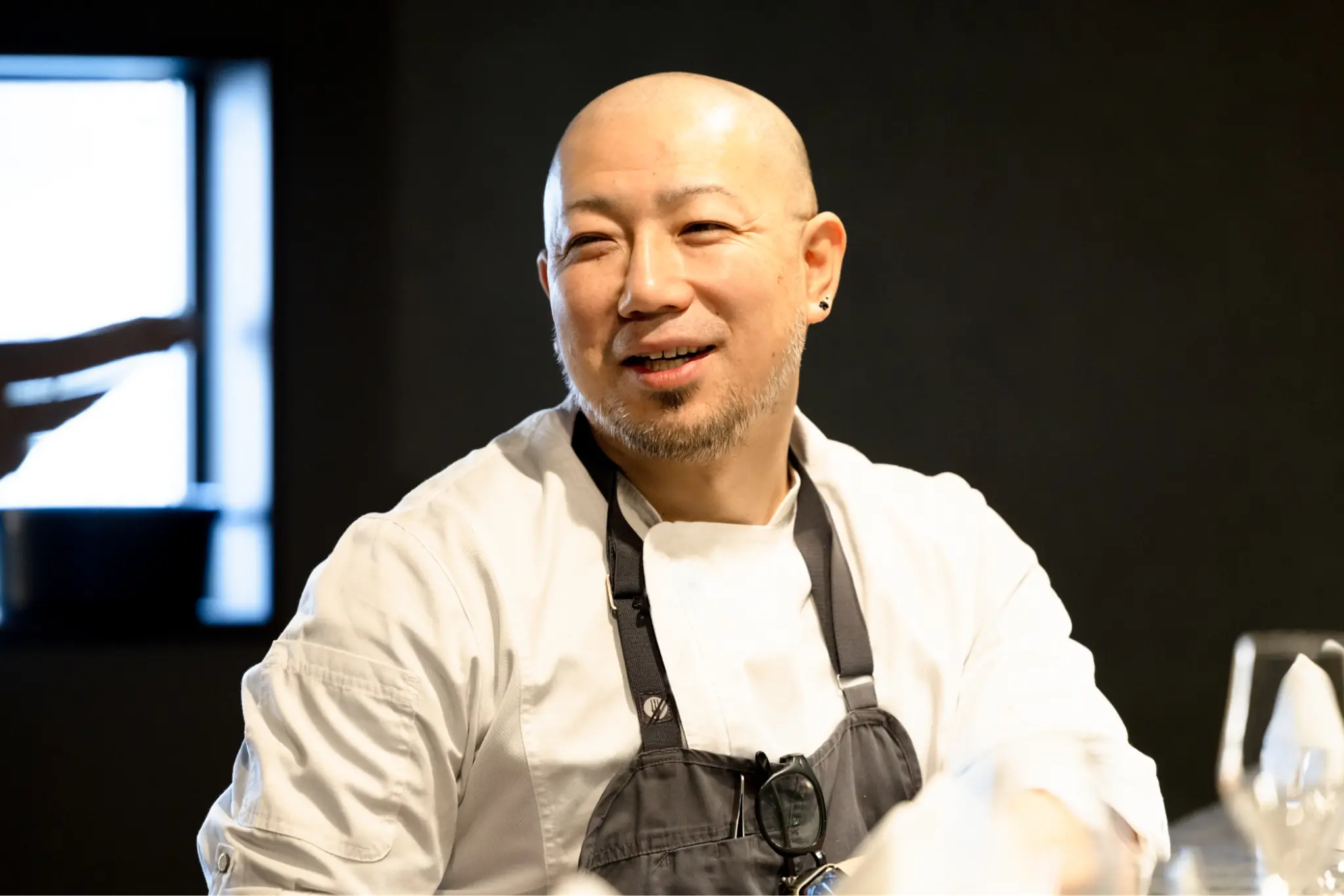
ーーーCould you share the story leading up to your opening?
When I entered high school, I started working part-time at a local French restaurant. During the first year, I focused on basic tasks like peeling potatoes and washing dishes, but in the second year, I was gradually entrusted with more specialized tasks, such as preparing side dishes. I gained more practical experience than I did in school, and it was a period where I could feel myself improving little by little. As a result, the sense of fulfillment became my motivation, and I became so engrossed in my part-time job that I started to miss school attendance (laughs).
After graduating from high school, influenced by the Italian food boom at the time, I began working at a local Italian restaurant. However, I realized that local Italian restaurants primarily focused on pasta and pizza, which wasn't authentic Italian cuisine. I decided to return to the path of French cuisine and started working at a restaurant in Tokyo. At that time, with limited finances, I also enjoyed eating out while learning French cuisine, which further deepened my understanding of cooking.
The Challenge of Independence and the Impact of the COVID-19 Pandemic Leading to New Challenges and Hope
When I returned to my hometown at 25, I heard that the Italian restaurant I had worked at before was closing, and without thinking, I blurted out, "I'll take it!" (laughs). It wasn't that I was confident, but I just wanted to take action and try it myself. That same year, I opened a restaurant offering bistro dishes like quiche and tripe stew. However, at that time, French cuisine was still unfamiliar in Yamagata, and after opening, I faced significant struggles. Due to the regional nature of Yamagata, it was particularly difficult to introduce French cuisine, and although the first restaurant stayed open for three years, I couldn't achieve the level of success I had hoped for and had to close it. With hopes of a comeback, I moved from Yamagata City to Tendo City and put a lot of effort into creating a restaurant that customers would accept. Gradually, the situation improved. My brother helped by managing the floor while I focused on cooking, and together, we made it work. We were blessed with customers, and I managed to get the restaurant on track. Back then, I was making all 50 items on the blackboard menu by myself (laughs). The next restaurant lasted for about 14 years.
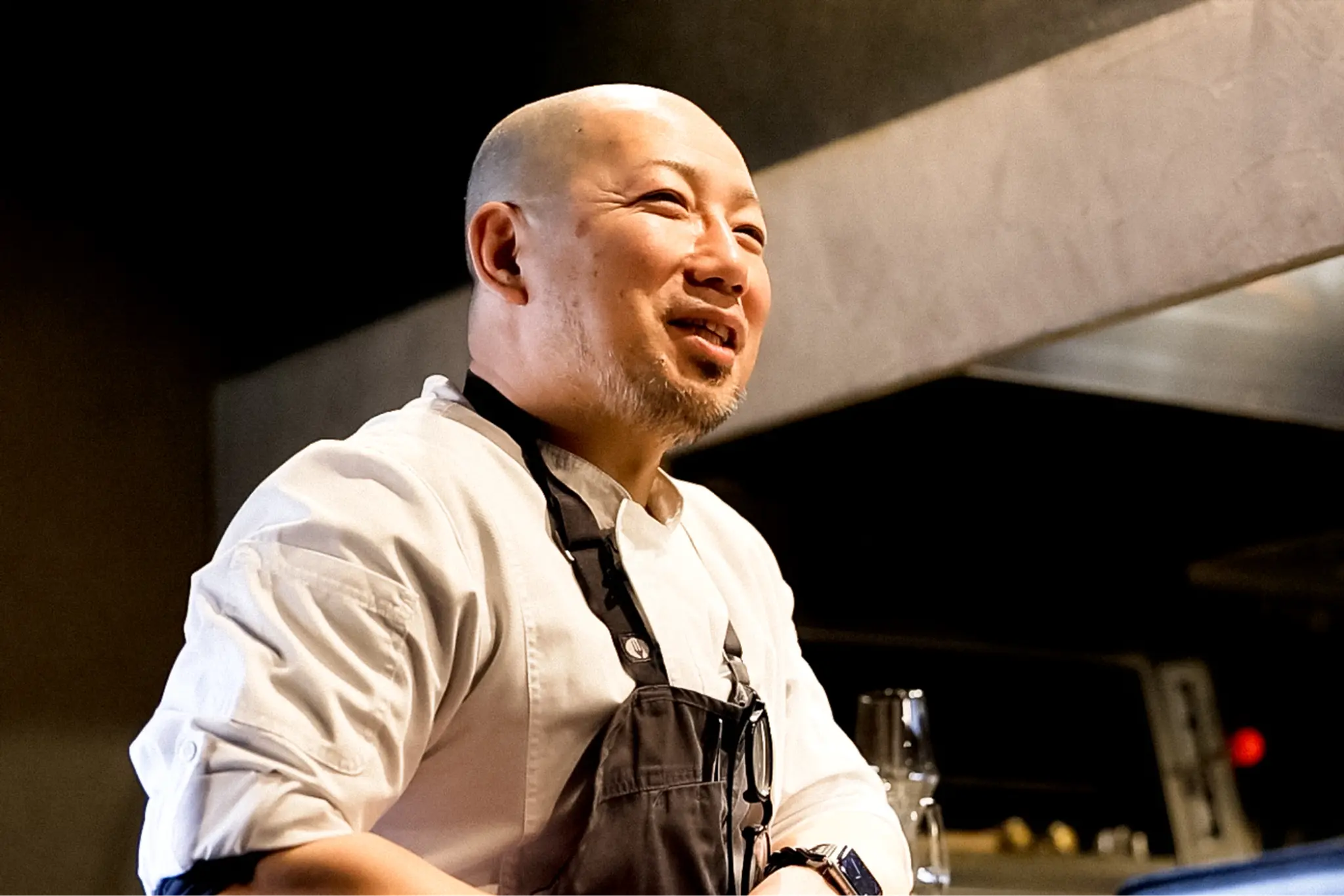
At that time, I was 40 years old. My thinking about cooking and the way I approach meals slowly started to change. I shifted from wanting to eat a lot of the same thing to wanting to eat small amounts of high-quality items. Also, since there was no gastronomy in Yamagata at that time, I thought, "Well, if no one else is doing it, then I will!" and decided to relocate again, which eventually led me to where I am today. Now, I run my restaurant with a style that reflects my own beliefs as a chef.
ーーーWas there a turning point in your life as a chef?
A major turning point came with the COVID-19 pandemic. I made the bold decision to double the price of my dishes. Despite the decrease in customer visits during the pandemic, I made sure that the customers who came would enjoy their time at the restaurant 120%, so I worked to enhance the quality of service. I also focused on sourcing ingredients directly from local producers, supporting them in the process. This effort became a turning point in revaluing the ingredients from our region. Raising the price of dishes often leads people to think that I should only use high-quality ingredients, but I believe that a chef is someone who can "process" any ingredient and make it taste delicious. So, I treat all ingredients equally, and that hasn’t changed even today.
Additionally, I focused on takeout and local shipping, challenging myself with a new business model. These efforts were recognized, and I was selected by The Japan Times as a "Destination Restaurant," which helped attract attention both domestically and internationally.
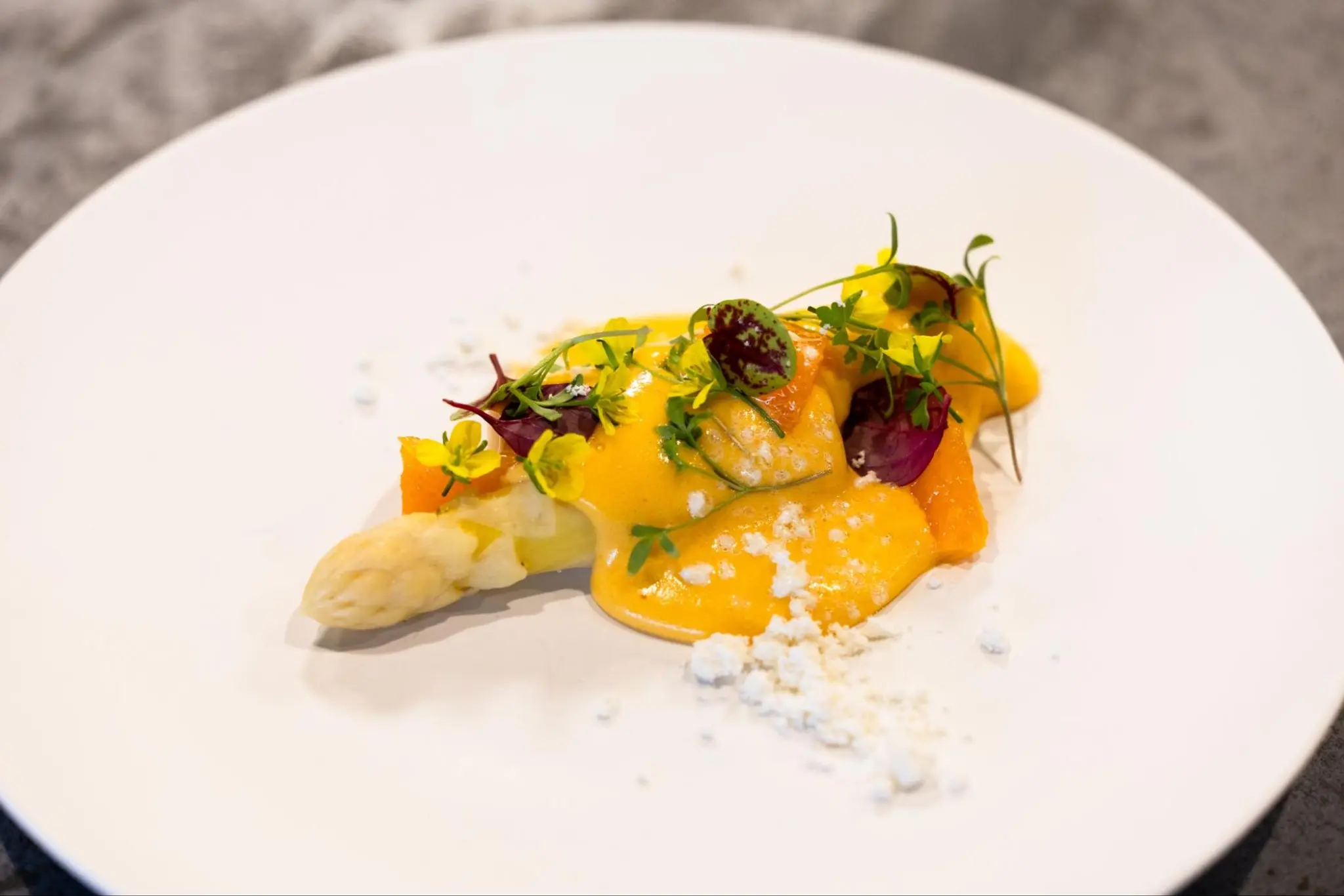
The Dishes of 【Pas Mal】 Born from Deep Connections with Producers
ーーーCould you share with us your commitment to using local ingredients?
Yamagata has many attractive ingredients, but there are actually many ingredients that even the locals are unaware of. One reason for this is that the dining prices in Yamagata are relatively low, and high-quality ingredients often flow into the larger cities like Tokyo. However, there are many ingredients that can only be enjoyed here in Yamagata. My desire to let both local residents and visitors from outside the prefecture know more about the charm of Yamagata’s ingredients is why our restaurant focuses on local Yamagata ingredients.
ーーーIt’s also said that you value your connections with producers, is that true?
By working directly with producers, I build a relationship of trust and use ingredients where I know "the face behind the producer." Visiting the fields and having conversations with producers to learn about the characteristics and background of the ingredients has deepened my understanding of cooking. I also focus on sharing the stories of producers, believing it is important to select ingredients that make you feel, “I want to use this because of this person.” Additionally, by sharing the charm of these ingredients with other producers and chefs, I am supporting the agricultural and production base of the entire region. Furthermore, when chefs from outside the prefecture visit, I actively introduce them to local producers, encouraging the wider use of their ingredients, creating a positive cycle. Without producers, we chefs would not be able to operate, so I want to continue cherishing these relationships of trust.
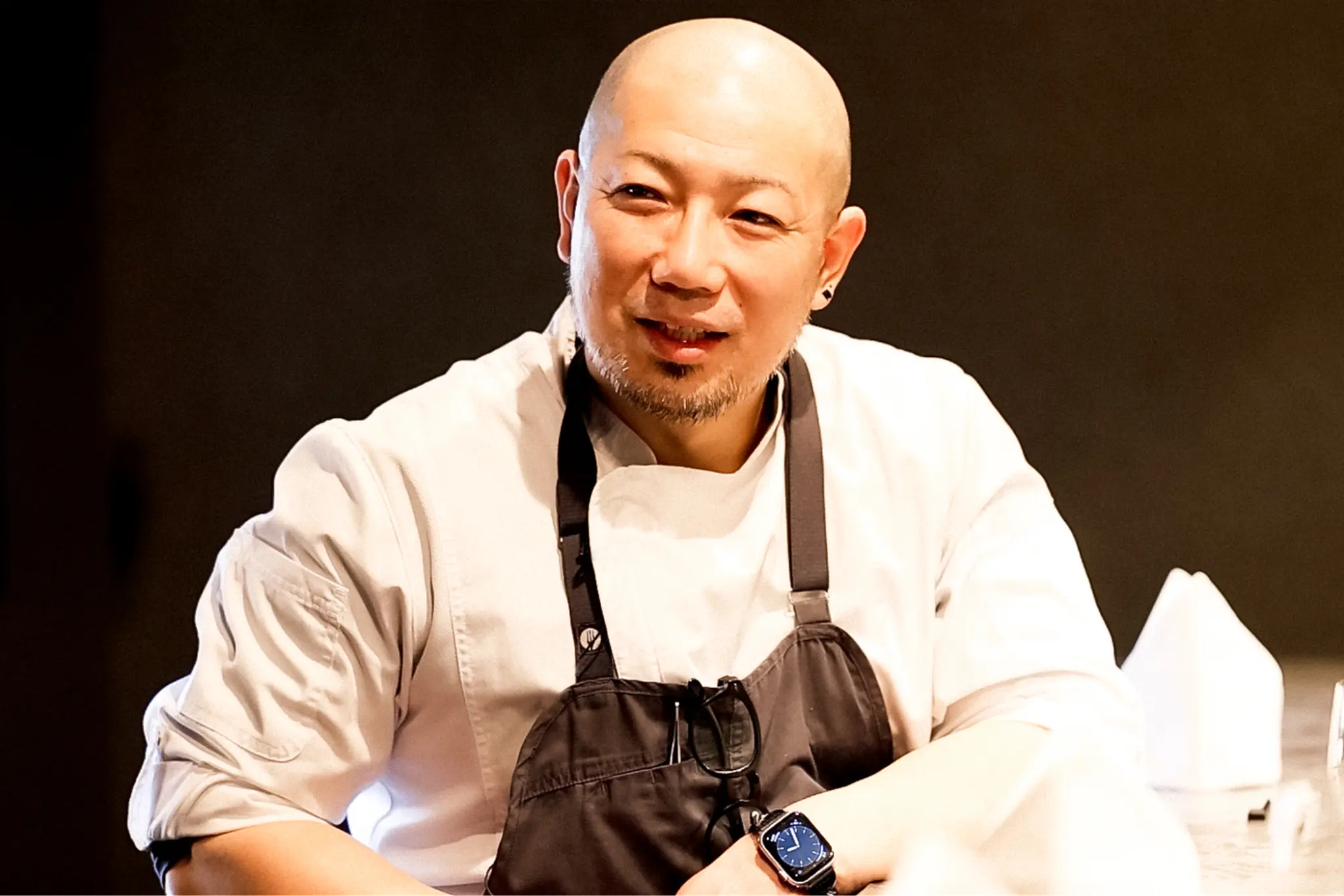
ーーーCould you tell us about your style of cooking and your commitment to it?
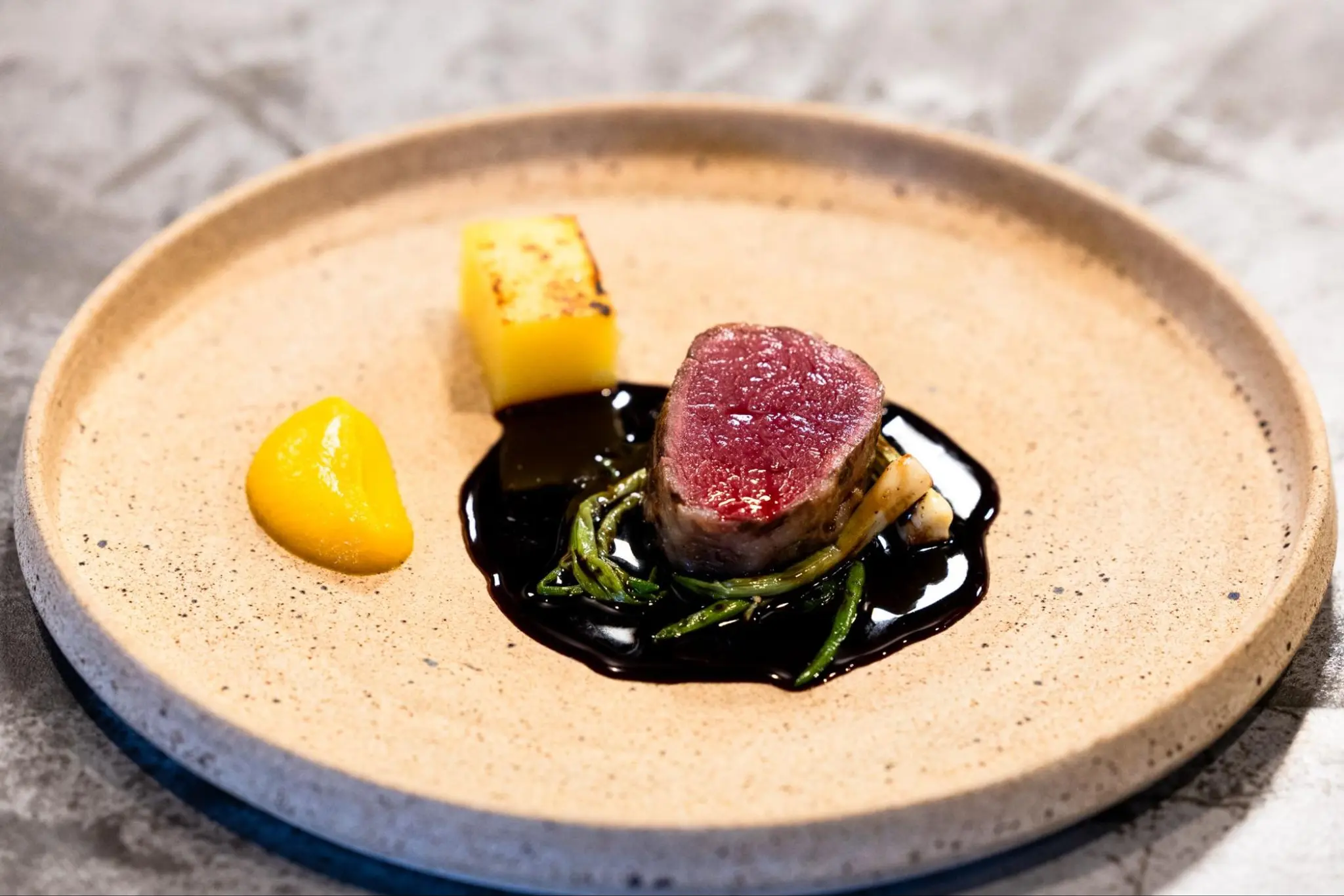
I pursue a simple and easy-to-understand deliciousness that anyone can enjoy. I aim to create dishes that are approachable and convey the charm of the ingredients, so even people who are trying French cuisine for the first time can enjoy it. Building on traditional French cooking techniques, I also incorporate my own originality by combining local culture and ingredients. Additionally, I use cooking techniques to completely transform ingredients that are often negatively perceived, like game meat and carp. For game, I work directly with hunters who carefully consider how the animals are processed, including where the bullet is aimed, and I make sure to process and cook the meat appropriately to bring out its true flavors. Carp, which is also part of Yamagata’s food culture, often has negative connotations due to its earthy taste and many bones, but I’ve been able to transform it to the point where customers are amazed, saying, “Is this really carp?”
ーーーI hear you’re also putting effort into SNS?
I use Instagram to share information about dishes and events. Initially, I started SNS as a way to document for myself and my family, but now I use it as a tool to spread the charm of Yamagata to the whole country and overseas. With the aim of promoting tourism, I focus not only on our restaurant but also on introducing other wonderful local restaurants. I am also mindful of revitalizing the local economy, aiming to create a system where tourists visiting Yamagata can enjoy local food and buy souvenirs, contributing to the region. I also target foreign tourists, and I hope to spread the charm of Yamagata to many people by leveraging Instagram and word of mouth.
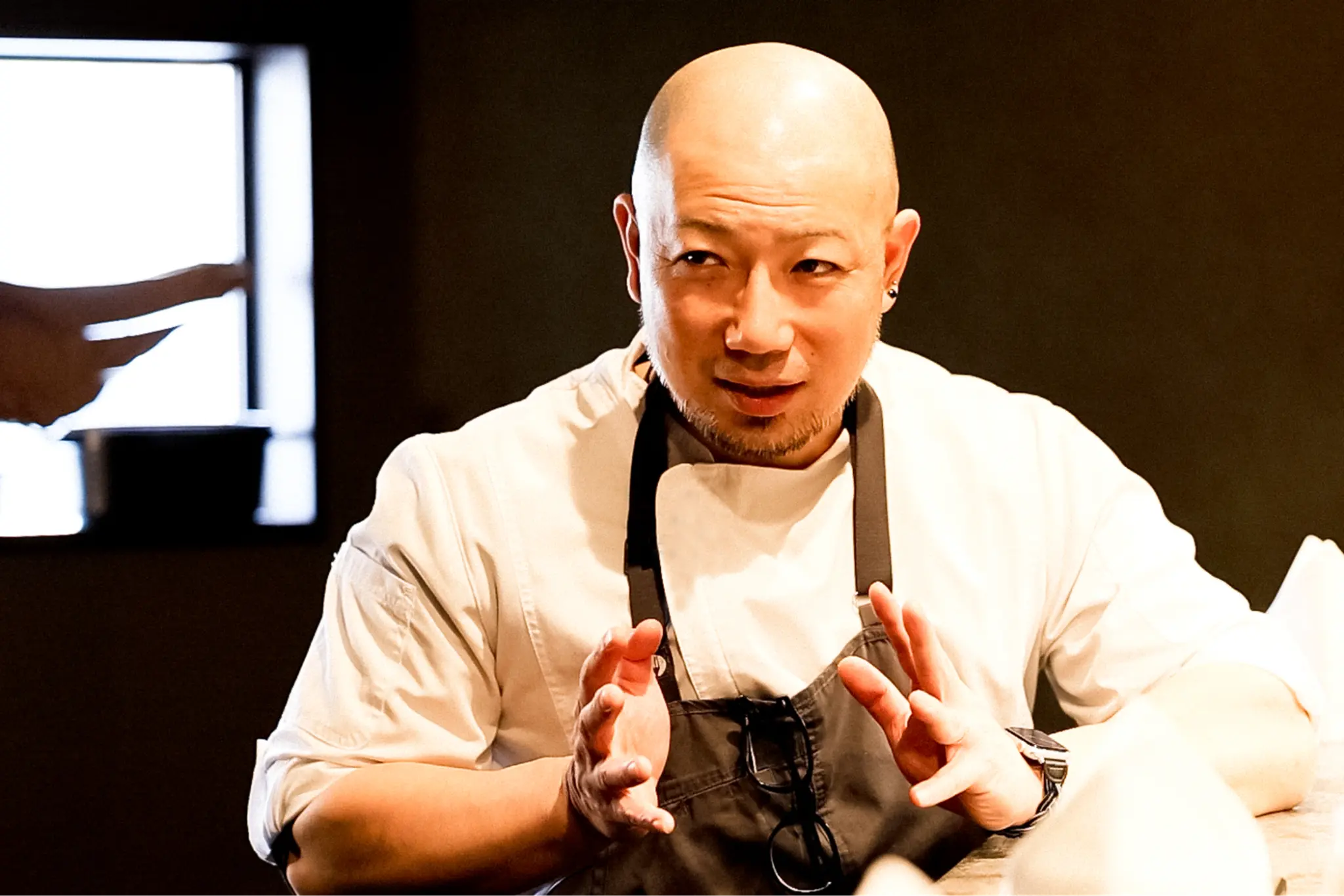
The Creative Collaboration of Chefs Through Yamagata Ingredients
ーーーCan you tell us about your collaborations with various chefs?
Collaboration between chefs is one of the most important activities for me. It all started when Chef Ishii from 【Monolis】 invited me to collaborate. Working together on an event gave me the confidence that my cooking was good enough, and it became the driving force for my next challenge. Initially, the goal was to let local customers experience top-tier French cuisine from Tokyo, but now I am collaborating with chefs from various genres, including Chinese and Japanese cuisine. I’ve had the opportunity to learn a lot from the cooking techniques and perspectives of different genres, and at events in Tokyo and Osaka, I have been able to use Yamagata ingredients and showcase their charm. Through these collaborations, other chefs have started sourcing ingredients directly from Yamagata’s producers, which has had a positive impact on the local economy. Through these activities, I feel that I am deepening my connections as a chef while contributing to the development of the region.
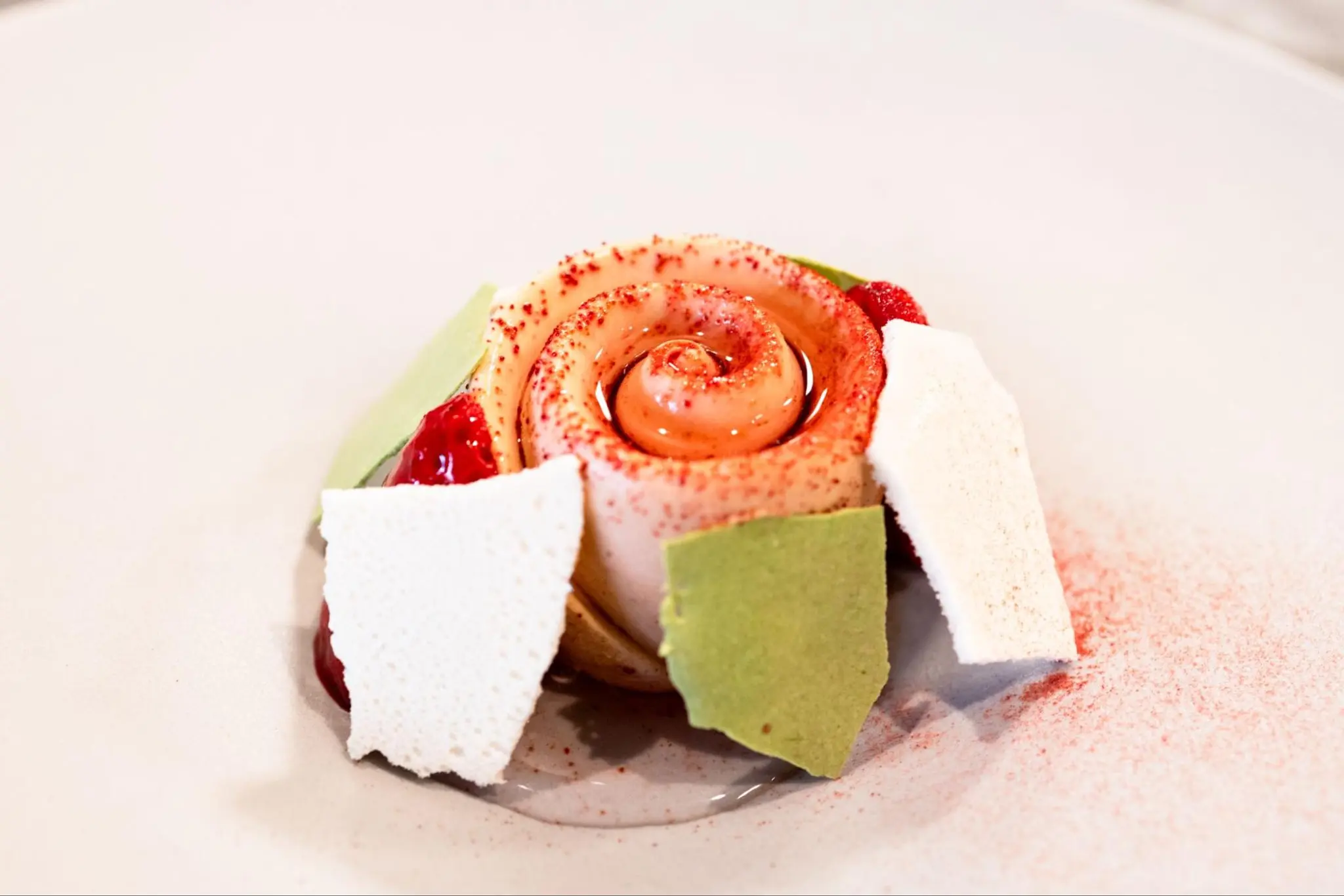
Creating Dishes That Fulfill the Heart is What It Means to Be a Chef
ーーーCan you tell us about your future plans and what challenges you want to take on?
In the future, I would like to establish an auberge-style facility in Yamagata. I want to provide customers with a special experience in a spacious environment while preparing to hand over the baton to my son. My ideal is a family-run style like the【Otowa Restaurant】in Utsunomiya. It would be amazing if my son could take over and further develop the restaurant. I haven't decided on a specific location for the new restaurant yet, but it could be in the city or perhaps in a nature-rich mountain area. Since I grew up in the countryside, I feel that an environment utilizing nature would suit me better. Moving forward, I want to continue showcasing the charm of my hometown while spreading the culture and ingredients of Yamagata throughout the country and the world. I also plan to take on new ideas and projects to help revitalize the region.
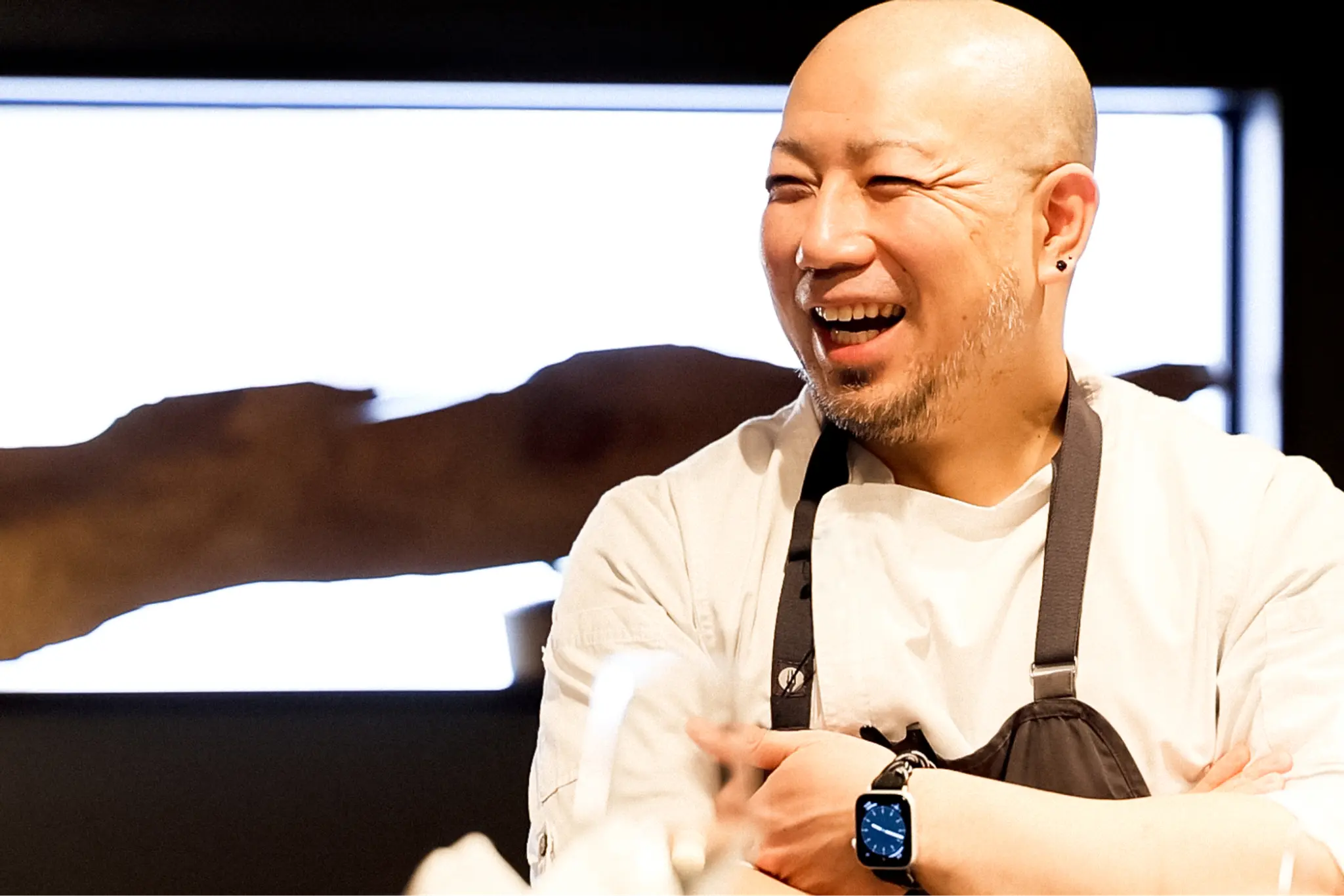
ーーーFinally, what does "delicious" mean to you, Chef Murayama?
To me, "delicious" is not just food to fill the stomach, but "a meal that fills the heart." I want to give my customers energy and vitality through my cooking. For example, I want to offer an experience that makes people think, "I can do my best again from tomorrow." That is the most important mission for me as a chef. "Food that fills the heart" is about combining local ingredients with French culinary techniques to convey the story behind the land and the local ingredients to my customers. I make an effort to showcase the charm of Yamagata's ingredients and the stories of local producers through my dishes. To put it bluntly, I always remind myself that "as chefs, we're not just making food, we're creating dishes that fill the heart." I will continue to face cooking with sincerity going forward.
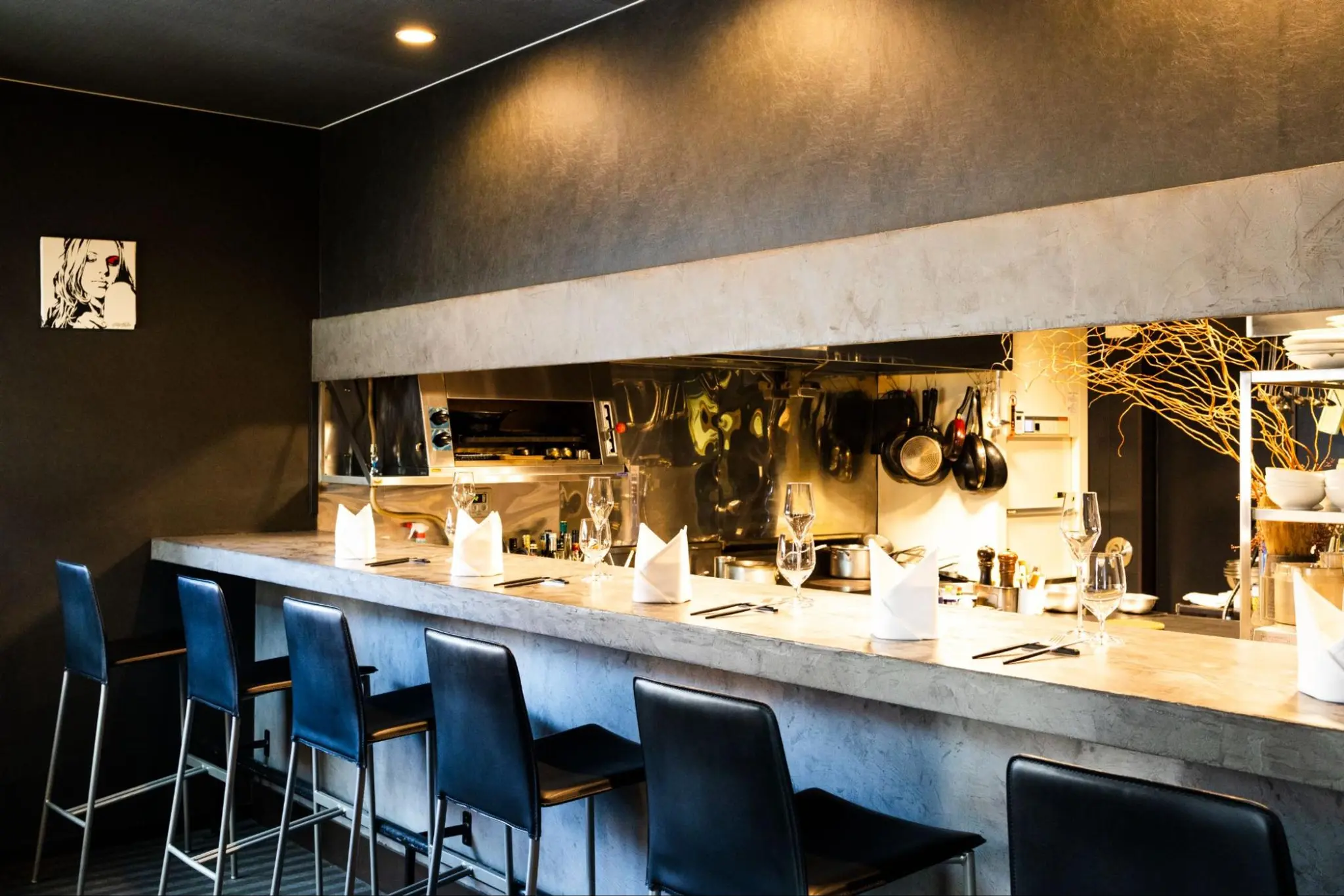
Chef Murayama, who achieved his dream in his youth and overcame setbacks as a chef, has become a chef who proudly represents Yamagata, focusing on various efforts to promote the region’s charm. Continuously challenging himself every day, he not only considers the guests but also the producers, overflowing with passion both as a chef and as a person. His charm can be felt through his dishes, not just in flavor but in their emotional impact. At 【Pas Mal】, he offers a special experience where you can connect with the culture and nature of Yamagata through the charm of local ingredients and the stories of the producers. Here, you can feel the joy in the heart that food brings.
Interviews & Text by Food Analyst Ai (Maiiko Tanahashi)
Editing by AutoReserve Magazine Editorial Team
Photography by Masato Suzuki
Restaurant Information
- AutoReserve Magazine
- Restaurants recommended by top chefs
- Spreading the Charm of Yamagata Through Cuisine: The Thoughts on the Region by Chef Yusuke Murayama of 【Pas Mal】