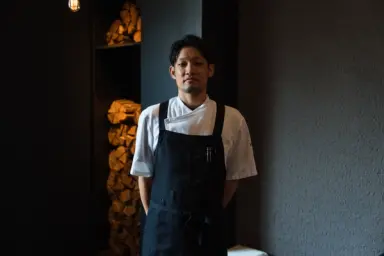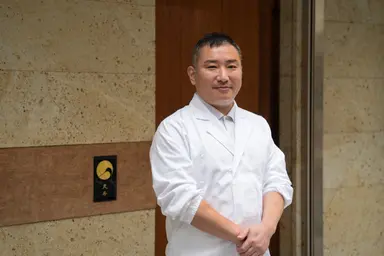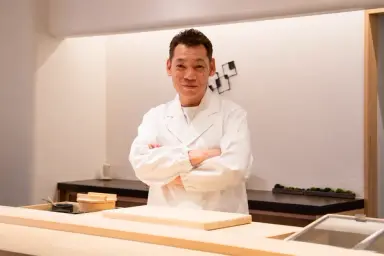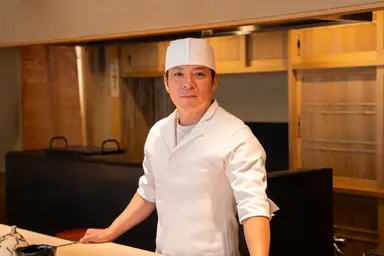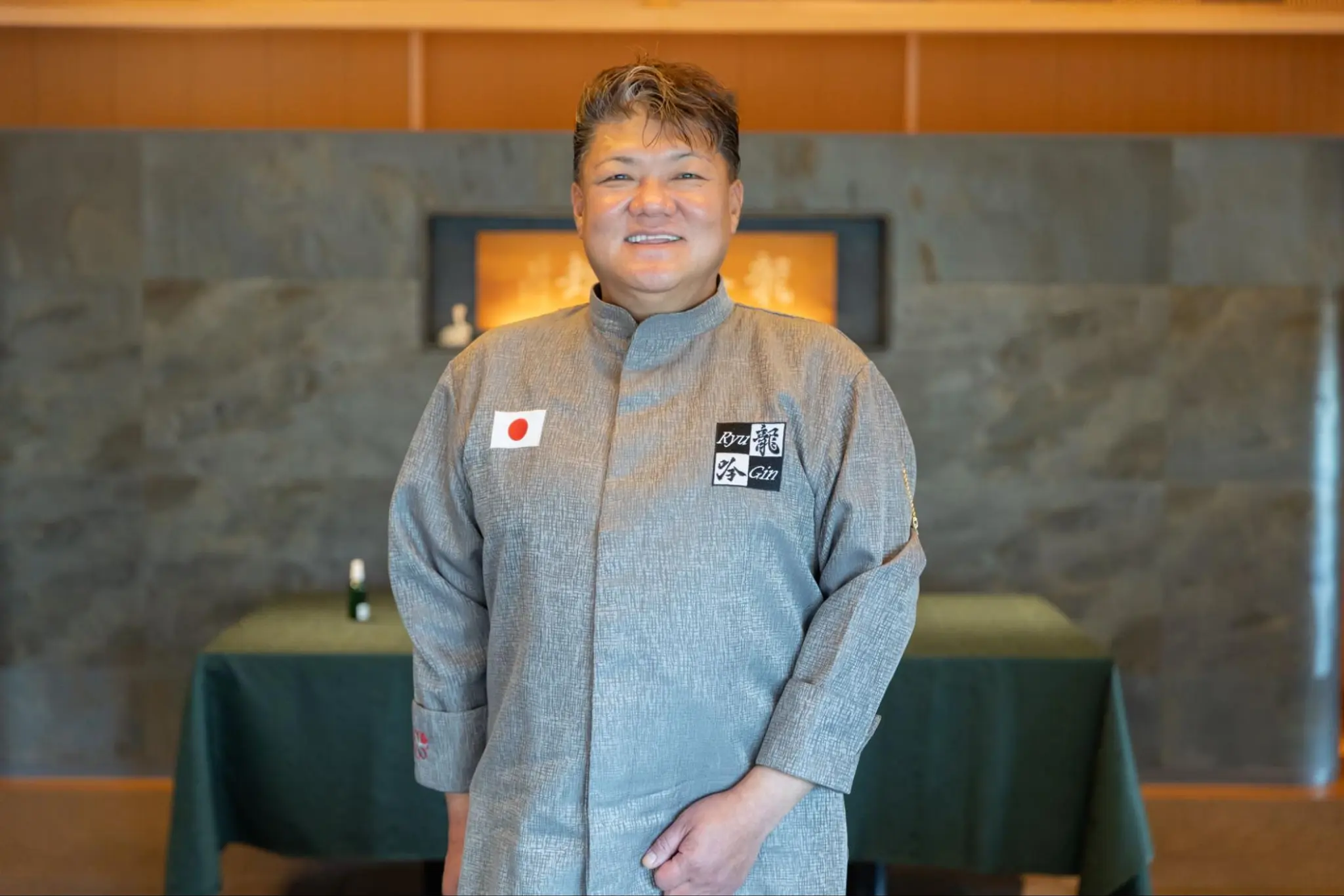
To nourish the spirit and bring joy to the heart—only then does food become true "cuisine"! The conviction of Chef Seiji Yamamoto of 【Ryugin】
A New Mission Undertaken with the Relocation
ーーーCould you tell us about the background of your move from Roppongi?
We opened our restaurant in Roppongi on December 23, 2003, and continued there for 15 years until 2018. One of the reasons we decided to relocate to "Tokyo Midtown Hibiya" was that our opening date coincides with the birthday of the Emperor Emeritus, and with the development of "Tokyo Midtown Hibiya," it felt as if we were being invited to be near His Majesty. The second reason was the prime location directly facing the Imperial Palace. Being able to create Japanese cuisine while receiving the positive energy of the Imperial Palace is, I believe, both an honor and a source of happiness as a Japanese chef.
ーーーRestaurants in commercial facilities are often subject to various restrictions. Did you have any concerns?
I had received proposals in the past to relocate to commercial facilities, but I’m the kind of person who needs to take over 100 days off per year. I would always ask, “Can we close the restaurant whenever we want and operate on our own schedule?”—but that request was usually declined. However, in the case of this building, the people involved told us that on days we are closed, they can simply stop the dedicated elevator, which was incredibly helpful and appreciated.
Also, charcoal grilling is an essential element of our restaurant. Our cuisine simply cannot be completed with electricity or gas alone. Normally, using charcoal in a commercial facility or high-rise building is virtually impossible. In fact, since this building is right next to the Imperial Palace—the strictest area in Japan in terms of fire safety regulations—we were initially told that if we were to use charcoal, we would be limited to rooftop ventilation on the 35th floor. It seemed out of the question. Still, we made “being able to use charcoal” an absolute condition for the move. Eight months passed, and I assumed the opportunity had disappeared. But while I was at an event in Hong Kong, I suddenly received a call saying, “We’ve solved the issue!” The fact that I could take time off freely, just as before, and that we could use charcoal grilling inside a building—these were both incredibly important to me. I was truly happy. That’s what led me to decide on the move, and these elements have since become defining strengths of our restaurant.
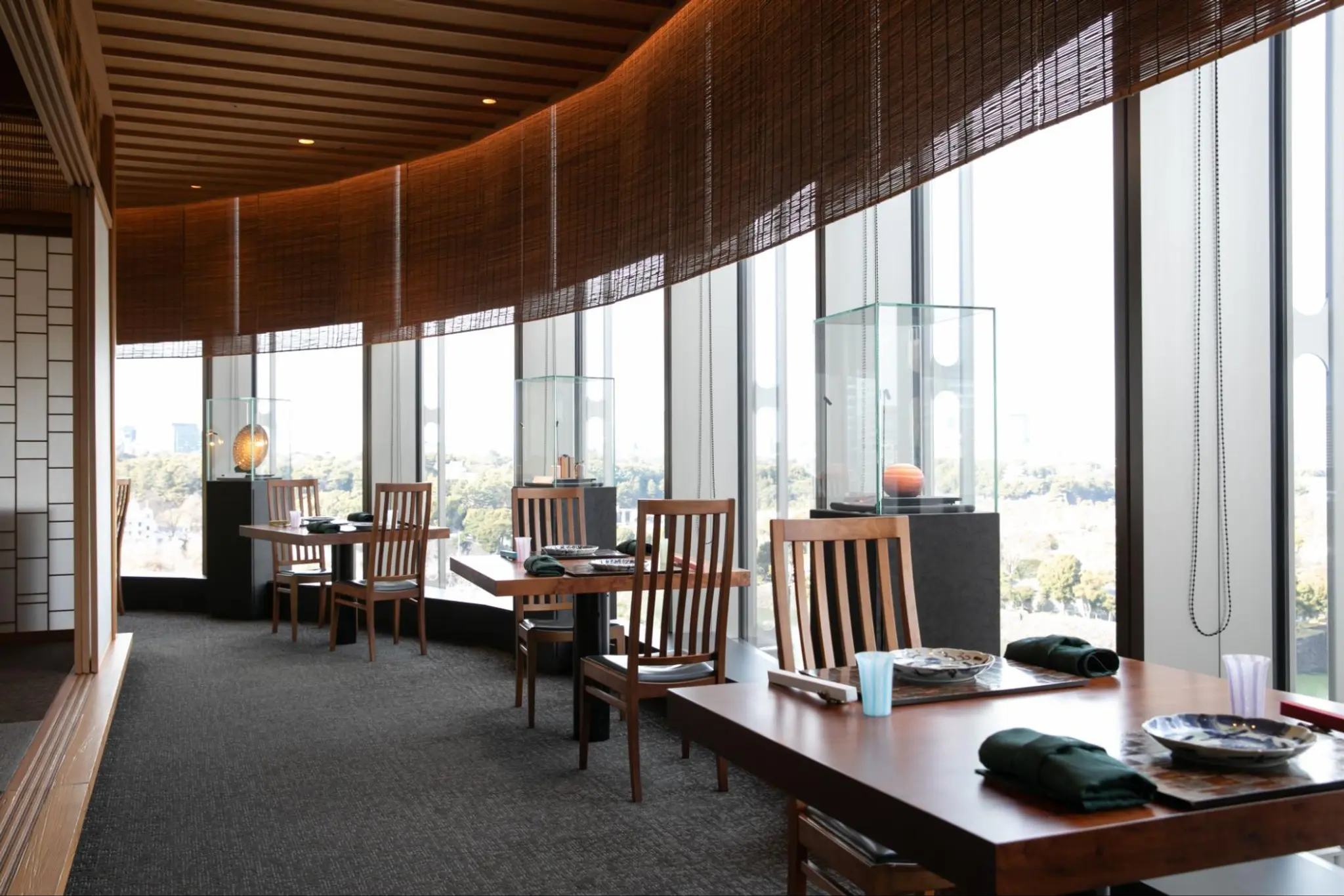
ーーーSo the design of "Tokyo Midtown Hibiya" was built with 【Ryugin】 in mind!
With the relocation, I set forth a new vision: to become a “gateway to Japanese cuisine.” Located in the heart of Japan, close to Tokyo Station, I’m constantly mindful of how I present and communicate Japanese cuisine. Our guests are evenly split between Japanese and international diners, so I want to explore a new path for what Japanese cuisine can be. First and foremost, we don't need to be bound by rigid notions like “Japanese cuisine must be this way” or “this is what defines it.” As chefs living in the present, it’s not enough for us to simply follow the tracks laid down by those who came before us. If we don’t create something that only we, living in this era, can express, then we’re merely relying on the legacy left by our predecessors, without truly contributing ourselves.
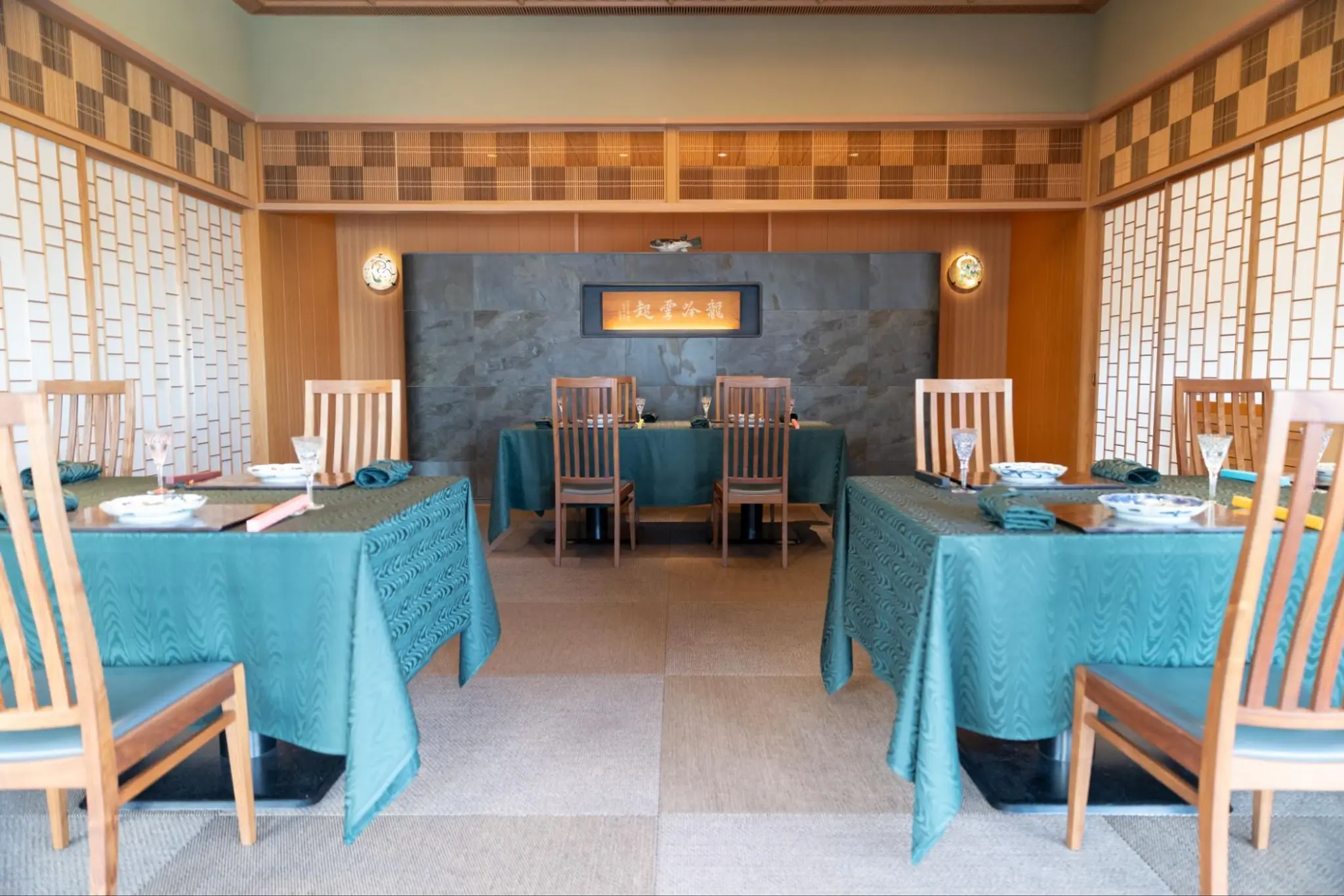
What matters is how we express the fact that we lived in this time—through our cuisine. Japanese cuisine is not only about food, but also encompasses traditional craftsmanship that has survived to this day, such as interior aesthetics and tableware. I believe it’s vital to communicate that connection. Cuisine should not simply satisfy hunger; it should nourish the spirit. In Japan, gastronomy means integrating all aspects of Japanese culture—its ingredients, its sense of the seasons—not adhering to a rigid “form.” That is how I interpret it.
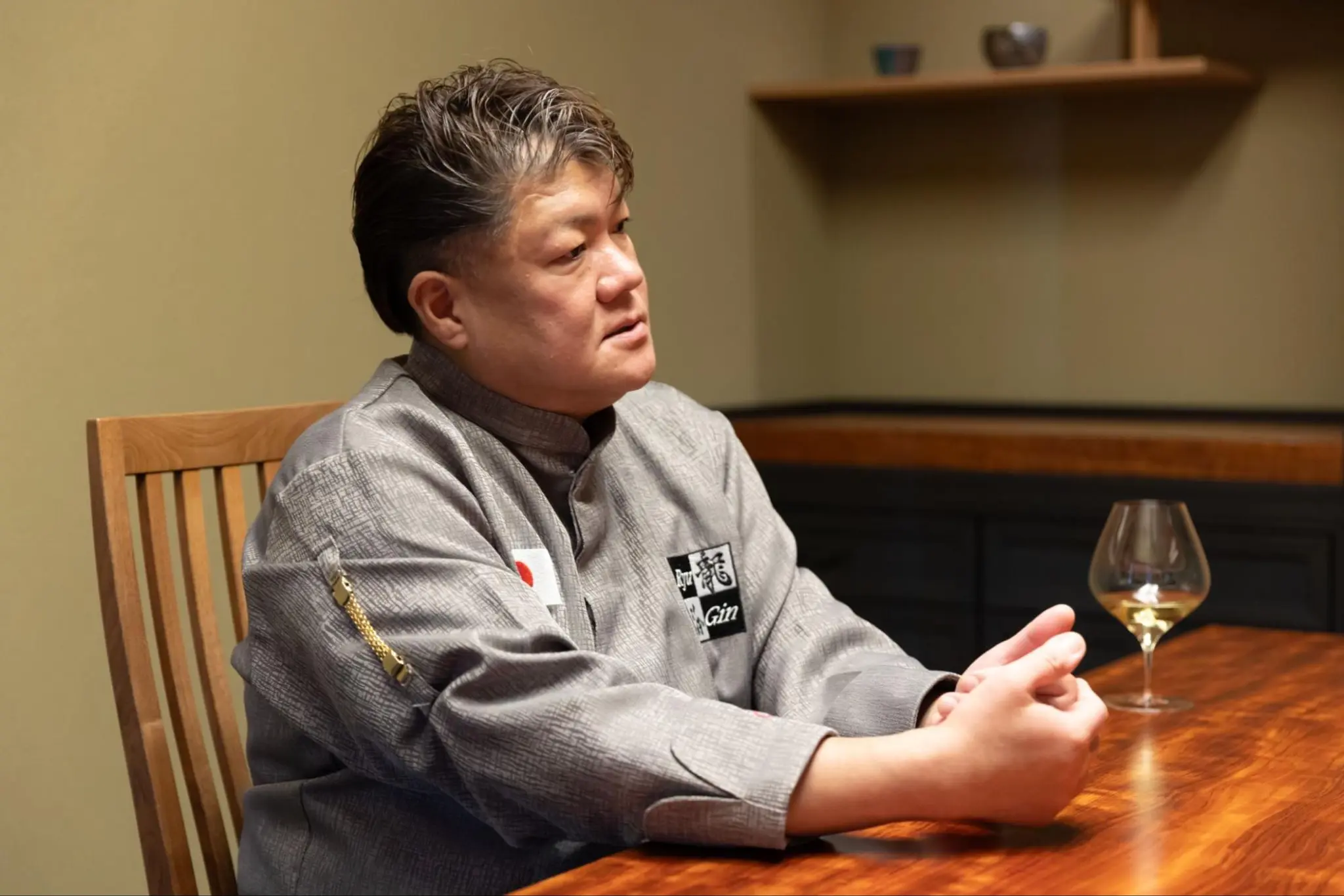
The Essence of Cuisine That Nourishes the Spirit
ーーーHow would you describe the characteristics of your cuisine?
When asked what Japanese cuisine truly is, I always respond the same way: “Japanese cuisine is the expression of Japan’s rich natural environment, which is defined by its four seasons, through food.” I believe that the role of a Japanese chef is to convey the life of each ingredient through their cuisine. I don't think of any ingredient as “mine.” The life of something from the sea belongs to the sea, and the life of something from the mountains belongs to the mountains. I don’t like the idea of turning that into something personal and serving it as “my dish.” What matters is how to convey the pure, inherent value of each ingredient. In a way, I believe the ingredients themselves are superior. By fully committing ourselves to the background role as chefs, we can properly communicate the brilliance of an ingredient’s life to our guests. Many customers refer to our dishes as “Yamamoto’s cuisine,” but I have no intention of serving dishes that color the ingredients in my own image or that I claim as my own. That’s why we don’t have counter seats in our restaurant. What truly matters is the attitude and spirit with which we face the life of the ingredients.
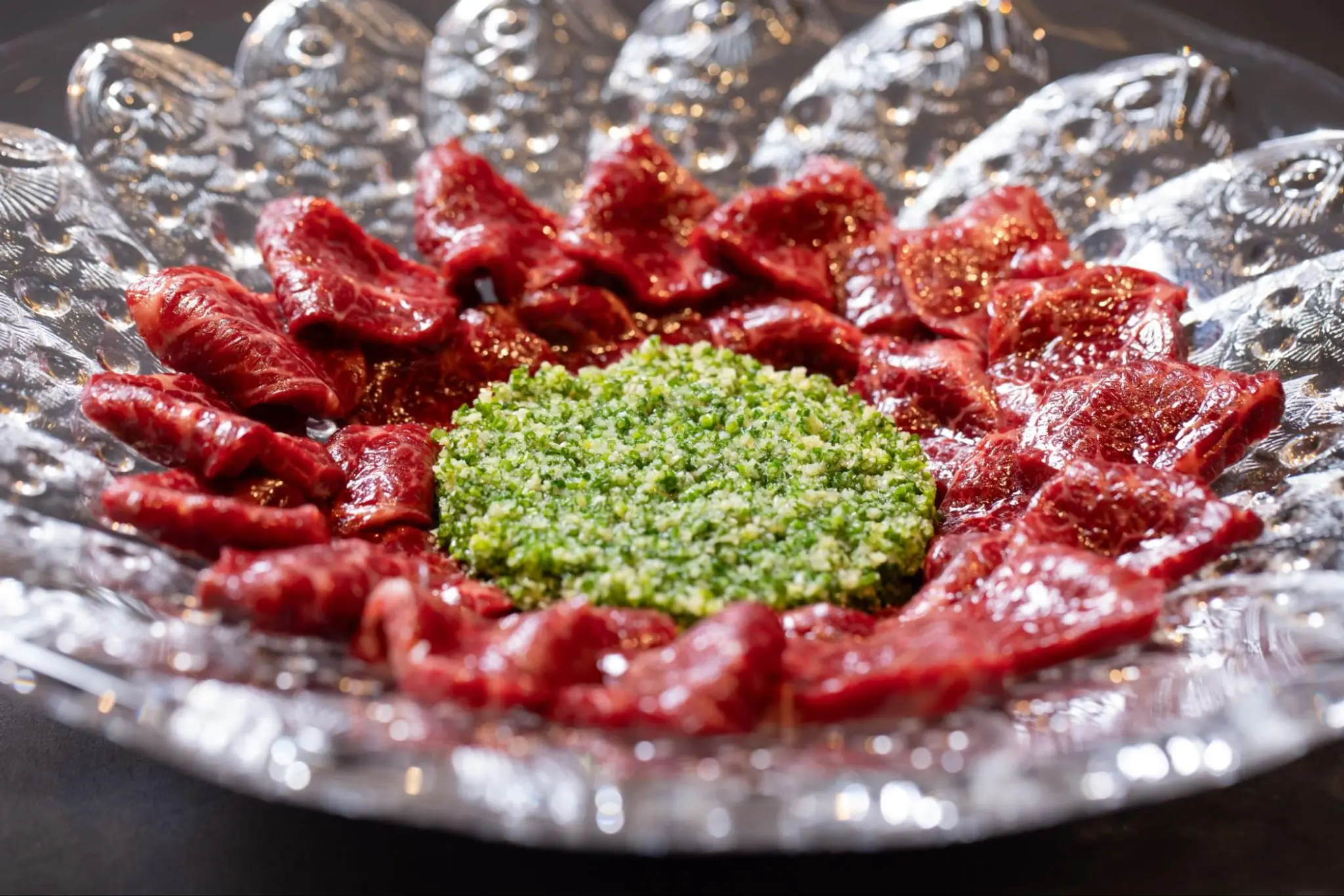
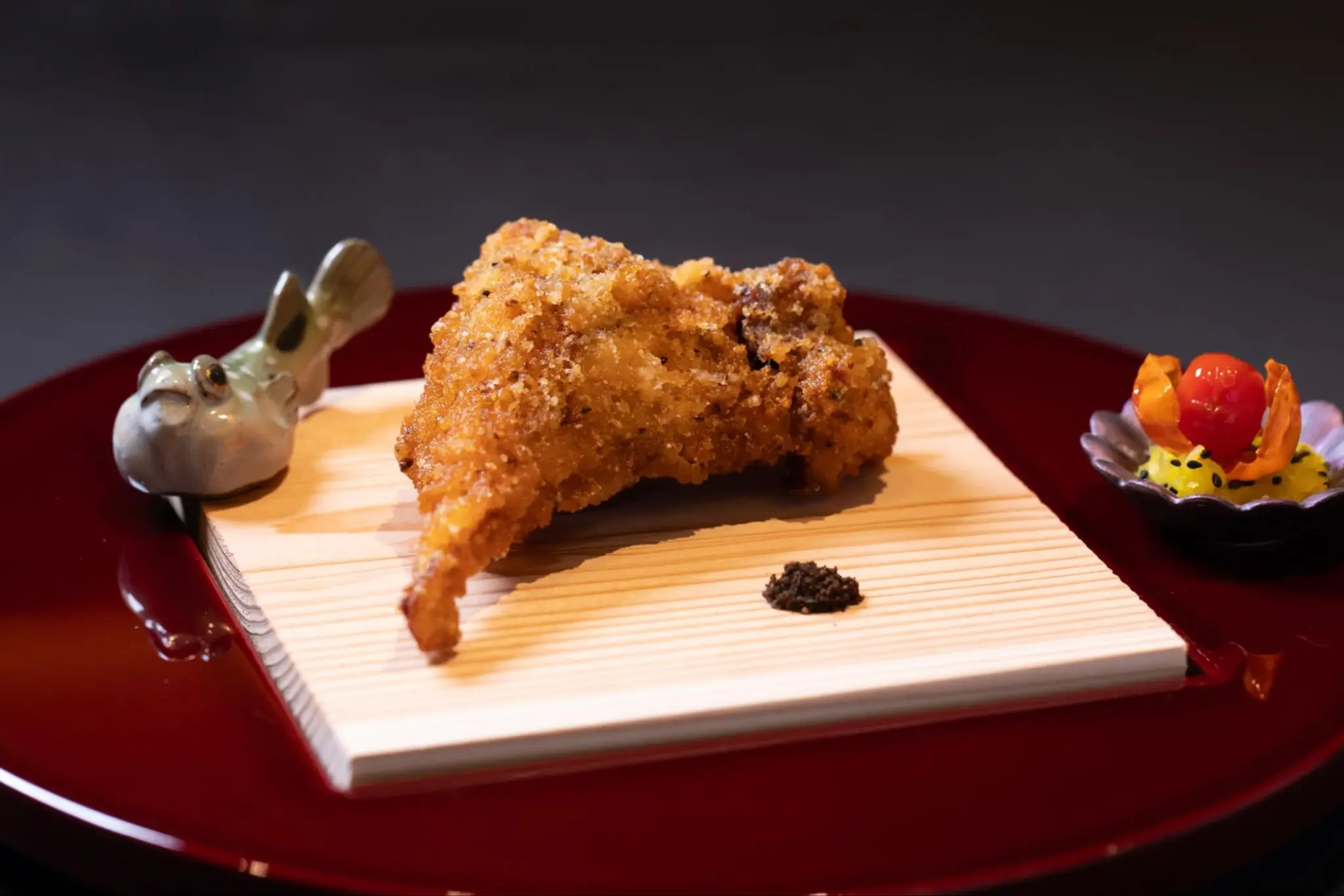
With the right seasoning or cooking method, any dish may turn out delicious. However, if the life of the ingredient cannot be felt, it becomes nothing more than a mere item on the menu. Japanese ingredients are the crystallization of terroir—of the land and climate from which they originate. It is precisely because the life of the ingredient is conveyed that guests feel, “I’ve received something truly special.” Cuisine must draw out the charm of the ingredients, compensate for anything lacking, and become something where “every texture brings joy.” For example, this fish has a certain texture and feel, so pairing it with this particular element will enhance the experience—both the fish and the accompaniment will shine together through their synergy. I call this the “Reward Principle,” and sake is one element that helps bring it all together.
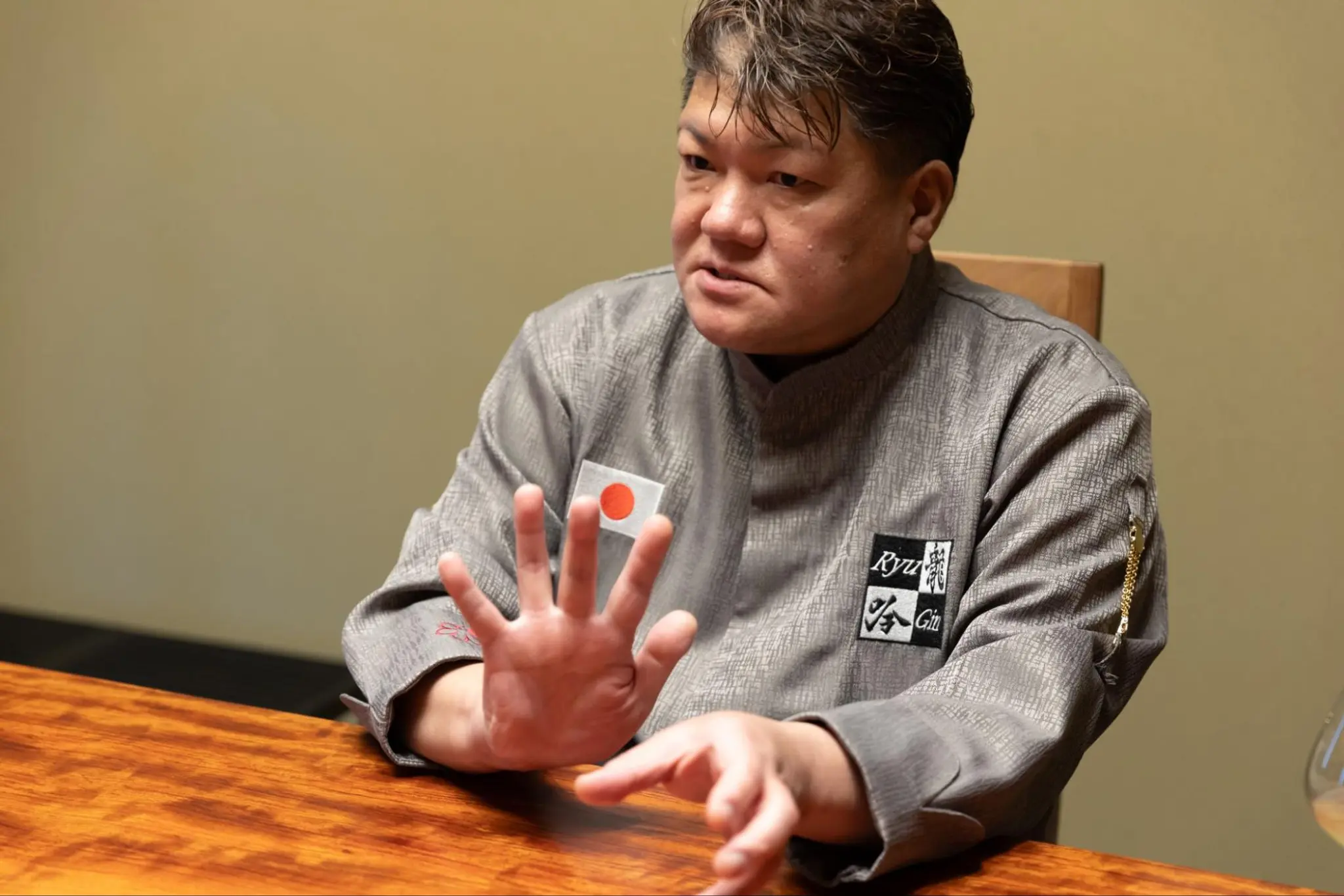
ーーーCould you tell us more specifically what you mean by cuisine that nourishes the spirit?
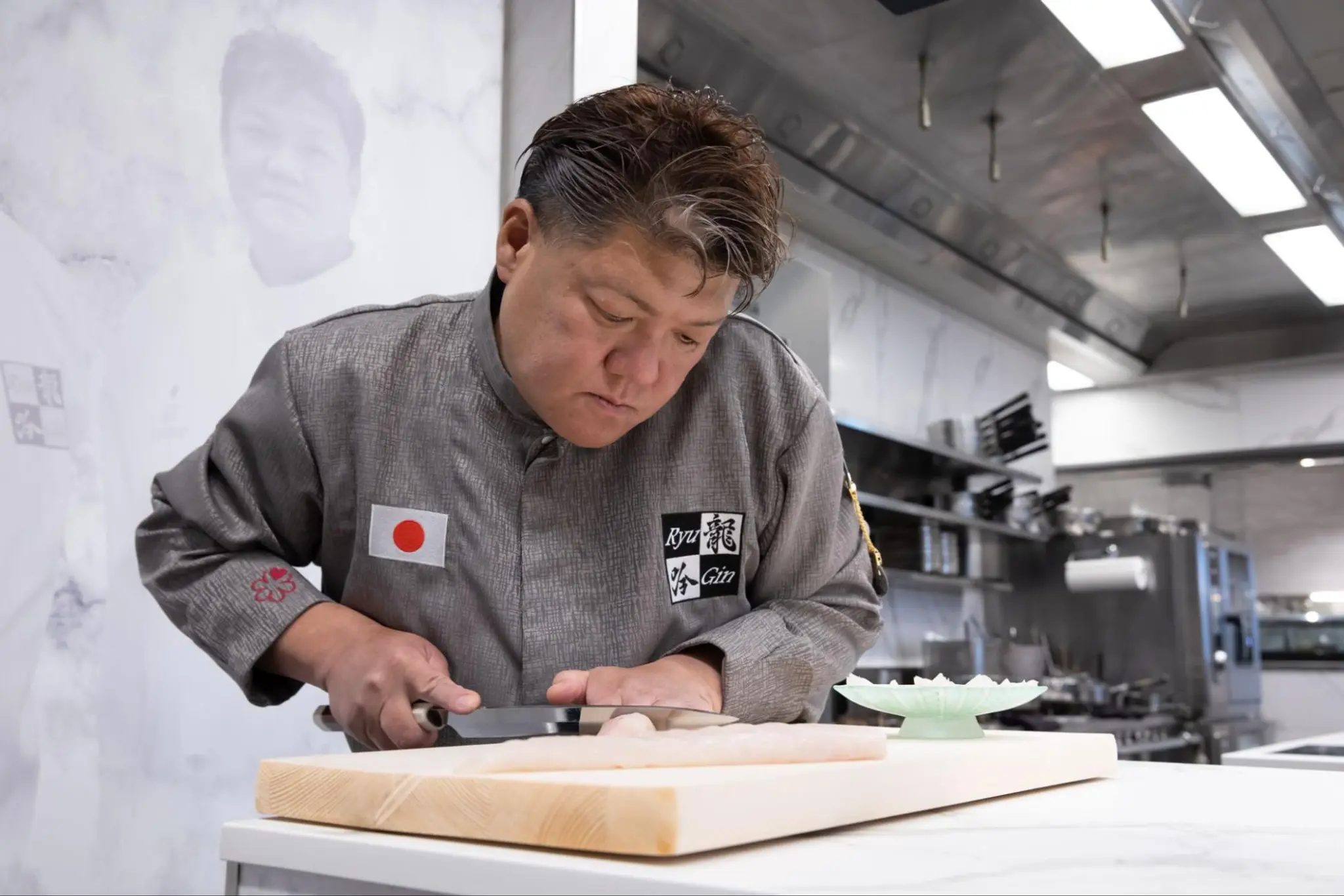
Sashimi (otsukuri) isn’t something we create—it already exists within the fish. Our role is simply to extract it. Western cuisine, on the other hand, approaches it differently—they slice it thinly, arrange it on a plate, and add oil to make the dish. The mindset is fundamentally different from ours. If I were to describe it visually, it’s like carving a statue of Kannon from a single block of wood, whereas the Western approach might be more like adding clay to form a figure of the Virgin Mary. I personally love the Japanese spirit behind this way of thinking. That’s why I don’t have a desire to “keep things simple.” I just want to do what’s honest. If we don't reveal the raw, unadorned beauty of the ingredient, and instead reshape or dress it up however we please, that’s wrong—it’s disrespectful. We chefs must stay in the background, simply helping to draw out the inherent charm of the carefully selected ingredients. Think about it—none of us would want our bodies operated on by someone who doesn’t understand human anatomy. I believe the fish feel the same way. They would say, “Don’t turn me into a puzzle piece for your dish without even knowing me!” We must never forget to treat the ingredients as if to say, “It’s okay—I understand you.”
For Everyone in Pursuit of “Deliciousness”…
ーーーWhat do you consider most important when serving your cuisine?
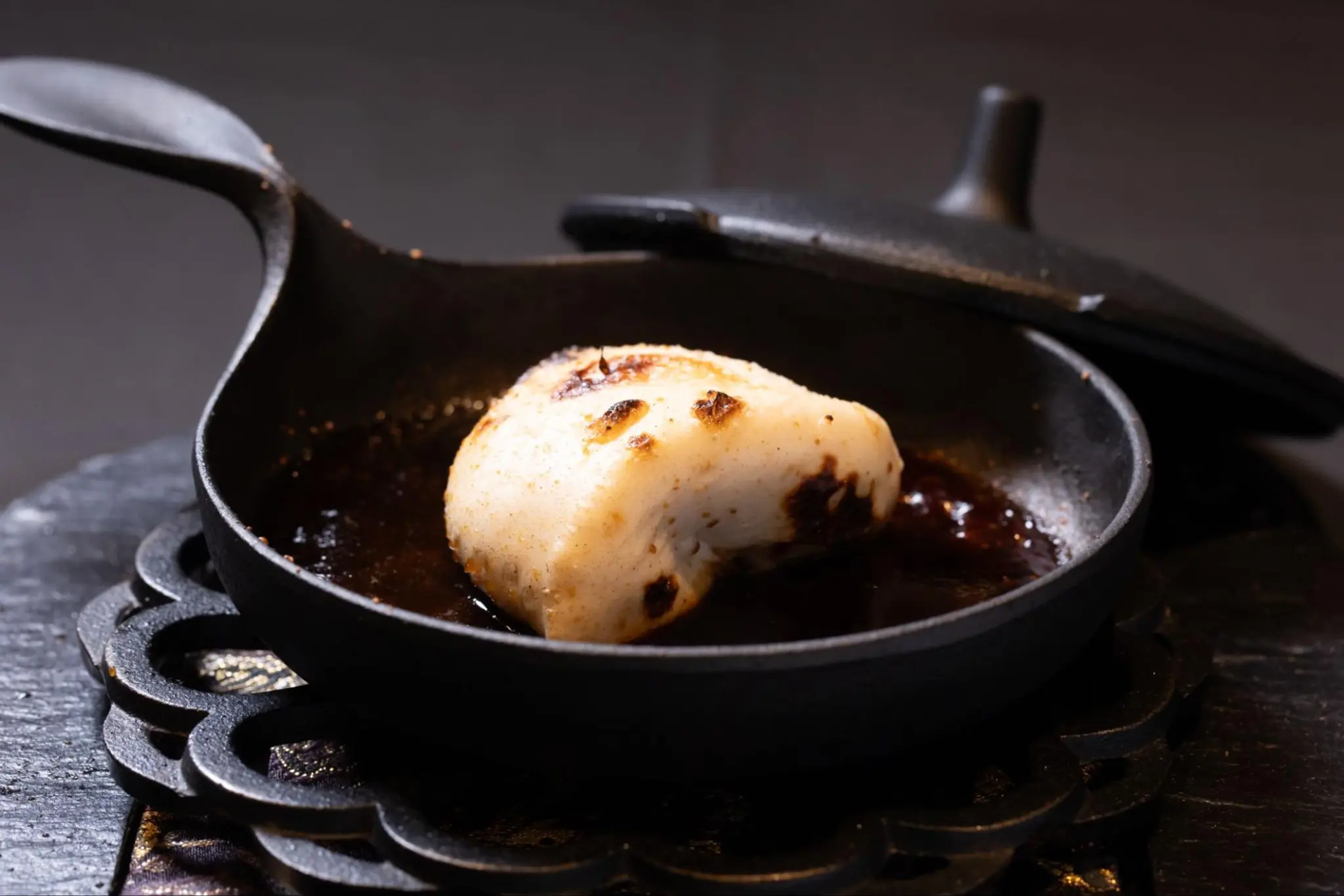
The most important thing is that “our guests come to enjoy a feast.” That means it’s our responsibility, as chefs, to evoke a true sense of luxury in our dishes. And that sense of luxury lies in “temperature and aroma.” The warmth of the dishware, the fragrance that rises when the lid is lifted—these are part of the feast that reaches the guest before the first bite. There’s no value if warm food is placed in a cold bowl. It’s like beer—whether you drink it at room temperature or chilled, the flavor itself doesn’t change, but the perception is entirely different. That’s how crucial temperature and aroma are. Whether the dish is reaching the guest in the ideal state we envisioned—that’s a key point I care deeply about. The “condition” of the dish at the moment of service is the very essence of cuisine, and what makes it a true feast.
ーーーIt sounds like you and your team come together to deliver the very best cuisine to your guests!
Many chefs say they cook for their guests, but I personally feel a bit of discomfort with that idea. I serve dishes that I want to eat—what I believe is the best. That’s because I can take full responsibility for it. There are countless restaurants in Tokyo, and yet guests choose to come to ours. Even though they could eat at home, they come here because they really want something delicious—that’s a desire, a craving. I call it the “craving-for-something-delicious syndrome.” I don’t serve a menu; I offer a prescription. This craving can only be cured by eating something truly delicious. It won’t go away with food that doesn’t satisfy.
For those with severe symptoms, I’ll treat them with the rich diversity of Japan’s culinary treasures—“Welcome to Yamamoto Clinic!” That’s how I approach it (laughs). Of course, every prescription must be different. If someone only wants a small amount of delicious food, and I serve them a mountain of it, their symptoms won’t be cured. In that case, I’ve failed to be a good doctor for them, and they won’t come back. Ultimately, if the meal doesn’t satisfy not only their body but also their spirit, it’s meaningless.
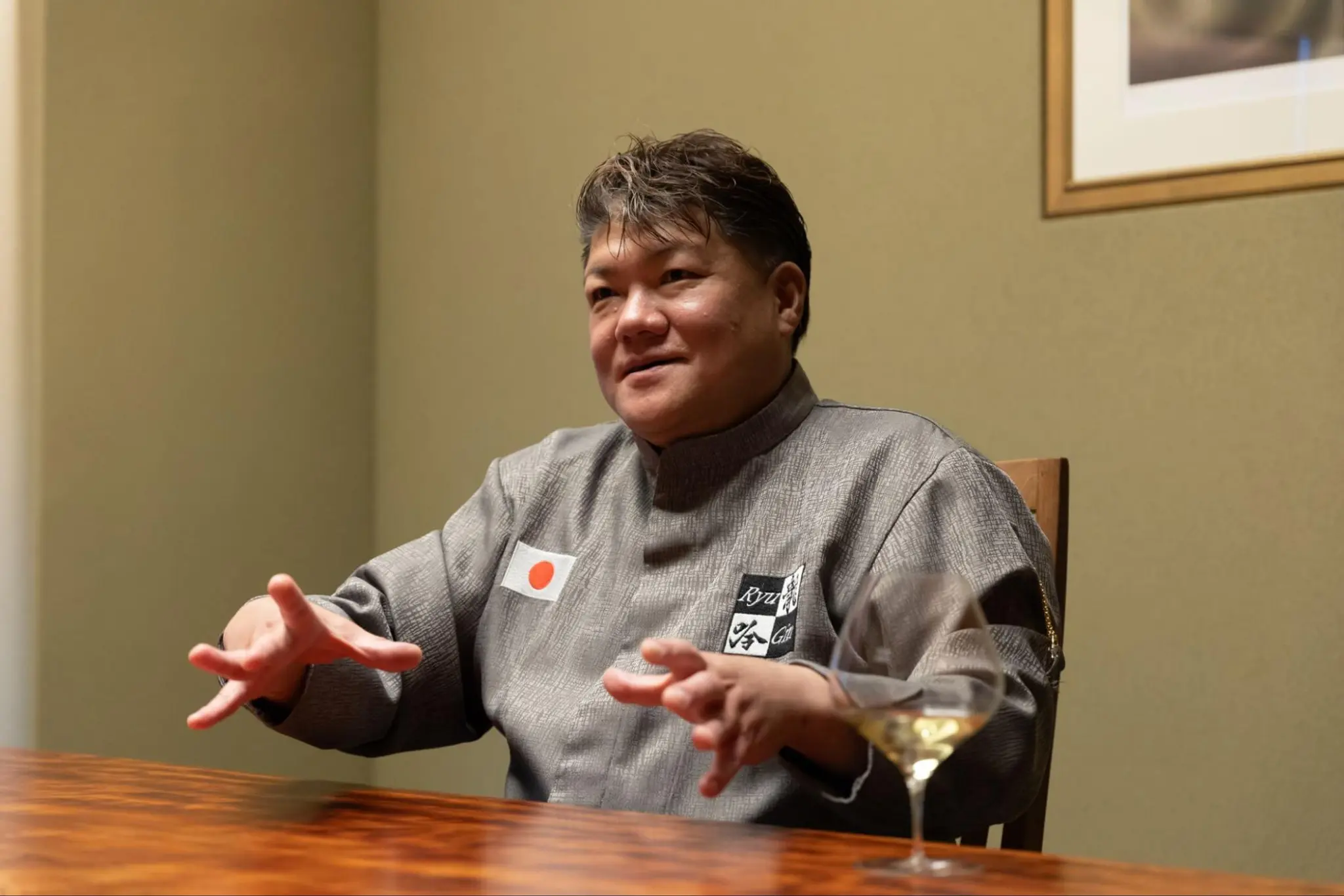
A Messenger Sharing the Brilliance of Japan with the World
ーーーHow do you hope to convey Japan’s traditions and culture through your cuisine?
Japan is home to so many things we can be proud of, yet recently it feels like many Japanese people have lost that sense of pride in their own country. In times like these, “food” is something that often reminds us how wonderful it is to be Japanese. For people from abroad, Japanese cuisine can offer a deep sense of beauty and wonder. Everyone is born with the desire to eat delicious things—it's a universal craving. That’s why it’s not enough for a meal to simply satisfy hunger; it must leave a lasting impression as a feast. When people say things like “You can’t eat the plates, so it doesn’t matter what they look like,” it really saddens me. Tableware is part of the cuisine—it plays a vital role in conveying the beauty of Japanese traditional craftsmanship. I want guests to see that Japan has such beautiful, charming, and refined objects. That’s why I place great importance on every aspect of the dining experience: the space, the temperature, the aroma, the texture of the dishes. Through that attention to detail, I believe we can help our guests truly feel the wonder and excellence of Japan.
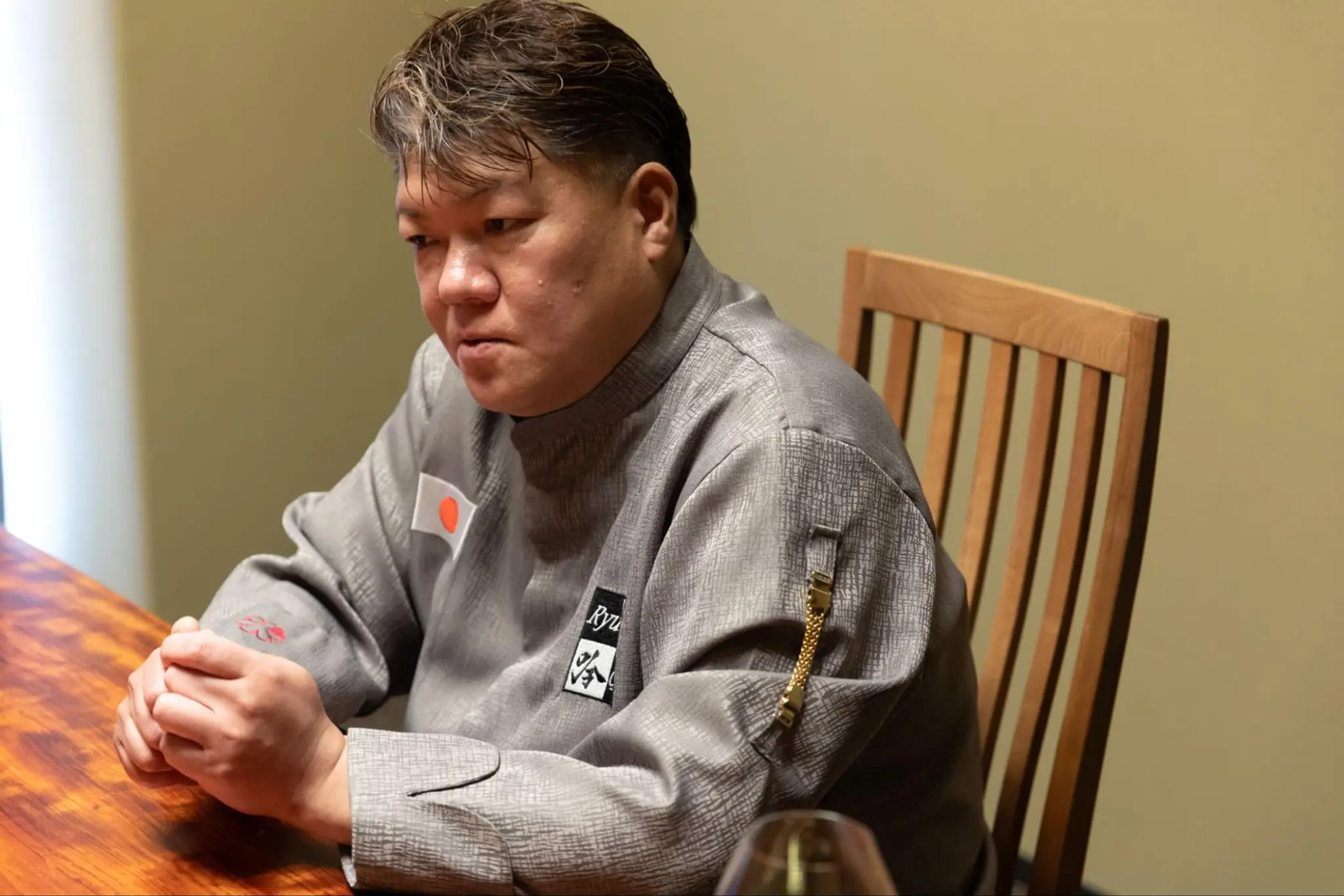
ーーーWhen introducing the appeal of Japanese cuisine to international guests, is there anything you particularly keep in mind?
I’ve noticed an increase in highly conscious guests who come seeking the unique value of Japanese cuisine. Tokyo is often called one of the world’s gourmet capitals, so if the food here isn’t delicious, it raises the question—what is the point of our existence as chefs? That’s something I absolutely have to protect. It’s a kind of self-imposed sense of duty, I suppose. Even with international guests, my top priority is to convey the essence of the ingredients. I truly believe that Japanese ingredients are of the highest quality in the world, and I place my trust in the fact that ingredients never lie. All I want to say is, “These are the ingredients of Japan—how do they taste?” That’s really it .As long as the energy of the ingredient is present in the dish, I believe it will resonate regardless of nationality. I want people to think, “【Ryugin】is a place where you can taste the richness of Japan’s natural environment today!” It’s like saying, “Come eat Japan.” Well, I might get scolded for putting it that way, but yes—I really do want people to come and eat Japan.
ーーーWhat kind of Japanese chef do you aspire to be?
I had the option to pursue French or Chinese cuisine, but I chose the path of Japanese cuisine because, as a Japanese person, I wanted to be someone who shares something truly authentic. To truly master Japanese cuisine, it’s not enough to refine your techniques—you must also embody the way of life and spirit of the Japanese people. You must be Japanese in the deepest sense. And above all, what matters most is: “What can I communicate to my guests?”
What I can convey may be small in the grand scheme of things, but I believe that dedicating my life to expressing the countless wonders of Japan’s ingredients and traditional crafts can create something of much greater value. I trust that this passion will ultimately be felt and understood by our guests.
A Realization That Led to One Answer
ーーーHas the mindset you value today been cultivated since your training days?
During my training years, what was expected of me was entirely different. My job was to perfectly execute the section I was assigned to, and because I was entrusted with that responsibility, I was completely focused on fulfilling it. I didn’t start deeply thinking about the spirit or philosophy behind being a chef until after I became independent.
As an owner, I was faced with the difficulty of managing people and running a business. Even though I had gone independent, the first reality I faced was that I had no money. I realized just how much it costs simply to stay alive. I thought to myself, “I’ve become someone who costs money just to exist...” Unlike my training days, where everything I needed was readily available, I now had to gather all my own tools. If anything went wrong, it was entirely my responsibility. I came to understand that without mental resilience, I couldn’t present myself as the head of a restaurant. In the beginning, every day felt like my heart was being crushed. I realized that cooking was the only thing I could actually do. There was a constant sense of fear, like I was walking a tightrope. I had no room for comfort at all back then.
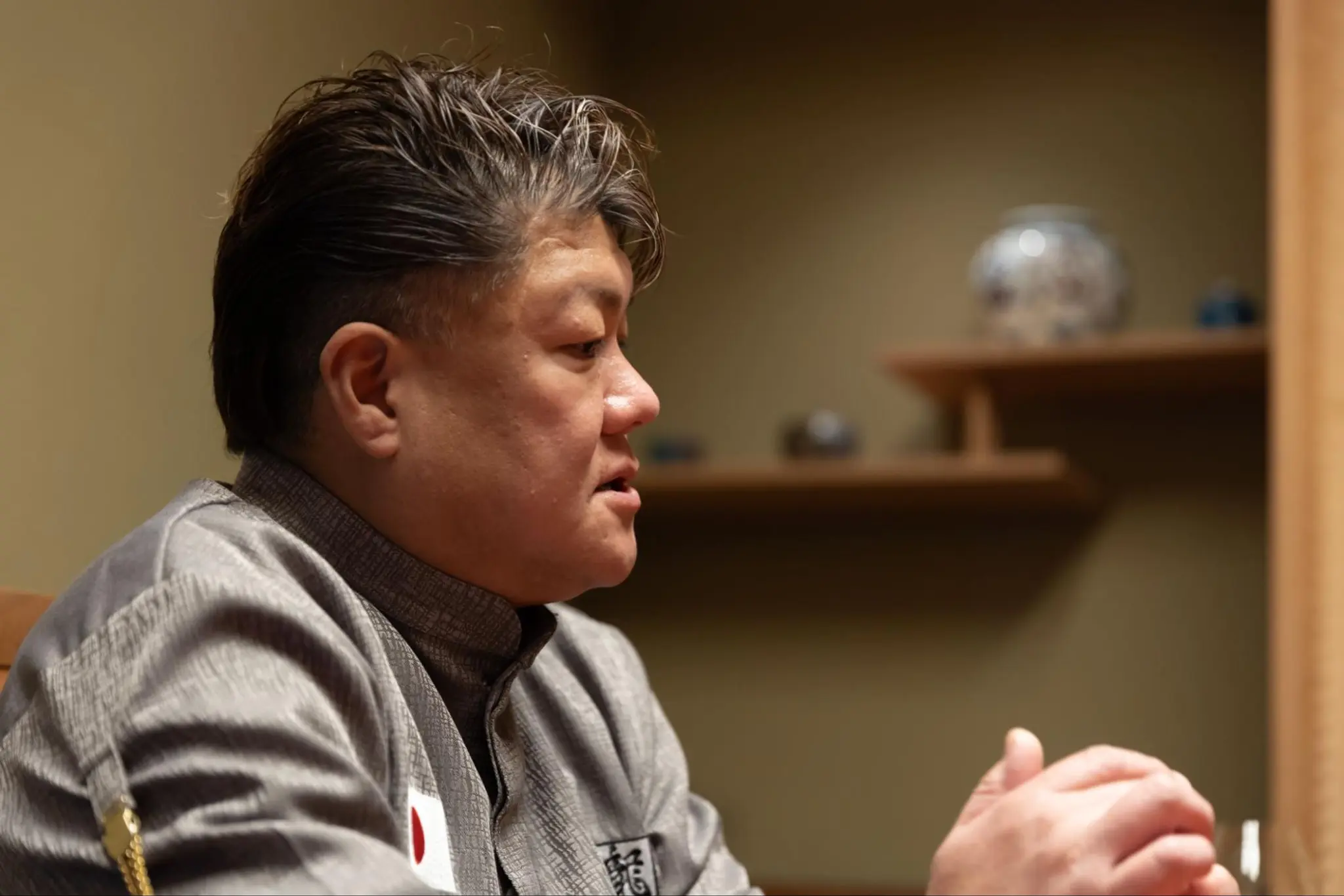
ーーーYou’ve carried so much on your own, haven’t you?
In the beginning, I was overwhelmed—I couldn’t think about anything at all. The pressure was immense. I felt there was a world of difference—like zero to one hundred—between “cooking” and “running a restaurant.” I didn’t feel truly alive during those days. Cooking was the only thing I knew how to do, and I often wondered, “What can I possibly achieve carrying all of this on my own?”
Over the past 20 years, I’ve come to realize that I’m only able to be here because of the people around me. Ryugin is not just me. I’m sustained by those around me, and that’s exactly why I’ve developed the mindset that I must, with humility, honor and bring life to the ingredients entrusted to me. There are many things I can’t do on my own, and my staff often step in to help—and in many cases, they’re more talented than I am.
ーーーHave you ever found yourself feeling arrogant or overconfident?
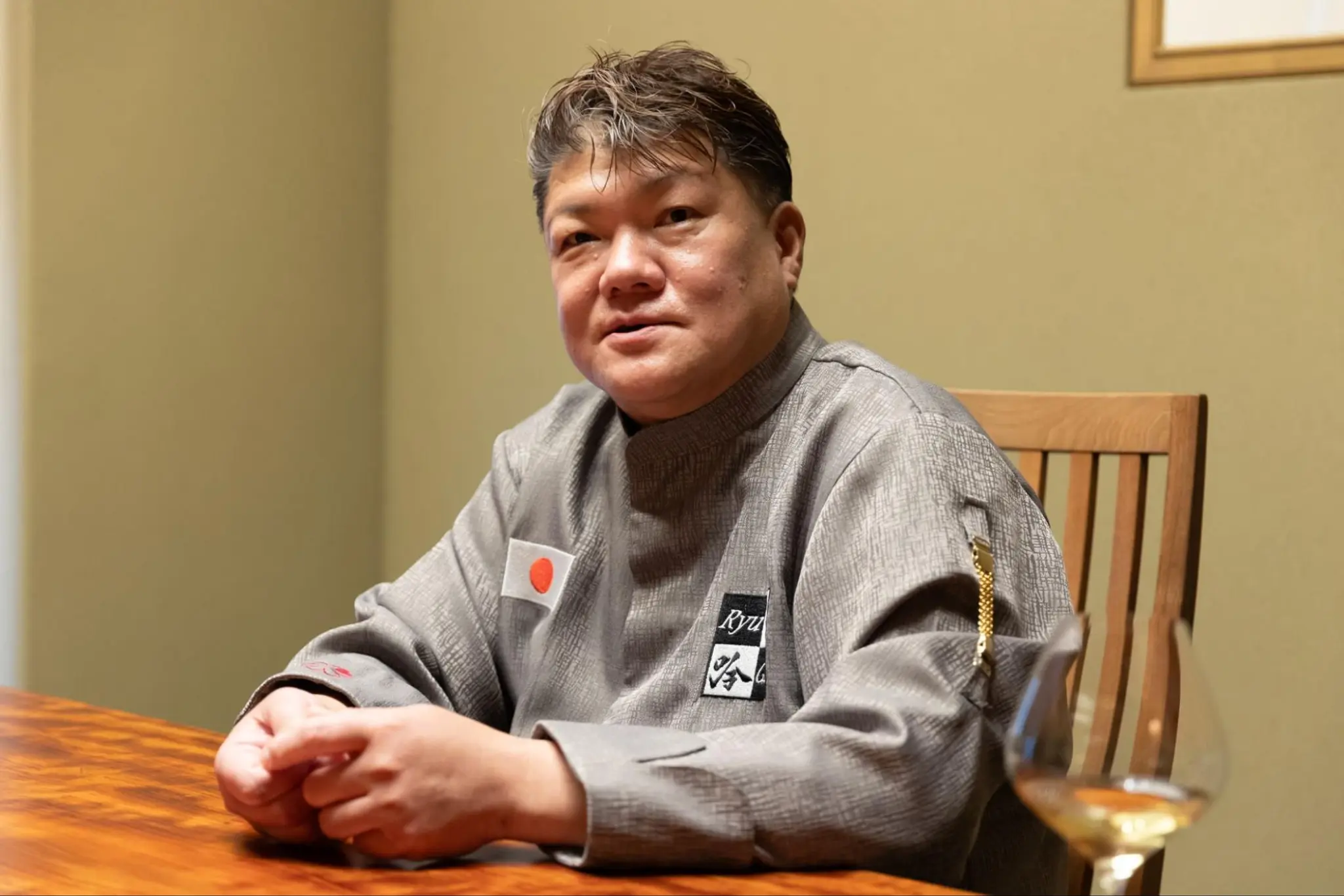
That kind of mindset is useless. As chefs, we are constantly being evaluated as professionals. Our professionalism includes not only our technique and aptitude, but also how we speak, our ability to understand things, to sense what the guest needs, and to read the atmosphere. Anything that doesn’t align with that professional mindset is simply personal desire. I try to fulfill those personal needs in my own private time, which helps me maintain a healthy mental balance. I also make sure my staff have proper time off. Currently, we offer three 11-day breaks per year, and I hope it helps raise morale. By the way, I once told my accountant I wanted to increase it to four times a year, and they got mad at me (laughs).
ーーーWhat would you like your apprentices to inherit from you?
The only things a chef can truly leave with a guest through a meal are the memory of their experience at the restaurant and the memory of the food itself. That’s why every detail, including the setting and ambiance, must be carefully prepared. Otherwise, people will say, “The food was good, but the service at that place wasn’t,” and the whole experience is diminished. Being a chef is about valuing and creating memories—that’s the essence of our profession. If I can convey that to them, I believe they’ll come to understand for themselves what kind of person they should strive to become. Whether it’s a memory of being praised or a memory of being scolded, every experience becomes nourishment for one’s life. Facing oneself and one’s spirit alongside those memories is absolutely essential. I always tell them: don’t just be interested in what’s visible—cultivate the eyes and heart to see what’s invisible.
Cooking is never just a task. We chefs are responsible for what our guests take into their bodies, and we must serve it with that sense of accountability. While I do talk to my apprentices about the importance of mindset, I don’t actually teach them much about cooking itself. And yet, they still become good at it. I also tell them, “There’s no meaning in simply copying my cooking.” Cuisine holds infinite possibilities, and I want them to never give up on discovering their own culinary worldview. The essence of Japanese cuisine lies in expressing the richness of Japan’s natural environment through food—this is something I never want them to forget. One day, I hope they too will become people who can pass on that spirit to the next generation.
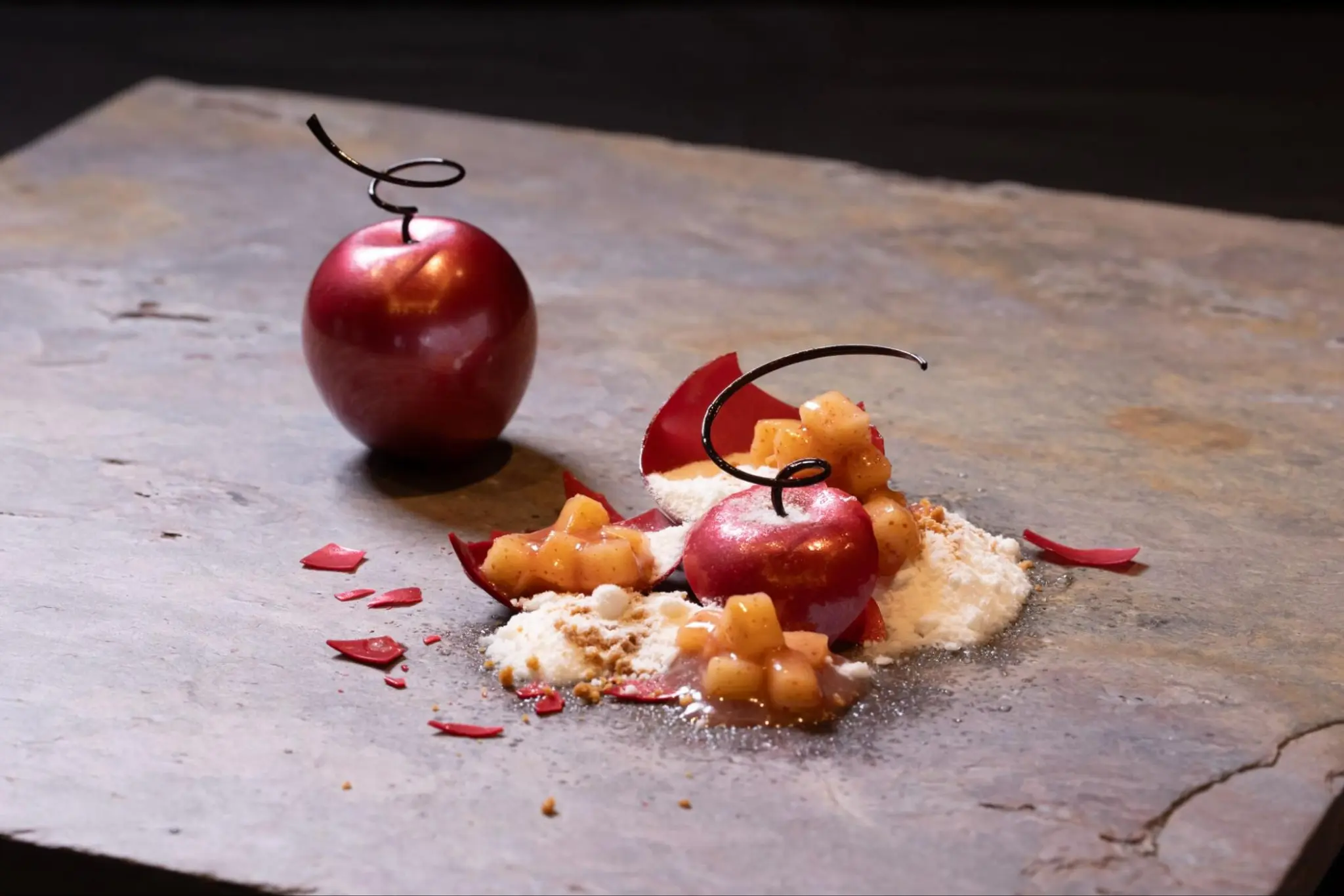
ーーーWhat are your thoughts on future plans?
I’m not considering opening new branches. If I’m not there, I can’t take full responsibility. And if trouble arises, it only adds to the worries. When my mental state becomes unsettled, it inevitably affects the food—and that’s not something I ever want to pass on to our guests.
My ultimate goal is to create a perfect restaurant with a strong team that operates without stress—for both the guests and the staff. I want to build an environment where every staff member who spends so much time here can feel, “I’m glad I became a chef,” and “I’m glad I got to work at 【Ryugin】.” That means investing in the facilities, ensuring strong employee benefits, and creating a space that’s even more comfortable than home. I believe that by treasuring the atmosphere born from the bonds between colleagues who share the same vision, we can offer our guests cuisine in its absolute best state—the way we truly envision it.
ーーーSo it’s about creating an environment that nurtures a rich and healthy state of mind.
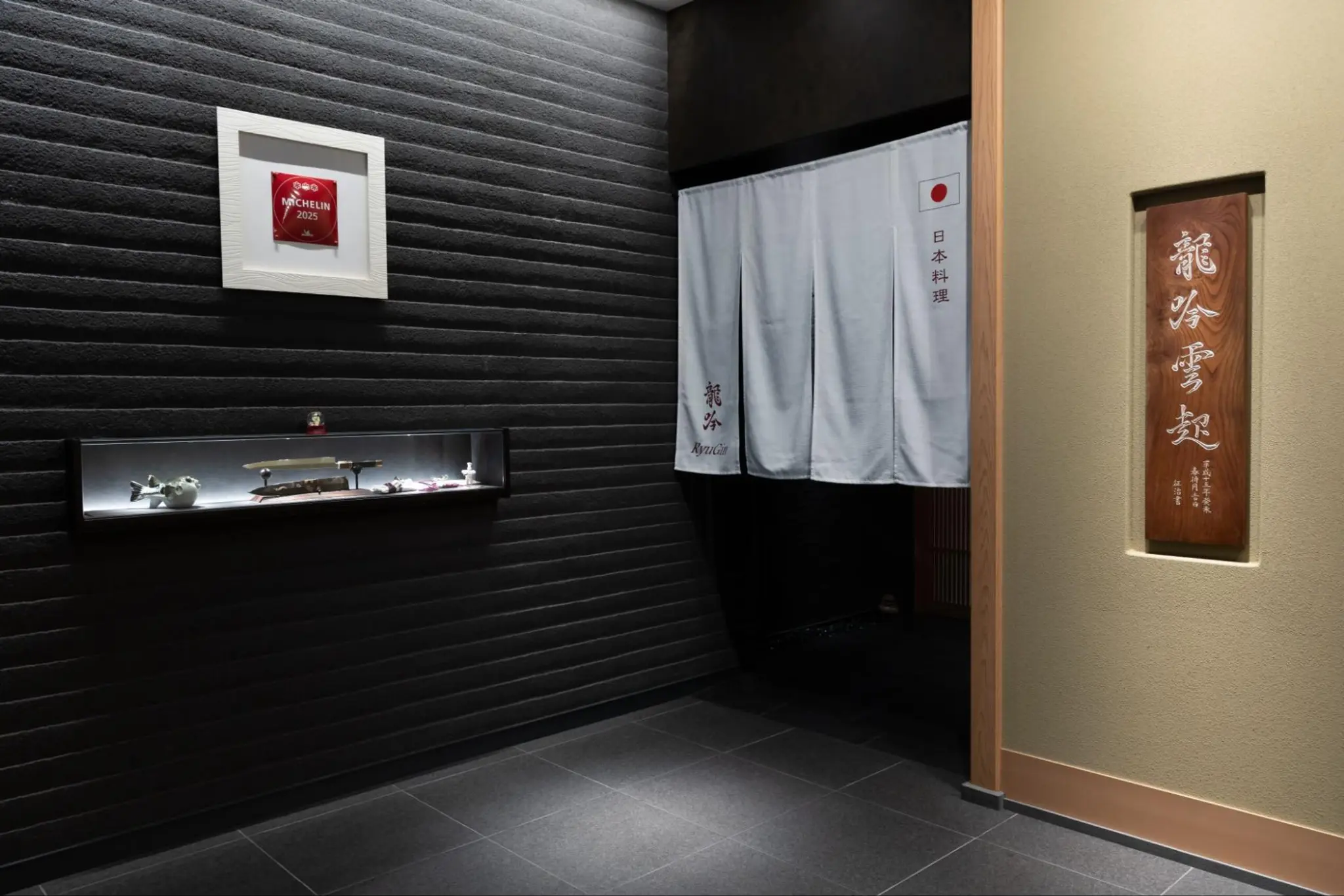
There are about 160,000 restaurants in Tokyo, and only 12 have been awarded three Michelin stars. Of those, just 5 are Japanese cuisine establishments—and ours is one of them. I want to make sure our restaurant continues to live up to that honor. And if the staff can also enjoy their work, then that would be the ultimate success. I think it’s really cool when we, as a team, can maintain a high level of awareness and commitment within such a high-stakes environment. But a restaurant can only ever create an 80-point experience—because we ourselves can’t determine what a perfect 100 looks like. Even if we believe we’ve achieved a 100, there will always be some element—whether it’s in management, food, or service—that brings it down a notch. So, realistically, 80 is the best we can do on our own. That’s why the remaining 20 points must come from our guests. What truly matters is how we face them, how we engage with them, so that they’ll say, “I’ll gladly give you the extra 20 points!”
ーーーLastly, what does “delicious” mean to you?
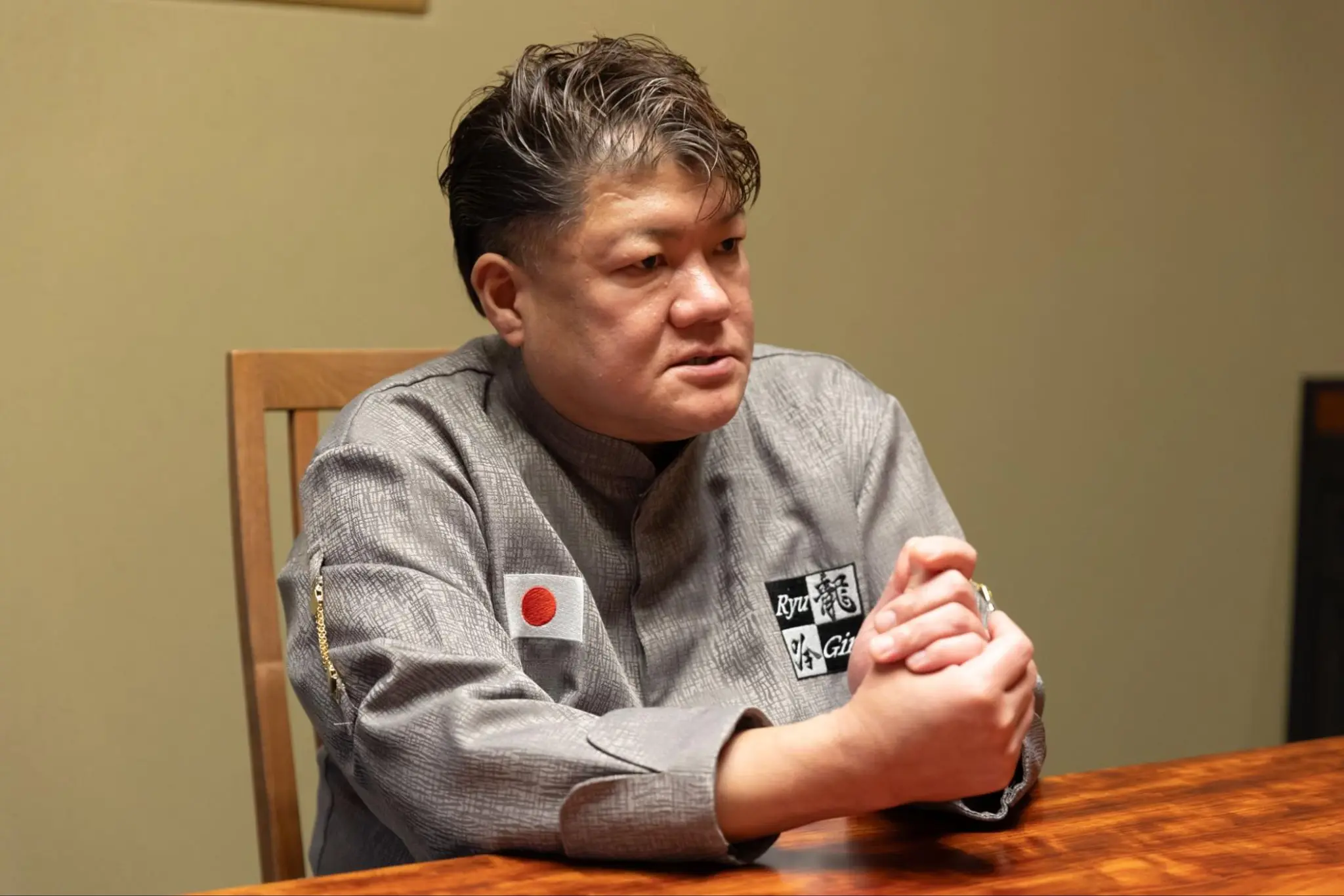
In one word, it’s “joy of the heart.” When something truly delicious overturns your previous sense of value—in the best possible way—or gives you the energy to face work again tomorrow, that’s what it means to me. It’s like your spirit is revived, and you feel recharged. The moments of joy differ from person to person, but I believe that “delicious” means joy of the heart—it’s a meal that nourishes the spirit.
There was a time when I said to a guest as they were leaving, “Thank you very much. Please enjoy the rest of your weekend,” and they replied, “I just had the best weekend, right now.” That really touched me—it made me feel truly glad to be doing this work. When we provide guests with “joy of the heart,” and they in turn reflect that joy back to us—that’s the moment the restaurant becomes a perfect 100.
Chef. Yamamoto speaks of the importance of devoting oneself to the role of a supporting presence—one who expresses the value of Japan—and of cultivating the eyes and heart to perceive what cannot be seen. Without ever succumbing to arrogance over the high praise he receives both in Japan and abroad, he continues to pursue “meals that nourish the spirit,” without asserting his own personality or creative ego as a chef. His words prompt us to reflect on the true richness that “food” can bring, while also reminding us of the pride we can feel in being Japanese. At 【Ryugin】 in Hibiya, overlooking the Imperial Palace, we invite you to experience a one-of-a-kind culinary journey—one that conveys the beauty of Japan and brings joy to the heart.
Interview by / Yuri Yanagiya
Text by / AutoReserve Magazine Editorial Team
Photography by / Atsushi Sanada
Restaurant Information
- AutoReserve Magazine
- Japan’s world-renowned flagship restaurant
- To nourish the spirit and bring joy to the heart—only then does food become true "cuisine"! The conviction of Chef Seiji Yamamoto of 【Ryugin】