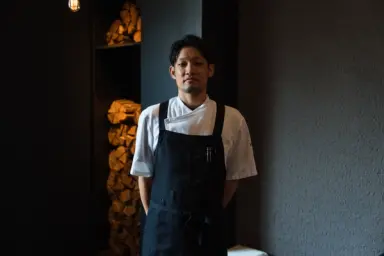
Focusing on "aroma," 【Sumiyaki Tori 8】offers customers surprises and a new style of yakitori through its rich creativity.
Making the most of charcoal’s unique qualities to create one-of-a-kind yakitori
ーーーCan you tell us about the unique features of your yakitori?
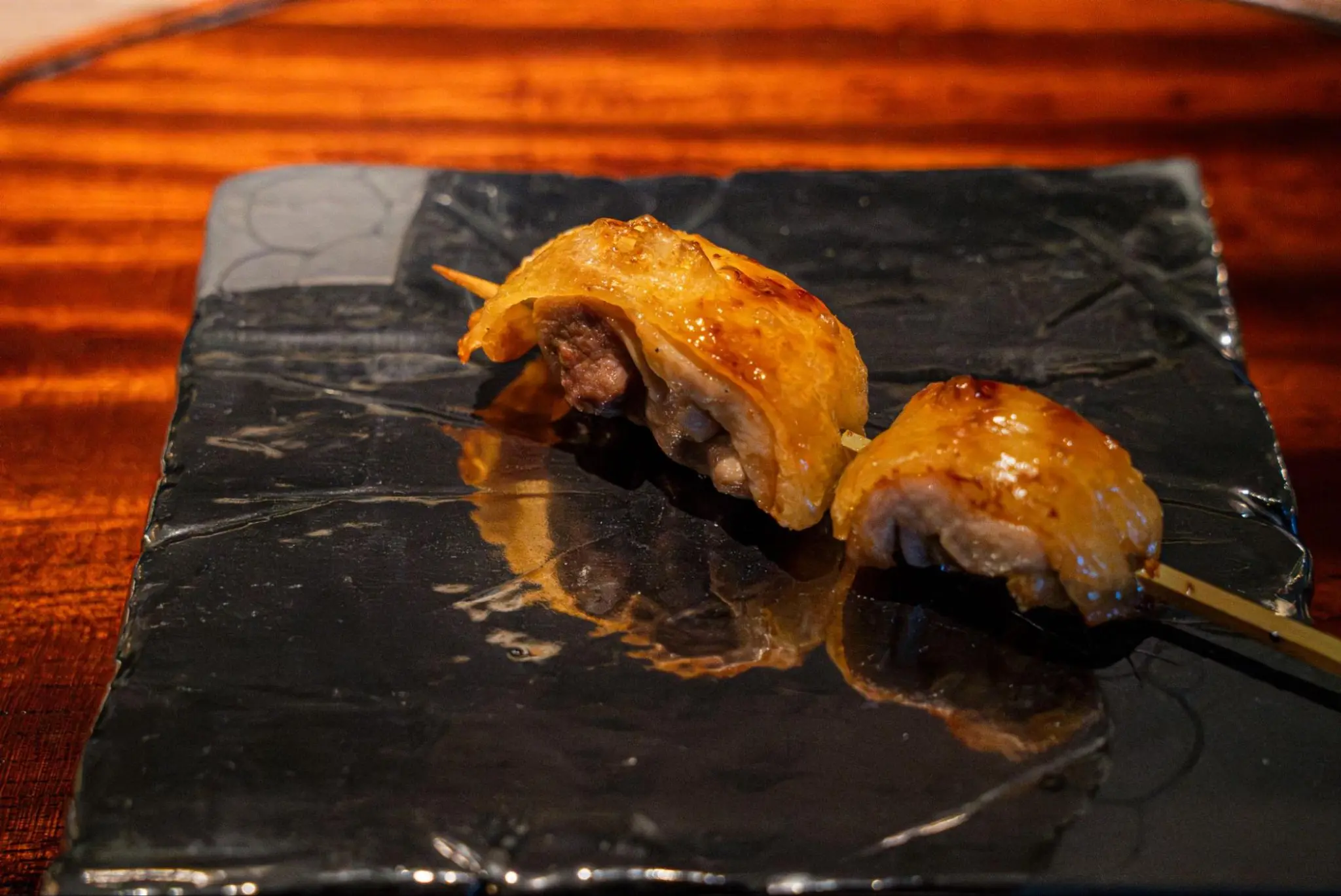
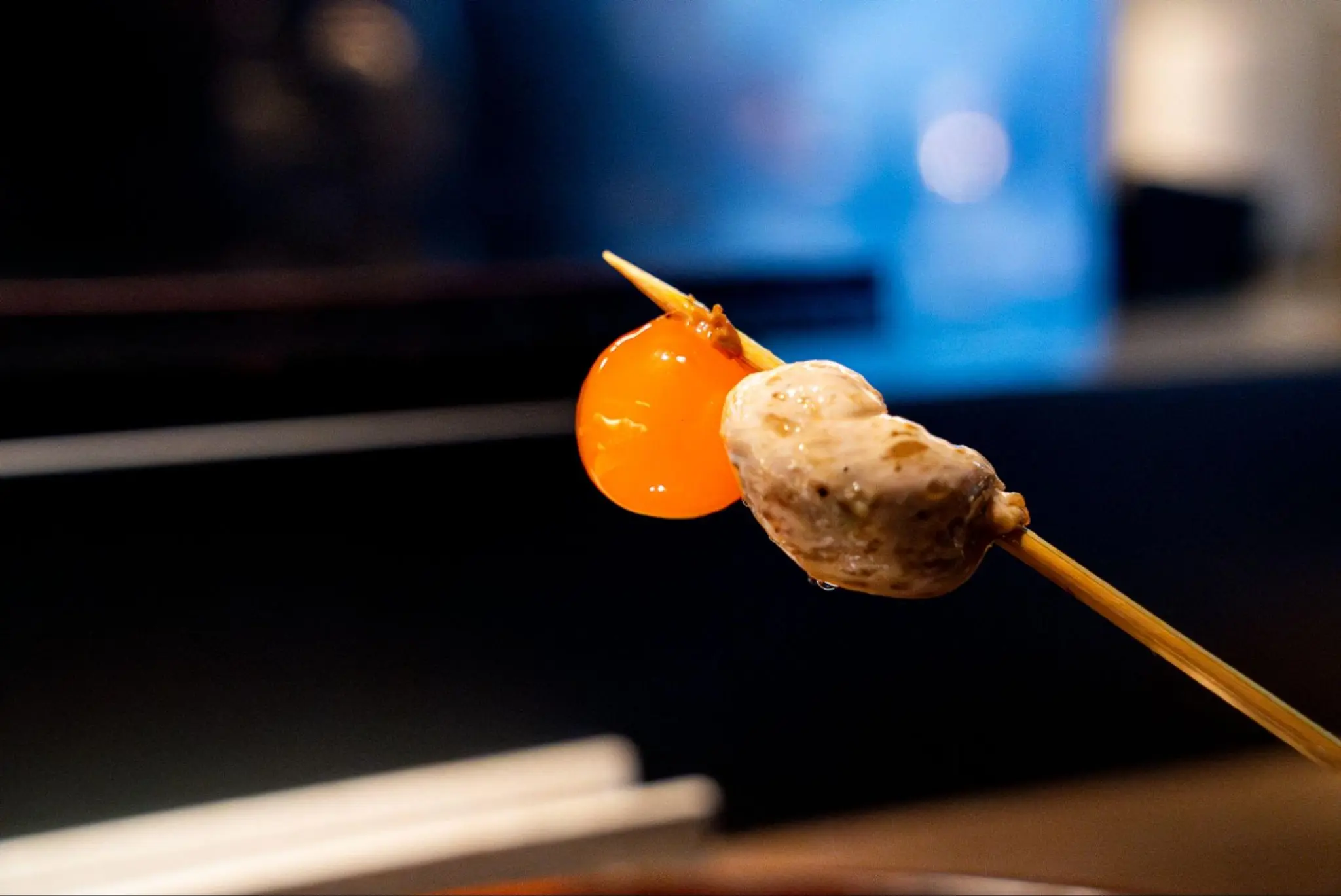
At our establishment, we use homemade flavor oils to season each type of cut or ingredient, giving each piece its own distinct aroma. The key advantage of cooking with charcoal is the way it delivers a crispy exterior while keeping the inside juicy. Additionally, the quality of the smoke that envelops the meat changes depending on the kind of fat that drips onto the coals. This is what I believe defines the true appeal of yakitori. To bring out the best in the charcoal’s natural properties, we adjust the quality of the oil we use, carefully wrapping each skewer in aroma as it grills. Alongside the flavor oils, we also incorporate dashi soy sauce and fruit juices for seasoning. We’ve developed eight types of flavor oils, and for the fruit juices, we use a balanced mixture of 100% domestic lemon and kabosu. Using only lemon can make the taste too sharp, so adding kabosu smooths it out. Since we specialize in yakitori, all of our ingredients are chicken-related. For example, instead of using bonito flakes, our dashi soy sauce is made from chicken flakes. Chicken meat tends to be milder in flavor compared to beef, and its umami is more concentrated in the skin and subcutaneous fat. If you add strong-tasting seasonings like kanzuri or yuzu kosho, they can overpower the delicate chicken flavor. That’s why I focus on using salt and aromatic seasonings that complement, rather than overshadow, the natural taste of the chicken.
ーーーWhat are the characteristics and differences of the eight types of flavor oils?
All of our flavor oils are homemade, including chicken oil, garlic oil (made by combining roasted and fresh garlic), sansho oil, basil-and-lemongrass oil, and scallion oil. We use rice oil for all of them, as it’s lighter and less intrusive than olive oil, which can leave a residue on the palate and interfere with the aroma. For offal, we marinate it in sansho or lemongrass oil for a day to remove any unwanted odors or bitterness. Some oils are applied lightly just before grilling to achieve the perfect balance of flavors.
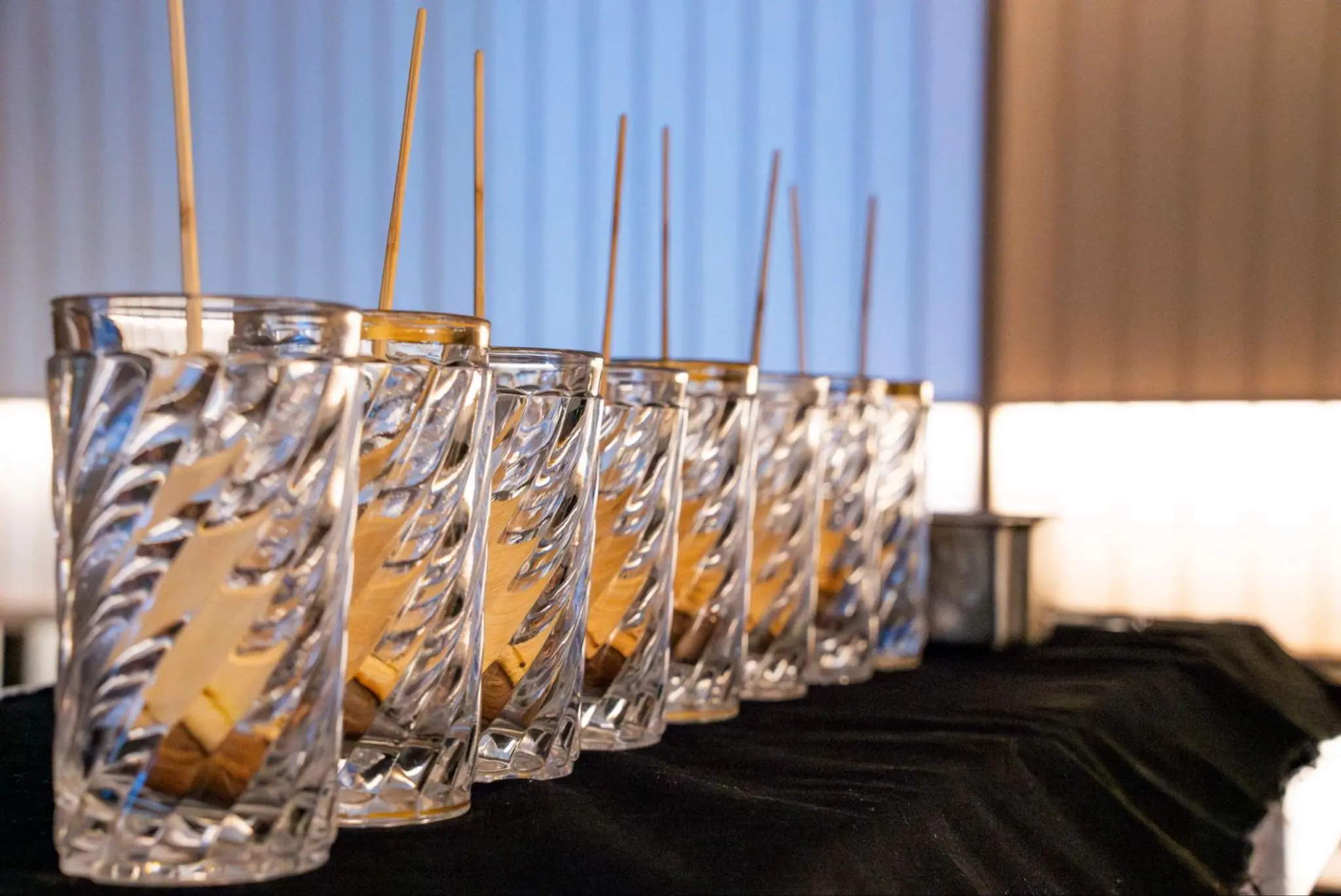
While grilling, we allow the flavor oil to drip off, leaving only the aroma behind, and serve the chicken with its natural moisture and fat retained. Our course menu typically consists of 10 skewers, designed with a balance that won’t leave guests feeling tired by the end. The amount and placement of flavor oil vary depending on the cut or ingredient—fattier pieces are either not brushed with oil at all or have it applied to just one side. This careful adjustment ensures the best flavor profile.
Different yakitori shops employ diverse approaches—some might use sake instead of oil—making each establishment uniquely distinct. I think that’s what makes yakitori so endlessly fascinating. Few places use as many different types of oils and flavors as we do, setting us apart in this field.
ーーーWhat’s a standout item on the course?
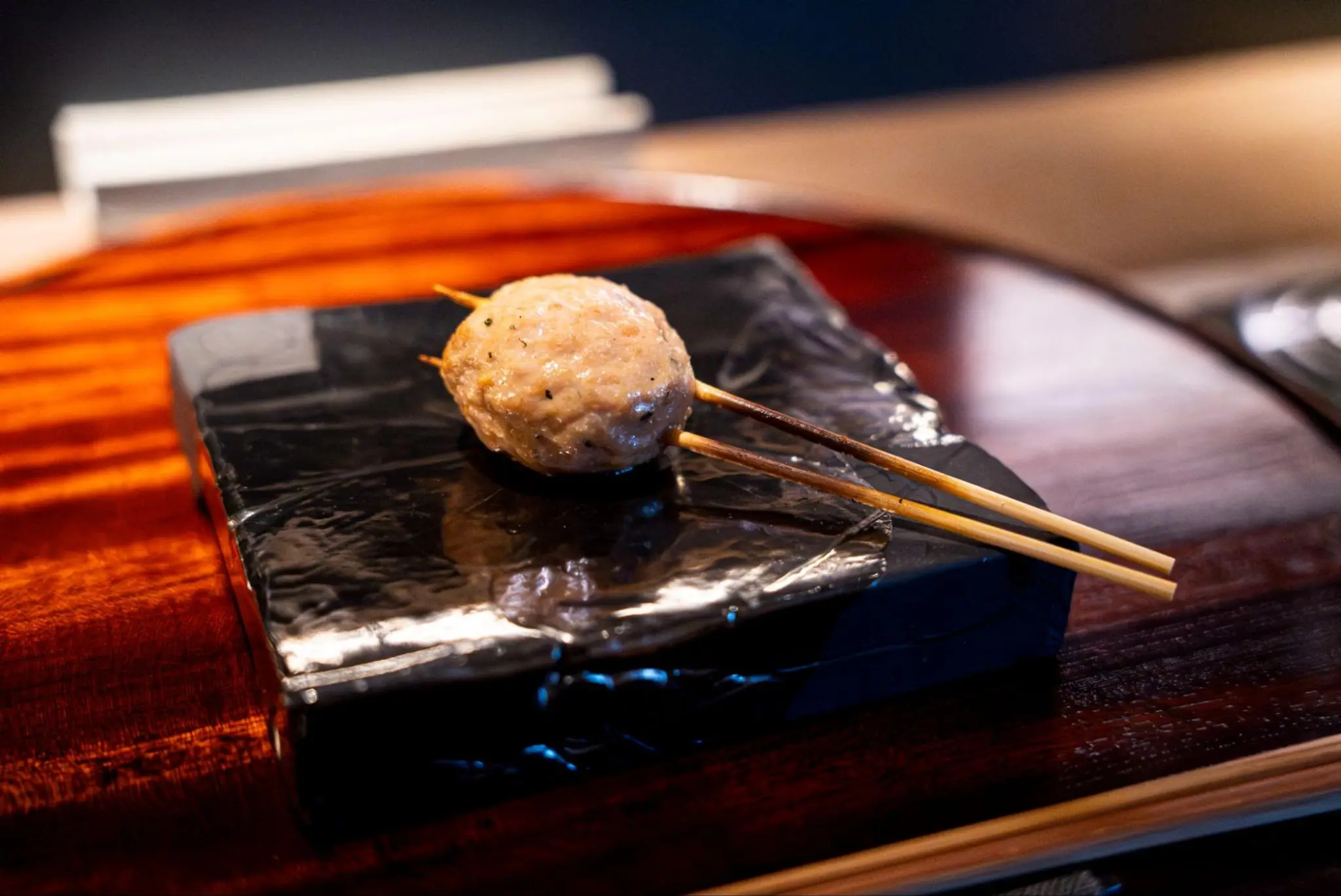
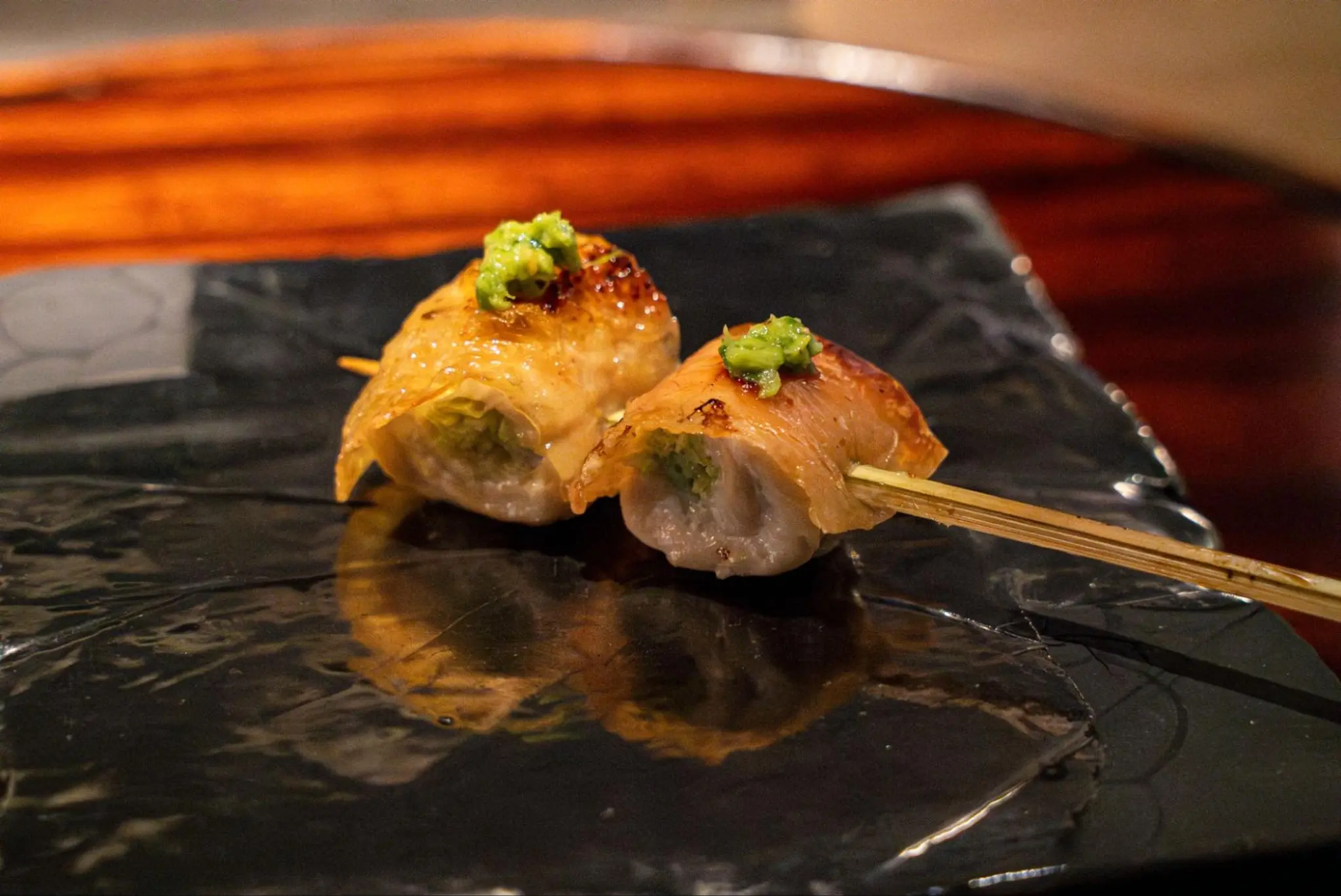
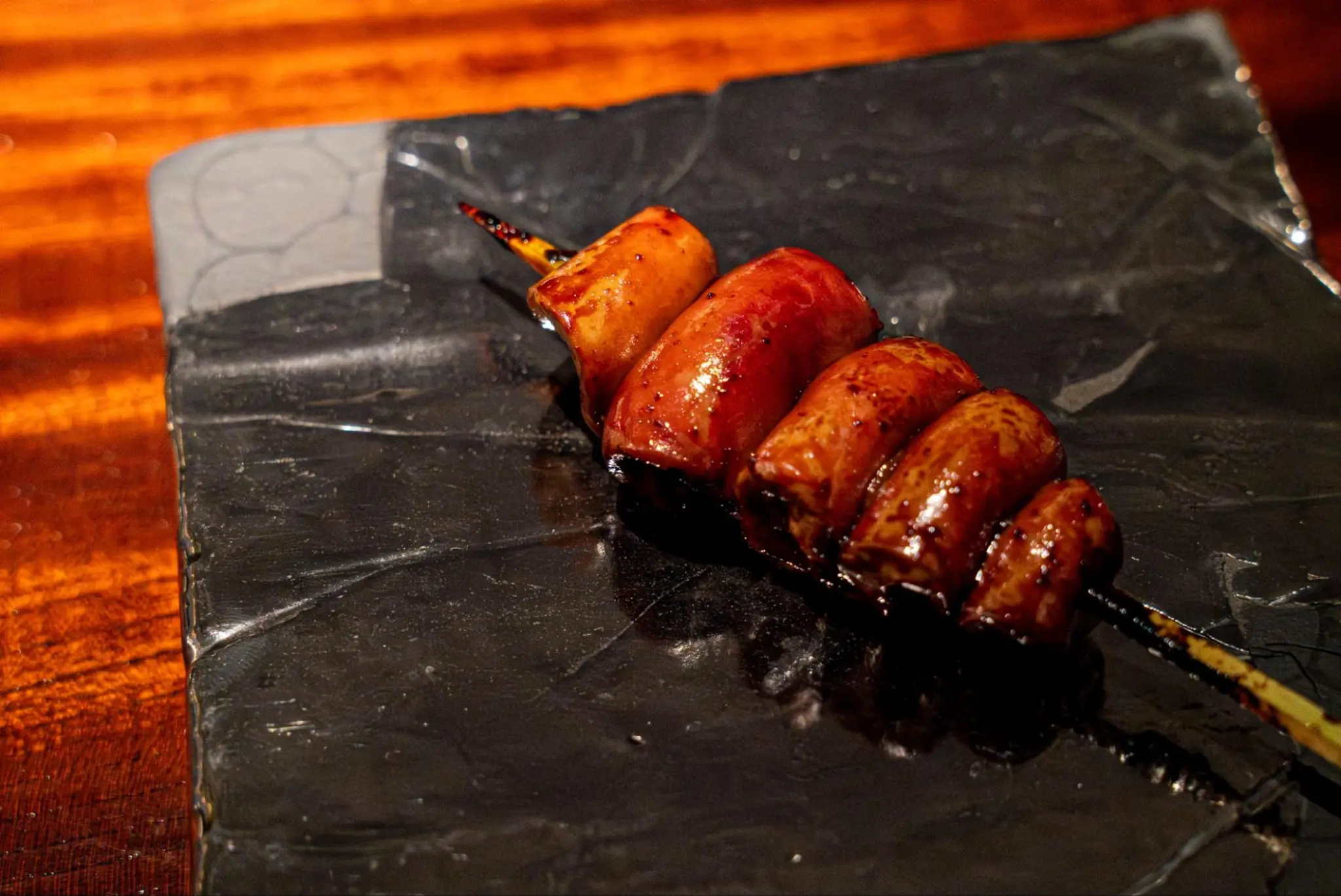
At our restaurant, the second skewer is always “tsukune.” Made solely with minced thigh meat and no binders, it delivers pure chicken umami in every bite. We aim for a medium-rare finish at an internal temperature of about 65 degrees, carefully grilling it to achieve a fluffy, melt-in-your-mouth, and juicy texture. Other perennial favorites on the menu include “liver” and “negima,” both of which we serve year-round.
An unwavering commitment to quality in ingredients and preparation
ーーーCan you share some insights about the chicken you use?
At our restaurant, we use “Kuro Satsuma Dori,” one of Japan’s three premier jidori chicken breeds. Specifically, we source “Kurotei,” a grade above the “Satsuma Kokuou” brand from the NS Farm poultry farm. In the past, I mainly worked with “Nagoya Cochin,” having lived in Nagoya, but my personal opinion is that while “Kurotei” is similar to “Nagoya Cochin,” it has slightly more tender meat, making it better suited for yakitori.
Additionally, the fat quality is excellent—light and not heavy on the stomach. While there are other branded or broiler chickens, I believe that if I’m doing yakitori, I should be using jidori chickens that can truly bring out the chicken’s full flavor. After trying out various breeds, “Kurotei” turned out to be the best match for the yakitori I want to make, and it’s my personal favorite.“Kurotei” chickens are raised in a unique three-stage process: they spend the first phase in one type of coop with a specific feeding method, then move to a second coop with another regimen, and finally to a third. The coops are kept completely dark to minimize stress, and the chickens are grown to exactly 150 days, when their flavor is at its peak, before being shipped. Their monthly production is limited, and the poultry farm mentioned that our restaurant is their primary partner.
ーーーWhat is the most important aspect for you when grilling yakitori?
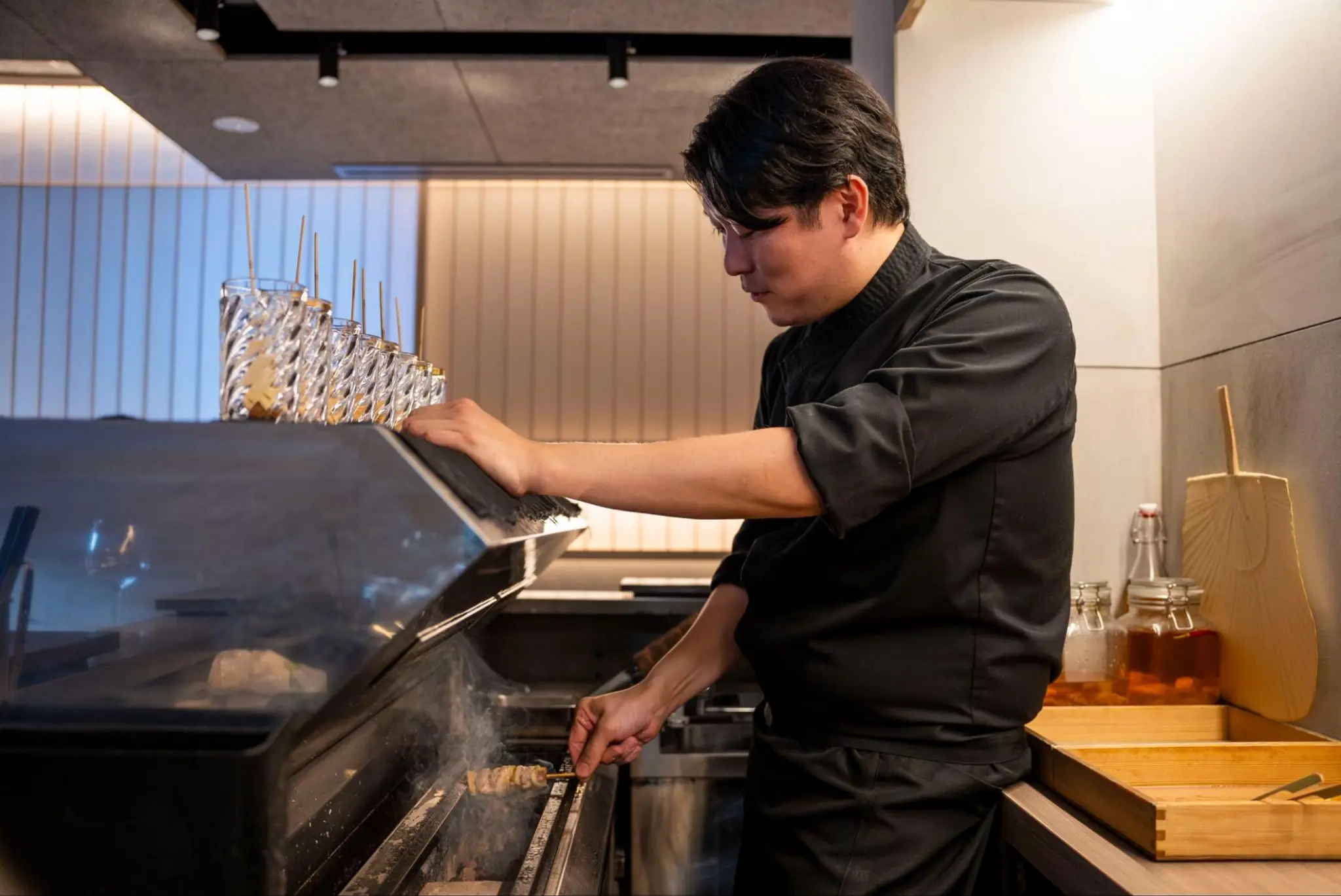
For me, the key to cooking lies in the “aroma” and “texture.” I believe that about 80% of the flavor of yakitori is determined in the preparation stage. That means how you arrange the charcoal, achieve the right temperature, cut the chicken into uniform sizes, and skewer it properly. At our restaurant, we age our chicken for about a week, so adjustments are made gradually over that time. We use custom-ordered Binchotan charcoal from Owari. Considering efficiency, we specify the exact shape and size we need to the charcoal makers, ensuring the perfect fit for our process.
ーーーWhat are the distinctive characteristics of Owari Binchotan?
The ubame oak, traditionally used for Kishu Binchotan, has become scarce, but in the Chita Peninsula—where Owari Binchotan kilns are located—there’s still a healthy supply of high-quality ubame oak that remains untouched. The charcoal makers there trained using the Tosa Binchotan method from Kochi, so they use the same high-grade ubame oak to produce charcoal of similar quality. Kishu Binchotan is the most well-known and hard to source, given its reduced production, labor shortages, and steep price increases. For these reasons, I chose Owari Binchotan, as it offers comparable quality at a more reasonable cost.
ーーーHow far in advance do you start preparing the grill?
It takes about an hour and a half to prepare and arrange the charcoal, ignite it, and then re-arrange it. From that point, I make additional adjustments an hour before service, 30 minutes before, and again 15 minutes before. Altogether, it’s around two to two and a half hours. I don’t think many restaurants take this level of meticulous care. Having been a company employee, I understand well how carefully preparing in advance leads to more efficient work during service. That’s why I put in the time upfront so I don’t have to make corrections once service begins.
ーーーWhat are the unique characteristics of your non-skewered dishes?
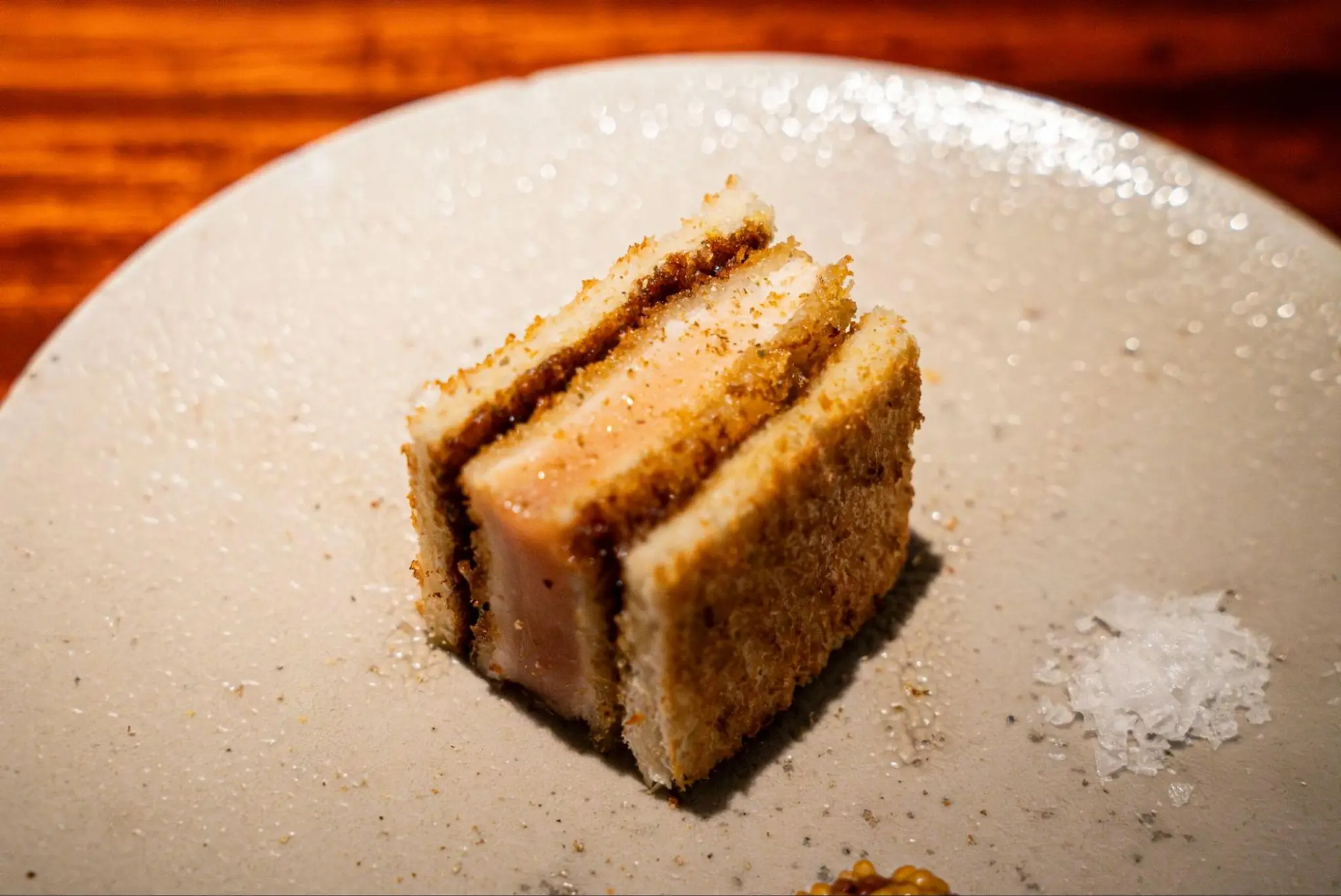
It’s often challenging for yakitori establishments to convey a sense of the seasons, so we incorporate seasonal vegetables sourced from our partner farmers into some skewers, appetizers, and our signature seasonal rice dish. We also serve other dishes that showcase the quality of our premium chicken, using cooking techniques that highlight its natural flavors.
The turning point from being a diner to becoming a chef arrives
ーーーWhat inspired you to become a chef?
I worked as a company employee until I was 27. Back then, I had a different dream, and up until around the age of 25, I had been studying various things on my own. However, I found it increasingly difficult to keep at it, so I decided to pursue a job where I could channel my passion and earn a stable income. I had always loved exploring different restaurants and dining out from a young age. This sparked my interest in becoming a chef.However, starting a career in traditional Japanese or French cuisine at 27 would have been challenging. At the same time, I had a goal of becoming independent by the age of 35. At that time, in Nagoya, the concept of "high-end yakitori courses" was still quite rare, and since I already enjoyed yakitori myself, I decided to venture into that field.
It was a bold decision, but I had determination and an unfounded sense of confidence (laughs). I’d heard that if you fully commit to any type of work for three years, you can grasp about 80% of it, so I believed I could do it too. I think it’s hard for people to be passionate about something without a clear goal. I had set my goal to become independent by the age of 35, so even if I encountered tasks I didn’t enjoy or found challenging, I had a mental strategy to manage myself and maintain a stable mindset.
ーーーWhat experiences did you have after deciding to become a chef?
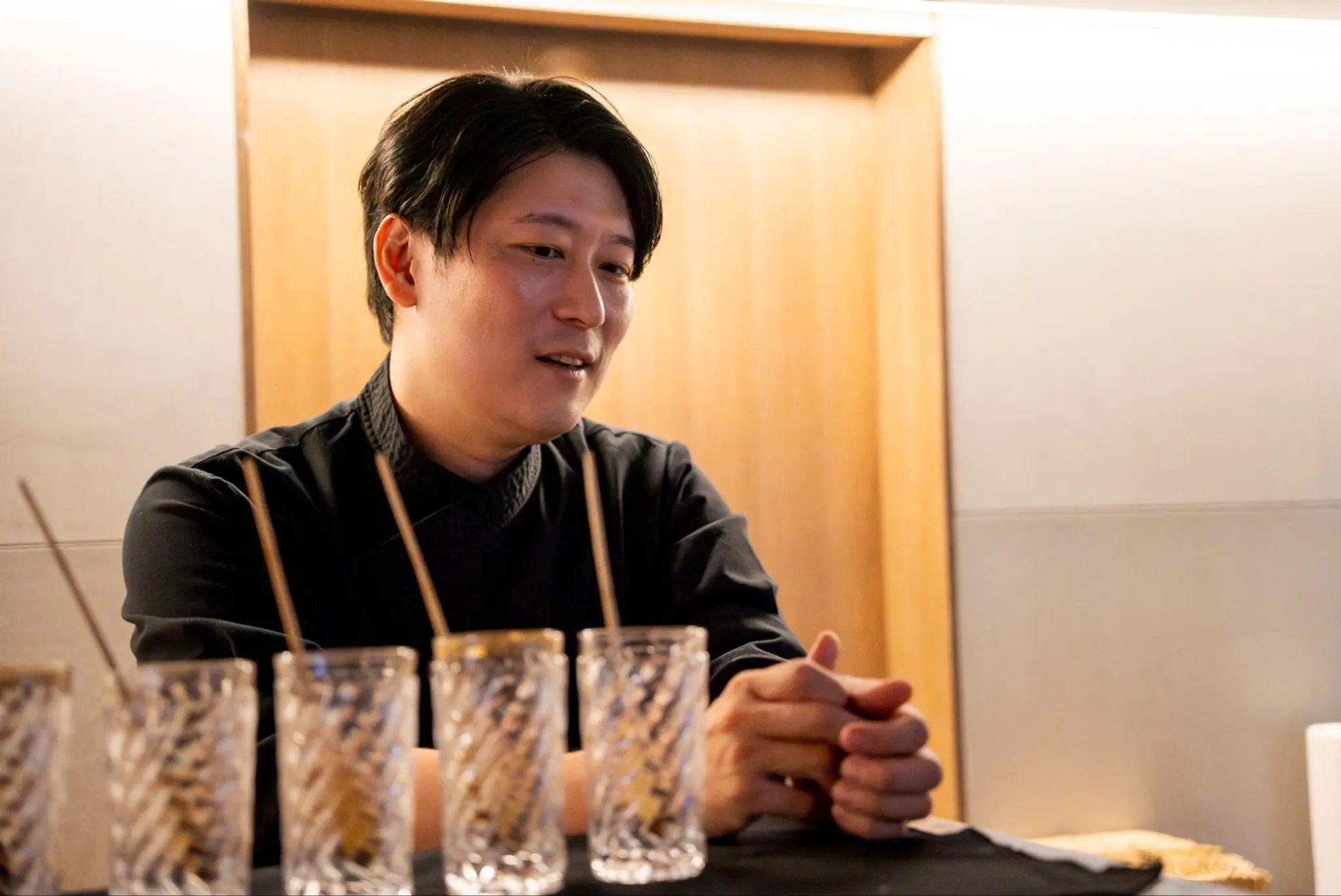
I realized that if I wanted to become independent, I needed to deepen my understanding not just of cooking techniques, but also of the numbers and management aspects of running a business. So initially, I worked at a casual yakitori restaurant in Nagoya that was just beginning to expand into multiple locations. Perhaps not because of my skill but simply due to a staffing shortage, I was put on the grill three months after joining and promoted to manager three months after that (laughs). When I first joined, the restaurant had only two or three locations, but by my third year, it had grown to ten. That was when I decided to leave and started working at one of the very few high-end yakitori restaurants in Nagoya, where I spent about four years. In terms of cooking, I didn’t really learn from anyone; I taught myself almost everything.
It's not just about making good food!
ーーーWas it tough to become the manager after only about six months at your first restaurant?
It was especially tough during the first six months after being appointed manager, as there were no handovers or guidance in place at the time. I had to tackle problems as they arose, continually improving things step by step. I ended up creating all of the manuals and training curricula myself.
In the restaurant industry, particularly in smaller establishments, manuals are often non-existent. If you want smooth operations down the line, you have to lay the groundwork properly from the start. Being in Nagoya, I had previously learned about the Toyota Production System and techniques for calculating operating standards. I think that background helped me handle the challenges more effectively.
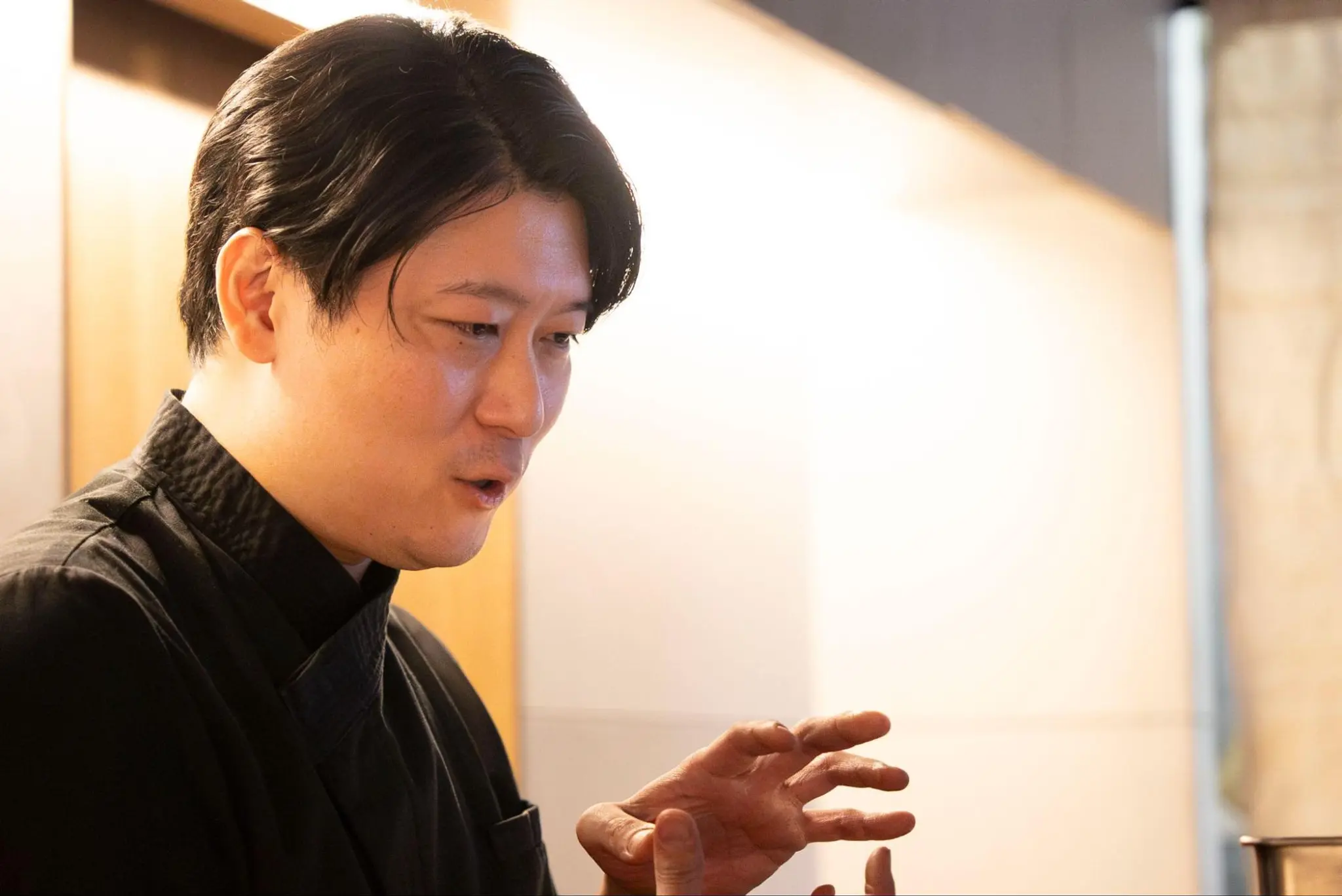
We always make sure to create operational manuals at our restaurant. While grilling involves a lot of intuition—like arranging and lighting the charcoal—there are aspects that can be explained logically. I aim to have these clearly documented so that they can be easily passed on, and I’m determined to avoid the old “watch and learn” approach that relies on vague, unspoken instructions.
In addition, we carefully monitor sales and the FL cost (the total of food and labor costs), assessing whether it directly impacts employee satisfaction (ES). I believe that by improving employee satisfaction, we can also boost customer satisfaction and, ultimately, profits. Generating sufficient profit enables us to pay our staff wages that match their sense of fulfillment, which in turn leads to even better service. It’s not enough to simply make good food. I chose this profession to earn a profit, and I always think backward: What needs to be done to achieve that profit? If I can also find personal satisfaction in the process, that’s a bonus. I make it a priority to do what I believe will benefit our customers, as long as it won’t result in a loss. Without profit, I can’t accomplish what I want to do. By offering food and service that exceeds our customers’ expectations, we generate the profits that enable us to continue creating a positive experience for everyone involved.
ーーーDo you always start by clearly imagining success and then work backward from there?
I do tend to think that way, though my first step is always just to give something a try. What really matters is the speed with which you identify and address any problems that arise. If you can quickly spot issues—like customers not coming in or sales not growing—and make the necessary improvements right away, you won’t fail. In other words, you’ll be able to handle whatever comes your way. If you end up saying, “I don’t know how to fix this,” that’s where it ends. That’s why I’ve learned—drawing on my experience from both my time as a company employee and my work at casual and high-end yakitori restaurants—that the key is to anticipate potential problems and be prepared with solutions.
In addition, before becoming independent, I took steps to raise my profile, such as using social media to connect with influential food enthusiasts and establishing connections that allowed me to promote my business. I figured that if I could do that and also make delicious food, I’d be in good shape.
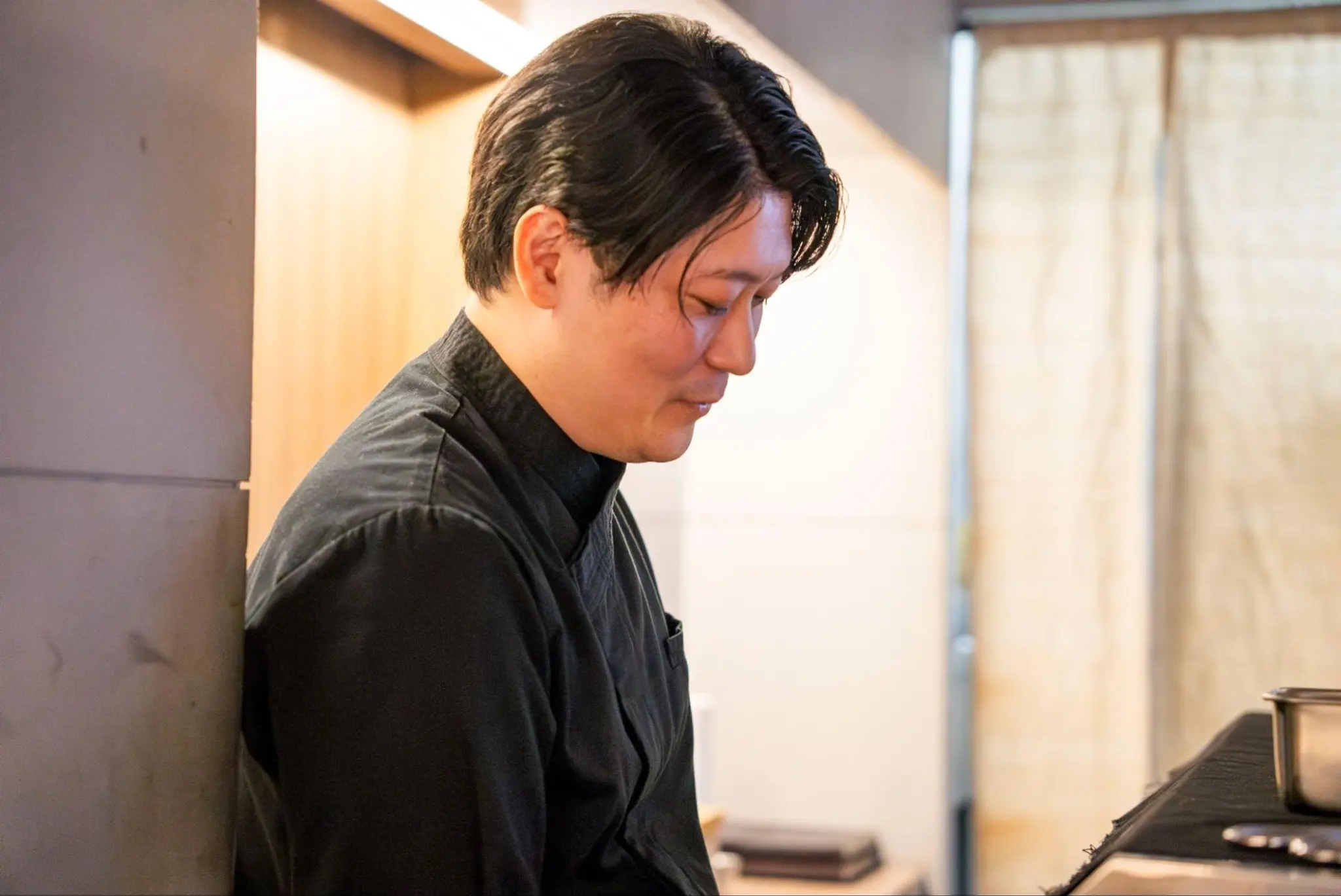
ーーーWhat do you think is essential to survive and keep going in this industry?
I believe it’s a chef’s sense of creativity. While defining “sense” can be difficult, I think it comes down to “a wealth of knowledge and experience.” It’s about the kinds of foods you’ve tried and the dishes you’ve created. Of course, simply accumulating knowledge isn’t enough—different people will make different judgments about what’s good and what’s not. To me, having a sense means being able to choose the correct answer when it counts. For example, achieving the right balance of saltiness is crucial when cooking. Knowing how to use salt to bring out the umami of the ingredients while also ensuring the dish is perfectly seasoned demonstrates that sense. It also shows in how you pair ingredients and the techniques you choose. I’ve been impressed and inspired by a variety of restaurants, regardless of genre. However, I have a particular fondness for Japanese cuisine, so I’ve made it a point to study one-dish recipes in depth.
ーーーIt sounds like you spend a lot of time on personal growth and culinary research!
Yes, there’s only so much I can achieve on my own. It’s more efficient to observe, experience, and taste dishes that have been passed down through generations or crafted by other chefs, rather than spending all that time working alone. I always make time for that. However, no matter how amazing a dish I come across, I ensure I never simply mimic it. I consider how far I can push it as a chicken dish at our restaurant, and I never serve anything to our guests until I’m sure it surpasses what I’ve experienced myself. I never settle for “this should be good enough”; I only move forward with something once I can confidently say, “this is it!”
For both my own growth and the growth of our young staff and the restaurant as a whole
ーーーWhat are your future plans or goals?
There are young team members here who chose to work at our restaurant with the dream of one day running their own yakitori shop. Since going independent on their own is often quite challenging, I’d like to help by expanding our number of locations. My goal is to nurture their growth so they can carry on the techniques, theories, and even add their personal touches as they build their own restaurants.
While my primary focus is always to reach greater heights personally, I also aim to contribute to society by helping others grow, both as individuals and within the company.
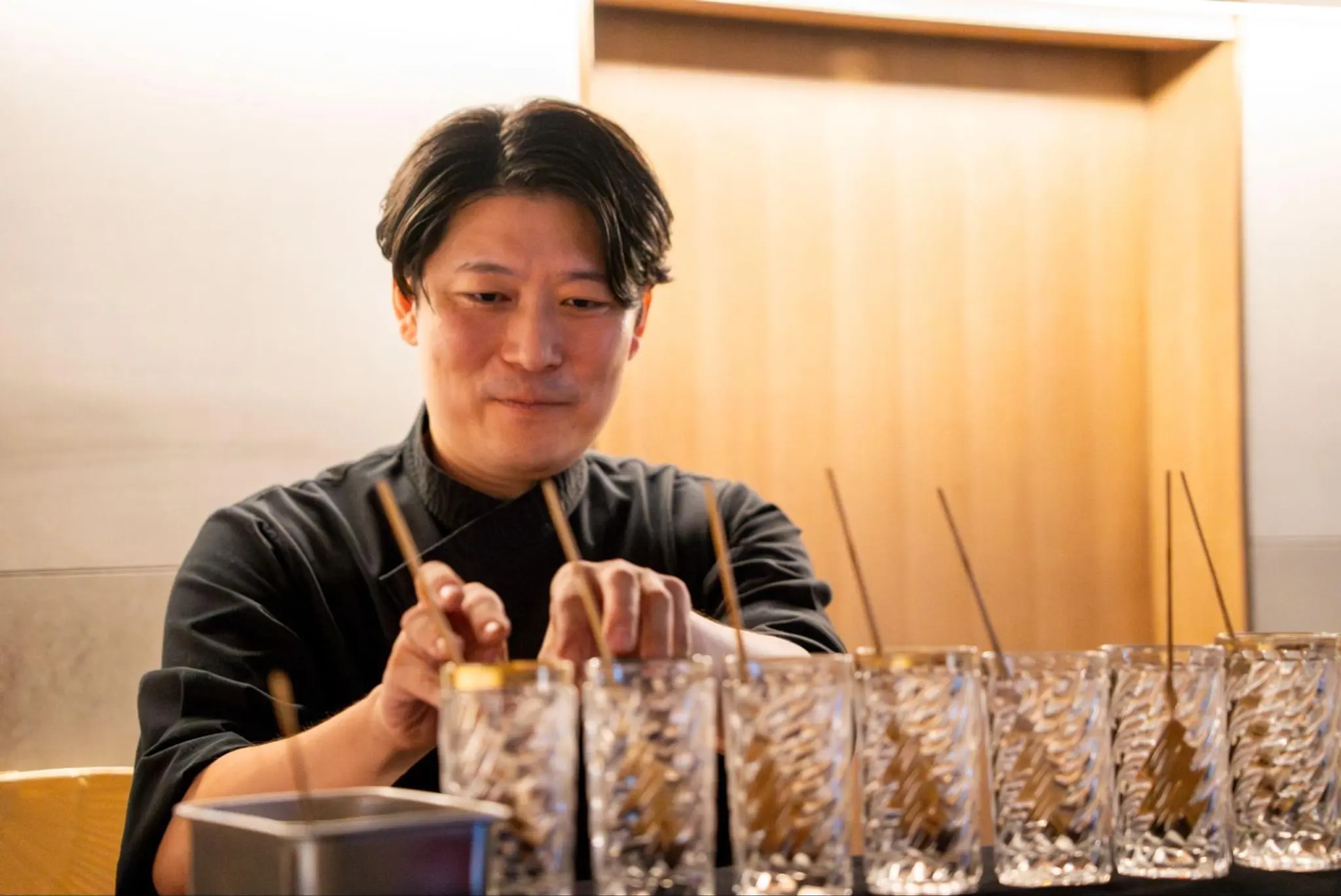
That said, since I’m still in my 30s, my top priority is to continue leading on the front lines and bringing the restaurant to a level where it’s widely recognized and well-regarded. I want to keep putting out food that’s consistently acknowledged as delicious here. Right now, I’m enjoying what I’m doing, and I think that’s just fine.
ーーーFinally, what does “delicious” mean to you?
What one considers “delicious” varies from person to person, and especially in yakitori, the choice of chicken and cooking method can be completely different from one shop to the next. I believe the “delicious” that a restaurant proposes as its own ideal is the correct answer for that establishment. A chef from another restaurant once told me, “Customers will have all kinds of opinions, but a truly top-tier place is one that can definitively state, ‘This is what we stand for.’” I couldn’t agree more.
I want to create skewers and dishes that stir the imagination and defy expectations. There are customers who appreciate my approach, and I think it’s enough to focus my efforts on those people. Rather than being swayed by every bit of feedback, I believe it’s important to trust in the process and experiences that have brought me here.
To continually pursue the most delicious results, I ask myself every day what the optimal approach is, ensuring I never do the same thing as I did a week, a month, or three months ago. I also make a point of maintaining thorough communication with our producers. For example, I might tell them I want to create certain types of dishes or skewers and ask if they can raise the chickens in a specific way, or discuss maintaining the high quality of their already excellent poultry. I think it’s essential to work with producers to further enhance the quality of the ingredients. By constantly reflecting and taking action, I’ve developed a habit of following the PDCA cycle—Plan, Do, Check, Act. If there’s an issue, I adjust the course, and through this process, I believe we can discover the “correct” answer for what is truly delicious. Moving forward, I’ll continue working closely with my team to provide our guests with exceptional dishes and service, striving to earn their appreciation.
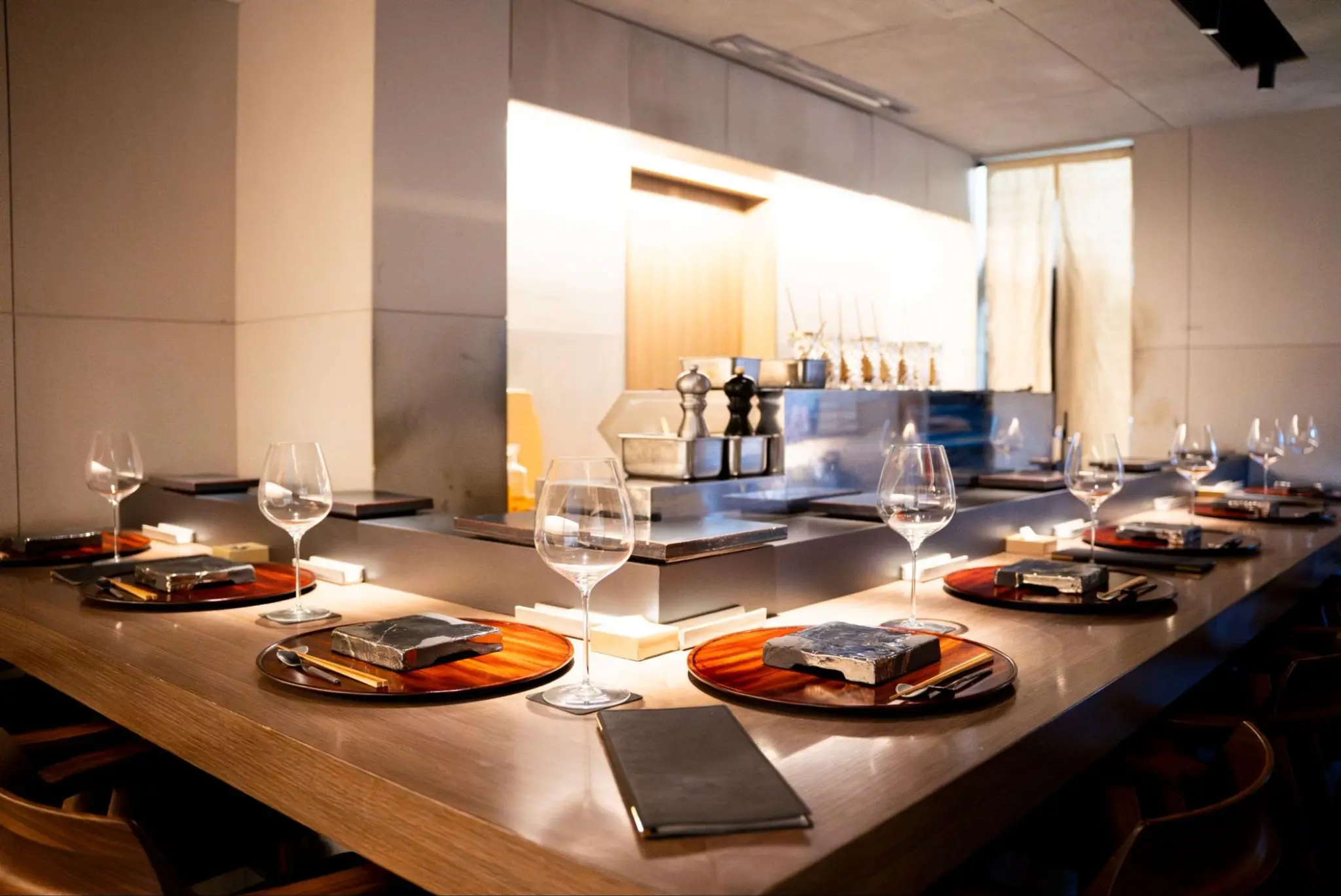
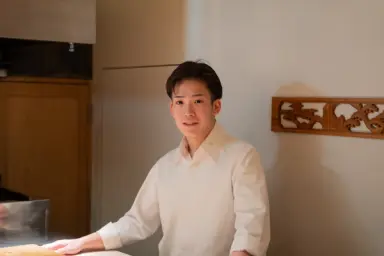
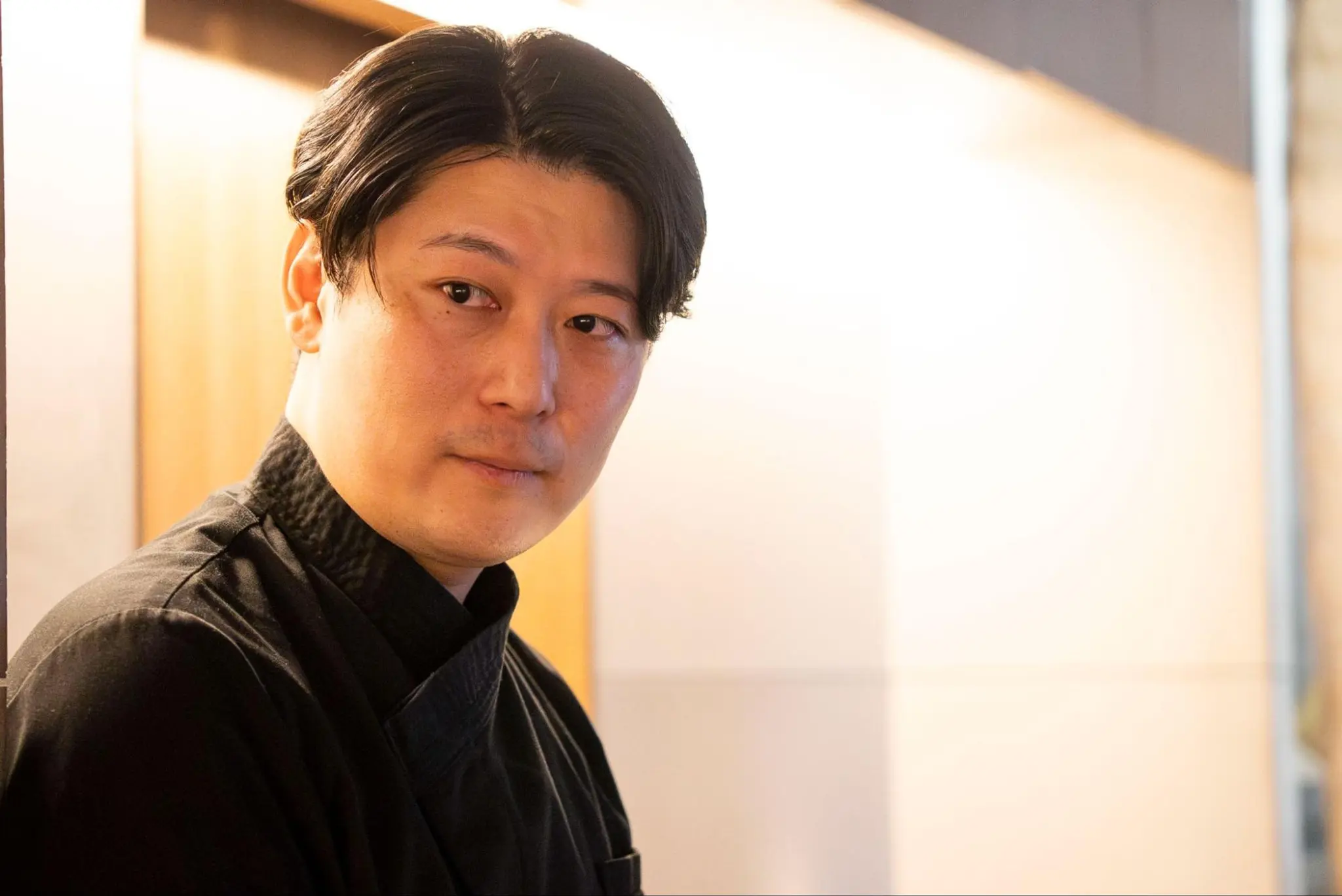
Having worked in sales and administrative roles until the age of 27, Matsuyama set clear, specific goals for himself at each stage of his career transition. Now entrusted with running a restaurant as a chef, he continues to approach both cooking and restaurant management with a focus on the PDCA cycle. His dedication to maximizing the “deliciousness” his guests experience comes from consistent trial and thoughtful reflection. The logic behind his yakitori stems from his honest application of planning (Plan), execution (Do), evaluation (Check), and improvement (Action). It is this steady approach that defines Matsuyama’s unshakable progress. Constantly evolving, Matsuyama’s yakitori is poised to reach even greater heights of refinement.
Interview by / Yuri Yanagiya
Written by / AutoReserve Magazine Editorial Team
Photography by / Azusa Nakaoka
Restaurant Information
- AutoReserve Magazine
- Restaurants recommended by top chefs
- Focusing on "aroma," 【Sumiyaki Tori 8】offers customers surprises and a new style of yakitori through its rich creativity.