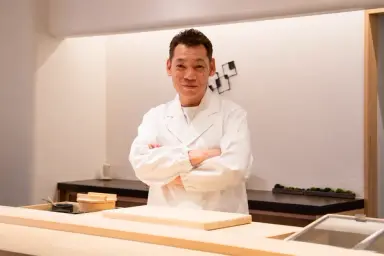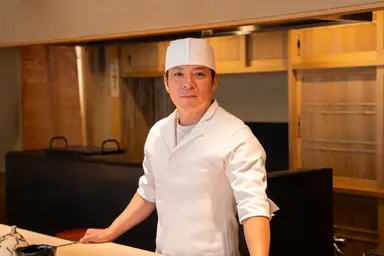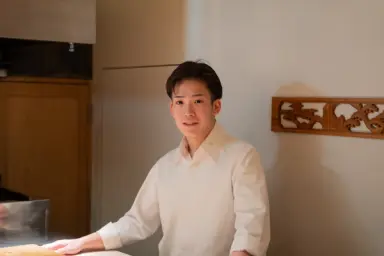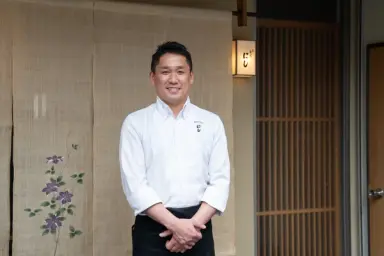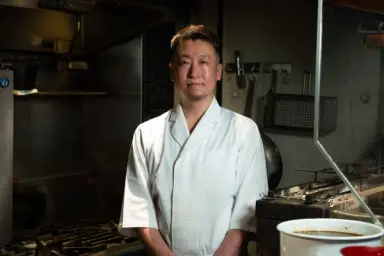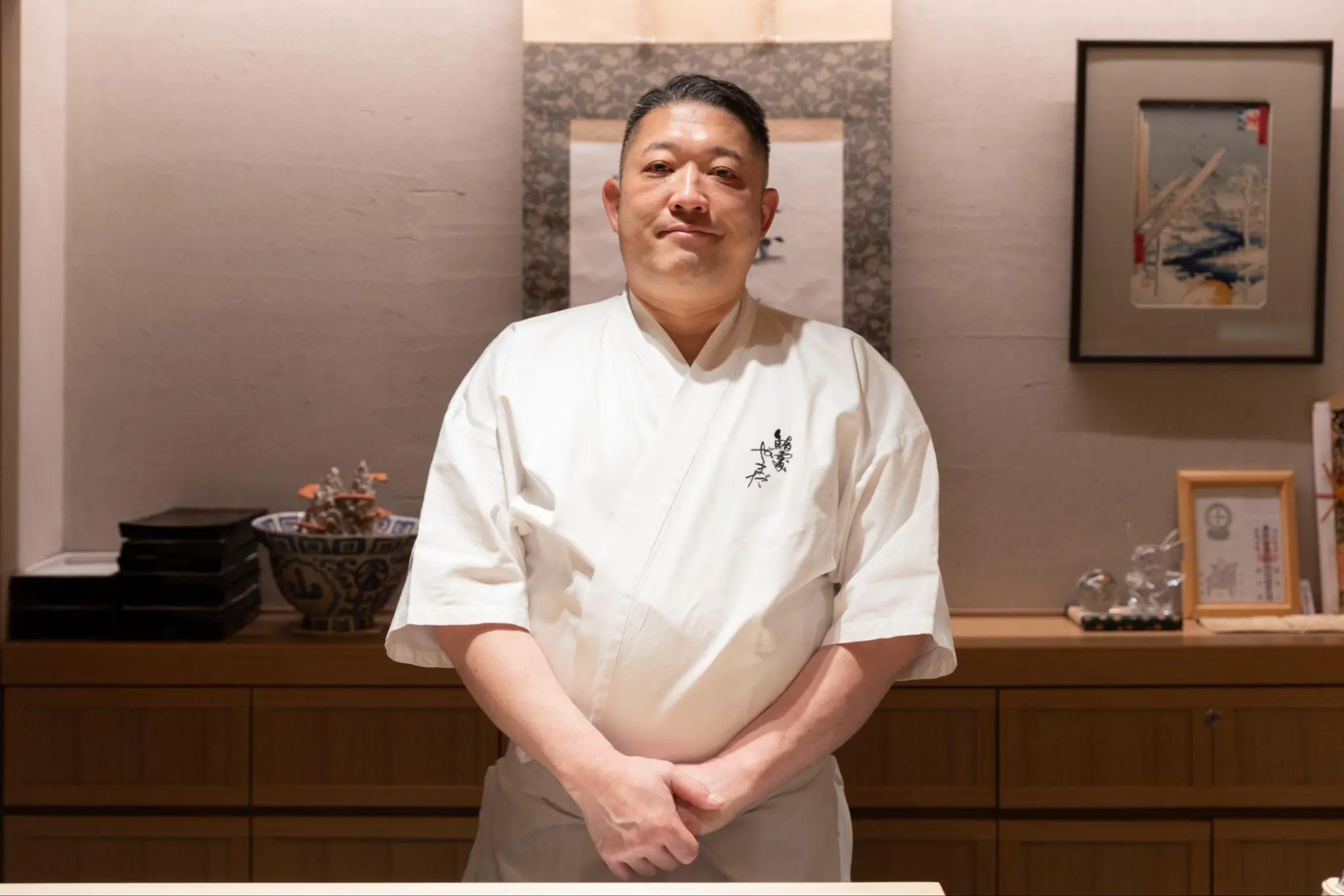
The Heart of Hospitality at 【Sushidokoro Yamada】: The Pursuit of Flavor and Mastery by Chef Yusuke Yamada
Born in a Fishing Town, with a Passion for Great Food
ーーーDid you aspire to become a chef from a young age?
After graduating from high school, I worked as a carpenter in my hometown in Aomori Prefecture, a profession completely unrelated to the food industry. My father was a fisherman, as was my paternal grandfather, while my maternal grandfather ran a fish shop—our family was entirely immersed in the seafood trade. However, I suffered from severe seasickness, making a career as a fisherman impossible for me. Instead, I began working under my uncle, who was a carpenter.
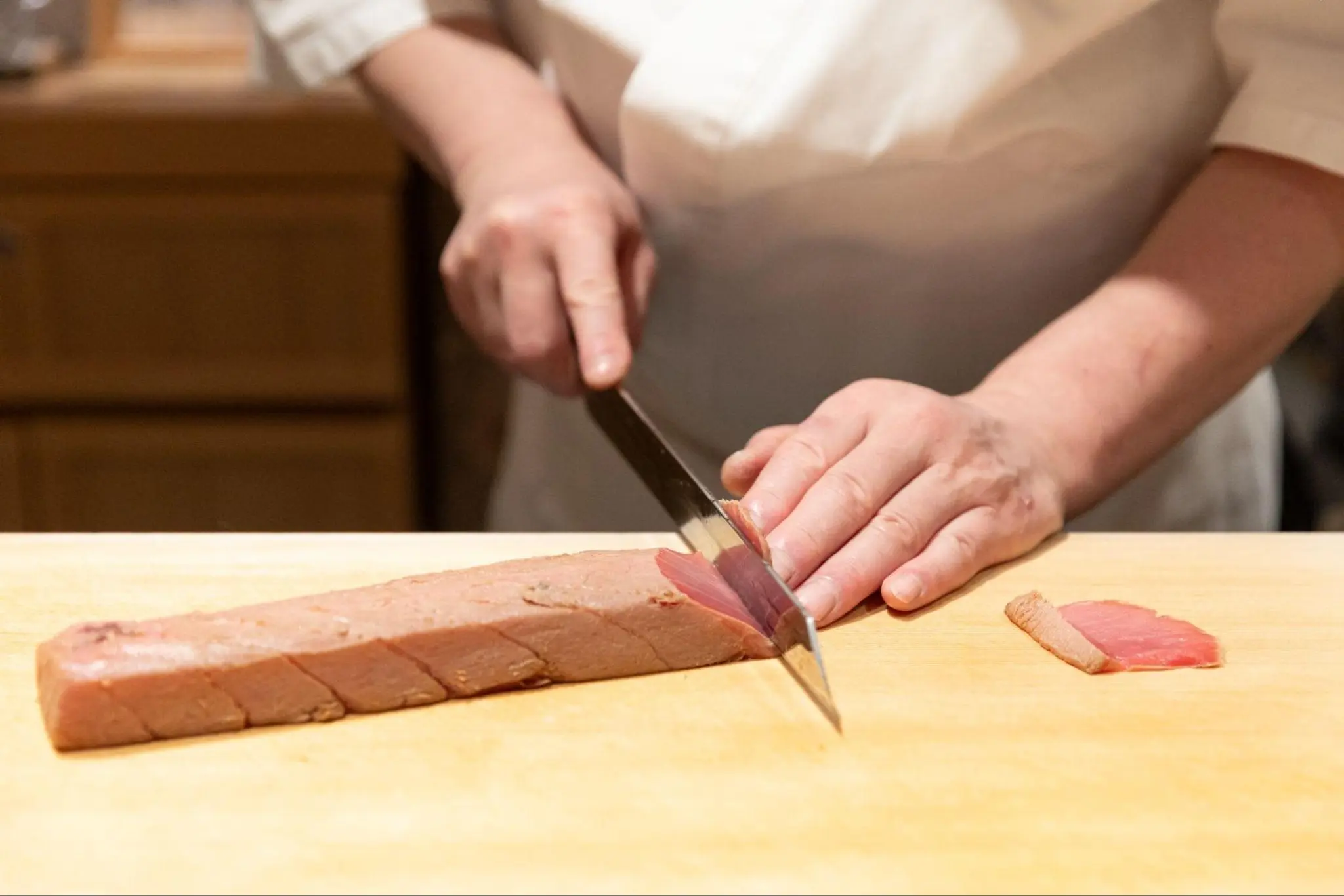
Growing up in a fishing town, even during my carpentry days, I would often handle the freshest seafood myself, sometimes even making sushi on my own. I have always loved eating, and on my days off, food tours became my routine. One of the places that inspired my love for sushi was 【Sushidokoro Yonekichi】 in Aomori. Despite using high-quality sushi ingredients, the prices and atmosphere were unpretentious. Through its master, I felt the essence of Edomae sushi, which left a lasting impression on me.
A Passion for Sushi That Overflowed Before Turning 30
ーーーCan you share the story of how you entered the culinary world?
I grew up in a modest household, so I never questioned my path when I became a carpenter. I simply focused on the work in front of me. At the time, I never imagined leaving Aomori. However, everything changed when I turned 29. After working tirelessly as a carpenter for ten years, I had finally reached a stable point in life. That’s when I started thinking, "I want to take one bold leap and pursue something I truly love."Once I had made up my mind, the decision came quickly—“If I’m going to do it, it has to be in the food industry! And within that, sushi is what I love the most. That’s where I’ll stake my future.” After deciding on my path, I wasted no time. I found a job listing for a sushi restaurant in Ginza and immediately took the opportunity to start my journey.
ーーーWhy did you choose a restaurant in Ginza?
By the time I turned 29, I had some concerns—“Is this really a world where I can succeed after jumping in so late?” But I chose Ginza as my training ground because it represents the pinnacle of Japan’s culinary culture. I told myself, “If I can’t make it here, I’ll accept that and move on.”
With 30 approaching, I knew there was no point in half-heartedly testing the waters. I decided to fully commit, throwing myself into relentless work and sharpening my skills in an unforgiving environment. With no option of turning back, I moved to Tokyo, determined to survive and thrive in this demanding world.
An Intense Apprenticeship: Taking on Work to Master the Craft
ーーーSo, your journey as a sushi chef had finally begun! Was the culinary world as tough as expected?
I worked tirelessly from morning until night. As an apprentice, I wasn’t allowed to touch the fish at all. Even when I was given prep work, it was limited to tasks like grating daikon. The head chef’s teaching style was entirely "watch and learn", and he never directly instructed me. However, I had no complaints because I understood that this was the norm in the world of craftsmanship.Learning should never be passive—it requires an active approach. Reflecting on my carpentry apprenticeship, I knew that simply being taught by my seniors wasn’t enough to truly acquire skills. The "watch and learn" method wasn’t neglect on my mentor’s part; rather, it was a highly rational and effective way of training. I understood and accepted this philosophy completely, and I was actually grateful for the rigorous, no-nonsense approach of my master.
There are those who work simply to complete their tasks on time and collect a paycheck, but for me, the restaurant was purely a place of training. My goal was to complete my apprenticeship as quickly as possible and open my own restaurant, so I couldn’t afford to waste even a single second.I would even take over the work of my seniors (though most of them were younger than me), telling them, “I’ll do it, you can take a break.” I was so driven that I relentlessly took on as much work as possible, even to the point of taking tasks from others. But despite the intense workload, I never once felt that it was tough. My hunger to learn and improve kept me going every single day.
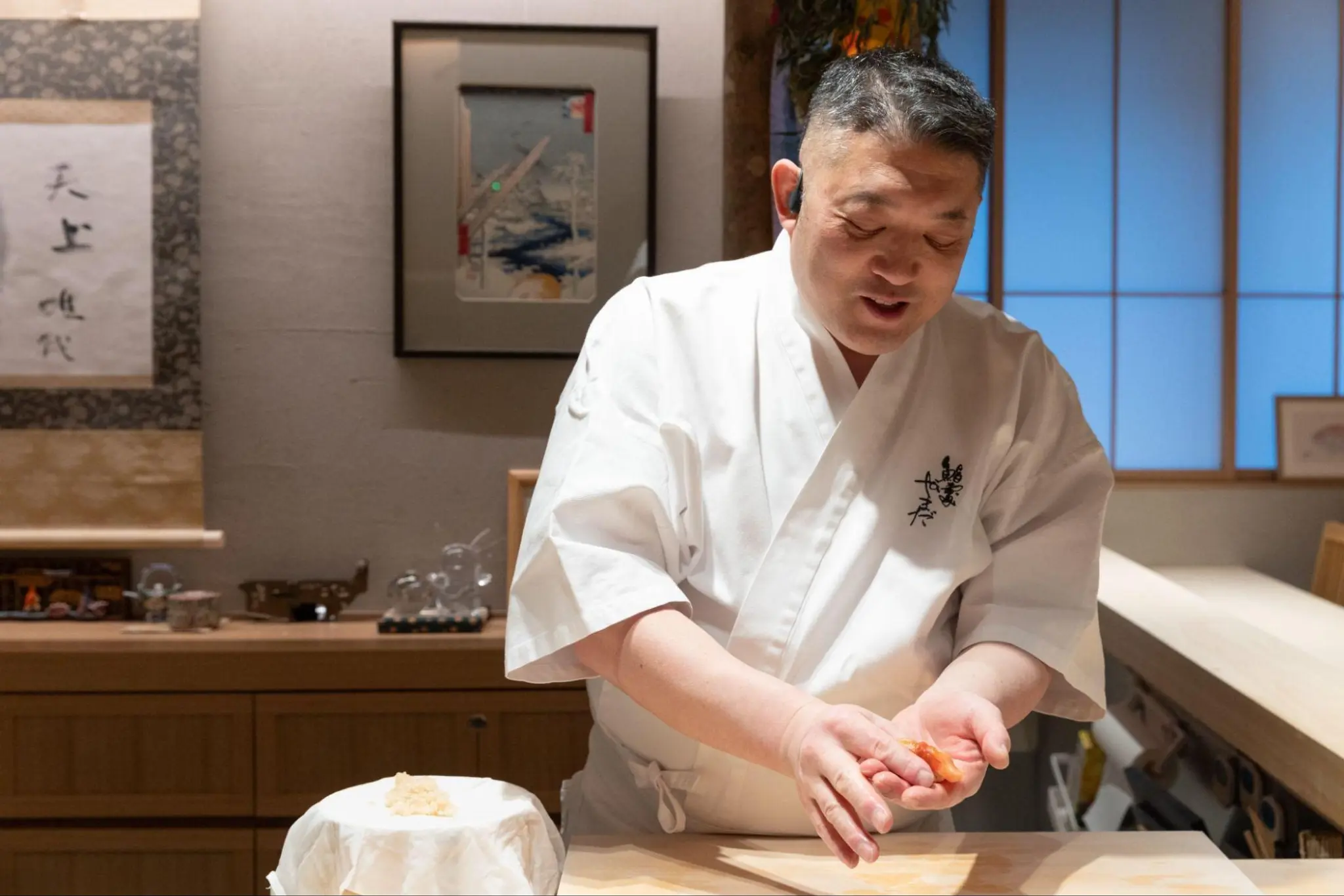
ーーーWhat was the most challenging part of your apprenticeship, Mr. Yamada?
For a sushi restaurant, making sushi is actually quite simple. What is most difficult is customer service. I wasn’t very good at it and it took me some time to get accustomed (laughs). It might be the reverse of other segments of the food industry, but in a sushi restaurant, before you even learn to make sushi (the food), you must first learn the most challenging aspect—customer service. Those working in the dining area must be highly perceptive, sensing before the customer even asks that “they want tea” or “their drink is running low,” and must act accordingly. Creating a comfortable atmosphere for the customer is the hallmark of an exceptional dining attendant, and this is equally true in establishments like ours where there is direct interaction across the counter. Every day, as I craft each piece of sushi, I remain constantly mindful of how to ensure our guests have a truly comfortable and enjoyable experience.
An Unexpected Opportunity for Independence Without Ever Standing at the Sushi Counter
ーーーHow long does it typically take to be considered a fully trained sushi chef?
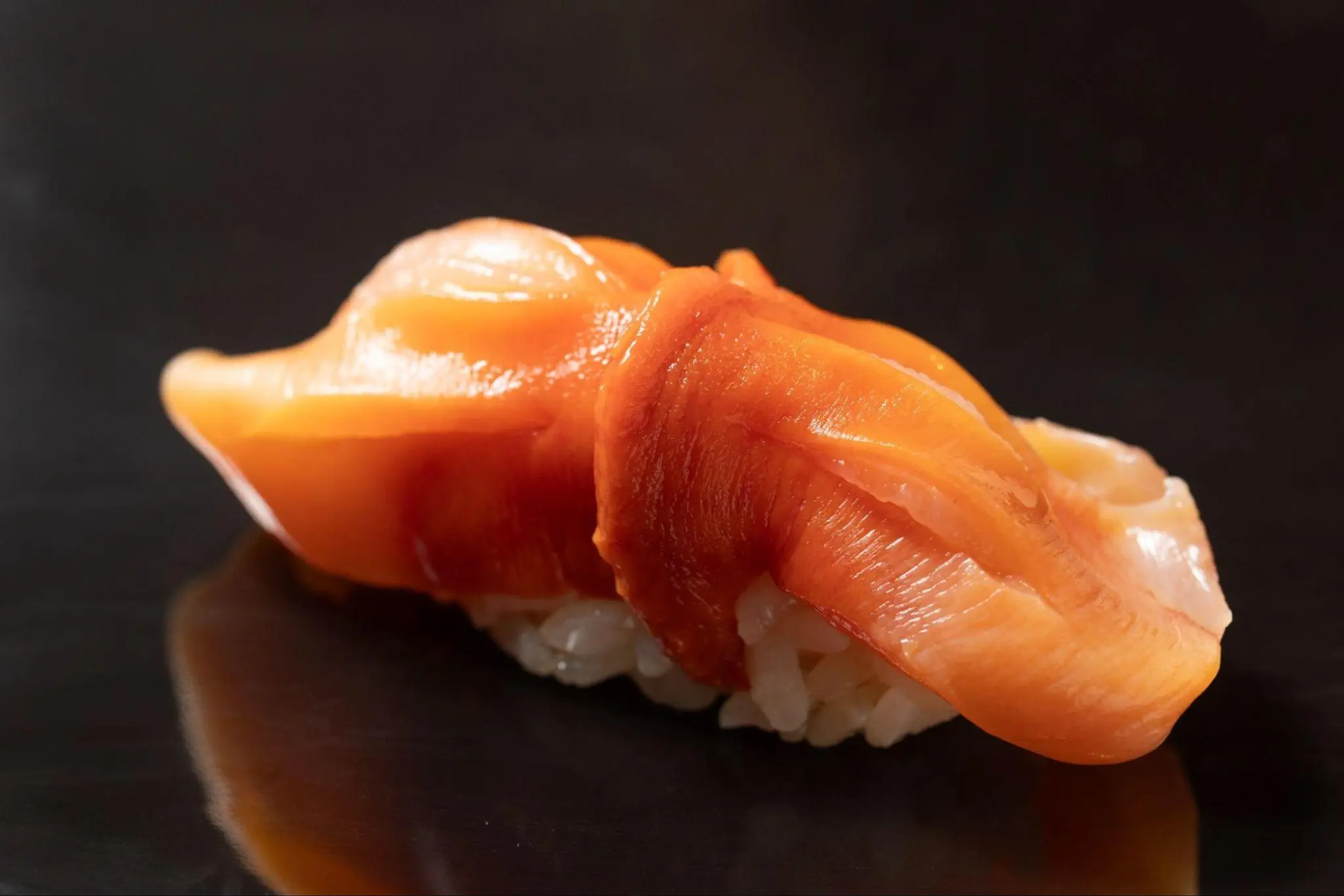
It varies depending on the restaurant, but generally, it is said to take around ten years. However, I became independent in my seventh year—though it wasn’t entirely by choice. My father back home passed away, and I seriously considered giving up my sushi training and returning to Aomori. Just then, someone who had enjoyed my sushi approached me and said, "If you're going to open a restaurant, I'll support you!"
In truth, starting from my second year of training, I had been hosting study sessions where I would serve sushi to acquaintances. The person who offered me this opportunity was one of the attendees of those gatherings. Every two months, I was allowed to use a restaurant space for these sessions, and I remain deeply grateful to my master for tolerating such an audacious act from an apprentice.
Over the course of six years, as I pursued my own style of sushi through these study sessions, I gained confidence in my palate—“The flavors I love are also loved by my customers.” These gatherings not only allowed me to refine my sushi-making skills but also provided invaluable experience in customer service. By the time I was ready to open my own restaurant, I felt no hesitation or uncertainty. Thus, despite being a mere apprentice who had never been officially allowed to stand at the sushi counter, I found myself stepping into independence without ever having the chance to serve sushi in a professional setting.
The Importance of Flow and Balance Between Courses
ーーーHow was it after you opened your own restaurant?
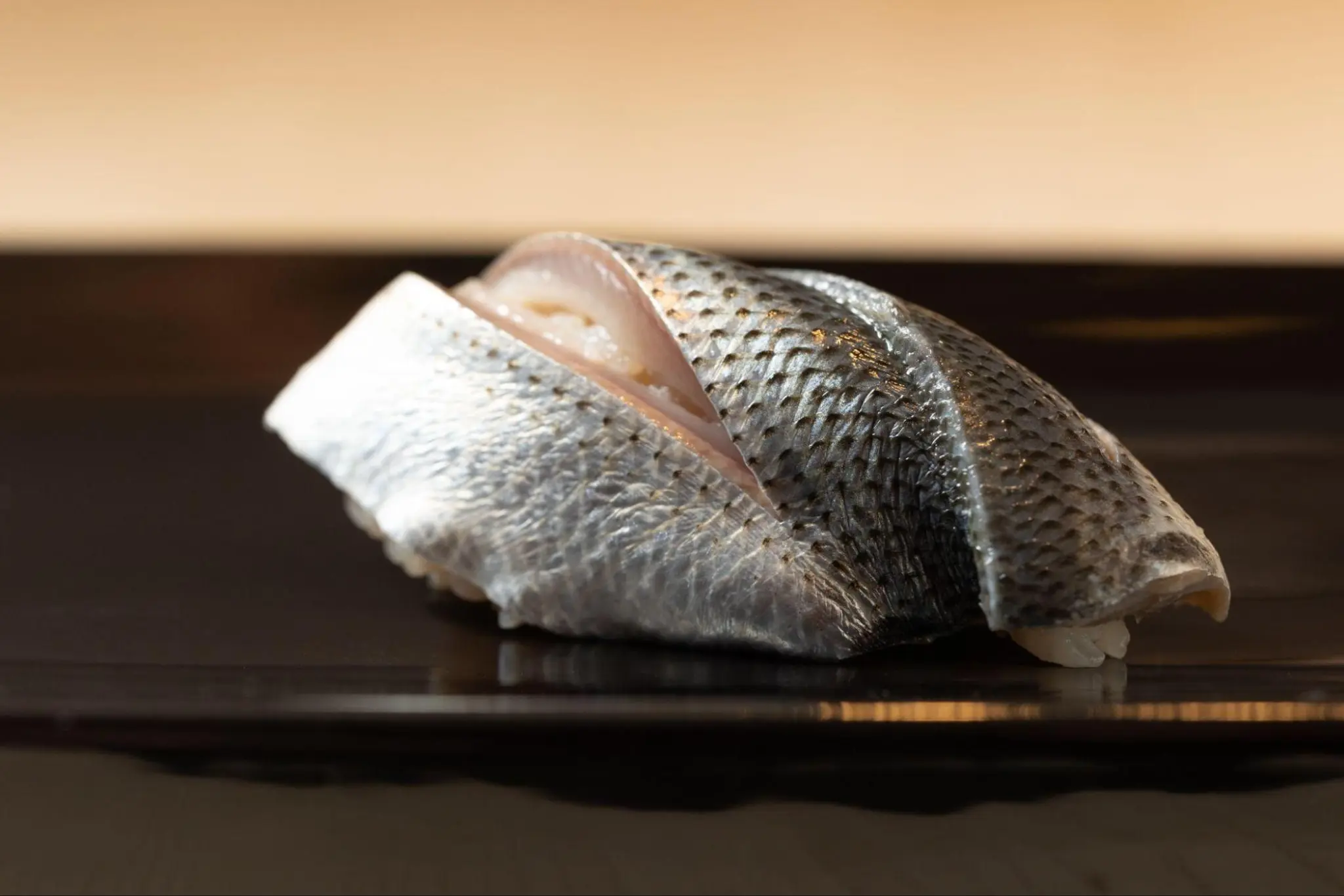
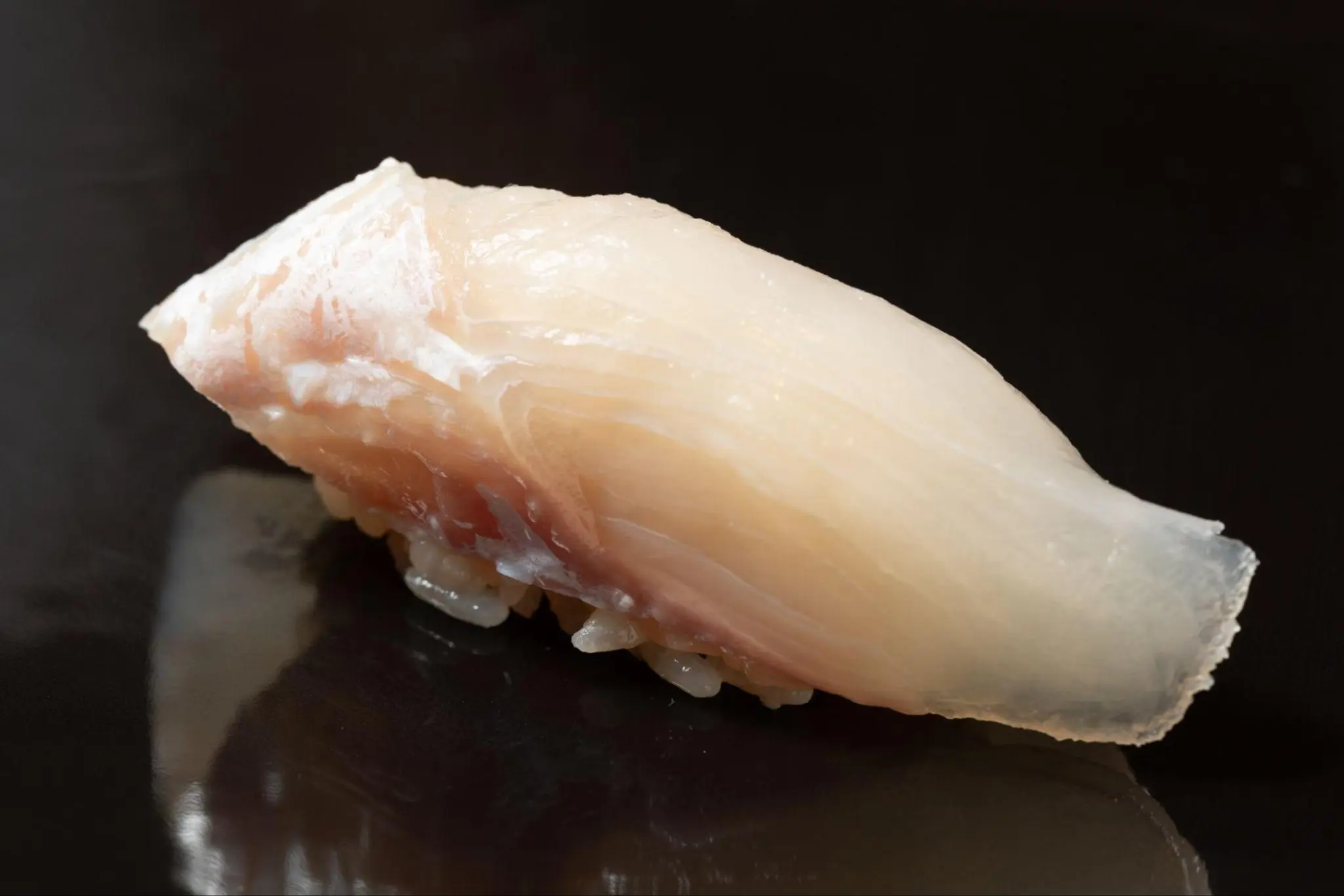
The first three years of making our restaurant widely known to customers were truly tough. However, thanks to being featured in magazines and on television, things gradually started to take off around the fourth year. What caught the media’s attention at that time was our "aged sushi," which emerged from my research on the aging process of fish. Nowadays, this technique has been systematized as a cooking method, but back then, aging fish was not very common. Many customers started favoring our restaurant, saying, "If it's aged sushi, it has to be 【Sushidokoro Yamada】."
Even as more customers started coming, I still felt that something was missing. That’s when I decided to completely rethink my menu. Since sushi is meant to be enjoyed one bite at a time, the order in which it is served can greatly impact the experience. For example, structuring the sequence in a way that enhances the seasonal flavors can maximize the umami of each fish. To ensure that my omakase course is experienced as a complete and refined “culinary journey,” I constantly contemplate how to create the perfect balance of flavors and textures. I think every day about how to craft a dining experience that will fully captivate and delight my guests.
ーーーWhat defines 【Sushidokoro Yamada】, and what do you prioritize in running your restaurant?
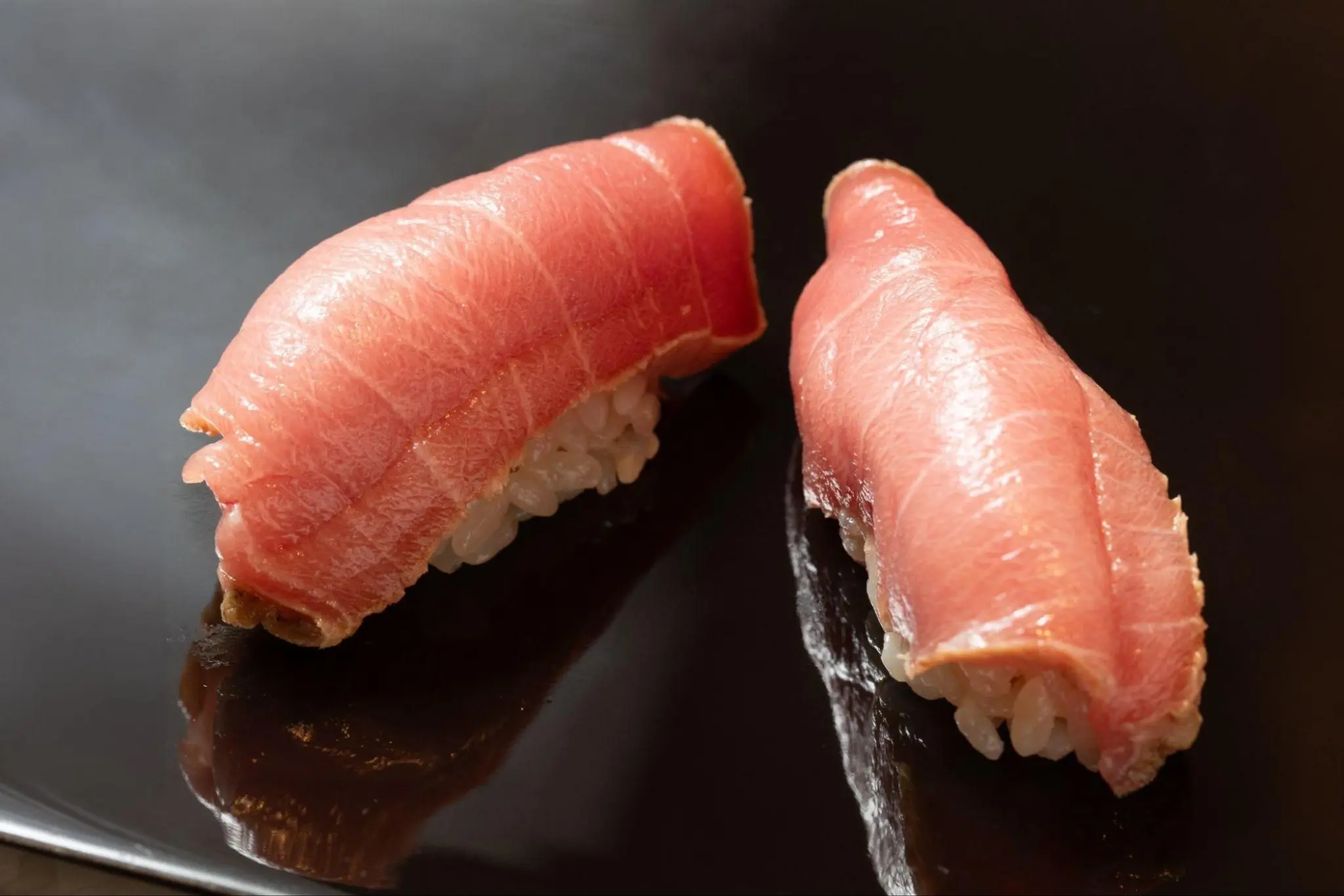
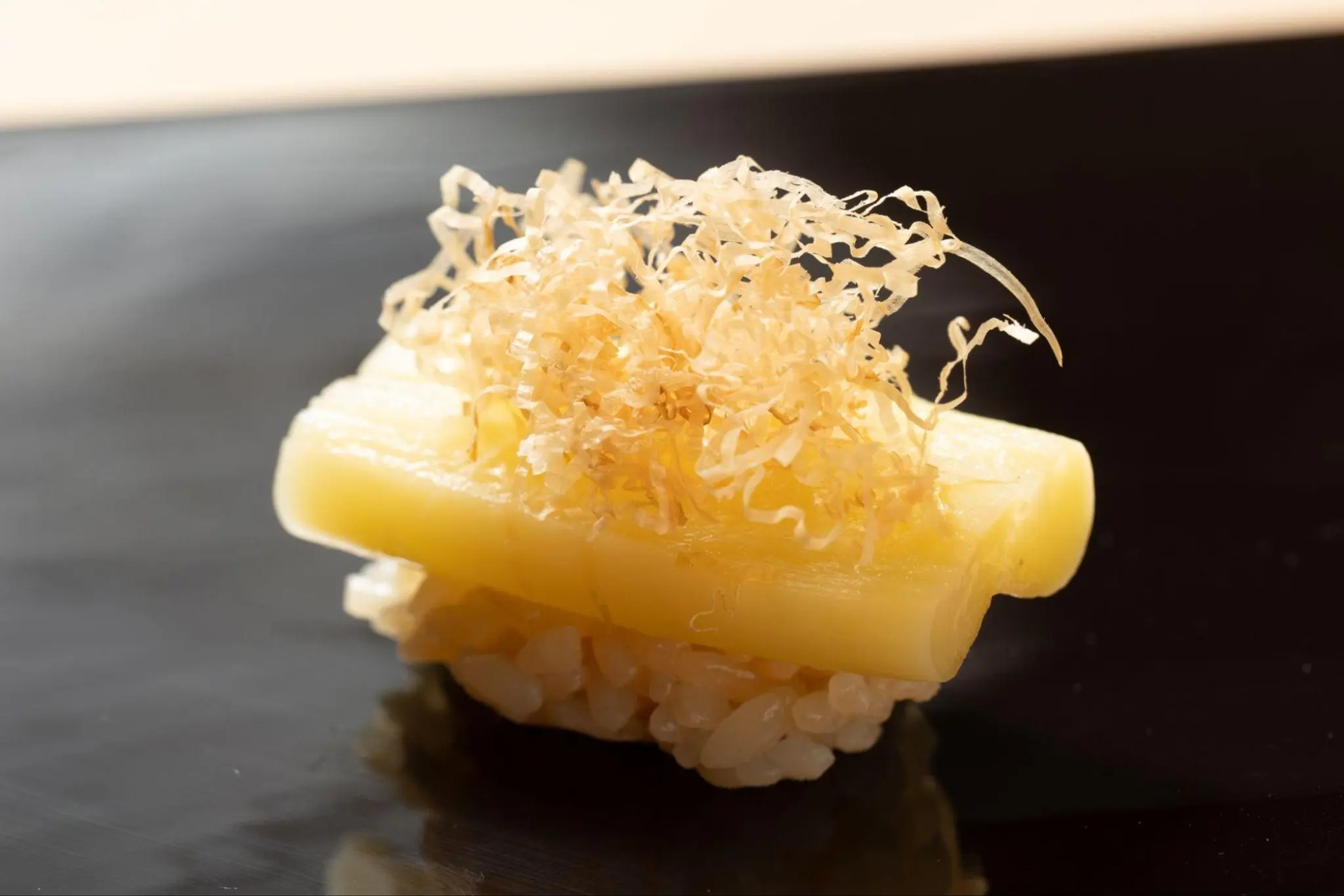
All of our seafood is sourced from Toyosu Market. Our 15-piece omakase course follows a nearly fixed sequence in the first half, while the latter half varies depending on the day’s selection.
Of course, we emphasize seasonality and always choose the finest ingredients. However, as the saying goes, “Too much of a good thing can be just as bad as too little.” Even the most delicious flavors, when excessive, can lead to palate fatigue. Finding the right balance between intensity and subtlety, both in taste and service, is incredibly difficult. My ideal is to achieve just the right amount—in both food and hospitality—so that customers leave with a sense of satisfaction and a desire to return. Creating an atmosphere where guests naturally think, “I want to come back,” is what I constantly strive for in running my restaurant.
ーーーFinally, what does "delicious" mean to you, Chef Yamada?
For a chef, making something delicious is simply a given. Delicious is merely the baseline—true professionals must compete beyond that. In a sushi restaurant, I believe there’s no need to explicitly state "the fish is fresh and delicious," because that should be the absolute standard. Even now, I make time to travel across Japan, tasting the best food the country has to offer. But speaking from the perspective of a customer, what truly captivates me about a restaurant is not just the flavor of the food, but the overall sense of comfort and the spirit of hospitality that permeates the space. The taste of the food comes after that. A restaurant is a special place where we share a limited yet meaningful time with our guests. I wholeheartedly believe that the most important duty of a chef is to welcome customers who have taken the time to visit, ensuring they feel completely at ease and genuinely taken care of. That, to me, is what truly matters.
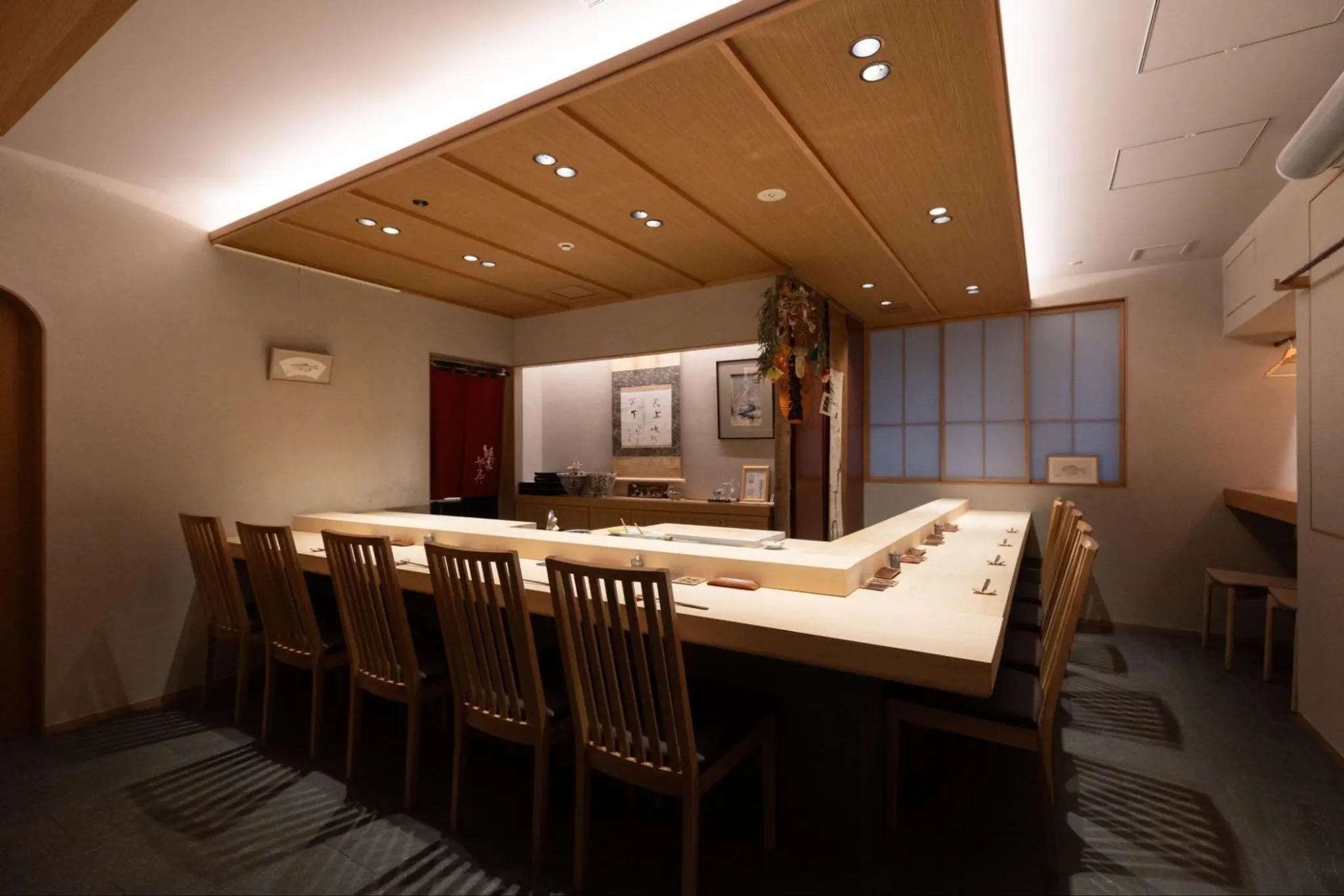
Rather than speaking as the owner of a prestigious Ginza sushi restaurant, Chef Yamada spoke entirely from the perspective of a passionate food lover and a devoted customer. Even as he skillfully crafts each piece of sushi, his mind seems to constantly shift between both sides of the counter—always attuned to the guest's experience. Of course, for those who visit, there is nothing more to do than surrender to the hospitality of the restaurant. From the very first bite to the final piece, they can indulge in the highest quality sushi as if they were savoring a beautifully woven story. Before they even realize it, both their hearts and stomachs will be completely at ease. Just don’t forget to make your next reservation before you leave.
Interview & Writing / Reiko Nakashima
Photography / Atsushi Sanada
Restaurant Information
- AutoReserve Magazine
- The Heart of Hospitality at 【Sushidokoro Yamada】: The Pursuit of Flavor and Mastery by Chef Yusuke Yamada