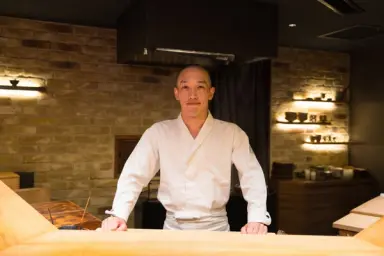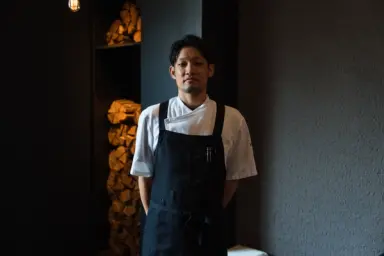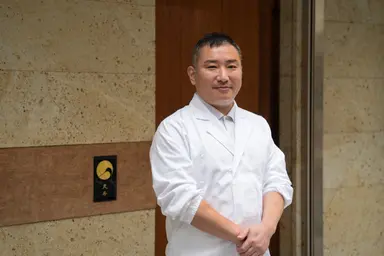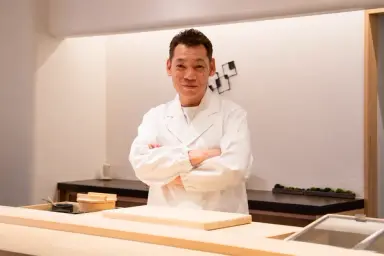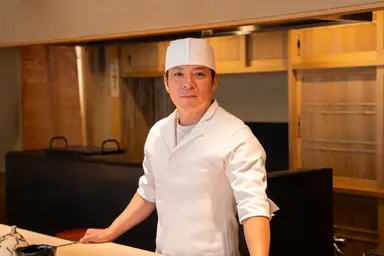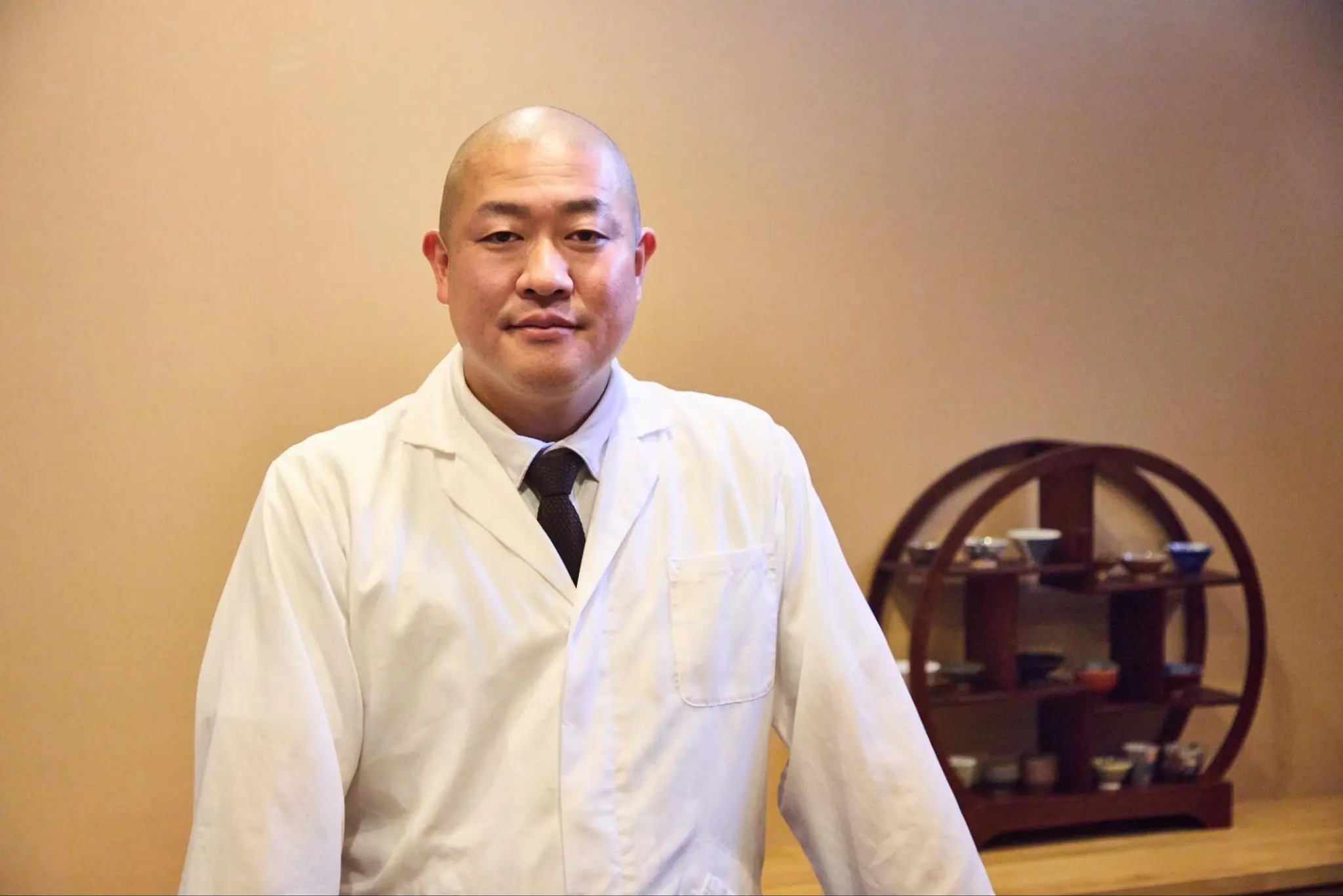
The Aspiration of Chef Kazumasa Ikoma: Connecting Tohoku, Akita, and the World through 【Sushikoma】
From Akita to Sendai, and then to Ginza—Climbing the Stairs of Aspiration During His Training Years
ーーーWhat led you to become a sushi chef?
Until I entered high school, I wasn’t particularly interested in the world of cooking. However, since my family ran a sushi restaurant, I think it was significant that I grew up watching my parents' backs. I studied at a culinary school in Sendai, and after graduating, I began working at 【Sushida】 in Sendai. However, I was drawn to the many renowned sushi restaurants in Ginza, and after about three years, I moved to 【Kenzan Ginza Nanachome】 in Tokyo. During my training at my first restaurant, I became deeply fascinated by the depth of the world of sushi, and my desire to challenge myself in Ginza grew stronger.
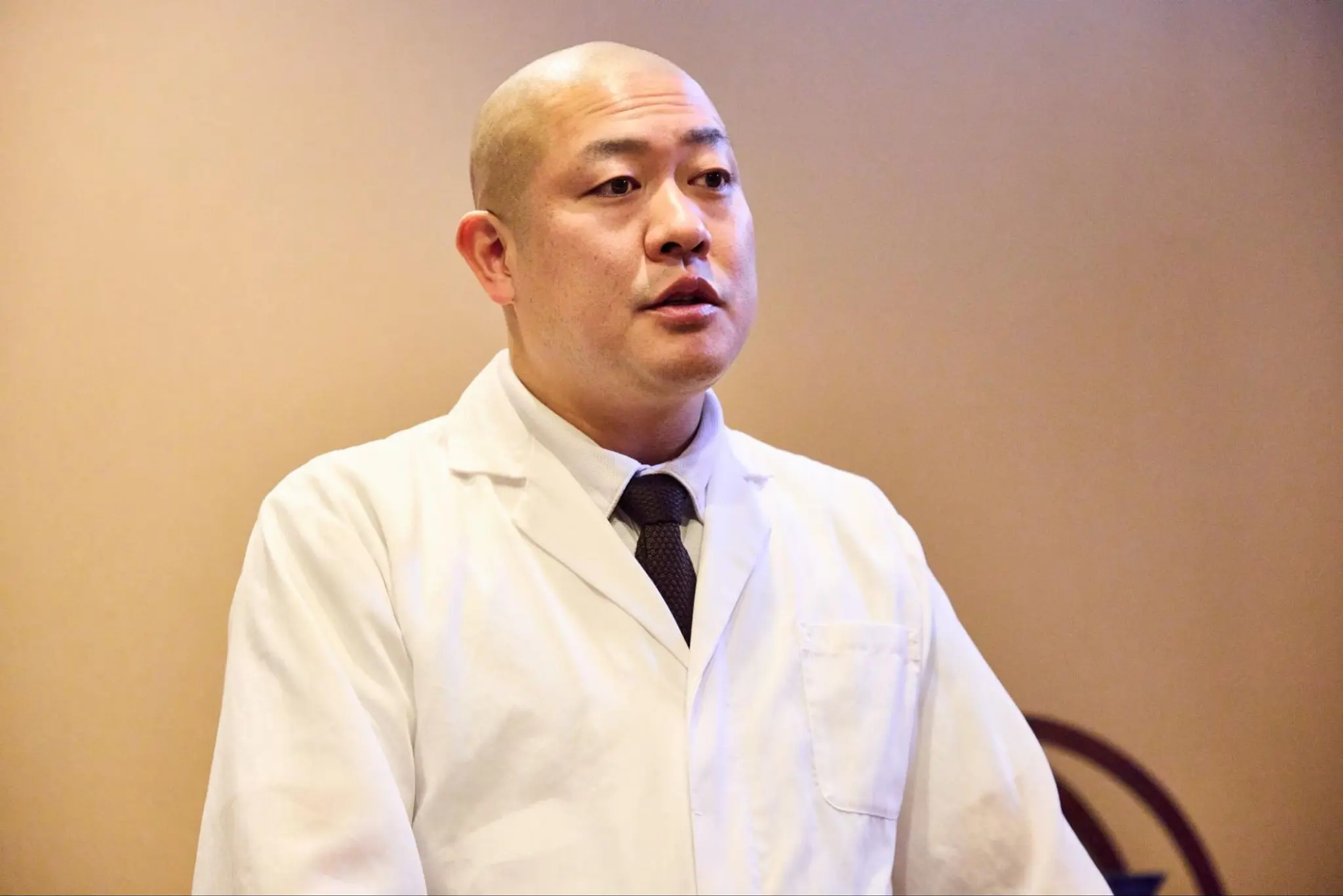
I will never forget the first time I was allowed to make sushi in Ginza. Since a newcomer who was unfamiliar to everyone suddenly appeared, all the regular customers were very curious (laughs), and they leaned forward from the counter, staring intently at my hands. Although I had gained experience in making sushi in Sendai, I became so nervous that my mind went completely blank. Then, I heard someone teasingly say, "Is this person okay? His hands are shaking..." Well, my hands were actually shaking (laughs). I think it was because my longing for the glamorous stage of Ginza was so strong.
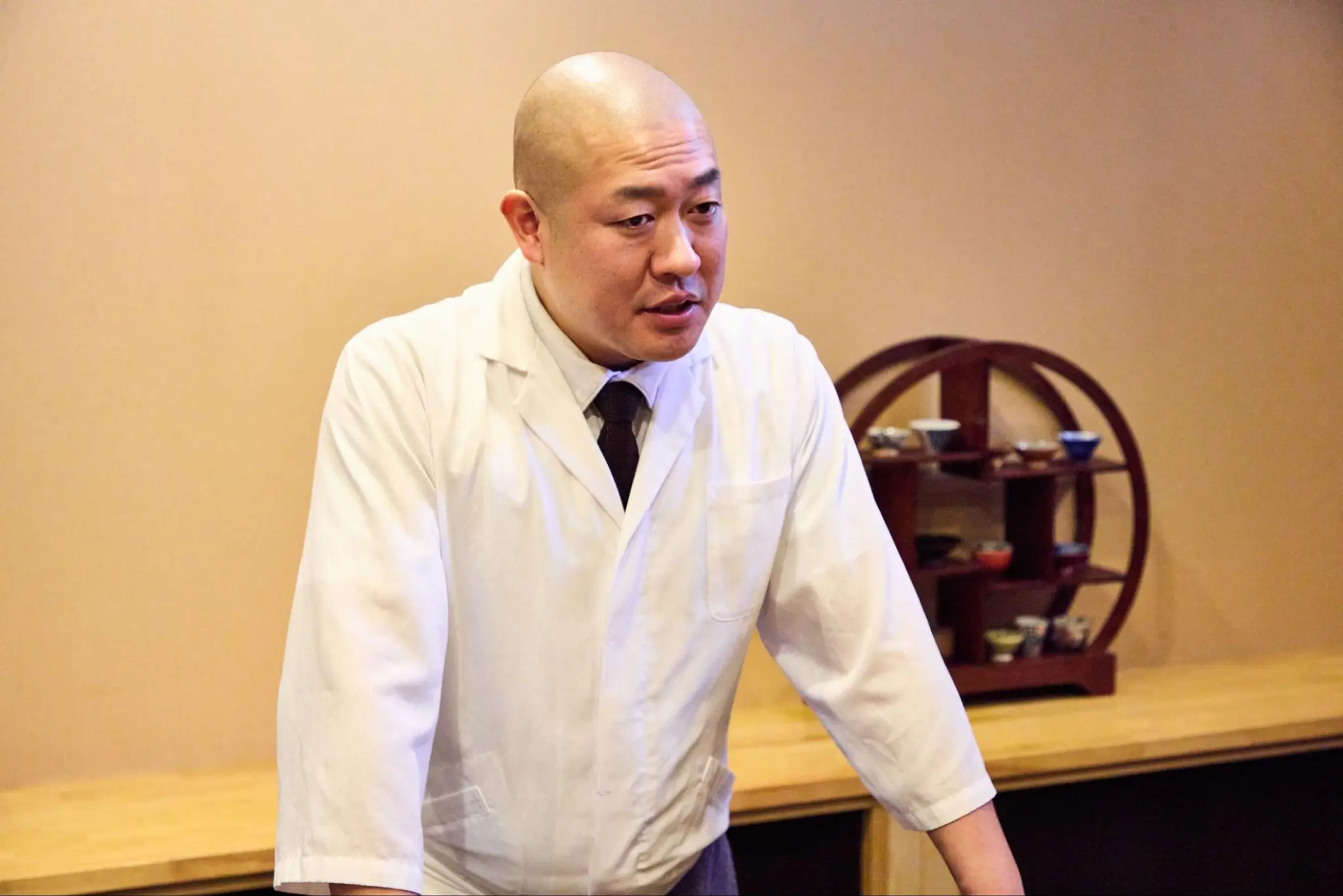
Using the Setbacks of My Youth as Fuel for Growth and Challenging New Competitions
ーーーI understand that you also had the experience of moving to America.
I had always wanted to visit America, so I saw it as a good opportunity. The location was on the first floor of Rockefeller Center in New York. It was a restaurant that served authentic Edo-style sushi during a time when "California rolls" were the mainstream. At that time, Japanese Major League Baseball players, actors, talents, and Kabuki actors often visited the restaurant.
At the time, it was said that only about 3.5% of people in the U.S. ate sushi. With that backdrop, I had some doubts before moving to America, wondering, "Will Americans be able to understand the taste of Edo-style sushi?" However, when I actually stood at the restaurant, I was amazed by the customers' awareness of food. They came to the restaurant after studying "Japanese sushi," so they had very discerning eyes. At that time, I couldn’t speak English, and some customers complained, saying, "That chef doesn’t provide any service." My work must have appeared passive to them. Since I had come all the way from Japan, they probably expected me to be a "perfect sushi master" as a professional.
ーーーWere there other challenges you faced in America?
The culture shock was certainly significant. The floor staff would casually tell the chefs, "The customers don’t want this, so please remake it," and they’d openly criticize sushi that had been made by the chefs. In America, because of the tipping culture, the service at the table is extremely thorough, and even part-time workers would regularly offer their opinions to the chefs. However, once the workday was over, they would suddenly become very casual, saying things like, "Let’s go grab dinner together," as if nothing had happened. For a Japanese person working abroad for the first time, it was a feeling that I couldn’t understand at all. I once consulted with my boss about the workplace relationships, but he dismissed it by saying, "In Manhattan, there are 135 different ethnic groups living in an area the size of Setagaya, so your common sense is not going to work here." It was an exciting experience with many new discoveries, but I also felt frustrated because of my own inexperience. If I had the chance, I’d like to go back, but at the same time, I’m not sure if I’d want to. (laughs) America felt like a place where I had left something unfinished.
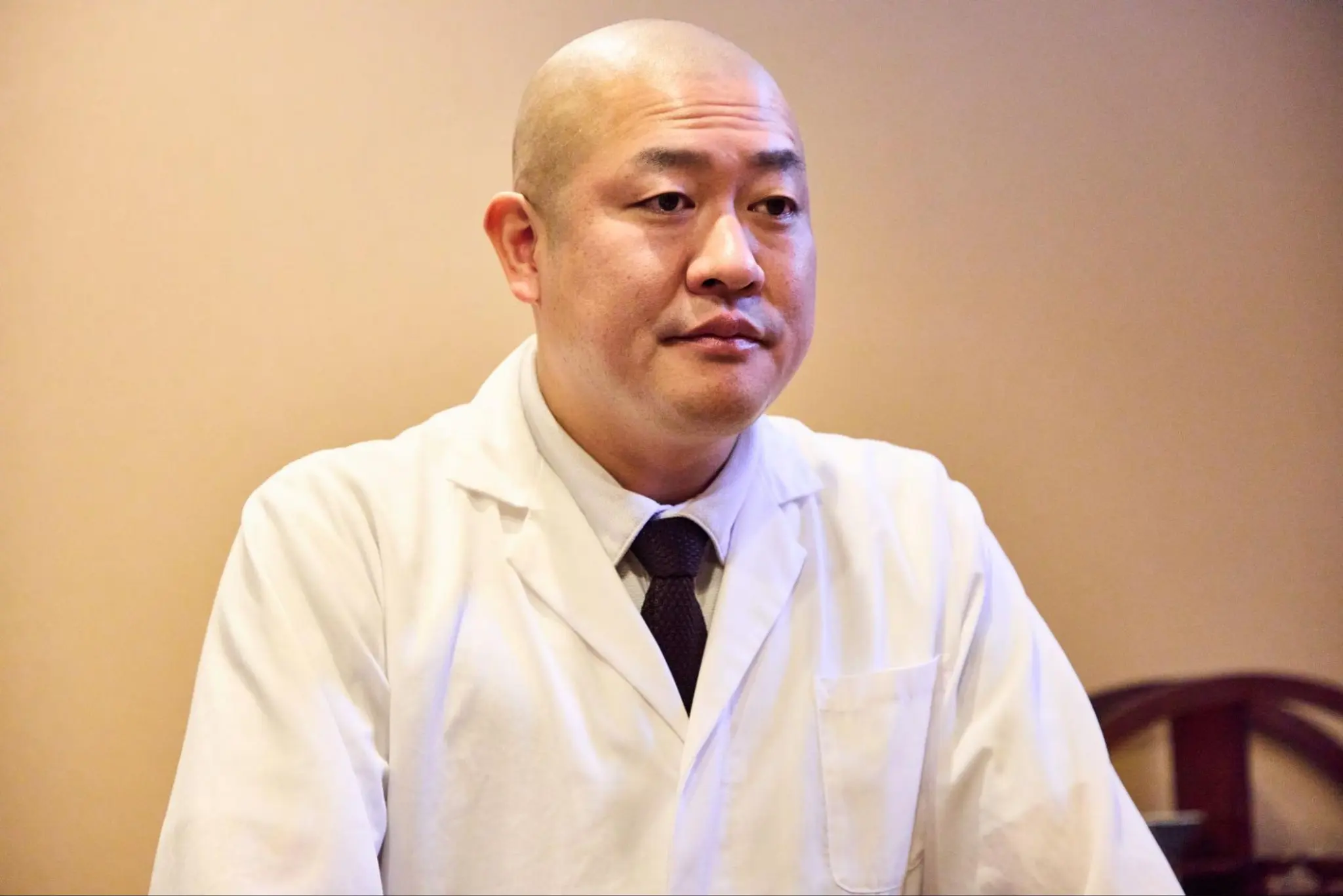
However, when the opportunity to open restaurants in Los Angeles and Las Vegas arose, I was driven by a strong desire to "challenge myself once again." I have built a solid career over the past twenty years, both as a sushi chef and as a person, and I take great pride in that. I have confidence in myself now, and I feel that the excitement of this new challenge outweighs any fears.
The Birth of a "Restaurant with No Reservations" Fueled by My Lack of Confidence in Customer Service
ーーーCould you tell us about the journey to opening 【Sushikoma】 after you became independent?
I had always dreamed of opening my own restaurant in my hometown of Akita, so I made the decision to leave Ginza. I thought about working at a sushi restaurant with a more casual atmosphere, so I started working at a sushi restaurant in Omiya, Saitama. However, the following year, due to the impact of the Great East Japan Earthquake, it was decided that the business would be downsized. I thought that if I left the restaurant, the staff's working conditions would be maintained, so I declared my intention to open my own shop. I told the president, "I want to open my own shop, so please let me leave, and keep the staff." I made up my mind to open a restaurant in Akita.
ーーーUnexpectedly becoming independent. The preparation must have been challenging, right?
Although I had been involved in opening several restaurants before becoming independent, the preparations for opening my own restaurant went relatively smoothly. However, Akita is different from Tokyo, where there are bustling city streets. There were, of course, concerns about whether customers would come. At the same time, even if many customers suddenly visited, I couldn’t shake my anxiety about the service aspect. I didn’t want to cause any trouble for the customers in the early days when we were still unfamiliar with the operations. So, I decided to limit the restaurant to one group of customers per day at first. Once I felt confident that I could provide satisfactory service to that one group, I gradually increased the number of customers—starting with two, then three, and so on.
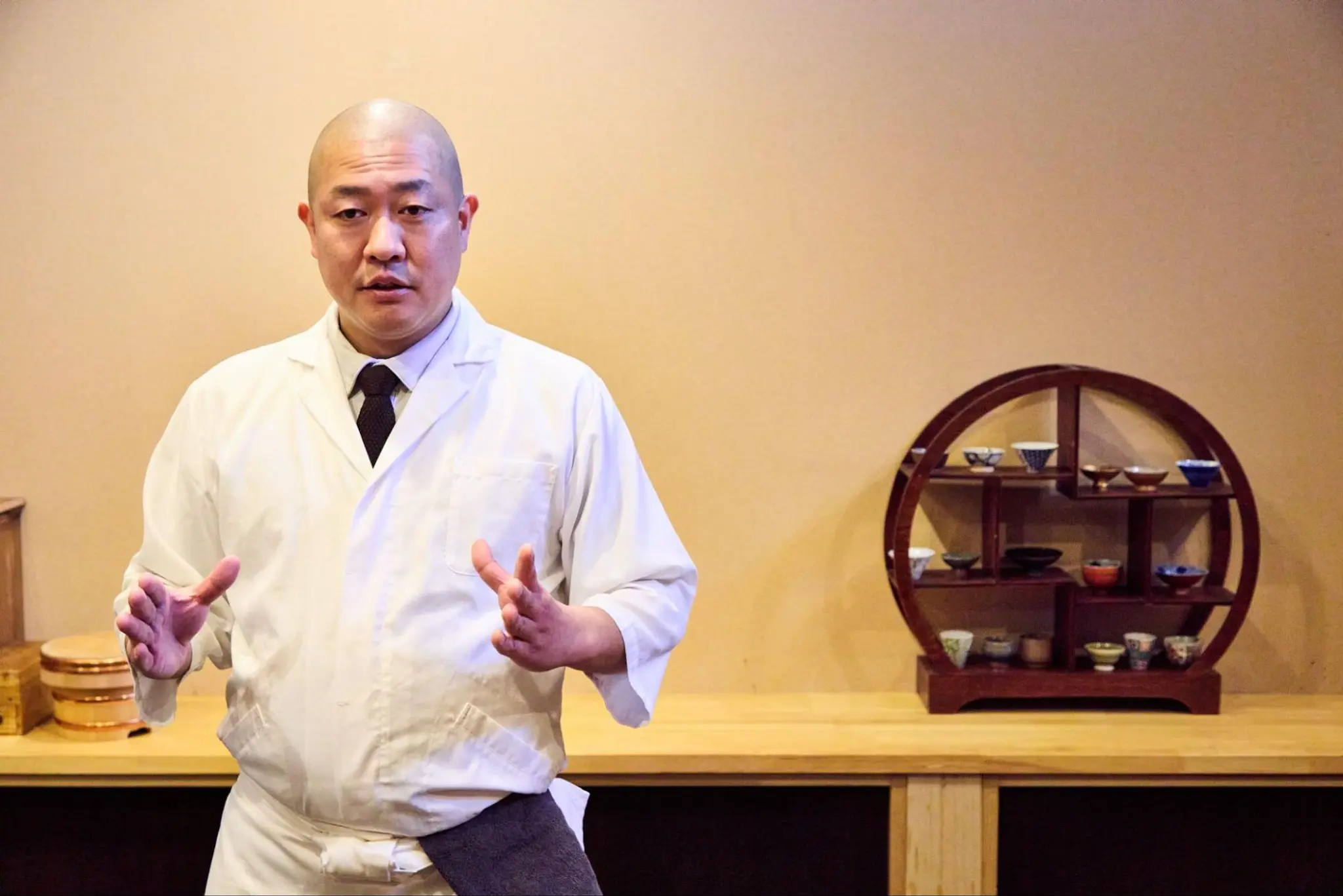
Since it was one group per day, the seats were always filled, so it was essentially a fully booked situation every day. Even if I received reservation calls, I had to turn people away with a simple "we're fully booked." Despite being open, it was always impossible to get a reservation, and the neighbors started wondering, "What’s going on with that restaurant?" Eventually, the restaurant became known as "the place where it's hard to get a reservation," attracting media attention, and it turned into an unexpected development for me (laughs).
Returning to the topic of customer service, when I once attended a reopening of a store in a department store, there was a bitter experience where customers flooded in, and the service became sloppy. At that time, we had reflection meetings every day after business hours. For the opening of my own restaurant, the most important thing for me was to create a place where "every customer could be truly satisfied." Although restricting reservations initially led to a tough start in terms of sales figures, it was nothing compared to the delay in the opening. In the end, it was nothing but a positive outcome for the restaurant.
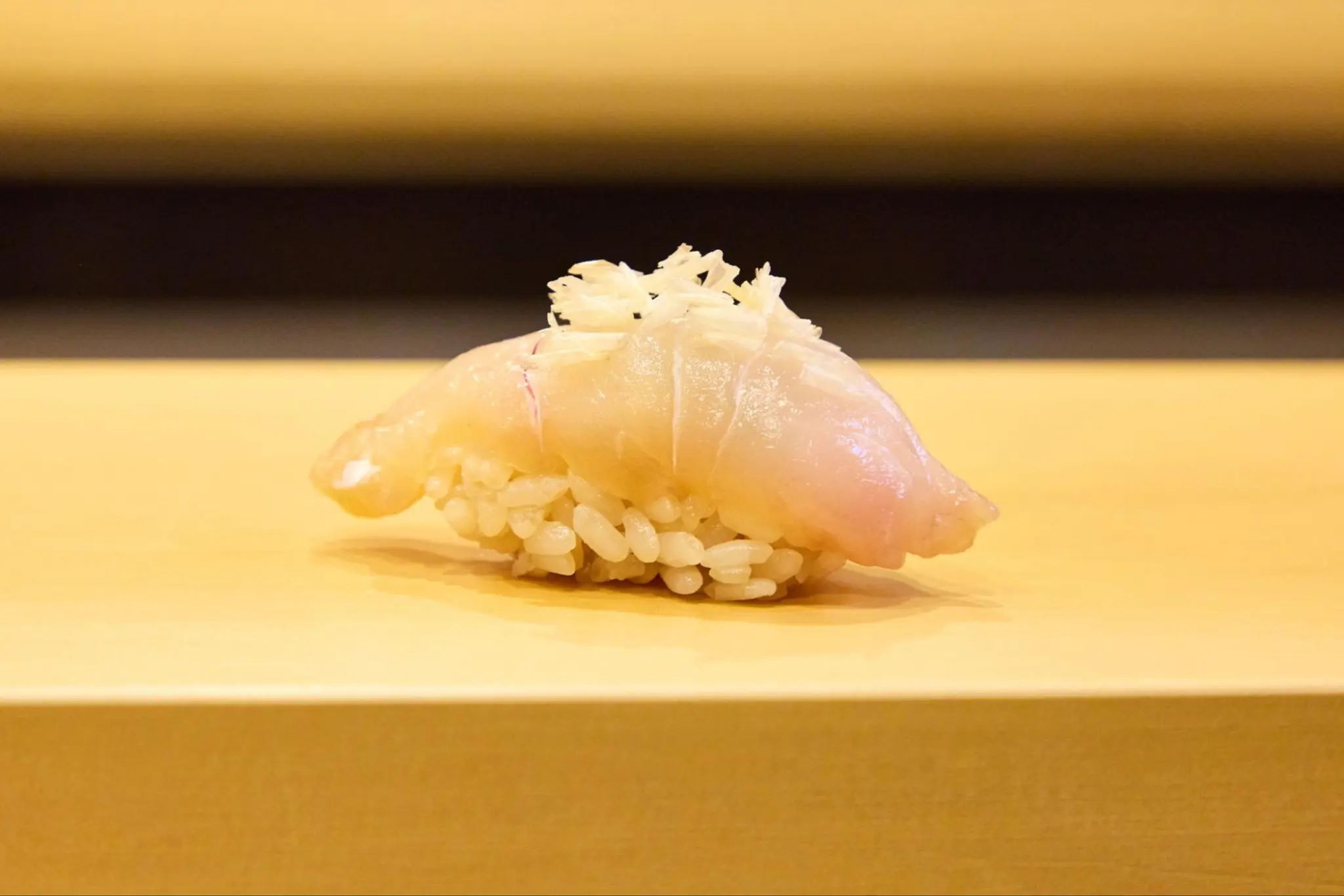
My Unique Sushi Finally Blooms, Bringing Out the Best of Local Ingredients
ーーーWhat are the characteristics of the sushi at 【Sushikoma】?
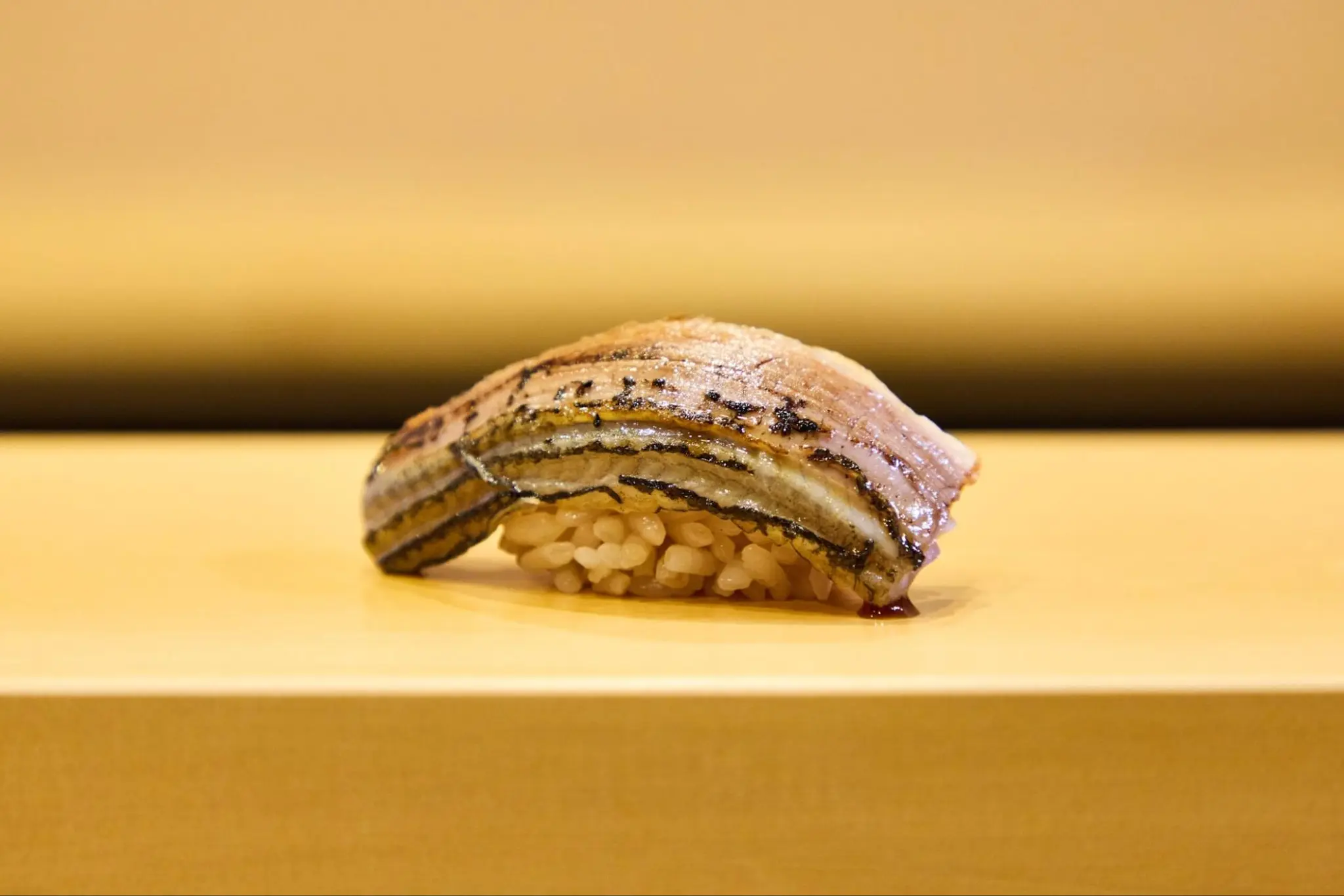
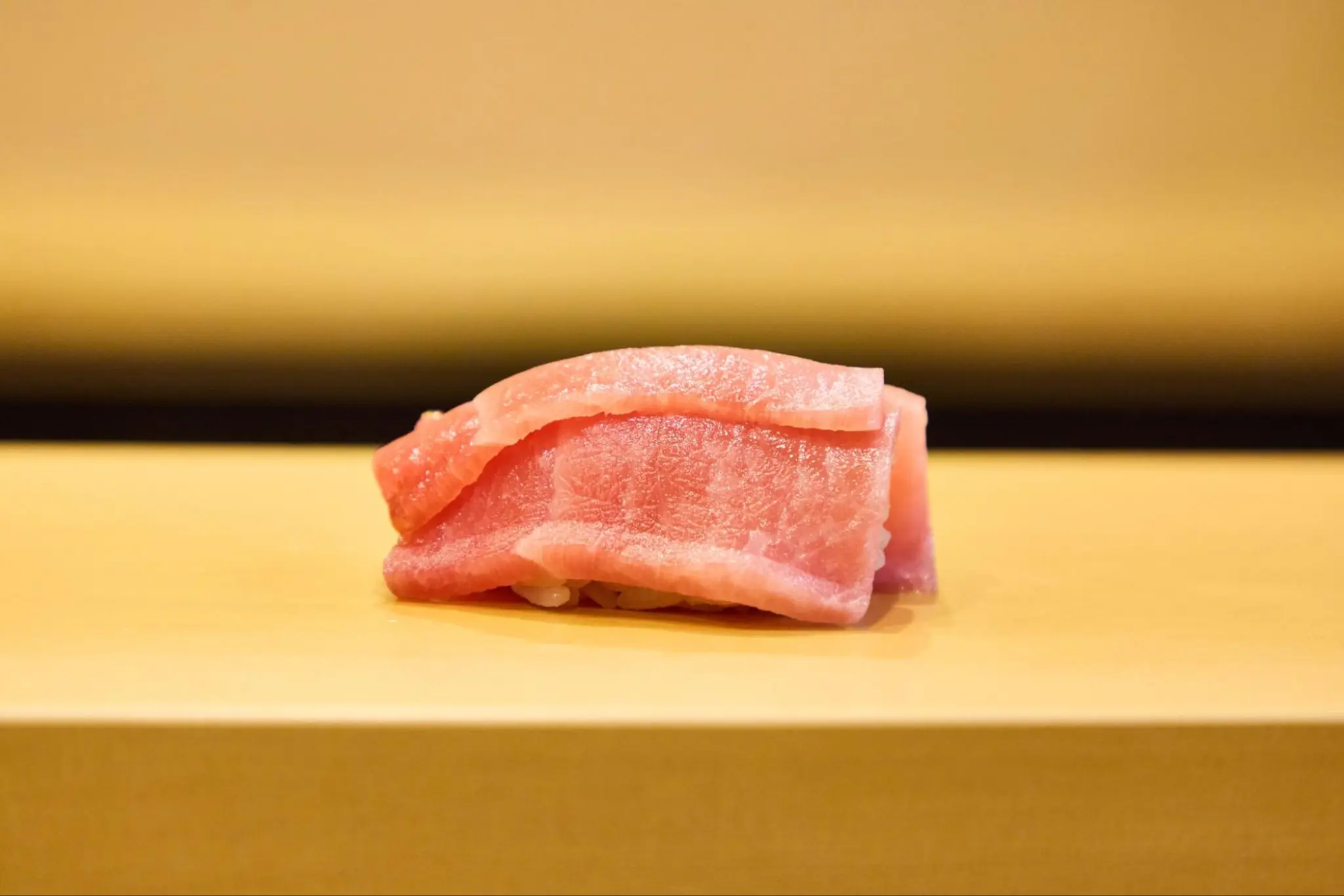
While using traditional Edo-style sushi techniques such as vinegar curing and marinating, I also believe in grilling the sushi ingredients in front of the customers so they can enjoy the aroma of the ingredients. I focus on creating my own unique sushi using local Tohoku ingredients. Our restaurant is certainly not in an easily accessible location, so I want to offer sushi that is "worth the effort" for customers who make the trip to visit us. That’s why it’s not meaningful to serve the same sushi that can be found elsewhere. I am committed to going beyond just filleting and serving fish. I will continue to experiment with aging and grilling to bring out the maximum flavor of each ingredient. I hope local customers can rediscover the charm of familiar ingredients with "new ways of enjoying them," and I would be happy if distant customers could experience the beauty of Akita and Tohoku through my sushi.
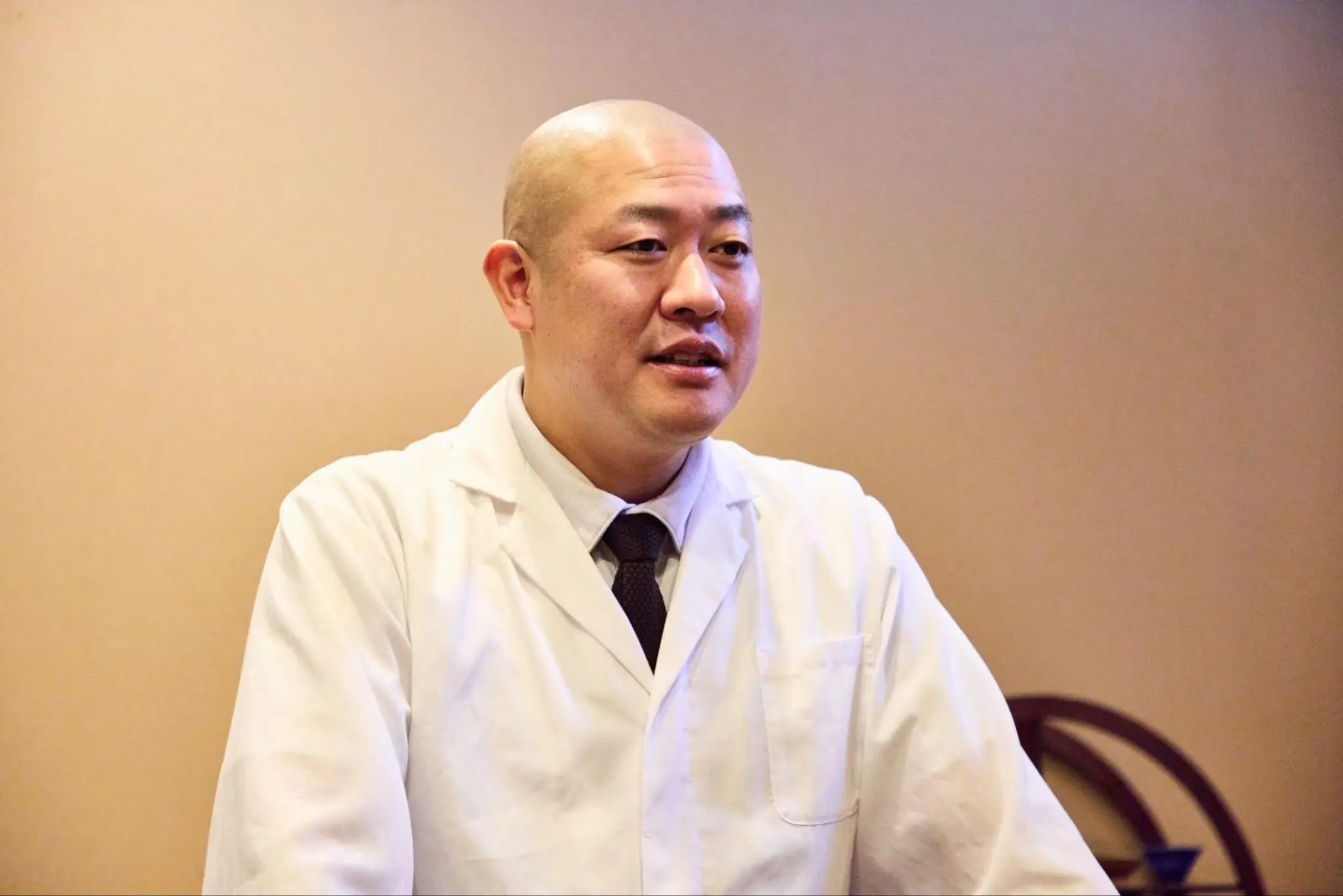
ーーーWhere do you source your ingredients from?
A friend from my culinary school days is a fisherman in Miyagi Prefecture, and through him, I was introduced to other fishermen. I source seafood directly from them. Normally, fish from Tohoku is transported to Toyosu, and it’s not uncommon for it to be bought back from there. Thankfully, in our case, the fish that are unloaded at the port arrive the next day. The sea urchins are still lively in their boxes. For the rice, I use the rice grown in my family’s fields, and I even dry the rice straw to use for grilling the fish.
ーーーWere you always particular about using Akita and Tohoku ingredients?
In the beginning, I was serving sushi similar to what I had made in Tokyo. One day, a regular customer brought a friend from Tokyo, saying, "There’s a good restaurant in Akita." However, after tasting the sushi, the guest left with the disappointed remark, "This kind of sushi can be eaten anywhere in Tokyo. I wanted to taste more of the local ingredients." The customer's "disappointment" stayed with me and lingered in my mind.
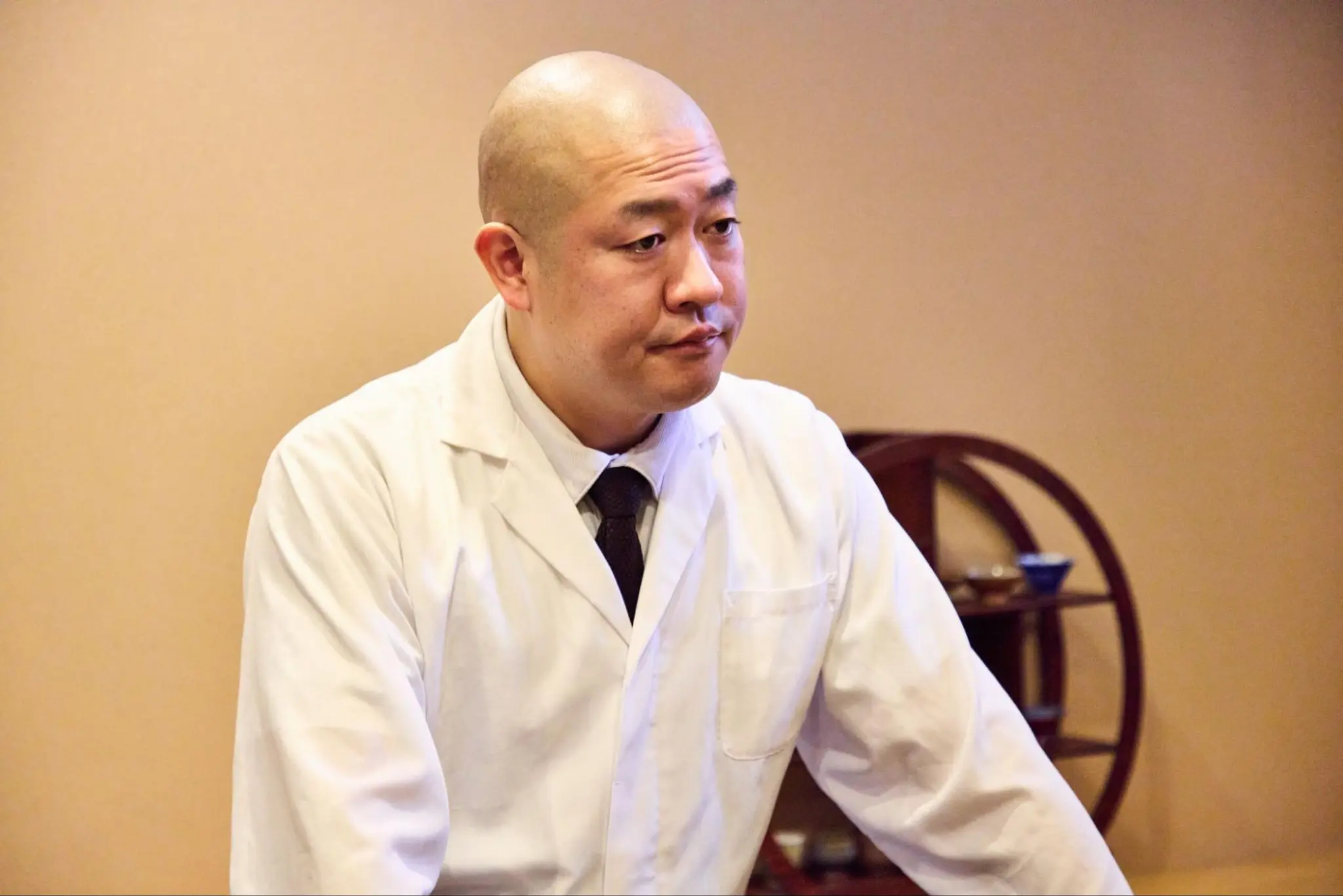
At that time, I learned that Chef Keiji Nakazawa, the founder of 【Sushisho】 in Yotsuya, Tokyo, was opening a restaurant in Hawaii, and I suddenly had an epiphany. In a television documentary, Chef Nakazawa was making sushi with Hawaiian ingredients. As I was searching for a similar approach, a friend introduced me to 【Tokiwa Sushi】 in Niigata. Everything was made with Niigata ingredients—rice, salt, fish, vegetables, and sake. I was deeply satisfied and shocked by the hospitality focused on the local blessings. "How can they make such a taste?" I reflected on this as I traced the memory of the flavors on the way back. And then, I realized, "This is the path I must follow." That’s when I decided to focus on sourcing ingredients from Tohoku and established the style of 【Sushikoma】.
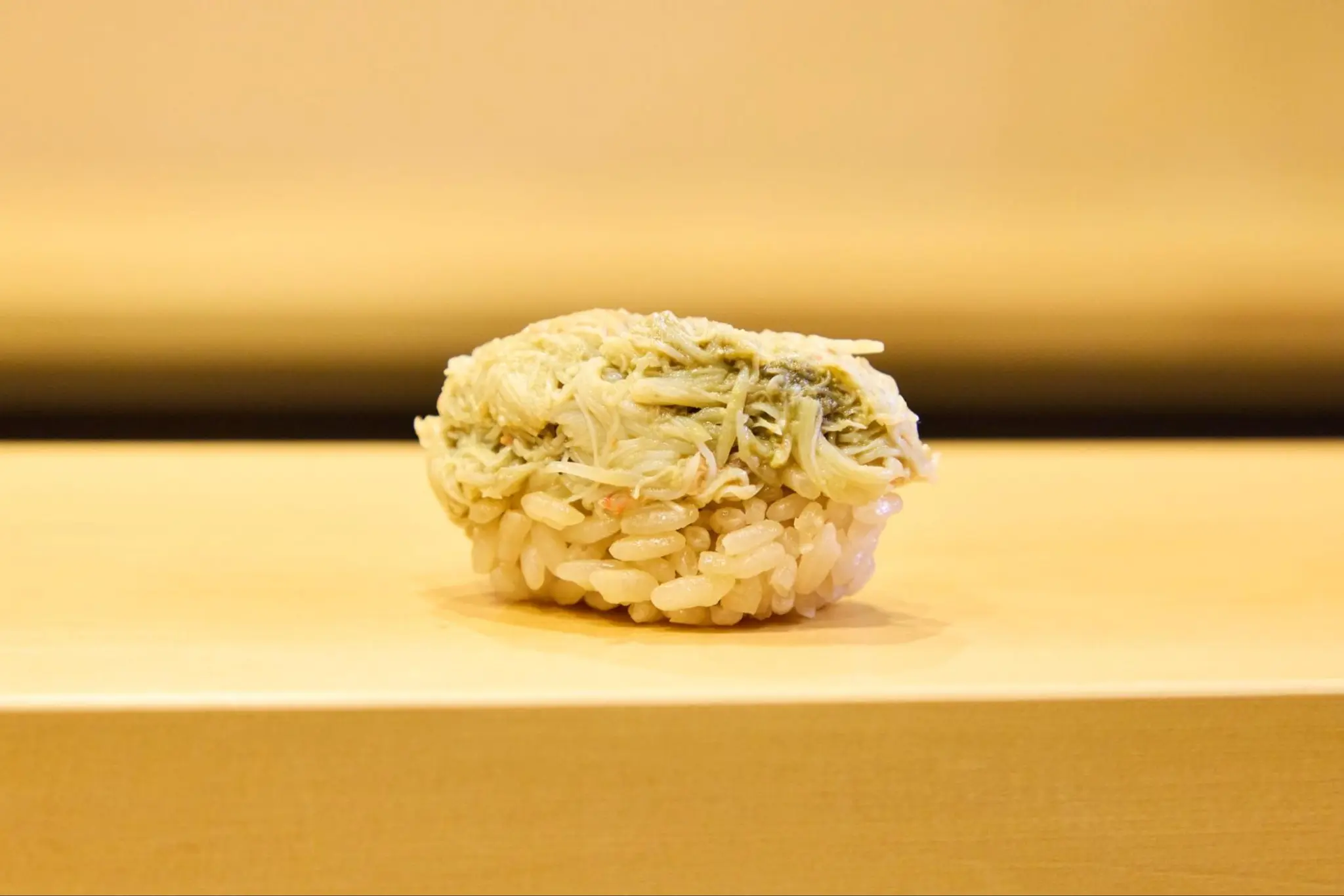
Expanding Circle of Connections Starting from a Small Sushi Restaurant
ーーーWhat is the charm of Akita?
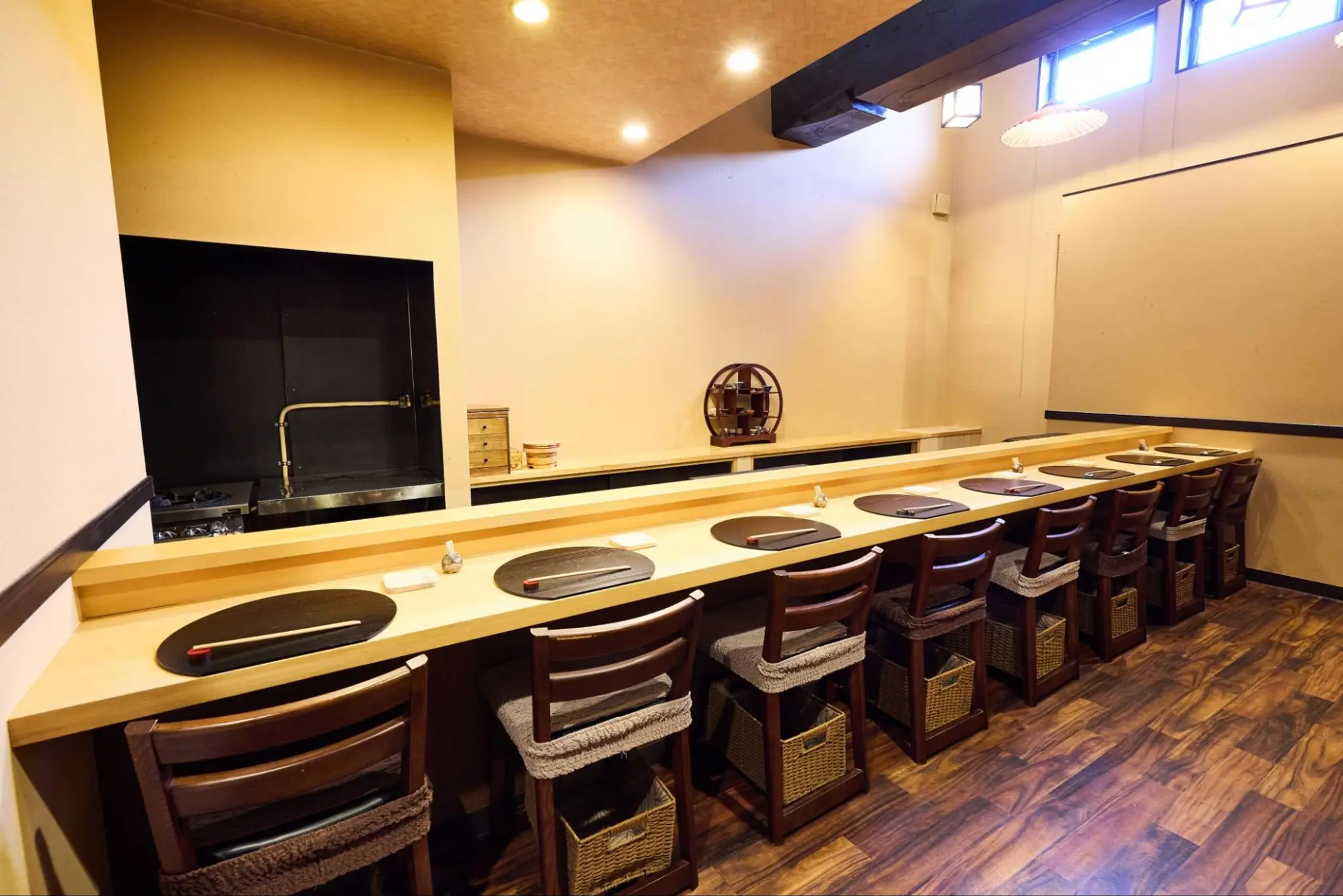
If I were to express it somewhat cynically, I would say, "There’s nothing here." The air is clean, and in this region, there is the sea, mountains, and rivers. And, well, there’s nothing else... Although that might sound a bit harsh, because there’s nothing around here, customers tend to feel uneasy as they approach. They often wonder, "Is there really a restaurant in a place like this?" (laughs)
For example, in Ginza, you can somewhat imagine the atmosphere of a restaurant, but the very process of going out specifically to eat sushi is part of the experience at 【Sushikoma】. "This fish was caught in that sea," or "The goby you’re eating swam in the river right in front of us," these types of conversations, which are completely different from city life, are nurtured here every day. Some customers stop by during their travels in Tohoku, and recently, more and more people are coming to Akita specifically to dine at our restaurant and then traveling around the area during their free time. On the other hand, it’s also enjoyable for me as my interactions spread, being invited to various events around Japan and even overseas.
ーーーWhat are you currently working on for the future?
First and foremost, I am focusing on training artisans for our expansion into America. I opened a restaurant called 【Sushiya】 in Akita City to provide a training ground for young chefs. We are planning to open a restaurant in New York next year, but my dreams are growing even bigger—I hope to expand into Dubai and Europe in the future. I’m really excited to see what people overseas will think of 【Sushikoma】's sushi, and what kind of evaluations they will give. I’m also looking forward to absorbing the local cuisine and culture in those regions and continuing to pursue new types of sushi that can only be made at 【Sushikoma】.
ーーーFinally, what does "delicious" mean to you, Chef Ikoma?
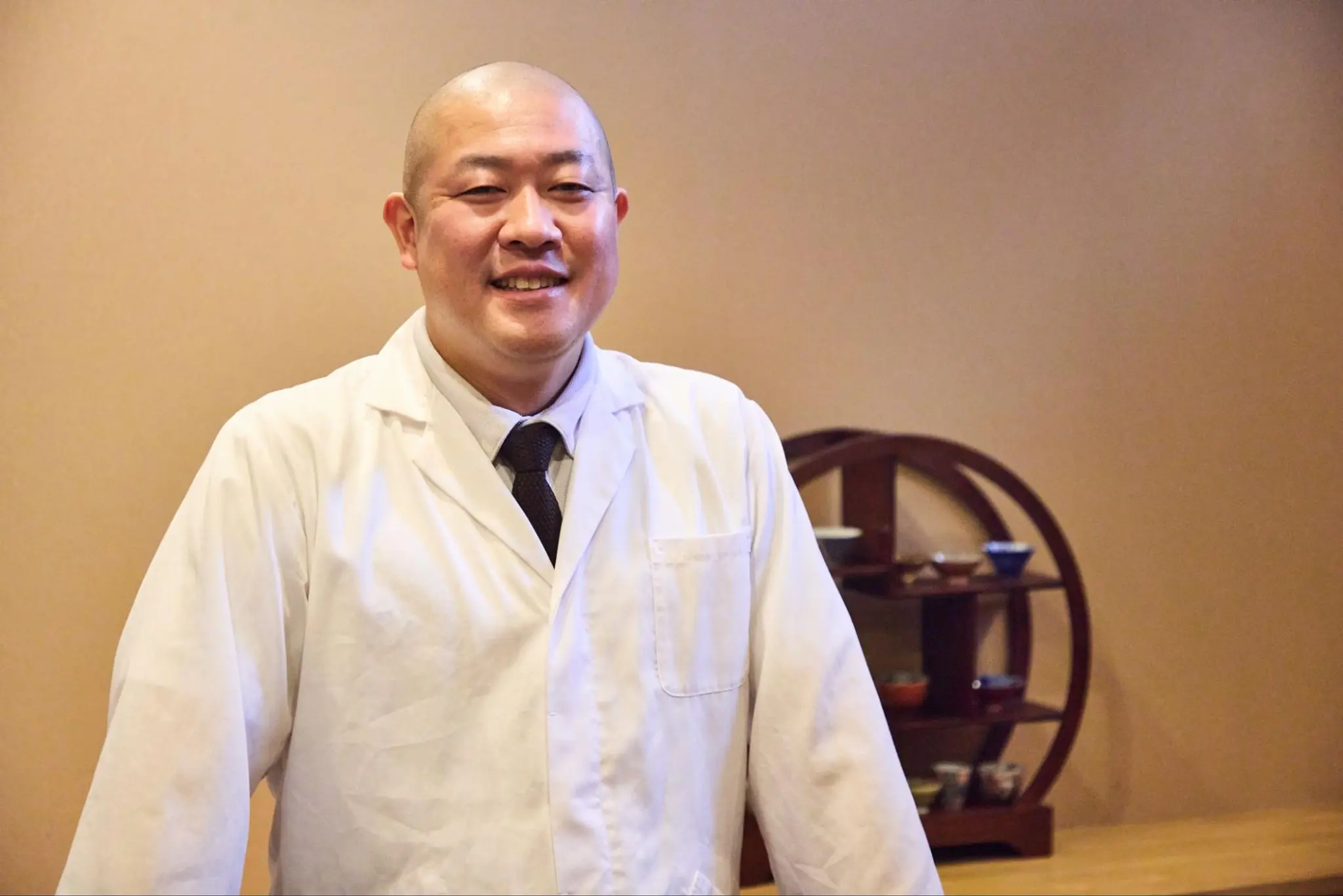
I believe it's about whether the customer can truly enjoy themselves, feel happy, and think, "I want to come back again." Something I used to say often was, "My rival is Disneyland." People pay an admission fee that is by no means cheap, stand in line for 2-3 hours to ride an attraction, and their children get so tired they fall asleep in their arms, which becomes heavy (laughs). Yet, on the way home, they all talk and smile together, saying, "Let’s come again." I think the "delicious" experience that a restaurant offers is the same. After a meal, I want to continue to focus on creating a place where people will immediately think, "I want to come back" and feel that sense of fulfillment.
Finally, if I were to add one more charm of 【Sushikoma】, it would be the "voice." Chef Ikoma's voice carries well, and it’s easy to hear even over the counter. Moreover, the resonance of his words is light and pleasant to the ear, and guests find themselves savoring the sushi in their imagination, accompanied by his beautiful voice before they even take a bite. Therefore, even before tasting it, the sushi at 【Sushikoma】 is already "delicious." Why not indulge in the exquisite dishes that stimulate all five senses at this renowned restaurant in Akita, filled with a captivating dining experience?
Interview / AutoReserve Magazine Editorial Team
Text / Reiko Aoki
Photography / Tomohiro Yasui
Restaurant Information
- AutoReserve Magazine
- Japan’s world-renowned flagship restaurant
- The Aspiration of Chef Kazumasa Ikoma: Connecting Tohoku, Akita, and the World through 【Sushikoma】