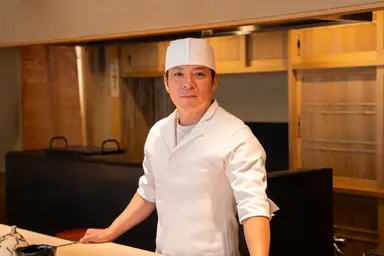
Pursuing His Own Path with Integrity, Chef Takayuki Hiraishi's Vision That Revolutionized Kansai's Tempura Culture –【Tempura Hiraishi】
A Bold Career Shift to Pursue the Forefront of Washoku
ーーーDid you dream of becoming a chef since childhood?
Growing up as an only child in the countryside of Ehime Prefecture, the only future I could envision at the time was returning home after university and becoming a civil servant. It wasn't until my first year of high school that I began considering attending culinary school. I managed to sneak into an orientation session for third-year students, where the instructor from the culinary school happened to be a well-known figure frequently appearing on TV. His talk was engaging, and when he casually said, "Come to our school after you graduate," I was instantly intrigued. By the spring of my second year, I was already participating in a trial enrollment program.
ーーーDid you always enjoy cooking?
Since both of my parents worked full-time, I often had to cook for myself from a young age. For me at that time, the chefs on cooking shows were like untouchable legends. But when those very people started speaking directly to me, encouraging me to pursue this path, I solidified my decision.
From my parents' perspective, it was a sudden and unexpected career change for their only son, so they were strongly opposed at first. However, in the end, they gave me their approval under one condition: "You can do whatever you want, as long as you don’t leave Japan." (laughs)
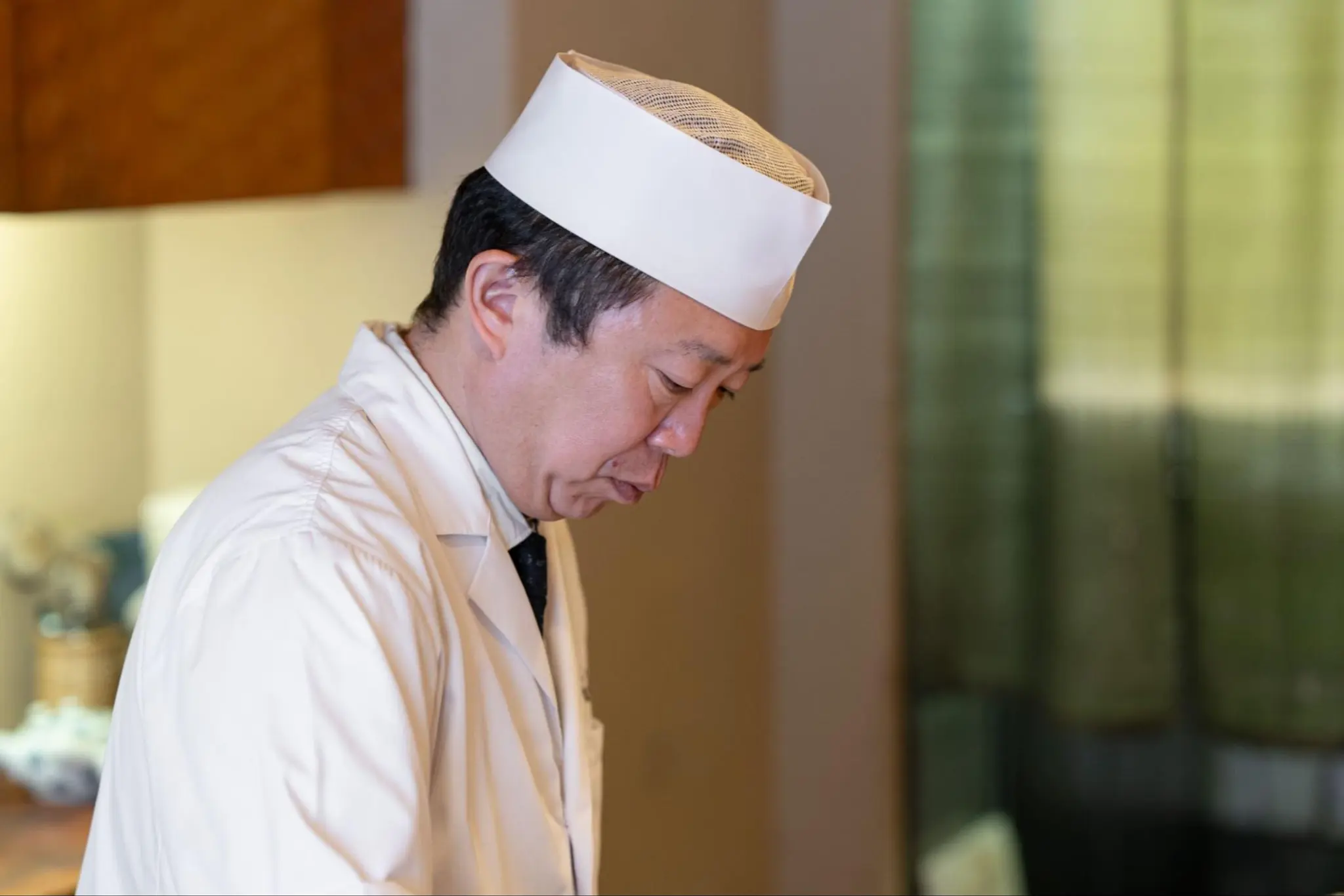
At that time, my real interest was actually in French cuisine, but I ultimately decided to pursue the top within the world of "Japanese" cuisine and committed myself to the path of washoku. That said, the professional culinary world is incredibly tough. It wasn't until about eight years after I started working at 【Kagaman】 that I began to truly enjoy cooking. By that time, I was given the responsibility of running the restaurant, which meant that—for better or worse—my work was directly reflected in the restaurant’s success. While the weight of responsibility was significant, it also gave me a strong sense of fulfillment.
Authentic Texture Born from Skill and Experience
ーーーYou were entrusted with running a tempura-focused restaurant under the supervision of 【Kagaman】, correct?
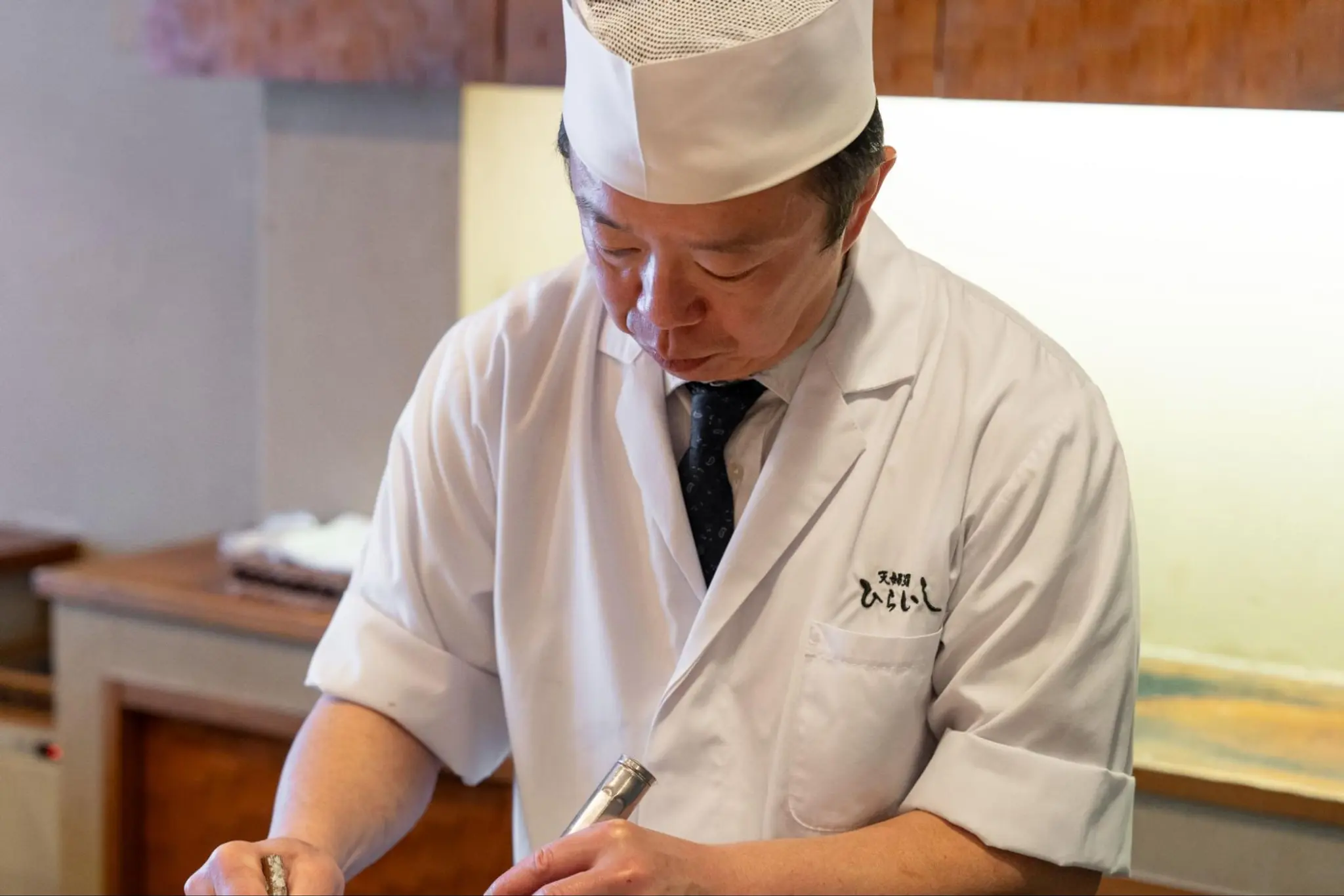
At the time, I had almost no knowledge or experience with tempura, so I quickly hit a major roadblock. While kaiseki cuisine does include fried dishes, the tempura I made and the tempura from top-tier restaurants were clearly two different things. Discerning customers who were well-versed in the restaurant industry and had refined palates immediately saw through the difference. Some would say, "If this were a general Japanese restaurant, it might be acceptable, but a dedicated tempura restaurant with its own noren should be on an entirely different level." There were even times when customers would give me direct orders, saying, "Go eat at that place," or "Try the tempura from this restaurant."
Because of that, I spent my entire salary traveling to as many top-tier tempura restaurants as possible, primarily in the Kanto region, using whatever free time I had. I would shamelessly ask questions, even upon my first meeting with a chef, saying, "I don't understand this—please teach me." (laughs)I humbled myself and bowed my head countless times, asking for guidance from experienced chefs at renowned restaurants. And to my surprise, many of them were incredibly kind and generous with their knowledge. I was, and still am, deeply grateful for their teachings.
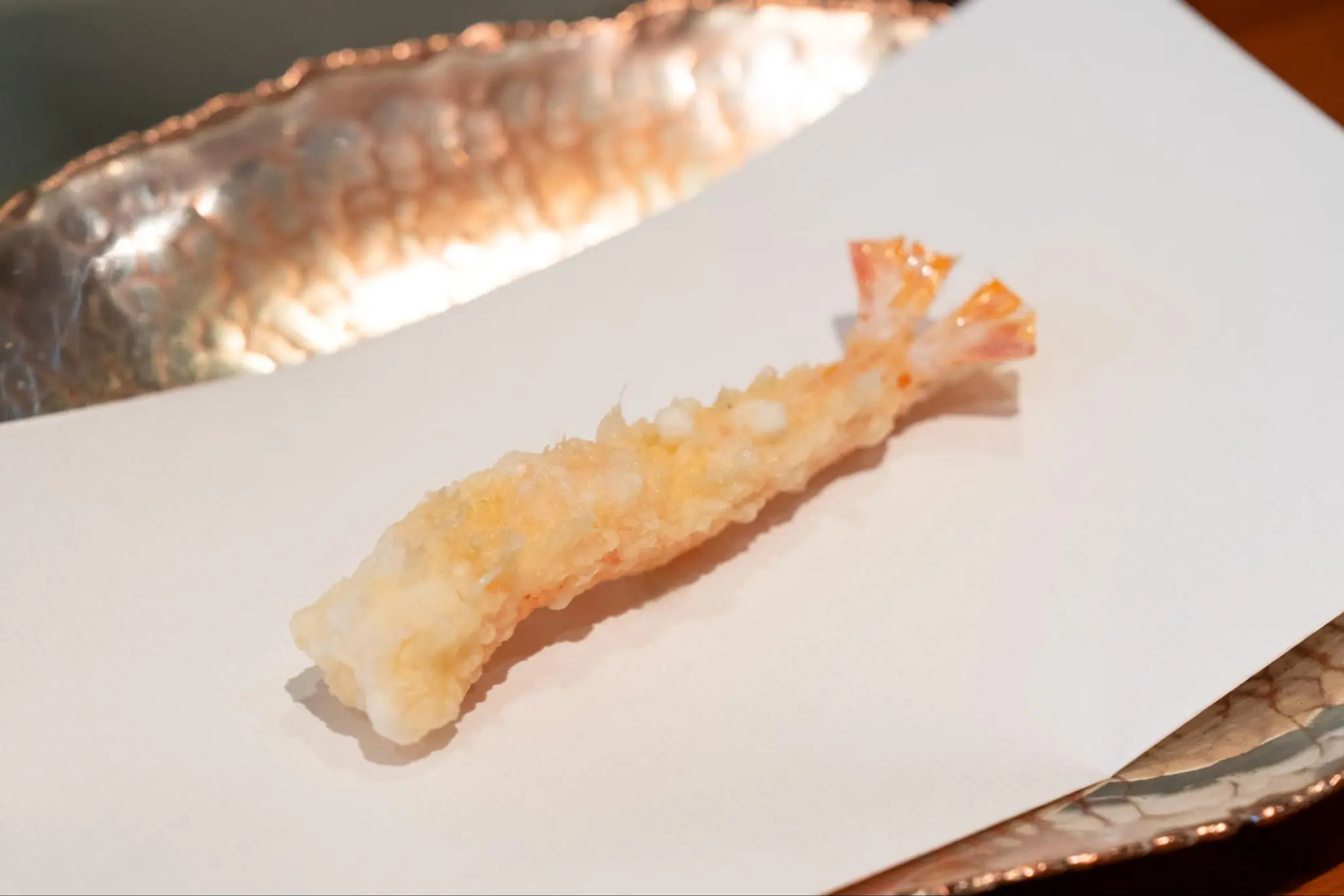
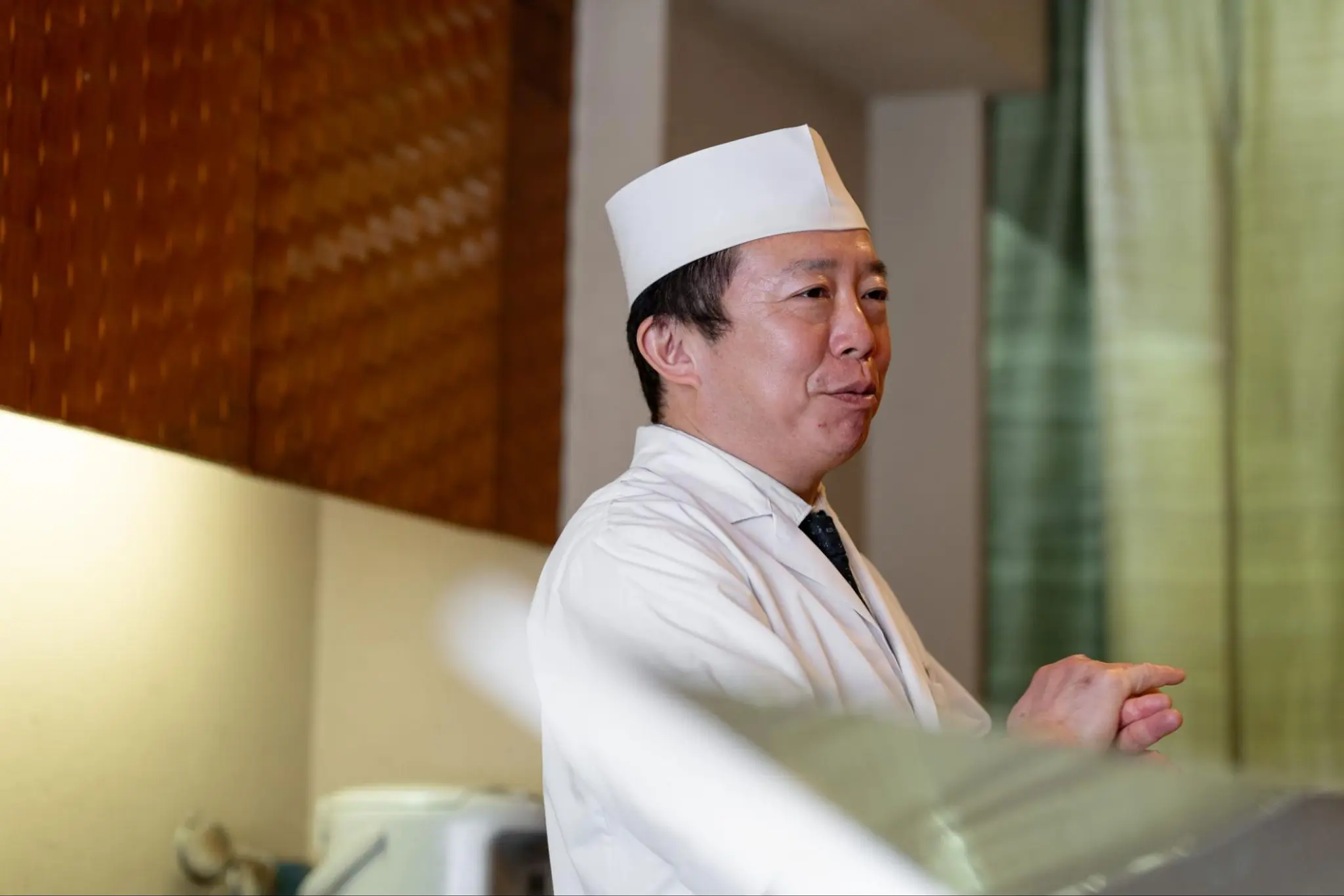
One of the most eye-opening lessons I learned was about tempura batter. Household tempura flour typically contains leavening agents, which help create a crispy texture. However, these agents also absorb more oil, making the batter heavier. On the other hand, the tempura made by master chefs uses only cake flour, water, and eggs, resulting in a light, airy texture that remains crispy but never feels greasy—no matter how much you eat. At the time, I naively thought, "I just need to create the ultimate tempura flour!" But my mentors corrected me, saying, "Tempura batter shouldn’t be crispy—it should be light and crisp (saku saku), not hard (kari kari).” That was a moment of revelation for me. I also realized that the essence of tempura lies not in a single "perfect batter" but in the time-honored techniques passed down through generations and the individual experience of each chef. From that moment on, I focused solely on practicing as much as possible, determined to get closer—even just a little—to the level of the seasoned masters I admired.
ーーーWhat inspired you to open your own tempura restaurant?
After leaving the tempura restaurant I had been entrusted with, I returned to 【Kagaman】. However, I soon realized that I wasn’t enjoying my work as much as I did when I was making tempura. That’s when it became clear to me—I didn’t just love cooking; I found true fulfillment in seeing the joy on my customers’ faces. When working in a large establishment, the only time I could gauge customers’ reactions was through the waitstaff or during their send-off at the door. But with tempura, each piece is served freshly fried, meaning I could see and feel the customers' responses in real-time—every single dish was immediately met with feedback and appreciation. I also realized that a counter-style tempura restaurant would allow me to be much closer to my guests, creating a more engaging and interactive dining experience. At that moment, I knew—this would make for an incredibly rewarding restaurant.
Blocking Out the Noise and Committing to a Pure Tempura Battle
ーーーI’ve heard that【Tempura Hiraishi】is different from traditional Kansai-style tempura.
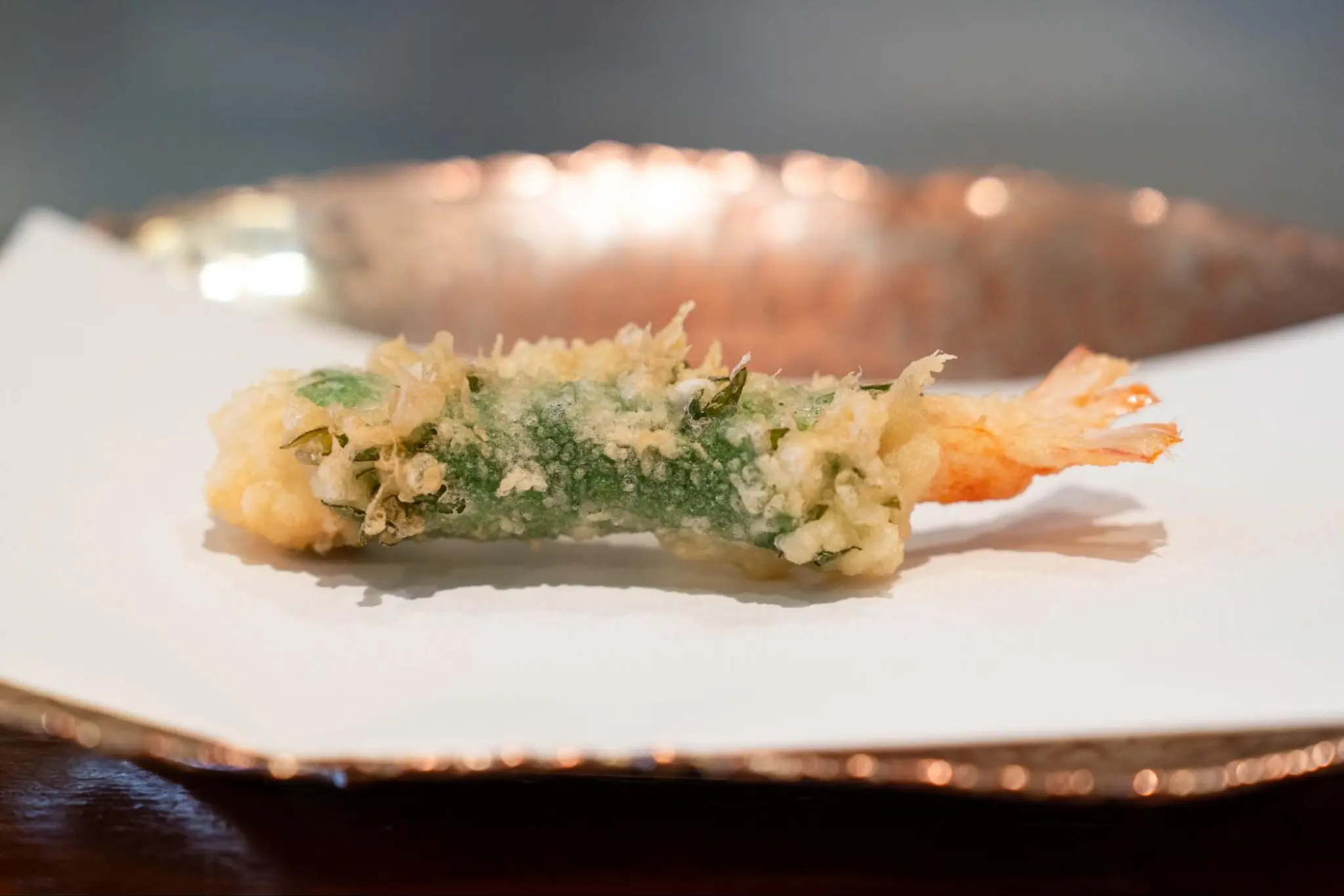
The aroma is a defining characteristic. There are three main types of oil used for tempura: rice bran oil, sesame oil, and cottonseed oil. In Kansai-style tempura, the ratio of cottonseed oil is typically higher because of its neutral flavor. However, at my restaurant, I increase the proportion of sesame oil, which enhances the fragrant, nutty aroma, giving our tempura a flavor profile closer to Kanto-style.
This is because, personally, I prefer the rich, aromatic tempura of Kanto, and I also trained primarily in Tokyo-based tempura restaurants. That influence is at the core of our tempura style.
ーーーWhen you opened in 2007, there weren’t many authentic tempura restaurants in Kansai, correct?
At the time, many customers in Kansai saw tempura as just another dish served alongside sashimi and other foods, rather than as a standalone specialty. Even suppliers didn’t take tempura restaurants seriously, often grouping them together as just another "fried food shop".This became a challenge because high-quality ingredients—the kind typically used in kaiseki cuisine—weren’t being offered to us. I refused to serve mediocre ingredients to my guests, so I had to reassess our suppliers. I also sought advice from senior chefs and painstakingly built a new network of vendors from scratch.
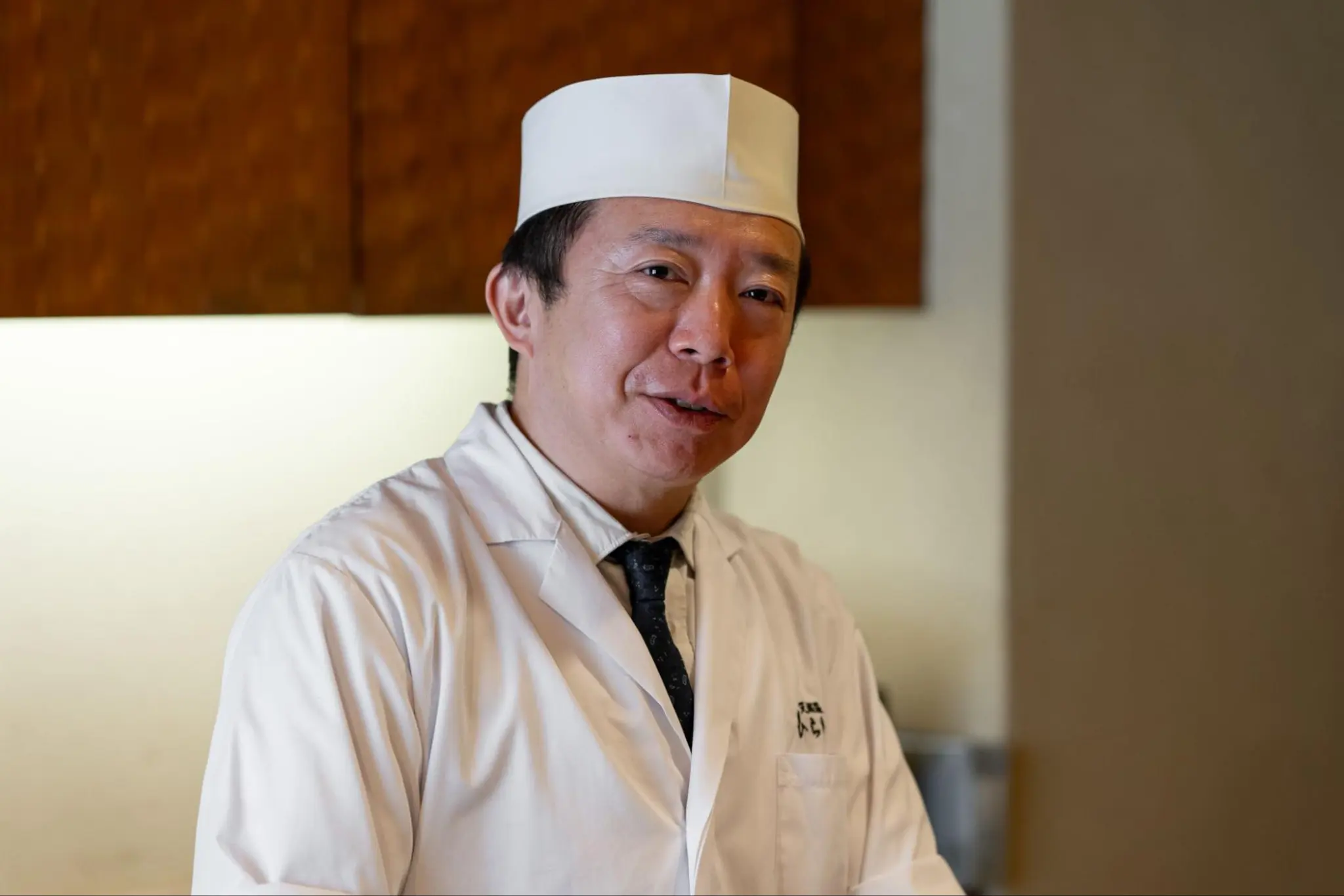
Some of my long-time customers initially expressed concern, saying, "Wouldn’t it be better to serve other dishes as well?" However, at the same time, seasoned gourmets—those with truly refined palates—strongly encouraged me by saying, "If you’re going to do this, go all in and make tempura your sole focus!"That support gave me immense confidence at the time. Since the very beginning, my philosophy has remained unchanged: "Fry only the freshest, highest-quality ingredients, and create a tempura experience that fully satisfies guests—without relying on anything else." This commitment and conviction have defined my style since the day I opened.
With the Best Ingredients and Technique, No Extra Ornamentation Is Needed
ーーーWhat is most important to you when preparing your dishes?
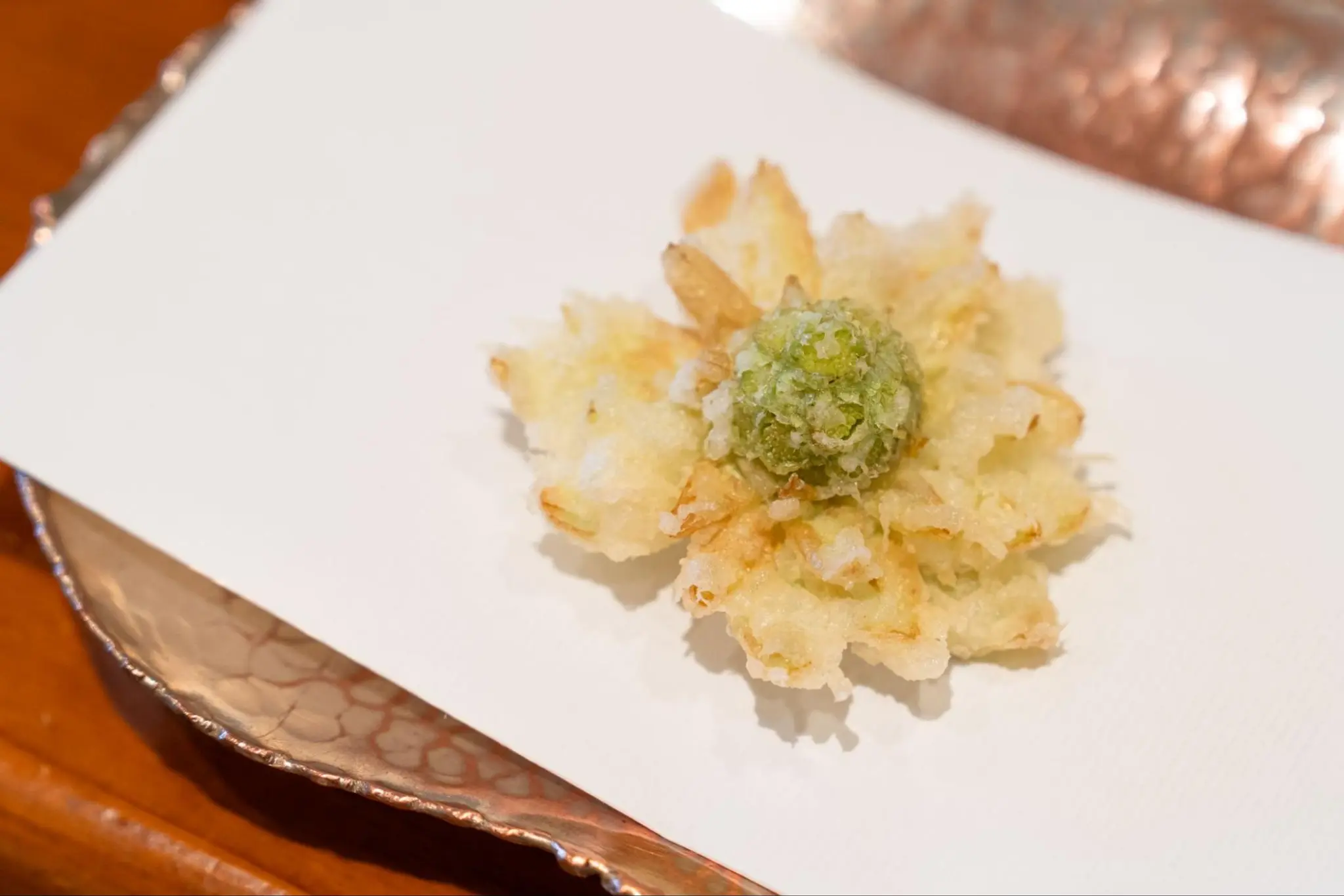
Our restaurant is a small establishment with only 10 seats, but the number of suppliers we work with is no different from that of large-scale restaurants. We source seasonal and high-quality ingredients from all over the country. While the freshness of the seafood is naturally a given, we also make sure to highlight the individual characteristics such as sweetness and bitterness of the vegetables, and incorporate a sense of variation and seasonality throughout the course's overall flavor.
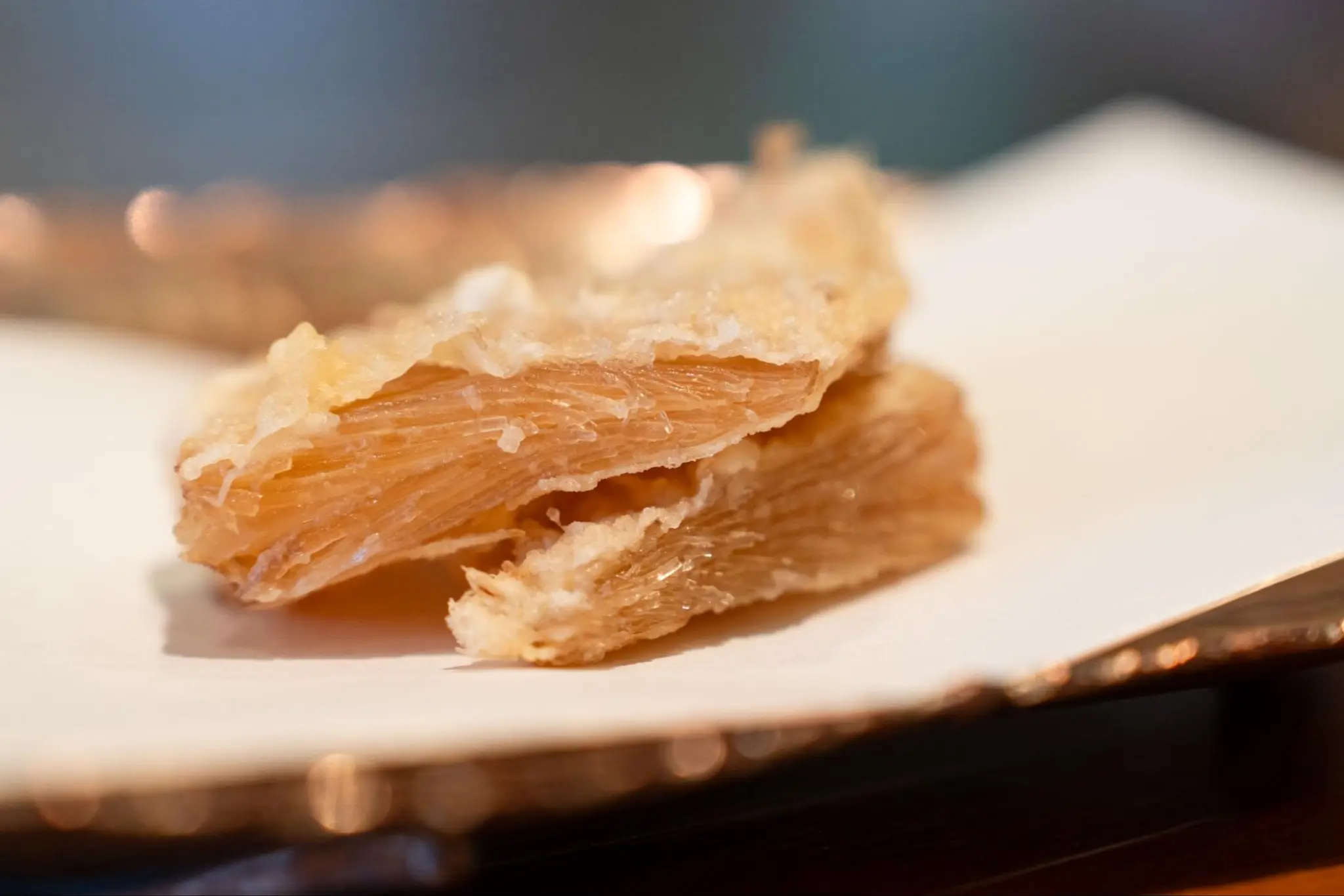
One of our signature dishes, the "Shark Fin Tempura," is my own original creation. However, aside from that, our menu remains classic and traditional. I am obsessed with using only the highest-quality ingredients, and when it comes to tempura, there are countless intricate details to consider—such as the thickness of the batter, the precise frying temperature, and the degree of moisture removal for each ingredient. These aspects are deeply complex, yet they are all dictated by experience. I have never felt the need to reinvent tempura by introducing flashy or unusual ingredients, nor do I plan to do so in the future. My approach has always been about perfecting the fundamentals rather than chasing trends.
ーーーFinally, what does "delicious" mean to you?
To me, delicious food is simply an elevated version of what we eat at home. The greatest compliment I can receive is when a guest says, "I don’t usually eat much tempura, but the tempura here is absolutely delicious."Some people might think comparing a professional chef’s cooking to home-cooked meals is disrespectful, but to me, it's the highest praise possible. I believe that true "deliciousness" in a restaurant is when familiar, comforting flavors are elevated to a whole new level. Moving forward, I will continue to honor the techniques and traditions passed down to me, deepening my experience and refining my craft, so that I can always welcome my guests with tempura that is unmistakably my own.
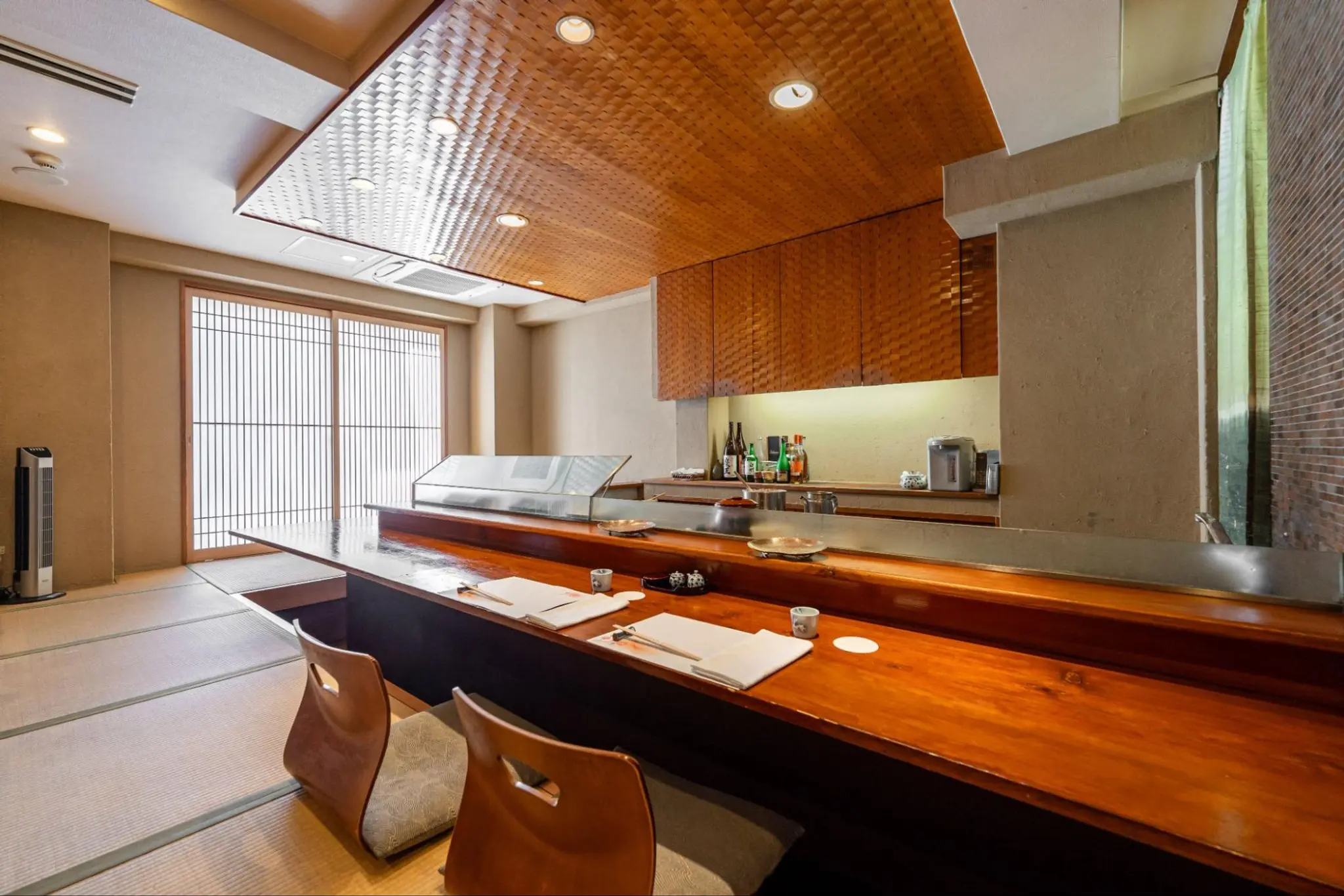
The chef who transformed Kansai’s tempura. Before meeting Chef Hiraishi, I imagined him to be a reserved, traditional craftsman, a man of few words. However, he turned out to be remarkably approachable, articulate, and easygoing, making the entire interview a relaxed and enjoyable experience. His personality shone through in our conversation, revealing a chef who is both deeply committed to his craft and genuinely warm in his hospitality. It’s no surprise that the Michelin Guide was quick to recognize his talent, awarding his restaurant a star early on. His success isn’t just about his dedication to mastering tempura—his entire restaurant embodies the spirit of true omotenashi (Japanese hospitality). With just one crisp bite of his expertly fried, freshly made tempura, you’ll instantly understand—it’s not just the tempura that feels light, but your heart as well!
Interview & Writing / Reiko Nakajima
Photography / Masato Suzuki
Restaurant Introduction
- AutoReserve Magazine
- Pursuing His Own Path with Integrity, Chef Takayuki Hiraishi's Vision That Revolutionized Kansai's Tempura Culture –【Tempura Hiraishi】