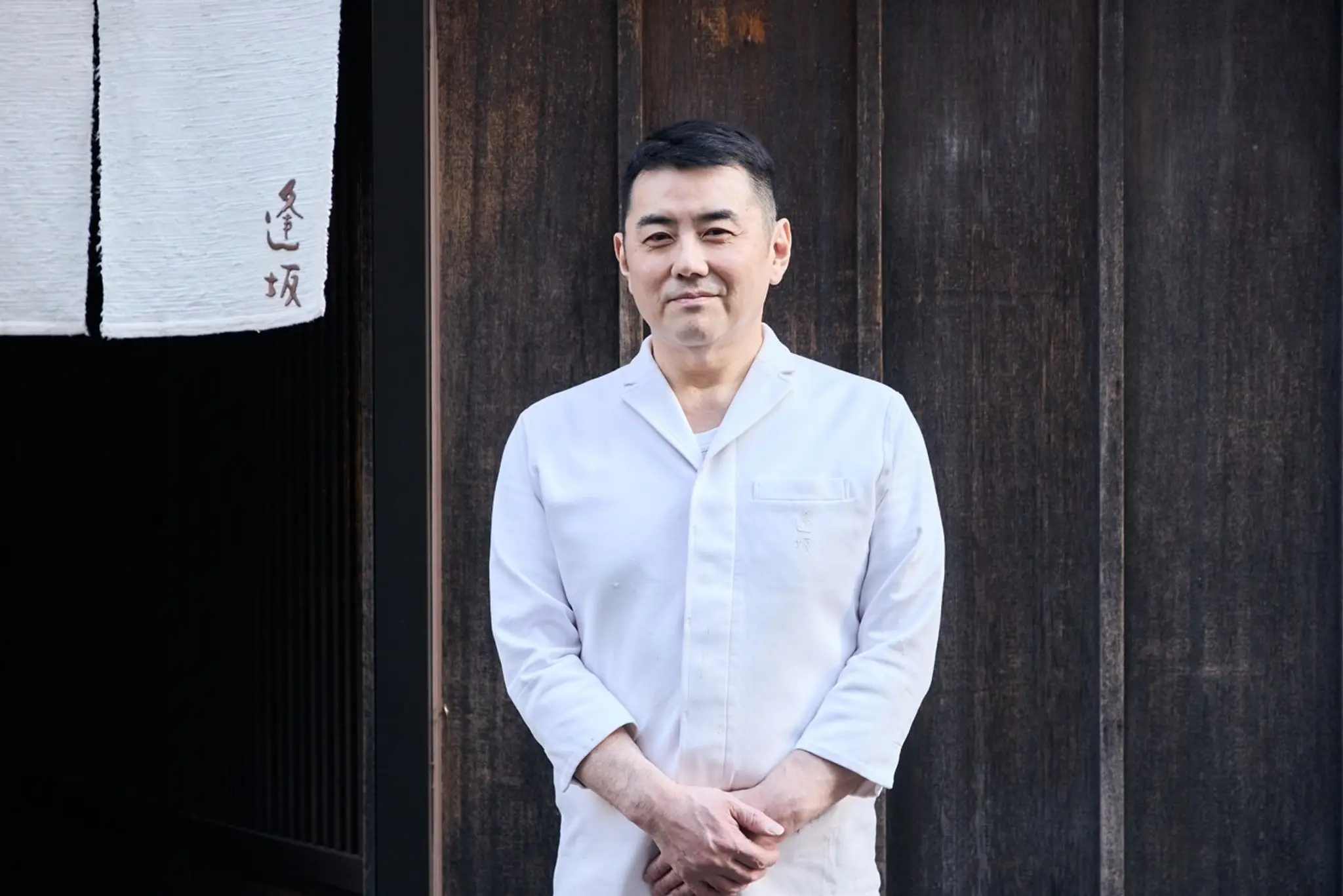
Enhancing the Umami of Ingredients with a Super-Thin Batter: The Relentless Curiosity of Chef Akihiro Oosaka of 【Tempura Oosaka】
Admiring the Fresh Fish Industry, He Was Guided into the Culinary World by His Uncle
ーーーDid you always aspire to work in the culinary world since childhood?
Rather than cooking itself, my initial interest in "food" was actually in "fish." I am from Chiba, but my uncle ran a fresh fish shop in Toyama Prefecture, and during high school, I often helped him out during the summer holidays. In Toyama, which is rich in seafood, there is a deep-rooted culture of eating fish in every household. I remember that many customers at my uncle's shop were knowledgeable about good fish and were very particular about freshness. Watching the interactions with customers and, most of all, seeing fish fly off the shelves every day was very exciting for me. I was fully determined to become a fishmonger, but my uncle advised me, saying, "The fresh fish industry is going to become tougher. (If you want to deal with food,) Perhaps cooking would be better." That's when he encouraged me to pursue a career in the restaurant business.
ーーーWhy did you choose tempura?
I always thought that if I were to pursue cooking, I would go down the path of Japanese cuisine. However, the truth is, I ended up in the world of tempura "by chance" (laughs). After graduating from high school, I worked part-time while attending a night cooking school for about a year and a half. When it came time to search for a job, a relative who was the second-generation head chef at 【Ozashiki Tempura Tenmasa】 offered me a position. It's a prestigious restaurant that every chef in the industry dreams of working at, a place so renowned that it’s almost impossible to get a job there. There was no reason to turn it down. Moreover, being naïve at the time, I thought, "Japanese cuisine requires over 10 years of training, but with tempura, maybe I could become independent in a shorter time." That was a rather naive way of thinking. In the end, it took me about 13 years before I opened my own restaurant, but throughout that time, I was able to focus solely on tempura and advance as a chef without hesitation. I’m grateful for that invitation, as it was an opportunity that allowed me to stay true to my single-minded character.
With a Sense of Accomplishment and Confidence, He Moved Toward Opening His Own Restaurant
ーーーHow did you feel when you started working at the restaurant?
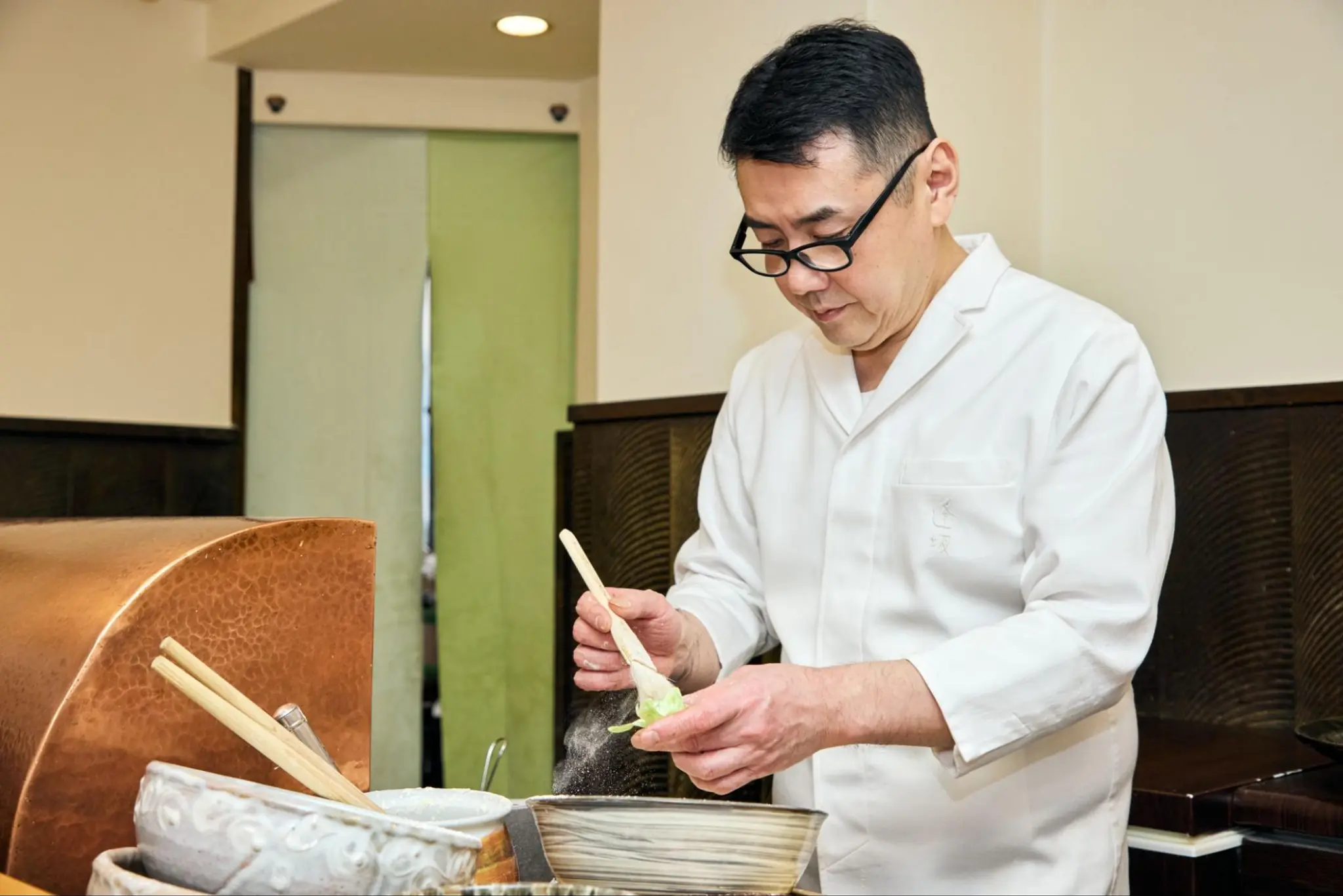
I quickly realized that what I learned in school was just the basics. In the real world of the restaurant business, everything was a new experience, and I struggled just to make decent staff meals. At that time, there were more than 10 chefs at the restaurant, but only three senior chefs with experience were allowed to stand at the "frying station" to fry the tempura. The other chefs' tasks were to carry ingredients to the frying station or do prep work in the kitchen. Even though I wanted to improve my tempura skills, it was not an era where I could receive hands-on guidance; it was common to learn by observation, and after that, it was all self-study. Back then, I practiced frying tempura at home, and I would often have my family taste it for feedback.
ーーーWhen did you start frying tempura at the restaurant?
Although I had the opportunity to serve tempura set meals at a restaurant supervised by 【Tenmasa】, I never got the chance to work at the frying station during my six and a half years of training. However, at the next tempura restaurant I worked at, I found myself immersed in tempura-making. The shop, which was run by the head chef alone, was a popular establishment offering affordable prices. I wasn't immediately allowed to work at the frying station, but gradually, I was entrusted with assisting the head chef, and before I knew it, I was frying tempura for 60 customers a day.
In the frying station, the head chef was always by my side, and while learning his skilled techniques up close, I gained experience as a tempura chef by working through the daily demands. I worked at that shop for about three years, and I gained the confidence that I could fry tempura that was good enough to serve to customers without feeling embarrassed.
ーーーSo, finally, you decided to open your own restaurant?
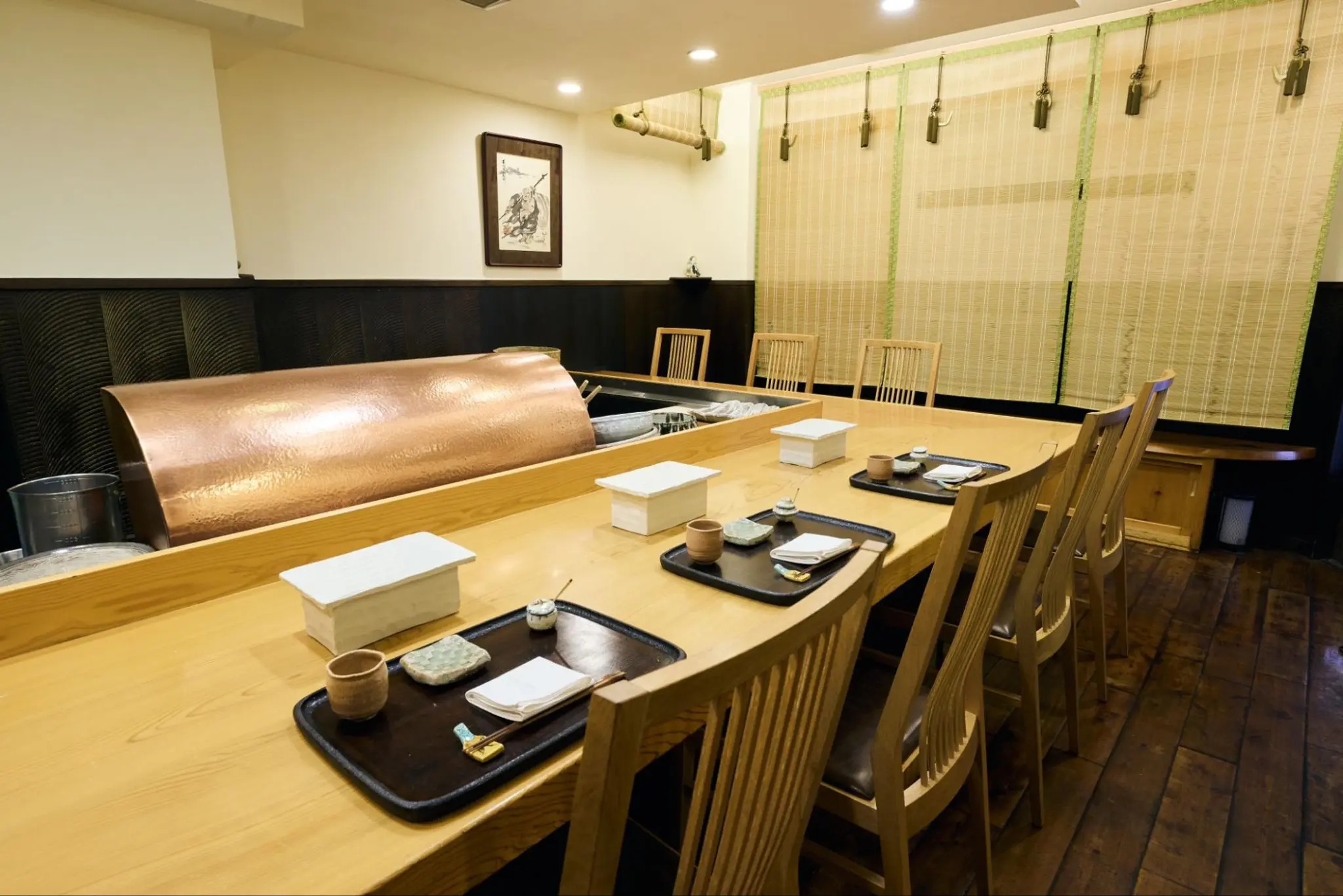
I spent about three more years helping at a tempura shop where there were senior chefs from my time at 【Tenmasa】, but the senior chefs mostly handled the frying, and I rarely had the chance to work at the frying station. Just when I was beginning to enjoy frying tempura, I found myself in a situation where I couldn't do what I wanted. Although I considered looking for a new job, I ultimately reached the conclusion that "the only option is to open my own restaurant," and in 2001, I opened 【Tempura Oosaka】.
Continuing the Pursuit of His Own Tempura with New Discoveries
ーーーHave there been any changes since you opened your restaurant?
It has been about 40 years as a chef, and in the past few years, I feel that my tempura is finally starting to take "shape." However, every day I stand at the frying station, I make new discoveries and feel that I still have a long way to go. As I visit renowned tempura restaurants, I learn that each one has its own unique "deliciousness," which is very educational. However, instead of imitating someone else's flavor, I am working hard every day to establish my own sense of "deliciousness."
ーーーWhat is the hardest thing about making tempura?
Tempura is a simple cooking method of "just frying," but that's exactly why it's such a delicate and deep dish. Even something as small as the water or egg used can cause a significant change in flavor. For instance, one time, I used water that had been refrigerated for two days in the batter, and I noticed a slight oddity in the way the tempura fried. I made a new discovery: "Water freshly drawn from a water purifier, rich in oxygen, might fry tempura better." However, this is not scientifically backed—it's just my personal intuition.
The frying results also change depending on the tools used, so I believe it’s the tempura chef’s job to find the tools and equipment that suit them. For example, at my restaurant, I use aluminum pots. They are thin, so the oil temperature rises quickly and drops easily, making it easier to control the temperature. Some chefs prefer thicker copper pots, as they don't let the temperature drop as easily, but in my case, I can only fry tempura with the aluminum pots I use at my restaurant. Recently, I had to cook at an event using an unfamiliar gas stove, and I really struggled with it.
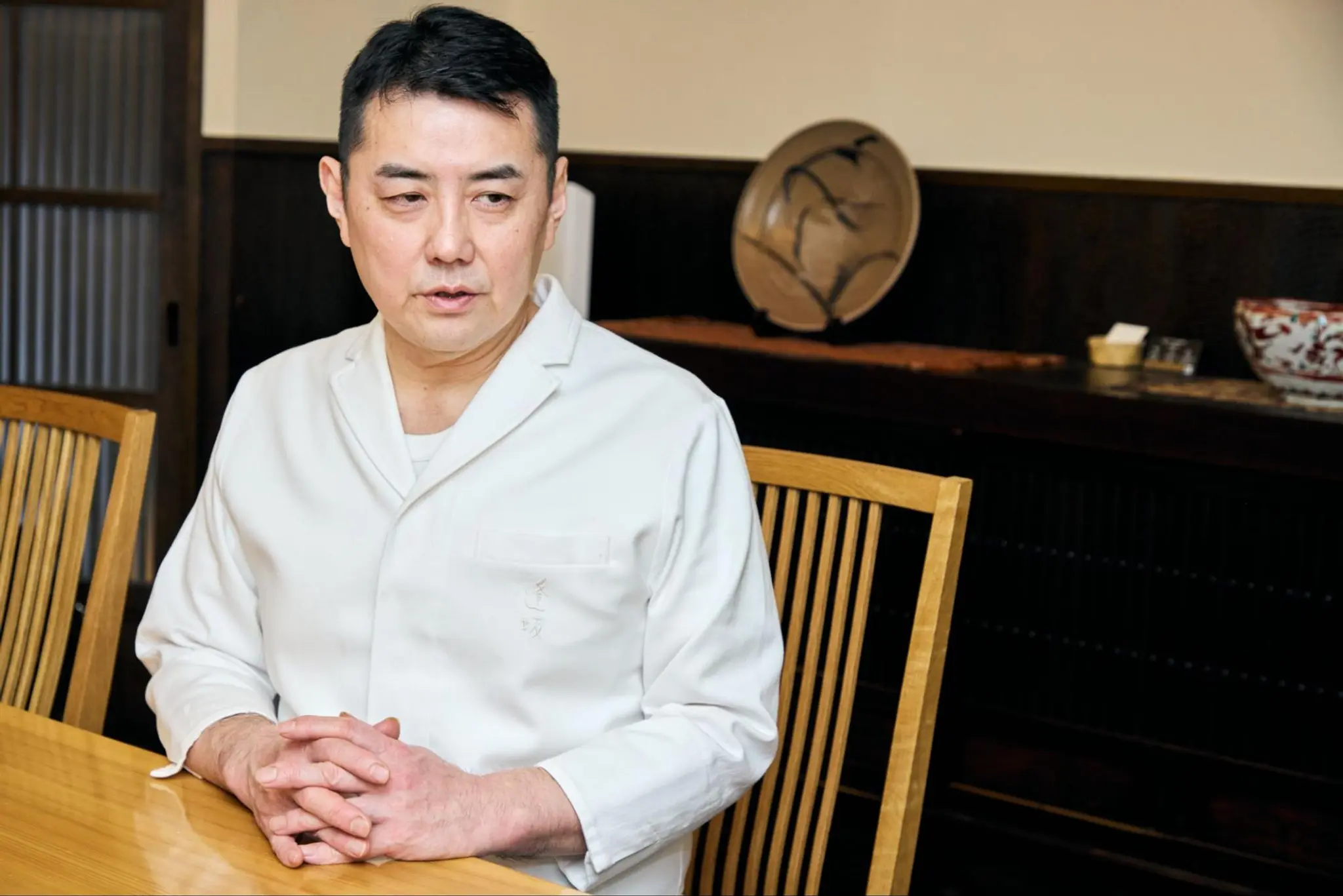
Light Batter on Carefully Selected Ingredients. Enhanced Flavor with Taihaku Sesame Oil
ーーーWhat is the key to the flavor of tempura?
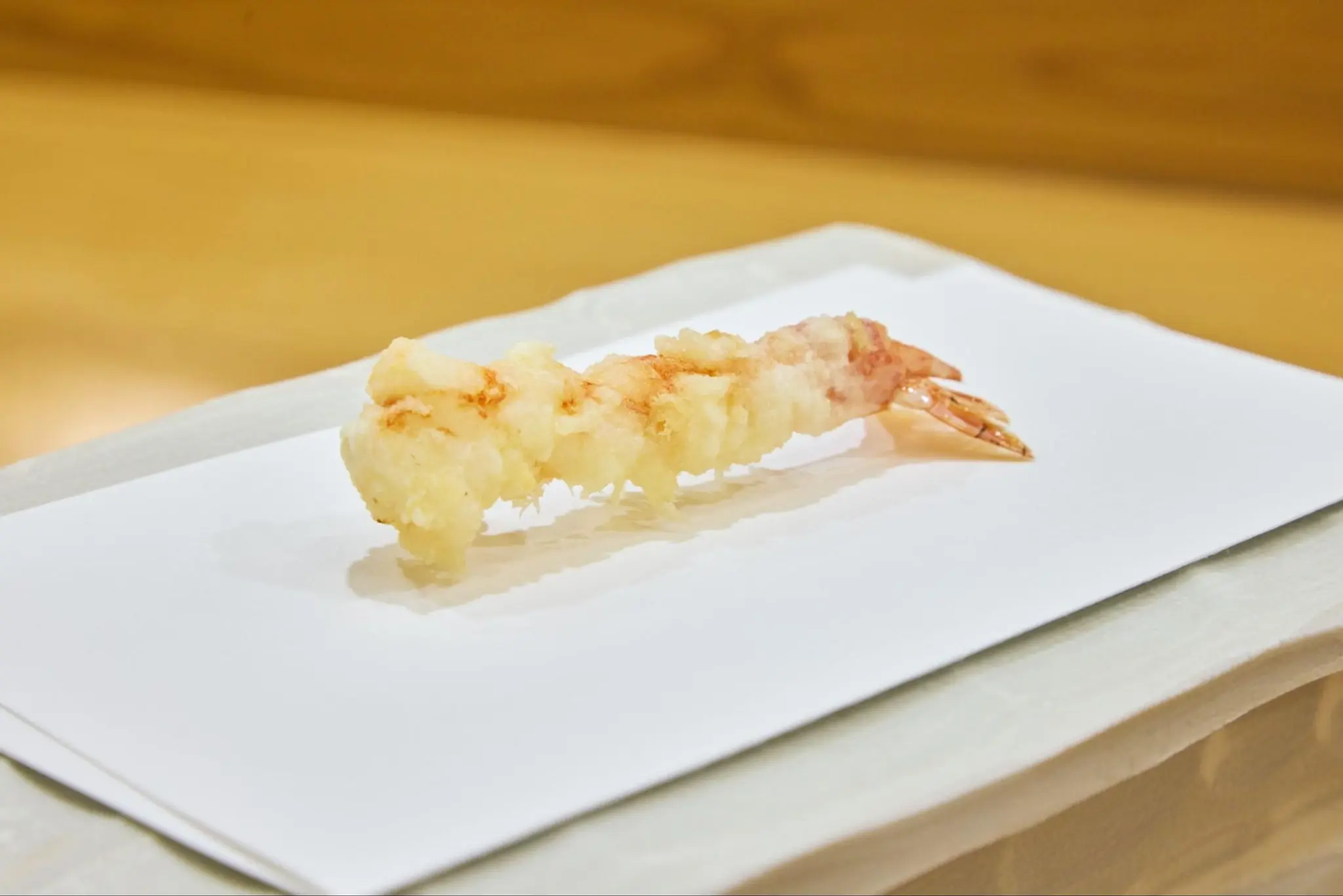
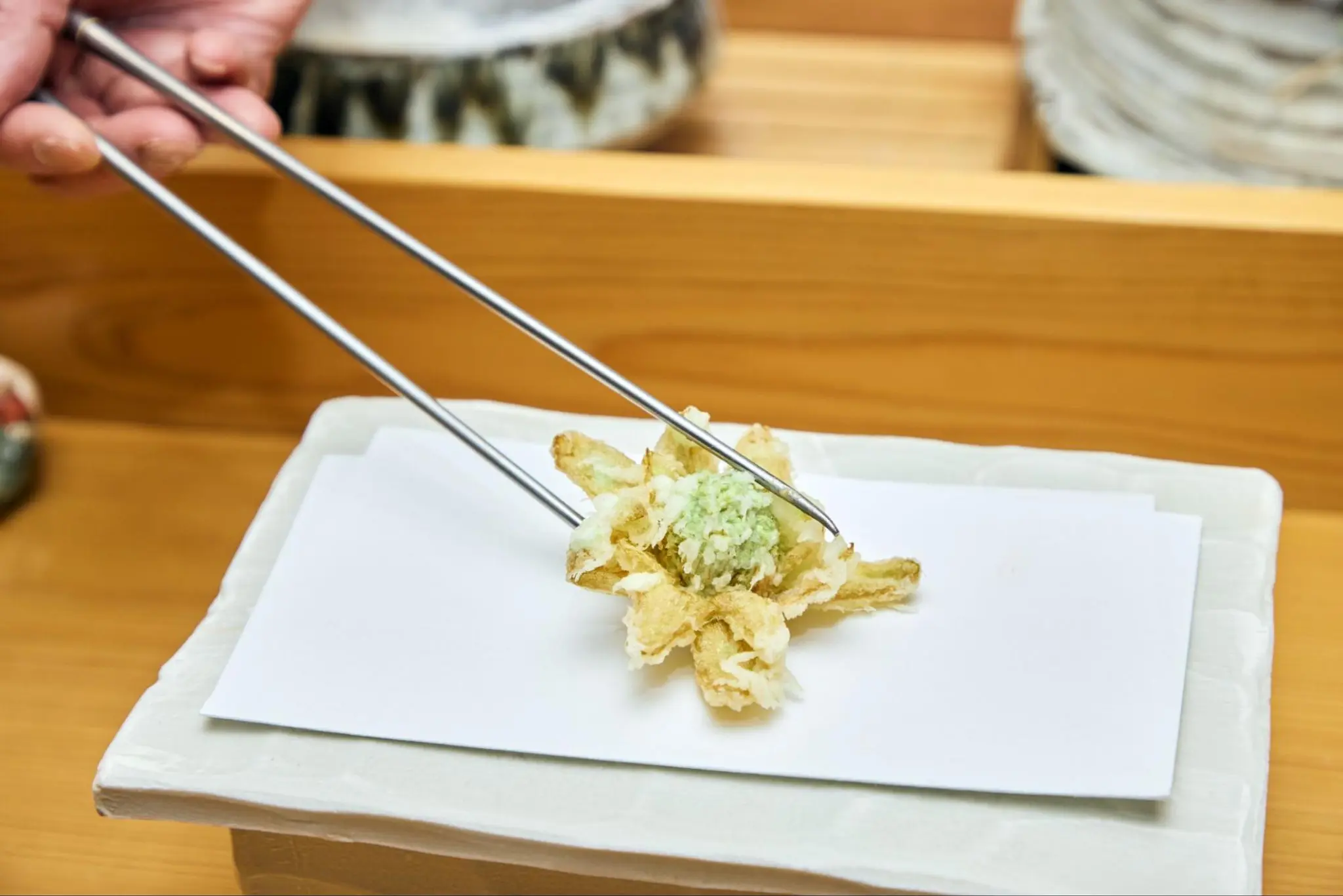
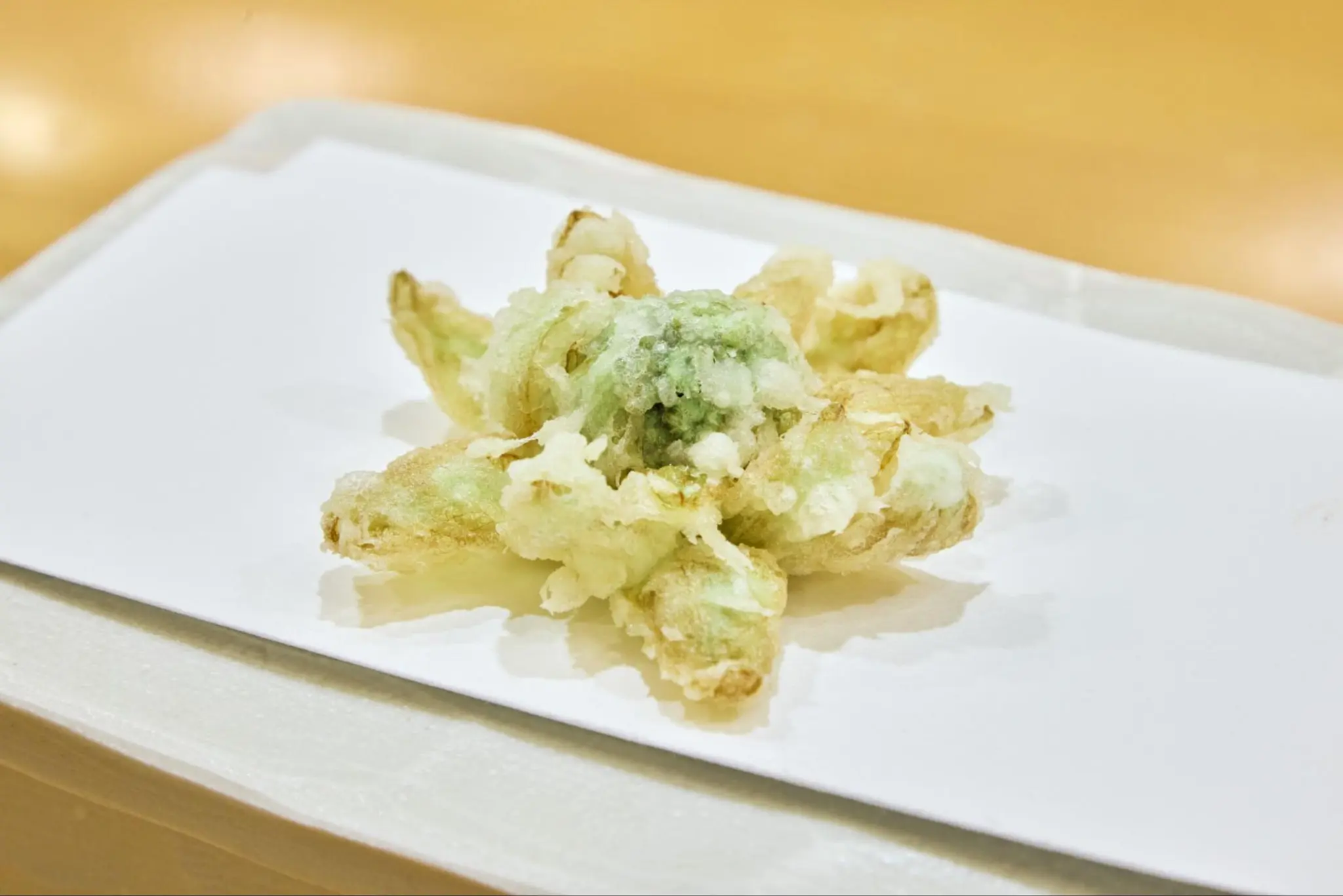
It's not an exaggeration to say that the flavor of tempura is determined by the batter. To create a light batter, I make sure to use different batters for different ingredients, even if it's the same seafood. For example, I wouldn't use the same batter for shrimp as I would for eel. I adjust the amount of batter and the way it's applied according to the ingredient. The ratio of flour, egg, and water is something I have memorized for each ingredient, but in the end, I rely on the feel of my hands. By making the batter as thin as possible, I create a crispier texture, serving tempura that remains satisfying without getting boring as you eat.
I source my ingredients from the Toyosu Market. Through trusted shops, I carefully select the best ingredients from high-quality products gathered from across the country. The course consists of seafood and vegetables in roughly equal portions, with the composition changing based on that day's ingredients. However, since my restaurant's philosophy is to serve "traditional tempura," we never miss the essential ingredients of Edo-style tempura, such as shrimp, eel, and sea bass.
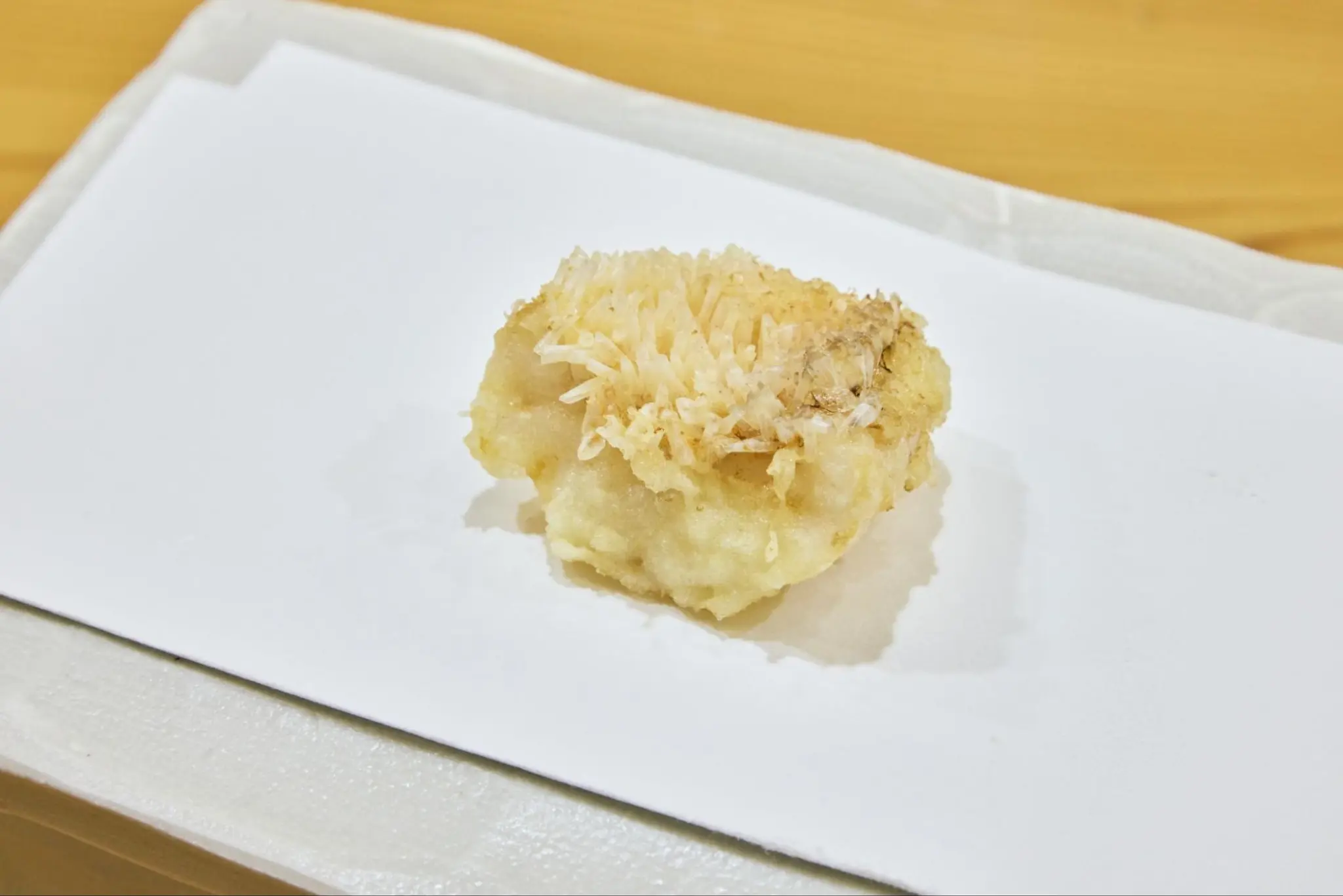
The thick, meaty eel caught near Tsushima, Kyushu, is highly regarded among seafood professionals. The catch of sea bass has drastically decreased in recent years, leading many tempura restaurants to remove it from their menu. However, I am committed to ensuring that our customers can enjoy the traditional tempura experience by continuing to make efforts in sourcing quality ingredients.
ーーーDoes the tempura oil have any unique features?
At a tempura restaurant, sesame oil is used to infuse the batter with the distinctive sweetness and umami of sesame, enriching the flavor of the tempura. The sesame oil we use is "Taihaku Sesame Oil," which is made by cold-pressing sesame seeds. It is transparent, with almost no aroma, and is lighter in flavor compared to the more commonly used toasted sesame oil. This gives the batter a lighter texture when fried.
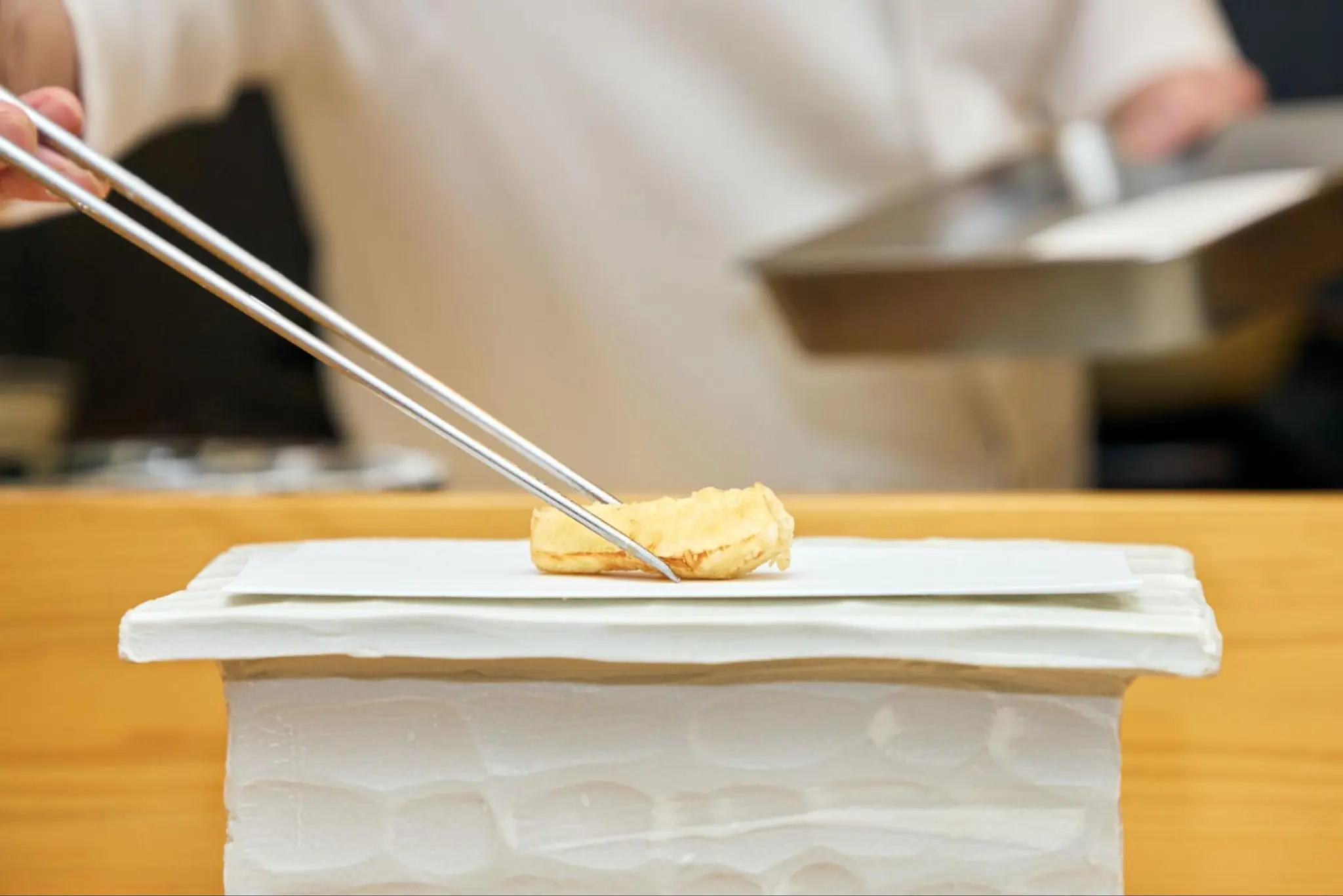
ーーーIs there anything you pay particular attention to when serving customers?
For first-time customers, I try to maintain a bit of distance without proactively engaging in conversation. This is because I want them to focus on each piece of tempura and truly savor the flavors. Some customers might think, "What a boring chef," but that’s okay (laughs).
When I’m at the frying station, I can directly sense the customers’ reactions. If someone is eating very quietly, I still get nervous and wonder, "I hope it’s to their taste." On the other hand, when I hear someone murmur "delicious" or see customers nodding enthusiastically while savoring the tempura, it’s a huge encouragement. I believe it's the accumulation of these daily joys that has allowed me to continue running the restaurant to this day. The emotional experiences that come with being a tempura chef, which you can't experience in the kitchen alone, are one of the greatest pleasures of working in a tempura restaurant.
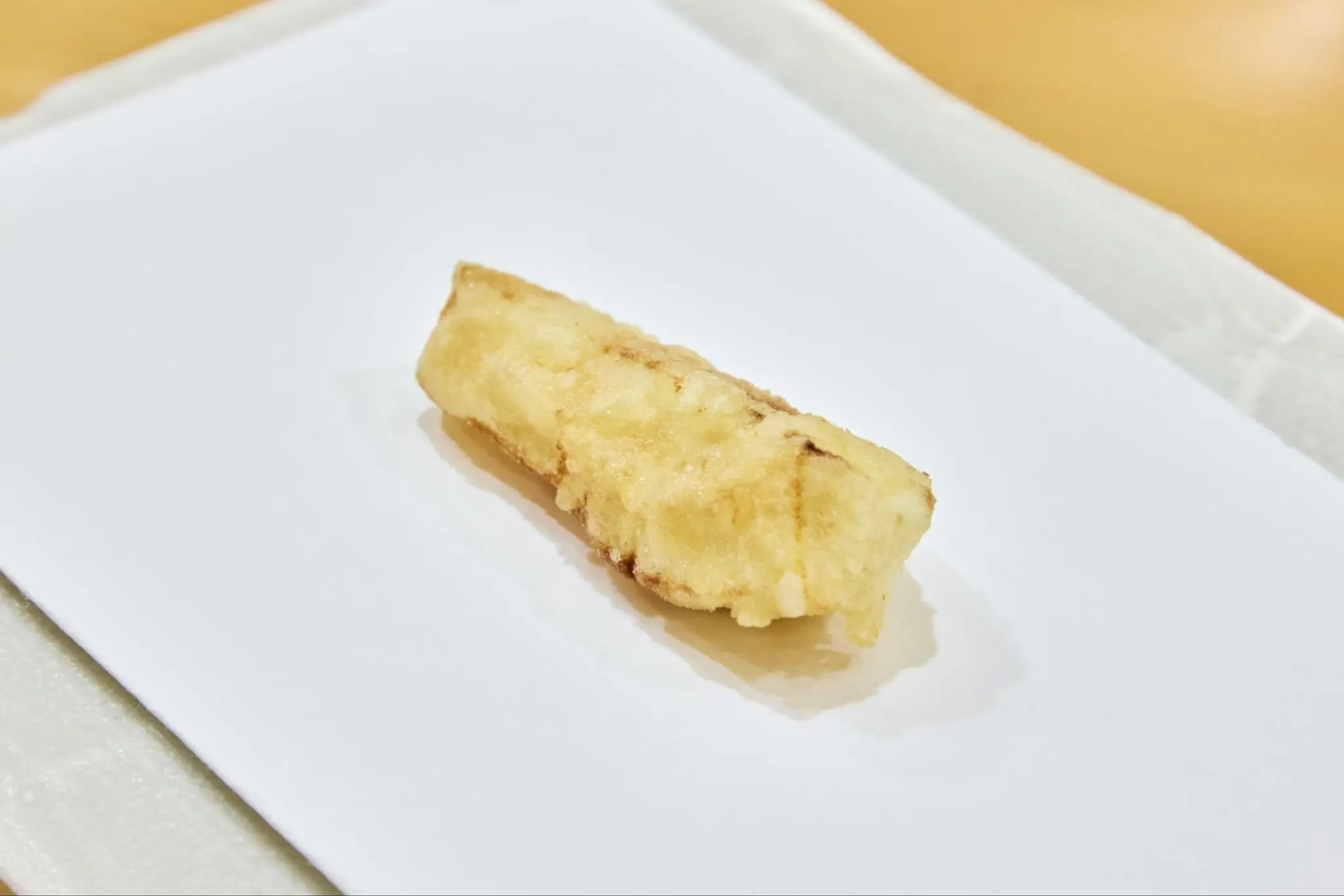
Currently, the restaurant is supported by many regular customers, but I would love for more younger generations to visit in the future. To achieve this, I believe it's essential to continue exploring "tempura that appeals to young people," while preserving the traditional tempura culture. At the same time, I think flexibility is needed to change the aspects that are no longer in tune with the times.
The Pursuit of "Delicious" Has No End
ーーーFinally, what does "delicious" mean to you?
Of course, cooking technique is important, but I believe "delicious food" is created only when you put your heart into it, with the intention of "making delicious food" and "serving it to others." However, I don’t think it’s enough for the creator to simply think something is "delicious." In tempura, the seasoning that accompanies the freshly fried pieces is also a crucial element in balancing the flavor. Salt is recommended to bring out the natural taste of the ingredients, but occasionally, customers tell me, "I’d prefer to eat it with tempura dipping sauce." At times like these, I am struck with a realization. I am reminded that my idea of "delicious" doesn’t always align with what the customer considers "delicious."
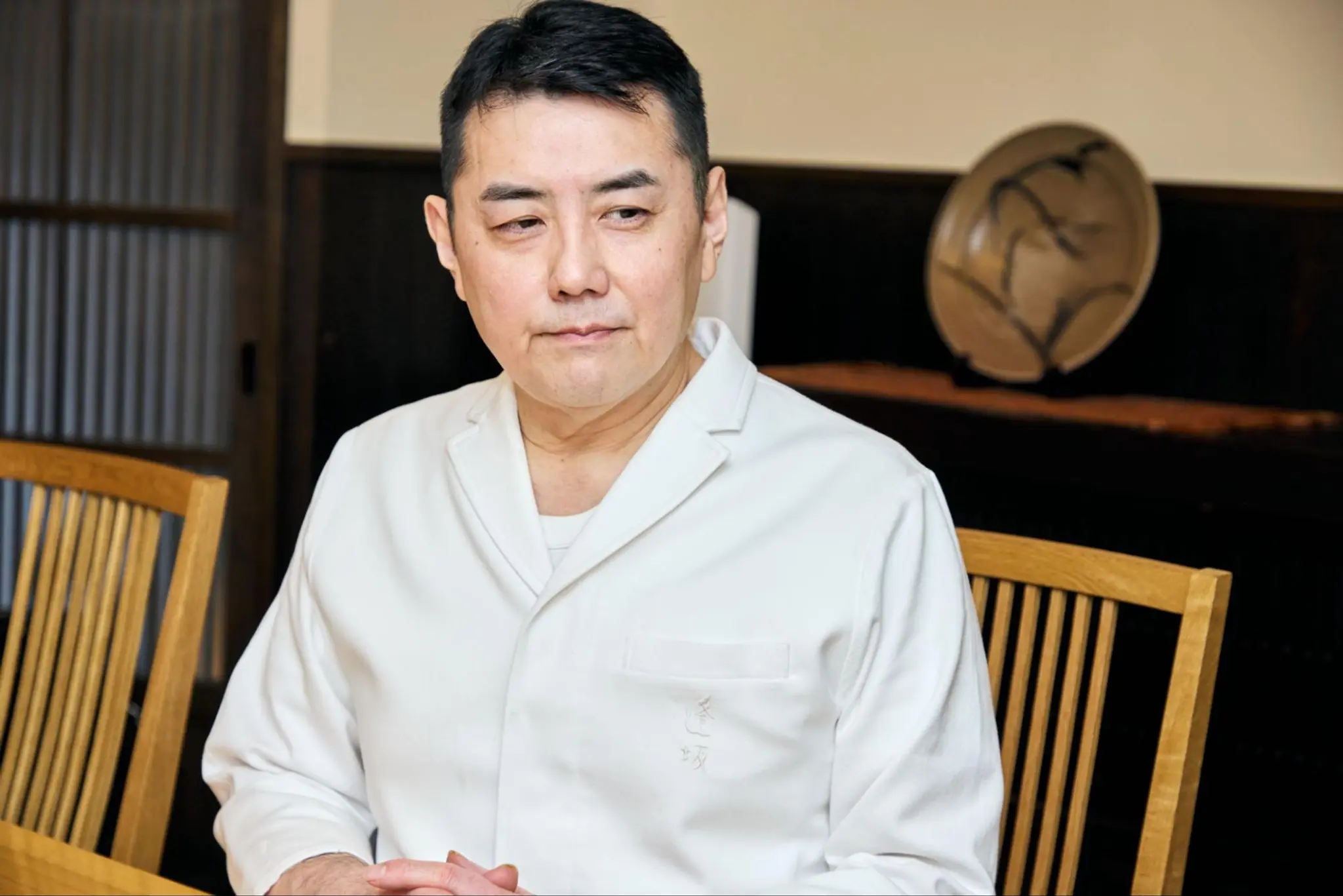
Not only the combination of ingredients and seasonings but also the overall flow—such as "first tempura dipping sauce, then salt, and then tempura dipping sauce again"—is something I pay attention to. For example, with eel tempura, I pair it with salt containing sansho pepper to add a change in fragrance, ensuring that customers can enjoy their meal without getting bored until the very end.
The "deliciousness" of the meal can also change depending on the atmosphere of the restaurant and the company of the customer. The taste of tempura may differ between a business meal and a private gathering. I believe that it is the chef’s duty to stand in the customer's shoes and try to understand their preferences. I hope to continue facing tempura with sincerity, aiming to be a restaurant that is loved by our customers.
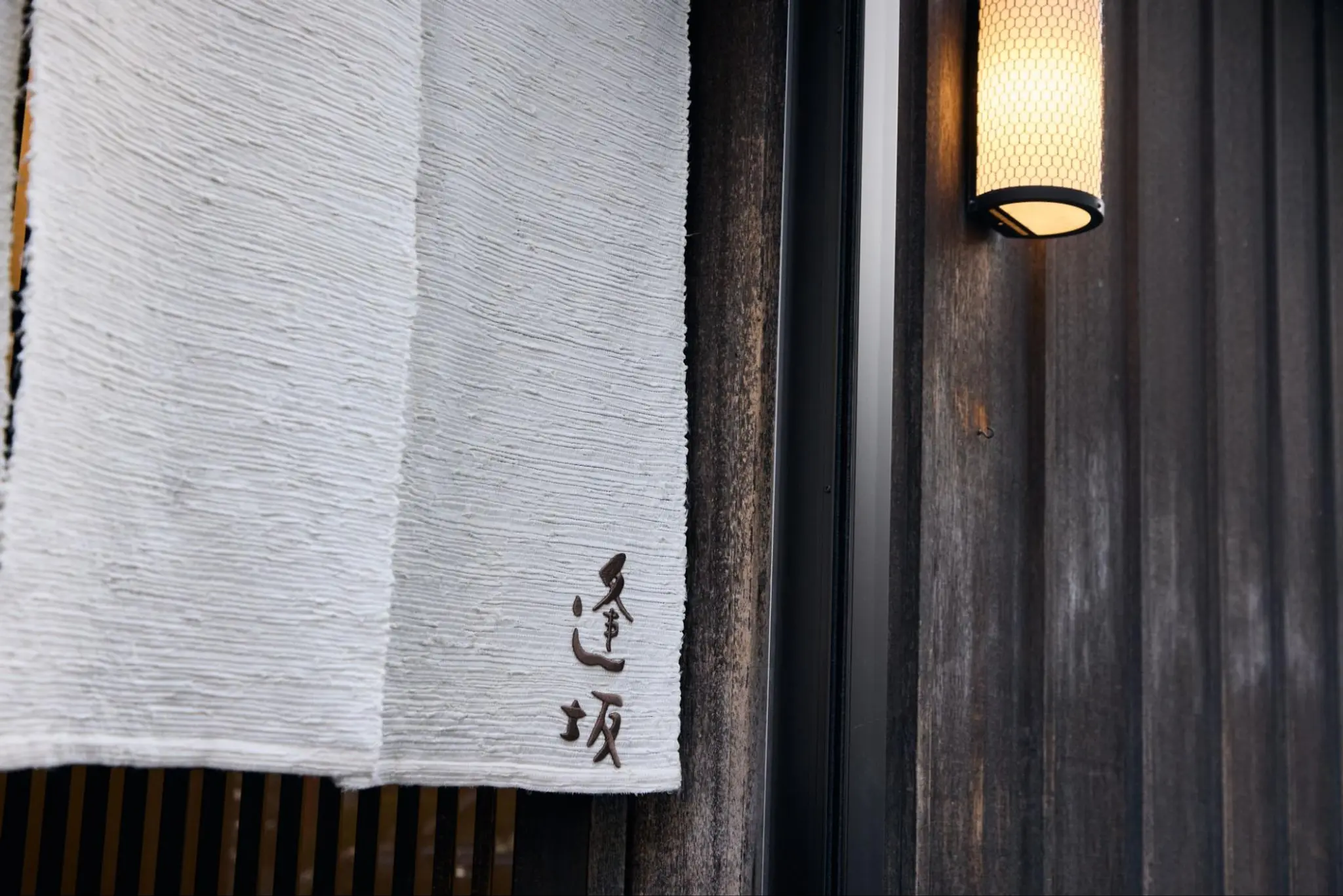
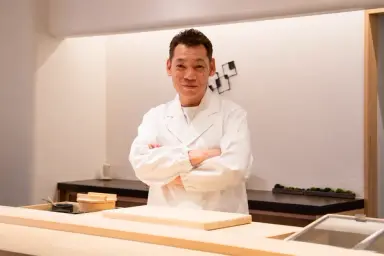
Chef Oosaka appeared momentarily puzzled, scratching his head, when asked the final question, "What does 'delicious' mean?" During the interview, he also mentioned, "I’m still not there yet," and his apparent confusion may have stemmed from his self-assessment of "not being at the level to discuss what 'delicious' truly is." Despite his long career, Chef Oosaka does not rest on his laurels. With a humble attitude, he approaches both his cooking and his customers. Watching his skilled techniques across the counter, I look forward to savoring tempura that encapsulates the umami of the ingredients, truly appreciating every bite.
Interviewer & Text: Reiko Aoki
Photography: Tomohiro Yasui
Restaurant Information
- AutoReserve Magazine
- Enhancing the Umami of Ingredients with a Super-Thin Batter: The Relentless Curiosity of Chef Akihiro Oosaka of 【Tempura Oosaka】